Want to get stronger for wrestling without stepping into a gym? You’re in the right place.
This guide breaks down the best home workouts and drills for wrestlers at every level. We’ll cover warm-ups, strength moves, solo drills, and workouts that need little or no equipment.
You’ll also find sample routines for beginners and advanced athletes, plus tips to avoid common mistakes.
Everything here comes from real training methods used by wrestlers who train outside the gym. No fluff, no guesswork. Just clear steps you can follow today. By the end, you’ll know exactly how to build a home training routine that actually works.
Why Wrestling Workouts at Home Matter

Not everyone has access to a wrestling room every day. Home workouts fill that gap. They help you keep your strength, grip, and conditioning sharp between practices.
You don’t need a partner or fancy machines to stay sharp. A focused routine at home builds the same base strength wrestlers need on the mat, including dynamic grip strength, static grip strength, posterior chain strength, and shoulder stability.
It also keeps your body ready when the season starts. Training at home teaches discipline too. When no coach is watching, you learn to push yourself. That habit carries over to competition.
Warm-Up Before Every Workout

Warming up right sets the tone for the whole session, prevents injury, and keeps you safe.
Dynamic Mobility Routine
Start with arm circles, leg swings, and walking lunges. This loosens up your joints and muscles before harder work begins. Keep movements smooth and controlled.
Joint Activation Exercises
Wake up your shoulders, hips, and ankles with light band work or bodyweight squats. This wakes up the muscles you’ll rely on most during wrestling movements and reduces injury risk once you move into heavier lifts.
Movement Prep for Speed and Power
Add short bursts of high knees, butt kicks, or jumping jacks. This raises your heart rate and prepares your body for explosive drills ahead.
List of 11 Best Wrestling Workouts at Home
These exercises target the exact muscles wrestlers depend on most, from dynamic grip to posterior chain strength.
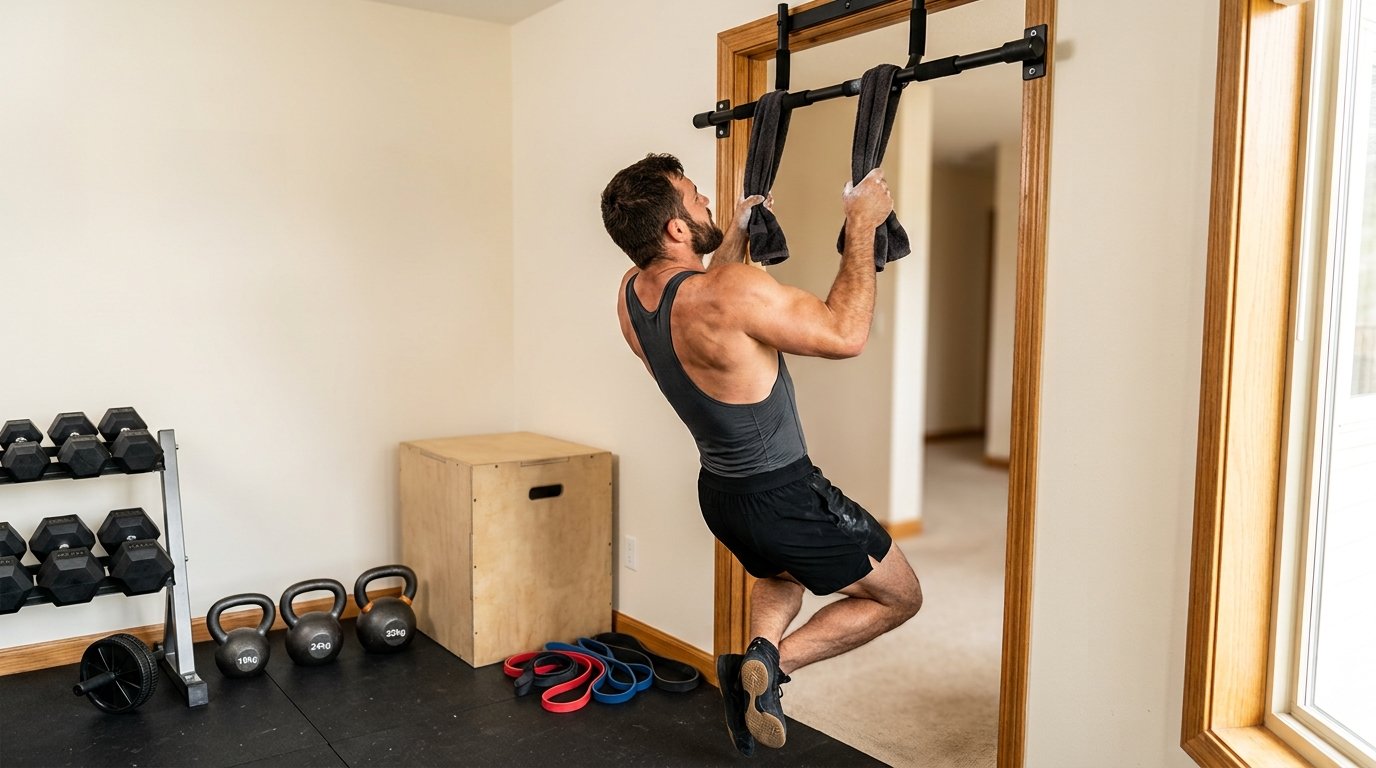
1. Rope Climbs or Towel Pull-Ups for Grip Strength
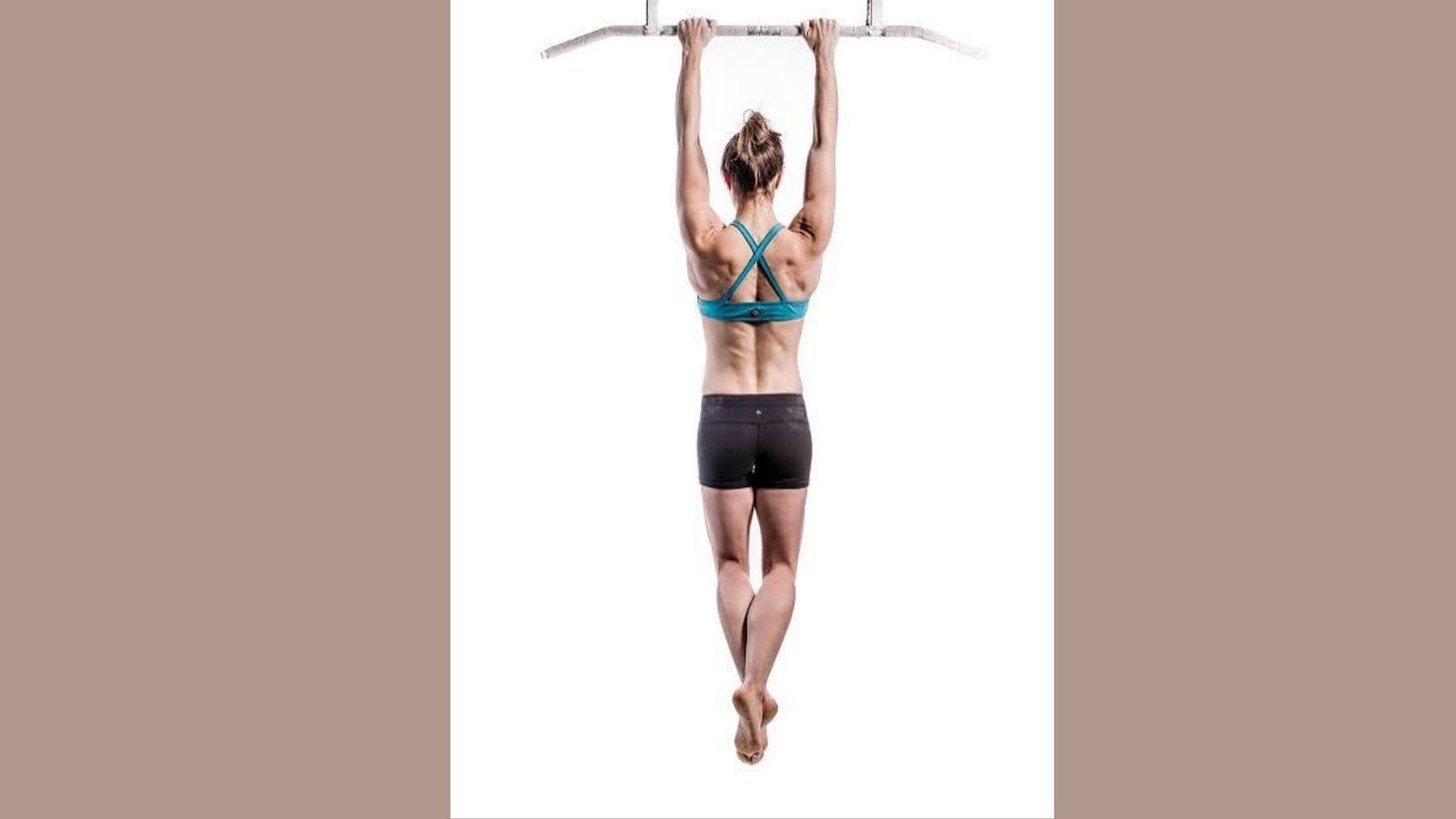
Hang a towel over a pull-up bar and pull yourself up gripping the fabric instead of the bar.
This builds dynamic grip strength, the crushing grip needed for holds and ties while your hands stay in constant motion during a match.
2. Farmer Carries or Heavy Holds for Static Grip

Grab two heavy dumbbells or kettlebells and walk for distance or time, keeping your shoulders back and core tight.
Your forearms and core work overtime, building the static grip strength that lets you hold a position without letting go under pressure.
3. Neck Extensions for Neck Strength
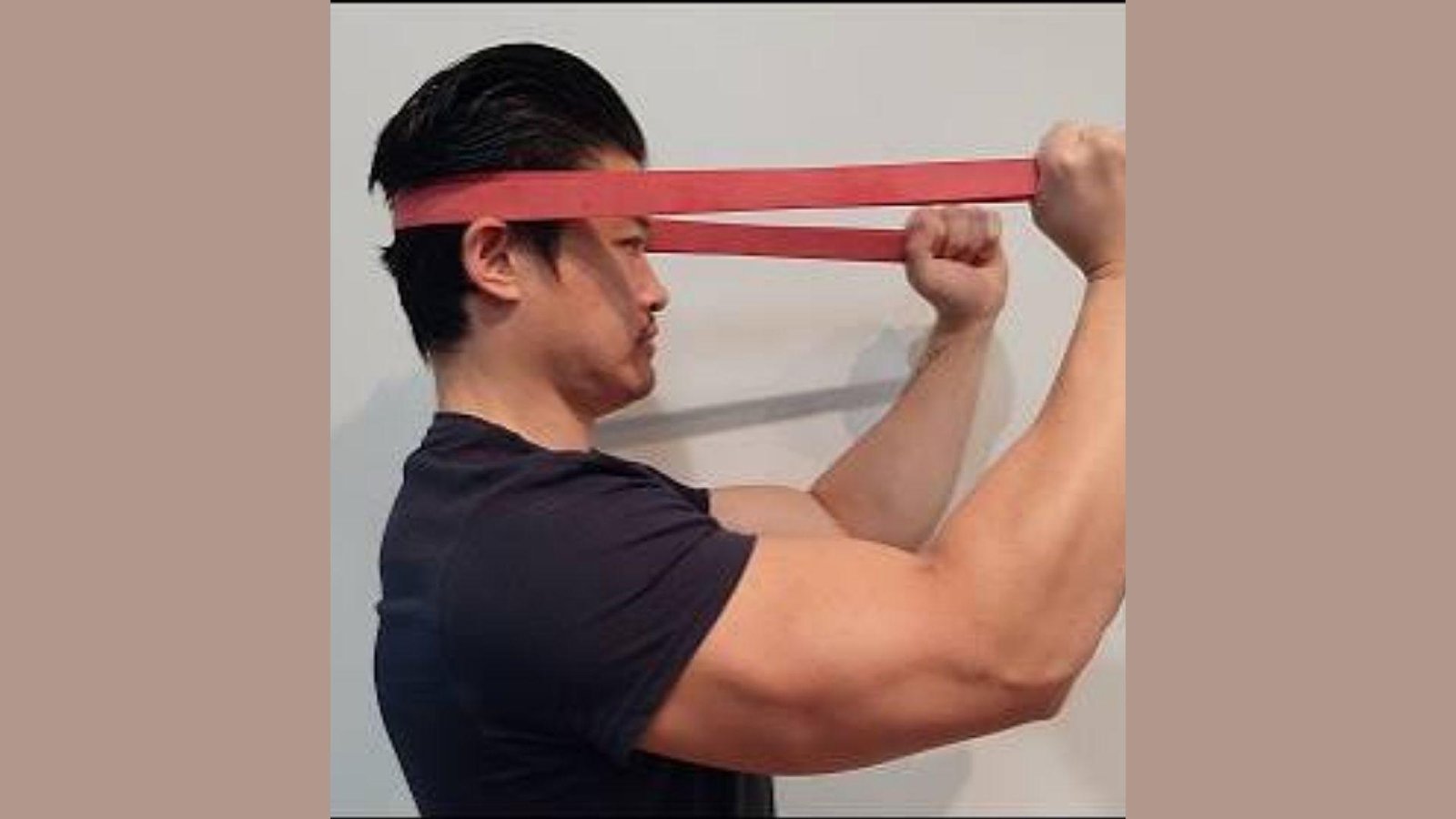
Lie face down on a bench with your head hanging off the edge and let it drop slowly.
Slowly lift and lower your head to build neck extension strength, a safer option than bridging since it avoids extra spinal compression and strain.
4. Single-Leg Box Jumps for Explosive Power
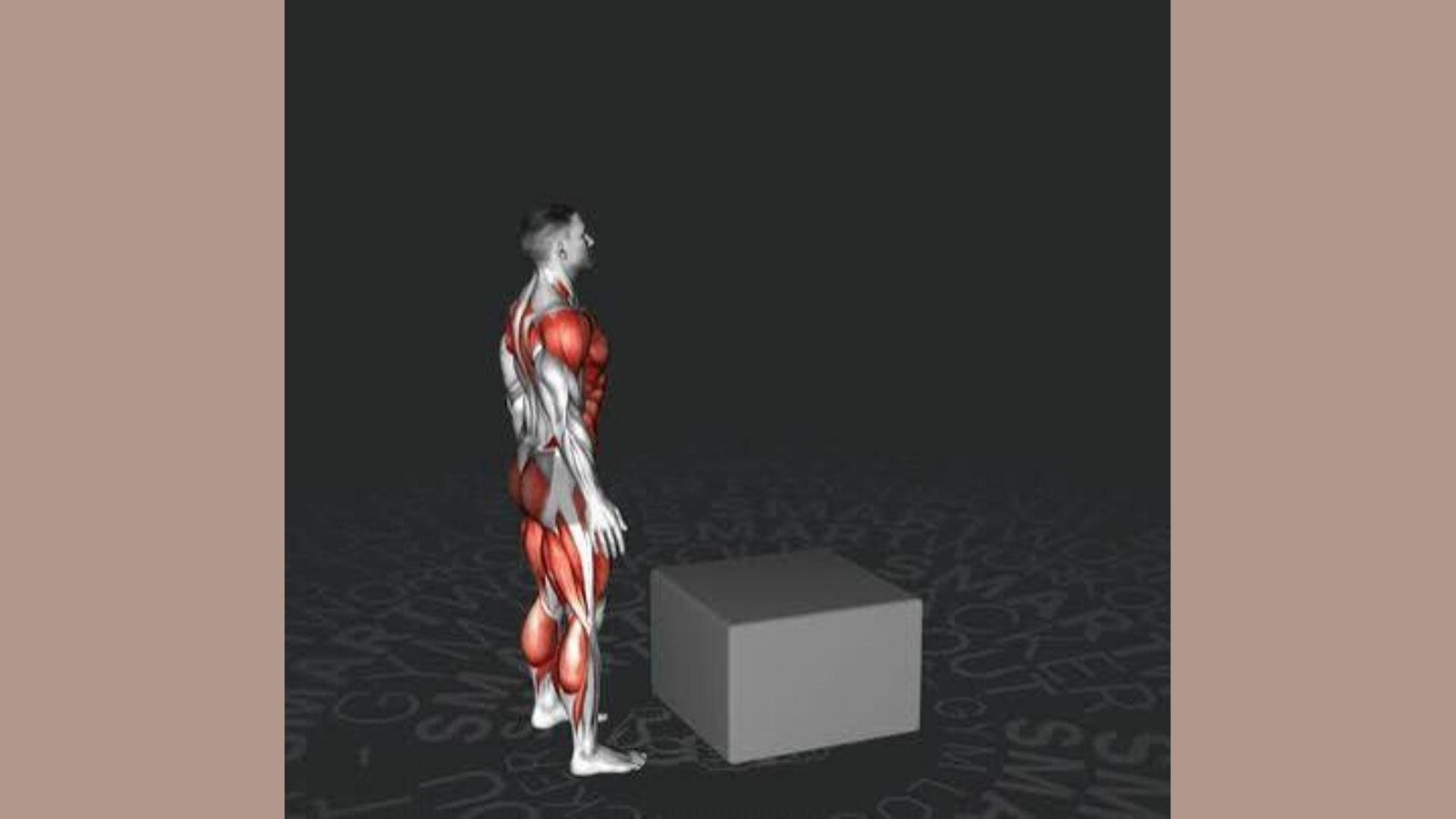
This builds the single-leg power wrestlers need for shots, sprawls, and quick direction changes during scrambles.
5. Front Squats or Goblet Squats for Leg Strength
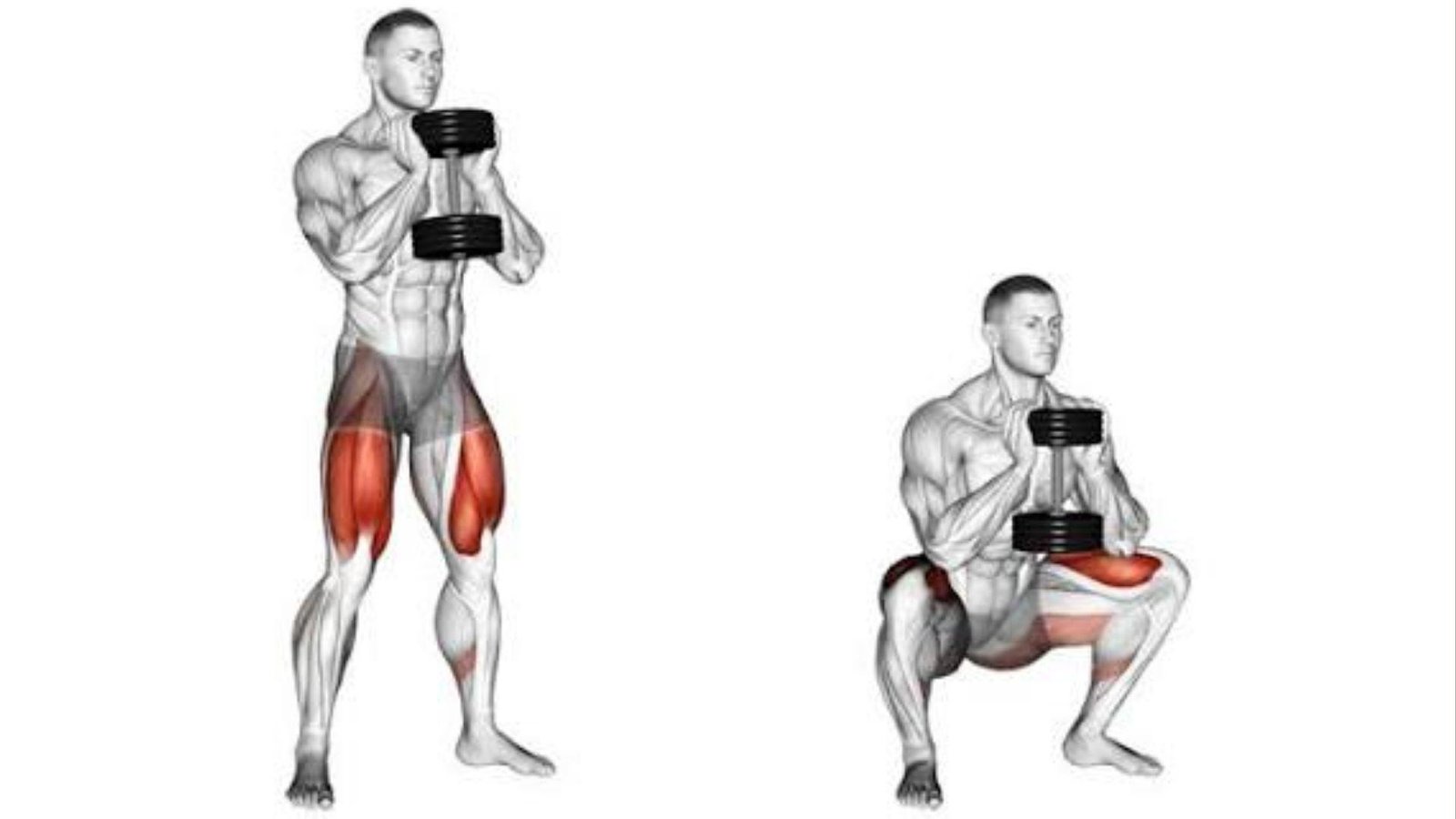
Hold a weight at chest height and squat down keeping your back straight and chest up through the whole movement.
This builds leg power for driving through opponents, holding a low stance, and finishing takedowns without losing your base.
6. Deadlifts or Romanian Deadlifts for Posterior Chain
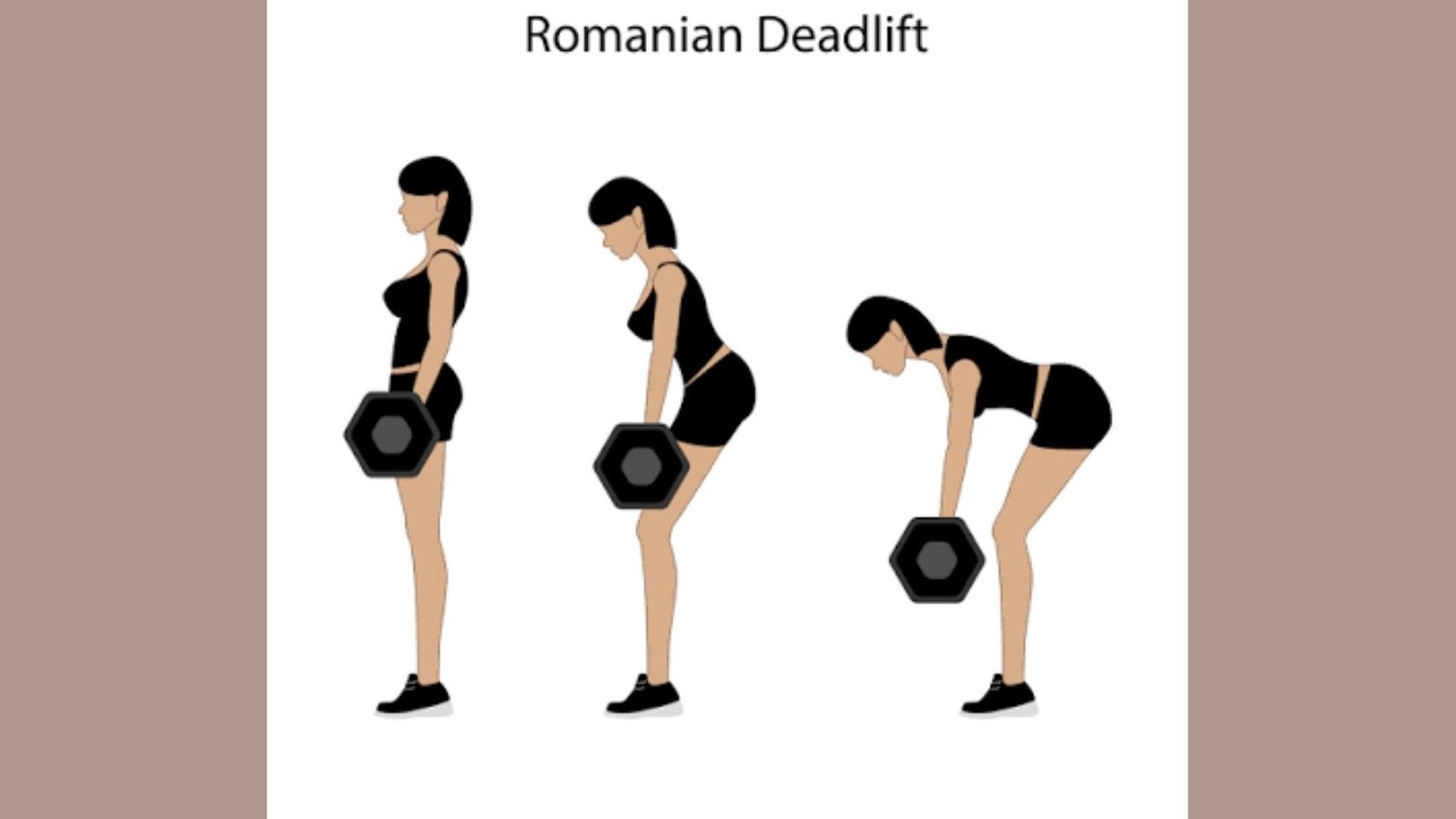
Lift a barbell or dumbbells from the floor using your hips and hamstrings, keeping the bar close to your body.
This strengthens your posterior chain, the lower back, glutes, and hamstrings that connect your upper and lower body during lifts and throws. A trap bar deadlift is a good alternate if a straight bar feels awkward.
7. Pull-Ups for Upper Body Pulling Strength
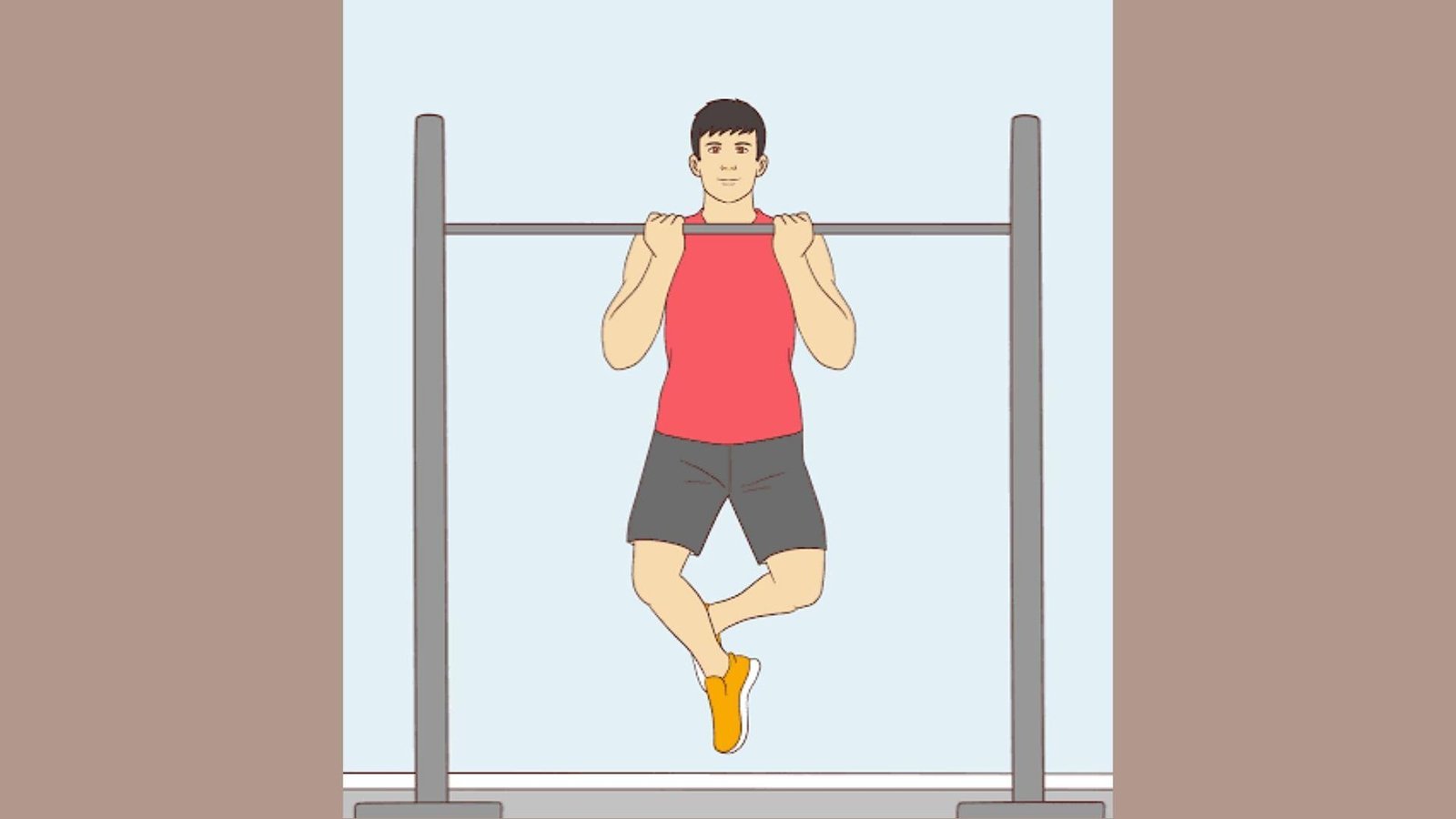
This builds relative strength, your strength compared to your body weight, which carries directly into takedowns and control. A doorway pull-up bar makes it easy to grease the groove, spreading small sets of reps across the day.
8. Handstand Push-Ups or Pike Push-Ups for Shoulder Stability
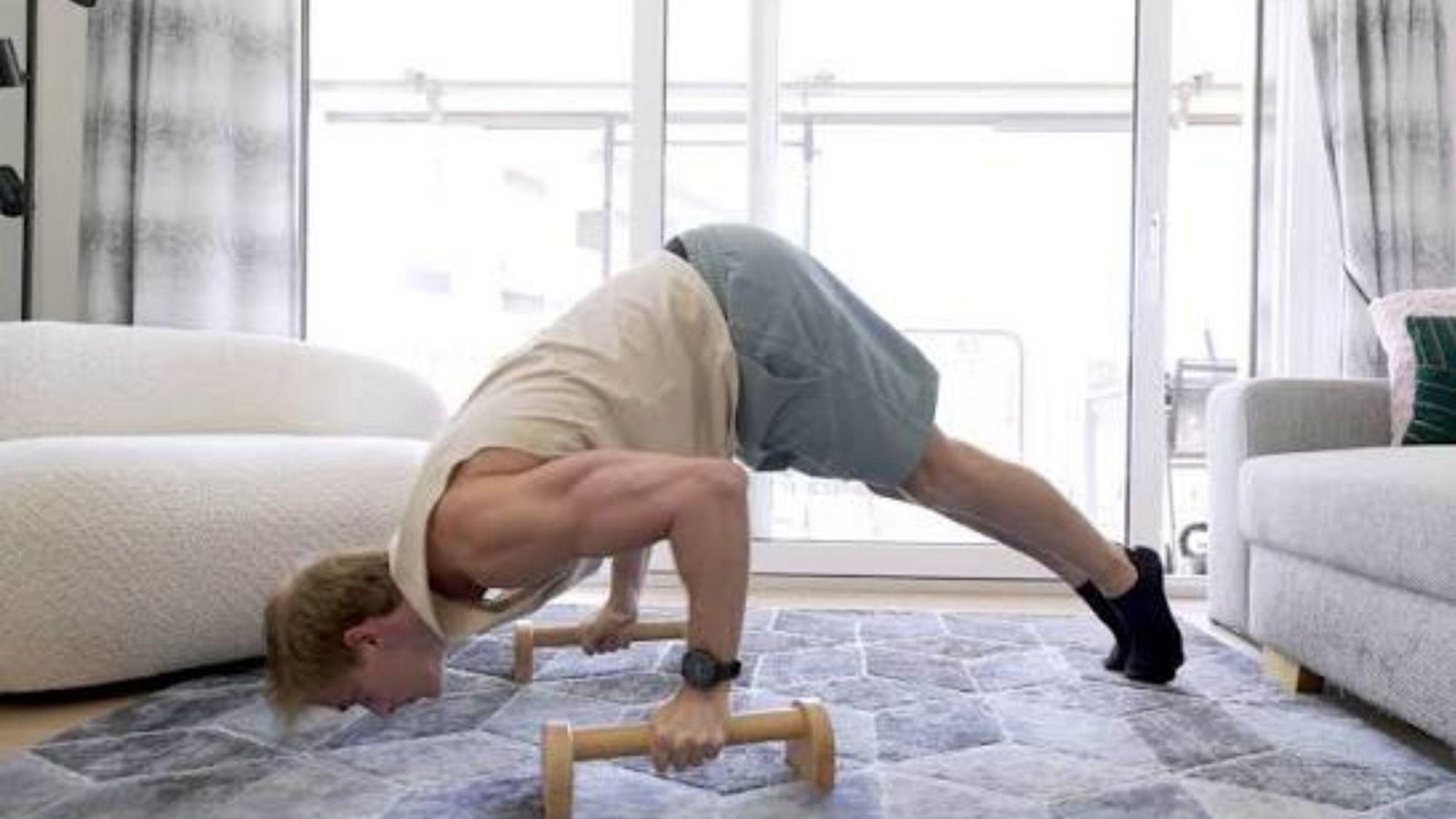
Push your body upward in a handstand or pike position against a wall, keeping your core braced the whole time.
This builds shoulder stability, the control that holds up under pressure when you’re fighting from the bottom or defending a tie.
9. Ab Wheel Rollouts for Core Strength

This builds serious core strength for bridging, defense, and staying stable when an opponent is pushing against your frame.
10. Hill Sprints or Stair Sprints for Conditioning

11. Stance and Motion Drill

Sample Wrestling Workout for Beginners
Workout Structure
Begin with a warm-up, move into three or four strength exercises, then finish with a short conditioning burst. Keep sessions under 45 minutes.
Sets, Reps, and Rest
Stick to three sets of eight to twelve reps for most exercises. Rest sixty to ninety seconds between sets to recover fully.
Sample Wrestling Workout for Intermediate and Advanced Athletes
More experienced wrestlers can handle higher intensity and more complex training.
Strength-Focused Workout
Focus on heavier deadlifts, front squats, and weighted pull-ups with longer rest periods. Aim for four to five sets of five to eight reps.
Conditioning-Focused Workout
Combine hill sprints, circuit training, and short rest periods to build match-level endurance. Keep intensity high and rest periods short.
Common Mistakes to Avoid
Small mistakes can slow your progress or lead to injury over time.
- Skipping warm-ups before jumping into hard exercises
- Ignoring grip and neck training in your routine
- Training too hard every single day without rest
- Using poor exercise technique to lift heavier weights
How Often Should You Do Wrestling Workouts at Home?

Your training frequency should shift depending on where you are in the season, which is why periodization matters.
In the off-season, aim for four to five sessions a week since you have more time to build strength and fix weak spots.
Once the season starts, cut back to two or three lighter sessions so you stay fresh for practice and matches. Don’t skip recovery days either.
Your body needs time to repair and grow stronger, and pushing through without rest usually backfires and slows your progress down.
Tips to Get Better Results From Home Wrestling Training
A few smart habits can make your home training far more effective.
- Track your progress with a simple workout log
- Increase difficulty gradually as exercises start feeling easier
- Prioritize recovery and nutrition alongside your training
- Stay consistent even on days you don’t feel motivated
Conclusion
Home training has been part of my own routine for years, and it works. You don’t need a fancy setup, just consistency and the right exercises.
Start small, stick with the basics, and build from there. Your body will thank you once season starts.
If this guide helped you, drop a comment below and let me know how your training is going. Share it with a teammate who needs a solid home wrestling workout too.
Frequently Asked Questions
Can wrestling workouts at home replace mat practice?
No. Home workouts build strength and conditioning, but technique and live reps still require mat time with a partner or coach.
What age is right to start home wrestling training?
Most kids can start light bodyweight training around age ten, focusing on form and coordination rather than heavy strength work.
How long before I see results from home training?
Most people notice strength and conditioning gains within four to six weeks of consistent, focused training three to five times weekly.
Do I need a coach to follow a home wrestling program?
Not always. Many wrestlers train solo using online resources, but a coach helps correct form and prevent bad habits early on.