Ever watched a Pilates class and wondered if you would even survive the first ten minutes?
You are not alone, especially if you have little to no exercise experience and are not sure how your body will handle it.
A lot of people assume pilates is a gentle stretch class, then feel surprised by how much it actually challenges them.
Pilates is also a low impact, progressive system with hundreds of exercise variations, so the version you start with looks nothing like an advanced class.
If you are trying to figure out whether pilates is hard for beginners, and whether it is safe to start with zero background.
This guide walks through exactly what to expect, how to ease into it, and how to know you are making progress.
Is Pilates Hard for Beginners?
I tell people the short answer is yes, Pilates is hard for beginners, but not in the way most people expect.
It rarely leaves you gasping for air like a hard cardio session. Instead, it challenges muscles you may not use much in daily life, especially deep core and stabilizer muscles, so you feel it in a different way.
This mind-body connection, built into Pilates from the start, is part of what makes the workout feel different from typical gym exercise.
That surprise factor is exactly why so many beginners underestimate Pilates before their first class.
Beginners often find Pilates challenging for a few clear reasons. Every movement asks you to engage your core the entire time, not just during a few isolated moves.
You also have to coordinate breathing with movement, which takes practice if you are used to holding your breath during exercise.
On top of that, many Pilates moves rely on small, controlled ranges of motion instead of big, sweeping movements, so your muscles work hard even though the movements look small from the outside.
Why Pilates Feels Difficult at First

I think this section explains the real reason beginners struggle, since it comes down to a few specific physical demands rather than the workout being generally tough.
Joseph Pilates originally built the method around six core principles, control, concentration, precision, flow, breathing, and centering, and beginners tend to feel the weight of all six at once in their first few classes.
Core engagement
Pilates asks you to keep your core braced through nearly every exercise, not just during ab focused moves.
Instructors often call this area your centering, or powerhouse, since nearly every movement draws strength from it.
If you are new to this kind of constant engagement, your core fatigues fast, even during exercises that look simple.
Balance and coordination
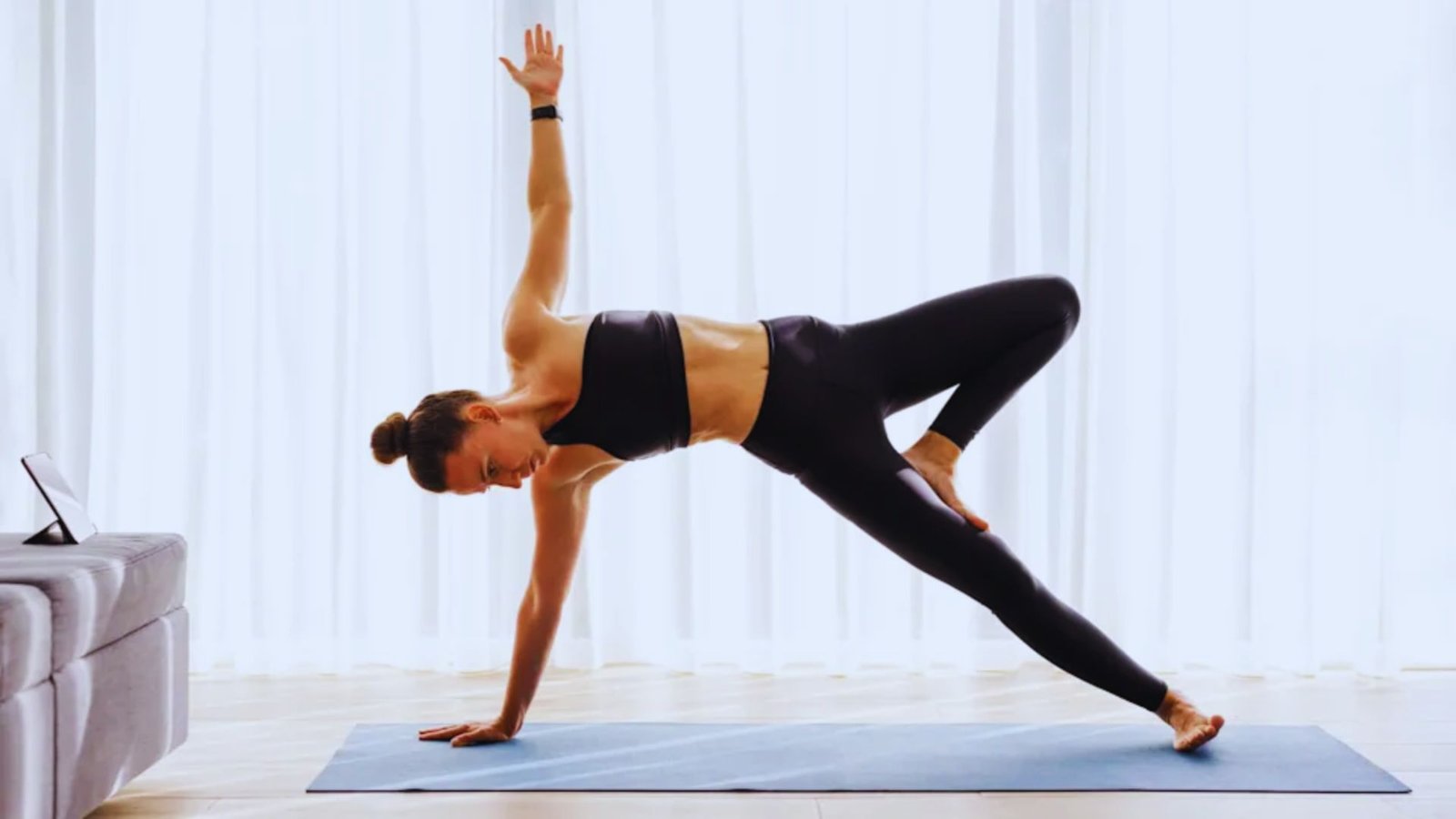
Many Pilates exercises ask your body to stabilize while another part moves, like lifting one leg while keeping your hips level.
This kind of coordination takes time to build, and it is normal to wobble or lose your position at first.
Controlled movements and breathing
Pilates uses slow, deliberate movement paired with specific breathing patterns, which is very different from fast paced workouts.
Learning to breathe and move at the same time, without holding your breath, is its own skill that takes a few sessions to click.
What Beginners Can Expect in Their First Pilates Session

I always tell new students that knowing what to expect makes that first class far less intimidating.
Common beginner exercises
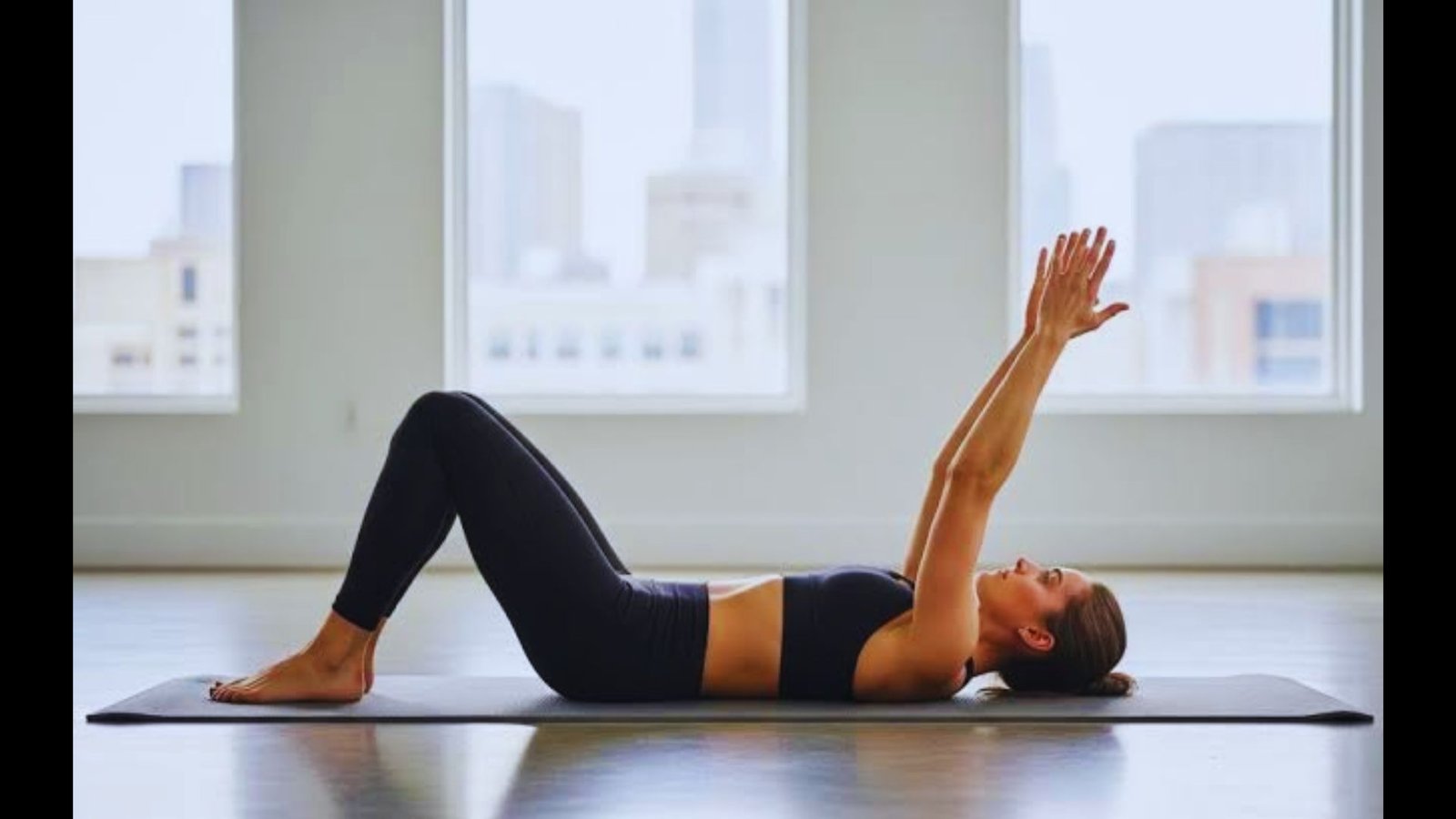
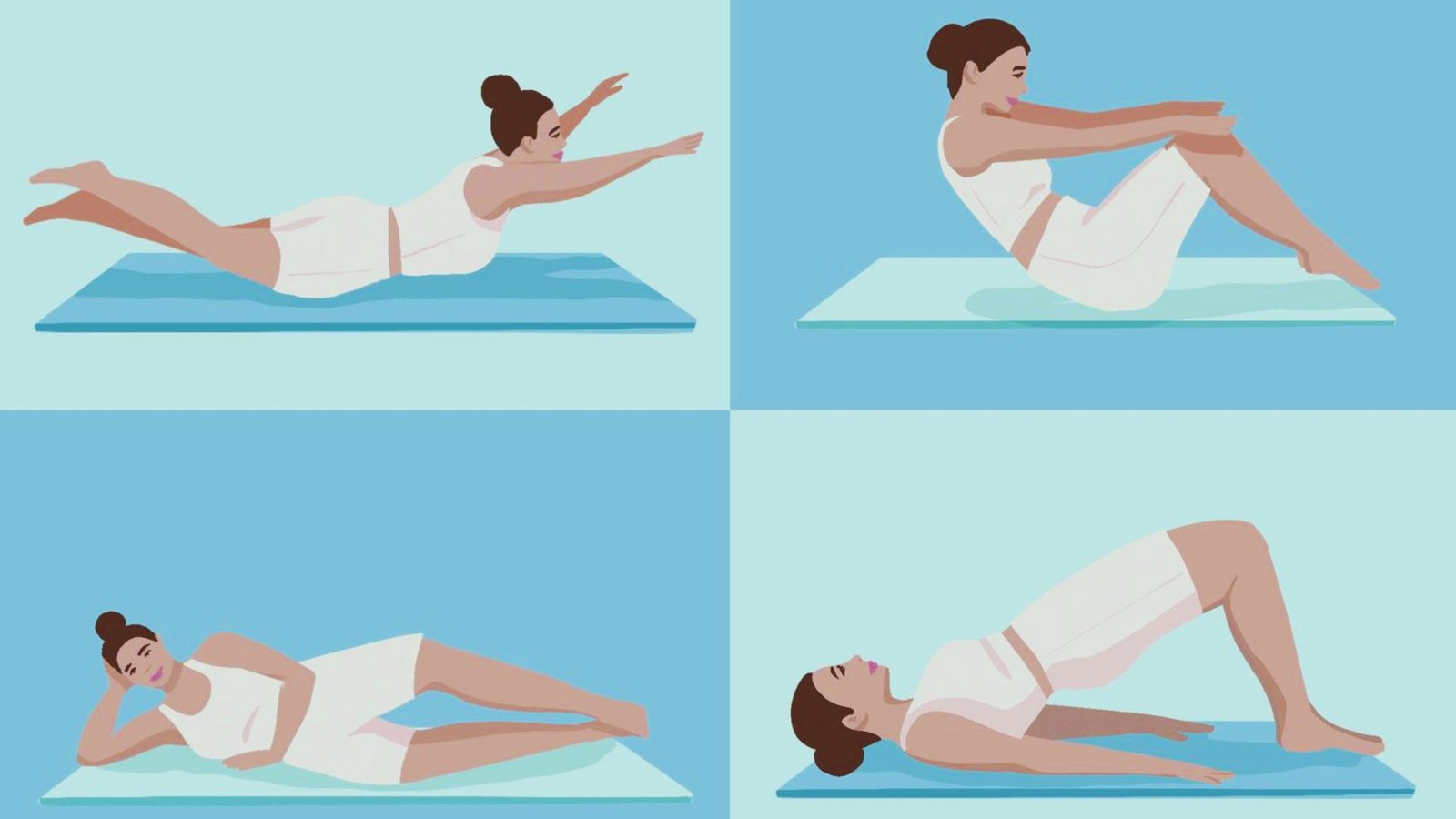
Expect moves like the hundred, pelvic curls, leg circles, and the plank, all done at a controlled pace with an emphasis on form.
These exercises build the foundation for everything more advanced that comes later.
Class pace
Pilates classes tend to move slower than a typical cardio class, but that pace is deceptive.
You will likely take more breaks than you expect in a beginner class, since holding correct form under fatigue is part of the challenge.
Equipment vs. mat Pilates
Mat Pilates uses just your body weight and a mat, making it the more accessible starting point for most beginners.
Equipment based Pilates, using a reformer or other machines, adds resistance and support that can actually help some beginners feel more stable while they learn the movements.
Whichever format you choose, fitted clothing and grip socks make it easier to move safely and let your instructor check your alignment.
Is Pilates Safe for Beginners?

I get this question a lot, and the honest answer is that Pilates is safe for most beginners if you approach it the right way.
Most healthy adults can start Pilates safely, even with zero exercise background. It's low impact and puts little stress on your joints. If you have an injury, recent surgery, or a medical condition, check with your doctor first. Some moves may need changes.
If something causes sharp pain, or you can't keep your lower back flat on the mat, that's your cue to modify. A good instructor offers an easier version instead of pushing you through pain.
Technique matters more here than in most workouts, since results come from precise movement, not rep count. Rushing through bad form raises your risk of strain, especially in your lower back and neck.
How to Make Pilates Easier as a Beginner
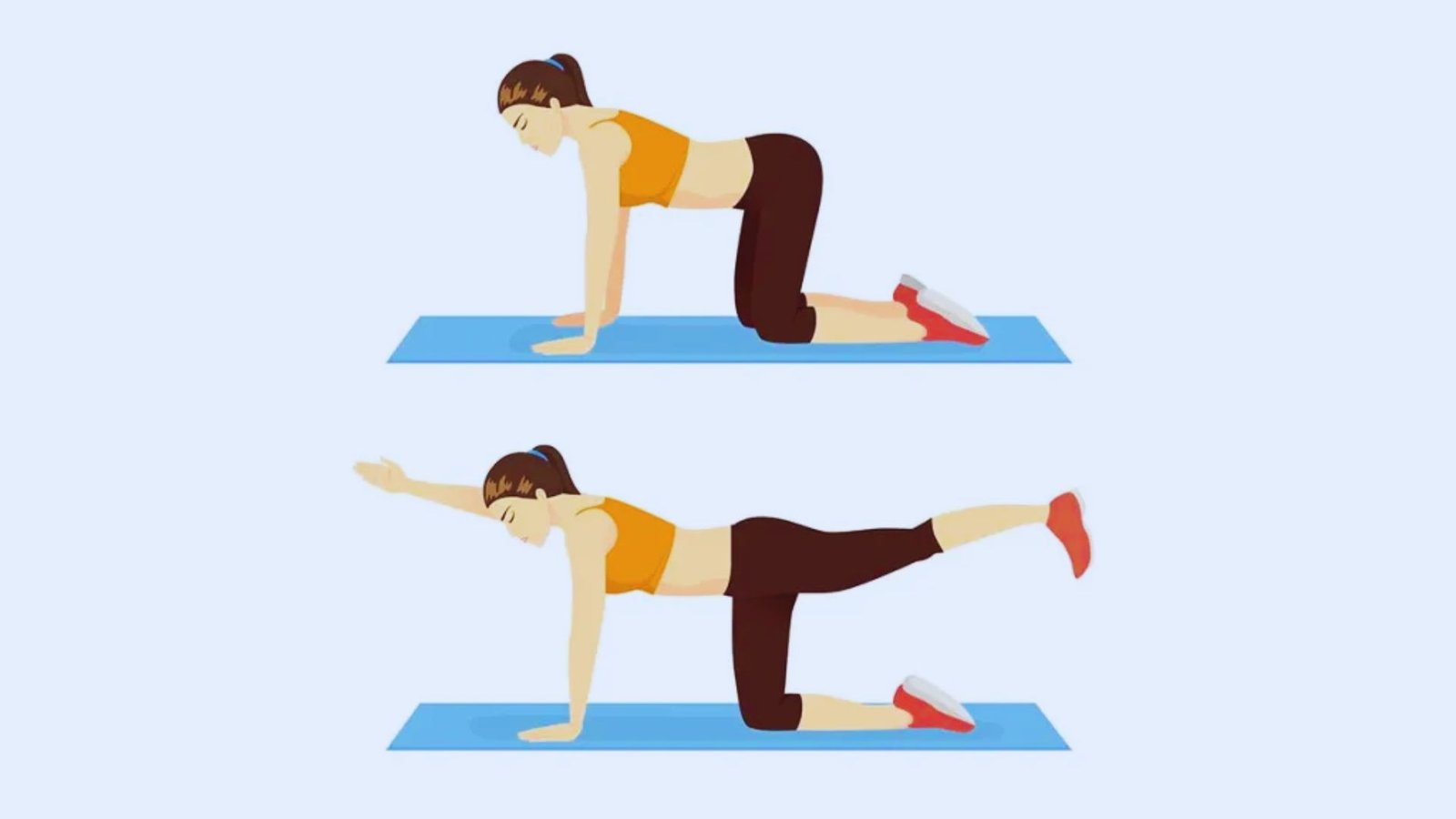
I coach new students through a few habits that make the first few weeks much more manageable.
Start with beginner classes
Look for classes labeled beginner or foundation level, since these move at a slower pace and spend more time explaining proper form before adding difficulty.
Some doing beats no doing, so even a modified version of a class still counts as real progress.
Focus on form over intensity
I always remind students that quality beats quantity here.
Doing a move correctly with a smaller range of motion beats forcing a full range with poor form, and form is what builds real strength and protects your joints.
Progress gradually
Add more advanced variations only once the basic version feels manageable. Rushing ahead before your core and stabilizer muscles are ready usually leads to frustration or injury.
If group classes feel overwhelming at first, a private session or two can help you learn proper form faster with one-on-one feedback.
Listen to your body
Some muscle fatigue and soreness are normal, especially in your first few weeks, but sharp pain is never something to push through.
Learning the difference between working hard and pushing through pain takes practice.
How Long Does It Take to Get Better at Pilates?
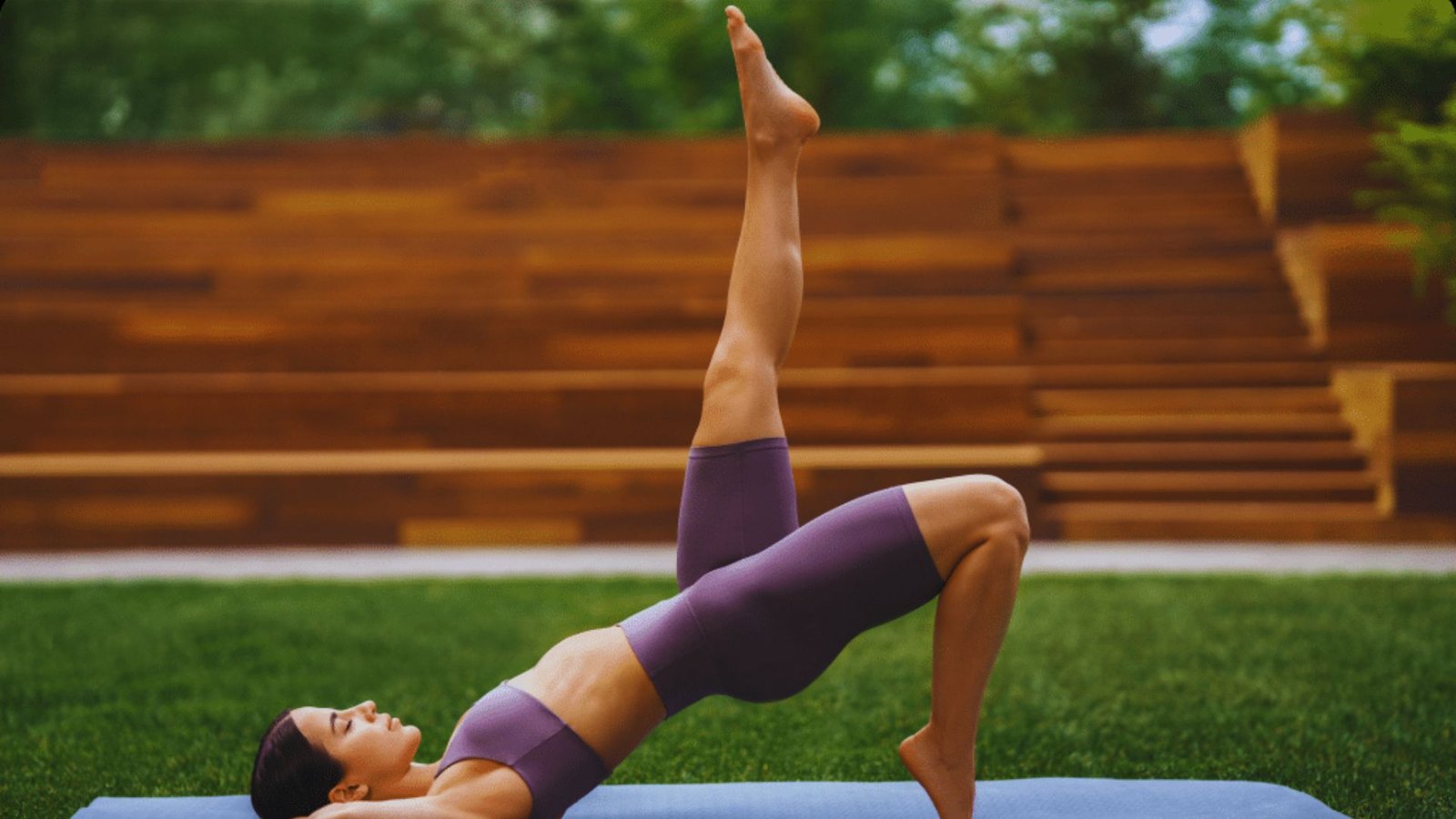
I always tell new students that progress in Pilates is steady, but it takes some patience to notice. In the first few weeks, expect soreness in muscles you didn't know you had, plus a learning curve around breathing and form.
Most people feel more coordinated and less wobbly within their first two to four classes. You'll know you're progressing when you hold positions longer, your balance improves, and moves that once felt impossible start to feel manageable.
Many instructors use rough benchmarks: posture changes around 10 classes, smoother movement and visible toning by 20, and real habit formation by 30.
I recommend two to three sessions a week as a beginner. That gives your body enough practice to build muscle memory and core strength, without overloading you before you've built a base.
Common Beginner Mistakes
I see the same handful of mistakes trip up new Pilates students again and again. Watch out for these.
- Holding your breath: Many beginners tense up and hold their breath during hard moves, which actually makes the exercise harder and raises tension in your body. Practicing steady breathing, even if it feels awkward at first, makes every movement easier over time.
- Rushing through movements: Pilates rewards slow, controlled movement, and rushing through reps to finish faster reduces the benefit and increases your injury risk. Slowing down, even if it feels less productive, gets you better results.
- Comparing yourself to experienced participants: It is easy to look around class and feel behind, but experienced participants have months or years of practice behind their smooth movements. Comparing your first class to their hundredth class sets you up to feel discouraged for no good reason.
- Skipping the basics: Some beginners rush toward advanced moves to keep up with the class, skipping the foundational exercises that build core control. Mastering the basics first makes every advanced move safer and more effective later.
Conclusion
So, is pilates hard for beginners? Yes, but in a manageable way once you know what to expect and give yourself room to modify and progress slowly.
Focus on form, breathe through the movements, and stay consistent with two to three sessions a week instead of chasing intensity too soon.
Most people notice steadier balance and better posture within the first few weeks, so give the process a little patience.
If this guide helped you feel more ready for your first class, drop a comment with any questions and share this guide with a friend thinking about trying pilates too.
Frequently Asked Questions
Is Pilates harder than yoga for beginners?
Pilates tends to feel more physically demanding due to constant core engagement, while yoga often emphasizes flexibility and stillness, though both have beginner-friendly variations.
How old do you have to be to start Pilates?
There is no strict age limit. Pilates suits teens through older adults, since exercises can be modified to match different ability levels and needs.
Can I do Pilates if I have never exercised before?
Yes. Beginner Pilates classes are designed for people with no exercise background, focusing on basic form before adding any real intensity.
What should I wear to my first Pilates class?
Wear fitted, stretchy clothing that lets instructors see your alignment, along with grip socks if the studio requires them instead of shoes.