How many steps does it actually take to lose 20 pounds?
Most people guess somewhere between 10,000 steps and a few miles a day, but the real number depends on more than step count alone.
If you have tried walking for weight loss before and felt unsure whether you were doing enough, or too much, you are not the only one asking.
In this guide, I break down exactly how much walking it takes to lose 20 pounds, covering steps, miles, pace, and calorie burn, along with a sample plan and the mistakes that slow most people down.
Can You Lose 20 Pounds by Walking?
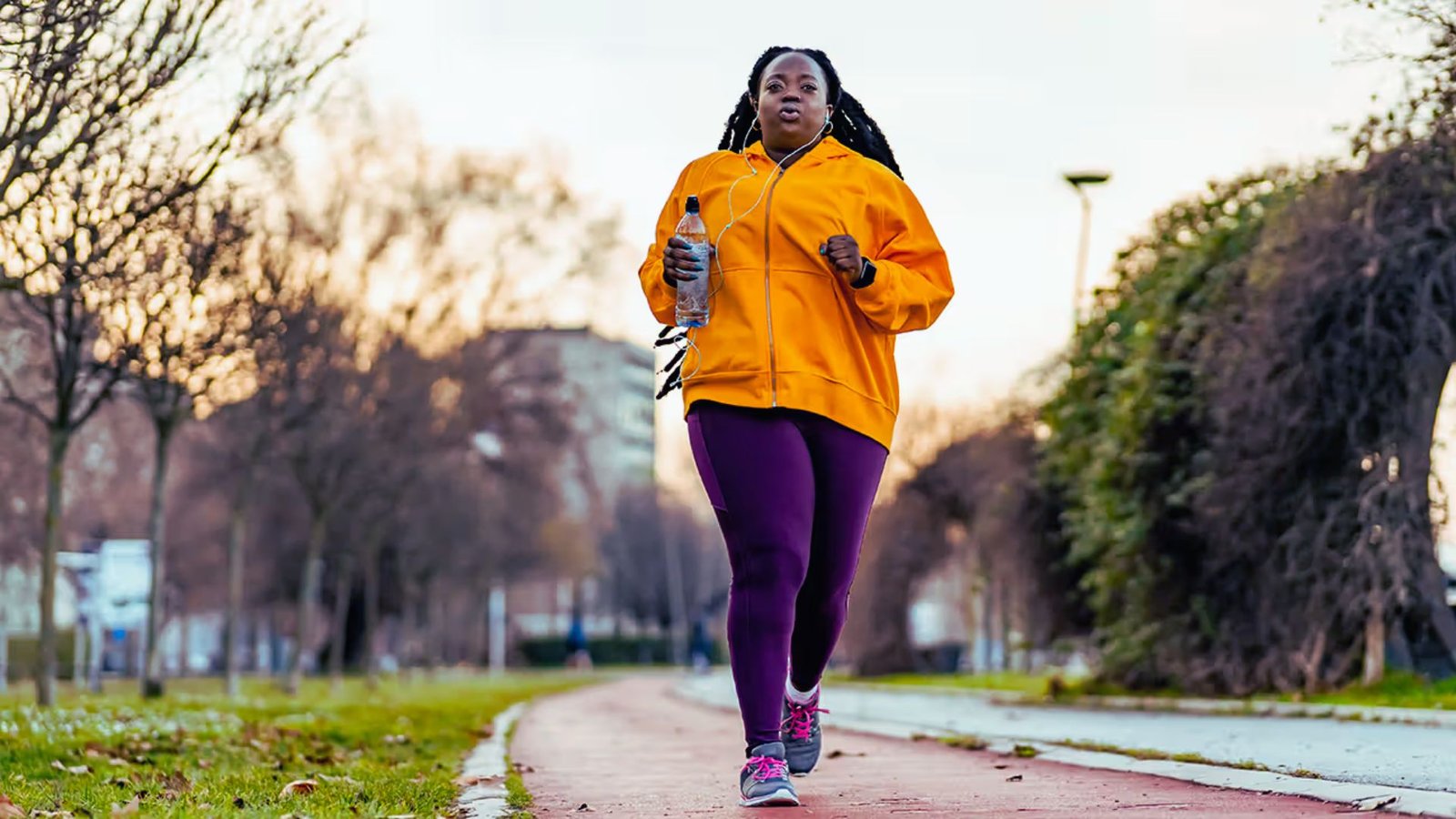
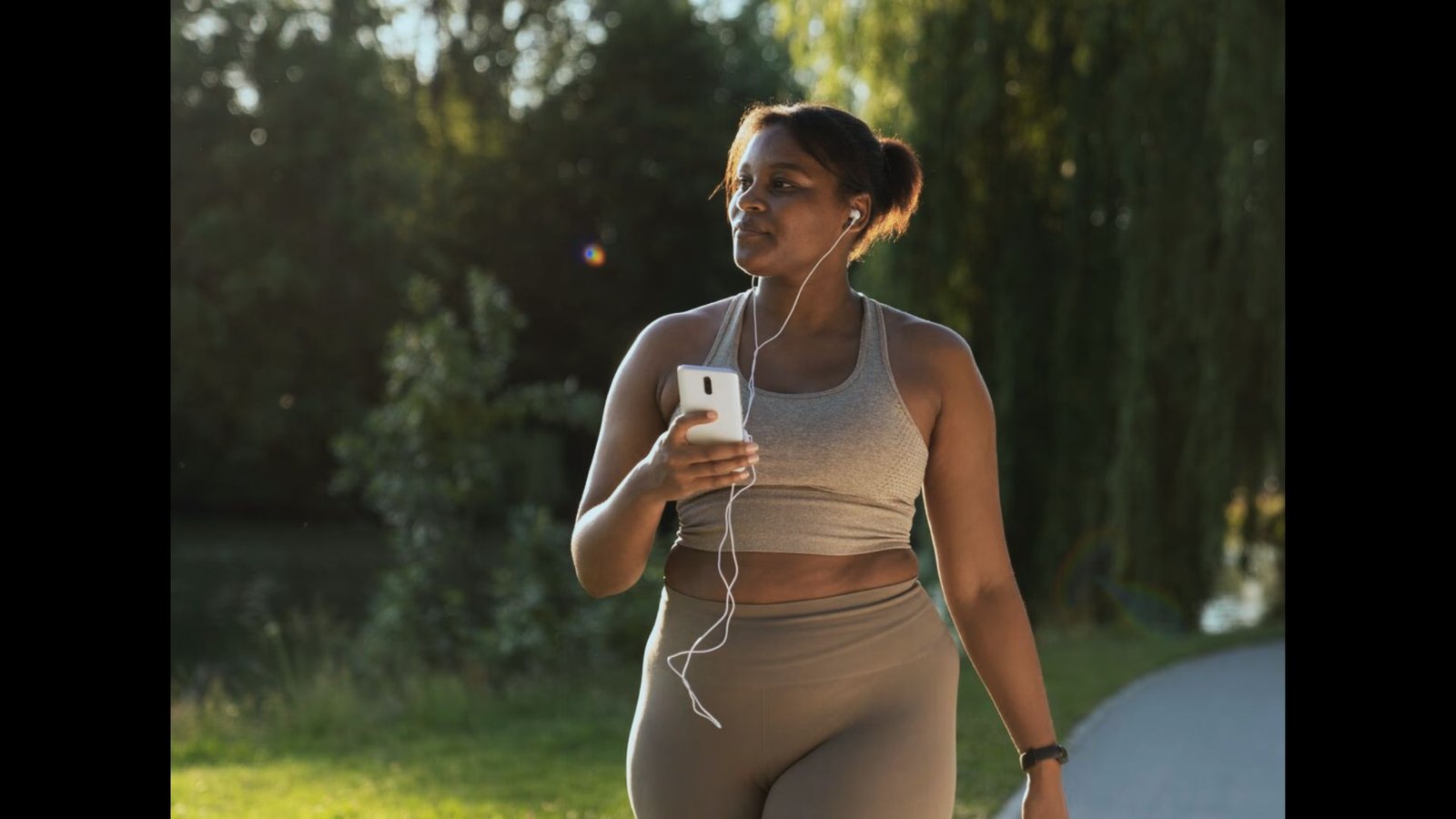
I tell people yes, you can lose 20 pounds by walking, but it works best as part of a bigger plan instead of a stand alone fix.
Walking burns real calories, and calorie burn is what drives weight loss when you keep your eating fairly steady.
A brisk walk raises your heart rate, works your legs and core, and adds up fast when you do it daily instead of once in a while.
Walking also releases endorphins, which is part of why a regular walking habit tends to boost mood along with the scale.
The consistency matters more than any single walk, since your body responds to the pattern you repeat week after week, not one good day.
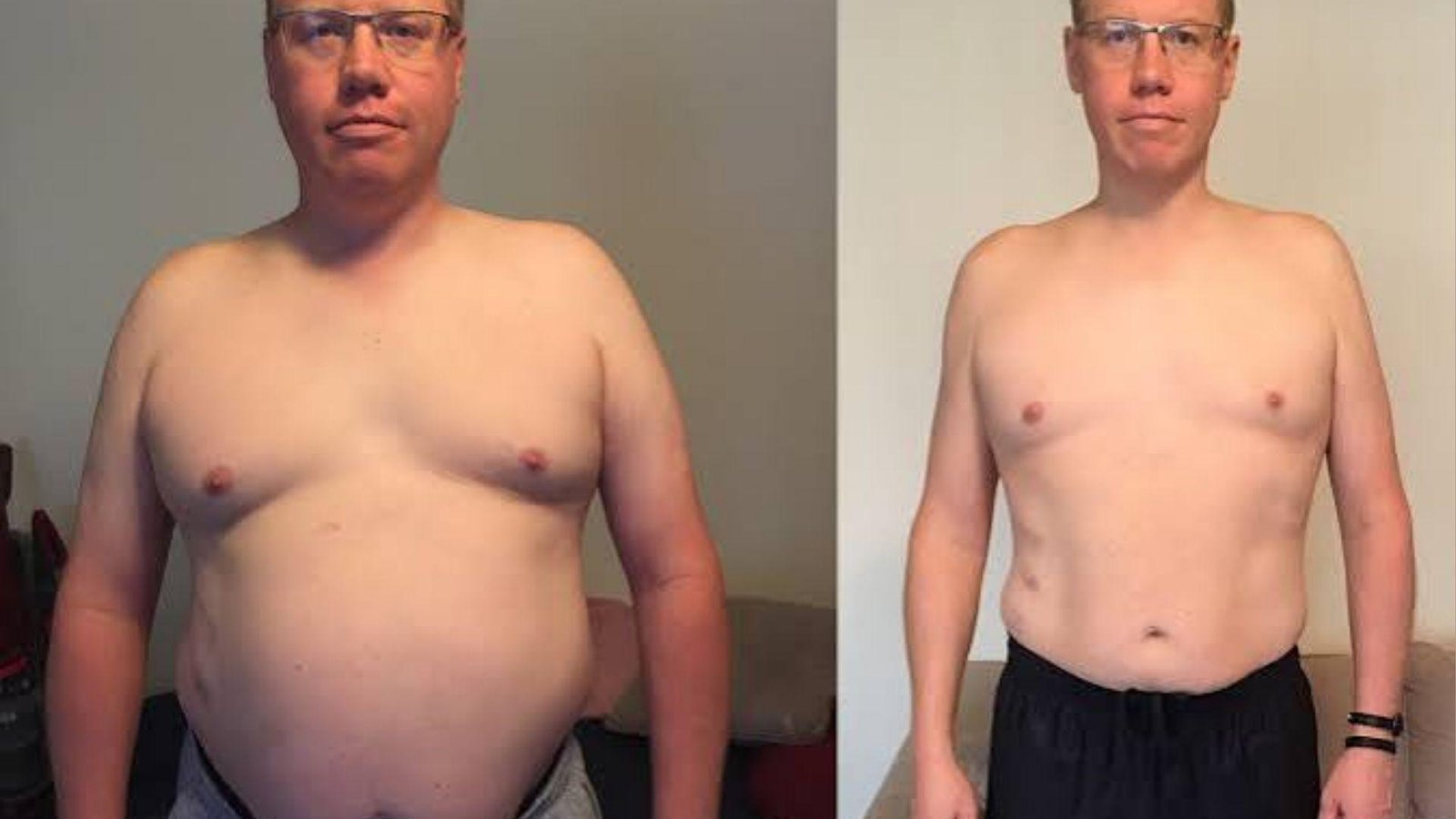
I also think it helps to set expectations early. Losing 20 pounds through walking alone usually takes a few months, not a few weeks, and that is a good thing.
Slower weight loss tends to stick better than fast weight loss, since your body has time to adjust without you feeling starved or exhausted.
I always suggest setting a specific, realistic goal, like walking 15 minutes three days this week, instead of a vague goal like "walk more," since specific goals are much easier to stick with.
I always tell people to aim for 1 to 2 pounds a week, since that pace keeps you consistent and protects your energy levels along the way.
How Much Do You Need to Walk to Lose 20 Pounds?
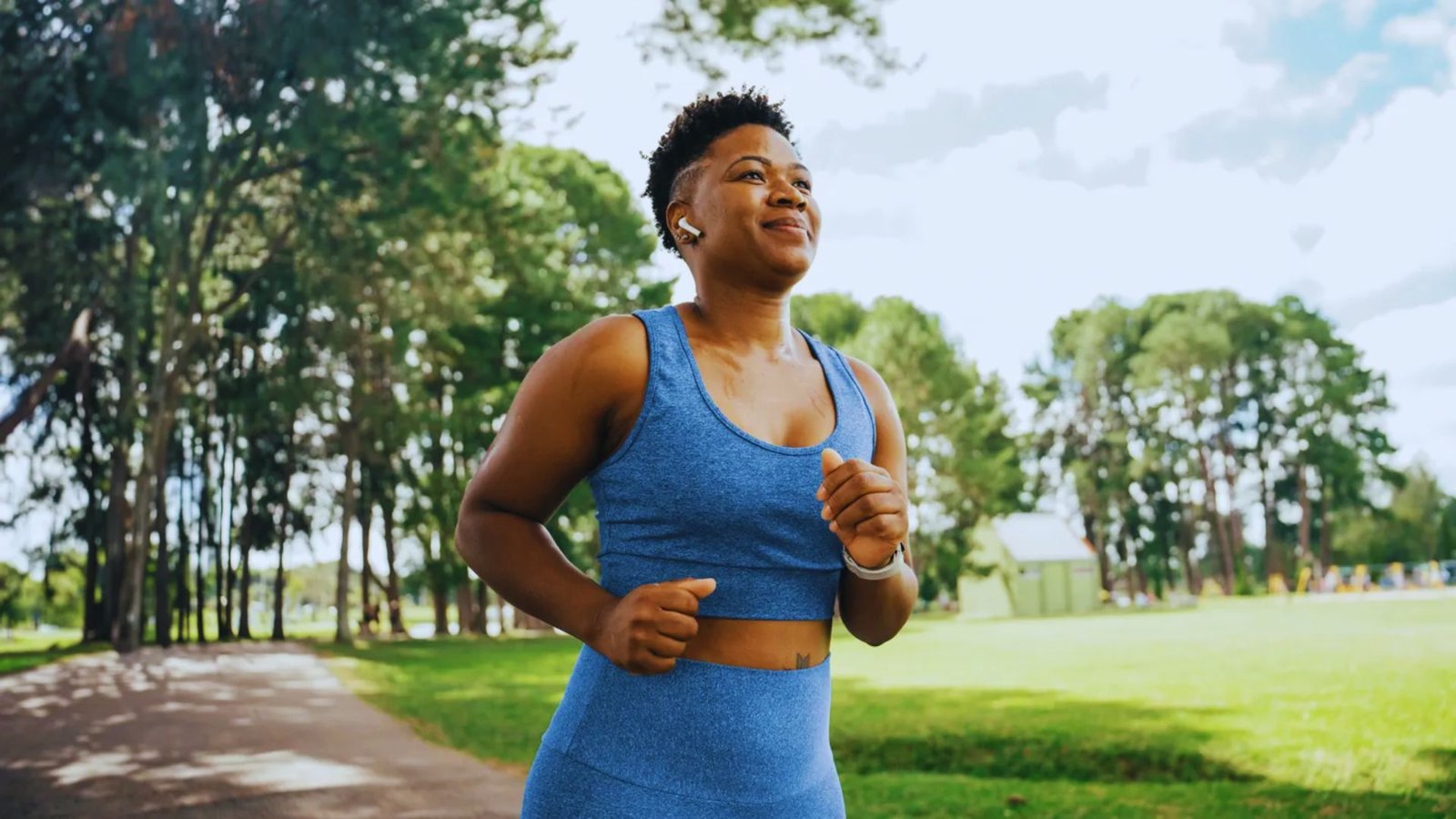
I like to break this question down into a few numbers people can actually use, since vague advice like "walk more" rarely helps anyone plan their week.
Steps per day: I recommend aiming for 8,000 to 12,000 steps a day if your main goal is weight loss.
Most people start closer to 5,000 to 7,000 steps without trying, so building up to 10,000 steps is a realistic middle target for steady progress.
Research also shows that getting to around 7,500 steps a day already captures many of the health benefits of walking, so treat 10,000 as a strong target rather than a strict requirement.
Miles per day: Ten thousand steps works out to roughly 4 to 5 miles, depending on your stride length.
I suggest breaking that into two or three shorter walks if a single long walk does not fit your day, since the total distance matters more than doing it all at once.
Walking pace: I push people toward a brisk pace, somewhere around 3 to 4 miles per hour, instead of a slow stroll.
At a brisk pace, your heart rate climbs enough to burn more calories per minute, which speeds up your results without adding extra time to your walk.
Estimated calorie burn: A 150 to 200 pound person walking briskly burns roughly 300 to 400 calories per hour.
Since losing one pound of fat takes a deficit of about 3,500 calories, walking an hour a day at that pace could support losing close to a pound a week from walking alone, and faster if you also adjust your eating.
This pace also lines up with the federal guideline of at least 150 minutes of moderate activity a week, which brisk walking easily satisfies.
Factors That Affect Your Results

I always remind people that no two bodies respond to walking in exactly the same way, and a few key factors explain why.
Body weight
Heavier bodies burn more calories per mile than lighter bodies doing the same walk, since it takes more energy to move more weight.
This means your results may look different from a friend's, even if you walk the same route together.
Walking speed and terrain
Walking uphill or on uneven ground burns noticeably more calories than a flat, paved path at the same speed.
Adding even gentle hills to your route is one of the easiest ways to get more out of the same amount of time.
Diet and calorie intake
Walking creates a calorie deficit, but eating back those calories cancels out the benefit fast.
I always tell people that pairing consistent walking with mindful, balanced eating gets you to 20 pounds much faster than walking alone.
Paying attention to protein and fiber, which both support fullness, helps without needing to count every calorie, since strict counting is not the right approach for everyone.
Consistency
Missing a few days here and there will not ruin your progress, but a pattern of skipping walks adds up over weeks.
Poor sleep can also throw off your hunger hormones, making consistency harder to maintain. I care more about someone who walks four days a week for months than someone who walks daily for one week and quits.
A friend, family member, or walking group for support also makes consistency easier to hold onto over time.
Sample Walking Plan to Lose 20 Pounds
I build walking plans around gradual progress, since jumping straight to long daily walks often leads to burnout or sore joints.
Beginner plan
Start with 20 to 30 minute walks, 4 to 5 days a week, at a comfortable pace.
Focus on building the habit first, and let your pace and distance grow naturally as walking starts to feel easier.
Intermediate plan
Once 30 minutes feels manageable, extend most walks to 45 to 60 minutes, 5 to 6 days a week, at a brisk pace.
Add one or two walks with hills or intervals to keep your body challenged and your calorie burn climbing.
Weekly progression
I suggest adding about 5 minutes or 500 extra steps to your daily target every one to two weeks, rather than jumping too far too fast.
Small, non-food rewards for hitting a new milestone, like new walking shoes or a relaxing activity, can help keep your motivation high along the way.
This slow, steady progression keeps your joints and your motivation intact over the months it takes to reach 20 pounds.
How to Burn More Calories While Walking
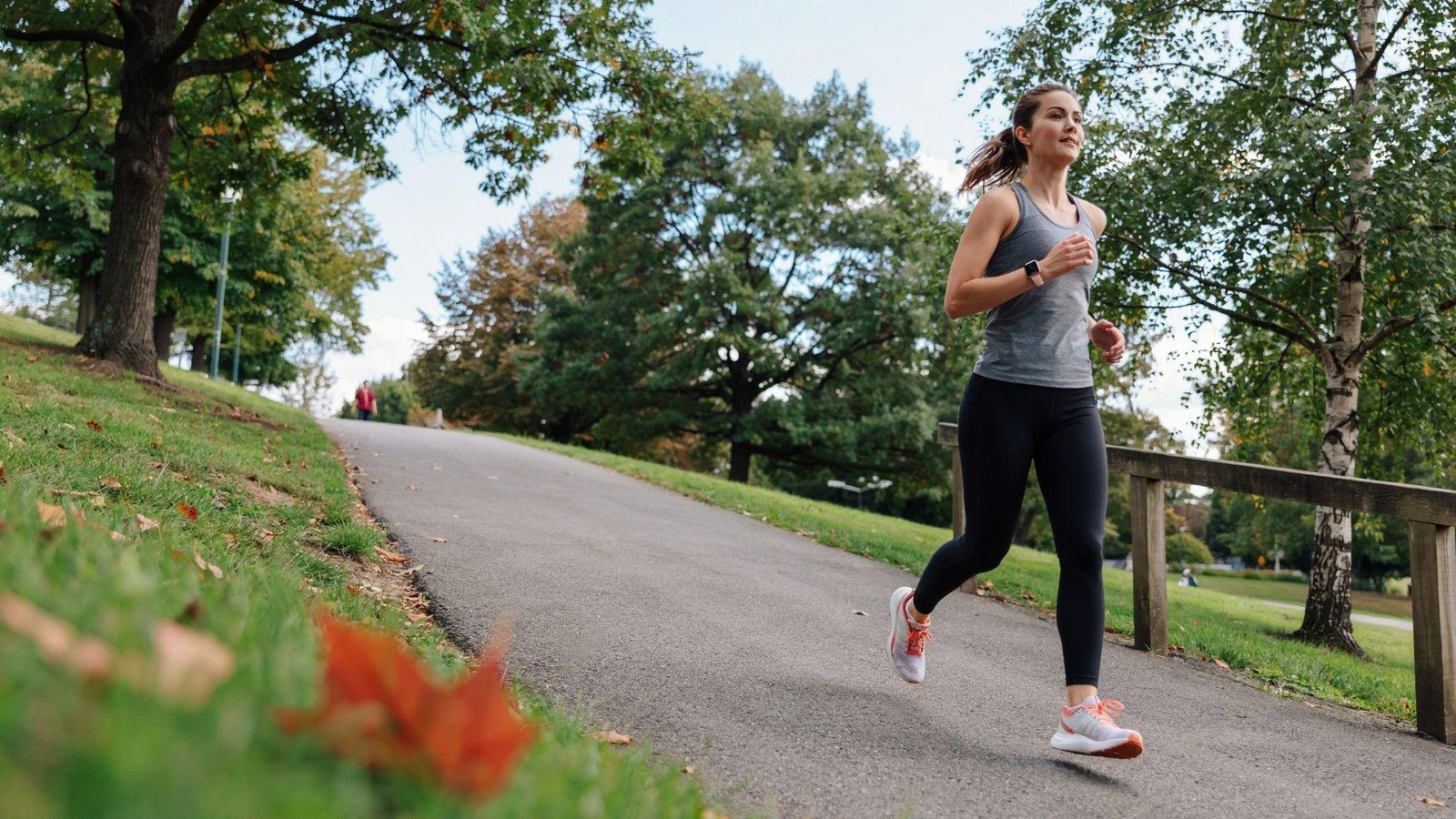
I use a few simple tricks to get more calorie burn out of the same amount of walking time.
Walk faster or longer: A brisk pace burns more calories per minute than a slow stroll, and adding extra minutes to your existing routine is one of the simplest ways to boost your daily total without a big schedule change.
Add hills or incline: Hills, stairs, or a treadmill incline force your legs and heart to work harder, which raises your calorie burn without needing to walk any farther in distance.
Use interval walking: Alternating a few minutes of fast walking with a few minutes of a normal pace raises your average heart rate over the whole walk, which burns more calories than a steady, single speed pace.
Increase your daily movement: Small changes, like taking the stairs, parking farther away, or pacing during phone calls, add steps throughout the day that stack on top of your planned walks.
Some people also add short bouts of backward walking, which research shows may ease strain on the knees while still building leg strength.
Walking vs. Other Cardio for Losing 20 Pounds
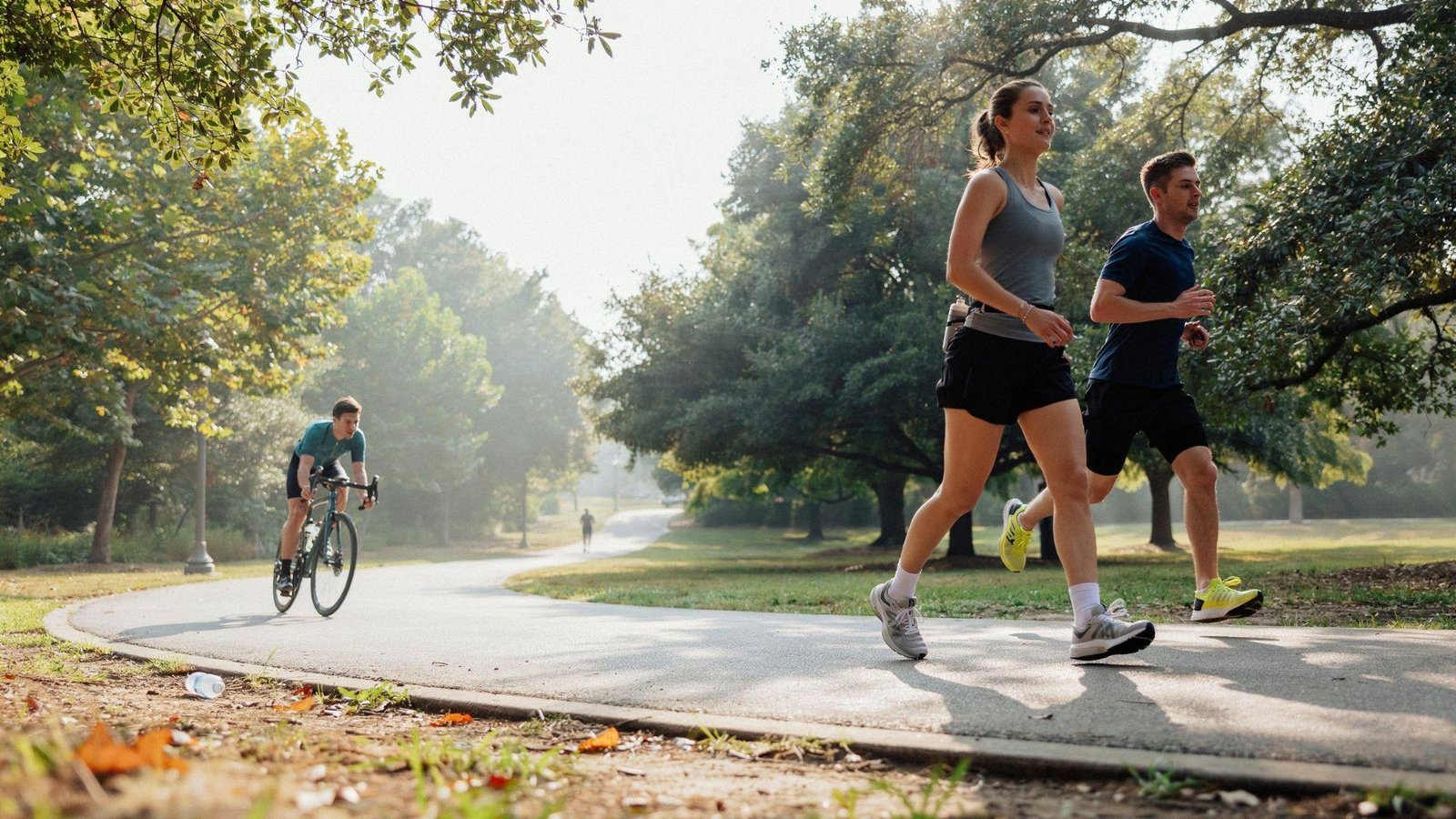
I get asked often whether walking can really compete with running or cycling for weight loss, so here is how I break it down.
| Factor | Walking | Running | Cycling |
| Calories burned per minute | Lower | Highest | Similar to walking, or higher at intensity |
| Joint impact | Low | High, especially for beginners or higher body weight | Low |
| Recovery time needed | Minimal | Often significant | Low to moderate |
| Equipment required | None | Shoes at minimum | Bike required |
| Ease of daily consistency | High | Lower, due to recovery demands | Moderate to high |
| Best fit for long-term weight loss | Strong choice for most people | Good if joints can handle it | Good alternative to running |
Common Mistakes That Slow Weight Loss
I see the same few mistakes trip people up again and again on their way to losing 20 pounds through walking. Watch out for these.
- Overestimating calories burned: Fitness trackers often overestimate calorie burn from walking, sometimes by a wide margin. I recommend treating those numbers as a rough guide, not an exact science, so you do not overcompensate with extra food.
- Eating back all burned calories: Rewarding a walk with a snack that matches or exceeds the calories burned cancels out the deficit you worked for. I always suggest keeping your eating steady instead of adjusting it based on daily activity.
- Inconsistent walking schedule: Walking hard for a few days, then skipping a week, slows progress far more than a steady, moderate routine. I find that consistency beats intensity almost every time for long term weight loss.
- Ignoring strength training: Walking alone builds cardio fitness, but adding two short strength sessions a week helps preserve muscle while you lose fat, which keeps your metabolism working in your favor.
Conclusion
So, how much do I need to walk to lose 20 pounds? The short answer is consistency, at a brisk pace, for a few months, paired with steady eating habits.
Use the step counts, plans, and tips in this guide to build a routine that fits your life. Track your progress, adjust as you go, and give yourself the time it realistically takes to reach your goal.
If this guide helped you plan your walking routine, drop a comment with your starting step count and share this guide with a friend working toward the same goal.
Frequently Asked Questions
Is it better to walk in the morning or evening for weight loss?
Timing matters less than consistency. Pick whichever time you can stick with regularly, since a routine you maintain long term beats a perfectly timed walk you skip often.
Can I lose 20 pounds by walking without changing my diet?
It is possible but slower. Walking alone creates a modest calorie deficit, so pairing it with mindful eating speeds up results significantly compared to walking by itself.
What should I eat before a long walk?
A light snack with carbs and a little protein, like fruit with a small handful of nuts, gives you steady energy without weighing you down.
Does walking help reduce belly fat specifically?
Walking supports overall fat loss, but you cannot target fat loss to one area. As your total body fat drops, belly fat typically decreases along with it.