Losing 50 pounds is a big goal, and you probably want a clear answer: how long will it really take? This article walks you through realistic timelines based on how fast you can lose weight safely.
We'll cover what affects your pace, healthy weight loss speed, sample timelines, and tips to stay on track.
You'll also learn about medical options and common mistakes that slow progress. I've looked into real weight loss patterns and expert guidelines to give you honest, practical answers, not empty promises.
By the end, you'll know what to expect and how to set a timeline that fits your life. Let's get into it.
What Affects How Long It Takes to Lose 50 Pounds?
Several personal factors shape your pace, from your body type to your daily habits.
Weight loss speed depends on several things. Your starting weight, age, and metabolism all play a role.
Someone with more weight to lose often sees faster results in the beginning. Your diet quality, activity level, and sleep also matter. Hormones and health conditions can slow or speed up progress too. Consistency matters more than perfection.
Two people following the same plan can lose weight at different rates because their bodies respond differently.
Stress levels and daily calorie intake also shift results week to week. Knowing these factors helps you set fair expectations instead of comparing yourself to others.
Healthy Weight Loss Rate Explained

A safe pace protects your health and keeps your results lasting longer.
Why experts recommend losing 1–2 pounds per week
Doctors and nutrition experts often suggest losing one to two pounds each week. This rate comes from burning around 500 to 1000 calories more than you eat daily.
It is slow enough to protect muscle and fast enough to keep you motivated. This pace also gives your body time to adjust without major stress.
What happens if you lose weight too quickly
Losing weight too fast, more than two pounds a week, can cause muscle loss instead of fat loss. It often leads to low energy, hair thinning, and gallstones in some cases. Fast weight loss is also harder to maintain, and many people gain the weight back once they return to normal eating.
How Long Does It Take to Lose 50 Pounds With Diet and Exercise?

Diet and movement together speed up results and support long-term success.
Following a calorie-controlled diet
Eating fewer calories than your body burns creates the deficit needed for weight loss. A moderate deficit, paired with balanced meals, helps you lose fat steadily without feeling starved or drained.
Adding strength training and cardio
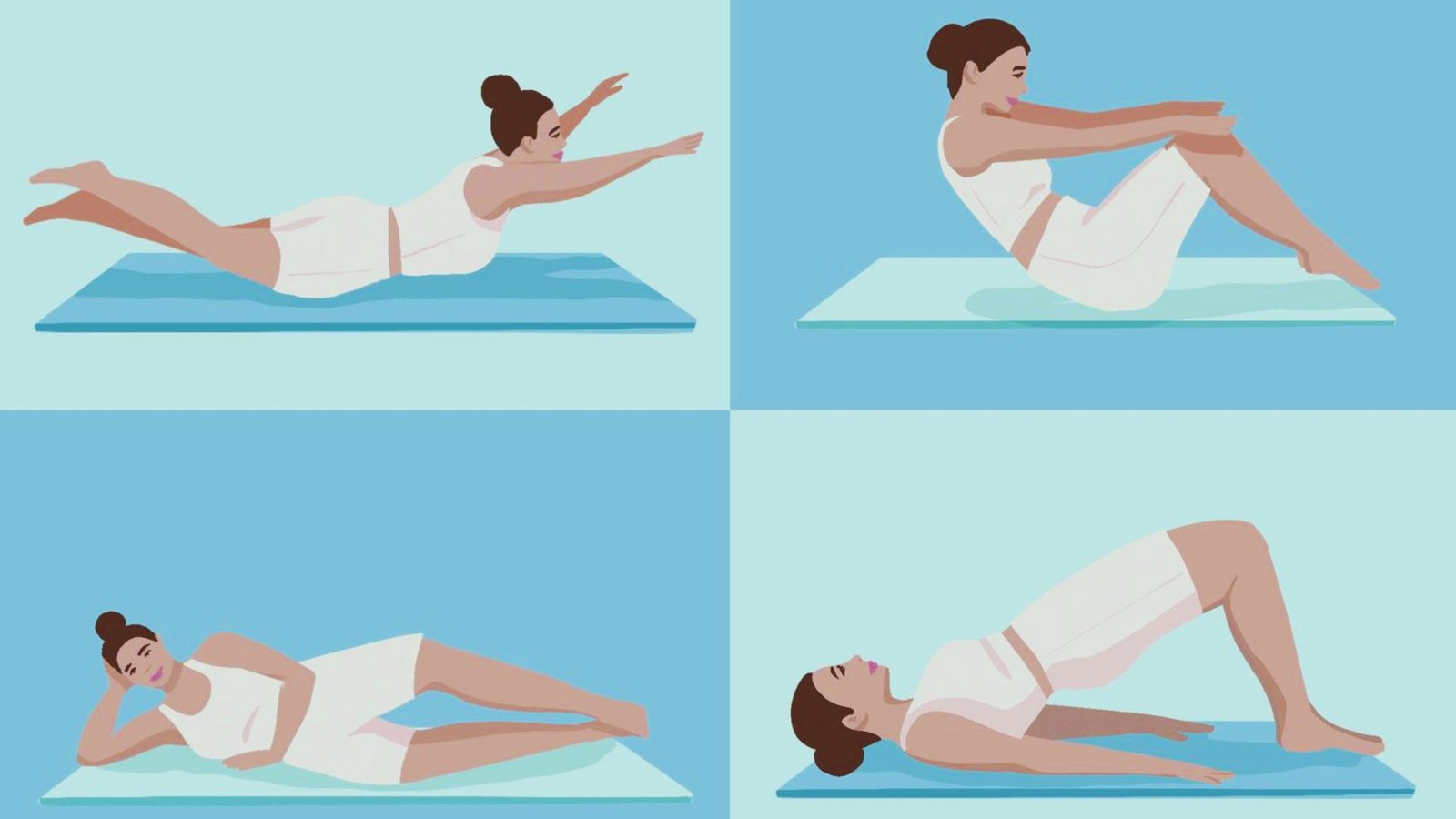
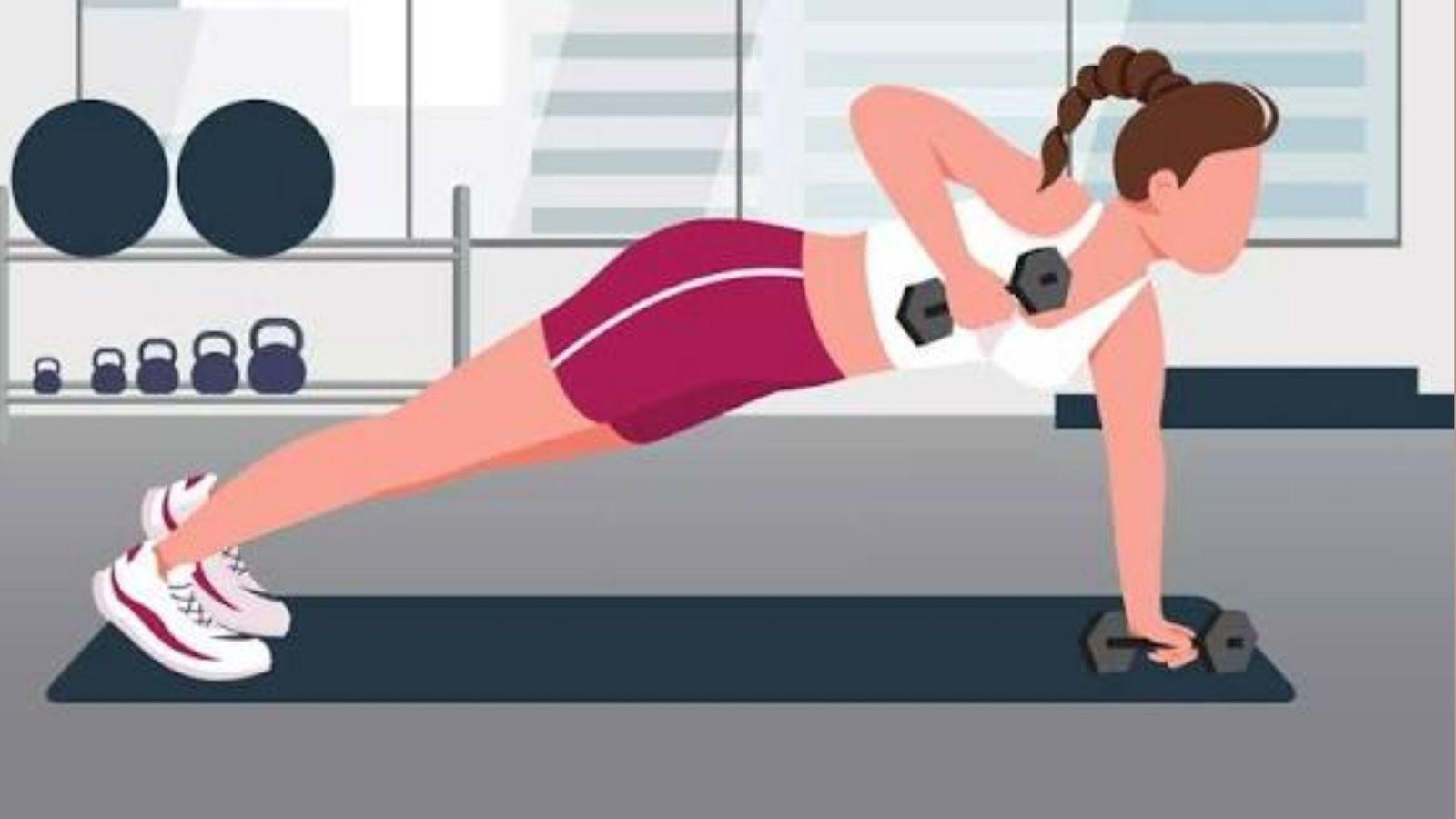
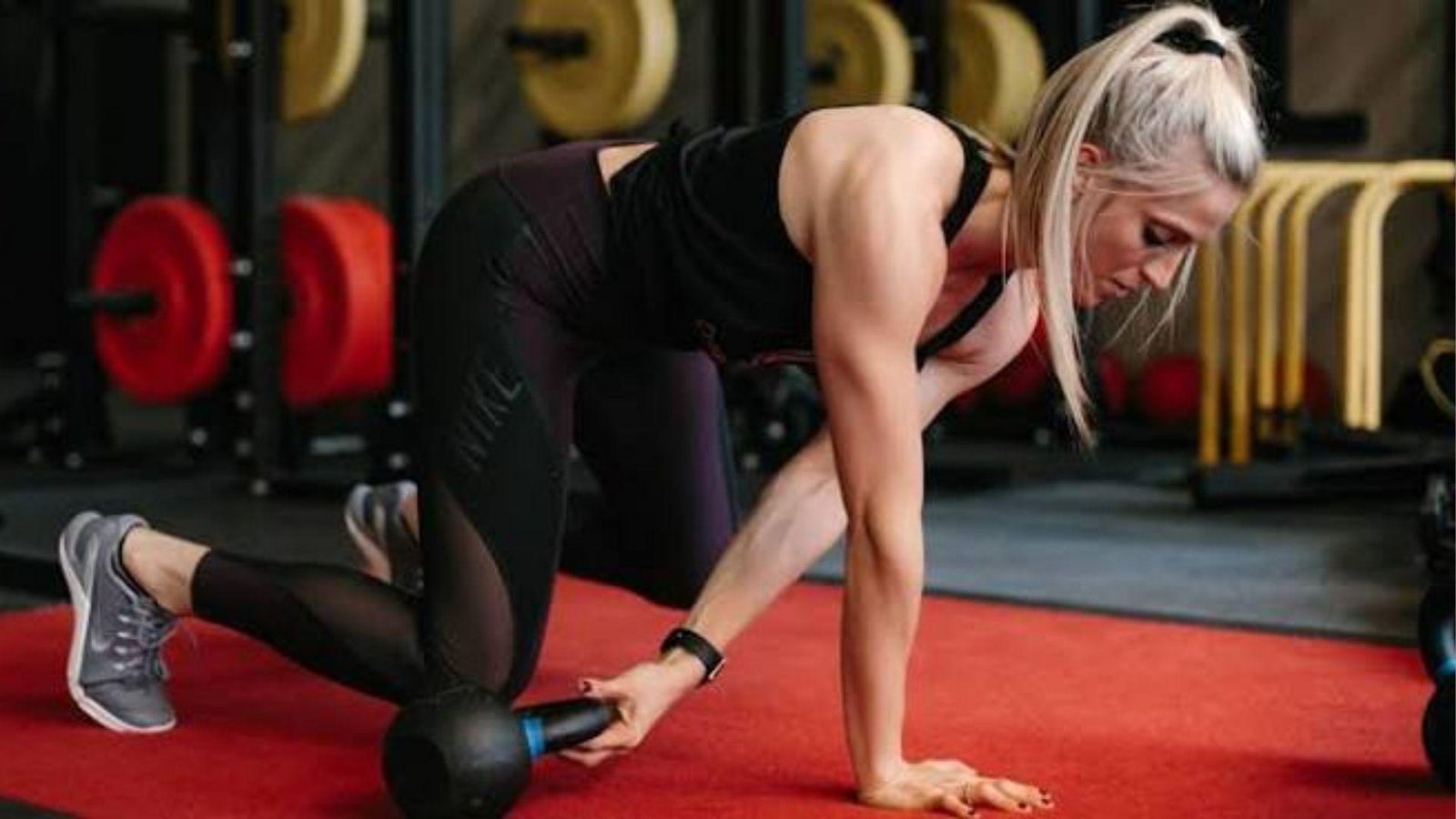
Strength training builds muscle, which keeps your metabolism active. Cardio burns extra calories and supports heart health. Together, they speed up fat loss and improve how your body looks as the scale drops.
Staying consistent over several months
Losing 50 pounds usually takes several months to a year. Sticking to your plan on both good and hard days matters more than any single workout or meal. Small daily choices add up over time.
Sample Timelines to Lose 50 Pounds
Losing 1 Pound Per Week
At this steady pace, losing 50 pounds takes roughly 50 weeks, almost a full year.
This gentle approach relies on a modest calorie deficit, making it easier to sustain long-term without extreme hunger or fatigue, while allowing habits like better eating and light exercise to become permanent.
Losing 1.5 Pounds Per Week
This moderate pace takes around 33 to 34 weeks, roughly eight months, to lose 50 pounds. It demands a larger calorie deficit, so consistent meal planning, portion control, and regular exercise become essential.
Progress feels faster than the gentle pace, but requires more discipline and daily structure.
Losing 2 Pounds Per Week
At this faster pace, 50 pounds takes about 25 weeks, close to six months. This requires a significant calorie deficit, strict food tracking, and consistent workouts.
It's harder to maintain over time and works best short-term, ideally guided by a doctor or nutritionist to stay safe and sustainable.
Why Weight Loss Progress Isn't Linear

Your weight won't drop the same way every single week.
Early Weight Loss vs. Long-Term Fat Loss
The first few weeks often bring quick drops from water weight as glycogen stores deplete and the body releases retained fluid.
After that initial surge, fat loss slows to a steadier, more realistic pace, reflecting genuine changes in body composition rather than temporary shifts.
Plateaus and How to Work Through Them
Plateaus happen when your body adjusts to new habits, becoming more efficient and burning fewer calories at the same effort level.
Changing your workout routine, increasing intensity, or reviewing your calorie intake can help reignite progress and push past a frustrating stall in results.
Tracking Progress Beyond the Scale
The scale doesn't tell the whole story, since daily weight fluctuates with water, hormones, and food intake.
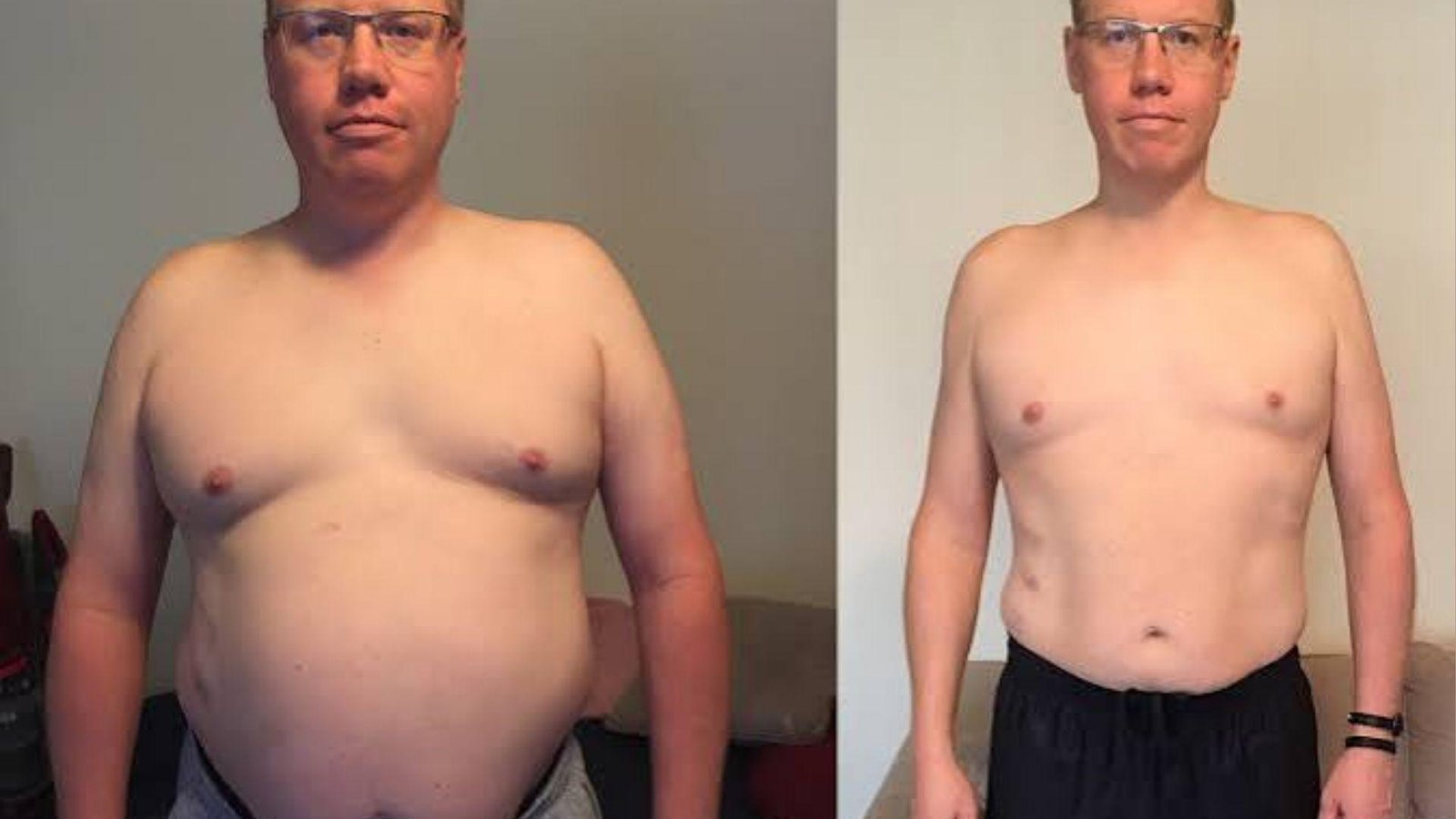
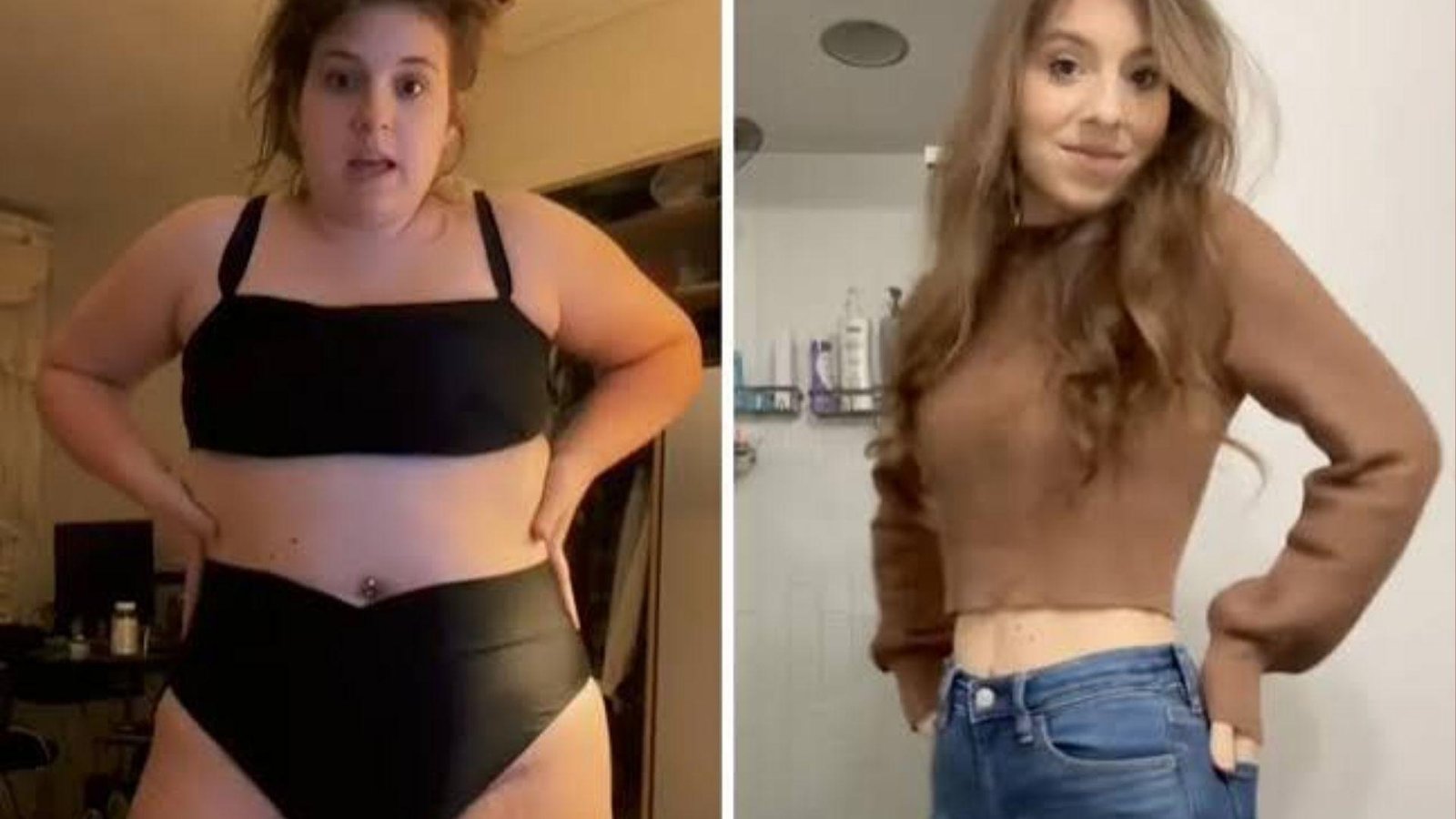
Measurements, progress photos, and how your clothes fit often reveal real changes in body composition, muscle gain, and fat loss that the number alone frequently misses entirely.
Tips to Stay on Track During a 50-Pound Weight Loss Goal
Small habits and steady routines keep you moving toward your goal.
- Set realistic milestones: Break your goal into smaller chunks, like five or ten pounds, to stay motivated.
- Prioritize protein and nutrient-dense foods: Protein keeps you full and protects muscle during weight loss.
- Build a consistent workout routine: Regular movement, even short sessions, adds up over weeks and months.
- Get enough sleep and manage stress: Poor sleep and high stress can slow your progress and increase cravings.
Can Medical Weight Loss Help You Reach 50 Pounds Faster?
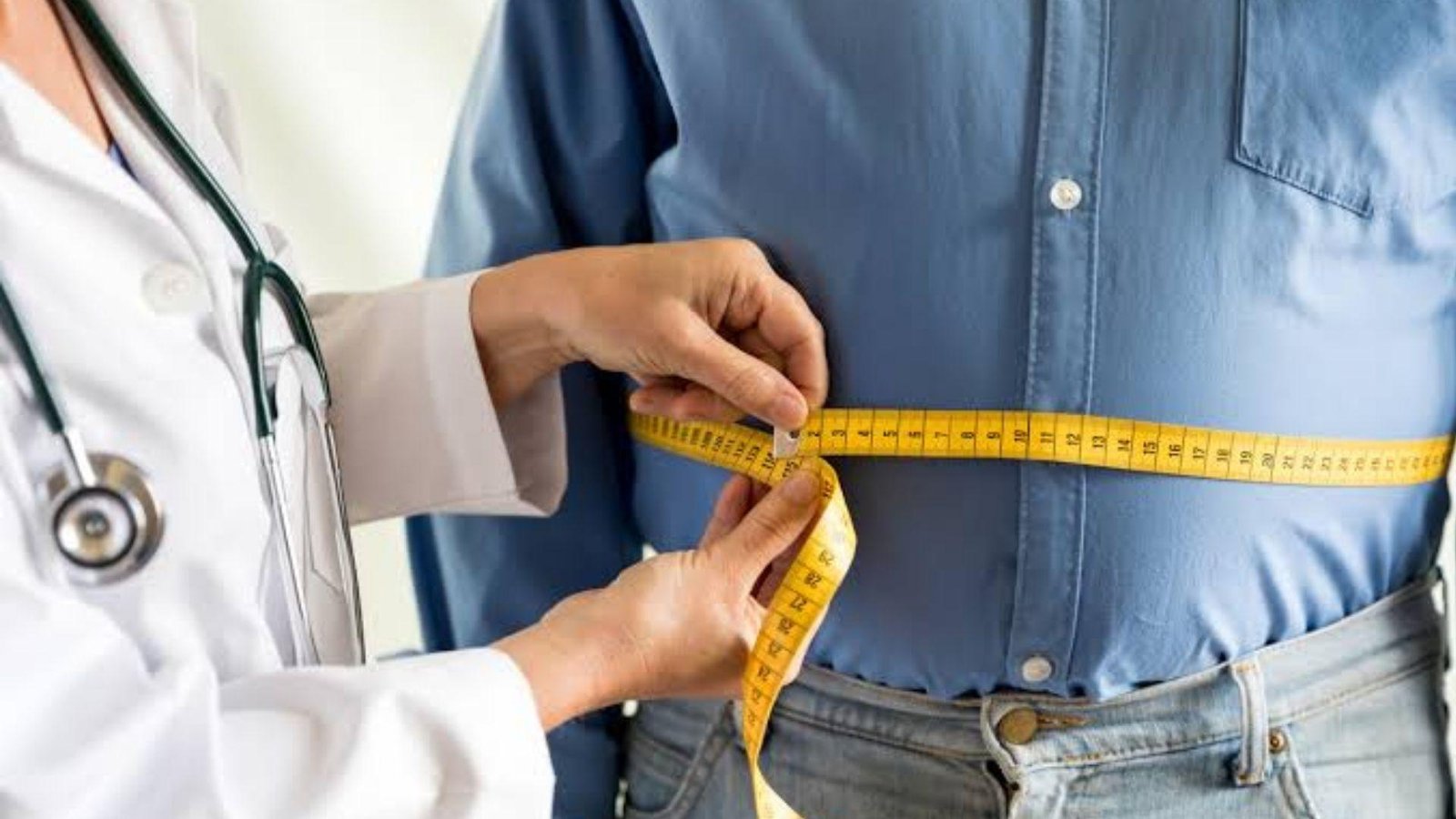
Medical support can speed things up for the right candidates.
Prescription Weight Loss Medications
Some medications help control appetite and support steady weight loss when combined with diet and exercise changes.
These drugs often work by affecting hunger signals or blood sugar regulation. A doctor can determine eligibility, monitor side effects, and adjust treatment based on individual health history.
Non-Surgical Medical Procedures
Options like gastric balloons or other non-surgical treatments may help some people lose weight faster under medical guidance.
These procedures are typically temporary, reversible, and paired with lifestyle counseling. They suit people seeking more structured support without the recovery time associated with surgical weight loss options.
When Medical Supervision May Be Appropriate
Medical help may suit people with a high starting weight, existing health conditions, or those who haven't seen results from diet and exercise alone.
A healthcare provider can evaluate risks, recommend appropriate options, and monitor progress to ensure any intervention remains safe and effective long-term.
Common Mistakes That Slow Weight Loss
These common slip-ups can quietly stall your progress.
- Eating more calories than expected: Portion sizes and hidden calories in sauces or drinks add up fast.
- Inconsistent exercise habits: Skipping workouts often breaks the routine needed for steady results.
- Relying on crash diets: Extreme diets often backfire and lead to regaining weight quickly.
- Ignoring recovery and sleep: Skipping rest days and sleep can slow muscle repair and fat loss.
Conclusion
Losing 50 pounds is not an overnight thing, and that's okay. I've seen how small, steady changes build real results over time, in my own life and in stories I've read.
Your timeline might be faster or slower than someone else's, and that's normal too. What matters is showing up for yourself, day after day.
If this helped you understand what it takes to lose 50 pounds, drop a comment and share your own experience. Pass this along to a friend working toward the same goal, and check out our other guides for more support.
Frequently Asked Questions
Can you lose 50 pounds without exercise?
Yes, diet alone can lead to weight loss, but adding exercise helps preserve muscle, boosts metabolism, and supports faster, more sustainable results overall.
Will loose skin go away after losing 50 pounds?
Loose skin often improves with time, hydration, and strength training, but severe cases may need medical treatment like surgery for full improvement.
How much water should you drink while losing weight?
Most people should aim for eight to ten glasses of water daily, though needs vary based on activity level, body size, and climate.
Can stress cause weight loss to stall completely?
Yes, chronic stress raises cortisol levels, which can increase cravings, disrupt sleep, and make it harder for your body to burn fat.