Starting strength training after 40 can feel confusing. So many articles throw big words at you and leave you more lost than before. This one won't.
In this guide, you'll learn how often to train, how to pick weights, which exercises work best, and how to eat and rest for real results. We'll keep it simple and practical, no fluff, no guesswork.
I've spent years talking to women who started lifting later in life, and the same questions kept coming up. This blog answers them clearly, so you can start today with confidence.
Benefits of Strength Training for Women Over 40
Strength training does more than build muscle. It supports bone health, which matters a lot after 40 since bone density naturally drops with age.
It also boosts metabolism, helps manage weight, and improves balance, lowering the risk of falls. Many women notice better sleep, steadier moods, and more energy for daily life.
It also protects joints by strengthening the muscles around them. Simply put, lifting weights helps you move better and feel better as you age.
Stronger muscles today mean a stronger, more independent you tomorrow.
Strength Training for Women Over 40 for Beginners

Strength training after 40 isn't about lifting heavy. It's about building a body that still says yes to everything you ask of it.
How Often to Train Each Week
A short look at weekly training frequency for beginners starting strength training safely and steadily.
Two to three days a week is a great starting point. This gives your muscles enough work without wearing you out. As your body adjusts, you can slowly add another day.
Give yourself at least one rest day between sessions when you're training the same muscles. This helps your body recover and grow stronger.
Consistency matters more than intensity when you're just starting out.
How Long Each Workout Should Be
Quick guidance on ideal workout length for beginners without wasting time or energy.
You don't need hours in the gym. Thirty to forty-five minutes is plenty for a beginner session. This includes a short warm-up, your main exercises, and a cool-down stretch.
Shorter, focused workouts often lead to better form and less fatigue.
Quality matters more than how long you spend working out.
Choosing the Right Weights
Simple tips to help beginners pick weights that challenge without straining the body.
Start light. You should be able to complete your reps with good form, but the last two should feel hard. If a weight feels too easy or too hard, adjust it.
Your body will tell you what works. Listen to it.
The right weight challenges you without wrecking your form.
Reps, Sets, and Rest Periods
A quick breakdown of reps, sets, and rest times for smart, safe workouts.
For beginners, 2 to 3 sets of 10 to 12 reps works well for most exercises. Rest 30 to 60 seconds between sets to let your muscles recover.
This structure builds strength steadily without pushing your body too far too fast.
Balanced reps and rest help you build strength safely.
Best Beginner Strength Training Exercises
These beginner-friendly strength training exercises help build muscle, improve balance, and develop proper form for long-term progress.
1. Squats
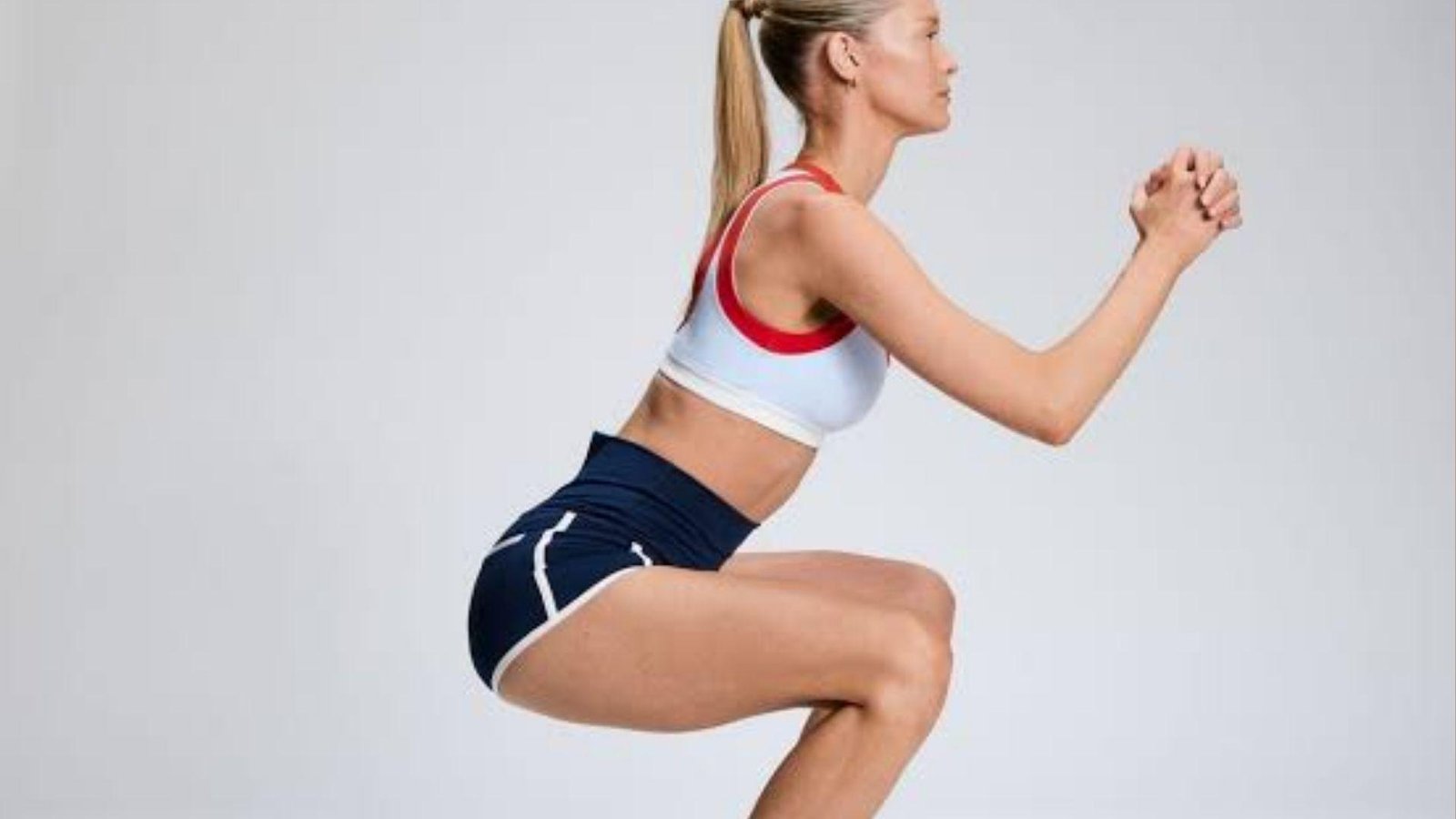
A basic lower-body move that builds leg and core strength.
Squats work your thighs, hips, and glutes. Keep your feet shoulder-width apart, chest lifted, and knees in line with your toes as you lower down.
A simple move with big benefits for your lower body.
2. Glute Bridges

An easy exercise that strengthens the glutes and lower back.
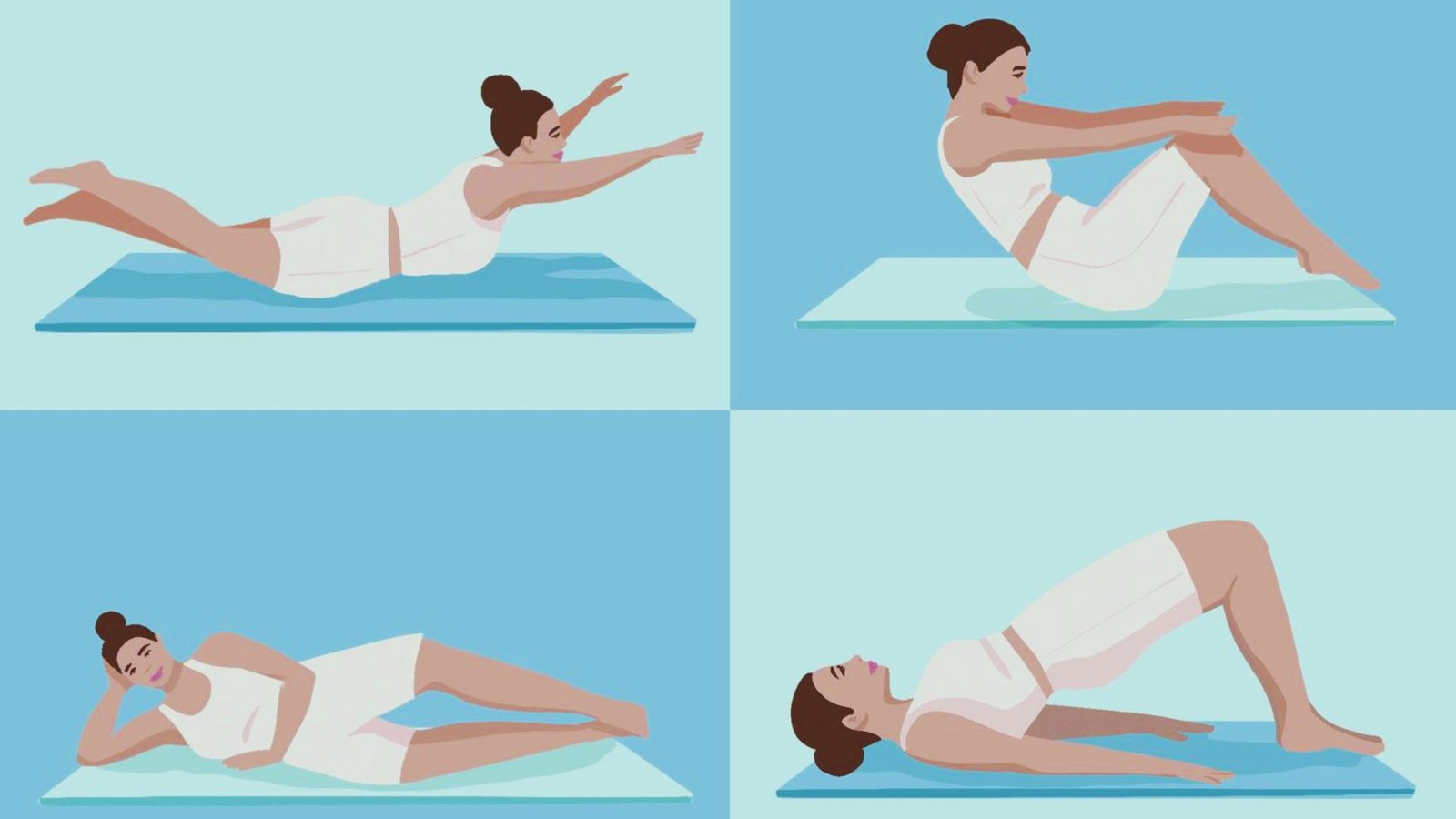
Lie on your back, feet flat on the floor, and lift your hips toward the ceiling. Squeeze your glutes at the top before lowering back down.
Great for building hip strength without any equipment.
3. Dumbbell Rows

A pulling exercise that strengthens the back and arms.
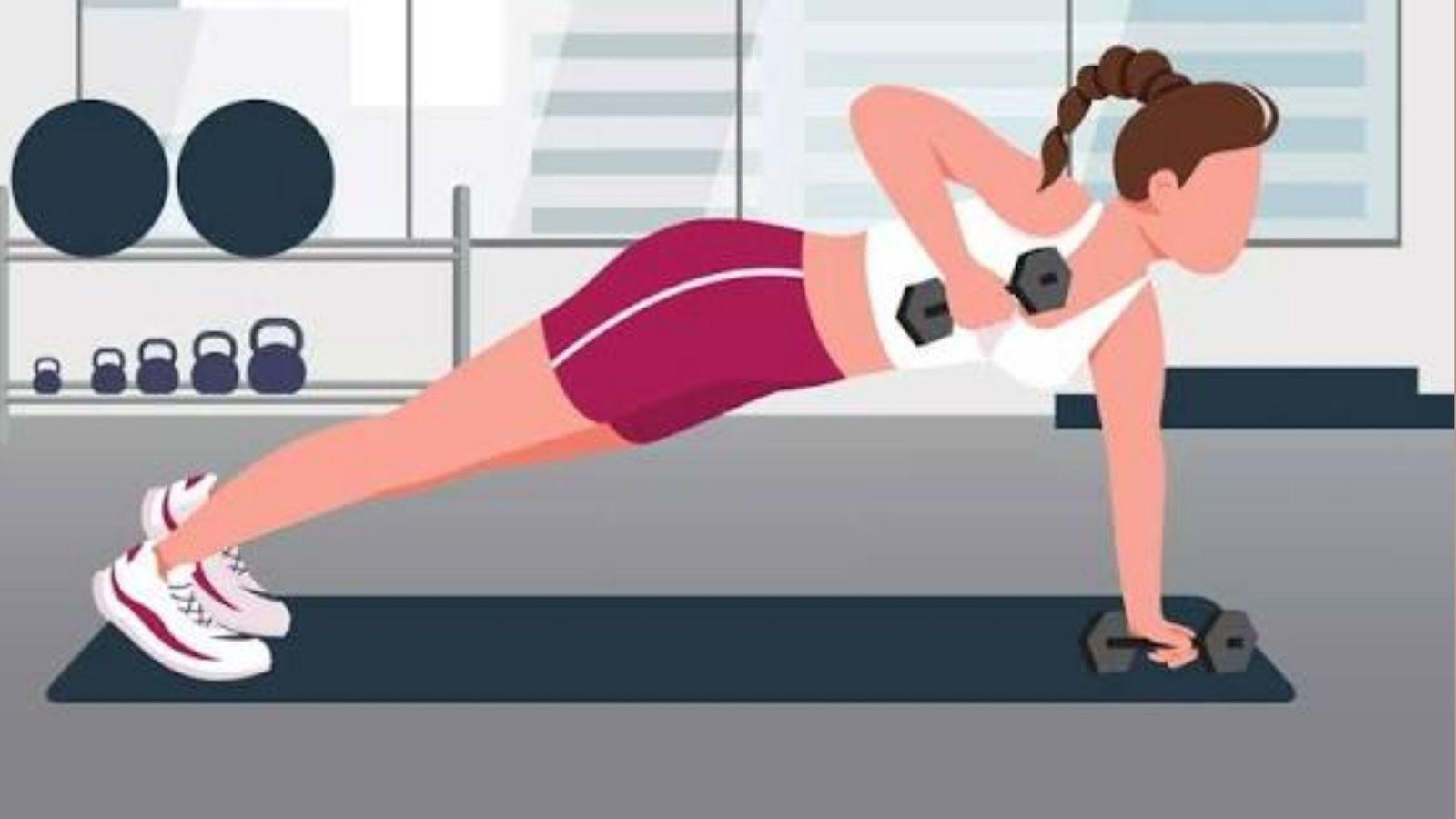
Hold a dumbbell in each hand, hinge forward slightly, and pull the weights toward your waist. Keep your back flat throughout the move.
Builds a strong back and better posture over time.
4. Chest Press

A pushing move that targets the chest and arms.
Lying on your back, press dumbbells upward until your arms are extended, then lower them slowly. Keep your movements controlled.
Helps build upper body strength safely and steadily.
5. Shoulder Press
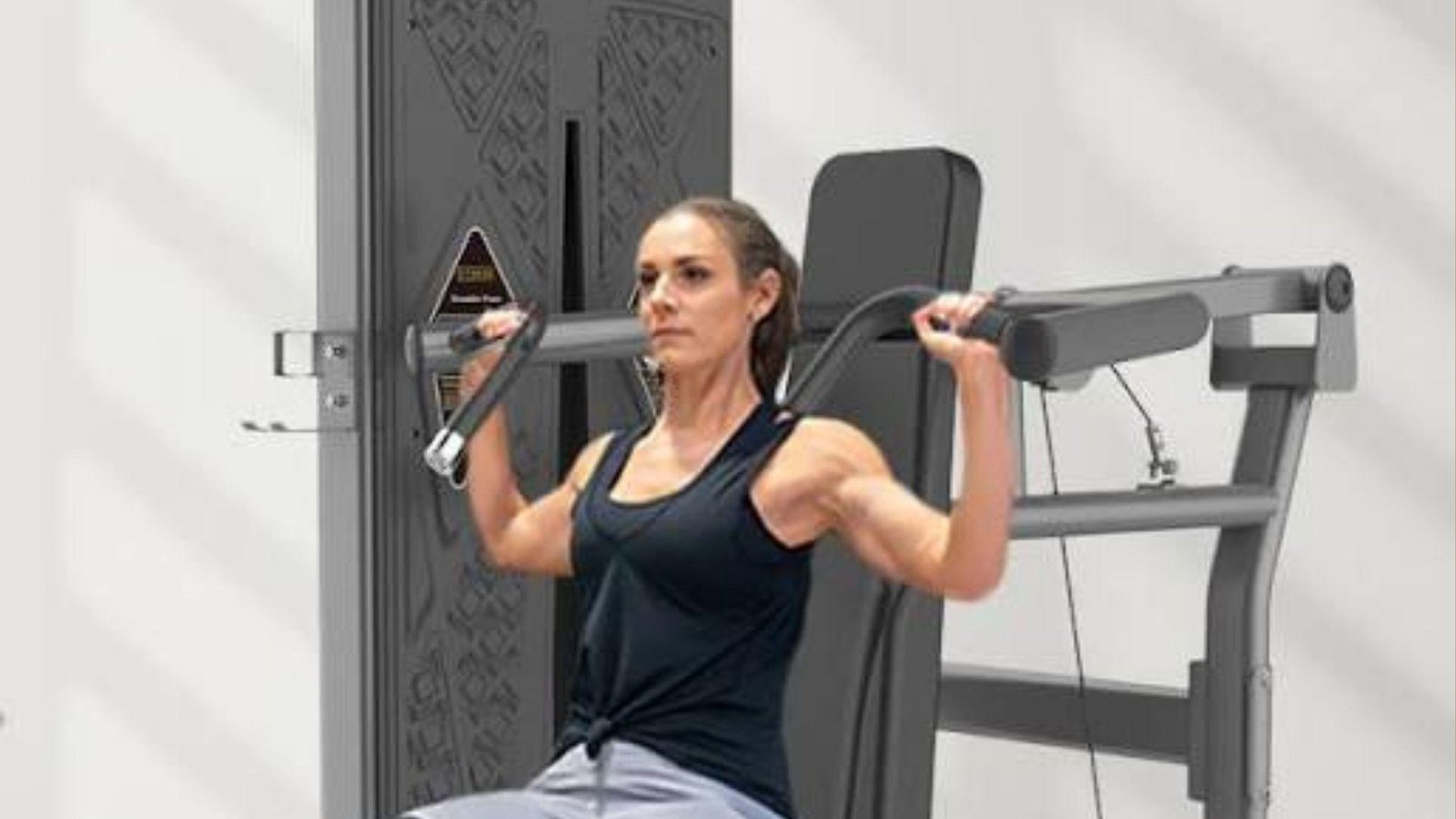
A simple move to strengthen shoulders and arms.
Press dumbbells straight up from shoulder height until your arms are extended, then lower with control.
Strong shoulders make everyday tasks easier.
6. Romanian Deadlifts

A hip-hinge move that strengthens the hamstrings and lower back.
Hold weights in front of your thighs, hinge at the hips, and lower the weights while keeping your back flat. Return to standing by squeezing your glutes.
A key move for building strength in your posterior chain.
7. Step-Ups
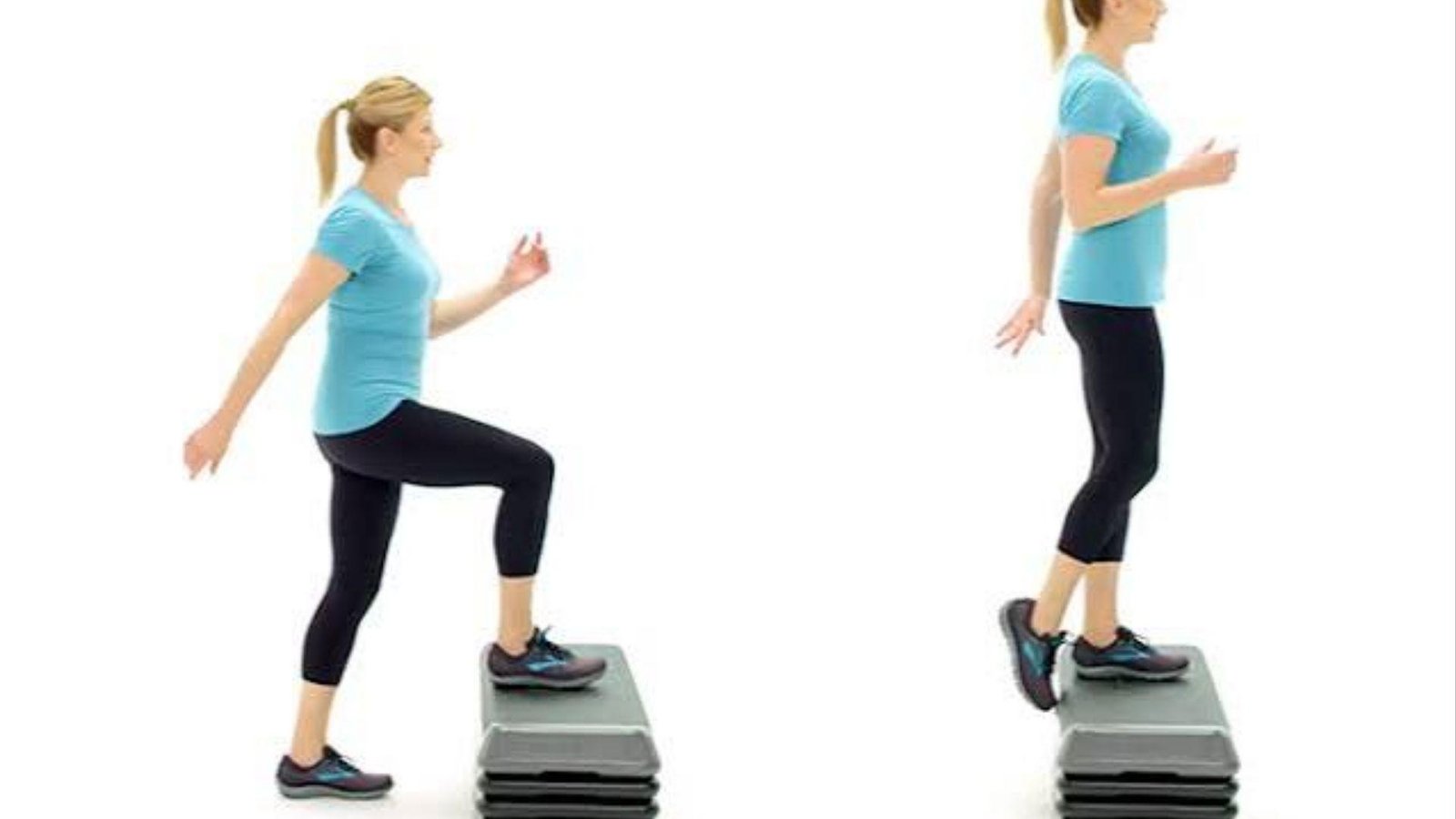
A functional move that builds leg strength and balance.
Step onto a sturdy platform with one foot, push through your heel, and bring the other leg up. Alternate legs with each set.
Builds strength and balance for real-life movement.
8. Planks

A core exercise that strengthens the entire midsection.
Hold your body in a straight line from head to heels, resting on your forearms and toes. Keep your core tight throughout.
A simple hold that builds serious core strength.
Nutrition Tips to Support Strength Training
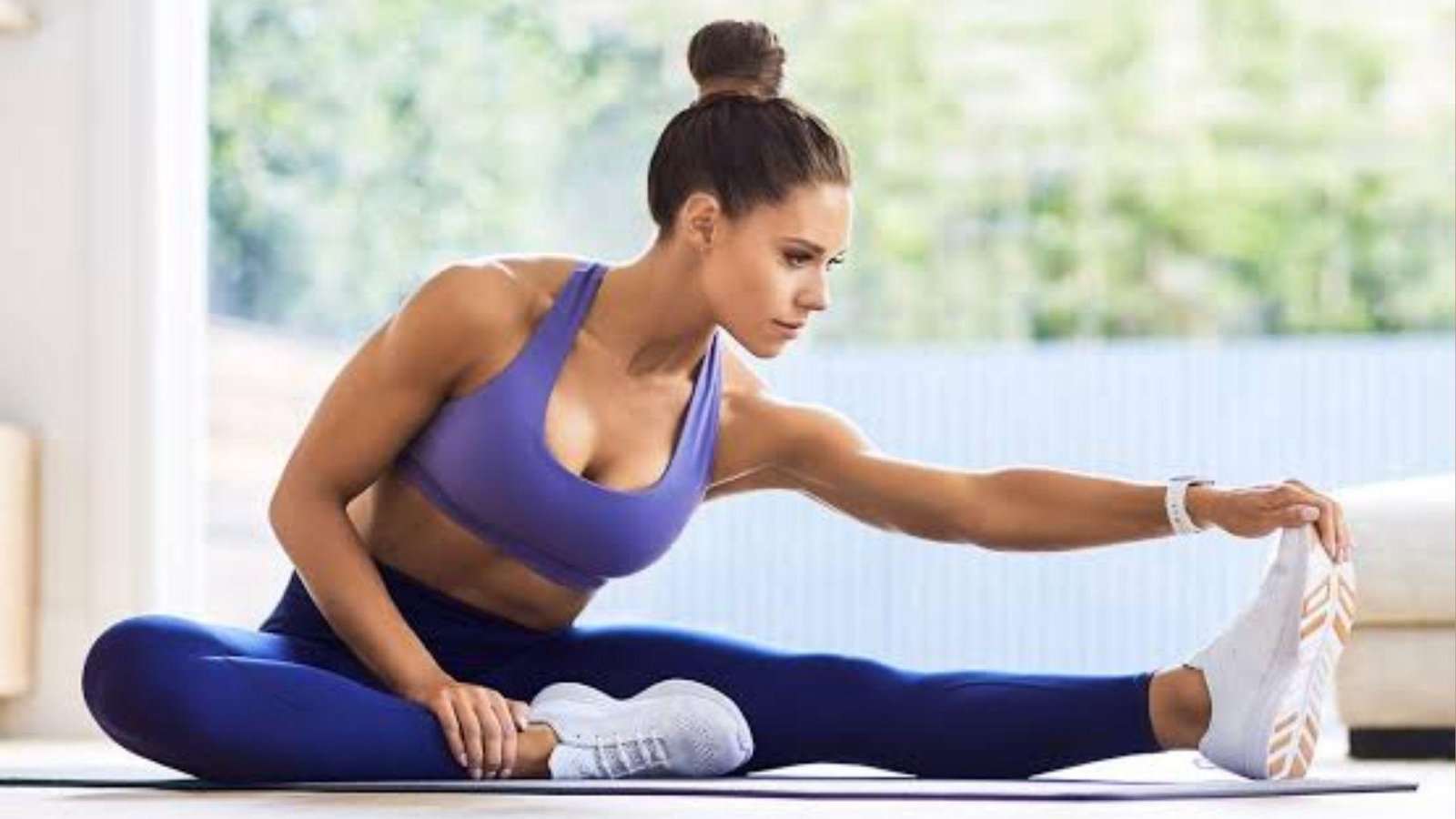
Eating a balanced diet with enough protein, carbohydrates, healthy fats, and water helps fuel workouts, support muscle recovery, and improve strength gains.
How Much Protein Do You Need?
A look at daily protein needs for muscle repair and growth.
Most beginners benefit from around 0.7 to 1 gram of protein per pound of body weight daily. This supports muscle repair and helps you recover faster between sessions.
Protein is the building block your muscles need most.
Pre-Workout and Post-Workout Meals
Simple meal timing tips to fuel workouts and speed recovery.
Eat a small meal with carbs and protein about an hour before training. Afterward, refuel with protein and carbs within a couple of hours to support recovery.
Good timing helps your body perform and recover better.
Staying Hydrated
Why proper hydration matters before, during, and after workouts.
Water supports muscle function and helps prevent fatigue and cramps. Aim to drink water throughout the day, not just during workouts.
Staying hydrated keeps your muscles working their best.
Common Mistakes Beginners Should Avoid
Simple mistakes that slow progress and increase injury risk for beginners.
- Lifting too heavy too soon before building a strength base
- Skipping recovery days that allow muscles to repair
- Ignoring proper form, which raises injury risk
- Being inconsistent instead of sticking to a regular routine
Conclusion
Starting strength training after 40 takes courage, and you've already taken the first step by reading this. I remember how overwhelming it felt when I first started lifting weights, but small, steady steps made all the difference.
You don't need to be perfect. Just show up, follow the basics, and let your strength build over time. Imagine feeling stronger in just a few weeks.
If this helped you, leave a comment or share it with someone who needs a push to start their own strength training path today.
Frequently Asked Questions
Can I do strength training if I have joint pain?
Yes, but start light and focus on proper form. Consult a doctor or physical therapist to choose safe exercises for your specific joint concerns.
Do I need a gym membership to start strength training?
No. Bodyweight exercises and a set of dumbbells at home are enough to begin building strength safely.
How soon will I see results from strength training?
Most beginners notice strength improvements within four to six weeks, though visible muscle changes may take a bit longer.
Is strength training safe during menopause?
Yes, it's often recommended. It helps manage weight, supports bone health, and may ease some menopause symptoms like mood swings.