Curious how much a Pilates class actually does for your calorie count? You’re not alone.
It’s one of the most common questions people ask before committing to a routine, especially if weight loss is part of the goal.
The honest answer depends on a few things, like your body weight, how long you work out, and whether you’re on a mat or a reformer.
This guide breaks down real calorie estimates by weight and duration, what actually changes your burn rate, and how mat and reformer Pilates compare.
How Many Calories Does Pilates Burn?
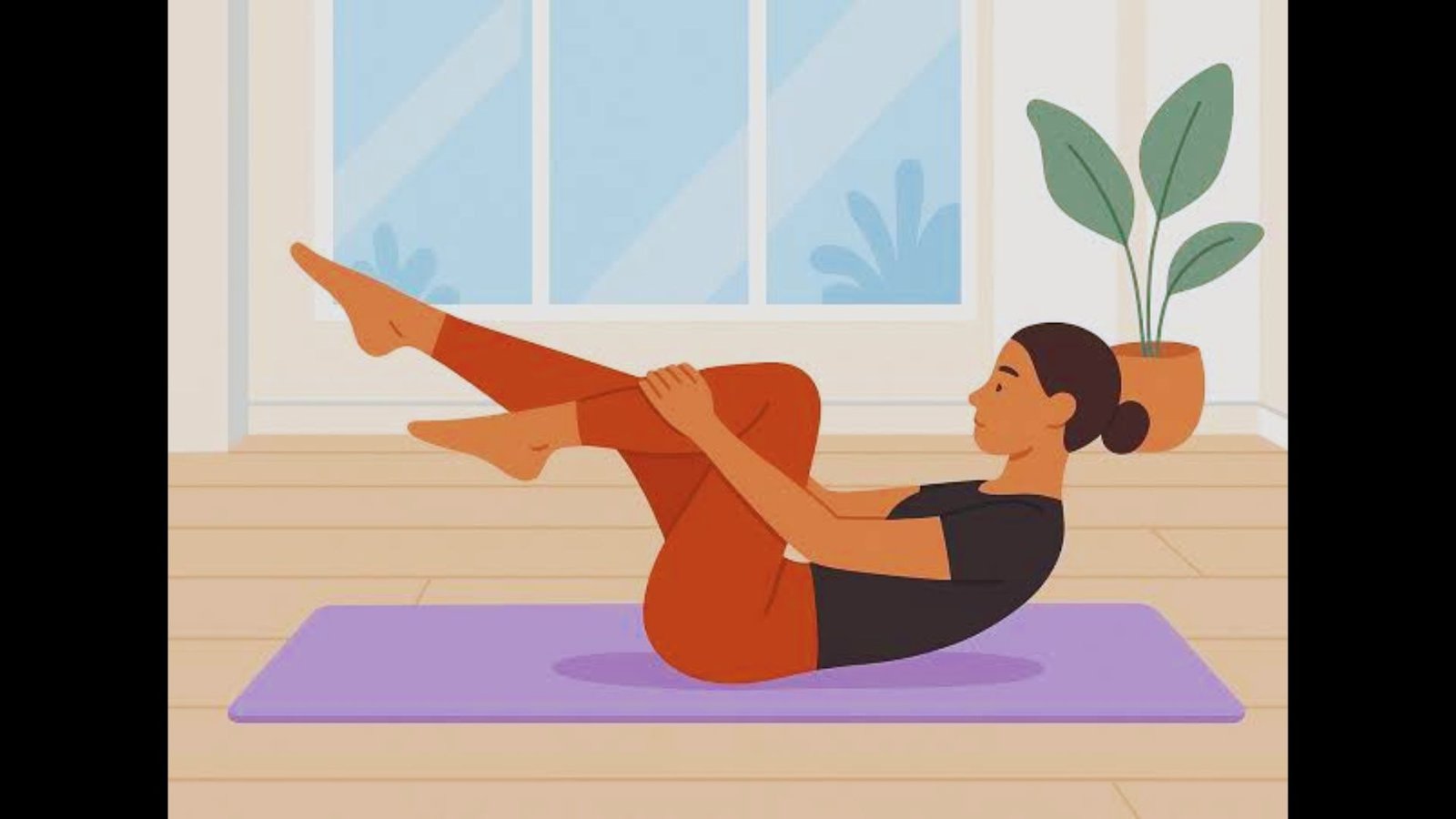
On average, Pilates burns somewhere between 150 and 400 calories per session, depending on your body weight and how intense the workout is.
Lighter, slower-paced mat sessions sit on the lower end, while a fast-paced reformer class with resistance work sits closer to the higher end, with some studies showing intense reformer sessions burning up to 450 calories per hour.
A widely cited ACE Fitness study backs this up, showing that a 150 lb person burns roughly 175 calories in a 50-minute beginner mat class, compared to around 254 calories in an advanced one at the same weight.
If you’re using calorie burn to plan weight loss, keep in mind the general rule that burning about 3,500 calories adds up to roughly 1 pound lost, though that number is a rough guide rather than an exact science for everyone.
What Affects Calorie Burn?
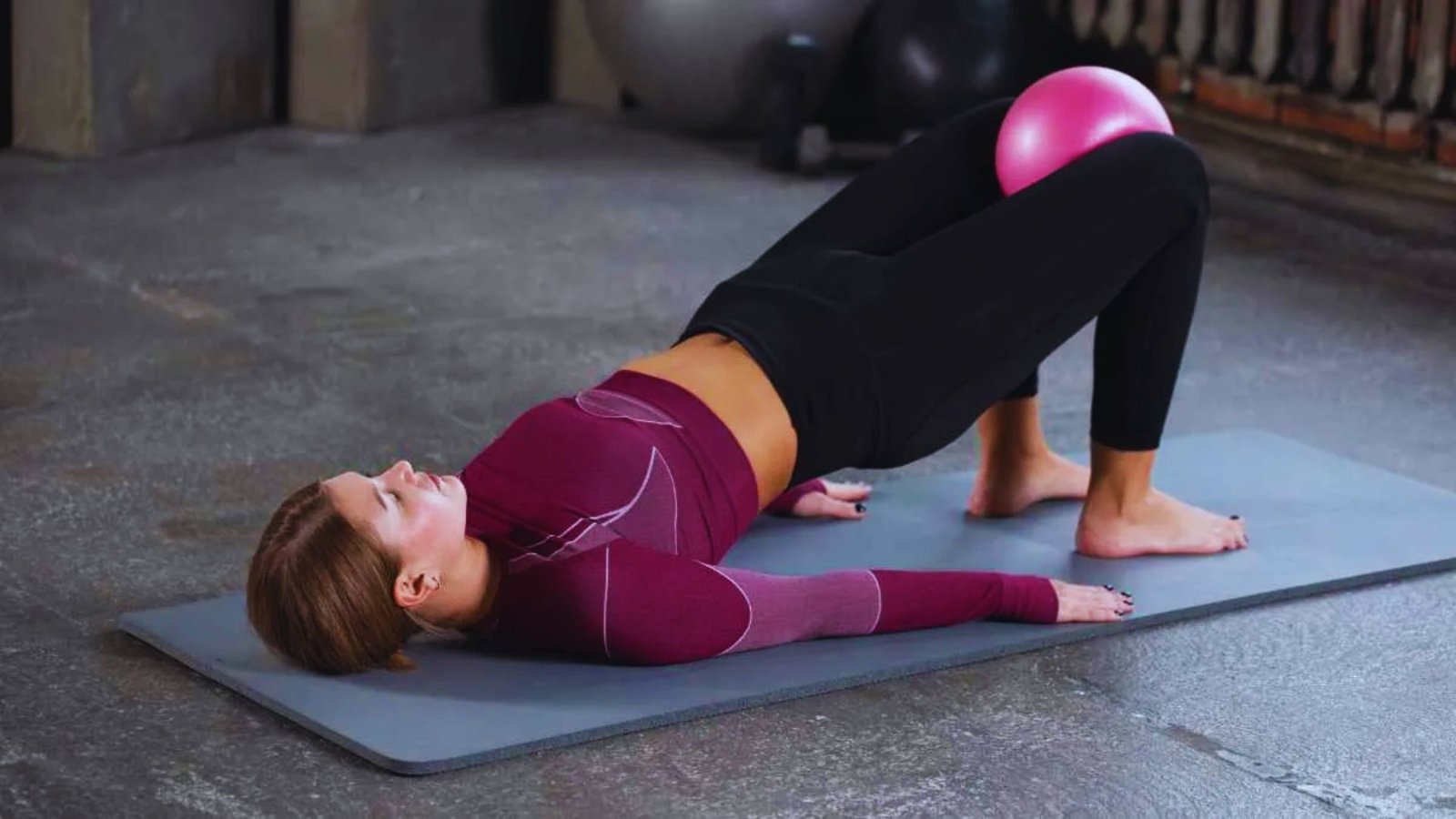
A few personal factors decide where you land in that calorie range.
Knowing them helps you understand your own numbers instead of just comparing yourself to an average.
Body Weight
Heavier bodies burn more calories doing the same movements, since it takes more energy to move more mass.
This is why the calorie table above shifts upward as body weight increases.
Workout Duration
Longer sessions burn more total calories, which sounds obvious, but the relationship isn’t always straight.
A focused 30-minute session with constant movement can burn more per minute than an hour of slow, rest-heavy Pilates.
Workout Intensity
Fast-paced classes with fewer breaks and more resistance work burn noticeably more than a slow, beginner-paced session.
Your heart rate is a useful way to gauge this in real time, since a higher heart rate during class generally lines up with a higher calorie burn.
Intensity often matters more than duration when it comes to total calorie burn.
Fitness Level
Your body becomes more efficient at movements you repeat often, which can slightly lower your calorie burn over time for the same routine.
This is one reason instructors recommend increasing difficulty as you improve.
Here’s a general breakdown by body weight and workout duration.
| Body Weight | 30 Minutes | 45 Minutes | 60 Minutes |
| 125 lbs | 90–120 calories | 135–180 calories | 180–240 calories |
| 155 lbs | 110–150 calories | 165–225 calories | 220–300 calories |
| 185 lbs | 130–180 calories | 195–270 calories | 260–360 calories |
| 215 lbs | 150–210 calories | 225–315 calories | 300–420 calories |
These numbers are estimates, not exact figures. Your actual burn depends on the specific moves in your routine and how much effort you’re putting into each one.
Mat vs Reformer Pilates
Both styles work your core and build strength, but they burn calories differently because of the equipment and pacing involved.
Mat Pilates Calories
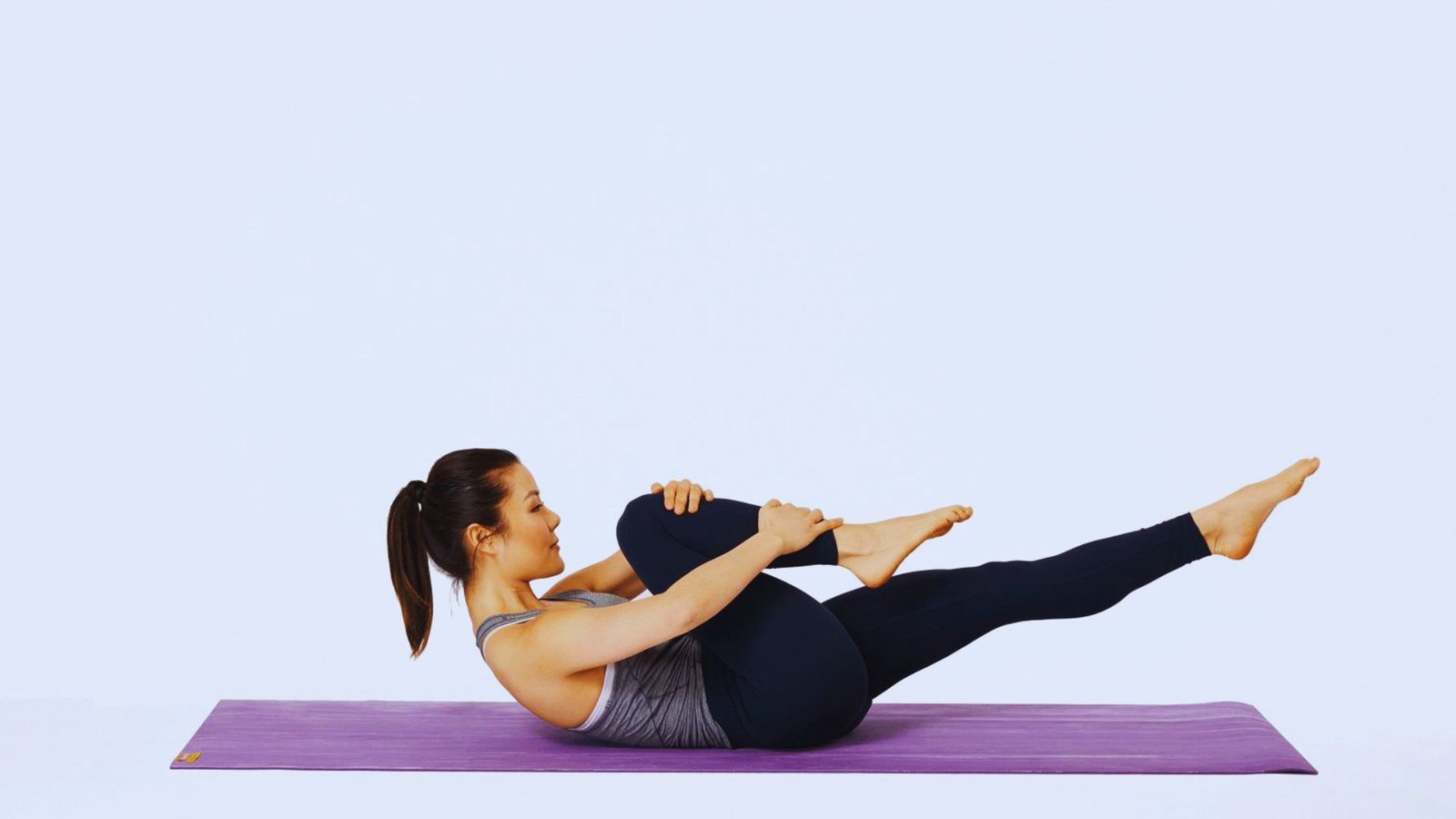
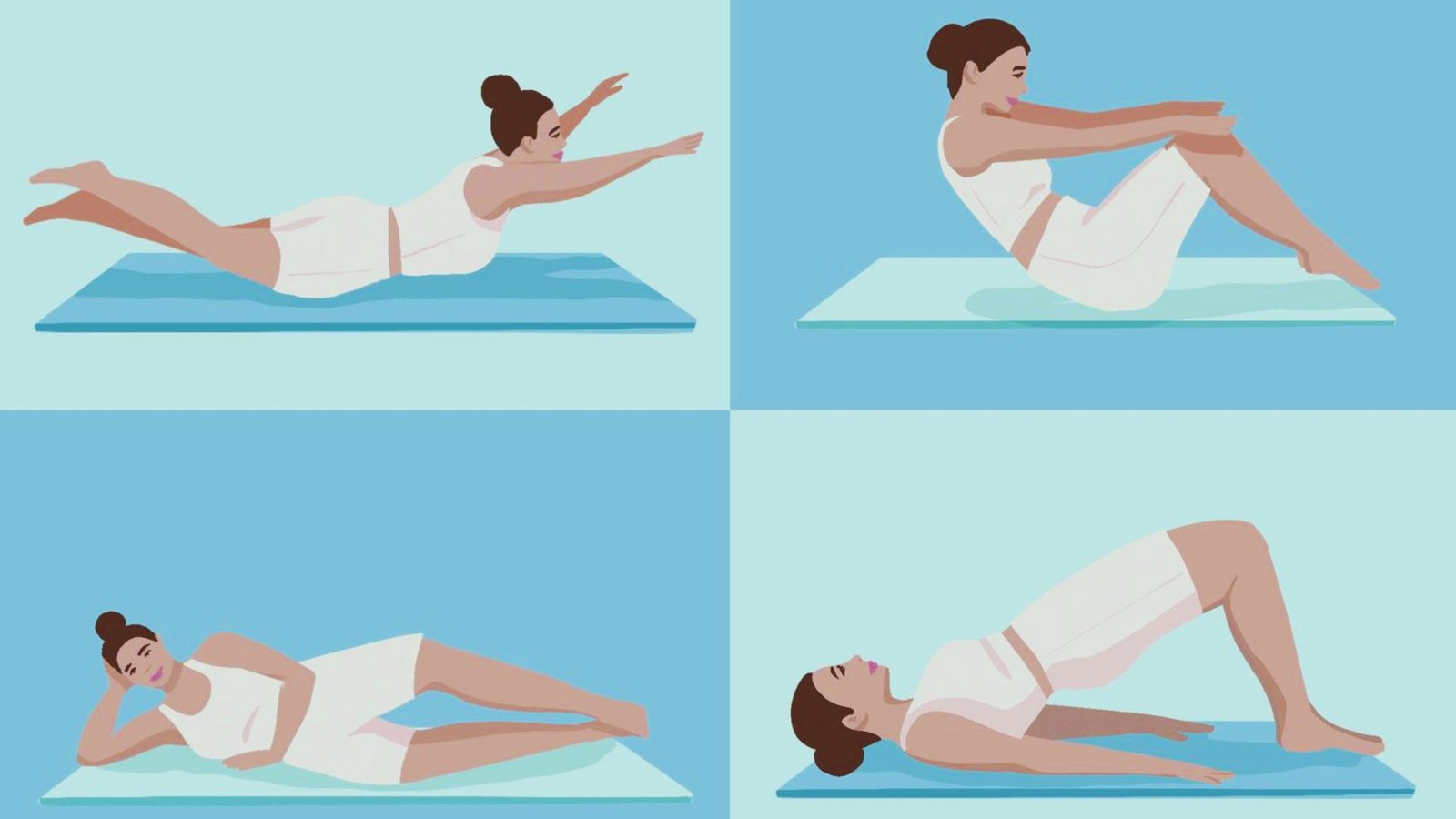
Mat Pilates relies on your own body weight for resistance.
A 30-minute session typically burns 90 to 150 calories, depending on your weight and how much flow is built into the routine.
Reformer Pilates Calories
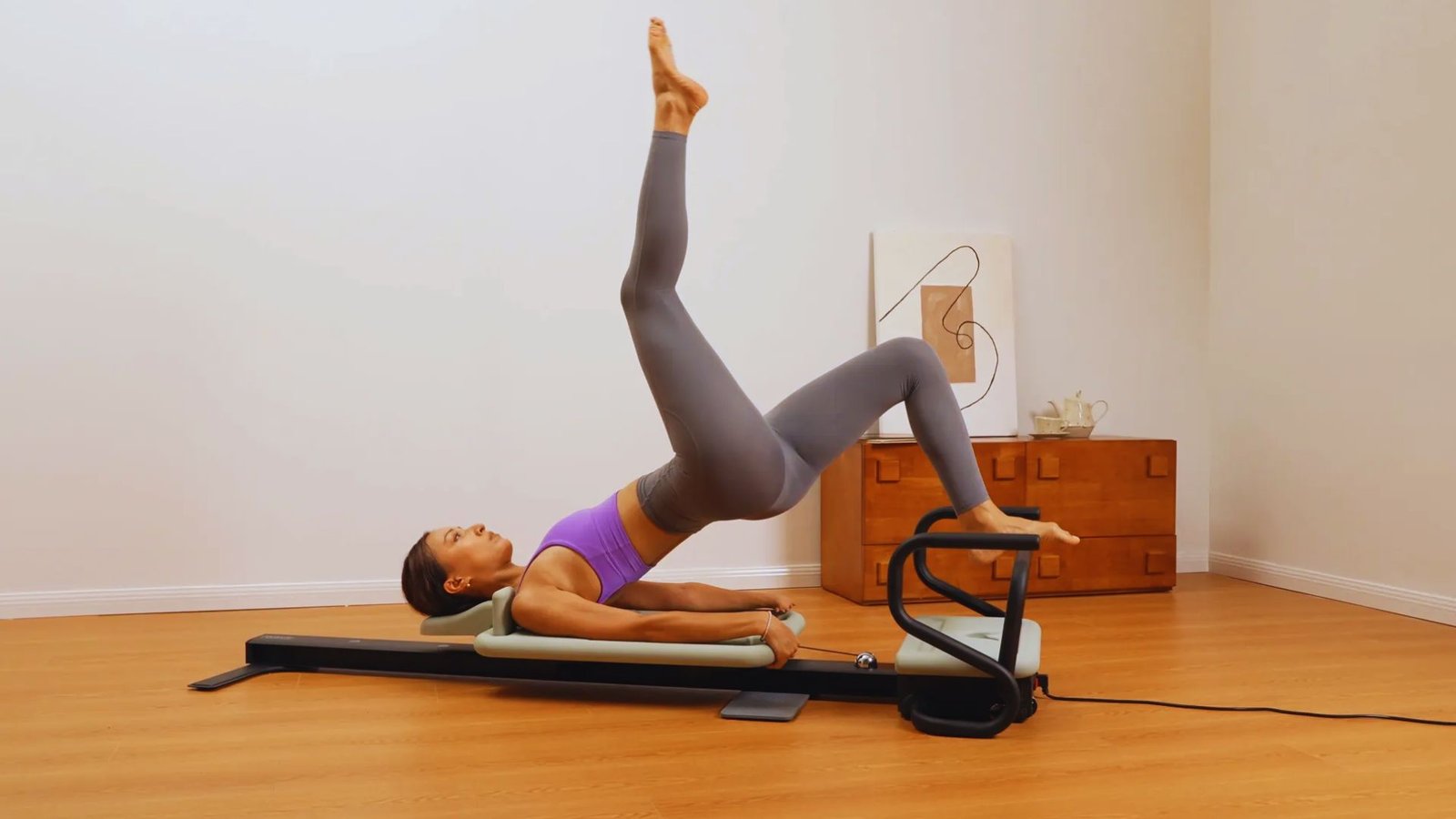
Reformer Pilates uses a machine with springs and a sliding carriage, which adds resistance to nearly every movement.
This usually pushes calorie burn 20 to 30 percent higher than a comparable mat session, and some research on resistance training shows that adding mechanical load like this can boost calorie burn by around 30 percent on its own.
Which Burns More?
Reformer Pilates generally burns more calories per session because of the added resistance and constant engagement required to control the carriage.
That said, a high-intensity mat class can still outburn a slow, beginner-level reformer session, so the style alone doesn’t guarantee the higher number.
Is Pilates Good for Weight Loss?
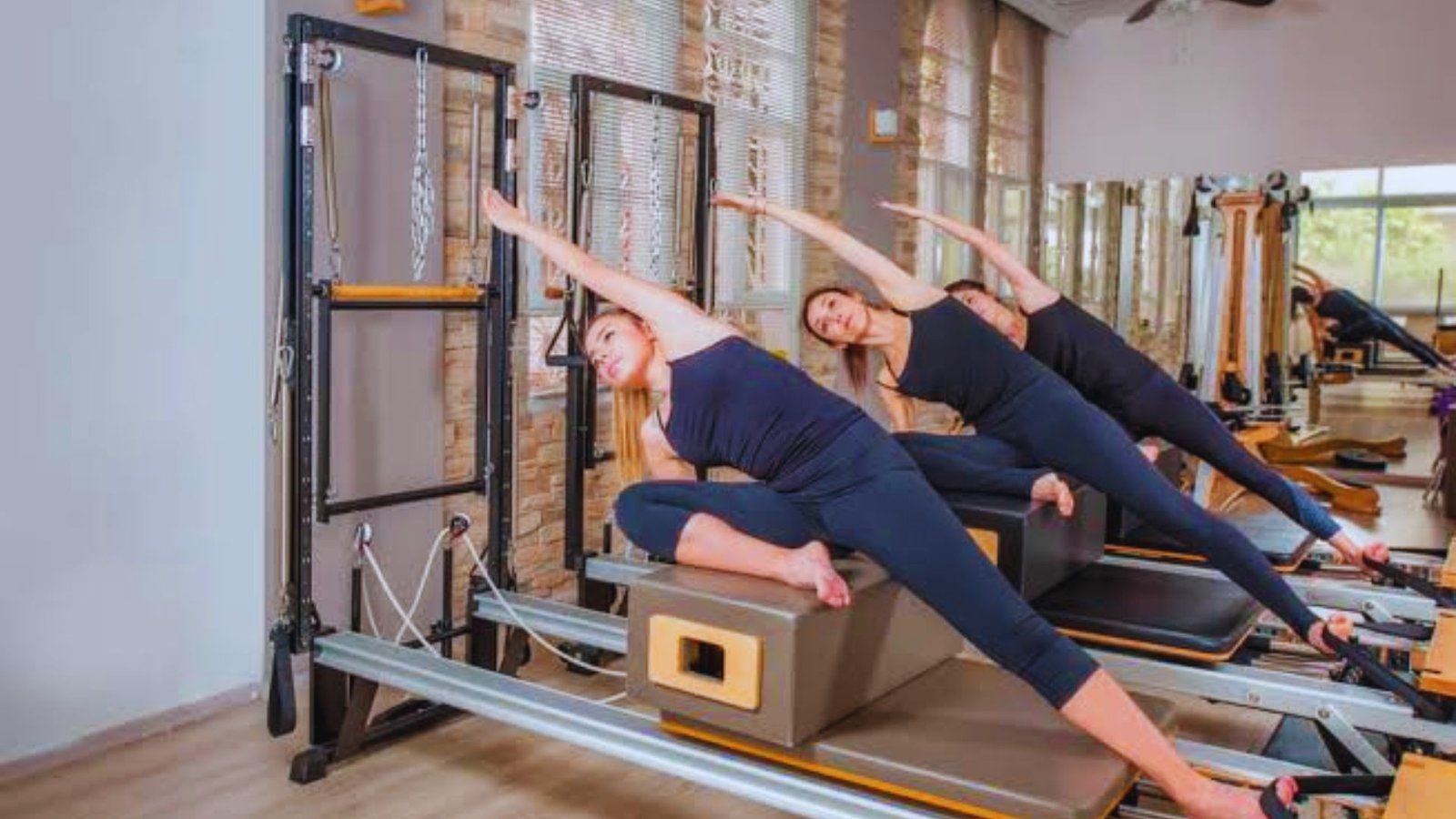
Pilates can support weight loss, but it works best as one part of a bigger picture rather than a standalone solution.
The calorie burn itself is moderate compared to something like running, but Pilates builds lean muscle, and more muscle raises your resting calorie burn over time.
If you’re new to Pilates, practicing 2 to 3 times a week is generally recommended to start seeing benefits, and combination classes like Piloxing or Yogalates can push your calorie burn even higher once you’re ready for more variety.
Consistency matters more than any single session’s calorie count. Showing up three to four times a week does more for long-term results than one intense class followed by weeks off.
Nutrition still plays a large role too, since even a solid Pilates routine won’t offset a calorie surplus from your diet.
It’s also worth keeping an eye on your daily movement outside of class, since a drop in everyday activity can quietly cancel out the extra calories a workout burns.
Combining regular Pilates sessions with mindful eating and, ideally, some cardio, gives you a more complete approach to weight loss than Pilates on its own.
Burn More Calories During Pilates
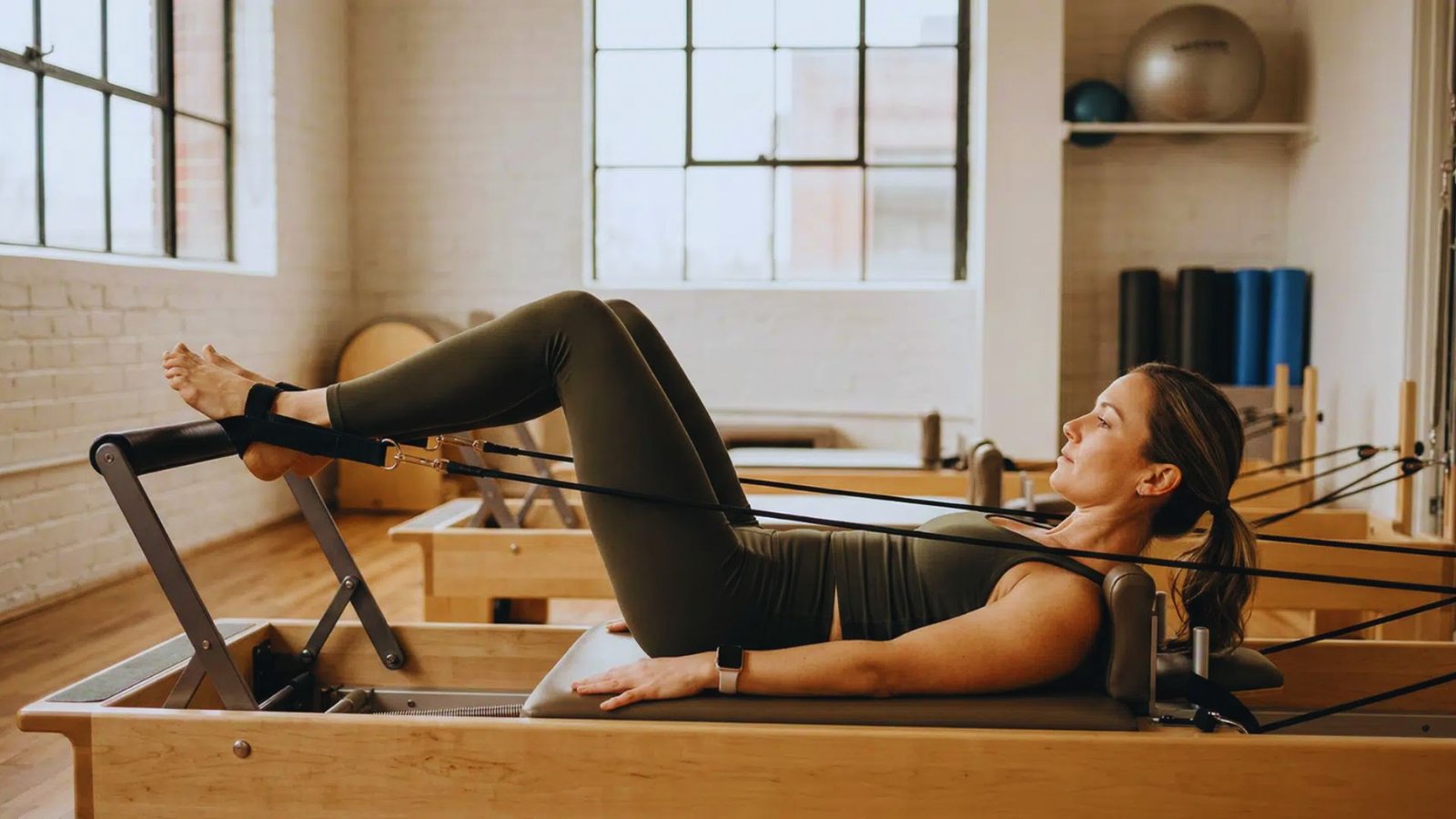
A few adjustments can raise your calorie burn without needing to change your entire routine.
- Increase workout intensity. Move through transitions faster and reduce pauses between exercises to keep your heart rate elevated throughout the session.
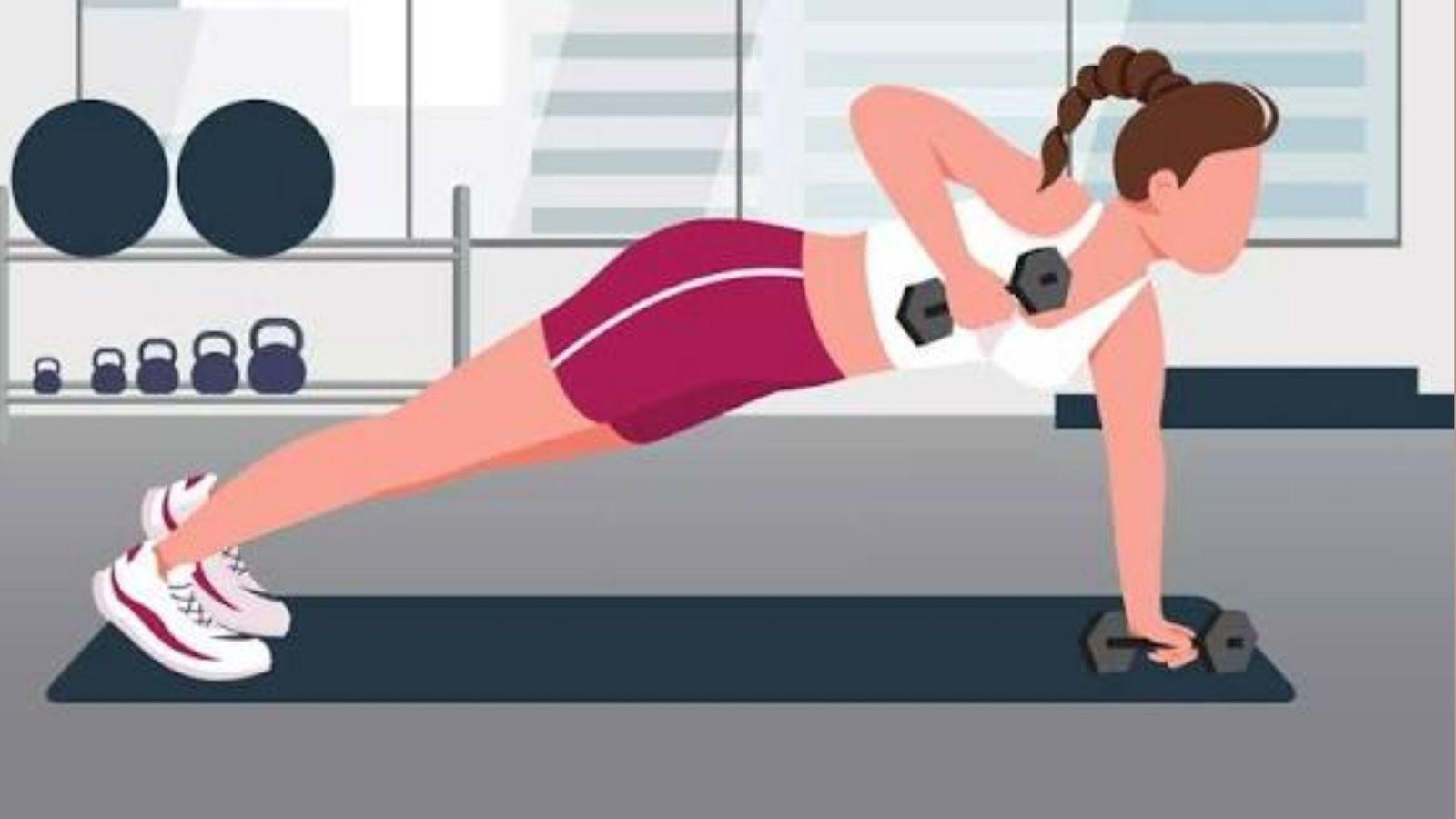
- Add resistance equipment. Resistance bands, light hand weights, or a reformer machine add load to your muscles, which increases the energy your body needs to complete each movement.
- Reduce rest between exercises. Shorter breaks keep your body working continuously instead of allowing your heart rate to drop between sets, and can also extend the afterburn effect once your session ends.
- Stay consistent. Regular sessions build strength and endurance over time, which lets you handle more challenging variations that naturally burn more calories.
Conclusion
So, how many calories does Pilates burn? It depends on your weight, session length, intensity, and whether you’re doing mat or reformer work, which is exactly why a single average number never tells the full story.
Use the weight-based estimates here as your starting point, then focus on staying consistent and gradually pushing your intensity for the best long-term results.
If this guide helped you get a clearer picture of your own numbers, share it with a workout partner, or leave a comment with your own Pilates routine.
Frequently Asked Questions
How many calories does 30 minutes of Pilates burn?
A 30-minute session typically burns 90 to 210 calories, depending on body weight and intensity, with reformer sessions usually landing on the higher end.
Does reformer Pilates burn more calories?
Yes, reformer Pilates generally burns 20 to 30 percent more calories than mat Pilates because of the added resistance from the machine’s springs and carriage.
Can Pilates help me lose weight?
Yes, when combined with consistent practice, a balanced diet, and ideally some cardio. Pilates alone burns moderate calories but builds muscle that supports long-term fat loss.
Does body weight affect calorie burn?
Yes, heavier individuals burn more calories performing the same Pilates movements, since more energy is required to move a larger body mass.
Are online calorie calculators accurate?
They’re a reasonable estimate, but not exact. Actual burn depends on your specific routine, effort level, and individual metabolism, which calculators can’t fully account for.