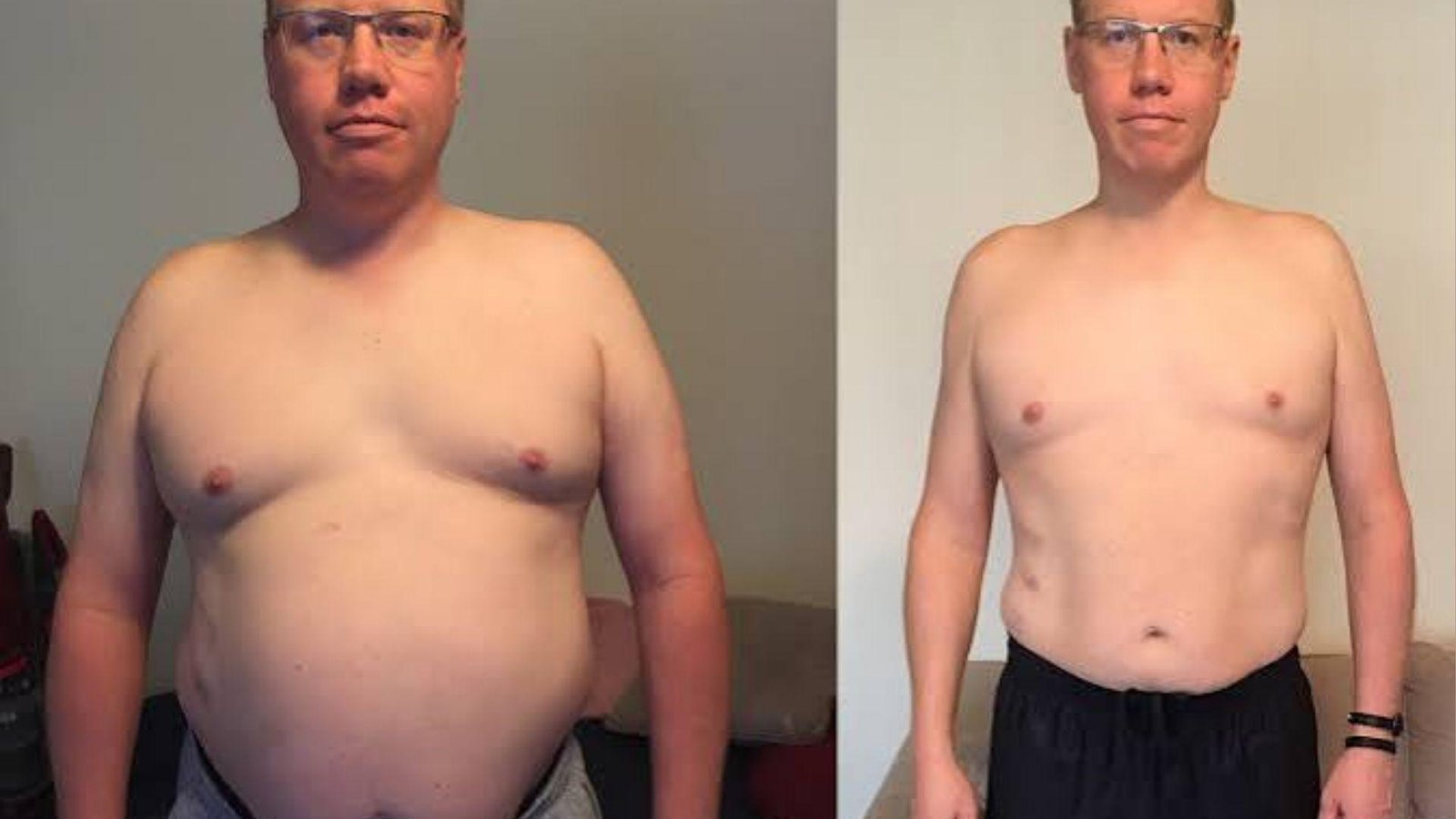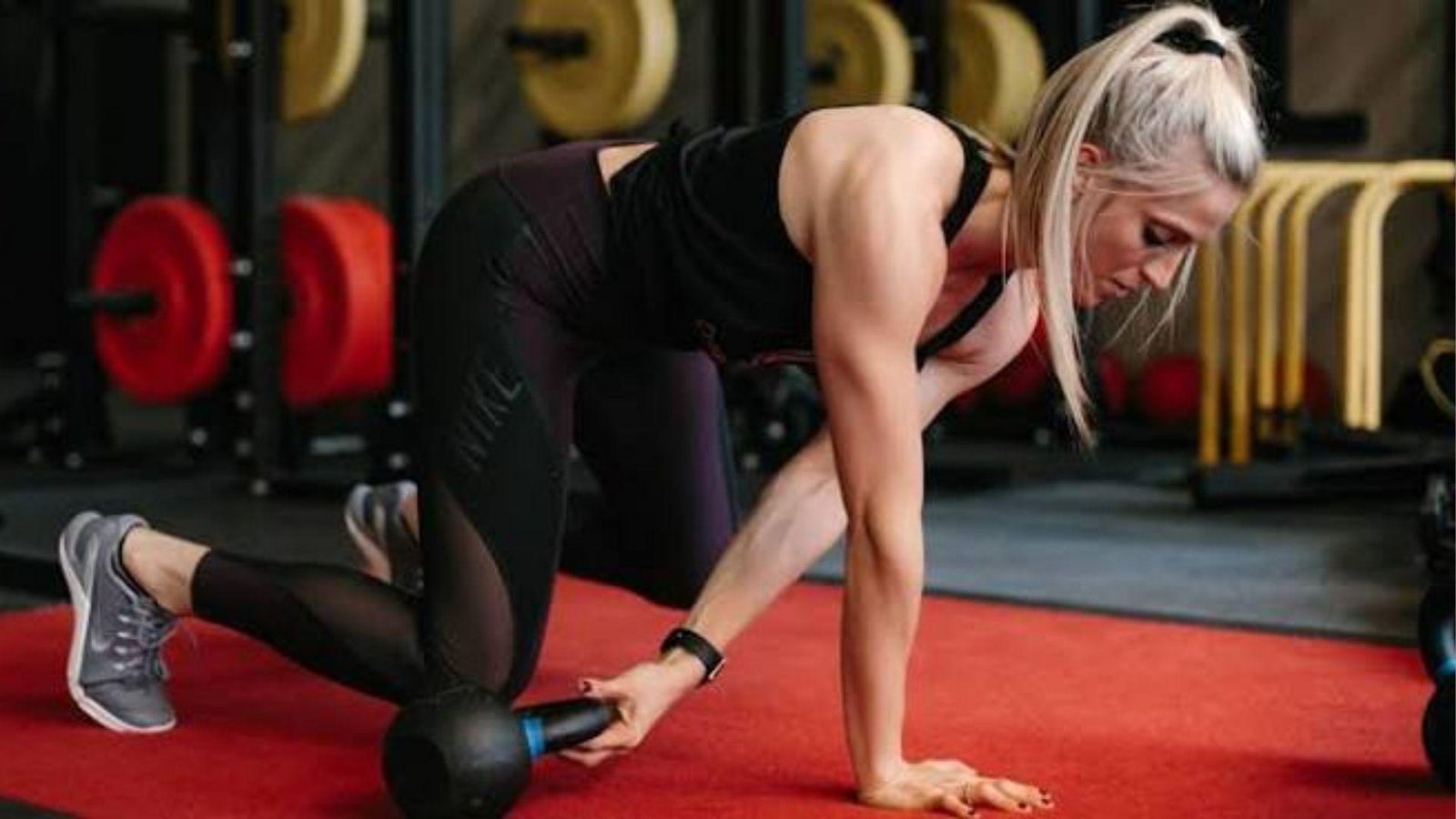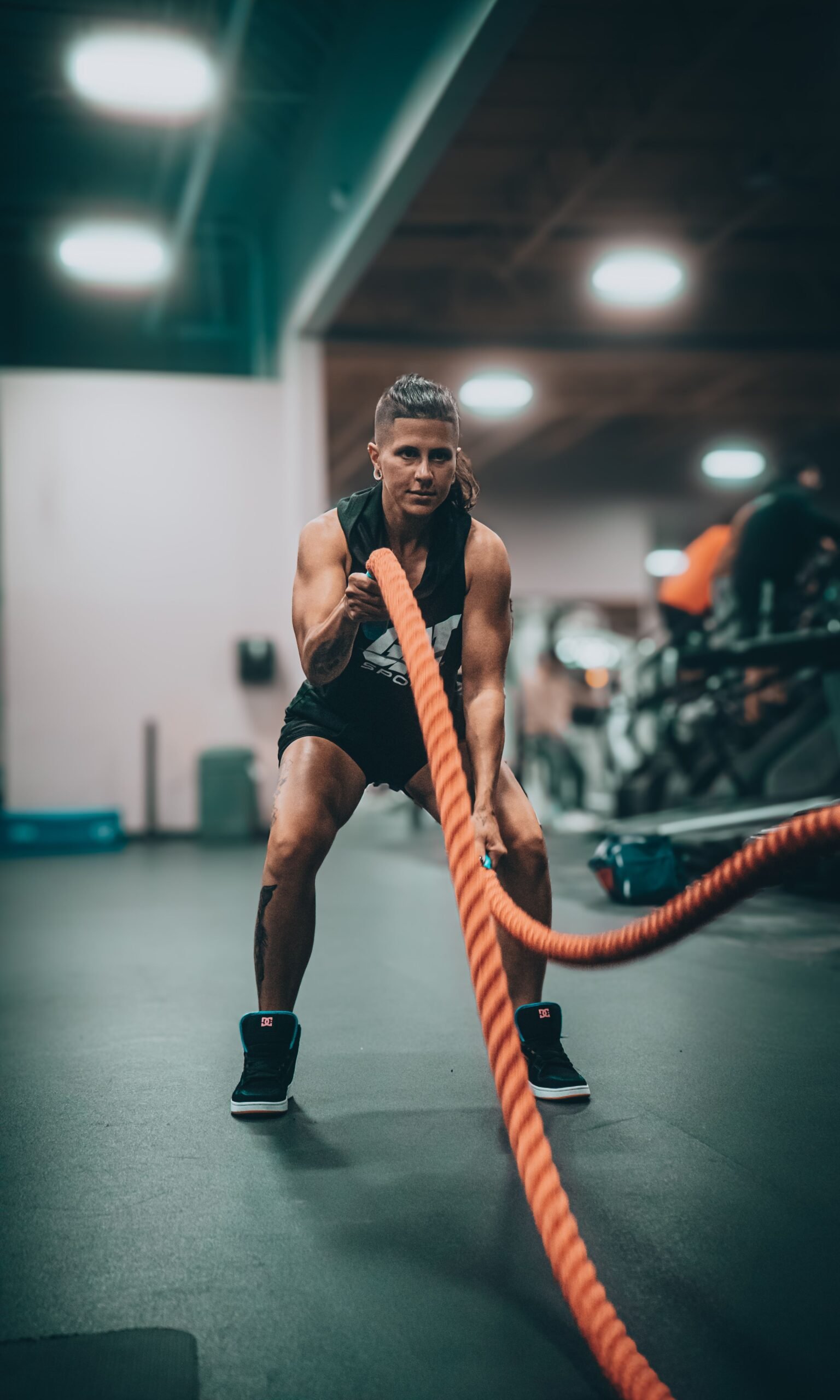
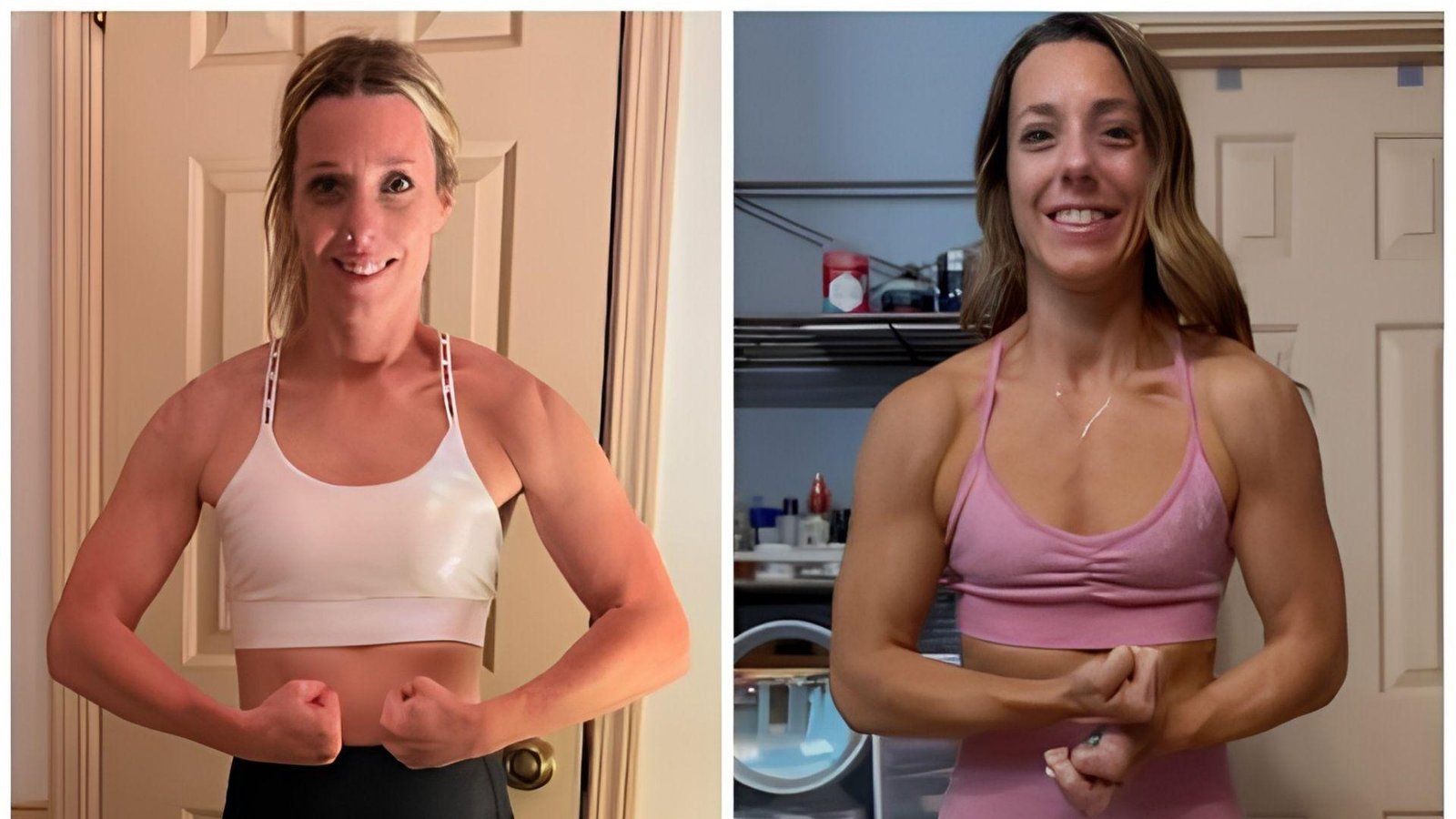
For a long time, I thought chest workouts were not for me. I skipped them, avoided them, and convinced myself they were a guy thing.
Then I added two chest sessions a week and noticed changes I never expected. Better posture. A firmer upper body. More strength across everything else I was doing.
If you want to know what female chest workout before and after results actually look like, this is the blog for you.
I'll cover what changes in 4, 8, and 12 weeks, which exercises work best, and a simple beginner plan you can follow starting this week.
Let's get into it.
Why Women Should Include Chest Workouts in Their Fitness Routine
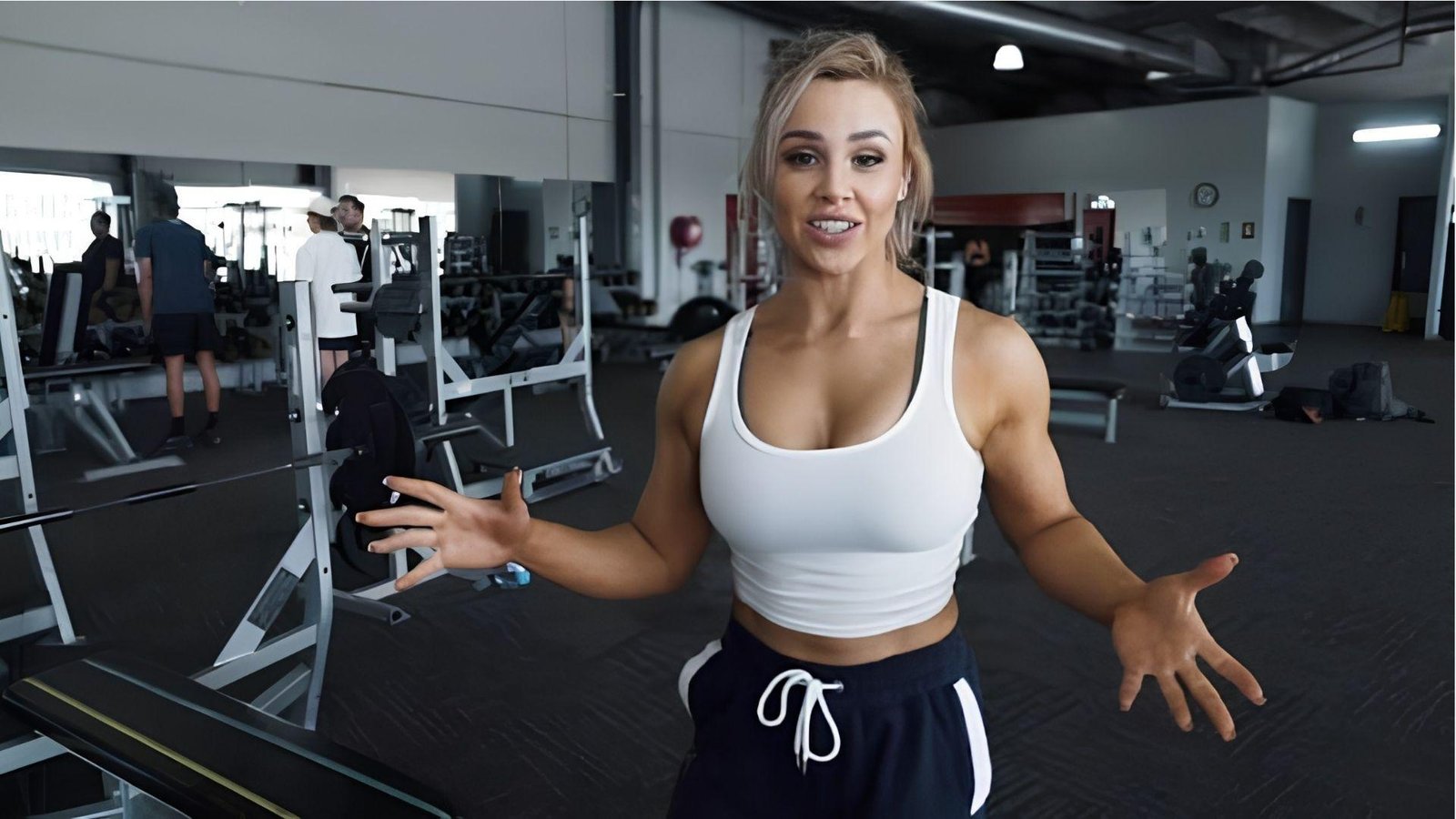
Chest workouts are not just for men. Women who train their chest build a stronger upper body, improve their posture, and look more toned overall.
The pectoral muscles, both the pectoralis major and the pectoralis minor, sit under the breast tissue. When you strengthen them, your chest lifts naturally and your shoulders pull back.
This also helps align your spine so you stand straighter and move better overall. It helps with everyday tasks too.
Pushing a stroller, lifting groceries, or holding a yoga pose all use your pecs. Adding chest training two times a week can make a noticeable difference in how you feel and move within just a few weeks.
What Does a Female Chest Workout Before and After Look Like?
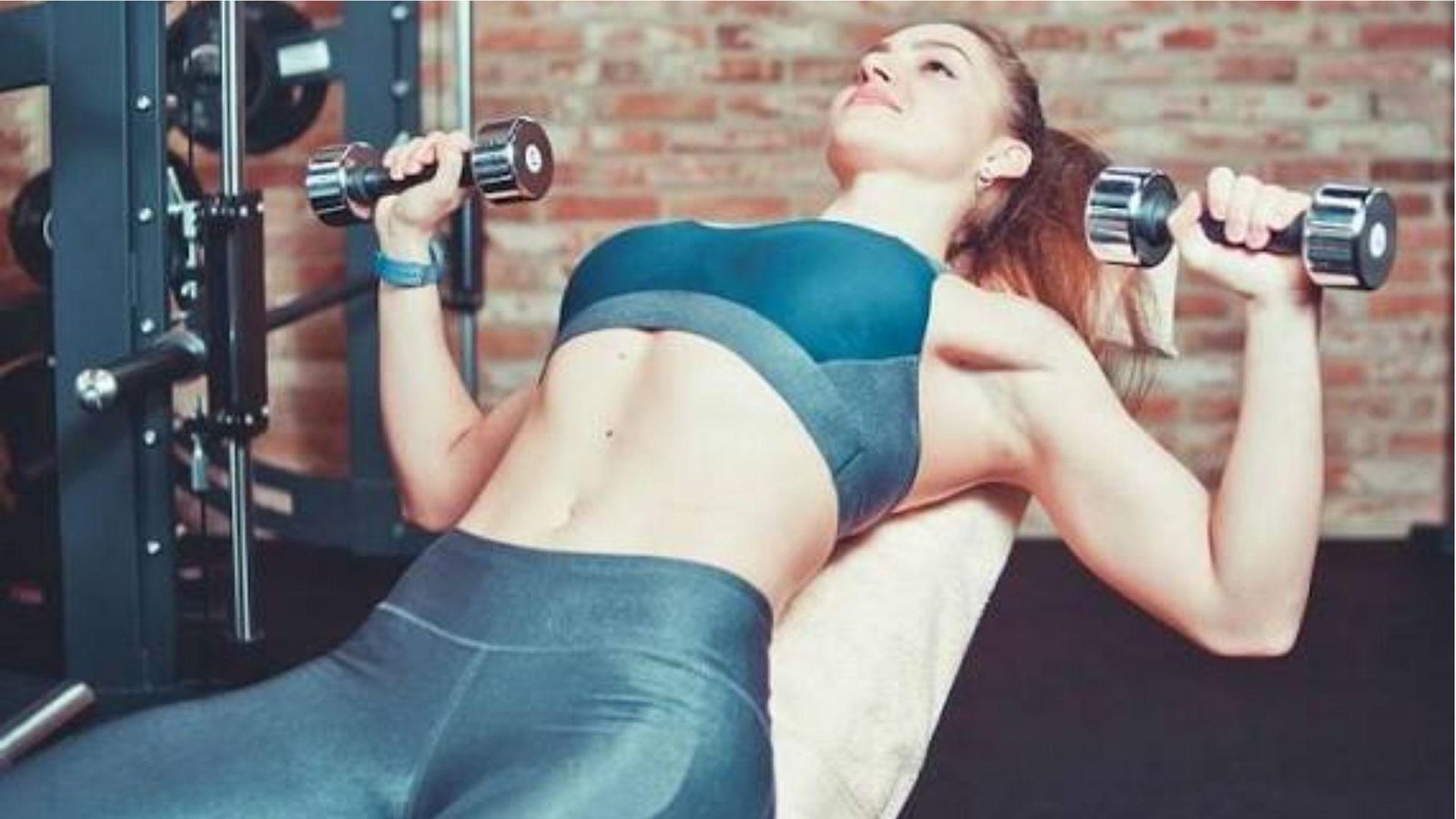
Here is a clear, timeline-based breakdown of what changes from week one to long-term training.
Before Starting Chest Training
Most women start chest training with weak upper-body strength and little muscle activation in the chest area.
Rounded shoulders are common, often from sitting at a desk or looking at a phone for hours each day.
Poor posture is another starting point. Many women feel tightness in the chest and shoulders but have never directly trained those muscles.
This is completely normal. It just means there's a lot of room to grow, and results tend to come faster in the beginning.
After 4 Weeks of Chest Workouts
The first four weeks bring early strength improvements. You may not see big visual changes yet, but your muscles start waking up.
Muscle activation gets better, meaning your chest fires during exercises instead of your shoulders doing all the work.
Right after each session, you may notice a temporary pump as blood rushes to the working muscles. The chest looks fuller and tighter for a few hours.
It fades fast, but it is a sign the training is working. Push-ups feel slightly easier. These early changes build the foundation for everything that follows.
After 8 to 12 Weeks
This is where things get interesting. Upper-body definition starts to show, especially around the collarbone and chest area.
Your posture improves noticeably. Shoulders sit back more naturally, and your spine feels more aligned when you stand. Pushing strength goes up. You can lift more than when you started.
Muscle endurance builds too, so you can do more reps without burning out as quickly. Most women see their biggest visible changes in this window.
If you've been consistent, this is when it starts to feel worth it.
How Chest Workouts Change a Woman's Appearance
Chest training does not make women bulky. That is one of the most common myths. Women naturally have less testosterone than men, which limits how much muscle mass they can build.
What chest training actually does is create shape. The pectoral muscles lift and firm the chest area from underneath. Shoulders look more defined. The upper back straightens out.
Over time, clothes fit better because your posture changes. You stand taller, and your whole silhouette looks more toned.
These are physical changes that come from consistent effort, not from lifting heavy. Even bodyweight exercises like push-ups can change the way your upper body looks within a few months.
Factors That Affect Female Chest Workout Before and After Results
Your results depend on more than just showing up. These five factors make or break your progress.
Training Consistency
You need to train your chest at least two times per week to see real results. One session every two weeks won't cut it.
Your muscles need regular stimulus to grow and change. Missing sessions slows everything down.
Even a simple 20-minute chest workout done consistently twice a week will produce better results than an intense session done randomly. Show up regularly. That's the single biggest factor in how fast you see changes.
Progressive Overload
Your muscles adapt to the same weight quickly. Once something feels easy, it's time to make it harder.
Add one more rep, increase the weight slightly, or slow down your tempo. This is called progressive overload, and it's how muscles keep growing. Without it, you plateau.
Most beginners see fast progress in the first few weeks, then stall. Keep a simple log of your reps and weights so you know when to push more.
Nutrition and Protein Intake
Muscles are built in the kitchen as much as the gym. Protein is what your body uses to repair and grow muscle tissue after a workout.
Aim for around 0.7 to 1 gram of protein per pound of body weight daily. Chicken, eggs, Greek yogurt, legumes, and protein shakes all count.
If you're not eating enough protein, your results will come much slower no matter how hard you train. You don't need a strict diet. Just prioritize protein at every meal.
Recovery and Sleep
Muscles don't grow during the workout. They grow during rest. If you're skipping sleep or training the same muscles every day without rest, your results will stall.
Aim for 7 to 9 hours of sleep per night. Take at least one rest day between chest sessions. Light stretching or walking on off days helps blood flow without adding stress.
Recovery is not lazy. It's a required part of the process that many beginners skip at their own expense.
Body Fat Percentage
Muscle definition shows more clearly at lower body fat levels. If your body fat is higher, the muscle is still growing but may not be as visible yet.
This doesn't mean you need to be super lean. But it does mean that nutrition and cardio play a role in how visible your chest results look.
As you lose body fat over time through consistent training and a moderate calorie approach, the muscle tone you've built underneath will become more obvious.
5 Best Chest Exercises for Female Change
These five moves are proven to work for women at all fitness levels.
1. Incline Dumbbell Press
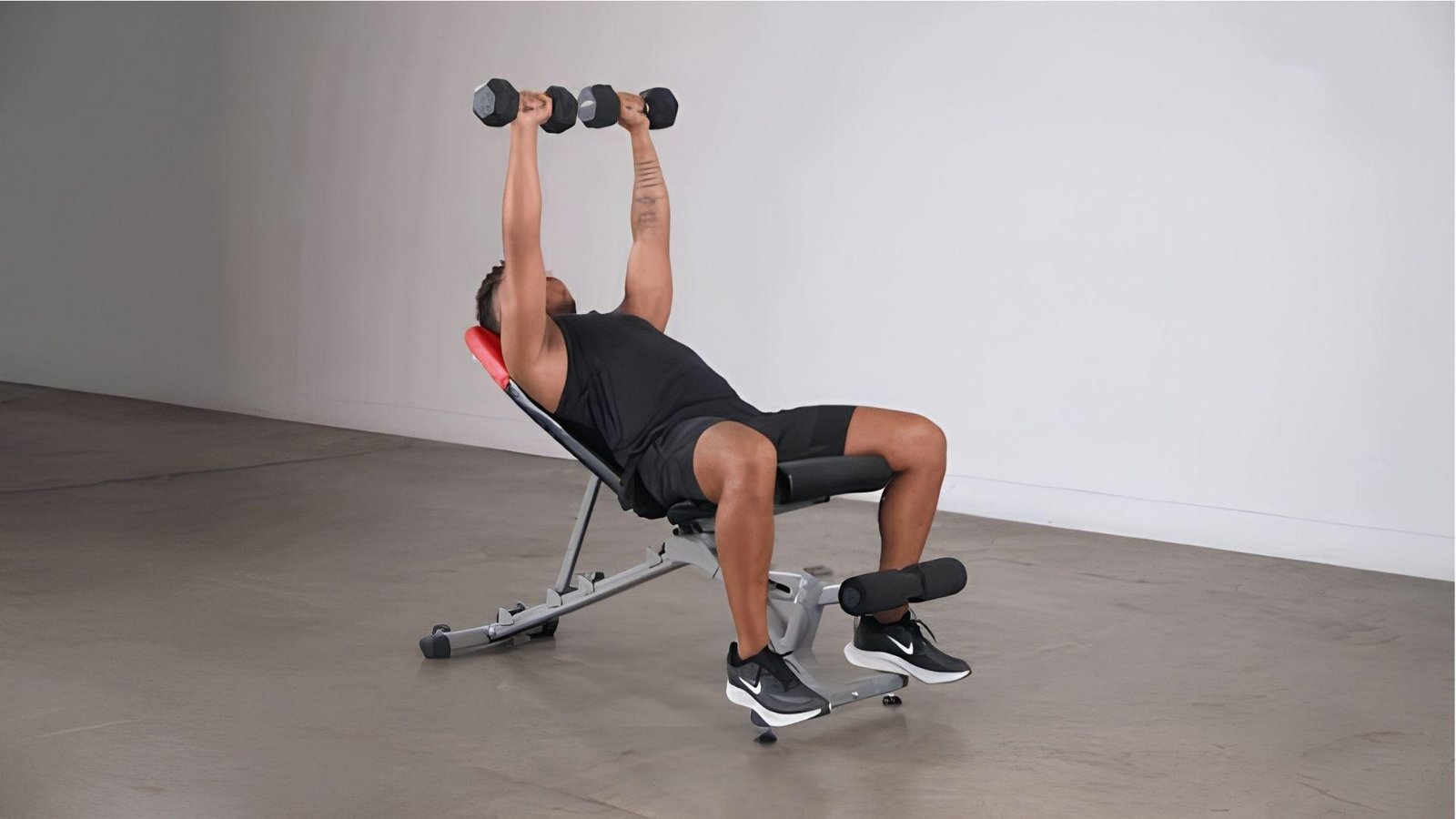
The incline dumbbell press targets the upper chest, which is the area most women want to develop. Set the bench to about 30 to 45 degrees. Press the dumbbells up and slightly inward.
Lower slowly and feel the stretch at the bottom. This move also works your shoulders and triceps as supporting muscles.
Start with light weight and focus on form. Once you can do 12 reps cleanly, add a little weight.
2. Dumbbell Bench Press
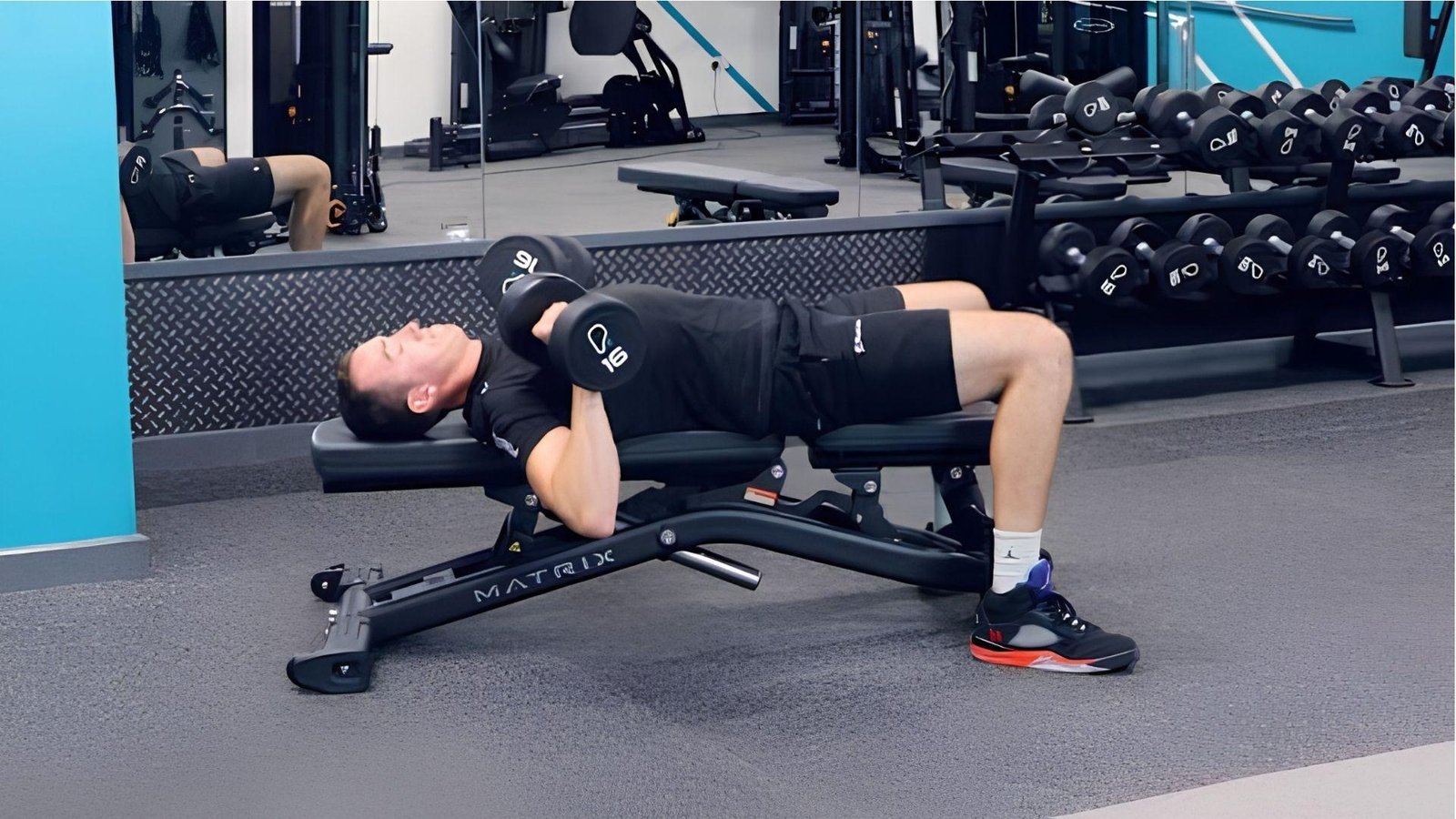
This is a foundational move. Lie flat on a bench with a dumbbell in each hand. Press them straight up, bring them together slightly at the top, and lower with control.
It works the whole chest and is easy to adjust for any fitness level. Using dumbbells instead of a barbell allows each side to work independently, which helps fix muscle imbalances.
Three sets of 10 to 12 reps is a great starting point.
3. Push-Ups
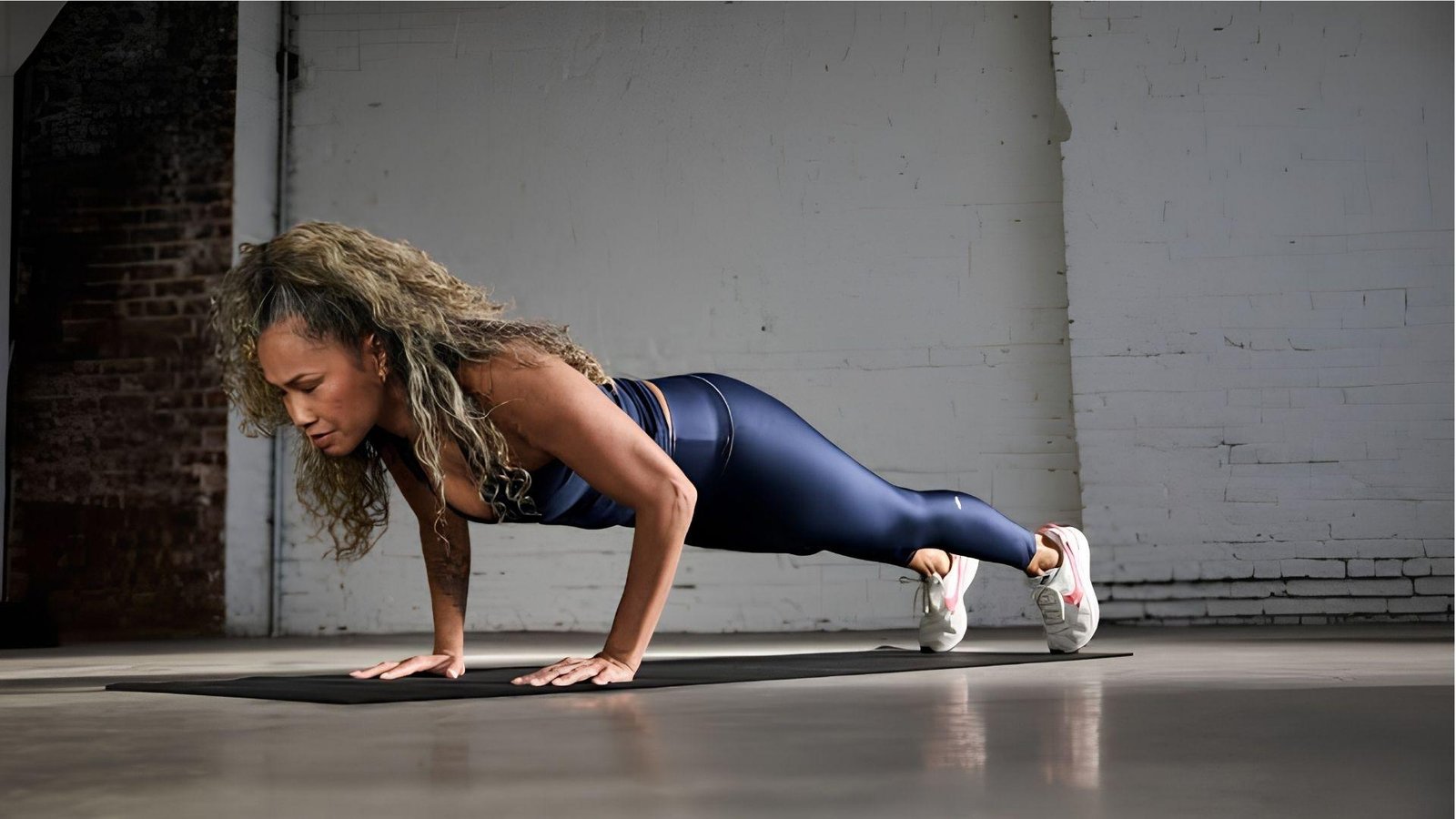
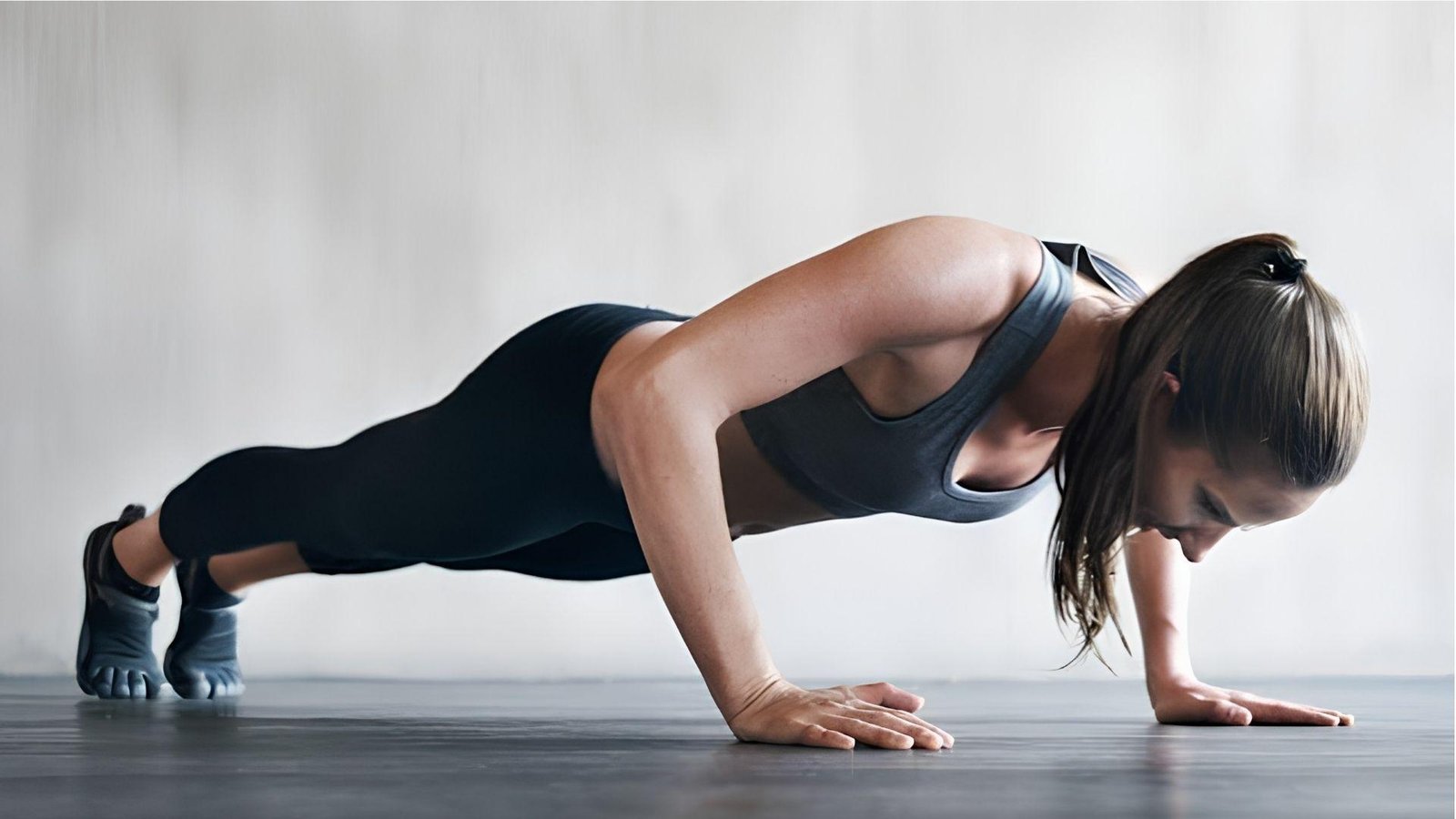
Push-ups require no equipment and deliver real results. They work the chest, shoulders, triceps, and core all at once.
Keep your body in a straight line from head to heel. Lower your chest to the floor and push back up with control. If full push-ups are too hard at first, start on your knees.
As you get stronger, progress to full push-ups and then add variations like wide-grip or decline push-ups to keep challenging your muscles.
4. Incline Push-Ups
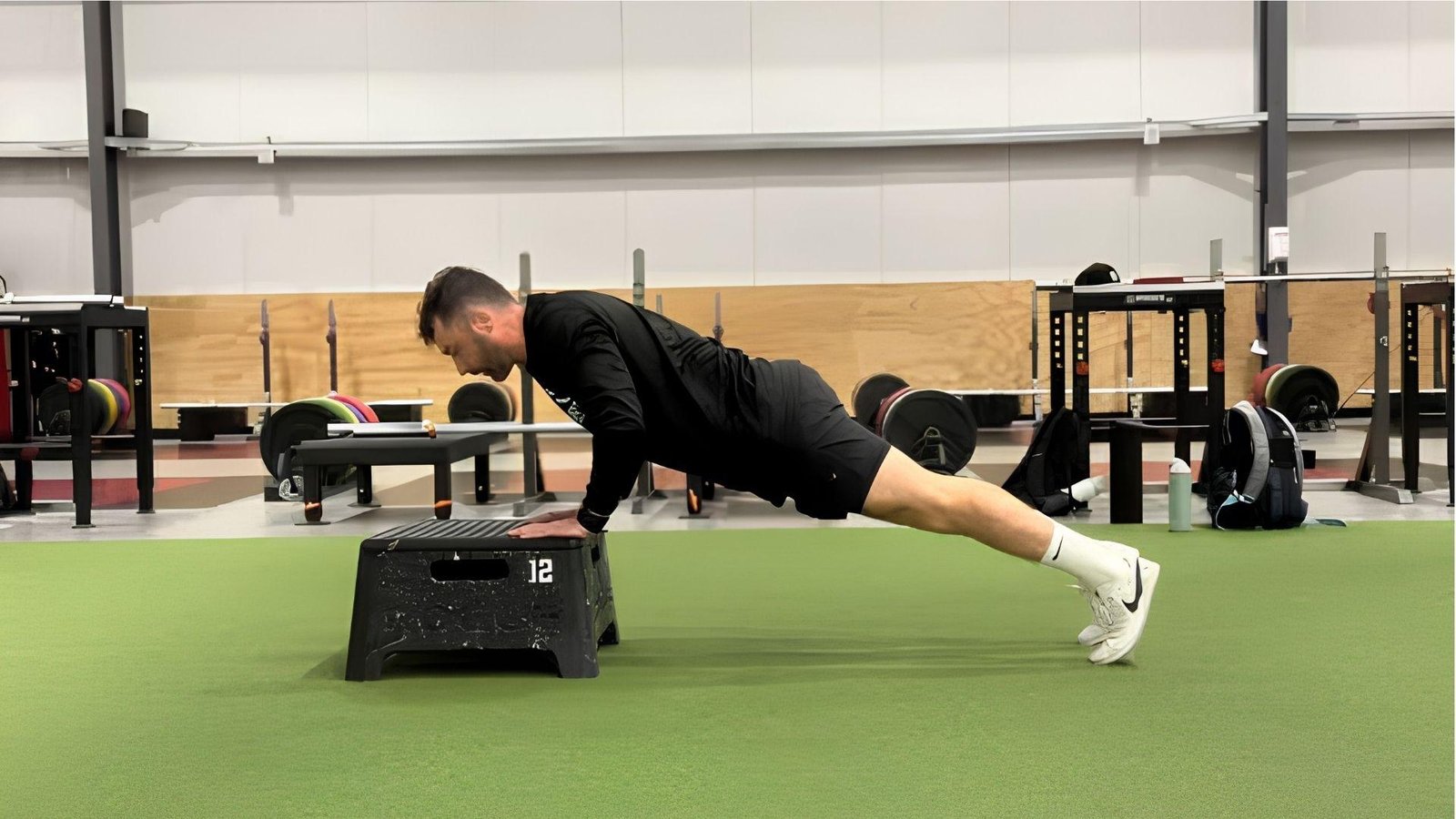
Incline push-ups are a great starting point for beginners or for those coming back after a break. Place your hands on a raised surface like a bench or step.
This angle reduces the load on your arms and makes the move easier to control. They still activate the chest, especially the lower portion.
They're also useful as a warm-up before heavier exercises. Work your way up to standard push-ups as your strength builds over the coming weeks.
5. Cable Chest Fly
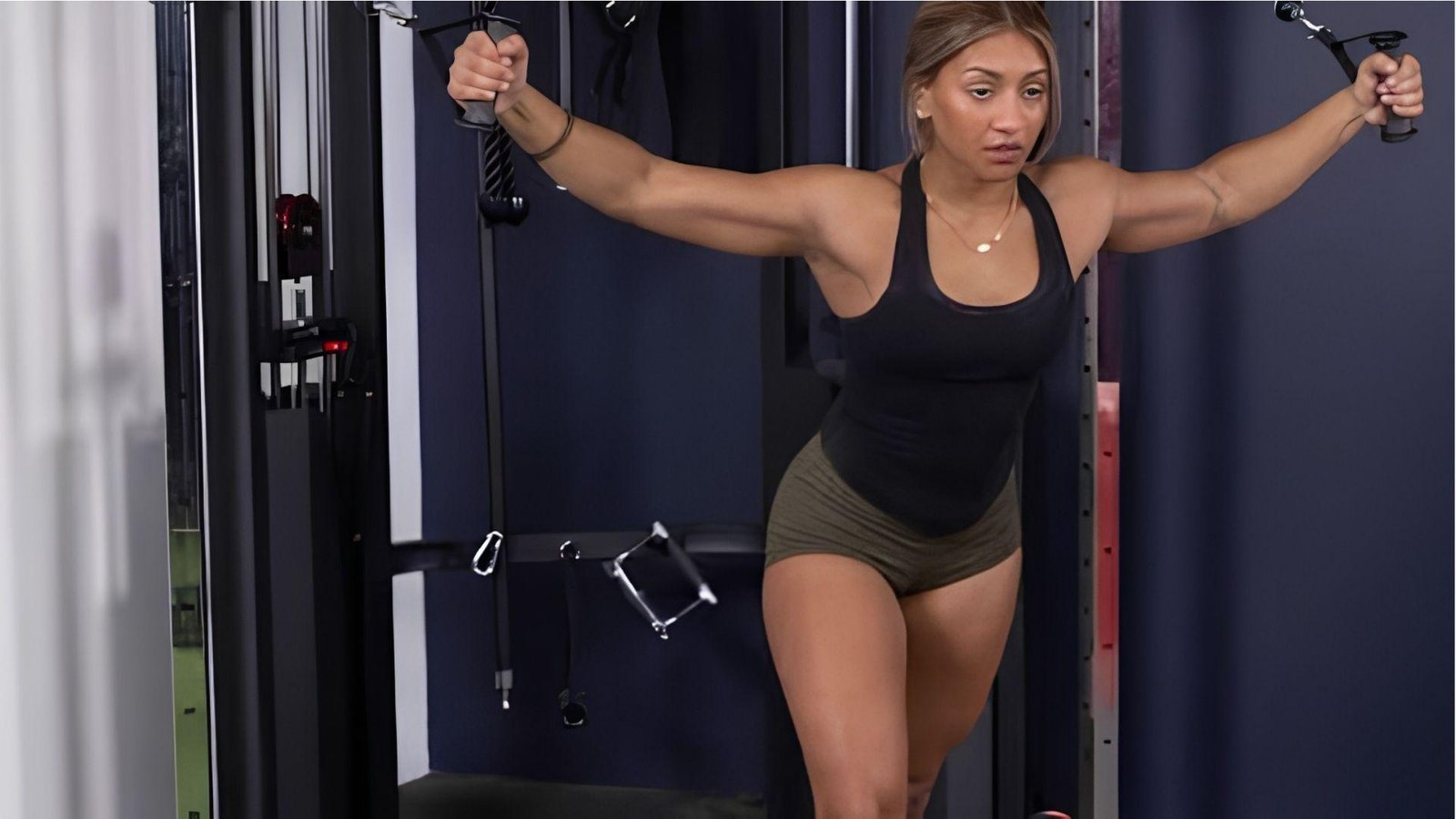
The cable fly is one of the best moves for stretching and squeezing the chest muscle through a full range of motion.
Set the cables to chest height, stand in the center, and bring both handles together in front of you. Bringing the handles past center specifically targets the inner chest and builds the line of definition between the pecs. T
he constant tension from the cable keeps your chest working throughout the whole movement. This is harder to replicate with dumbbells.
Beginner Female Chest Workout Plan for Visible Progress
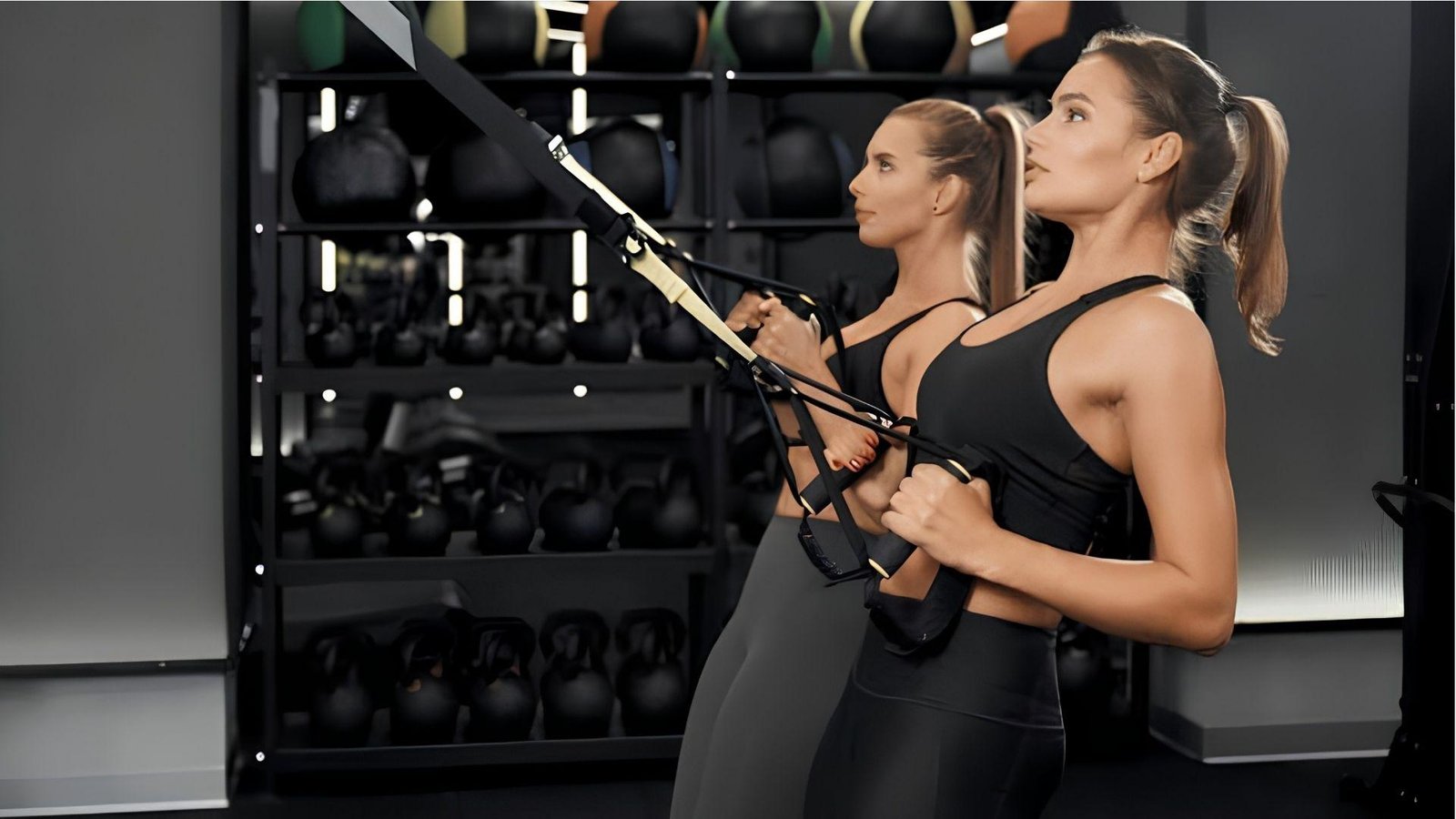
A simple, structured plan works better than random training. Here's where to start.
Weekly Training Schedule: Train chest two times per week with at least two days of rest in between.
For example, Monday and Thursday work well. On other days, focus on legs, back, or cardio so your chest has time to recover properly.
Sets and Reps: Do 3 sets of 10 to 12 reps for each exercise. Rest 60 to 90 seconds between sets.
Choose a weight that feels challenging by the last 2 or 3 reps but still allows clean form throughout the full set.
Progressive Overload Tips: Every 1 to 2 weeks, increase your reps by 1 or 2, or add a small amount of weight.
Even half a kilogram counts. Keep a simple log in your phone or a notebook so you can track what you did last session and aim to do slightly more this time.
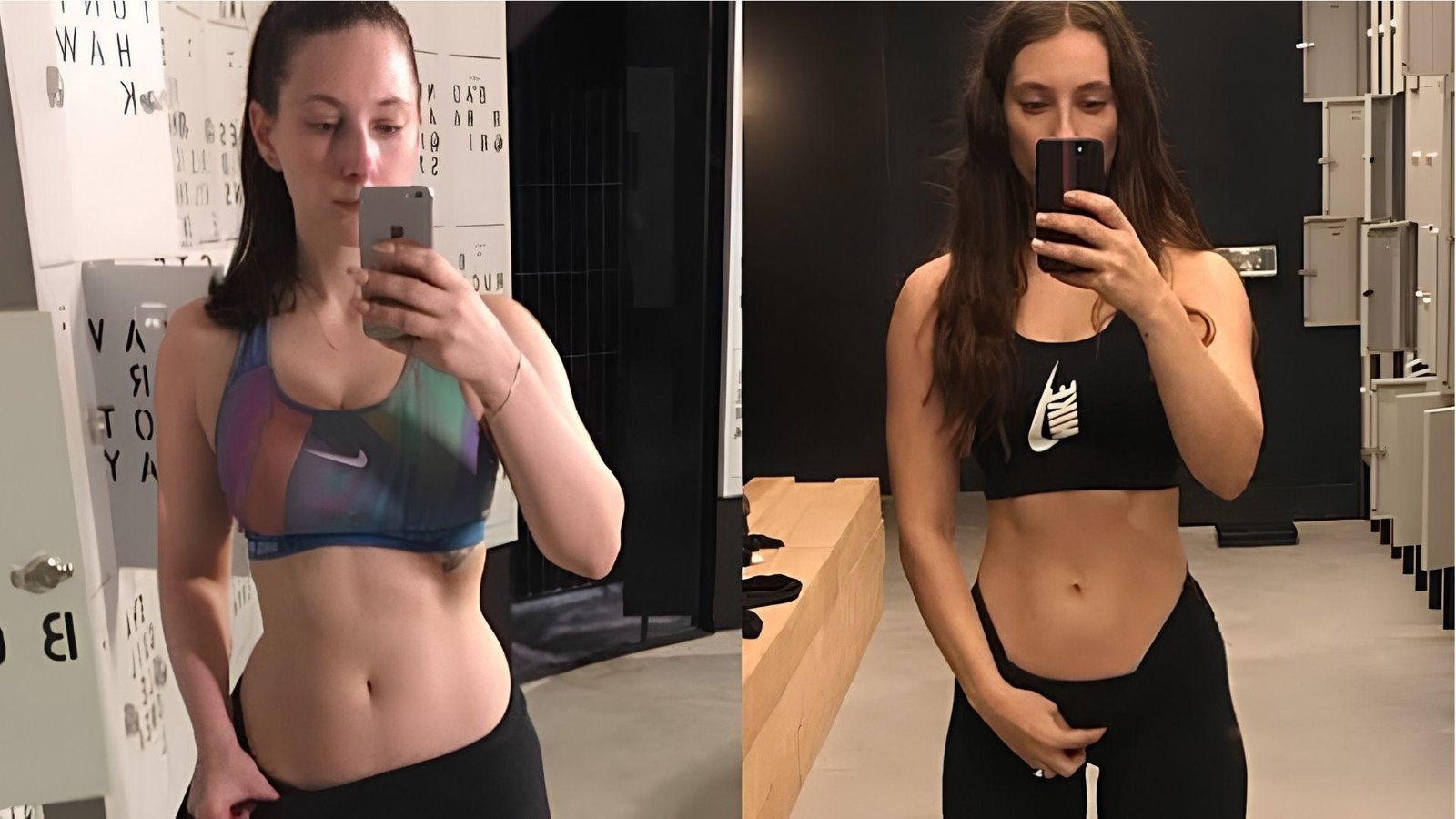
Track Your Progress with Photos:Take front and side photos at the start and then once a month going forward.
Don't check daily. Monthly comparisons show real changes in posture, chest definition, and your overall silhouette that you'd miss in the mirror day to day.
Common Mistakes That Slow Chest Change
These six mistakes are the biggest reasons most women stop seeing results.
- Skipping chest day because it feels unnecessary for women
- Using too much shoulder during pressing movements instead of engaging the chest
- Doing the same reps and weight every single session without increasing the challenge
- Not eating enough protein to support muscle repair and growth after training
- Training too often without rest, which prevents muscles from recovering and growing
- Only training chest without balancing it with back work, which can create muscle imbalances and shoulder strain over time
Conclusion
Seeing your female chest workout before and after results takes time, but it is 100% worth it.
I skipped chest day for years thinking it wasn't for me. Once I committed to two sessions a week, I noticed real changes in how I stood, how I looked, and how strong I felt.
You don't need fancy equipment. You just need consistency and a plan.
Start with the exercises in this blog and drop a comment below letting me know where you're starting from.
Frequently Asked Questions
Can chest workouts lift sagging breasts naturally?
Strengthening the pectoral muscles underneath creates a firmer, more lifted appearance over time, though it doesn't change the breast tissue itself.
Do chest workouts affect breast size?
No, chest training builds muscle under the breast tissue but does not reduce or increase breast size since breasts are made of fat, not muscle.
How long does it take to see chest definition as a woman?
Most women notice visible firmness and definition between weeks 8 and 12 with consistent training twice a week.
Is it normal to feel chest workouts more in your shoulders than your chest?
Yes, this is very common for beginners and usually means your chest muscles aren't fully activating yet. Slow down the movement, squeeze at the top, and drop the weight until your form improves.