Ever notice your shoulder blade poking out during a push-up? Or your overhead press stalling for no clear reason?
The muscle behind both of these is small, hides under your armpit, and rarely gets any attention in a normal gym routine. It's called the serratus anterior, and once it stops doing its job, your whole shoulder pays the price.
This blog covers 19 serratus anterior workouts built for every level, from simple wall drills for beginners to rotation and carry work for athletes.
You'll learn the exact signs that tell you this muscle needs work, how to do each move with clean form, and the common mistakes that quietly stall your progress.
If you want stronger presses, cleaner push-ups, and a shoulder that holds up under load, keep reading. This list has what you're looking for.
Why Does This Small Muscle Control Your Overhead Strength?
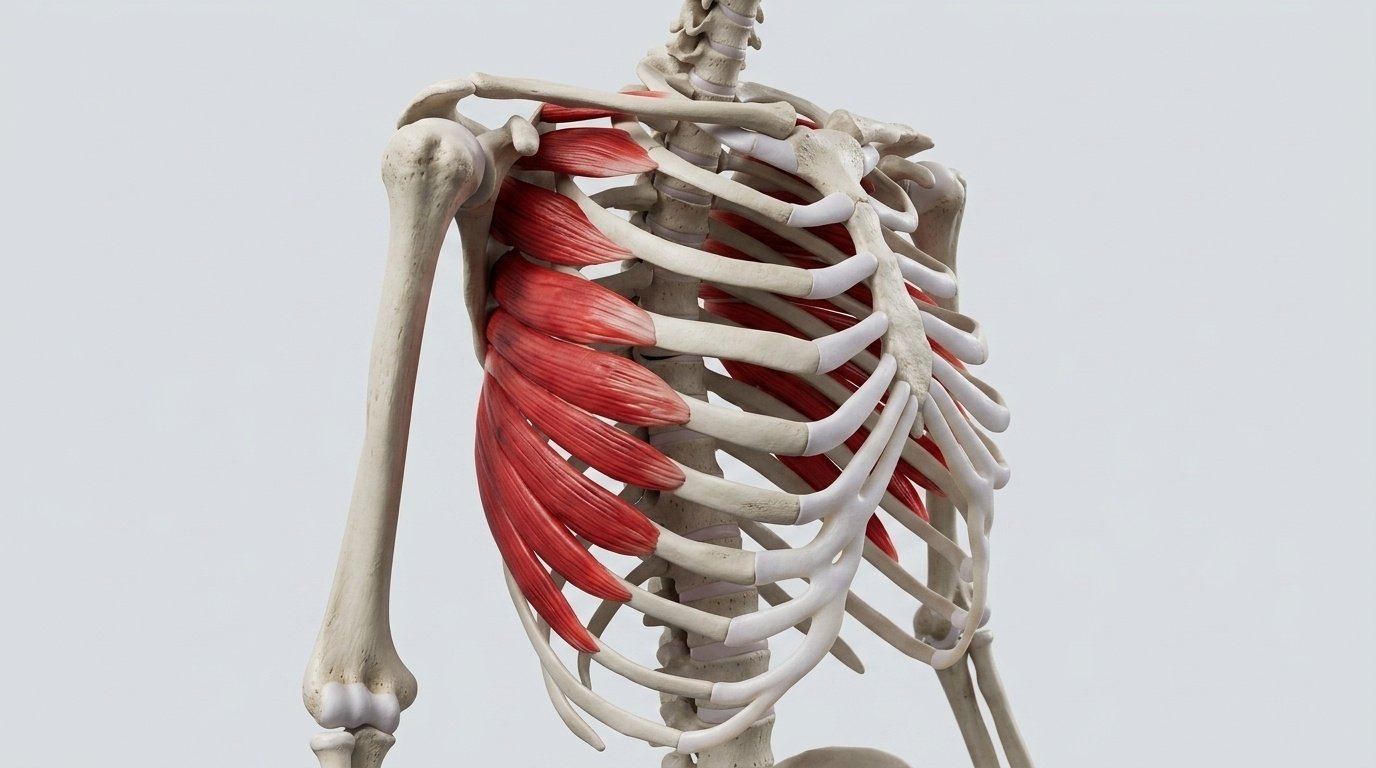
The serratus anterior sits under your armpit and wraps around your rib cage. Some call it the boxer's muscle because it powers every punch and push. It runs from your upper ribs to the inner edge of your shoulder blade.
This muscle pulls your shoulder blade forward, a move called scapular protraction, and rotates it upward when you press overhead, throw a punch, or push through a bench press.
It gets its signal from the long thoracic nerve, a thin nerve that sits close to the surface and can get irritated from heavy overhead work. When it's weak, your shoulder blade sticks out like a wing.
This throws off your shoulder mechanics and can lead to pain, poor pressing strength, and rotator cuff issues down the line. Training it keeps your shoulder blade flat and stable, which gives your arm a solid base to push and pull from.
Signs Your Serratus Anterior Needs Work
Your body sends clear signals when this muscle isn't pulling its weight. Watch for these patterns during your workouts and daily movement. If you spot more than one, it's time to add serratus work to your routine.
1. Your Shoulder Blade Sticks Out Like a Wing
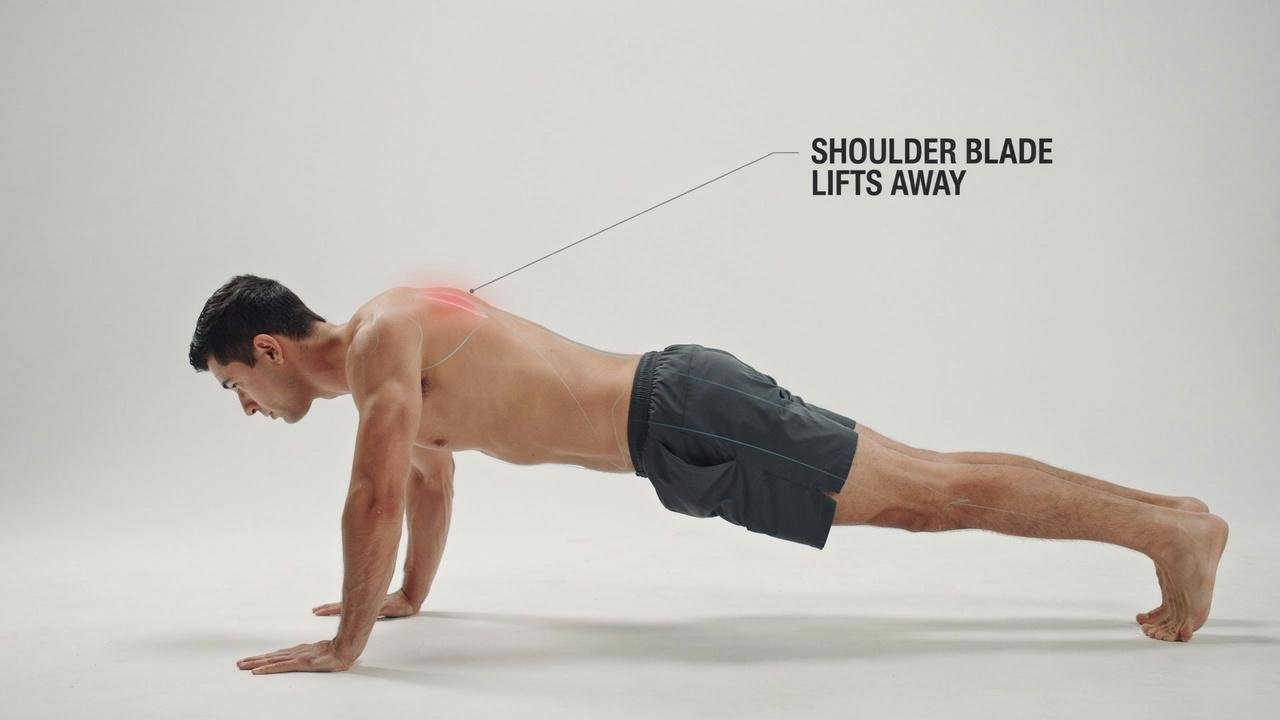
This is called scapular winging. You'll notice it most during a push-up or wall press, where the inner edge of your shoulder blade lifts away from your back instead of staying flat.
It happens when the serratus anterior can't hold the shoulder blade against your rib cage. Left alone, it can throw off your entire pressing pattern and lead to shoulder pain over time.
2. Your Shoulders Shrug Up During Push-Ups
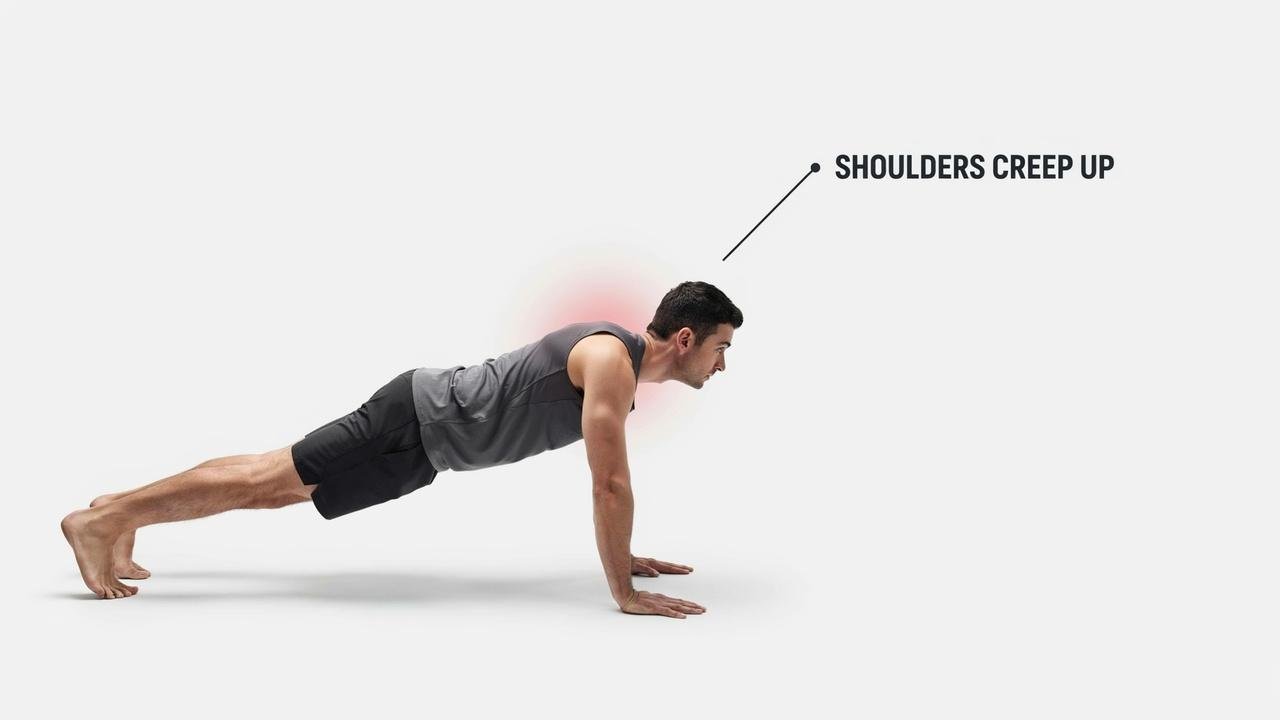
Instead of your chest spreading and rounding forward at the top of a push-up, your shoulders creep up toward your ears.
This means your upper trapezius is doing work that your serratus anterior should be doing. It's a common compensation pattern, especially in lifters who skip scapular training and jump straight into heavy pressing work.
3. Overhead Presses Feel Weak or Painful

If your overhead press stalls or your shoulder pinches near the top of the movement, your serratus anterior may not be rotating your shoulder blade the way it should.
Your shoulder blade and upper arm need to move together in a coordinated pattern known as scapulohumeral rhythm, roughly two degrees of arm movement for every one degree of shoulder blade movement. When that rhythm breaks down, the joint gets squeezed and strength suffers.
4. You Keep Getting Rotator Cuff Flare-Ups
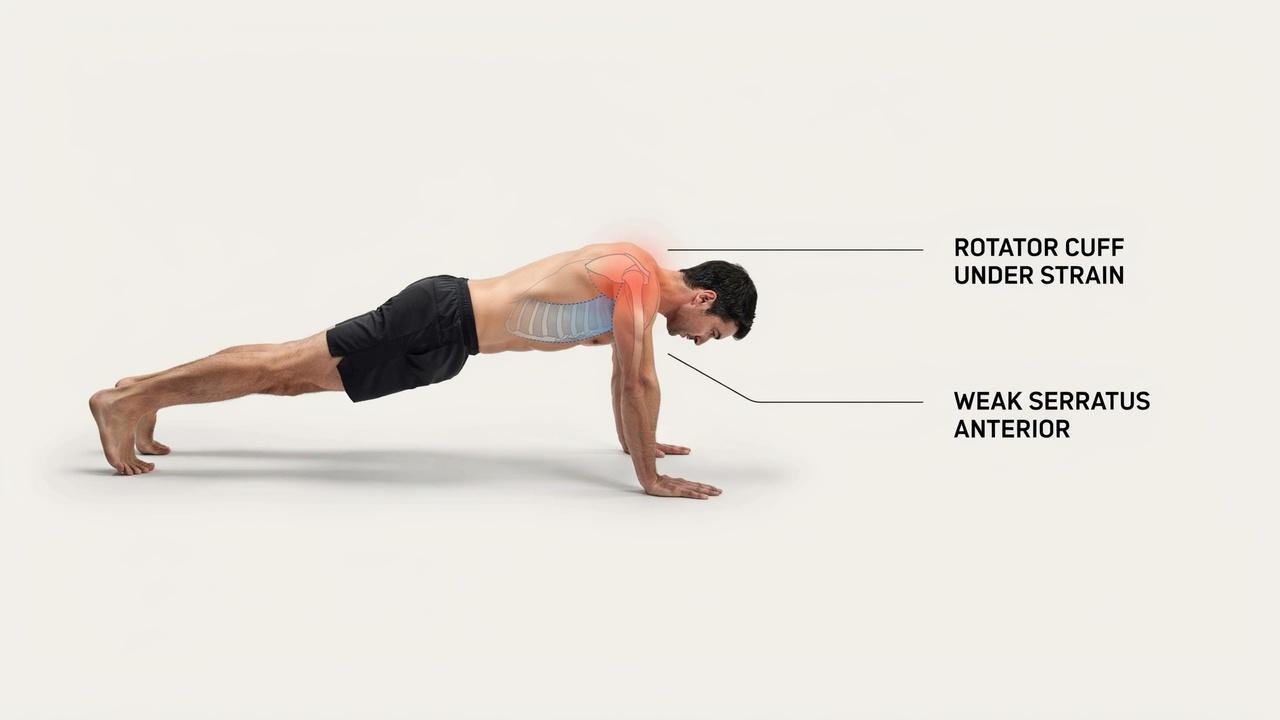
A weak serratus anterior forces your rotator cuff to work from a bad position, often leading to shoulder impingement. Over time, this repeated stress can lead to nagging pain or a full-blown injury.
If your rotator cuff issues keep coming back no matter how much you rest or stretch, the real problem might be upstream at your shoulder blade.
Beginner Moves to Wake Up the Muscle
These moves teach your serratus anterior to fire before you load it with heavy weight. Keep the reps slow and focus on feeling your shoulder blade move, not your arms.
Do these as part of your warm up or on lighter training days.
1. Wall Push-Up with a Plus
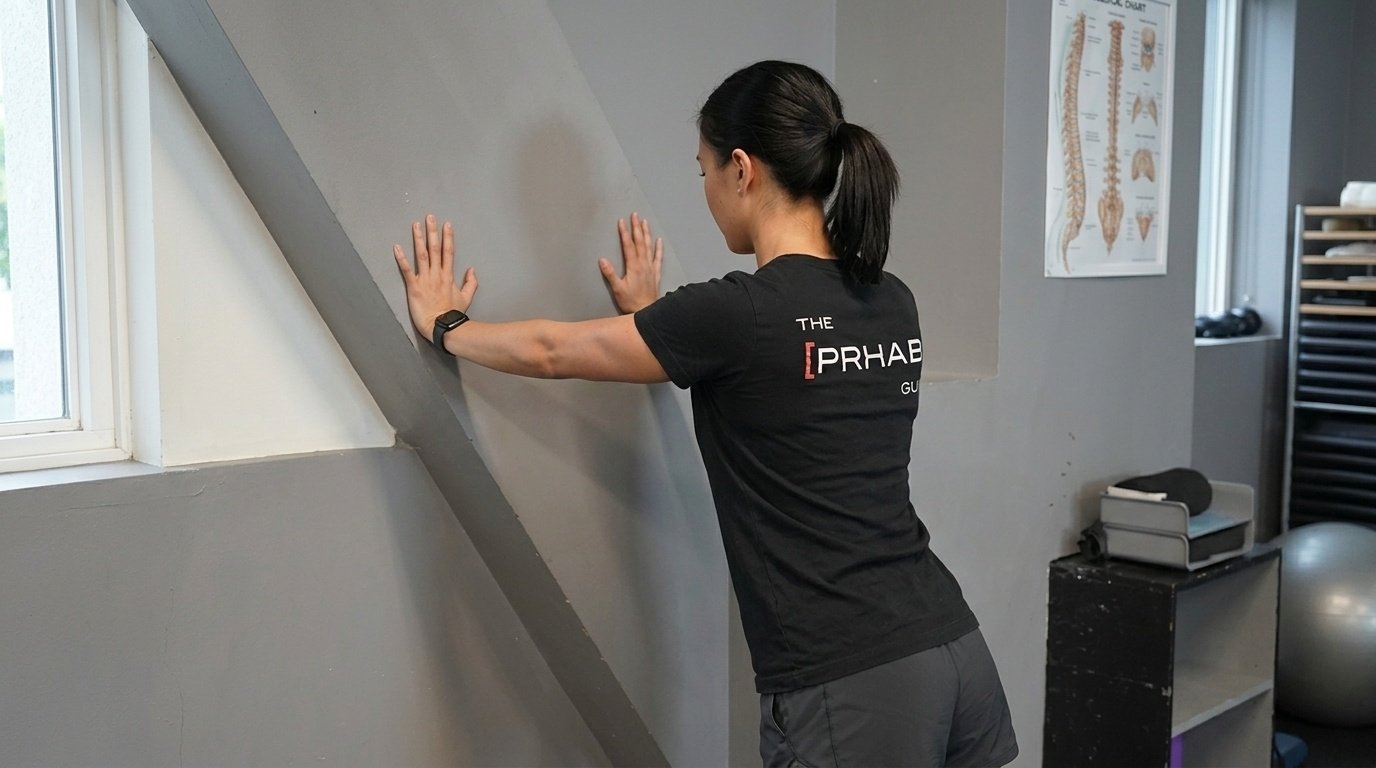
Stand facing a wall with your hands flat against it at chest height. Do a small push-up, then push a little further so your upper back rounds and your shoulder blades spread apart. Hold for a second, then return.
This teaches your body what full protraction feels like without much load.
2. Standing Serratus Punch
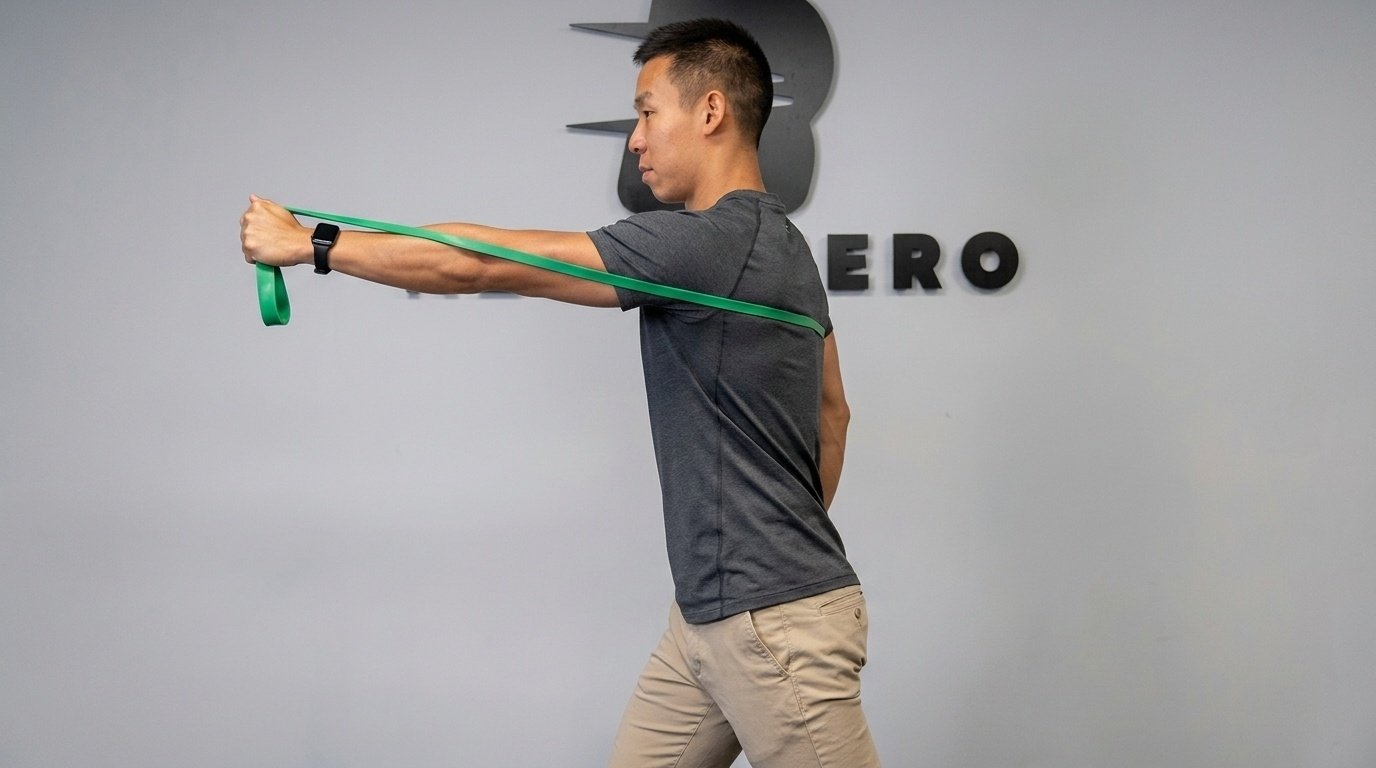
Hold a light dumbbell or resistance band at chest height with your arm bent. Punch straight forward, reaching your shoulder blade around your rib cage at the end of the movement.
Keep your shoulder down, not up by your ear. Bring your arm back slowly and repeat on both sides.
3. Shoulder Blade Squeeze and Release

Sit or stand tall with your arms relaxed at your sides. Squeeze your shoulder blades together for three to five seconds, then let them spread apart and relax fully.
This simple move builds awareness of your shoulder blade position, which helps with every other exercise on this list.
4. Wall Slide with a Foam Roll
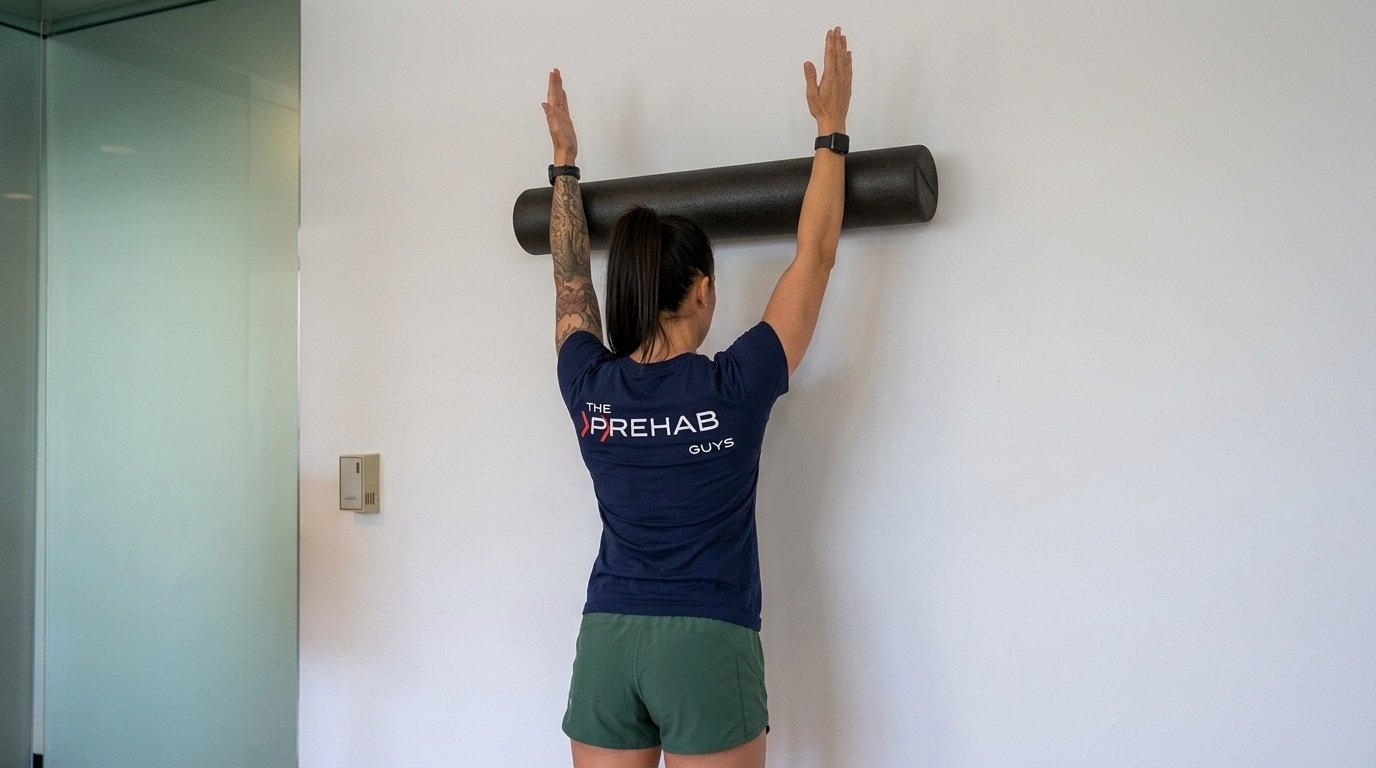
Rest your forearms on a foam roll against the wall at shoulder height.
Push your upper back away from the wall to protract your shoulder blades. Slide your forearms up the wall while holding that push, then bring them back down.
Go slow and don't let your lower back arch.
5. Scapular Push-Up on Your Knees
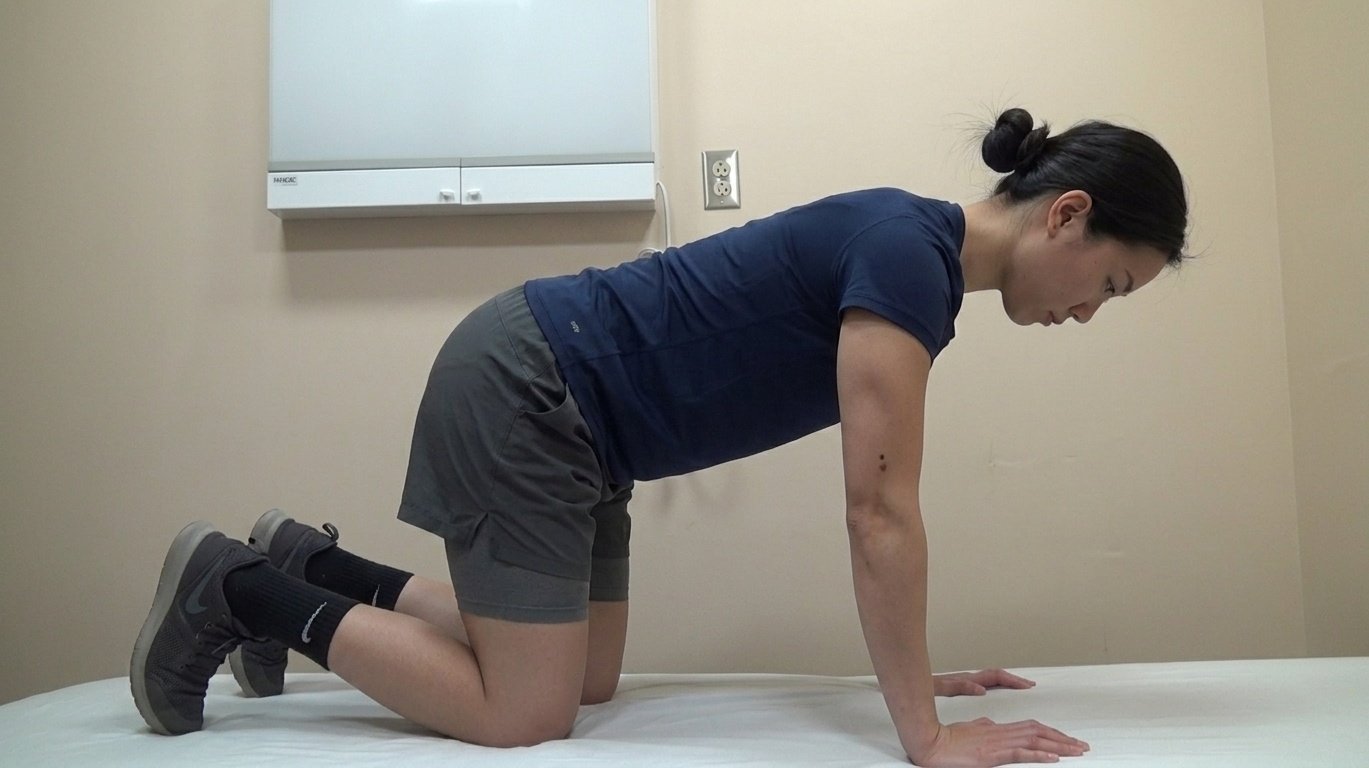
Get into a modified plank on your knees with straight arms. Without bending your elbows, let your chest sink between your shoulder blades, then push the floor away so your upper back rounds.
This isolates the serratus anterior since your elbows never move.
6. Supine Serratus Punch with a Dumbbell
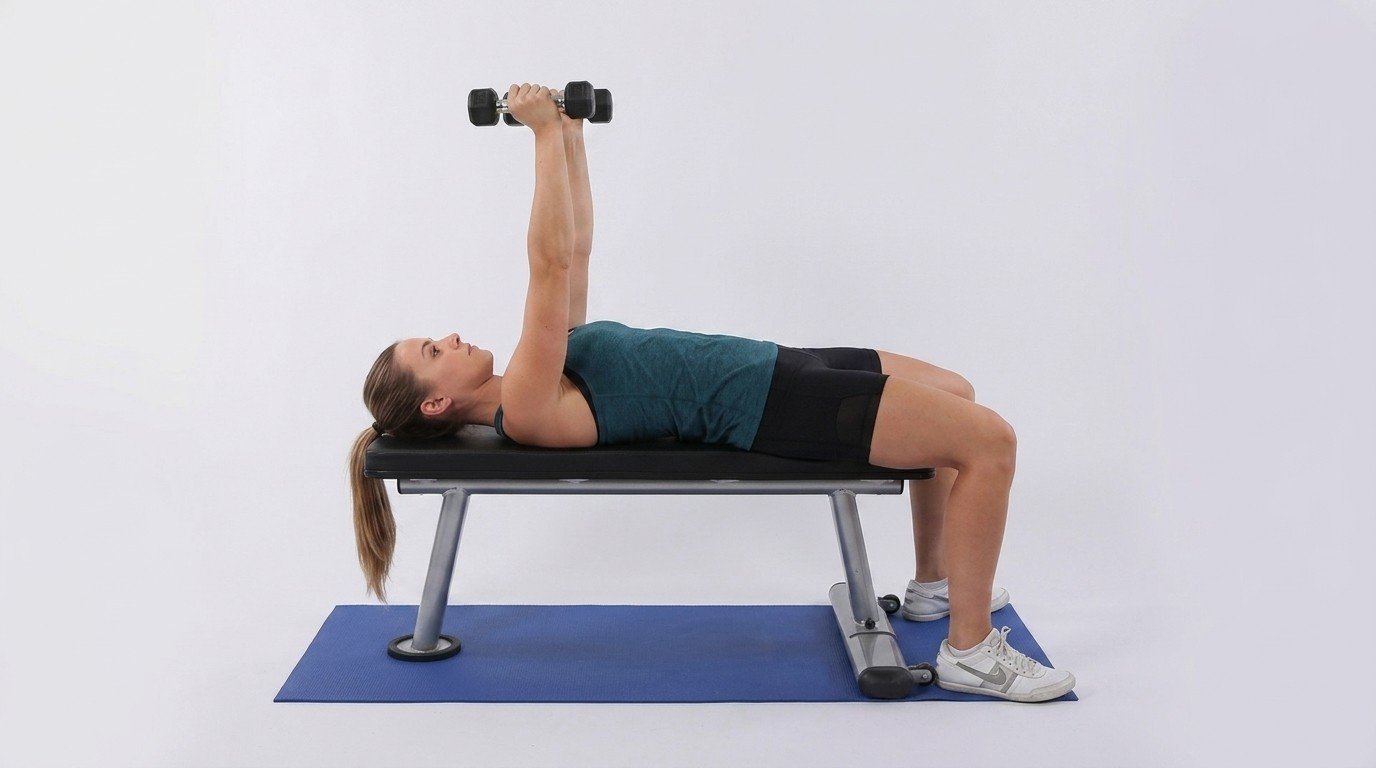
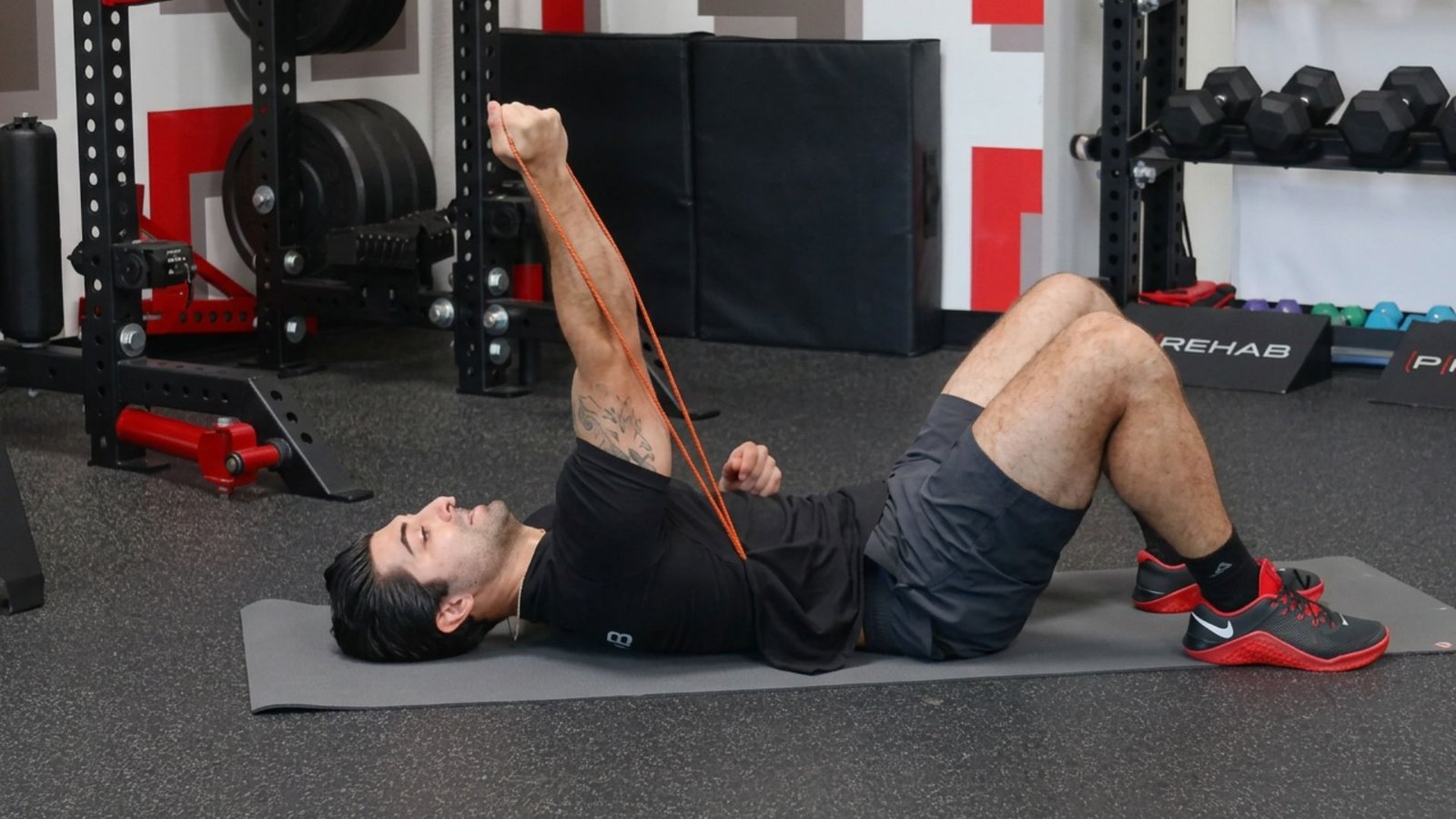
Lie on your back holding a light dumbbell straight up over your chest. Punch the weight toward the ceiling by reaching your shoulder blade off the floor slightly. Lower back down with control.
This position removes gravity's pull on your shoulders, making it easier to feel the right muscle working.
Level Up with These Intermediate Movements
Once you can protract your shoulder blade with control, it's time to add real load and range of motion. These moves build strength you can carry into your bench press, push-ups, and overhead lifts.
Go slower than feels natural so your form stays clean.
7. Full Scapular Push-Up
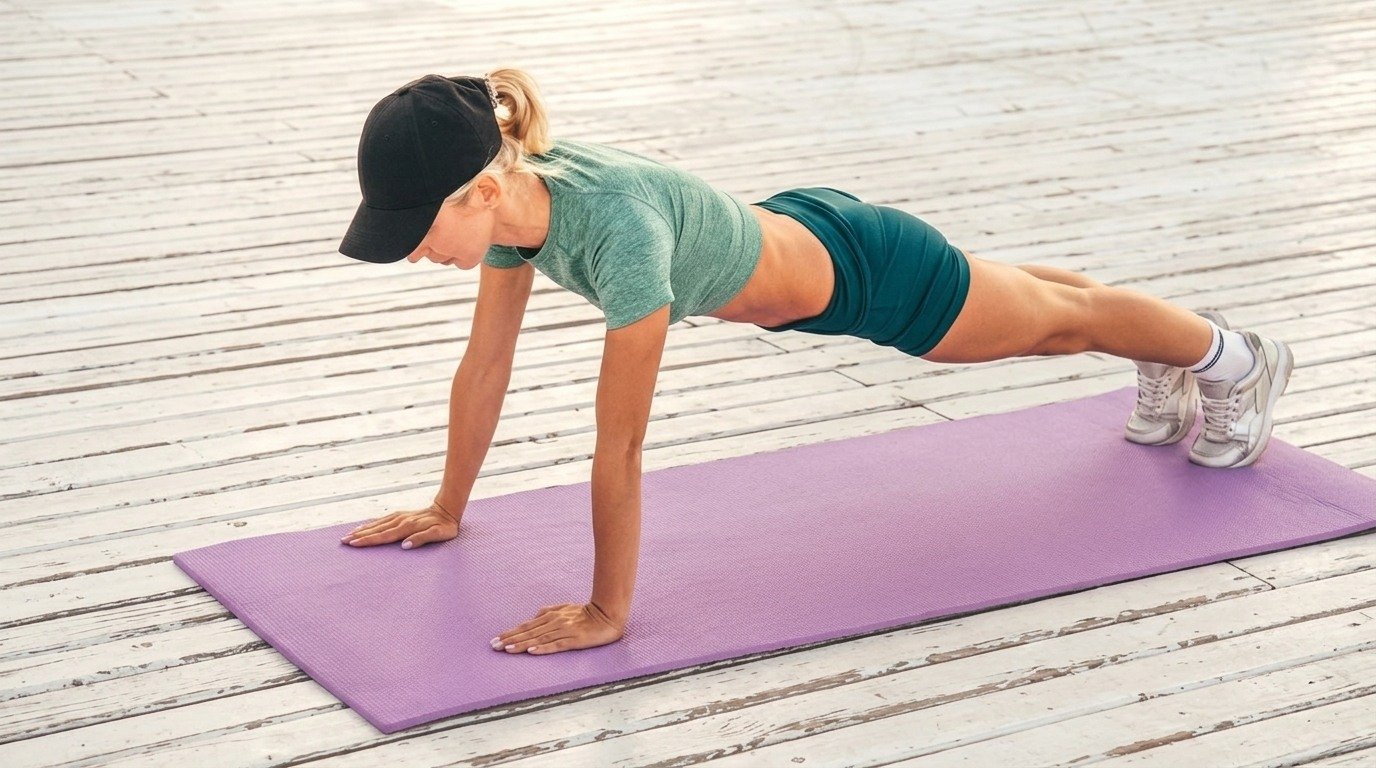
Get into a plank with straight arms and hands under your shoulders. Let your chest drop between your shoulder blades, then push through your palms until your upper back rounds fully. Keep your elbows locked the entire time.
This pure protraction and retraction move builds serious control.
8. Push-Up with a Plus
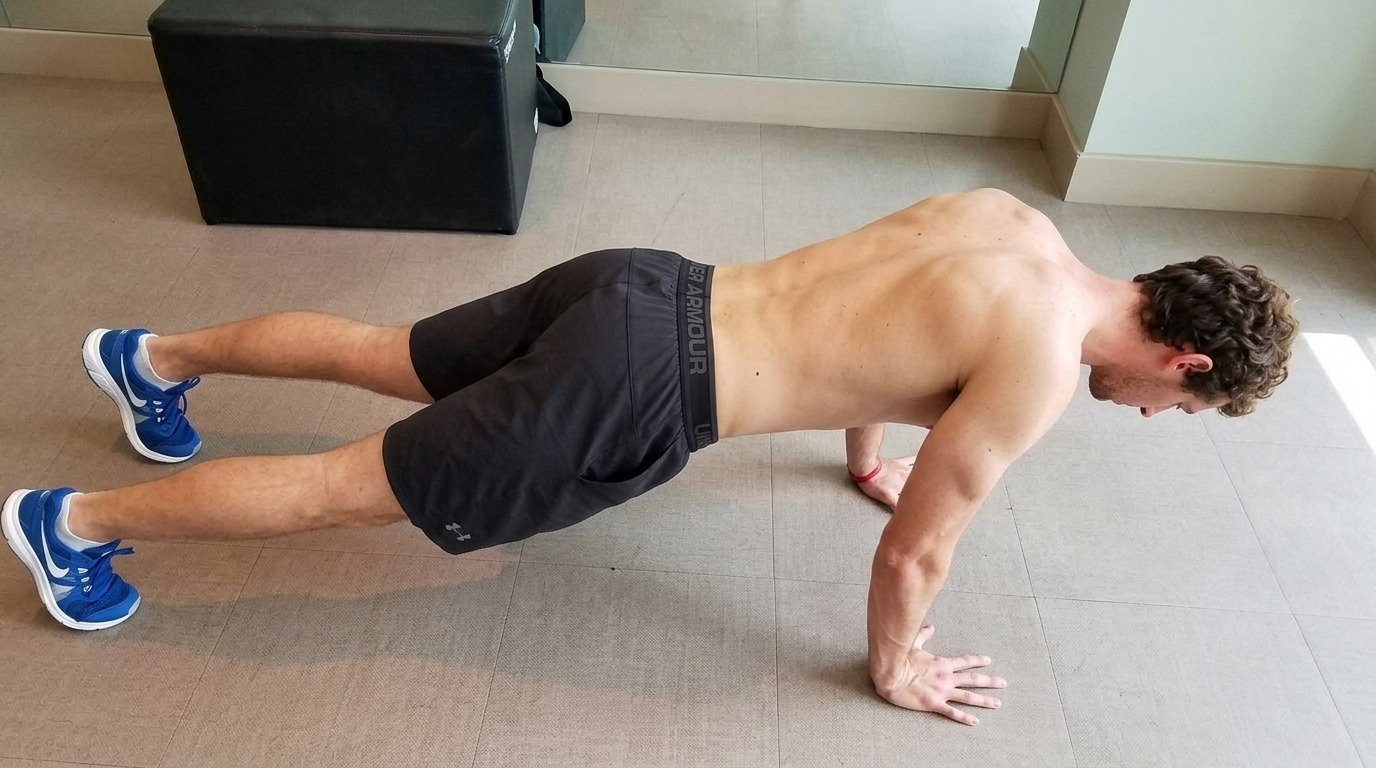
Do a regular push-up, then at the top, push a little further so your shoulder blades spread and your upper back rounds. This adds the serratus anterior activation on top of a normal chest and triceps exercise.
It's one of the most studied moves for this muscle, showing strong EMG muscle activity in research, and a staple for good reason.
9. Serratus Wall Walks with a Band
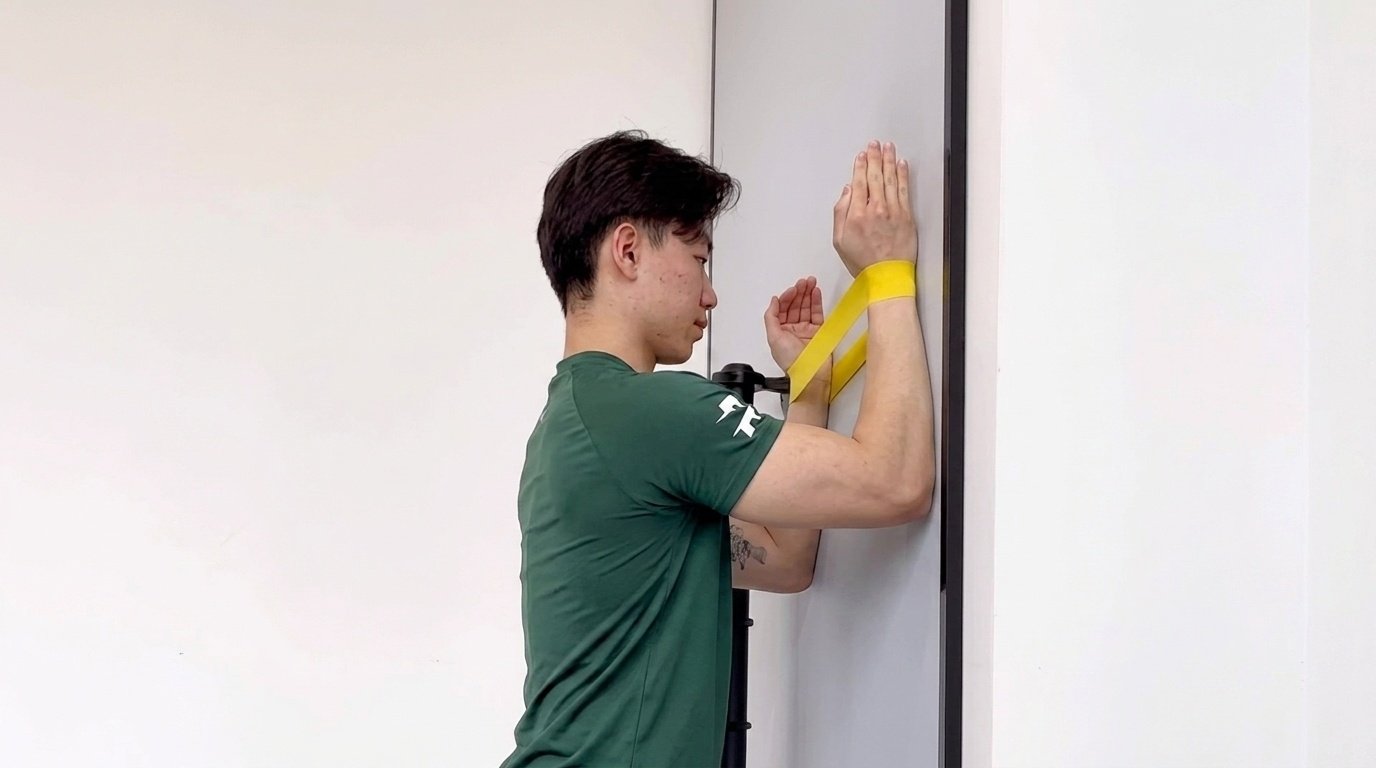
Wrap a band around your wrists and press your forearms against the wall, keeping them parallel like the number eleven. Push your upper back away from the wall, then walk your forearms up toward eye level while holding that push.
Walk back down slowly and repeat for reps.
10. Dynamic Hug with Resistance Band
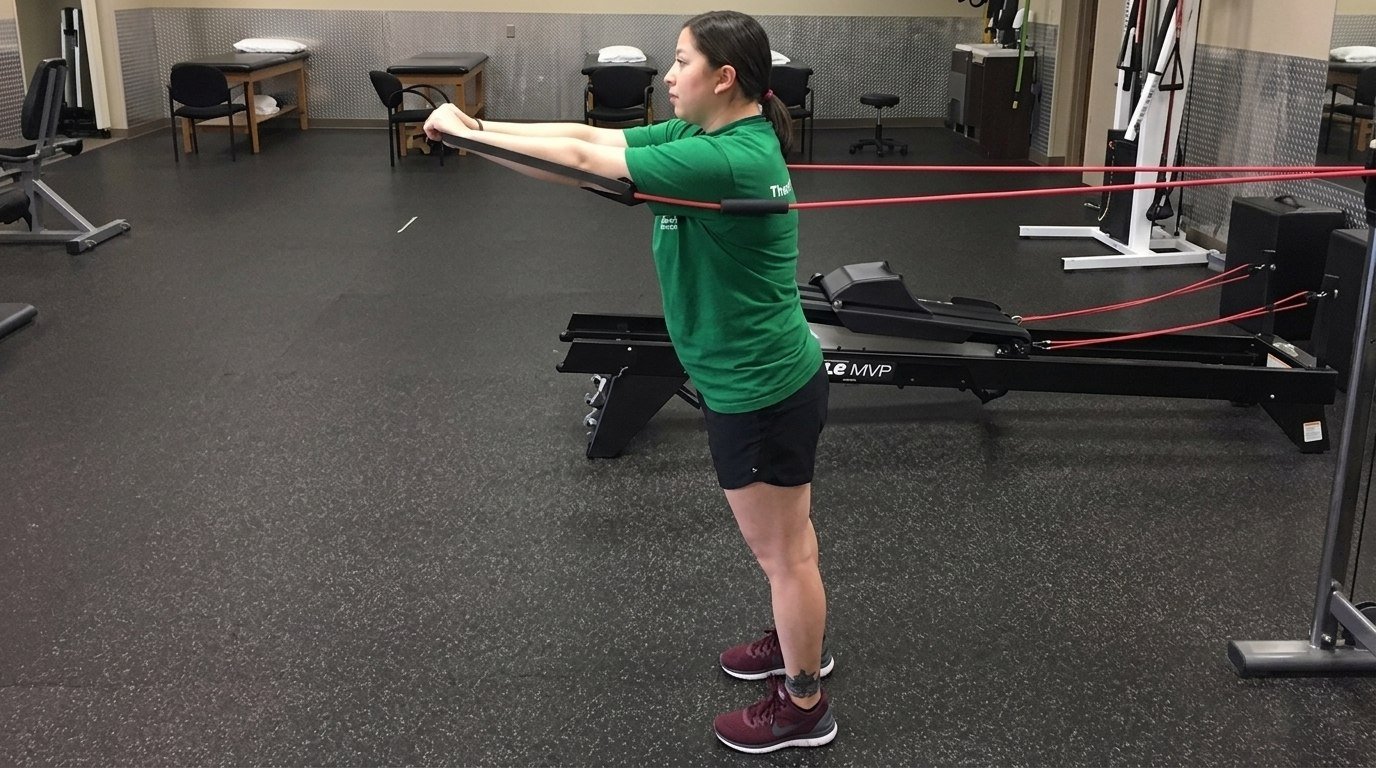
Anchor a band behind you and hold one end in each hand at chest height. Reach both arms forward like you're hugging a big tree, letting your shoulder blades spread wide. Squeeze at the end range, then return with control.
This move ranks high for serratus activation in EMG research studies.
11. Dumbbell Pullover
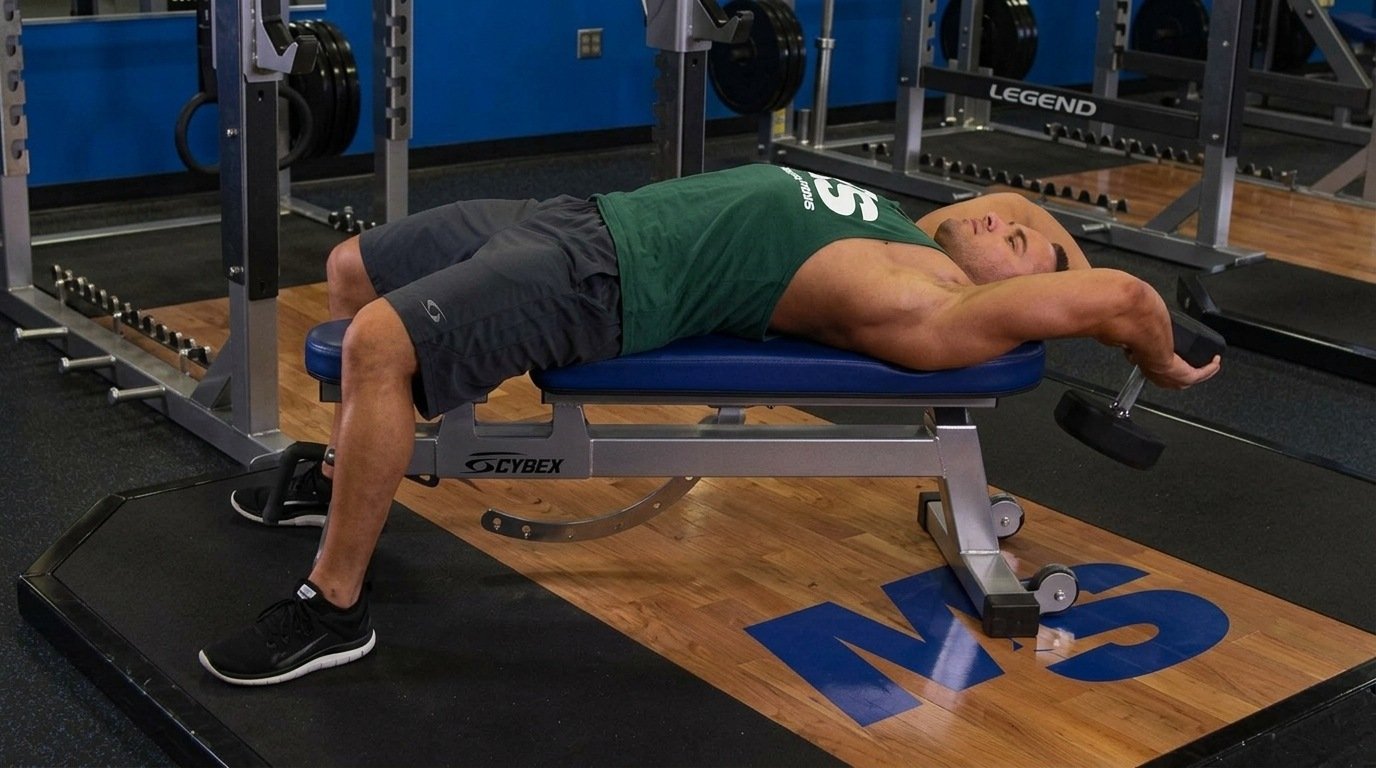
Lie flat on a bench holding one dumbbell with both hands above your chest. Lower it slowly behind your head until you feel a stretch, keeping a slight bend in your elbows. Pull it back over your chest, focusing on your shoulder blades spreading at the top.
This also works your chest, back, and core.
12. Unilateral Banded Chest Press
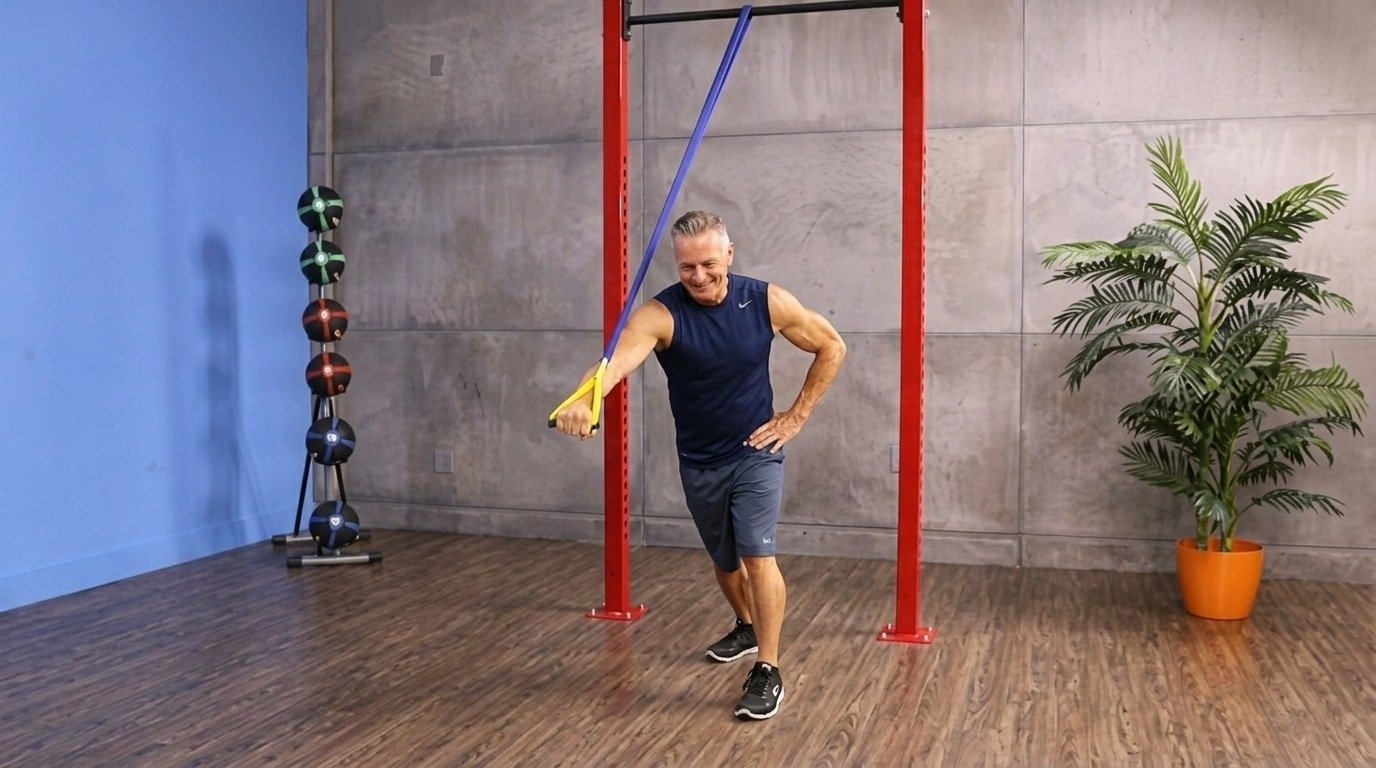
Anchor a band at shoulder height and stand facing away with one foot forward. Press the band forward until your arm is straight, reaching your shoulder blade around your rib cage at full extension. Return slowly and switch sides.
Training one arm at a time helps fix any strength imbalance.
13. Bear Crawl Hold
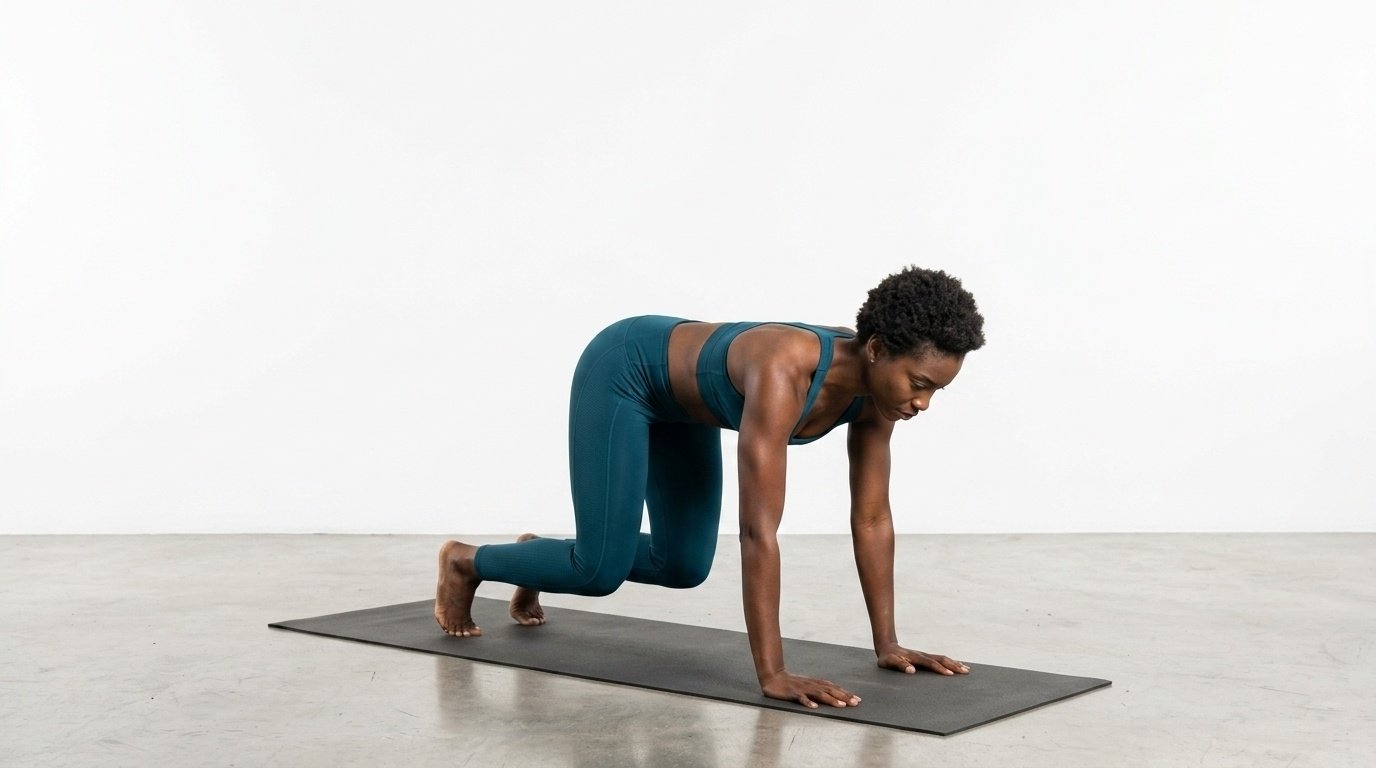
Get on all fours with your hands under your shoulders and knees hovering an inch off the floor. Push your upper back toward the ceiling to keep your shoulder blades flat and active. Hold this position for time, breathing steady.
It looks simple but burns fast once your serratus anterior fatigues.
Advanced Drills for Athletes and Lifters
These moves add rotation, carrying, and full body coordination on top of raw strength. They're built for lifters and athletes who already have a strong base and want their serratus anterior to hold up under real sport demands.
Add these once the earlier moves feel easy.
14. Bear Crawl with Steps
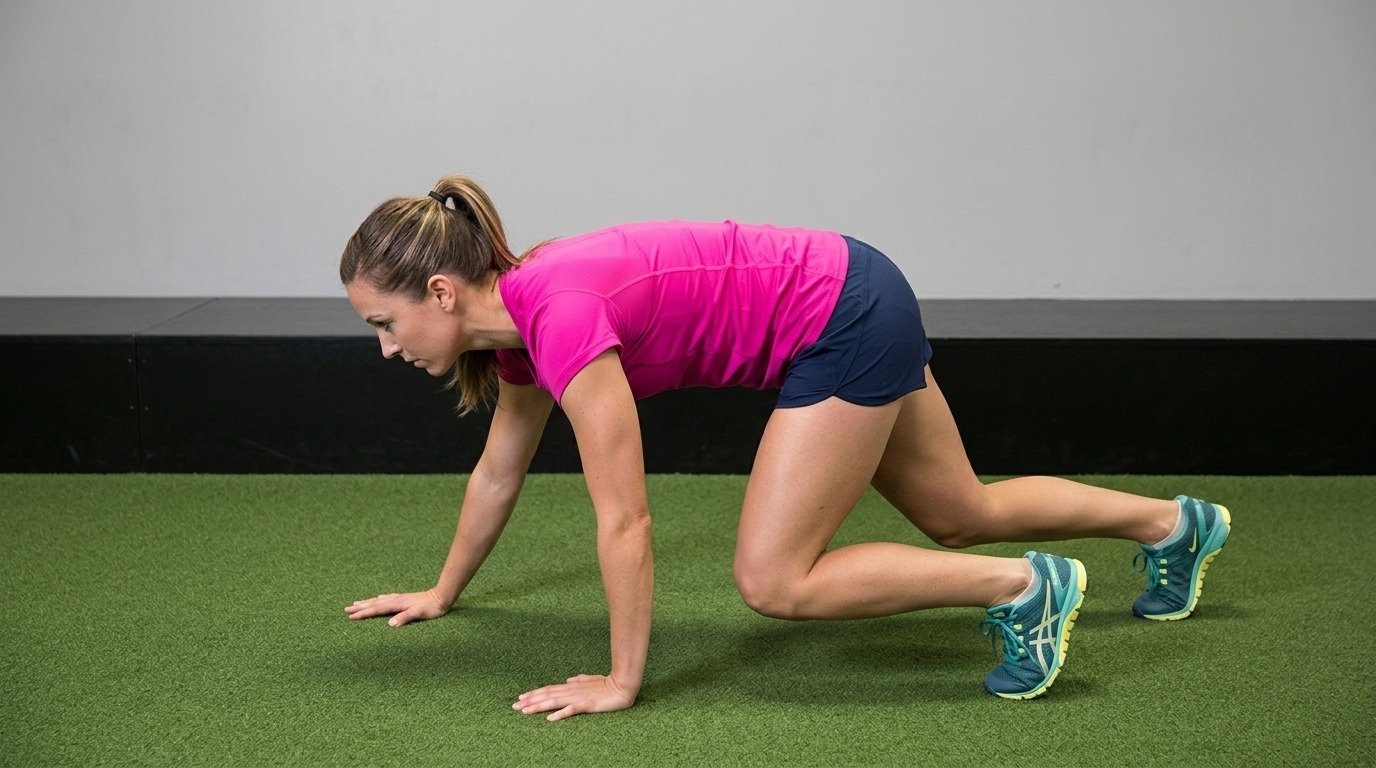
Start in the same bear crawl position with your knees hovering off the ground. Crawl forward by moving your right hand and left foot together, then your left hand and right foot. Pause briefly after each step to keep your breathing steady.
This trains your serratus anterior to stay active while your whole body moves.
15. Overhead Waiter's Carry

Hold a light kettlebell or dumbbell straight overhead in one hand, keeping your wrist stacked over your shoulder. Walk a set distance while keeping your shoulder blade locked in place and your core tight. Switch arms and repeat.
This carry builds serratus endurance under real load, which carries over to overhead sports like swimming, baseball, and tennis.
16. Push-Up with a Side Rotation

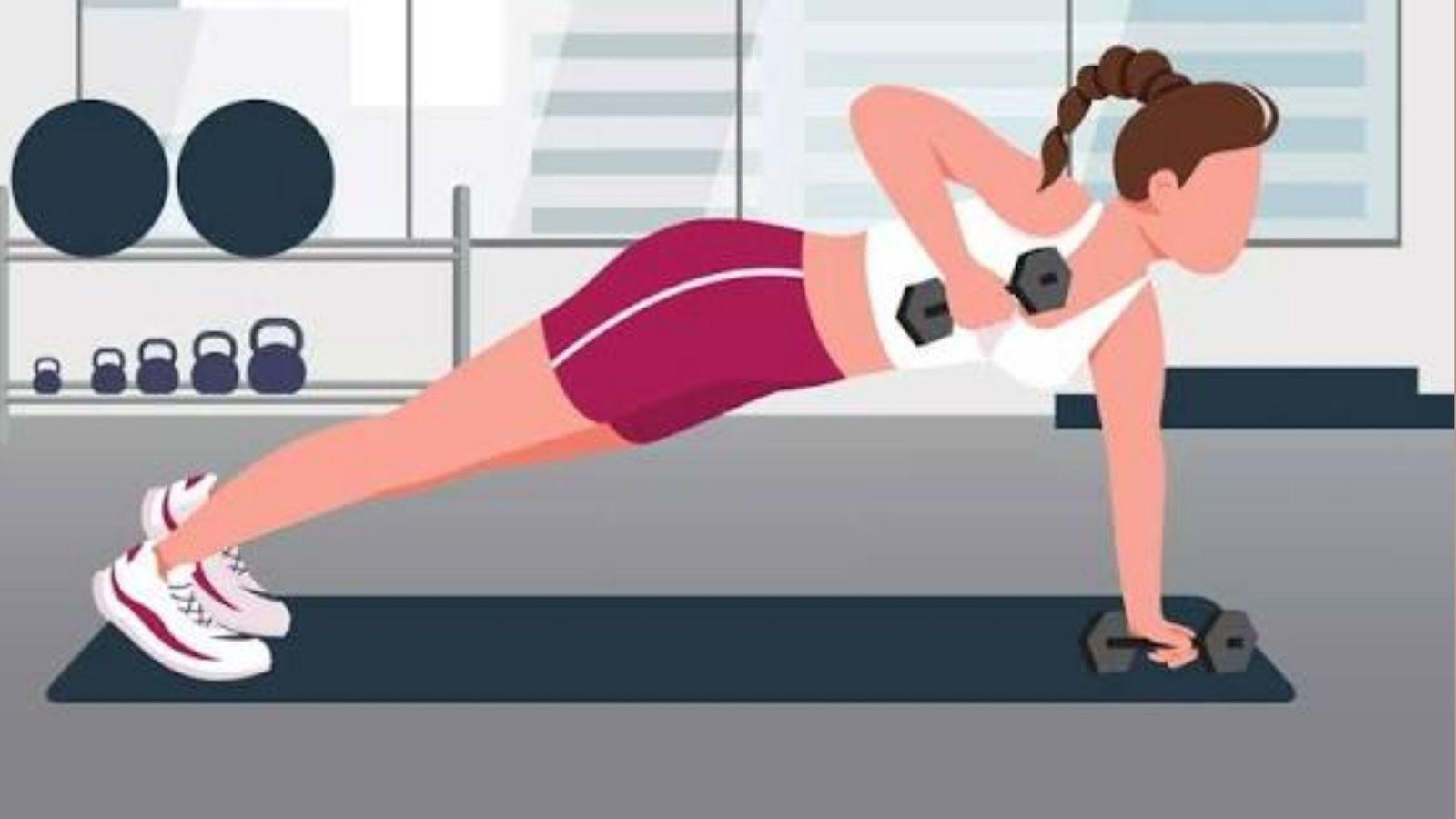
Perform a full push-up, then at the top, rotate one arm up toward the ceiling into a side plank position. Your other arm stays planted and your serratus anterior works hard to keep that shoulder blade stable through the rotation.
Return to the push-up and repeat on the other side.
17. Cable Serratus Punch
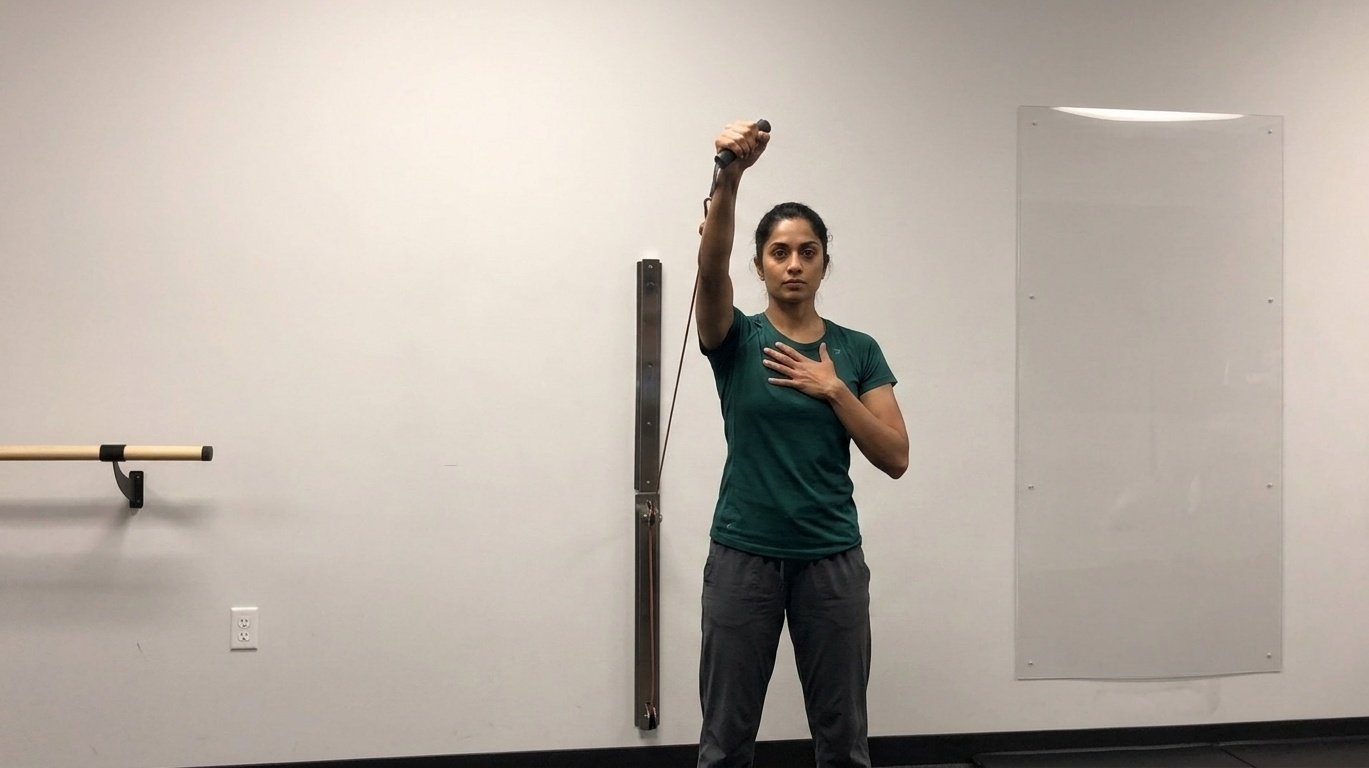
Set a cable at shoulder height and hold the handle with one arm bent at your chest. Punch across your body, reaching your shoulder blade forward at full extension, then return with control.
The steady cable resistance keeps tension on the muscle through the entire range, unlike a band that gets easier near the start.
18. Ball or Roller Press

Lie face up on a stability ball or foam roller with your arms straight above your shoulders. Press your arms into the ball or roller, spreading your shoulder blades, then relax.
This unstable surface forces your serratus anterior and core to work together to keep you steady.
19. Dumbbell Rotational Punch
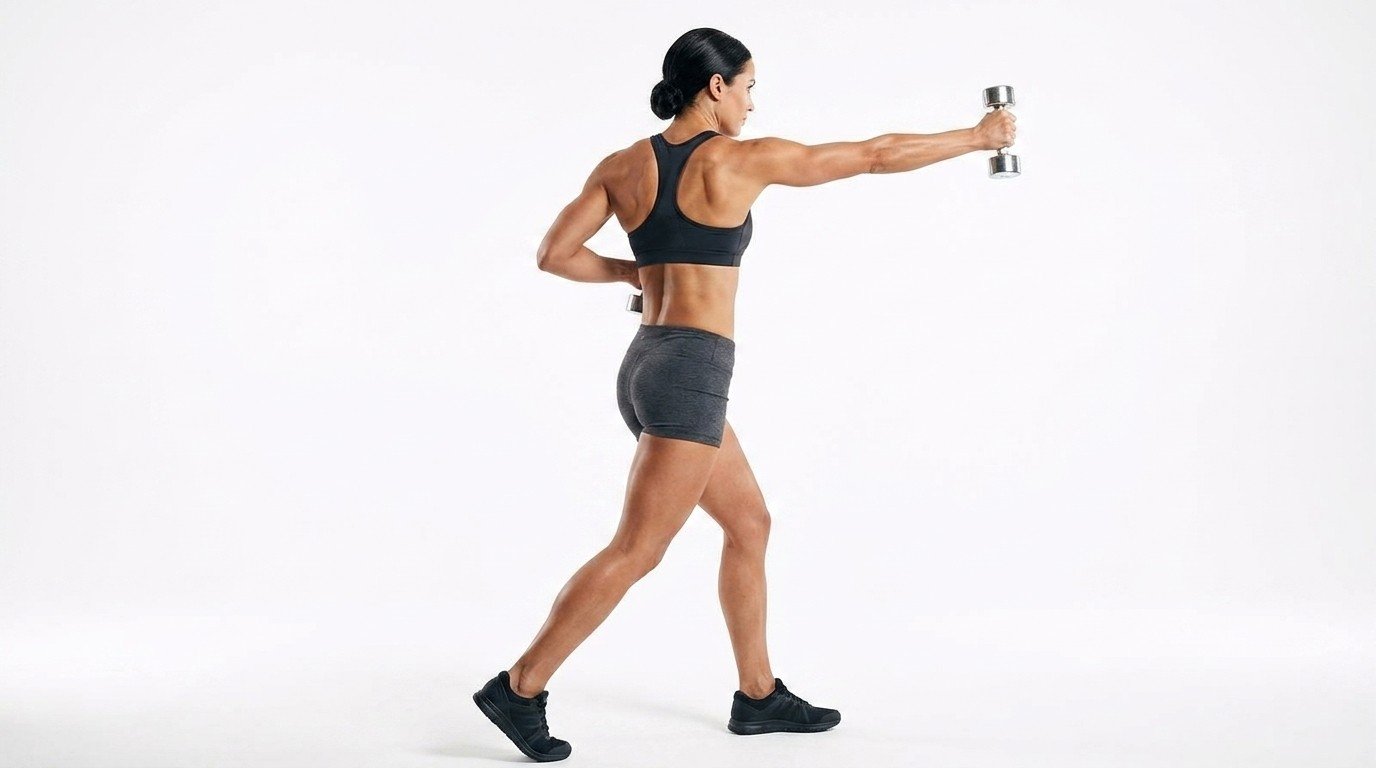
Stand holding light dumbbells at your sides with feet wider than shoulder width. Rotate your hips and throw a punch with one arm while pivoting on your back foot. Return to center and repeat on the other side.
This move blends rotation, core work, and serratus activation into one athletic pattern.
How Often to Train It?

How often you train the serratus anterior depends on the type of work you are doing, so here is a simple way to plan it.
- Train this muscle two to three times a week for steady strength gains.
- Do light activation work like wall push-ups or serratus punches daily, since these place low stress on the joint.
- Pair the serratus anterior with rotator cuff and lower trap exercises so your whole shoulder works as one unit.
- Add two or three moves to your warm up before pressing days.
- Slot a full accessory block into your routine on other days.
- Focus on consistency over volume, since steady work beats doing too much at once.
Mistakes That Kill Your Gains
Most lifters rush this muscle group or skip it, and both hurt progress. Here are the common errors that quietly stall your shoulder strength.
- Shrugging your shoulders up toward your ears: This means your upper trapezius has taken over the movement. Keep your shoulders pulled down and away from your ears on every rep, even if it means using lighter weight.
- Letting your chest and front shoulder muscles do the pushing: This happens when you rush through reps without pausing at full protraction. Slow down, hold the end position for a second, and let your shoulder blade do the work instead of your chest.
- Skipping exercises where your arm goes above shoulder height: Research on this muscle shows it activates more when your arm works overhead compared to at chest level. If every move in your routine stays below shoulder height, you are missing a big piece of the puzzle.
- Training this muscle alone without pairing it with rotator cuff and lower trap work: Your shoulder blade needs support from every angle, not just from the front. Build a routine that covers all three areas together for real, lasting shoulder health.
- Ignoring visible shoulder blade winging that does not improve with training: If your shoulder blade still sticks out after weeks of consistent work, get it checked by a professional. This also applies if you have a history of chest surgery, nerve injury, or thoracic outlet syndrome.
Conclusion
Your serratus anterior might be small, but it holds your whole shoulder game together.
Strong presses, clean push-ups, and pain free overhead work all start with this one muscle doing its job. Pick a few moves from this list and add them to your next session.
Found this helpful? Share it with a lifting buddy or drop a comment below with your favorite move.
Frequently Asked Questions
How long does it take to strengthen the serratus anterior?
Most people notice better shoulder blade control within four to six weeks of steady training. Full strength gains and less winging can take two to three months with consistent work.
Can a weak serratus anterior cause neck pain?
Yes. When this muscle is weak, other muscles like the upper trapezius overwork to pick up the slack, which can tighten the neck and cause soreness.
Does serratus anterior training help you get visible muscle lines near the armpit?
It can. A strong, active serratus anterior shows as rib-like lines under the arm, but this only shows clearly at a lower body fat percentage.
What causes serratus anterior pain besides weakness?
Pain can come from long thoracic nerve irritation, overuse from repetitive overhead sports, or poor posture that keeps the shoulder blade in a bad position for long periods.
Can you fix scapular winging without seeing a doctor?
Mild winging often improves with consistent serratus training over a few weeks. Severe or sudden winging with no clear cause needs a professional check to rule out nerve damage.