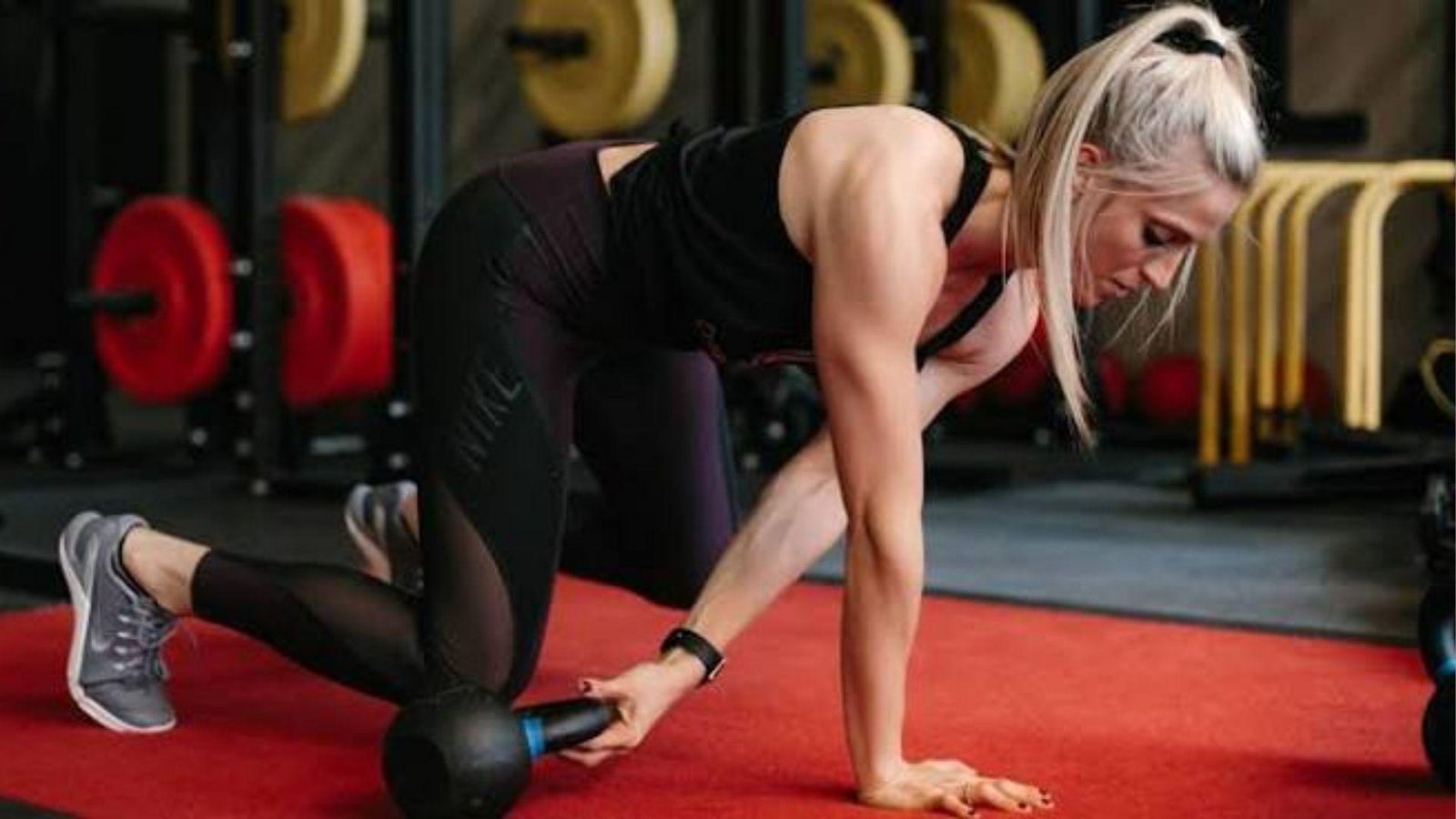

I grabbed a push-up board on a whim. No expectations. Just wanted to mix things up.
Three weeks in, my chest looked different. My shoulders felt stronger. And I hadn't touched a single weight.
If you've been grinding out flat push-ups and going nowhere, this is worth your time.
A push up board workout plan tells you exactly where to place your hands, which muscles to hit, and how to make every rep actually count.
In this blog, I'll walk you through how a push-up board works, the best exercises to do on it, beginner and upper-body and full-body plans you can start today, and the mistakes that kill most people's progress.
Let's get into it.
How a Push-Up Board Workout Works
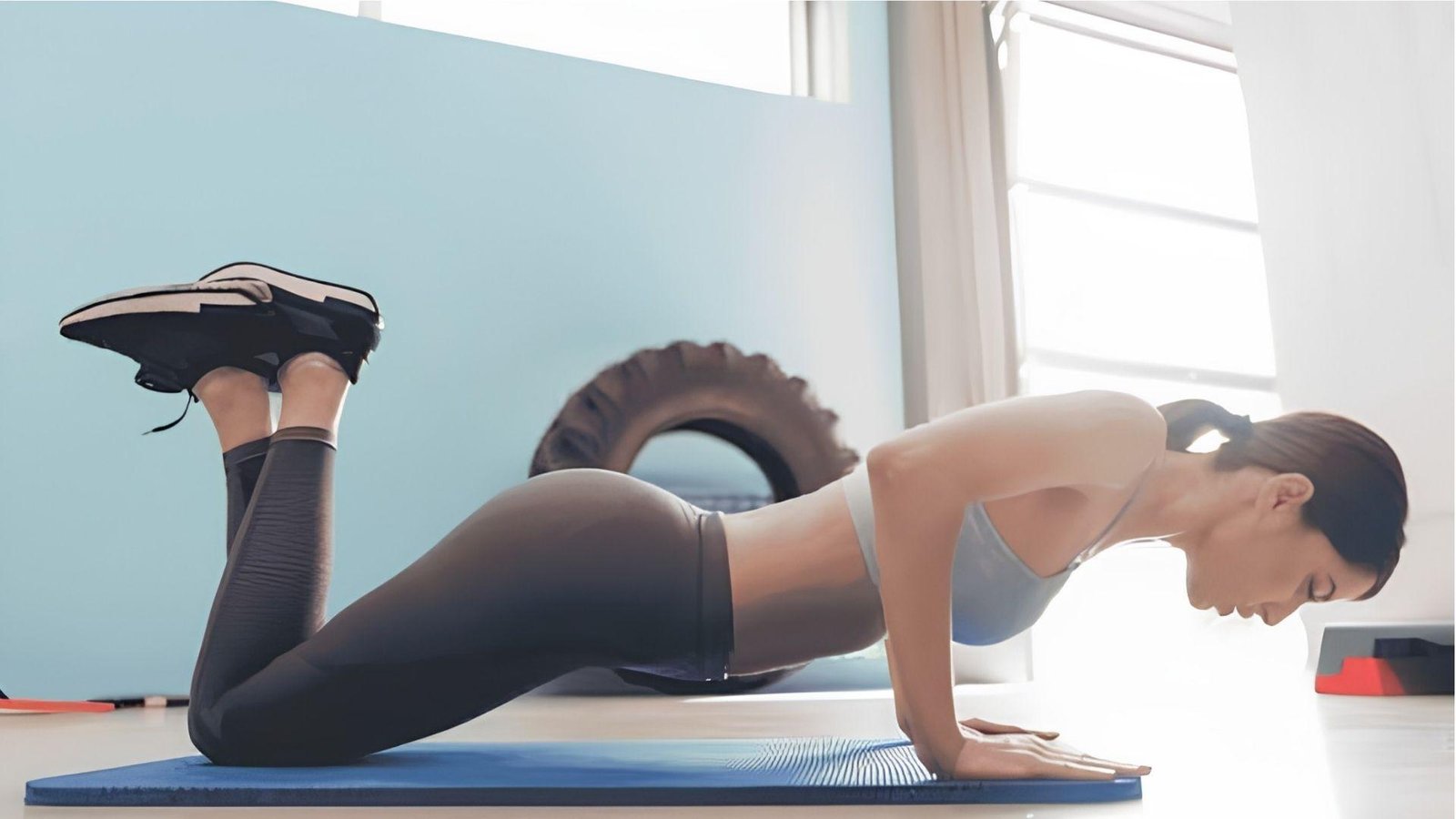
A push-up board has a color-coded grip system that shifts focus to different muscles during each set.
When you place your hands on the chest position, your pectoralis major takes the lead. Move to the shoulder position, and your deltoids do more work.
The yellow or back position brings your upper back into play too.The board keeps your hands aligned through ergonomic handles that hold your wrists in a neutral position.
This reduces wrist strain and keeps your joints safer. It's a simple tool, but it adds real variety to bodyweight training.
Each grip changes the angle, the muscle demand, and the challenge level without needing any extra weight.
Benefits of a Push-Up Board Workout Plan

One board. Multiple muscle groups. Real results.
Builds Upper-Body Strength
A push-up board hits your chest, shoulders, and arms in one movement. Because you're working across different grip positions, your muscles get more varied stress with every session.
Over time, this builds both strength and visible muscle definition without needing a single dumbbell or machine.
Helps Target Specific Muscles
The color-coded grip positions on the board let you shift focus where you need it most. If your triceps are lagging, you use a close grip.
If you want more chest work, you widen out. This removes the guesswork from your workouts and keeps training from getting repetitive over time.
Improves Workout Form
The board shows you exactly where to place your hands. This small thing makes a big difference.
Proper hand placement keeps your shoulders safe, your wrists aligned, and your reps clean. Better form also means you're actually working the muscles you're targeting, not just going through the motions.
Supports Core Stability
Push-ups on a board naturally engage your core. The varying hand positions take this further.
Your abs, obliques, and lower back all have to work together to keep your body in a straight line. Over time, this improves both posture and balance.
Makes Home Training More Effective
You don't need a full gym setup. The board sits flat on any floor, takes up almost no space, and fits into any routine.
Beginners can use it to learn the basics. Advanced trainees can use it to add structure and volume. Either way, it makes home workouts feel less like guesswork.
5 Best Push-Up Board Exercises With Instructions
These five moves cover the key muscle groups and keep your sessions fresh.
1. Chest Push-Ups

Place your hands on the chest grip position, slightly wider than shoulder-width. Lower your chest toward the board slowly.
At the bottom, pause for a beat. Push back up and squeeze your chest at the top. Keep your core tight the entire time. Don't let your hips sag or your elbows flare out wide.
Focus on feeling the pectorals working at every point in the range of motion. This is your go-to move for building chest thickness and strength.
2. Shoulder Push-Ups
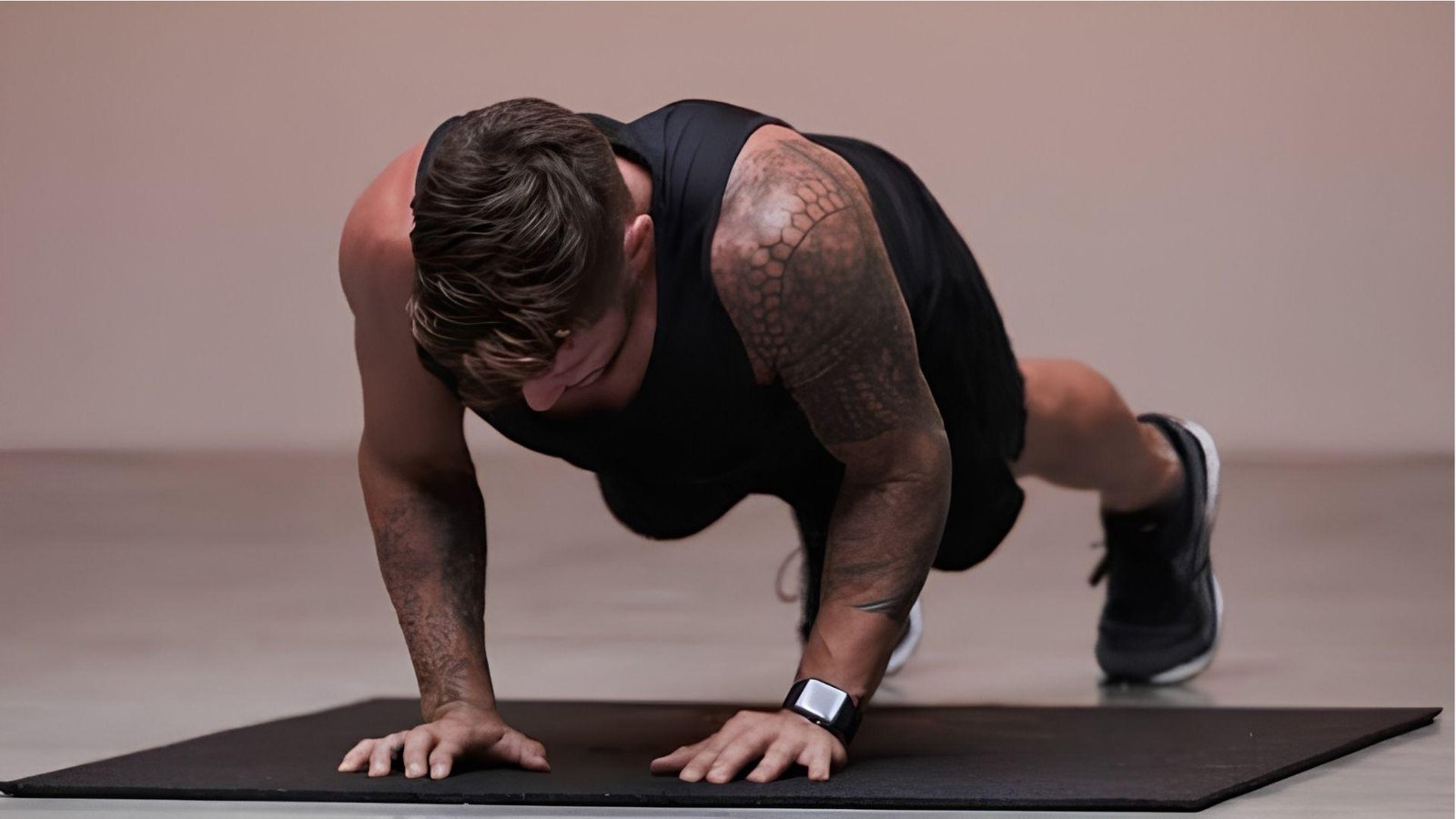
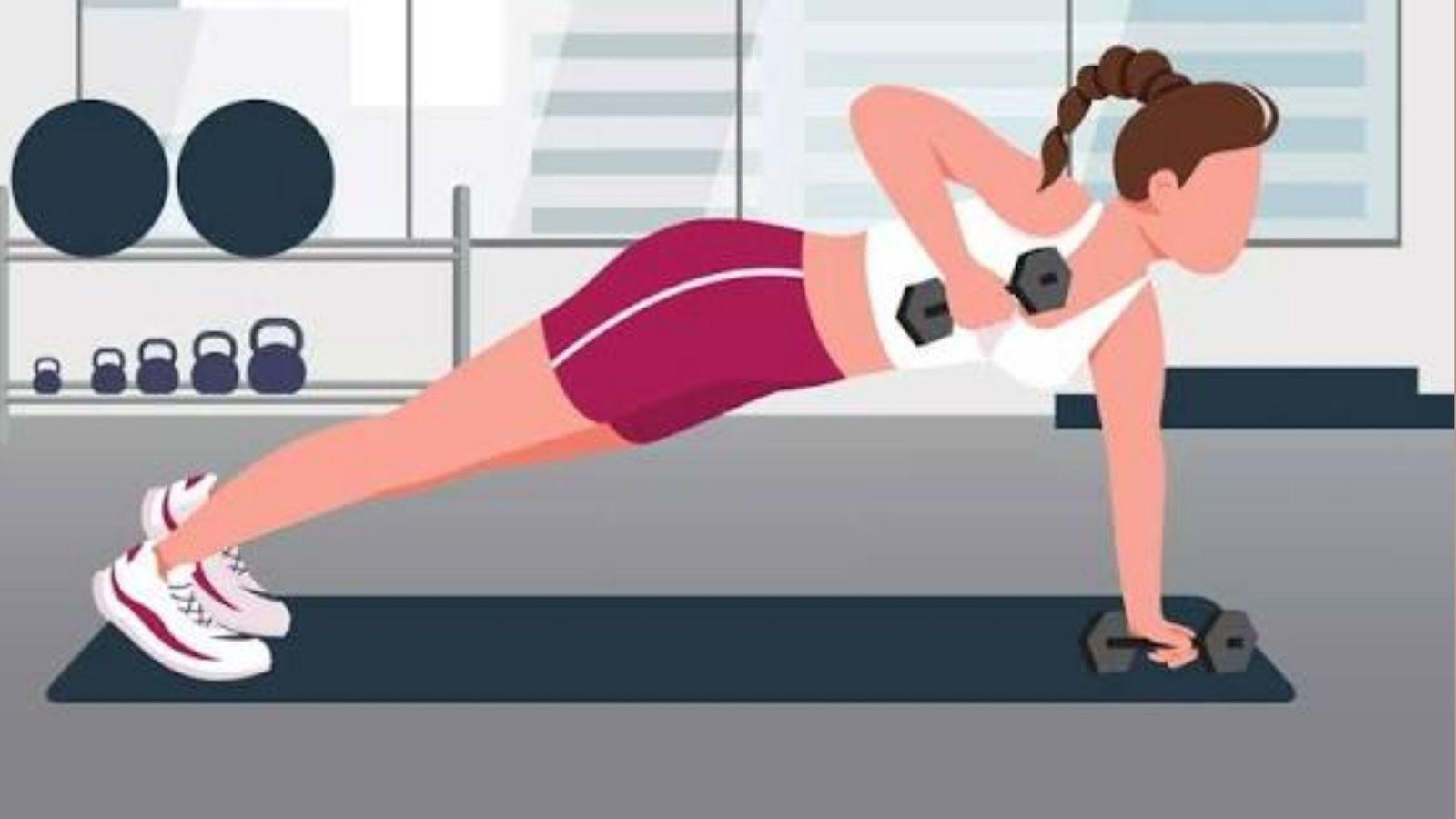
Set your hands on the shoulder grip position. Brace your core before you start moving. Press upward in a controlled way, not a fast push.
The slower you go, the more your deltoids actually work. This position shifts load away from your chest and onto your front delts.
It's a great move if your shoulder strength is behind your chest and you want to balance things out.
3. Triceps Push-Ups
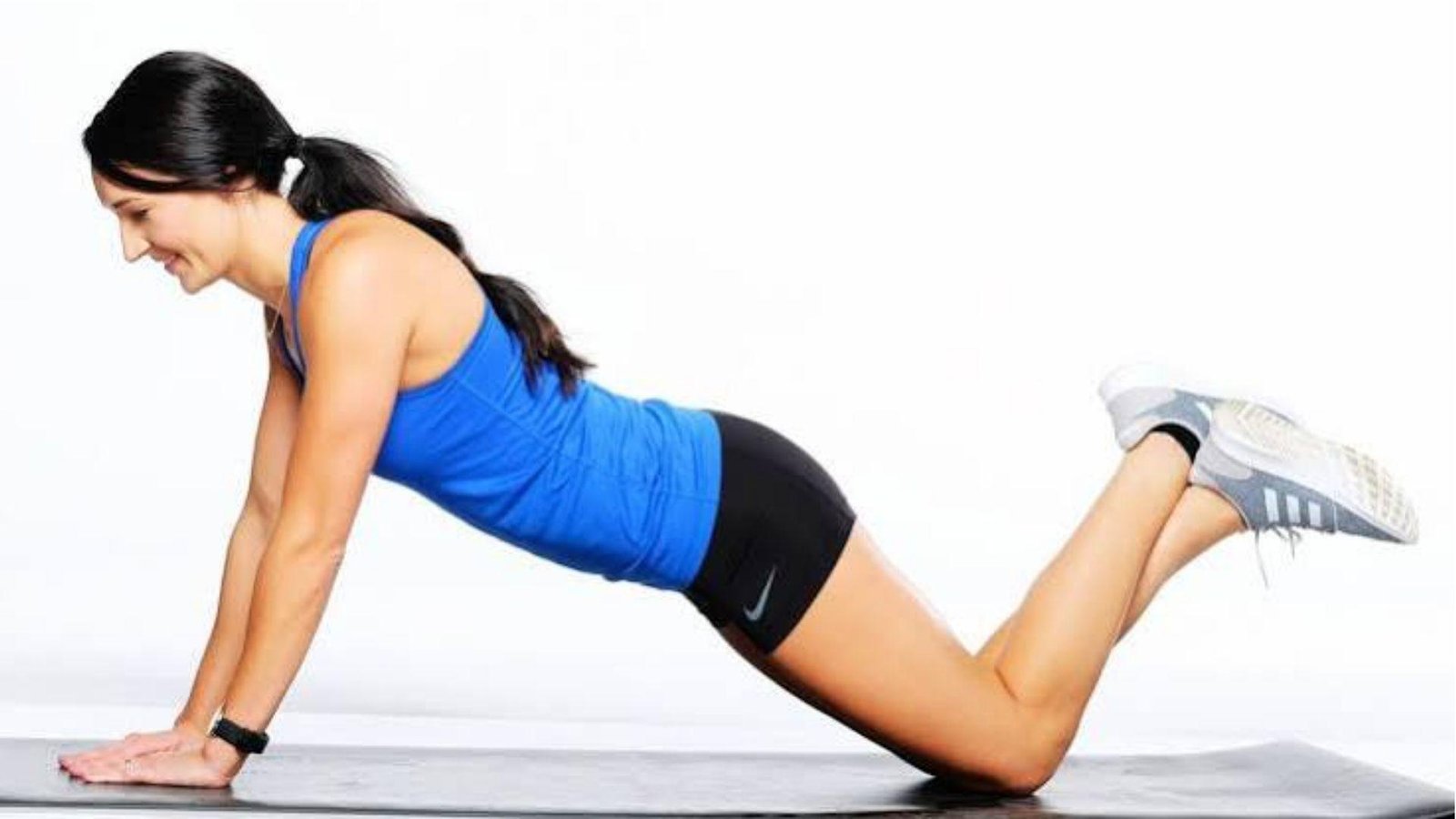
Use the close grip position on the board. Keep your elbows tucked tight to your sides throughout the rep.
Lower yourself slowly, feeling the stretch in your triceps. Push back up without locking your elbows out fully.
The close grip removes chest involvement and puts almost all the stress on the back of your arms. Go slow. That's where the work happens.
4. Wide-Grip Push-Ups
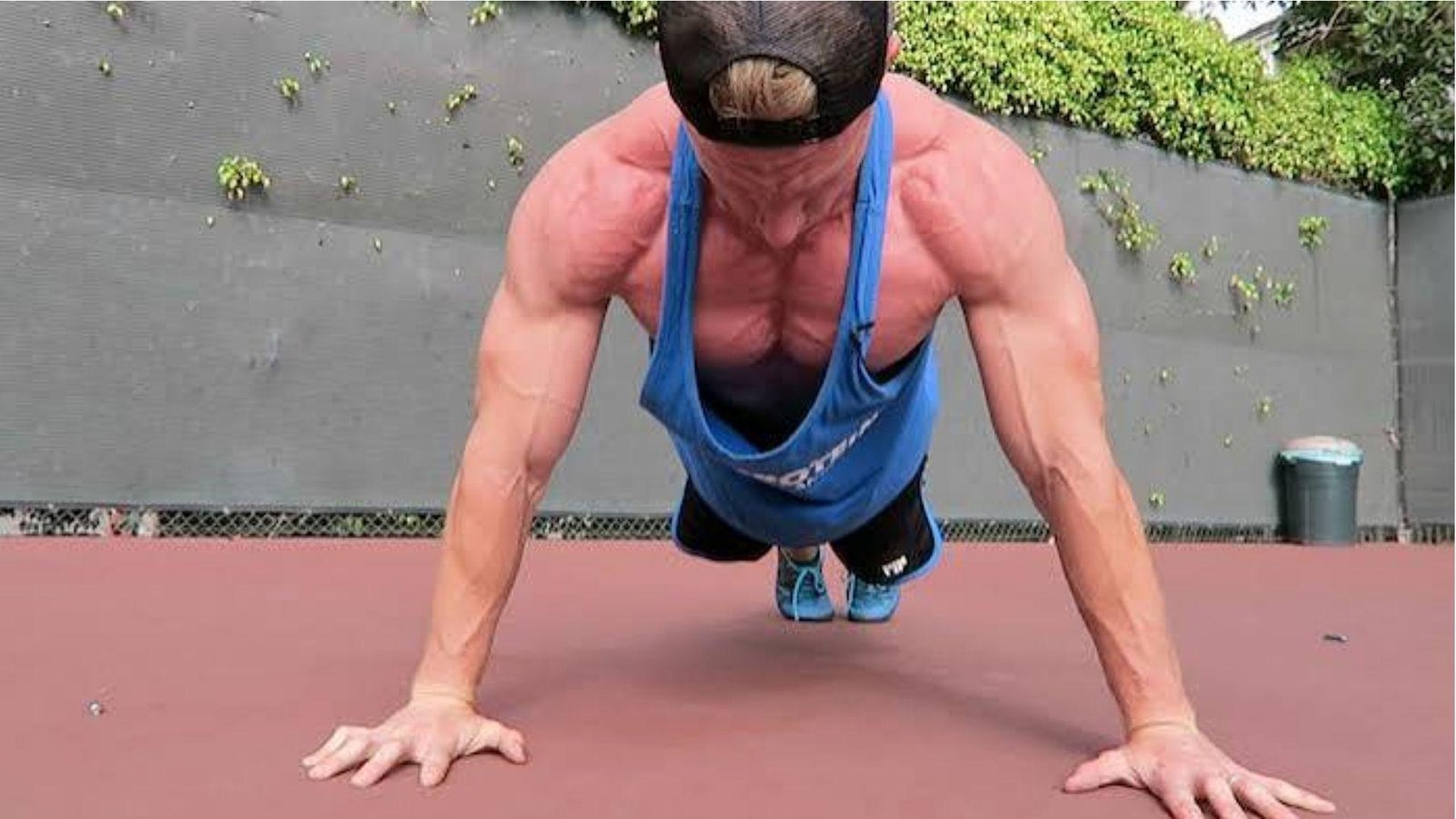
Place your hands as wide as the board allows. Keep a controlled range of motion on every rep. Don't rush.
The wider position opens up the chest more and brings your outer pec fibers into play. Your core also works harder here to keep your body in a straight line.
This is a solid variation to add after your main chest sets are done.
5. Decline Push-Ups
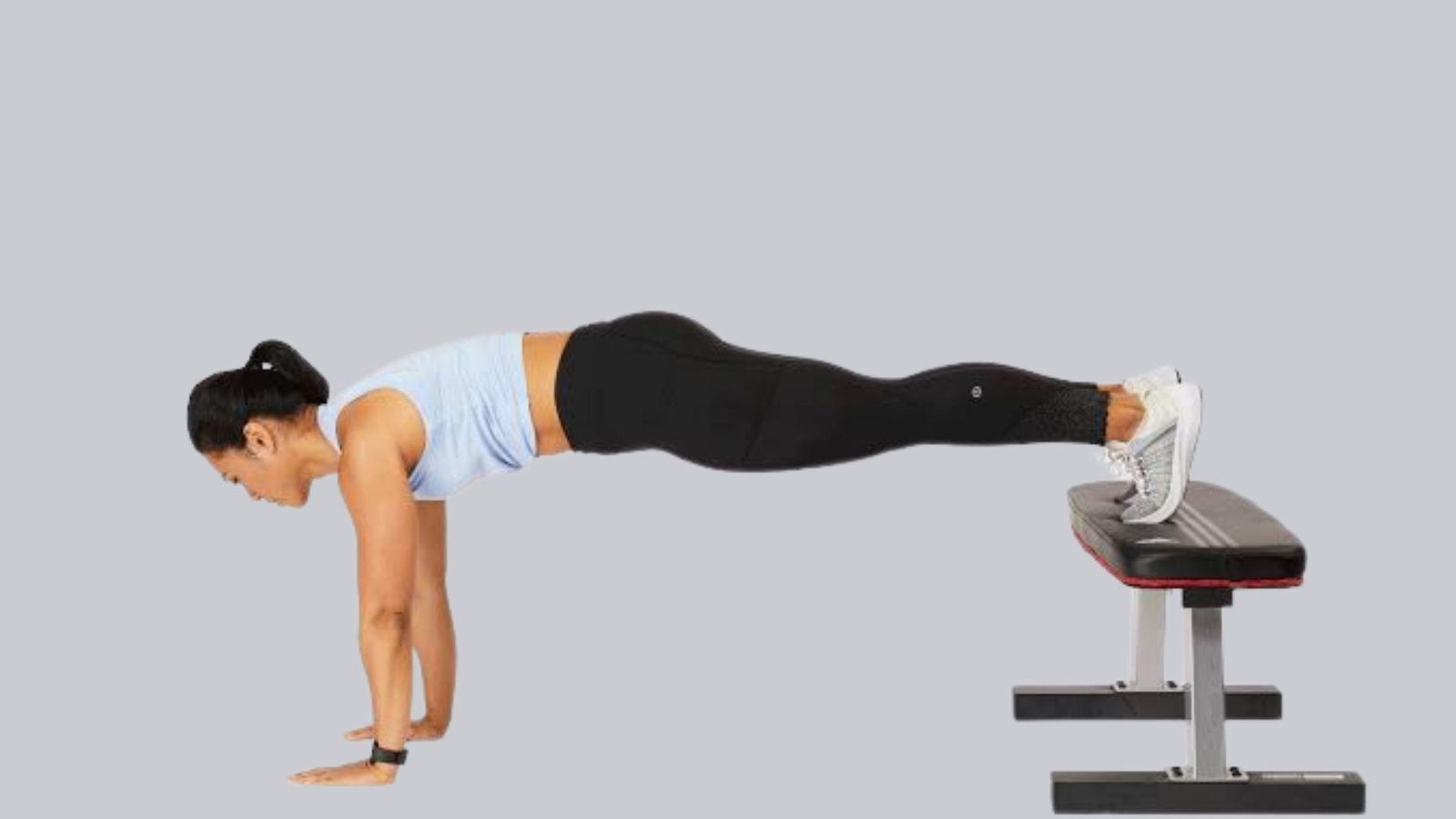
Elevate your feet on a bench or box and place your hands on the board on the floor. This angle shifts more load onto your upper chest and front deltoids.
Keep your core tight and lower yourself with control. It's harder than a flat push-up, so start with fewer reps and work up.
This is a move the top ranking plans use to build upper chest definition that flat push-ups alone can't get to.
Beginner Push-Up Board Workout Plan

Goal:Build strength and learn proper form.
This plan is for anyone starting out or getting back into training. Keep things simple. Focus on the mind-muscle connection on each rep before adding more volume.
| Exercise | Sets | Reps |
| Chest Push-Ups | 3 | 8–10 |
| Shoulder Push-Ups | 3 | 8 |
| Triceps Push-Ups | 3 | 8 |
| Push-Up Board Plank | 3 | 30 seconds |
Beginner Tips:
- Rest 45–60 seconds between sets
- Move slowly and control each rep
- Add 1–2 reps per week as you get stronger (progressive overload adds up fast)
Upper-Body Push-Up Board Workout Plan

Goal:Build chest, shoulders, and arms.
This plan targets your upper body with enough volume to drive real strength gains. It works well 3 days a week with rest days in between.
| Exercise | Reps |
| Chest Push-Ups | 12 |
| Wide-Grip Push-Ups | 12 |
| Shoulder Push-Ups | 10 |
| Triceps Push-Ups | 10 |
| Pike Push-Ups | 8 |
Focus:
- Upper-body strength across all major muscles
- Muscle endurance from higher rep ranges
- Cleaner push-up performance over time
Full-Body Push-Up Board Workout Plan
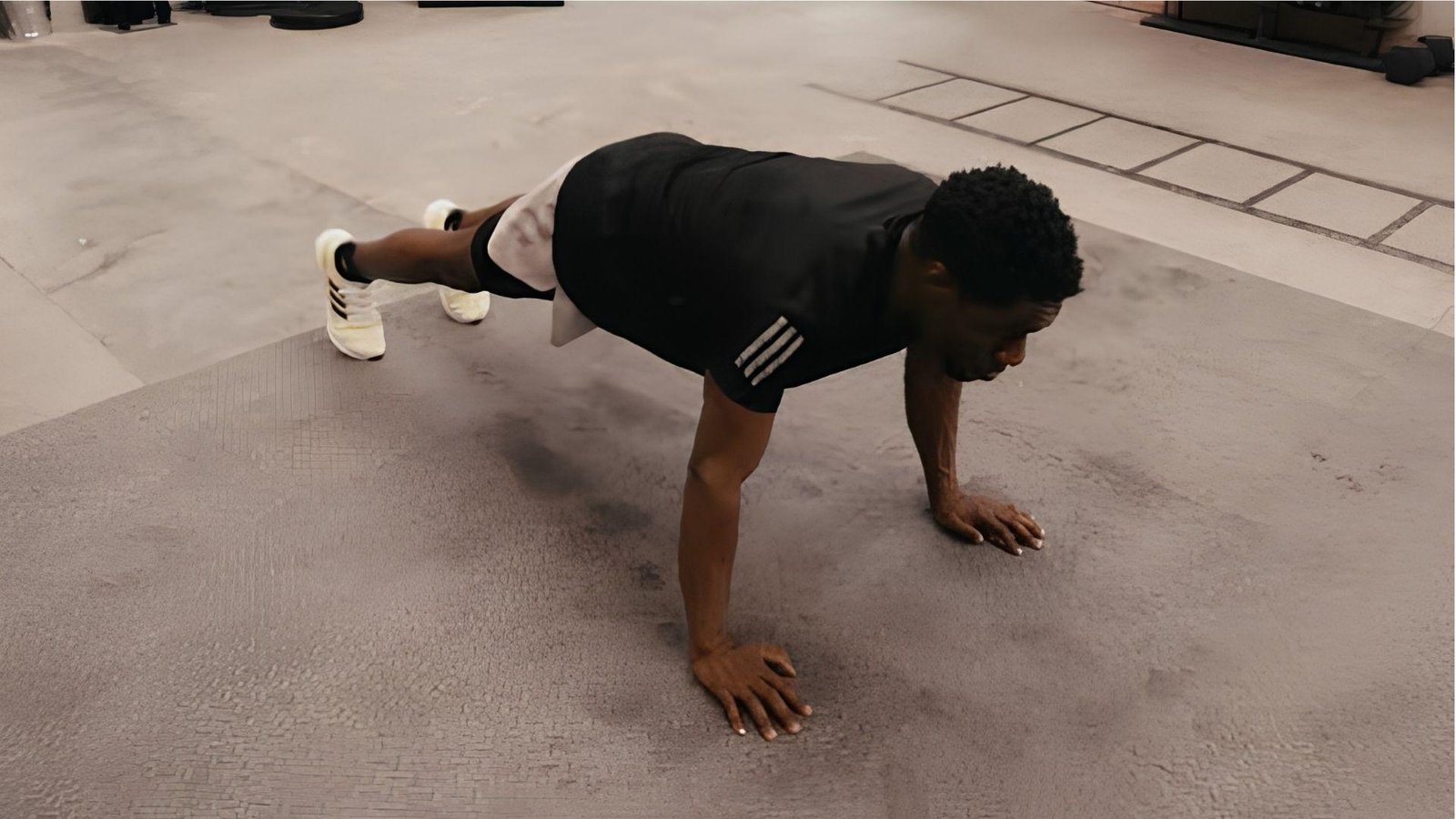
Goal:Combine strength and conditioning.
This plan mixes push-up board moves with bodyweight conditioning work. It's harder than the beginner plan but doesn't need any extra equipment.
| Exercise | Reps/Time |
| Chest Push-Ups | 12 reps |
| Shoulder Push-Ups | 10 reps |
| Triceps Push-Ups | 10 reps |
| Mountain Climbers | 30 seconds |
| Shoulder Taps | 15 reps |
| Plank Hold | 45 seconds |
Benefits:
- Works upper body and core together
- Improves stability and endurance
- Keeps heart rate up for better conditioning
30-Day Push-Up Board Workout Plan
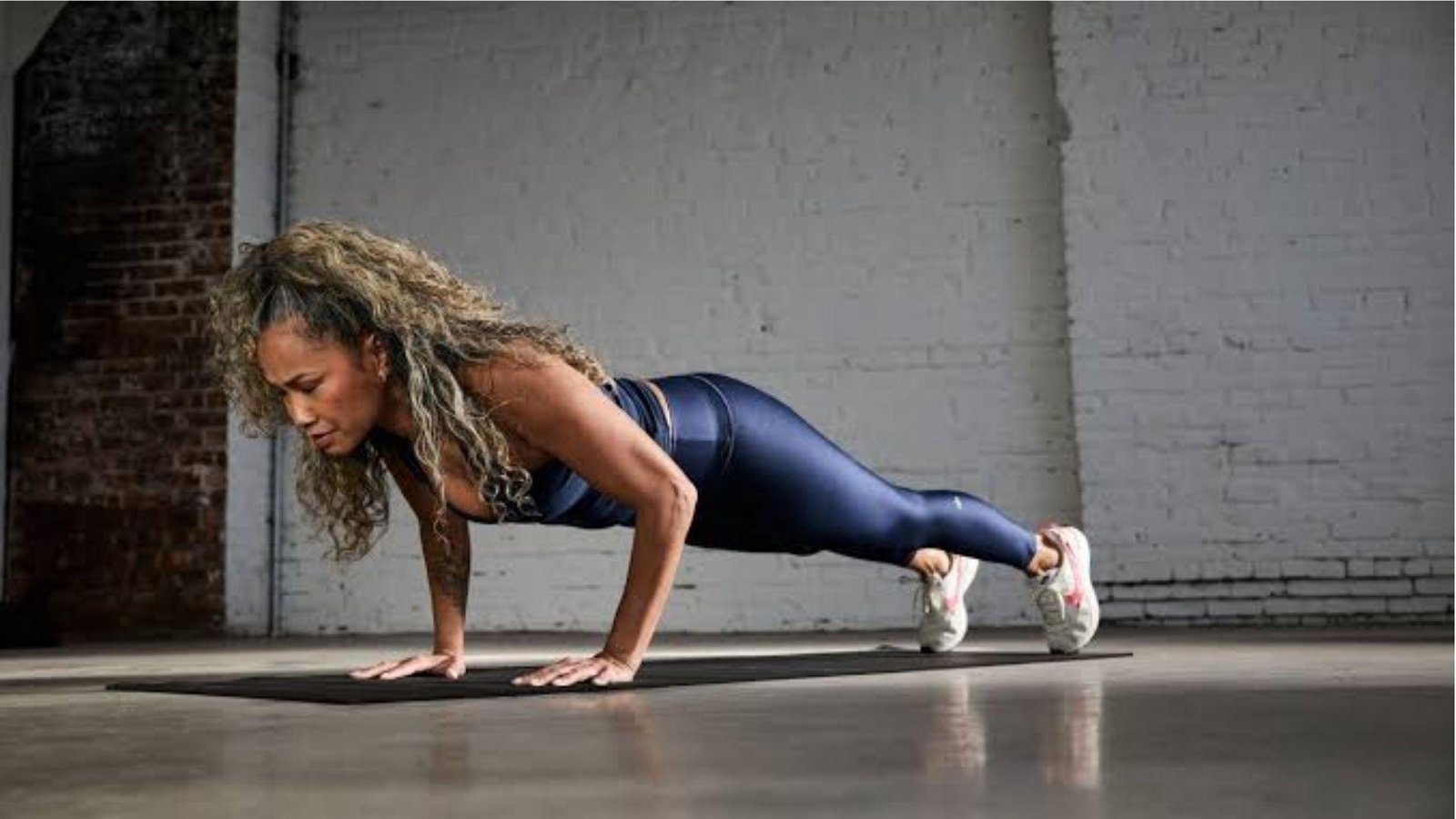
Four weeks. One board. A chest, shoulders, and arms that actually show the work you put in.
Week 1: Build Your Foundation (Days 1–7)
This week is about form, not volume. Your body needs time to learn the movements before you add more reps.
Use the color-coded grips and focus on keeping your core tight and your hips level on every rep. Do 3 rounds of chest, shoulder, and tricep push-ups with 8 to 10 reps each. Rest 60 seconds between sets.
Week 2: Add Volume and Control (Days 8–14)
Your form should feel more natural now. This week, bump your reps to 12 per set and add a fourth round. Start slowing down the lowering phase to 3 seconds per rep.
Time under tension is what drives muscle growth at this stage. Add mountain climbers and shoulder taps between sets to keep your core working the whole session.
Week 3: Increase Intensity (Days 15–21)
Now you push harder. Add decline push-ups this week to hit your upper chest from a new angle. Superset chest push-ups straight into tricep push-ups with no rest in between.
Do 4 rounds of everything. Your muscles are adapted enough to handle the extra load. Keep your breathing controlled and never sacrifice form just to finish a set faster.
Week 4: Peak Week and Test (Days 22–30)
This is your strongest week. Go for max reps on each set instead of stopping at a fixed number. Run through all grip positions back to back with minimal rest between them.
On day 30, test yourself. Do as many clean push-ups as you can in 60 seconds. Compare it to where you started. The difference will show you exactly how far you've come.
Common Push-Up Board Workout Mistakes
Avoid these and you'll get better results faster.
- Skipping warm-up: Cold muscles don't respond well to push-up volume. Spend 5 minutes warming up your wrists, shoulders, and chest before you start.
- Rushing through reps: Fast reps kill muscle tension. Slow down the lowering phase and feel the muscle working. Time under tension is what separates a good set from a wasted one.
- Ignoring grip placement: The color-coded system is the whole point of the board. Randomly placing your hands defeats the purpose. Match your grip to your goal every single set.
- Letting hips sag: A sagging lower back reduces core engagement and puts stress in the wrong places. Keep your body in a straight line from head to heels.
- Skipping rest days: Push-ups still break down muscle tissue. Your muscles grow during recovery, not during the workout. Don't skip rest days.
Conclusion
I'll be honest. I didn't expect a push-up board to make such a real difference in my home training.
But once I started using a proper push up board workout plan, my results actually picked up.
Give one of these plans a try for four weeks. You'll feel the difference in your chest, shoulders, and arms.
Have questions? Drop them in the comments below. And if this helped you, share it with someone who trains at home.
Frequently Asked Questions
How many days a week should I use a push-up board?
3 to 4 days a week is the sweet spot — enough to build strength without overworking your muscles.
Can a push-up board build muscle the same way weights do?
Yes, as long as you increase reps or difficulty over time, your muscles will keep growing just like they would with weights.
What is the difference between incline and decline push-ups on a board?
Incline push-ups reduce the load and hit the lower chest, while decline push-ups increase the load and target the upper chest and front deltoids.
Do push-up boards work for losing weight?
They build muscle and raise your resting metabolism, which helps your body burn more calories throughout the day.