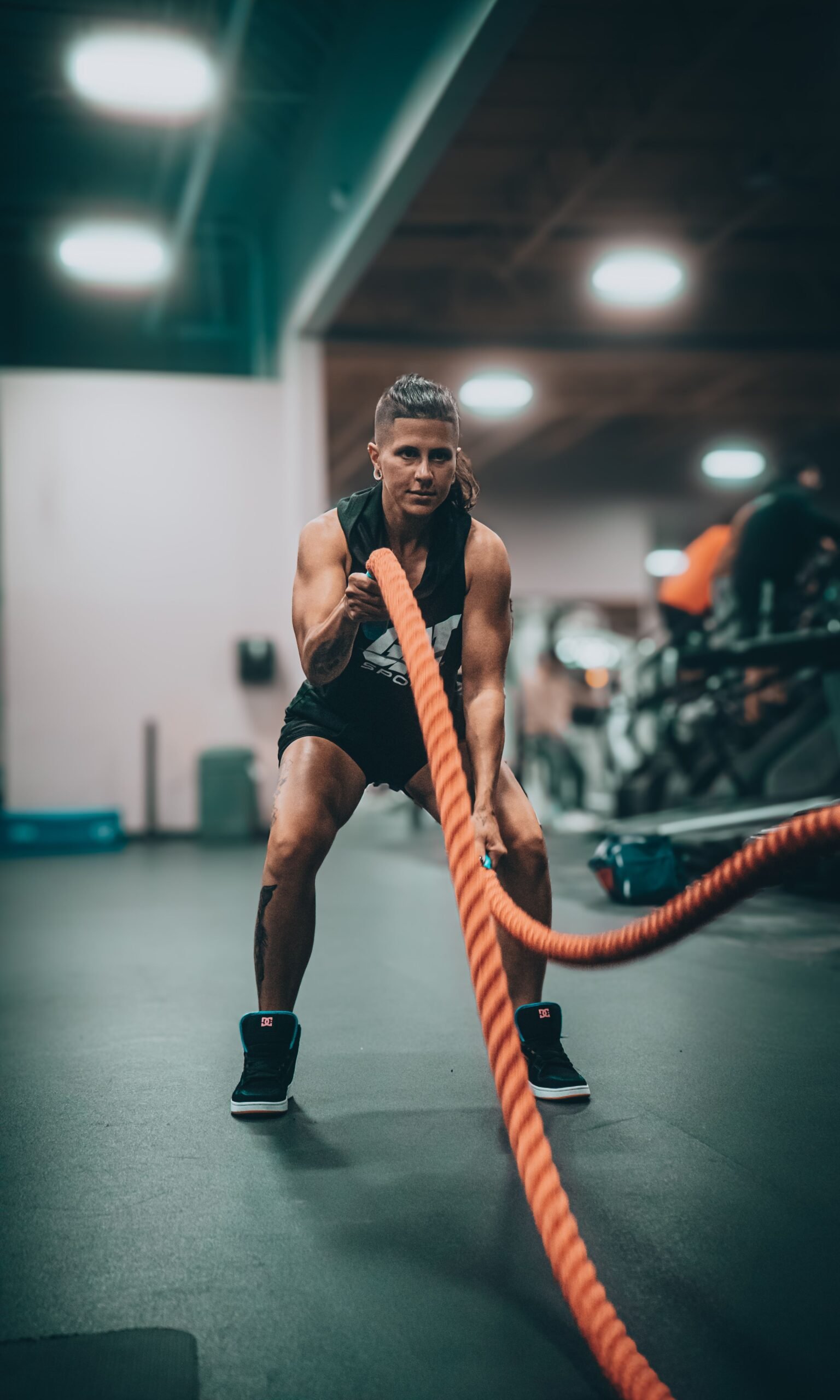

Trying to figure out a protein bar before or after workout timing can feel confusing. Some people eat it right before training, others wait until after. Both choices affect your energy, muscle repair, and results in different ways.
This article breaks down what happens to your body in each case, so you can pick the timing that fits your goals.
From personal trial and error with pre and post workout snacks, timing really does change how you feel during training and how sore you get later.
We will also cover fitness goals, common mistakes, and how a protein bar compares to a protein shake.
By the end, you will know exactly when to eat your protein bar for the best results.
Protein Bar Before or After Workout: Which Is Better?

The honest answer depends on your goal, your workout type, and your daily eating pattern.
There is no single correct answer for everyone. If you need quick energy to push through a tough session, eating a protein bar before your workout can help.
If your main goal is muscle repair and recovery, eating one after your workout usually works better.
Some people even eat half before and half after to get both benefits. The best approach is to test both timings and see how your body responds in terms of energy, digestion, and recovery.
Benefits of Eating a Protein Bar Before a Workout

A pre workout bar gives your muscles fuel before you even start lifting or running.
Eating a protein bar 30 to 60 minutes before training gives your body steady energy. It also supplies amino acids that your muscles can use during exercise, which may reduce muscle breakdown.
This is especially helpful for long or intense workouts where your body needs fuel to keep going. A bar with a mix of protein and carbs works best here, since the carbs give quick energy while the protein supports your muscles.
People who train on an empty stomach often feel weak or dizzy, and a small bar before your session can prevent that.
Benefits of Eating a Protein Bar After a Workout

After training, your muscles need protein to repair and grow stronger.
When you exercise, your muscle fibers get tiny tears. Eating protein after your workout gives your body the building blocks it needs to repair those fibers and build new muscle tissue.
This is why many trainers suggest eating a protein bar within 30 to 45 minutes after finishing your session. It also helps refill your energy stores and can reduce muscle soreness the next day.
If your main goal is muscle gain or faster recovery, a post workout protein bar is usually the smarter pick.
Protein Bar Before or After Workout Based on Your Fitness Goal

Your fitness goal plays a big role in deciding the right timing for your protein bar.
Muscle gain and bodybuilding
If building muscle is your main goal, eating a protein bar after your workout is usually more effective.
Your muscles need protein right after training to start the repair process. Pairing this with a high protein bar that has at least 15 to 20 grams of protein supports steady muscle growth over time.
Weight loss and fat loss
For fat loss, timing matters less than total calories and protein intake across the day. Still, a small protein bar before your workout can curb hunger and prevent overeating later.
Choose bars with lower sugar and higher fiber to keep you full longer without adding extra calories.
Strength and resistance training
Strength training puts stress on your muscles and joints, so having protein available both before and after helps.
A bar before gives you steady energy for heavy lifts, while a bar after speeds up recovery so you can train again sooner.
Cardio and endurance workouts
For long cardio sessions like running or cycling, a protein bar before your workout gives lasting energy and helps prevent muscle loss during extended activity. After a long cardio session, protein helps repair muscle tissue and restore your energy levels.
General fitness and active lifestyles
If you exercise for general health rather than a specific goal, timing is more flexible. A protein bar before or after your workout both work fine, so pick whichever fits your schedule and appetite best.
Does Workout Time Change When You Should Eat a Protein Bar?

Morning, afternoon, and evening workouts each call for slightly different timing.
If you train early in the morning, eating a small protein bar beforehand can prevent low energy, since your body has been fasting overnight.
For afternoon workouts, your body already has fuel from earlier meals, so eating after your session may work better. Evening workouts often pair well with a post workout bar, since it supports overnight muscle repair while you sleep.
Listen to your hunger signals and adjust based on how your body feels during training.
Common Mistakes to Avoid When Eating Protein Bars
Small mistakes can reduce the benefits you get from your protein bar.
- Eating a protein bar too close to your workout, which can cause stomach discomfort
- Choosing bars high in sugar instead of checking the protein and fiber content
- Relying only on protein bars instead of eating balanced meals during the day
- Skipping water intake, since some bars are dense and need proper hydration
- Ignoring the ingredient list and ending up with hidden additives or low quality protein
- Eating the same bar every day without checking if it still fits your goals
Protein Bar Before vs After Workout: Side-by-Side Comparison
Both options work well, but each has its own advantages depending on your needs.
| Factor | Before Workout | After Workout |
| Main benefit | Quick energy for training | Muscle repair and recovery |
| Best for | Cardio, endurance, fasted workouts | Muscle gain, strength training |
| Timing | 30 to 60 minutes before | 30 to 45 minutes after |
| Ideal bar type | Higher carbs, moderate protein | Higher protein, lower sugar |
| Risk if wrong | Low energy, early fatigue | Slower muscle recovery |
How to Choose the Best Protein Bar

Not all protein bars are created equal, so checking labels matters.
Look for a bar with at least 15 grams of protein and low added sugar, ideally under 8 grams. Check the ingredient list for whole food sources like nuts, oats, or whey protein instead of long chemical names.
Fiber content also matters, since it helps digestion and keeps you full longer. Avoid bars loaded with sugar alcohols if you have a sensitive stomach, as they can cause bloating.
Finally, match the bar to your goal, choosing higher protein options for muscle gain and higher carb options for endurance training.
Expert Tips to Maximize Protein Bar Benefits
A few small habits can help you get more out of every bar you eat.
- Pair your protein bar with a glass of water to help digestion
- Store bars properly, since heat can melt the coating and change texture
- Avoid eating a full bar right before intense training to prevent cramping
- Combine your bar with a piece of fruit for extra carbs and vitamins
- Rotate different bar brands to avoid getting bored with the same taste
- Track your protein intake for the day so the bar fits your total needs
- Read expiration dates carefully, since protein bars can lose freshness over time
Conclusion
Deciding on protein bars before or after workout timing comes down to your personal goals and how your body responds to exercise. If you need energy to push through training, eat one before.
If recovery and muscle repair matter more, eat one after your session. Either way, protein bars are a simple and practical way to support your fitness routine.
Try both timings this week and notice the difference in your energy and recovery. If this guide helped clear things up, share it with a workout partner or drop a comment below with your own experience.
Frequently Asked Questions
Can I eat a protein bar as a meal replacement?
Occasionally, yes, but bars lack the variety of nutrients found in whole meals, so they should not replace regular meals often.
How many protein bars can I eat in a day?
One or two bars daily is generally safe, depending on your total calorie and protein needs for the day.
Do protein bars expire quickly?
Most protein bars last several months unopened, but check the printed expiration date since ingredients like nuts can spoil faster.
Are homemade protein bars better than store bought ones?
Homemade bars let you control sugar and ingredients fully, making them a healthier option for people with dietary restrictions.