
So you want to start powerlifting but don't know where to begin. That's normal. Every lifter starts at square one.
This guide walks you through everything you need. You'll learn proper squat, bench, and deadlift form. You'll find beginner programs that actually work. You'll get a full training plan, nutrition tips, and answers to common mistakes that slow people down.
I've spent years in the gym testing these lifts myself, and I'm sharing what actually worked, not just theory.
No fluff here. Just clear steps you can use today. By the end, you'll know exactly how to build strength the right way, one lift at a time.
What is Powerlifting?

Powerlifting is a strength sport built around three main lifts: the squat, the bench press, and the deadlift. The goal is simple.
You lift as much weight as you can in each move, and your best attempt in each lift gets added up for your total score.
This sport is not about how a lift looks or how many reps you do. It's about raw strength. You get three tries at each lift, and only your heaviest successful attempt counts.
People compete in weight classes, so you go up against lifters close to your own body weight. Federations like the USPA or IPF set the rules for each meet, and this keeps things fair.
Judges watch each lift closely to make sure it meets the rules. If your form breaks a rule, the lift doesn't count.
Powerlifting suits people at any fitness level. Beginners can start with light weights and build up over time. Competitive lifters spend years working on their squat, bench, and deadlift numbers, chasing bigger totals at every meet.
How to Start Powerlifting for Beginners
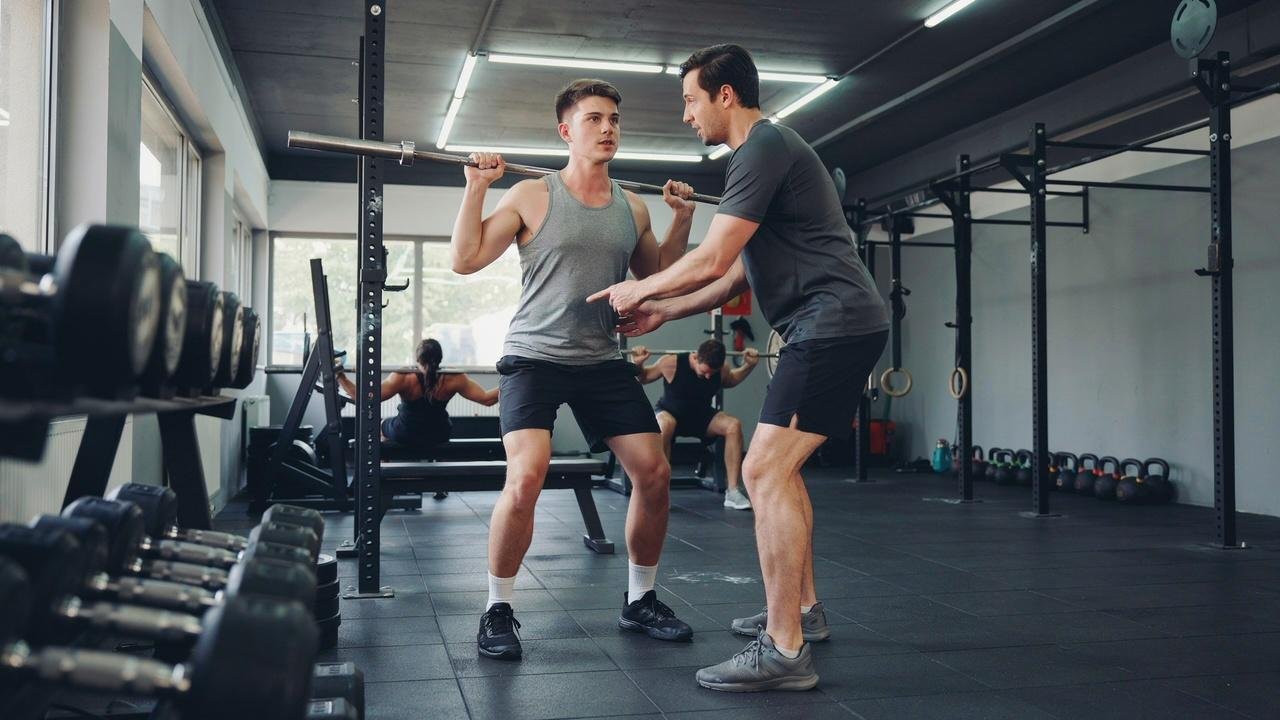
A simple guide to help new lifters build strength, learn the three main lifts, and avoid common mistakes early on.
Powerlifting looks simple from the outside. You squat, bench, and deadlift. But doing it right takes patience and a plan. This guide breaks down everything you need to get started, from your first workout to your first meet.
Learn Proper Form Before Adding Weight
Form comes first. Always. Before you add plates to the bar, you need to know how your body should move through each lift.
Bad form now leads to bad habits later. And bad habits lead to injuries. Start light. Use just the bar if you have to. Film yourself if you can. Watching your own reps helps you catch mistakes you can't feel while lifting.
A coach or experienced lifter can also spot things you miss. Even one session with someone who knows what they're doing can save you months of frustration.
Choose the Right Gym and Equipment
You don't need a fancy gym to start powerlifting. You need a squat rack, a barbell, and enough weight plates to progress over time.
Look for a gym with a real power rack, not just a smith machine. Chalk should be allowed. A platform or lifting area helps too, especially for deadlifts.
As for gear, a pair of flat shoes works fine at first. You can add a belt, wrist wraps, or knee sleeves later once you're lifting heavier weights.
Set Realistic Strength Goals
New lifters often want big numbers fast. That's normal. But strength takes time to build.
Set small goals you can actually hit. Maybe it's adding five pounds to your squat this month. Maybe it's holding good form for all your reps. Every time you beat your old number, that's a PR, or personal record, and small wins like that keep you going.
Track your lifts. Write them down or use an app. Seeing your progress on paper feels good and keeps you motivated when gains slow down.
It also helps to learn a bit of auto-regulation, which just means adjusting your training based on how your body feels that day instead of forcing a number on paper.
Best Powerlifting for Beginners Program
A look at the most trusted beginner programs, including Starting Strength, StrongLifts 5×5, GZCLP, and 5/3/1, and how to pick one.
There are a lot of beginner programs out there. Most of them work. The real key is picking one and sticking with it.
Starting Strength
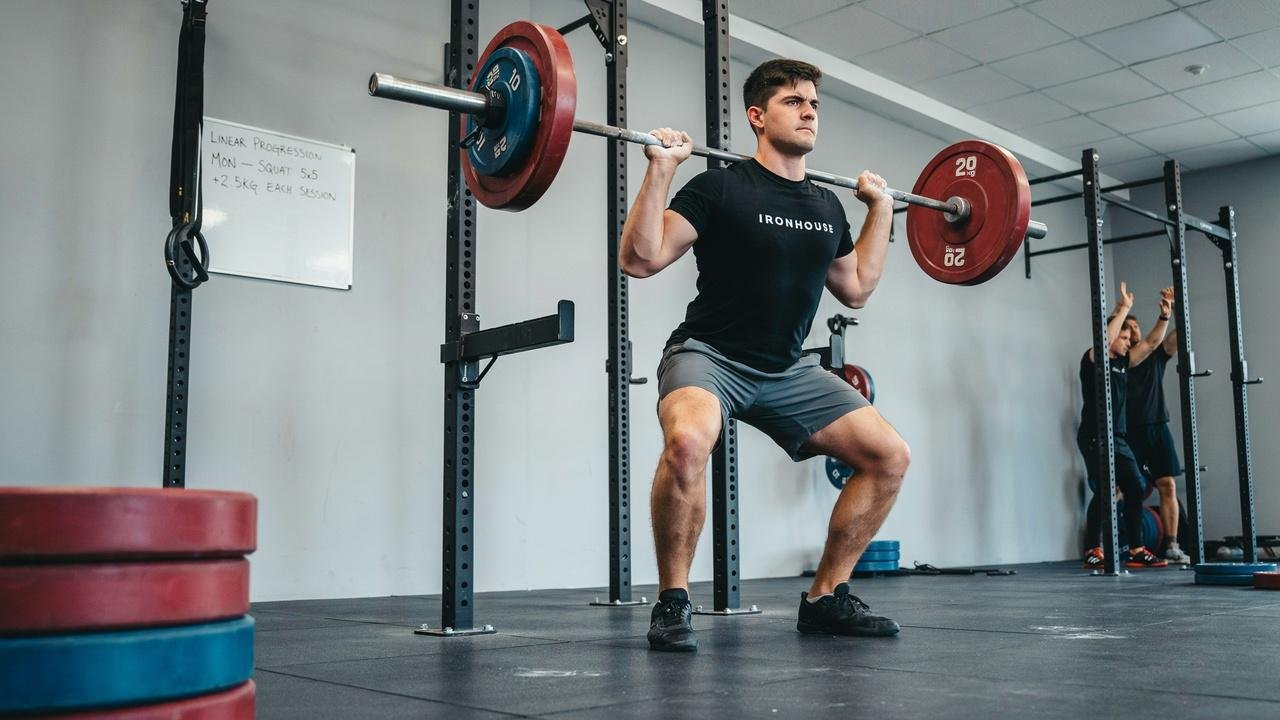
Starting Strength is one of the oldest beginner programs around. It uses three main lifts per workout, done three days a week.
You add weight every single session. This works well at first because your body adapts fast as a new lifter. This approach is called linear progression, and it's the simplest way to build strength when you're new. The program leaves little room for guesswork.
StrongLifts 5×5

StrongLifts follows a similar idea but with five sets of five reps instead of the rep schemes used in Starting Strength.
It alternates between two workouts across the week. Squats show up in every session, which builds a strong base fast. Many beginners like this program because it's easy to follow and track.
GZCLP

GZCLP is a step up for lifters who want more structure. It splits your training into main lifts, secondary lifts, and accessory work.
This program gives your muscles more total volume, which can help with muscle growth alongside strength. It's a good pick once basic beginner gains start to slow down.
5/3/1 for Beginners
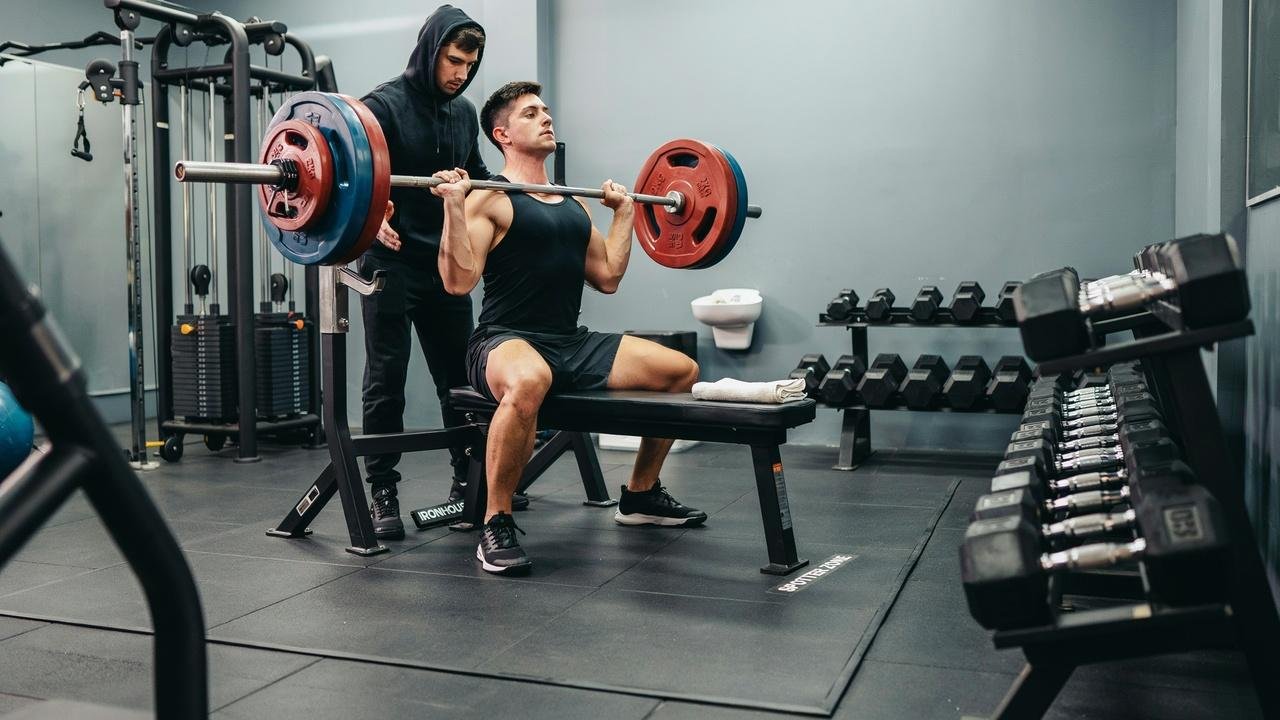
5/3/1 uses percentages based on your one-rep max, or 1RM, the heaviest weight you can lift one time. You work in cycles, building up intensity over several weeks before resetting.
This program moves slower than others, but that's the point. It's built for long term progress rather than quick early gains. Some beginners prefer starting here if they want a program they can stick with for years.
How to Choose the Right Program
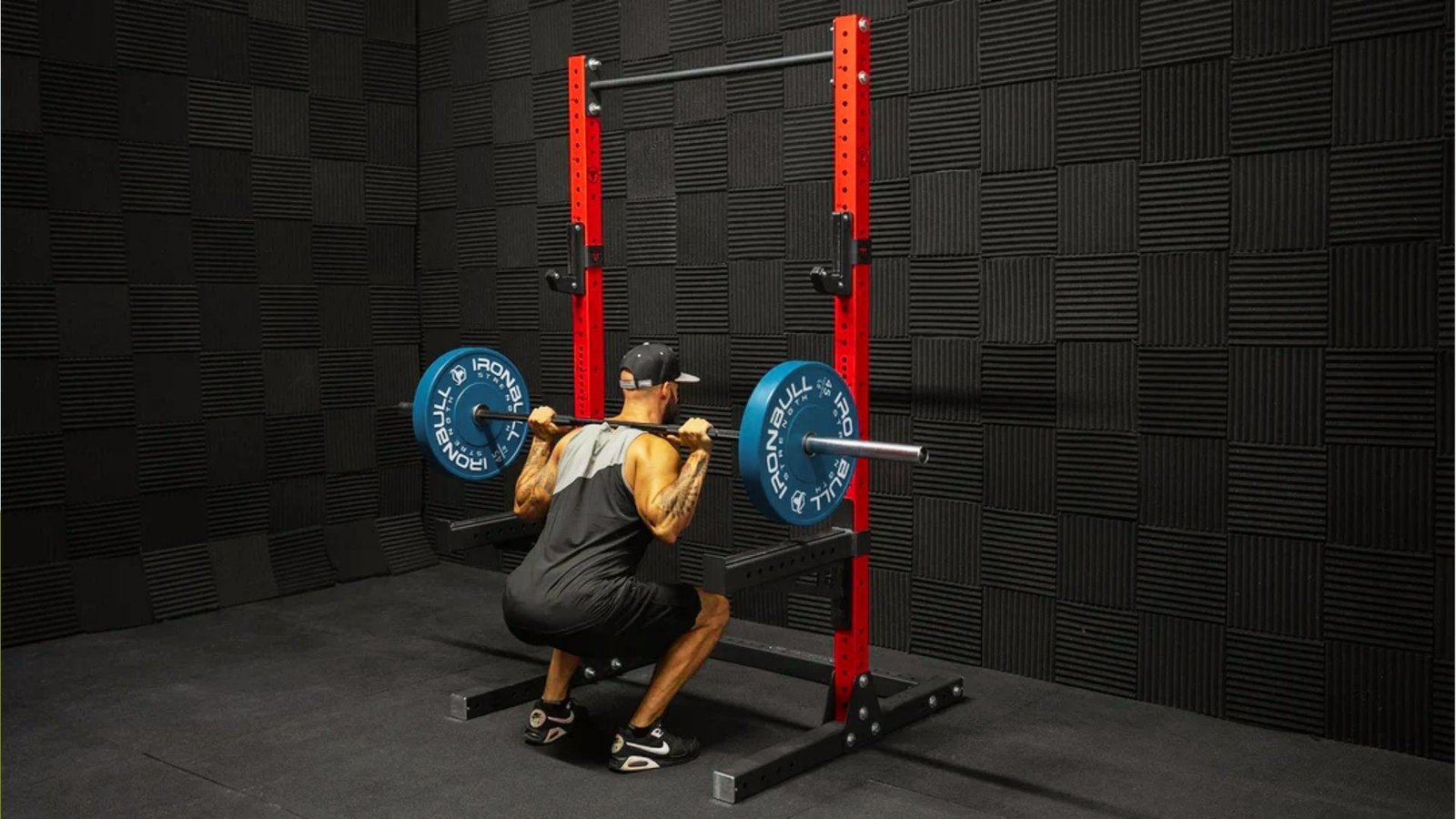
Pick a program based on your schedule and your goals. If you can only train three days a week, Starting Strength or StrongLifts might fit best.
If you like more variety in your workouts, GZCLP gives you that. And if you're in it for the long run, 5/3/1 sets you up well.
Don't overthink this part. Any of these programs will build strength if you follow them and eat enough food. Down the road, more advanced lifters sometimes move on to the Conjugate Method, which mixes max effort and speed work, but that's a step for later, not day one.
Powerlifting for Beginners Training & Workout Plan

Sample weekly schedules for three and four day training splits, plus tips on adding weight safely as you progress.
3-Day Beginner Powerlifting Program
A three day plan usually looks like squat, bench, and deadlift spread across the week with rest days in between.
Monday might be squat and bench. Wednesday could focus on deadlifts and light accessory work. Friday repeats the main lifts with small weight increases. This setup gives your body time to recover between sessions.
4-Day Beginner Powerlifting Program
A four day split lets you focus more on each lift without cramming everything into one session.
You might squat and bench on two separate days, then deadlift and do accessory work on the other two. This spread works well once you're lifting heavier and need more recovery time between big lifts.
Weekly Workout Schedule
Here's a basic example for a four day week:
- Monday: Squat plus accessories
- Tuesday: Bench press plus accessories
- Thursday: Deadlift plus accessories
- Friday: Light squat and bench, lower weight
Rest days matter just as much as training days. Don't skip them just because you feel fine.
How to Increase Weight Safely
Add weight slowly. A good rule is five pounds on the squat and deadlift each week, and two and a half pounds on the bench press.
This slow, steady approach is called progressive overload, and it's how real strength gets built over time.
If your form breaks down, stop adding weight and repeat that weight the next session instead. Progress isn't always a straight line, and that's normal.
Main Lifts and Accessory Exercises
A breakdown of the squat, bench press, and deadlift, along with accessory exercises that support strength in each movement.
Squat Workout

The squat builds your legs, hips, and core all at once. Keep your feet shoulder width apart, chest up, and knees tracking over your toes.
Go down until your hips drop below your knees. Push through your whole foot on the way up, not just your toes or heels.
Bench Press Workout
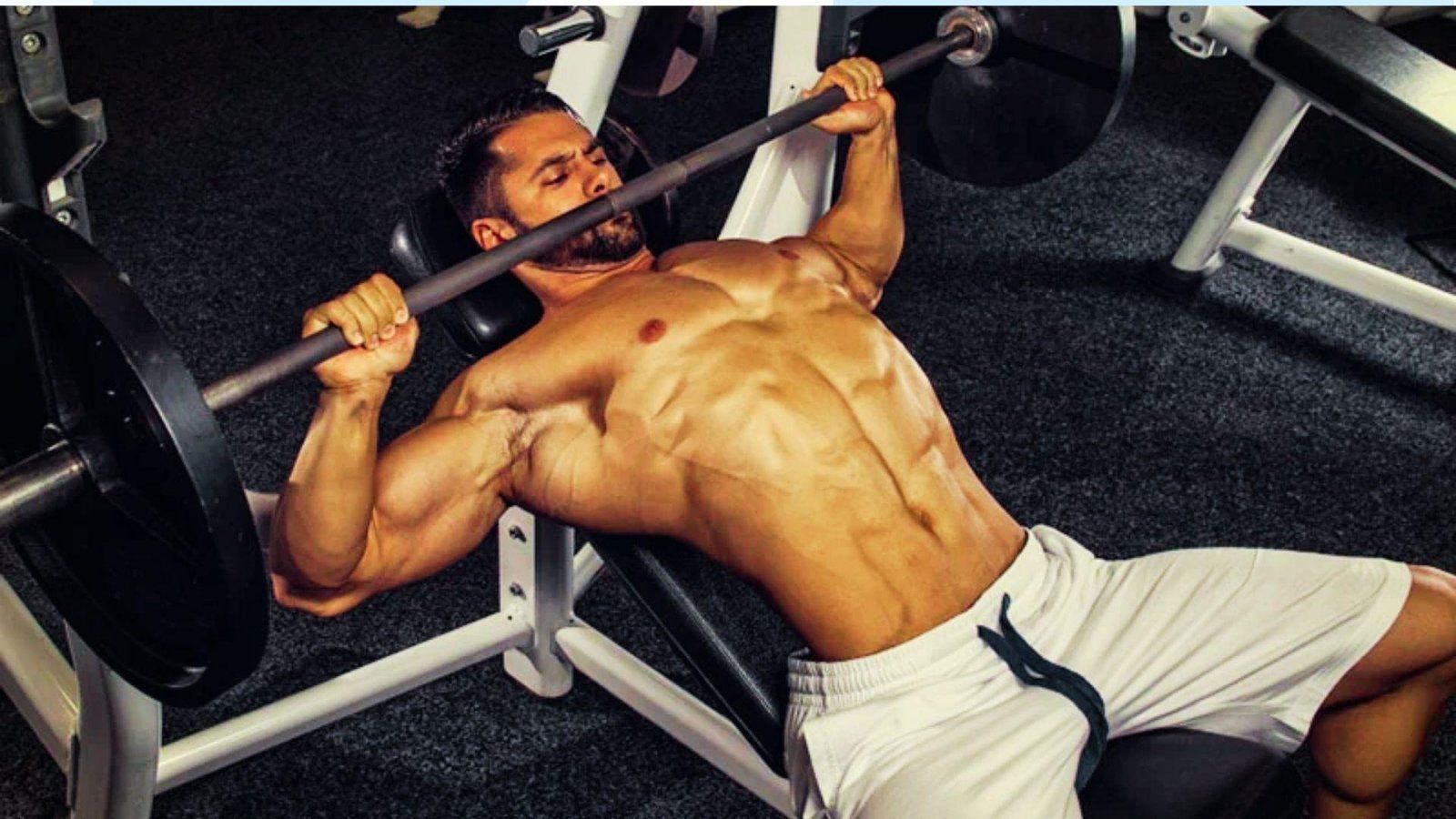
The bench press works your chest, shoulders, and triceps. Keep your shoulder blades pulled back and down on the bench.
Lower the bar to your chest with control, then press it back up in a straight line. Keep your feet flat on the floor for stability.
Deadlift Workout
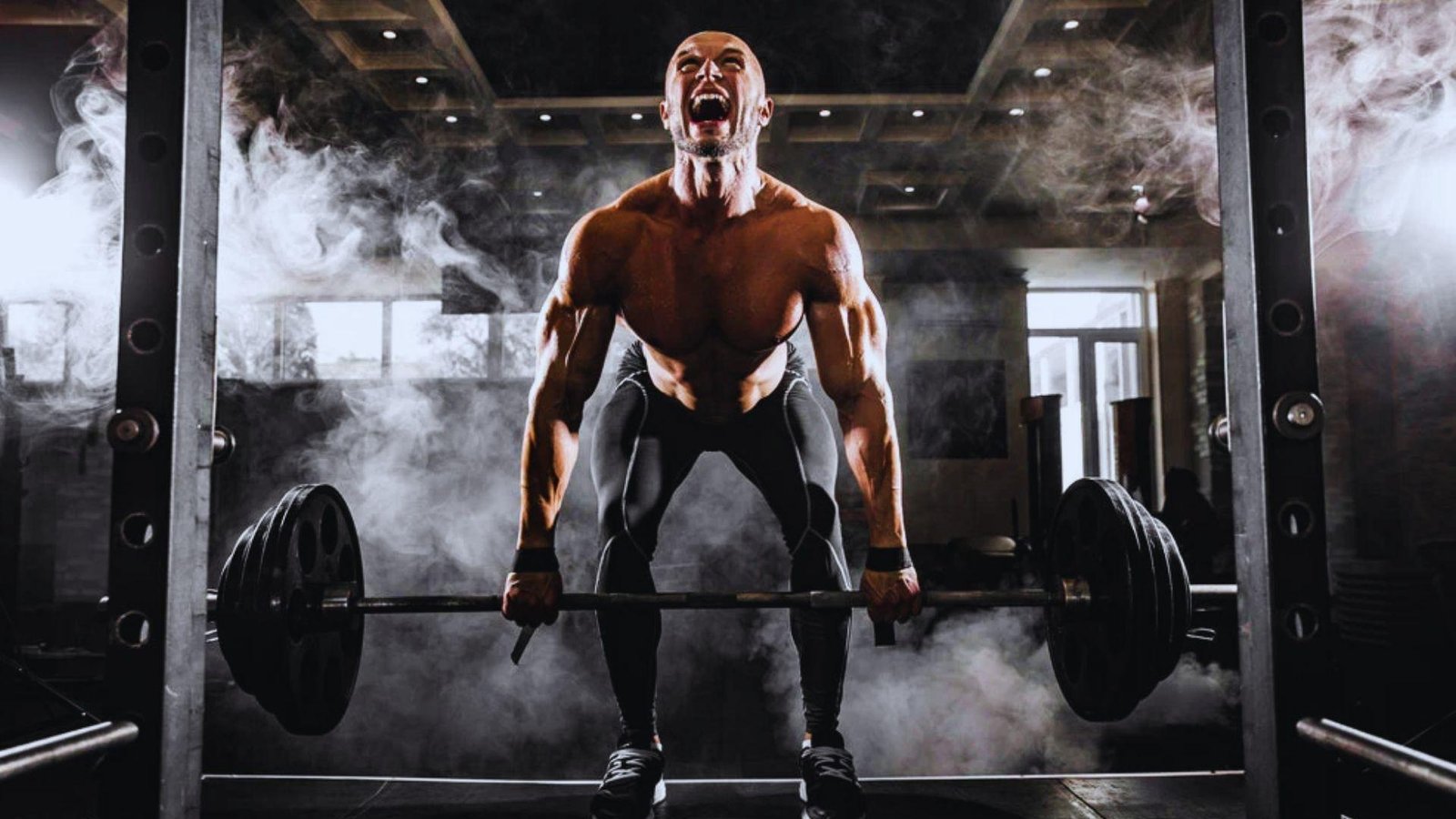
The deadlift trains your entire posterior chain, from your hamstrings to your back. Start with the bar close to your shins.
Keep your back flat and push through the floor with your legs as you stand up. Don't yank the bar. Let the lift build with steady tension.
Best Accessory Exercises for Beginners
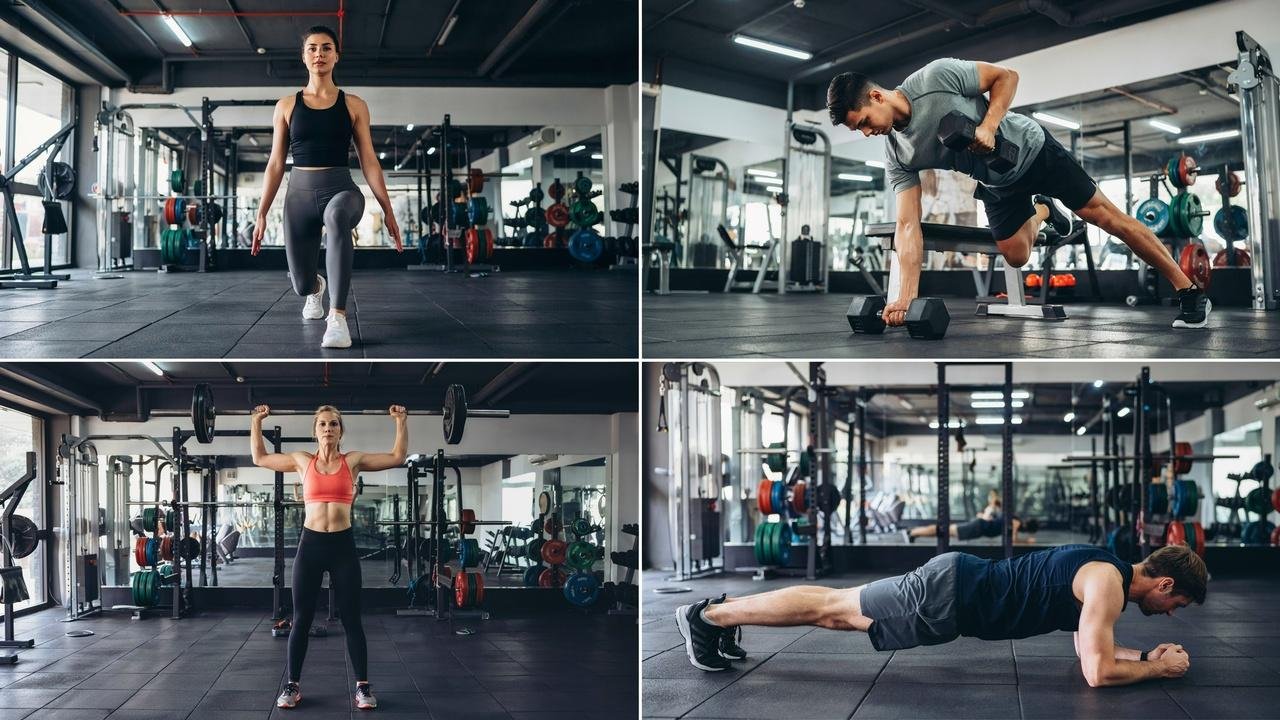
Accessory work helps fix weak points in your main lifts. Good picks for beginners include:
- Lunges for leg strength
- Rows for back strength
- Overhead press for shoulder strength
- Planks for core stability
These exercises don't need to be heavy. Their job is to support your main lifts, not replace them.
Powerlifting for Beginners Women and Men
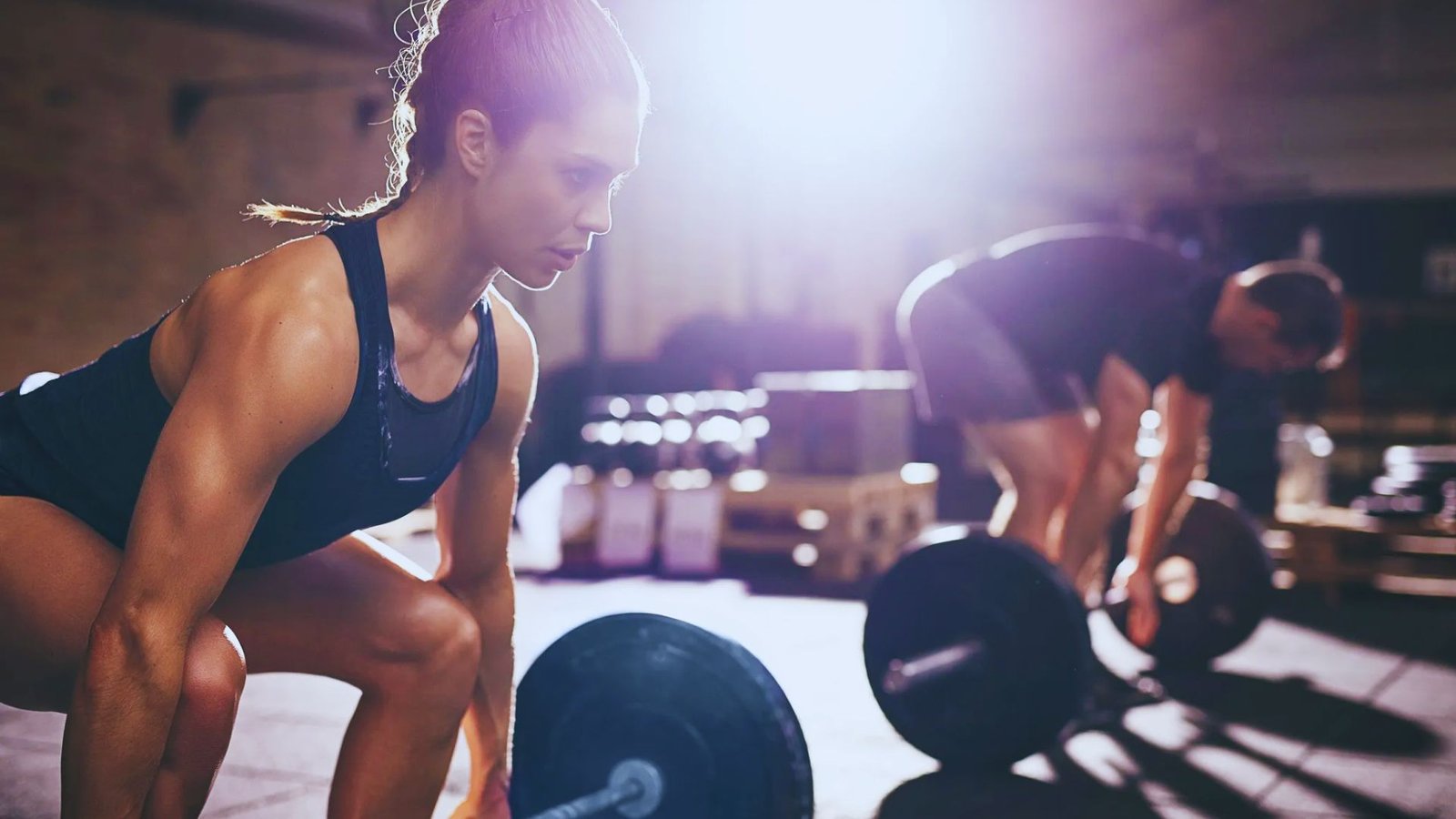
How training needs can differ slightly by gender, with practical tips for both new female and male lifters.
Is Training Different for Women?
The basics of powerlifting stay the same no matter who's lifting. Squat, bench, and deadlift work the same muscles regardless of gender.
That said, women often build lower body strength faster relative to upper body strength. This isn't a rule, just a common pattern worth knowing.
Tips for Female Beginners
Don't worry about lifting heavy. Building muscle takes real effort and won't happen by accident.
Focus on form first, just like anyone else. Many women find their squat and deadlift numbers grow quickly once they get comfortable with the movements.
Tips for Male Beginners
Men often want to load the bar too fast. Slow down and build a solid base before chasing big numbers.
Bench press form especially gets rushed. Take the time to master it early so you don't run into shoulder problems later.
Nutrition and Recovery for Strength Gains

Why eating enough protein, sleeping well, and taking rest seriously matters just as much as time spent training.
Calories and Protein Goals
You can't build strength without fuel. Most beginners need to eat more than they think, especially if they're trying to gain muscle.
Aim for around 0.7 to 1 gram of protein per pound of body weight each day. Carbs and fats matter too since they support energy and recovery.
Sleep, Rest Days, and Deload Weeks
Sleep is where your body actually repairs itself. Aim for seven to nine hours a night if you can manage it.
Rest days aren't optional. Neither are deload weeks, where you lower your training weight for a week to let your joints and muscles recover fully. Skipping these steps often leads to burnout or injury down the road.
Common Powerlifting Mistakes Beginners Should Avoid
Small errors early on can slow your progress and lead to injury, so it helps to know what to watch for.
- Starting too heavy: Loading the bar with more than you can control leads to bad form and slower progress.
- Ignoring technique: Poor form now becomes a hard habit to break later, so slow down and focus on your setup.
- Skipping accessory work: Sticking to just the big three lifts can lead to muscle imbalances over time.
- Not tracking progress: Without a simple log of weight, sets, and reps, you're just guessing if your program works.
Preparing for Your First Powerlifting Meet
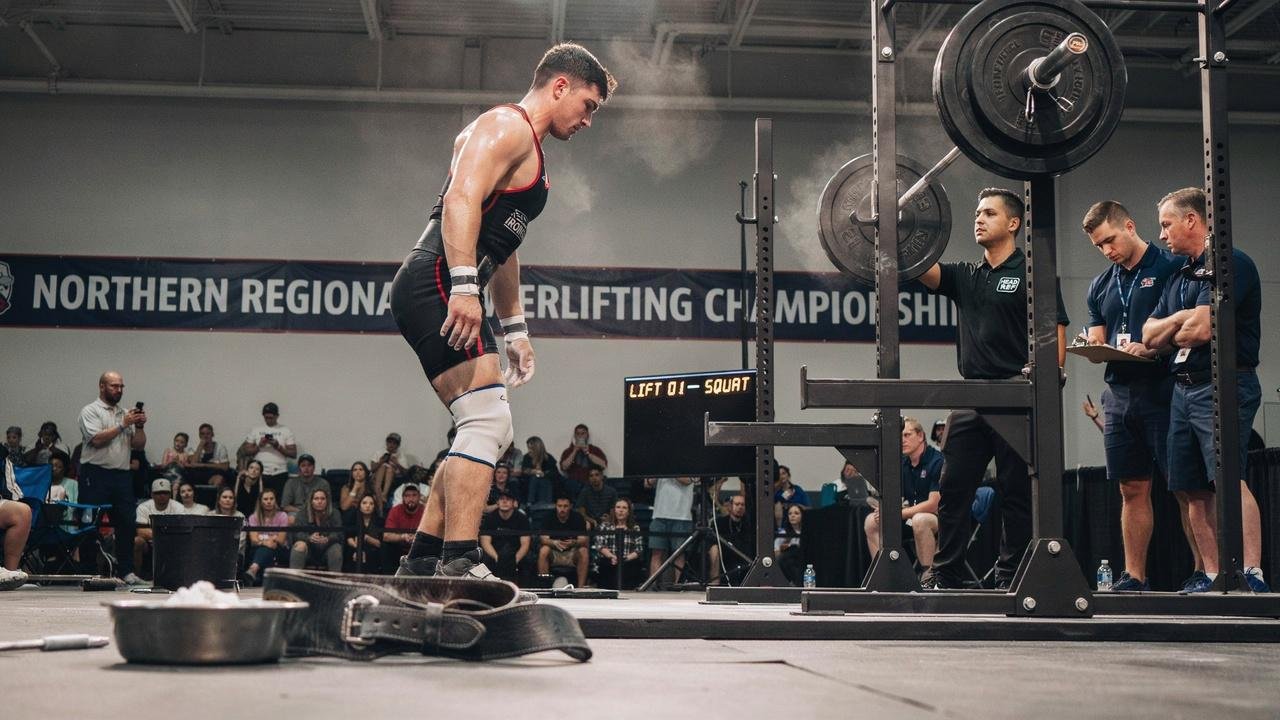
Your first meeting doesn't need to be scary. Most local meets welcome beginners and the atmosphere is usually supportive.
Practice your openers ahead of time. These should be weights you know you can hit with good form, not your absolute max. Get familiar with meet rules too, including how squats, bench presses, and deadlifts get judged.
Most local meets run under a federation like the USPA or IPF, and judges give clear commands for each lift, so knowing those commands ahead of time helps you stay calm on the platform.
Sleep well the night before. Eat a solid meal a few hours before you lift. And remember, your first meeting is really about learning the process for next time.
Powerlifting Technique Tips for Beginners
Small form fixes across the squat, bench, and deadlift can save you from injury and help your numbers climb faster.
- Keep your chest up and your core tight through the whole squat, breaking at the hips and knees together.
- Plant your feet firmly and keep a slight arch in your back when you bench press.
- Lower the bar with control and press it straight up over your chest during the bench press.
- Keep the bar close to your body the entire deadlift, pushing through the floor with your legs first.
- Finish the deadlift by standing tall and driving your hips forward, not your lower back.
Conclusion
Starting out with powerlifting for beginners can feel like a lot at once. I remember my own first squat session, shaky knees, no clue what I was doing, and a coach who told me to just breathe and reset. That one tip stuck with me for years.
You don't need to get everything right on day one. Just show up, keep your form honest, and let the weight follow.
Drop a comment and tell me which lift feels toughest right now. And if this helped, share it with a friend who's just getting started too.
Frequently Asked Questions
How long should I warm up before lifting?
Spend 10 to 15 minutes on light cardio and mobility work, then do a few warm up sets with lighter weight before your working sets begin.
Can I do cardio while powerlifting?
Yes, but keep it light and separate from lifting days if possible. Too much cardio can slow recovery and limit strength gains over time.
How long until I see strength results?
Most beginners notice real strength gains within four to six weeks of consistent training, though visible muscle changes usually take a bit longer.
What's the difference between powerlifting and Olympic weightlifting?
Powerlifting focuses on the squat, bench press, and deadlift. Olympic weightlifting centers on the snatch and clean and jerk, which require more speed and technique.