
My first pilates board session lasted 12 minutes. I had to stop because my core gave out completely.
This article covers 11 pilates board workouts with step-by-step instructions, plus ready-to-use routines for different goals. I'll also walk you through common mistakes and how to keep progressing.
The board looks like nothing. But it works like something. It targets your core, glutes, shoulders, and legs all at once, with zero impact on your joints.
It does everything a reformer pilates machine does, at a fraction of the cost and none of the commute.
No gym membership. No studio prices. Just a small board and real results.
If that sounds like what you've been looking for, you're in the right place.
Why Pilates Board Workouts Are So Effective
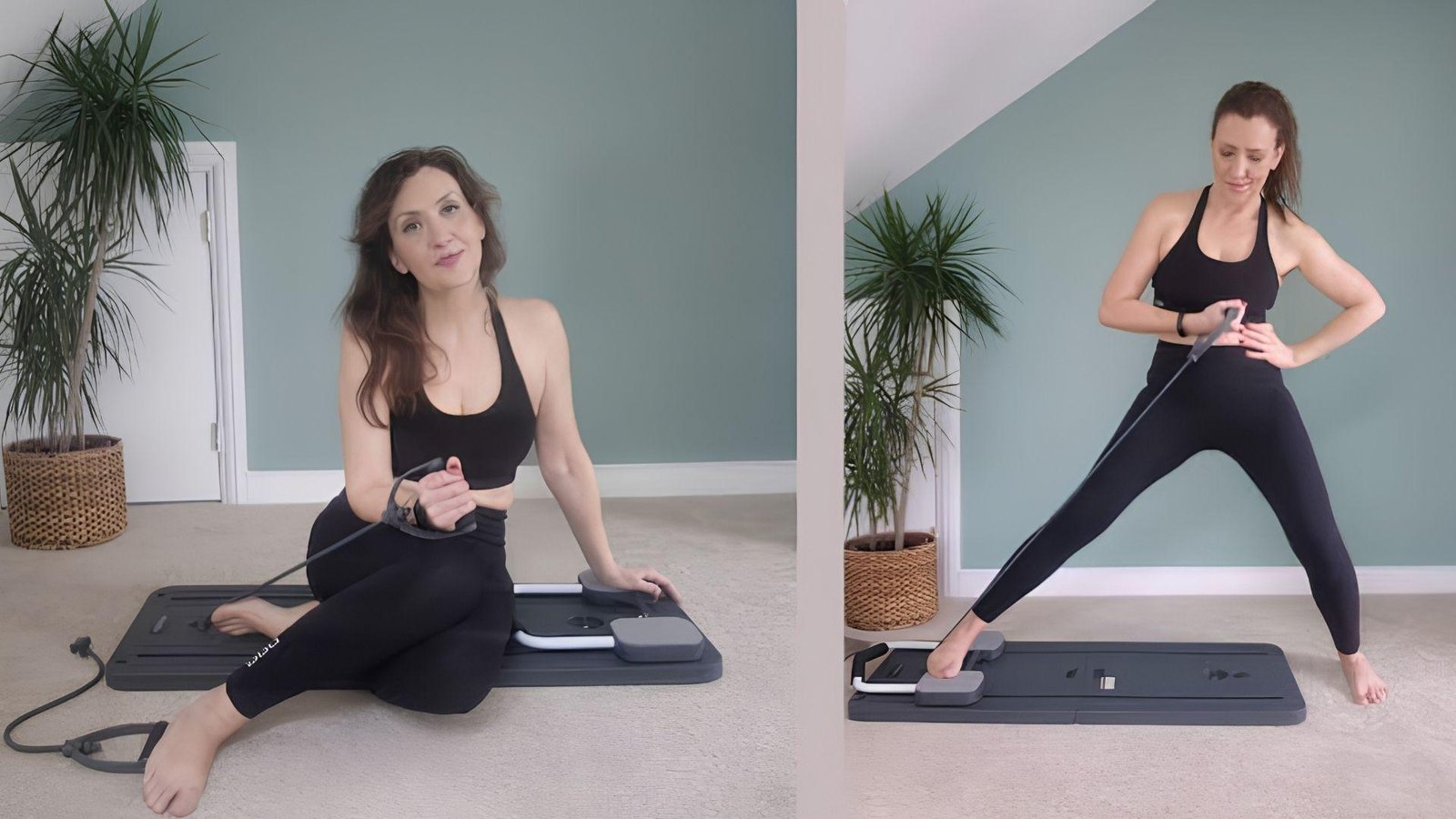
The pilates board looks simple. But once you start using it, you realize how much it demands from your body.
It's low-impact, so your joints are protected. But it's far from easy. Every move requires control, balance, and body awareness. That combination is what makes it work.
The board activates multiple muscle groups in a single exercise. Your core fires up to keep you stable. Your glutes, legs, and shoulders work together. You're not just moving, you're building strength from the inside out.
It also fits perfectly in a home setup. No gym needed. The foldable, portable design means you can store it under a bed or take it with you when you travel. Just the board, maybe a resistance band, and a small space.
Consistent pilates board training improves strength, stability, posture, and flexibility. That's a lot from one piece of equipment.
11 Pilates Board Workouts with Step-by-Step Instructions
Here's a breakdown of the best pilates board exercises, each one explained clearly so you can do them right from day one.
1. Plank Roll-Out (Core Workout)
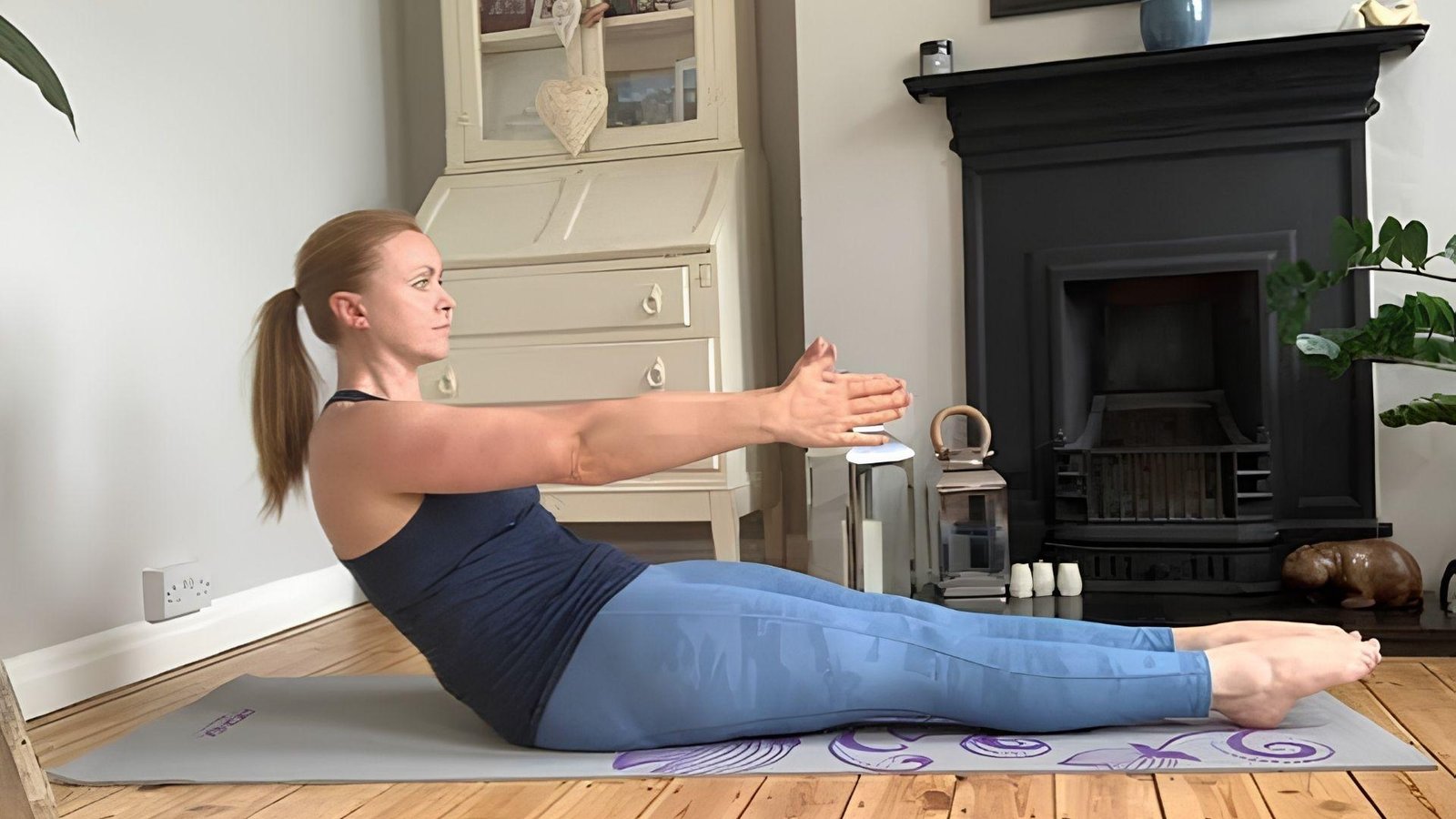
Muscles worked: Core, shoulders, and hip flexors.
Place your forearms or hands on the board in a plank position. Slowly roll the board forward, extending your body as far as you can control.
Then pull back to the starting position using your core. Aim for 8 to 10 reps per set.
The most common mistake is letting your hips sag or rise too high, so keep your body in one straight line throughout. As you get stronger, increase the range of motion to keep it challenging.
2. Bicycle Crunch (Core & Obliques)
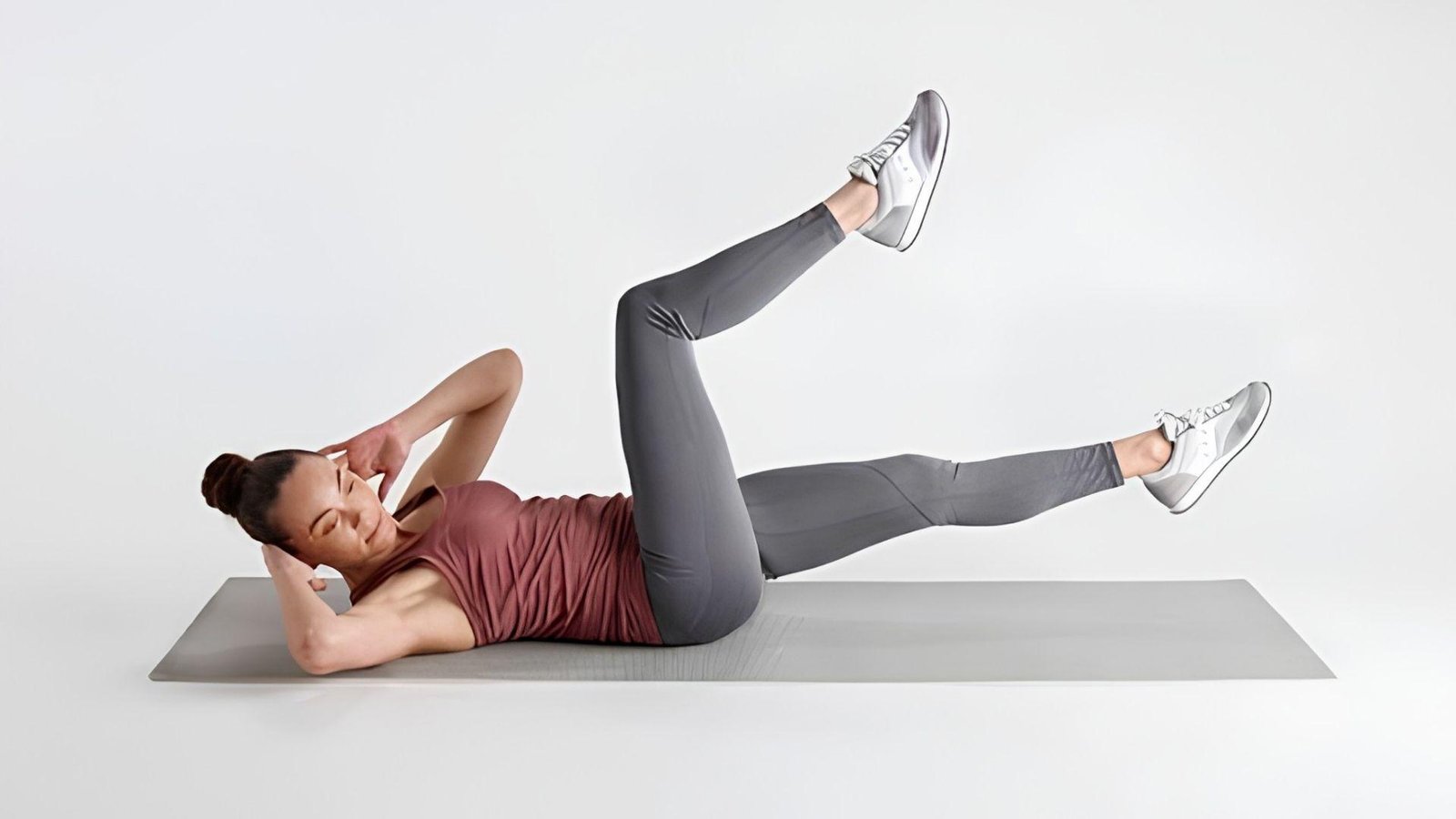
Muscles worked:Abs, obliques, and hip flexors.
Lie on your back with the board under your lower back. Bring one knee toward your chest while rotating your opposite elbow toward it.
Alternate sides in a slow, controlled motion. Aim for 12 to 15 reps per side. Don't pull on your neck, let your core do the work.
Keep the movement deliberate, not rushed. Speed makes this exercise less effective, not more.
3. Mountain Climbers (Core & Cardio)
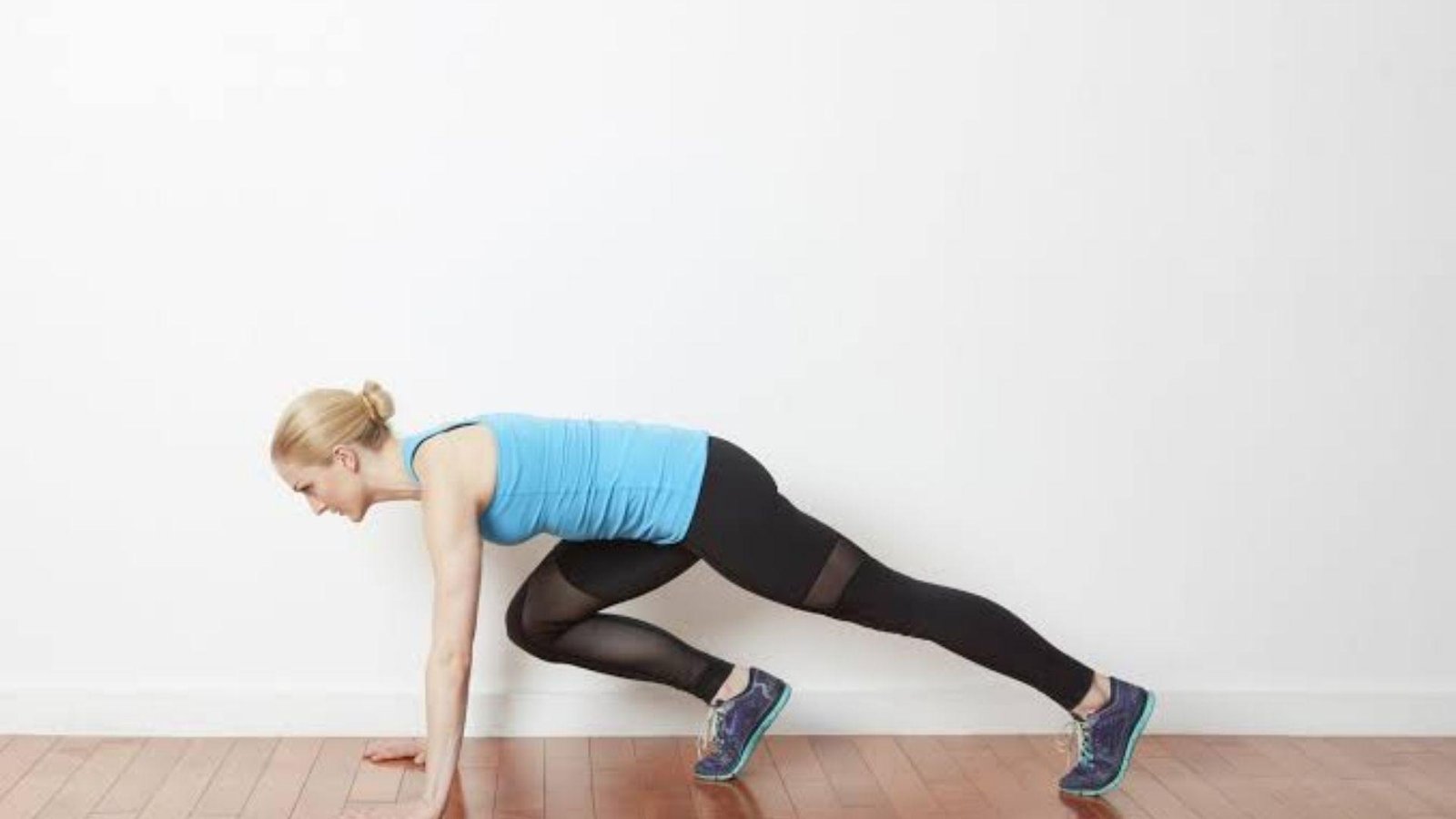
Muscles worked: Core, shoulders, hip flexors, and quads.
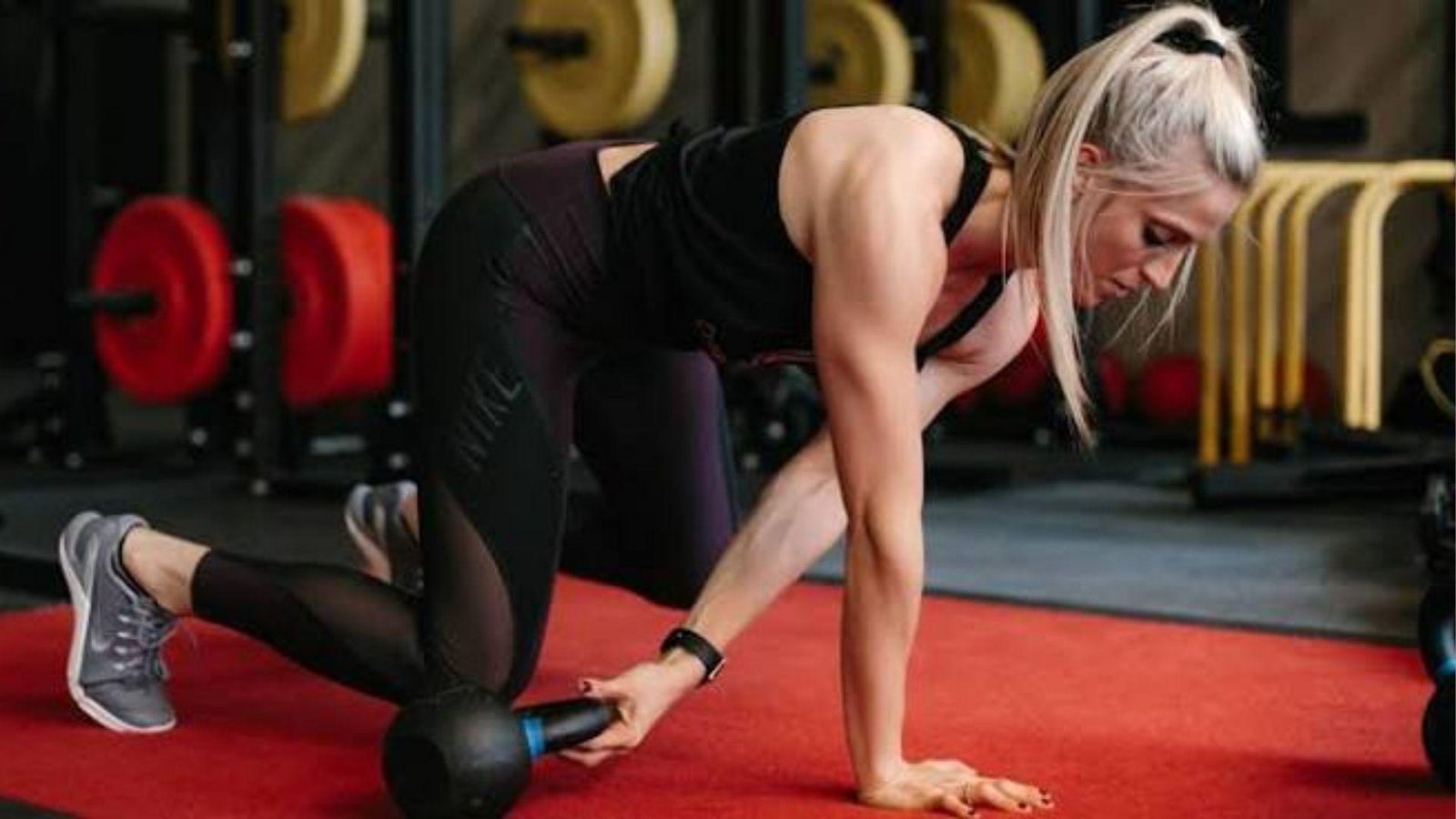
Start in a push-up position with hands on the board. Drive one knee toward your chest, then switch quickly.
If you're a beginner, slow the pace down and focus on keeping your hips level and your core tight.
For a more advanced variation, increase your speed and add a slight twist with each drive to target your obliques. Both versions are effective, so match the intensity to where you are right now.
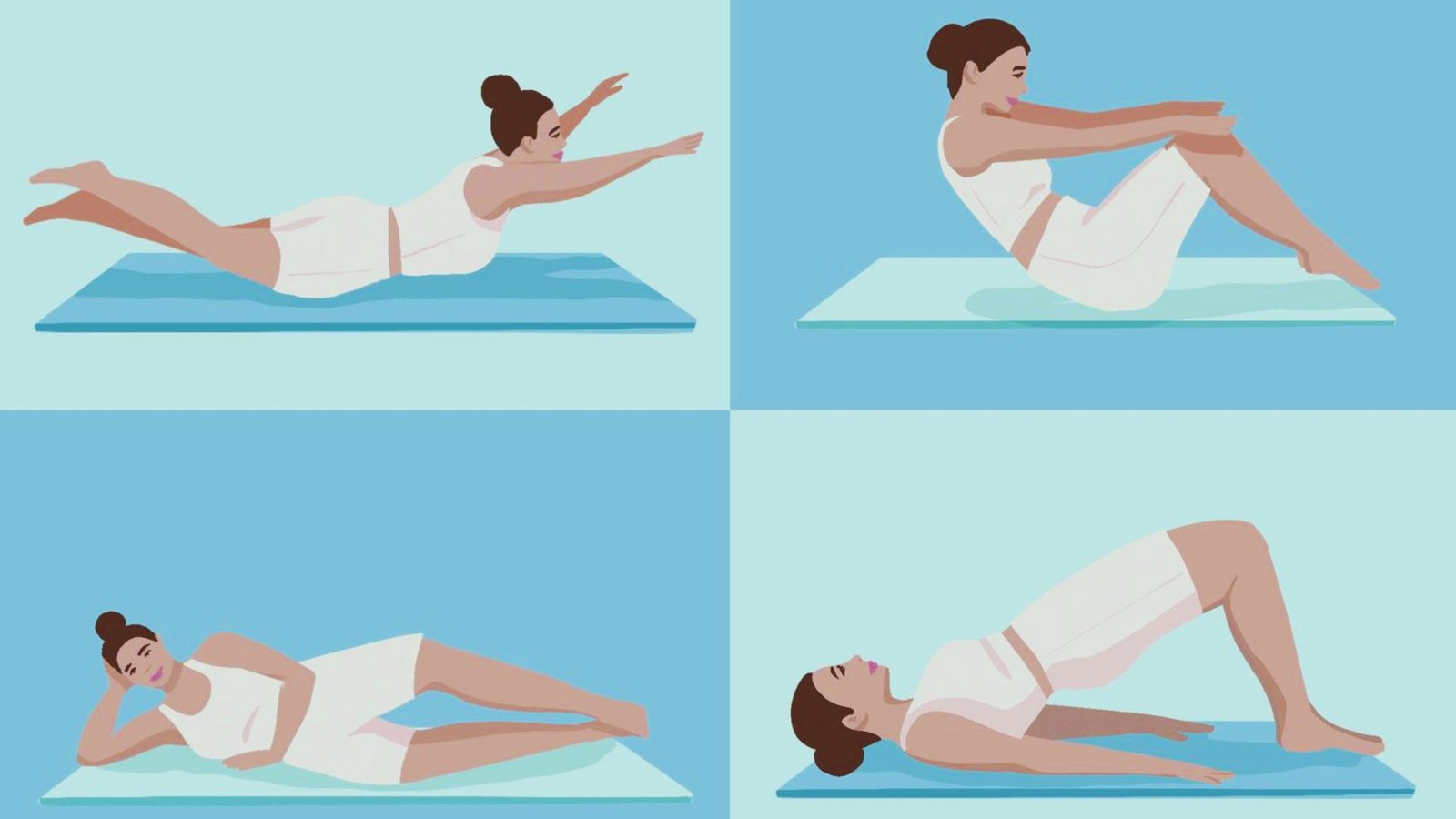
4. Glute Bridge (Glute Workout)
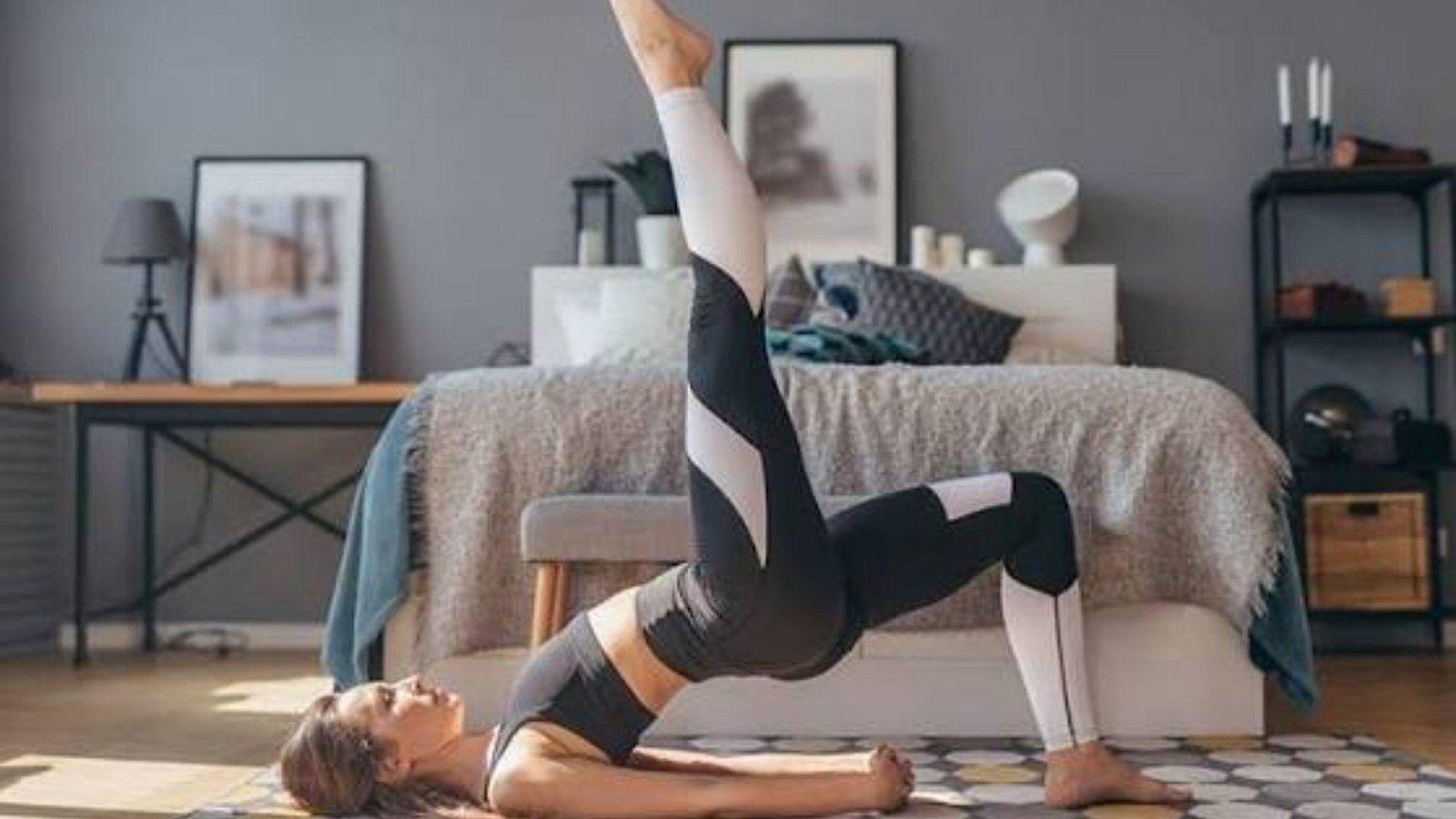
Muscles worked:Glutes, hamstrings, and lower back.
Lie on your back with your feet flat on the board. Press through your heels and lift your hips until your body forms a straight line from knees to shoulders.
Squeeze your glutes hard at the top and hold for 2 to 3 seconds before lowering. To make it harder, add a resistance band just above your knees.
That small addition forces your glutes to work against the pull, which makes a big difference over time.
5. Resistance Band Squat (Glutes & Legs)
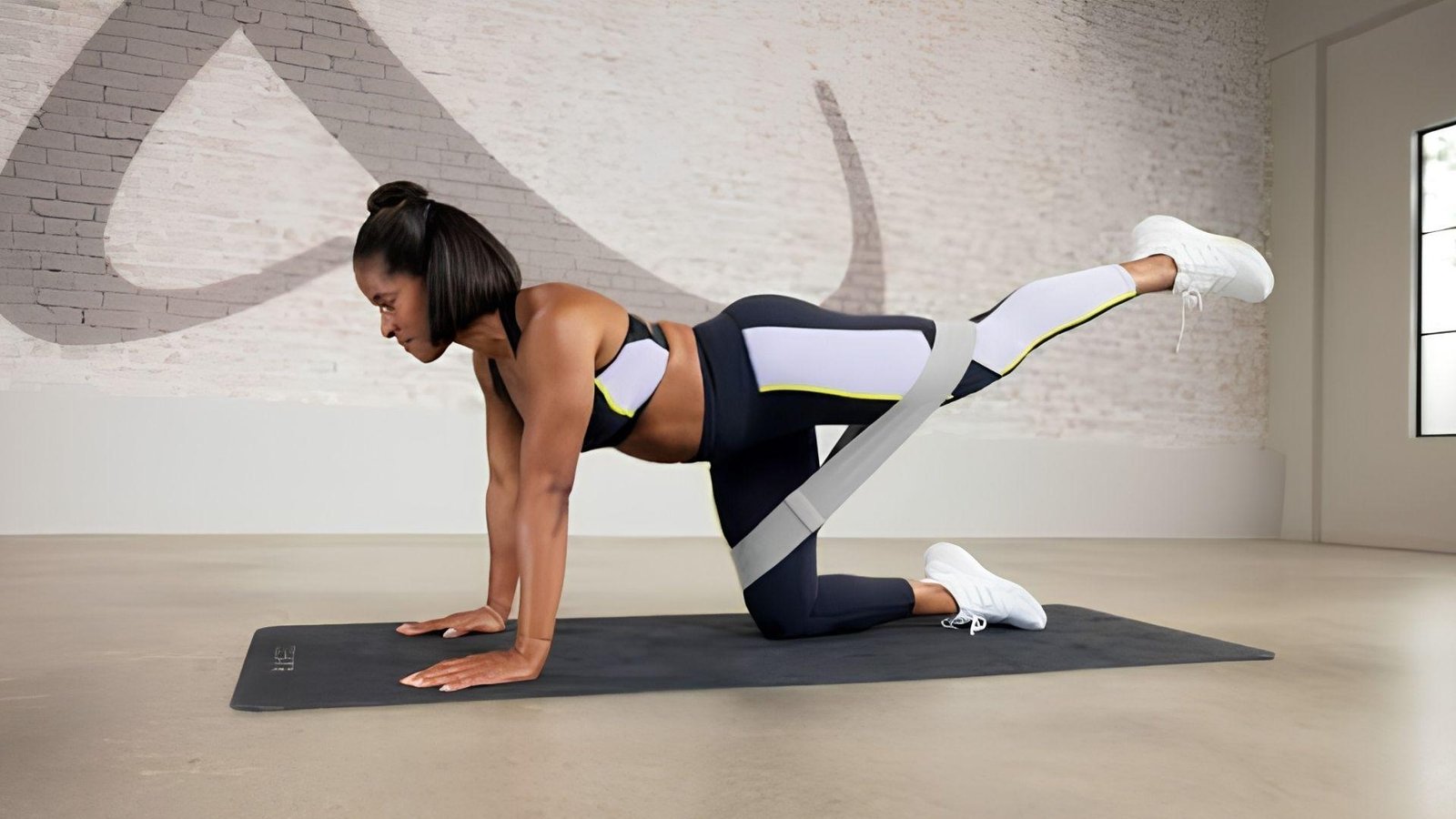
Muscles worked:Glutes, quads, and hamstrings.
Stand on the board with a resistance band just above your knees and your feet shoulder-width apart.
Squat down until your thighs are parallel to the floor, then drive back up through your heels. Aim for 12 to 15 reps. Keep your chest up the whole time and don't let your knees cave inward, as that's the most common form mistake with this one.
If your knees are collapsing, reduce the band resistance and rebuild the habit with lighter load first.
6. Reverse Lunge (Glutes & Balance)
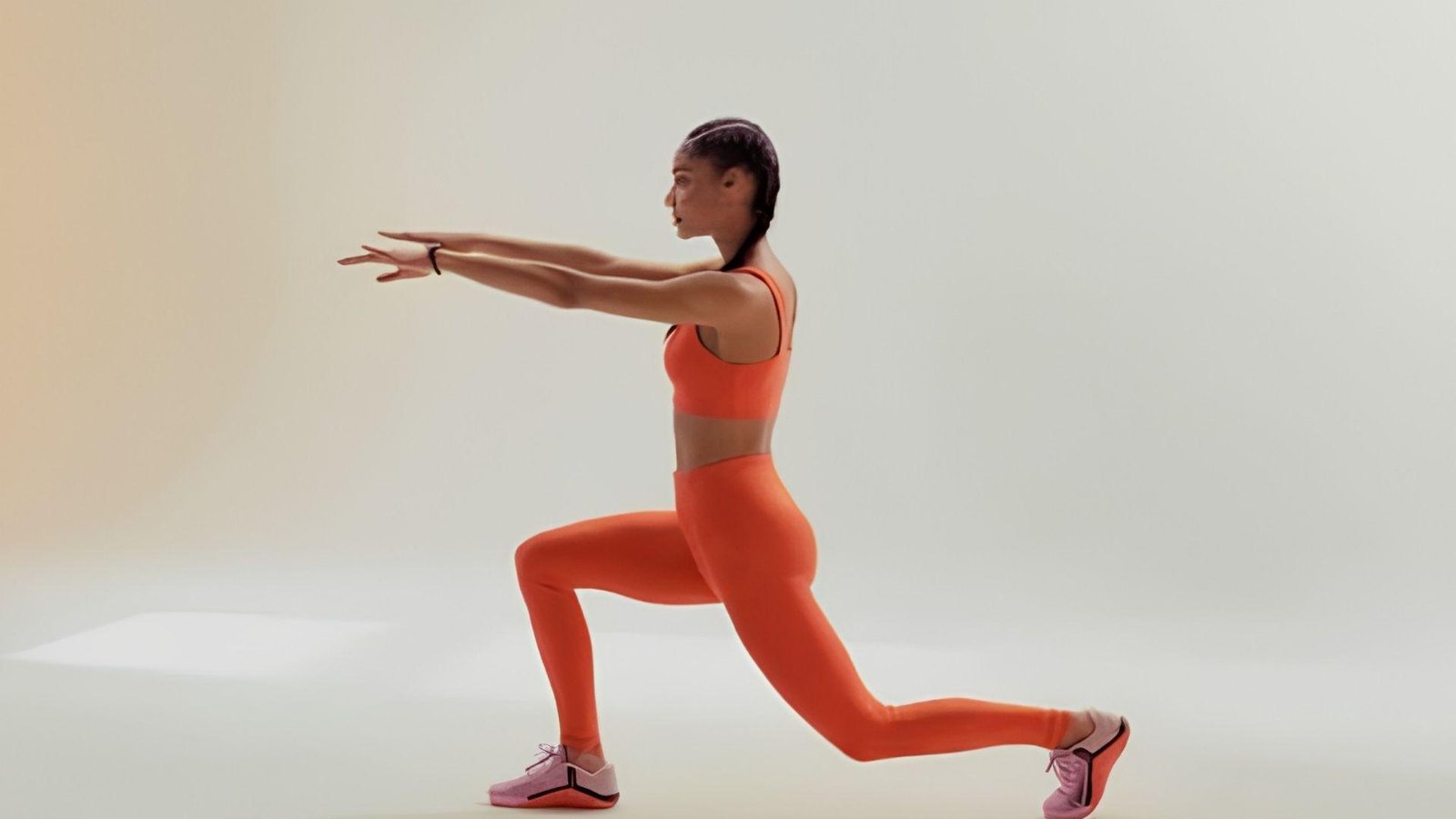
Muscles worked:Glutes, quads, hamstrings, and calves.
Stand on the board with feet hip-width apart. Step one foot back into a lunge and lower your back knee toward the floor. Push through your front heel to return to standing.
To stay balanced, fix your gaze on one point directly in front of you. The most common mistakes are leaning too far forward and rushing the movement.
Both rob you of the glute activation you're after. Stay slow, stay upright, and feel the muscle working before you add speed.
7. Side Leg Lift (Outer Glutes)
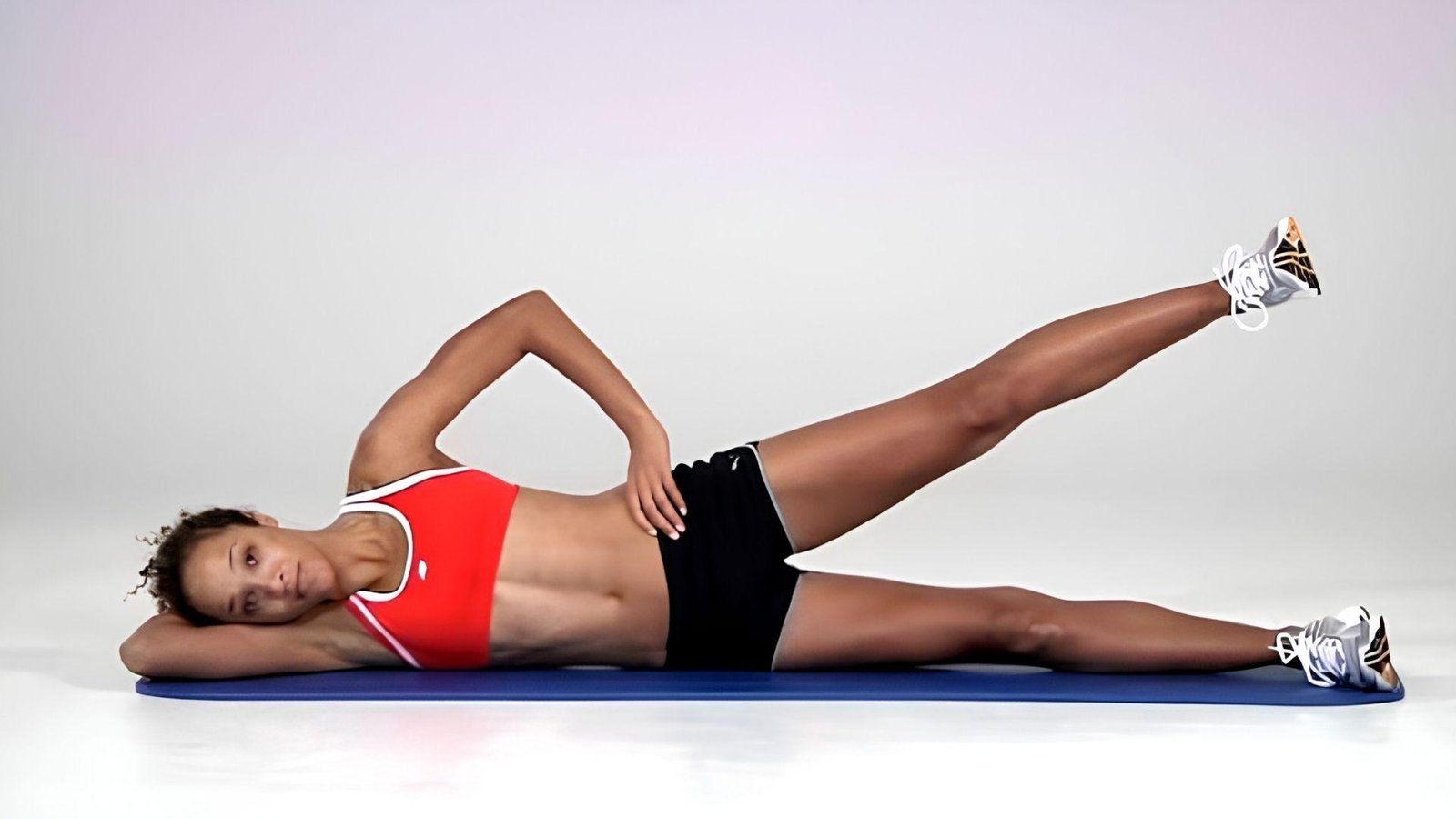
Muscles worked:Glute medius and hip abductors.
Lie on your side on the board and keep your body in a straight line from head to toe. Lift your top leg slowly, pause for a second at the top, then lower it back down with control.
Do 12 to 15 reps per side. Once that starts to feel easy, add an ankle weight or a resistance band just above your knees to increase the load.
The outer glutes respond well to added resistance once you've built the basic movement pattern.
8. Resistance Band Row (Upper Body)
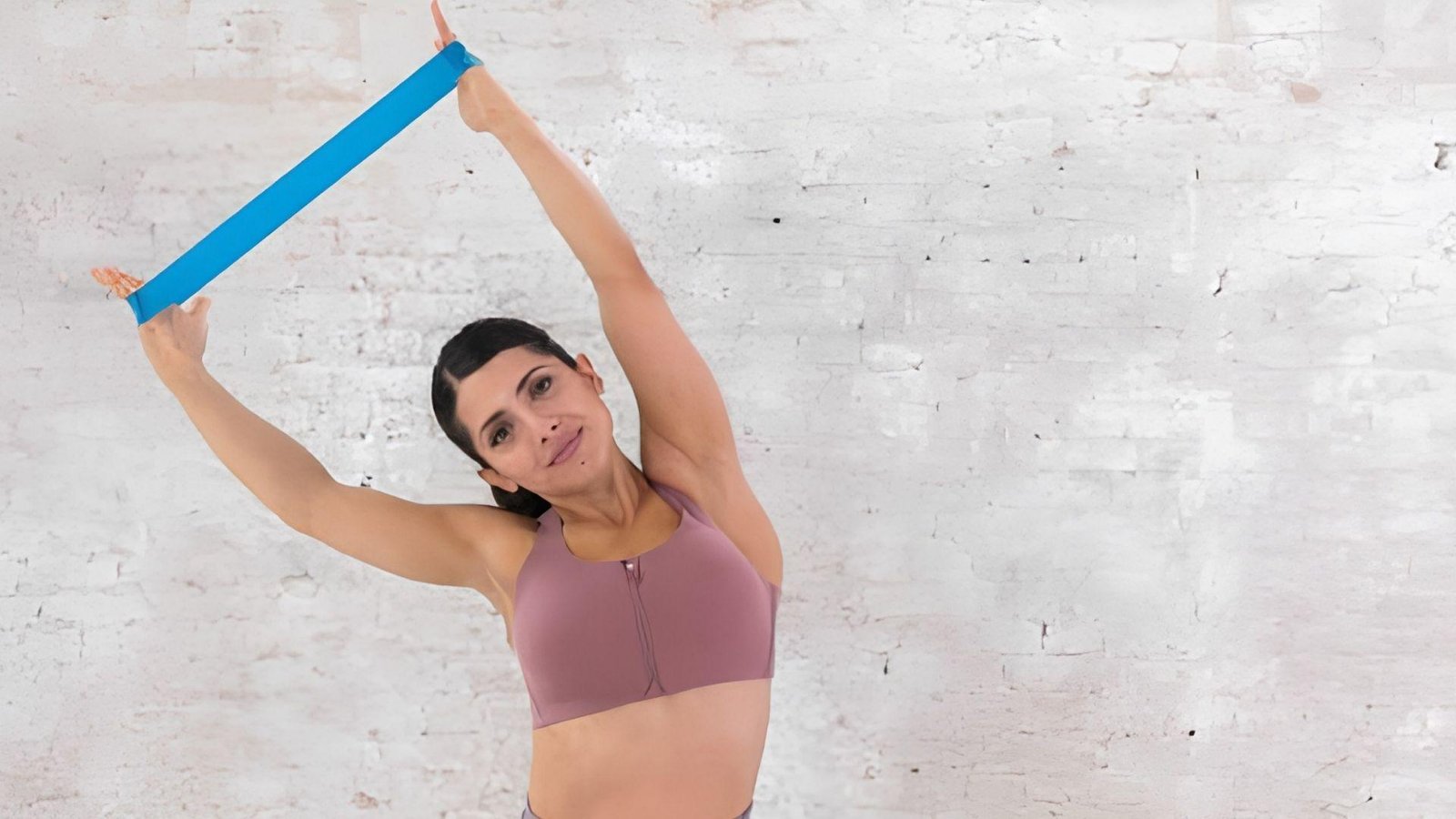
Muscles worked:Rhomboids, lats, biceps, and rear deltoids.
Attach the board's resistance bands to the anchor point at chest height. Stand on the board holding the band handles.
Pull both handles toward your waist and squeeze your shoulder blades together at the end of each rep. Then slowly release back to the start. Keep your elbows close to your body throughout and avoid shrugging your shoulders.
If you feel it more in your traps than your back, lower the anchor point slightly and focus on pulling with your elbows, not your hands.
9. Push-Up with Pilates Board (Chest, Shoulders & Core)
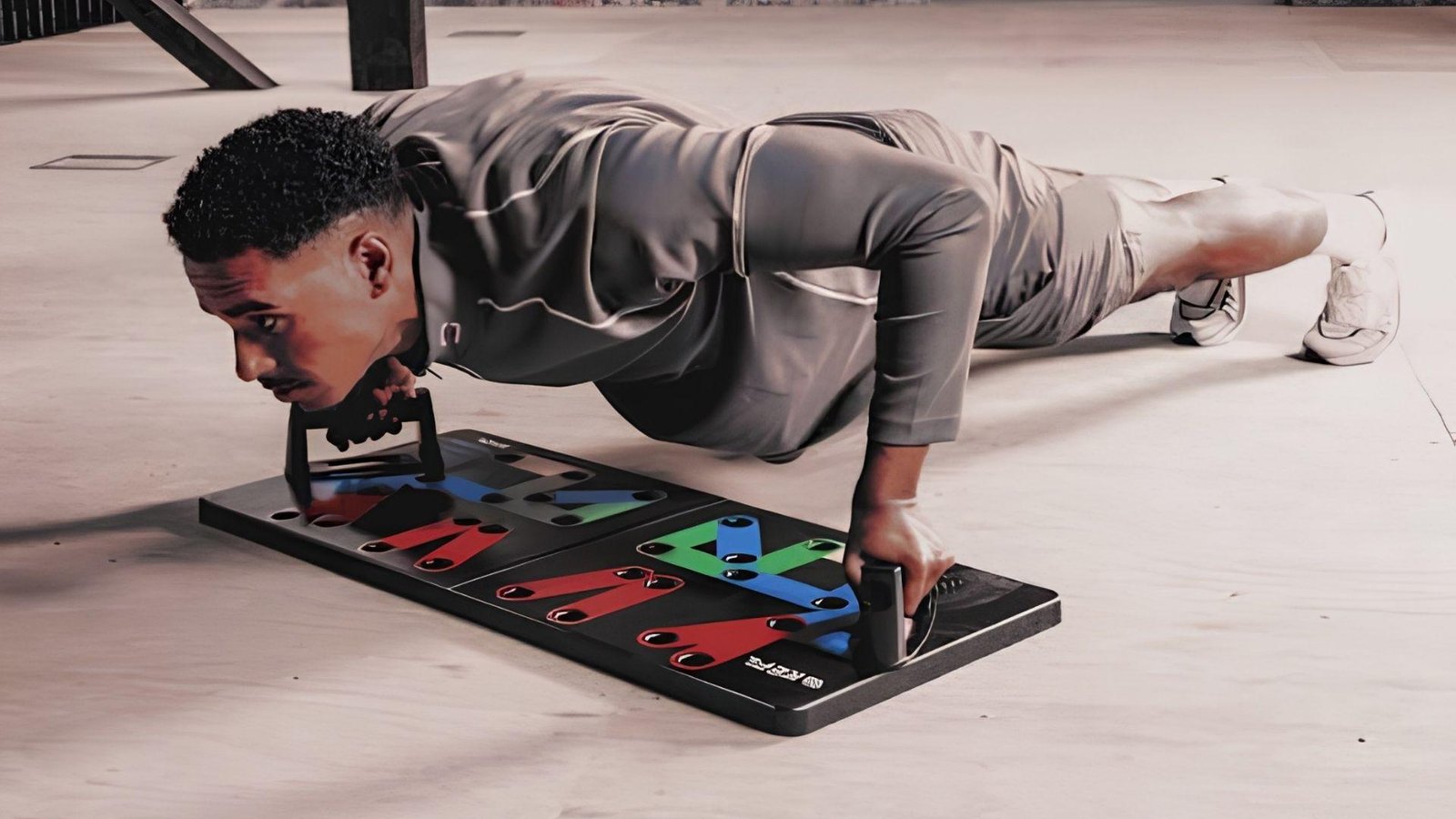
Muscles worked: Chest, shoulders, triceps, and core.
Place your hands on the board slightly wider than shoulder-width. Lower your chest toward the board in a controlled movement, then push back up fully.
If you're just starting out, drop your knees to the floor. It reduces the load without changing the movement pattern much. For a harder version, elevate your feet on a surface behind you for a decline push-up, which shifts more load onto your upper chest and shoulders.
Pick the version that challenges you without breaking your form.
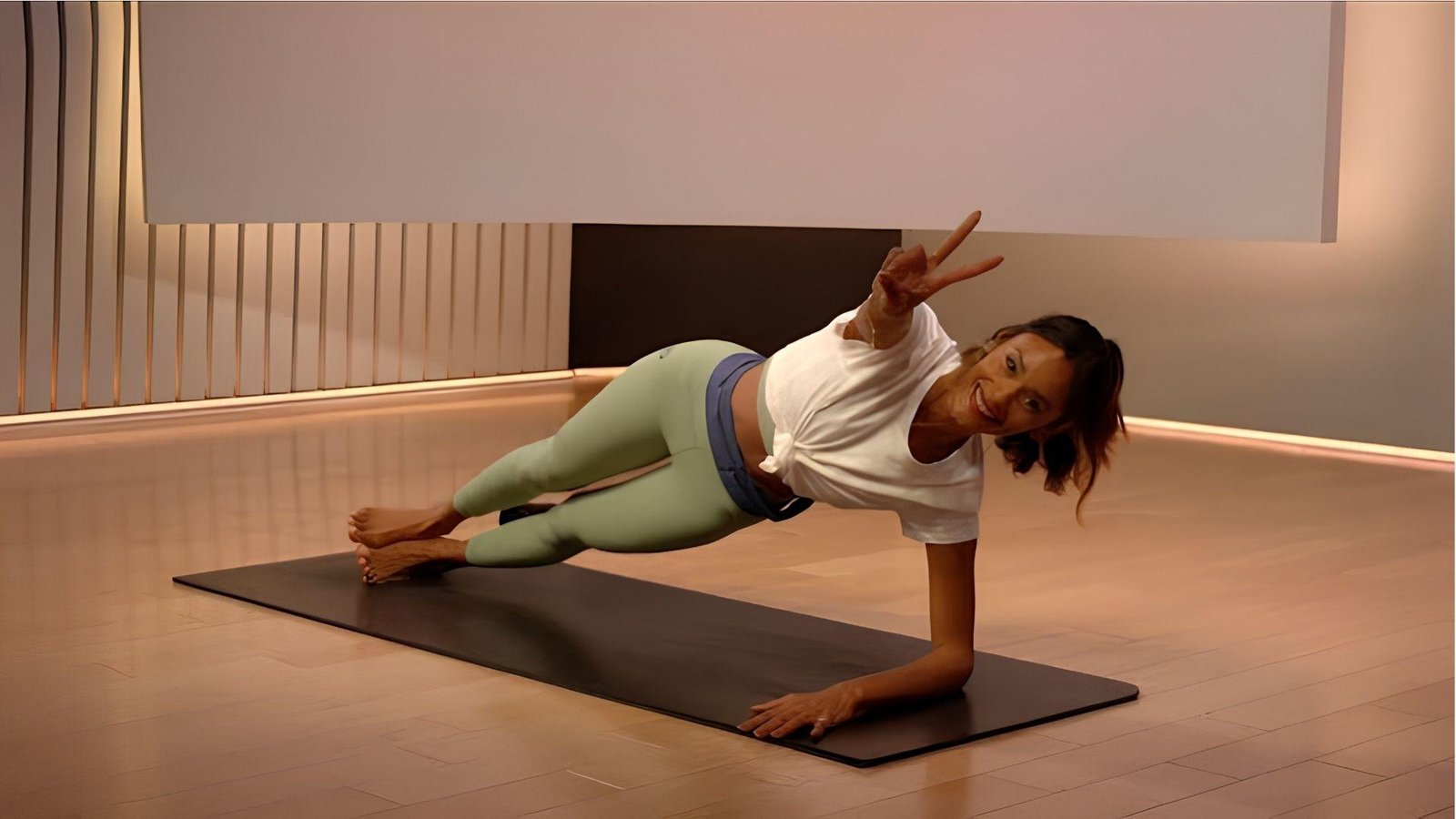
10. Side Plank Hold (Balance & Core Stability)
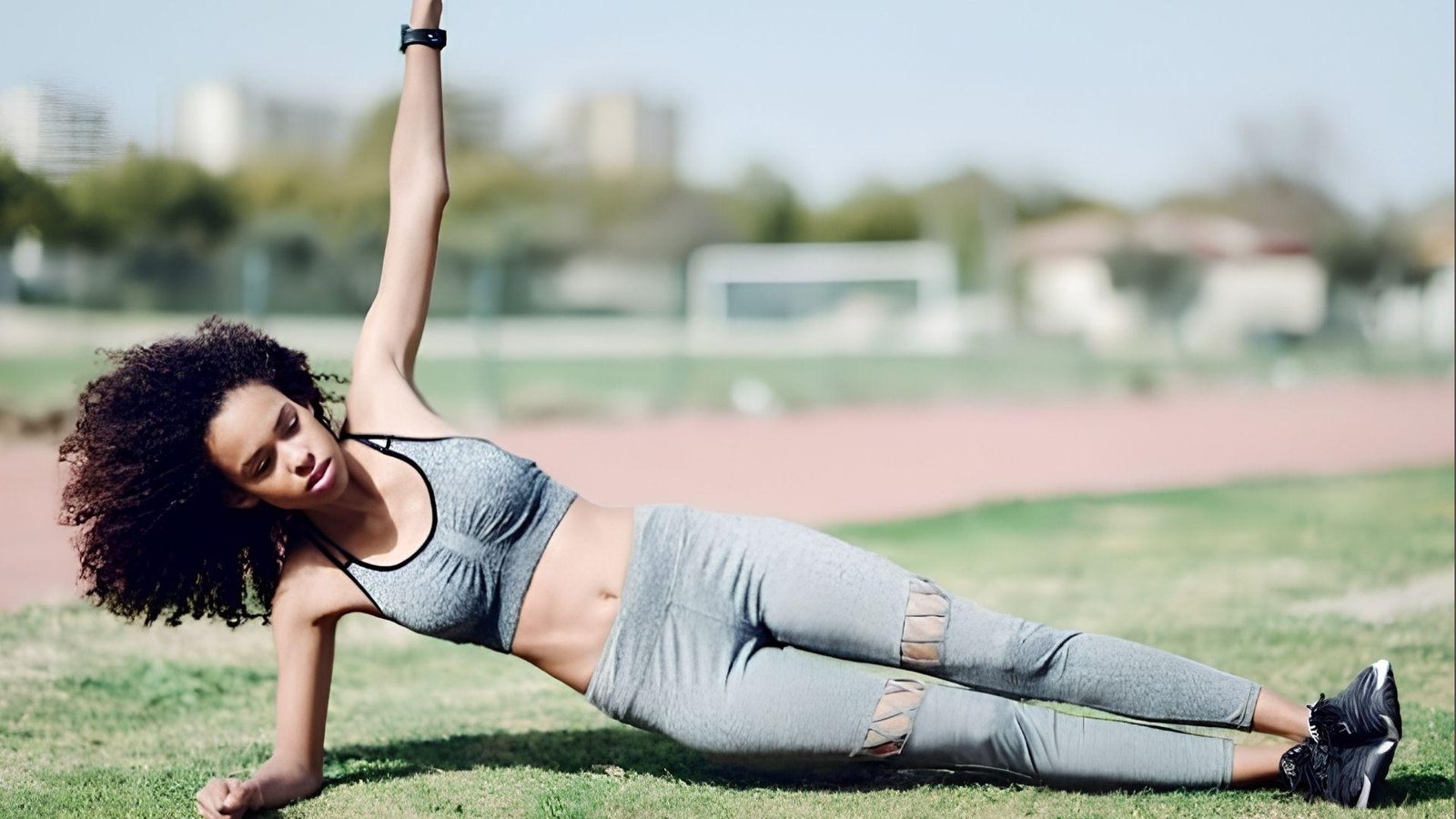
Muscles worked:Obliques, glutes, shoulders, and core.
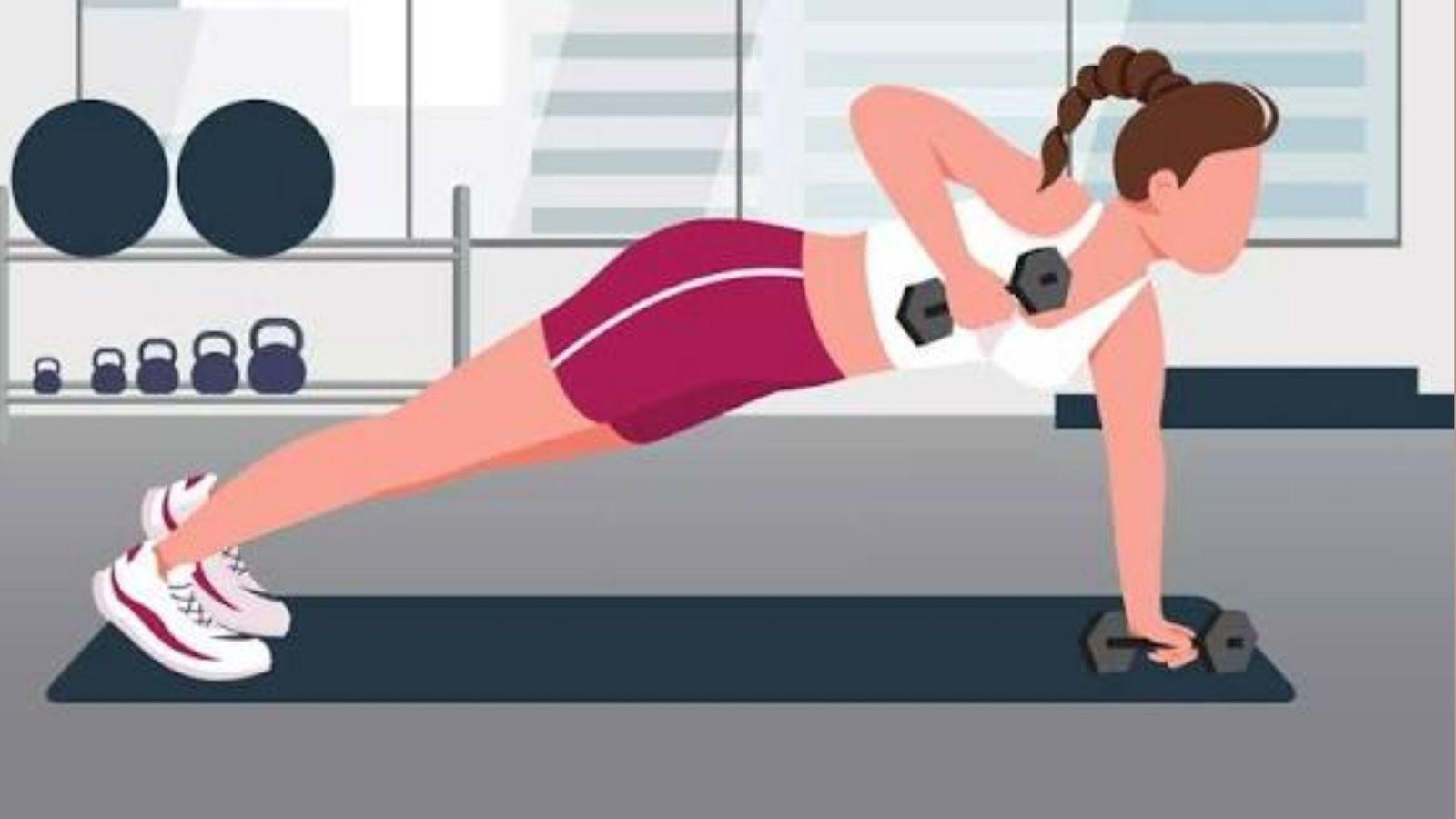
Place one hand on the board and stack your feet on top of each other. Lift your hips off the ground and hold your body in a straight line from head to feet.
Aim to hold for 20 to 40 seconds per side. If that's too hard right now, keep your bottom knee on the floor for support.
It takes pressure off your shoulder and lets you build the hold time gradually. Work up to the full version as your core gets stronger.
11. Back Extension and Shoulder Stretch (Recovery & Mobility)
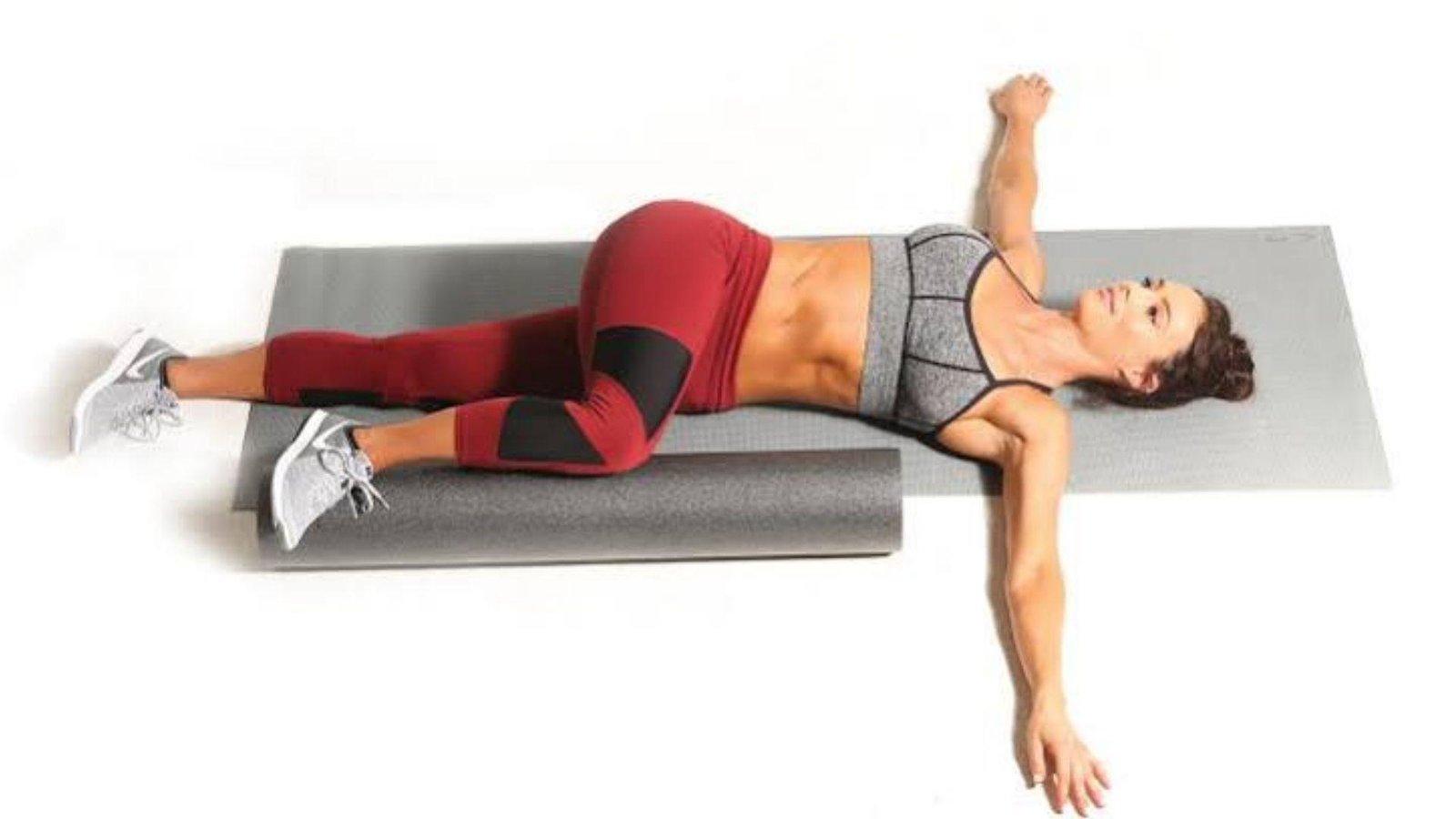
Muscles worked:Lower back, rear deltoids, and thoracic spine.
Lie face down on the board with your arms along your sides or extended overhead. Gently lift your chest and arms off the board, hold for 5 to 8 seconds, then slowly lower back down.
Breathe through each hold and don't force the range of motion. This one isn't meant to burn, it's meant to restore.
It reduces stiffness in the lower back, supports spinal flexibility, and opens up the shoulders after a session. Don't skip it just because it feels easy.
Pilates Board Workout Routines for Different Goals
Use these ready-made routines based on your time and goals, no guessing needed.
15-Minute Beginner Pilates Board Workout
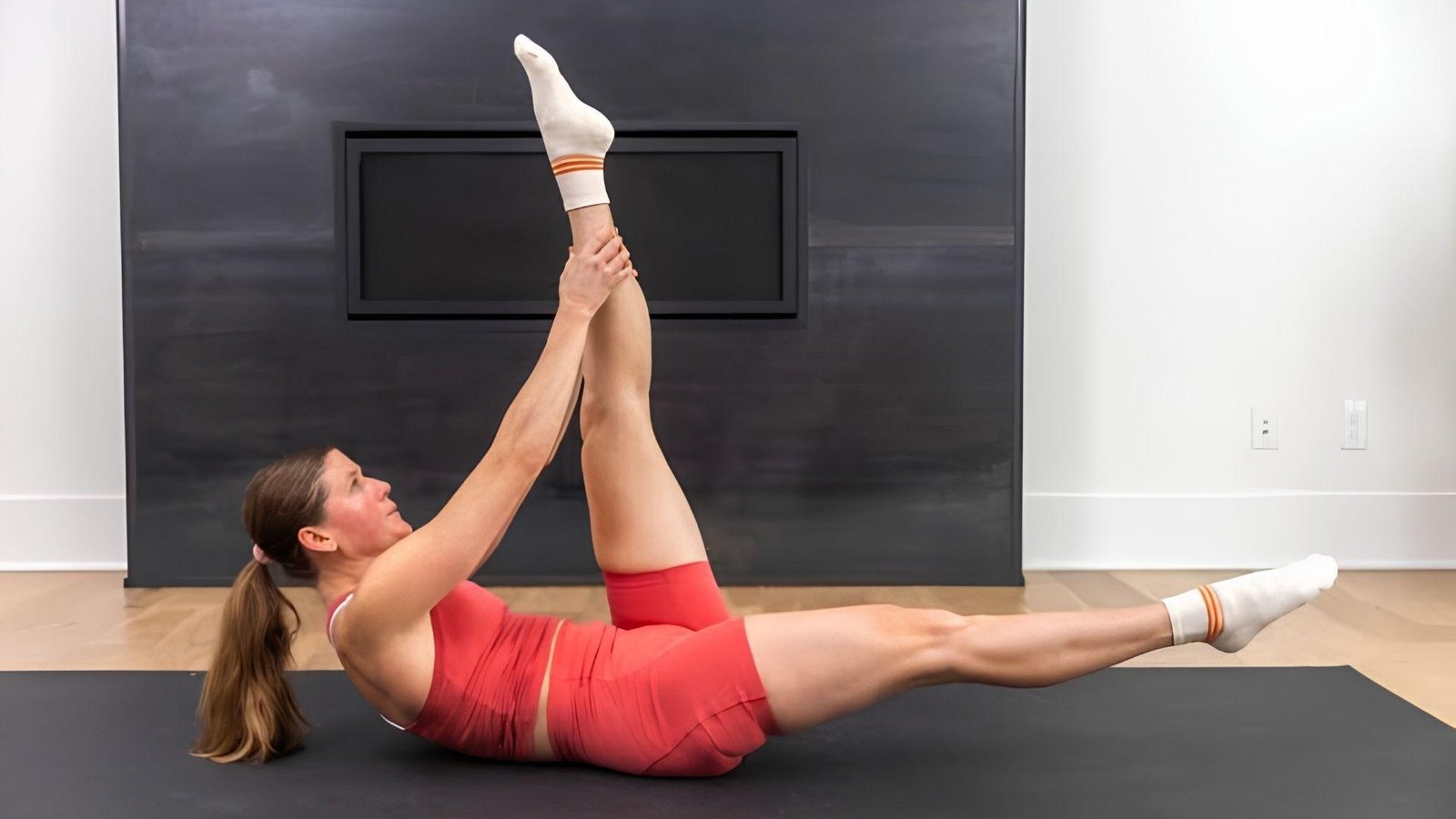
Start with a 2-minute warm-up. March in place and add gentle hip circles to loosen up.
Then move through five beginner exercises:glute bridge for 10 reps, side leg lift for 10 reps each side, slow mountain climbers for 30 seconds, a plank hold for 20 seconds, and back extensions for 8 reps.
Finish with a 2-minute cool-down using child's pose and a gentle chest stretch. Focus on breathing and letting your muscles relax fully before you move on with your day.
20-Minute Core Workout
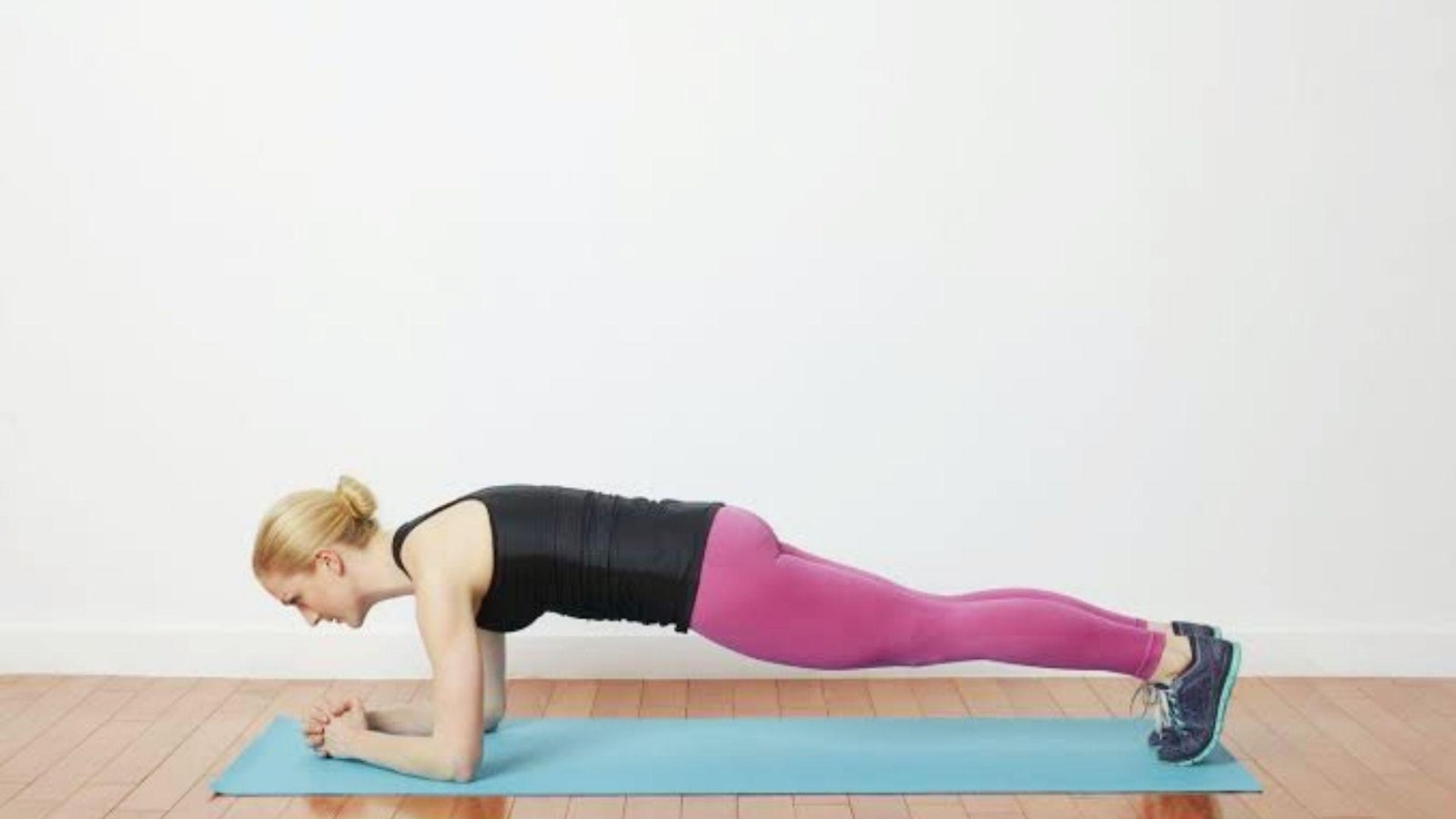
Work through the exercises in this order: plank roll-out, bicycle crunch, mountain climbers, side plank hold, and back extension.
Do 3 sets of each exercise with 10 to 12 reps per set. Rest for 30 seconds between sets and 60 seconds between exercises. Keep your rest periods short to maintain intensity.
The goal here is to keep your core engaged throughout the entire session, not just during the hard parts. That consistent engagement is what builds real core strength over time.
20-Minute Glute Workout
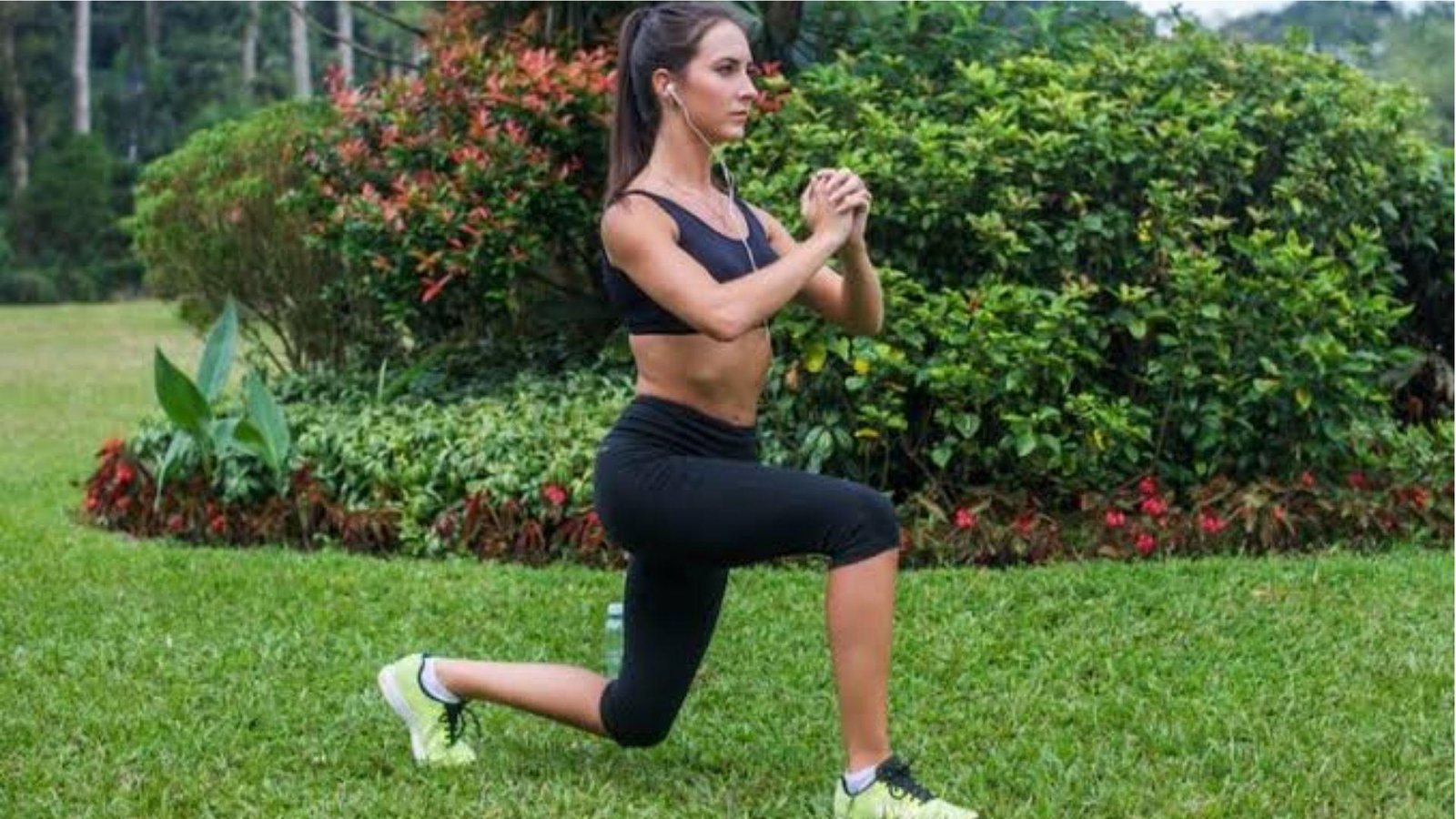
Go through the exercises in this order: glute bridge, resistance band squat, reverse lunge, and side leg lift. Complete 3 sets of each with 12 to 15 reps per set.
Start with a light to medium resistance band and increase the resistance once 15 reps start feeling easy.
Track your band level each session so you always know when it's time to level up. Small increases in resistance over time add up to serious glute development over a few weeks.
30-Minute Full-Body Pilates Board Workout
Start with upper body work. Do 3 sets each of resistance band row and push-up. Move into core work with 3 sets each of plank roll-out, bicycle crunch, and side plank hold.
Then hit the lower body with 3 sets each of glute bridge, resistance band squat, and reverse lunge.
Finish with a 5-minute cool-down that includes a shoulder stretch, hip flexor stretch, and back extension. Breathe slowly through each stretch and give your body time to reset before you move on.
How to Progress Your Pilates Board Workouts
Start with the basics and nail your form before adding resistance or reps. Once an exercise feels too easy, and you'll know when that happens, it's time to apply progressive overload.
Add reps, increase resistance band strength, slow down the movement, or try a harder variation. I personally track my sessions in a notebook.
It takes two minutes and makes a big difference. Small weekly tweaks keep your body challenged without burning you out.
Consistency over intensity, that's the real rule with pilates board workouts.
Common Mistakes to Avoid
Even good workouts go wrong without the right habits.
- Skipping the warm-up: Cold muscles get injured easily. Always spend two minutes loosening up before you start.
- Rushing through reps:Speed kills form. Slow and controlled always beats fast and sloppy.
- Forgetting core engagement:Your core should be switched on in almost every exercise. If it's not, you lose stability and results.
- Going too heavy too soon: Too much resistance too early overloads your joints. Build up gradually and let your body adapt.
- Skipping the cool-down:The back extension and shoulder stretch at the end reduce soreness and keep you moving well long-term.
Conclusion
Pilates board workouts changed how I train at home. Simple to start, but they keep pushing you as you get stronger.
I started with the glute bridge and side leg lifts. Within weeks, I was doing full-body routines. The progress was real.
It builds strength, fixes posture, and fits any schedule. No reformer machine needed.
Try one routine this week and see how your body responds. Drop a comment below and let me know. Share this if it helps!
Frequently Asked Questions
How long does it take to see results from pilates board workouts?
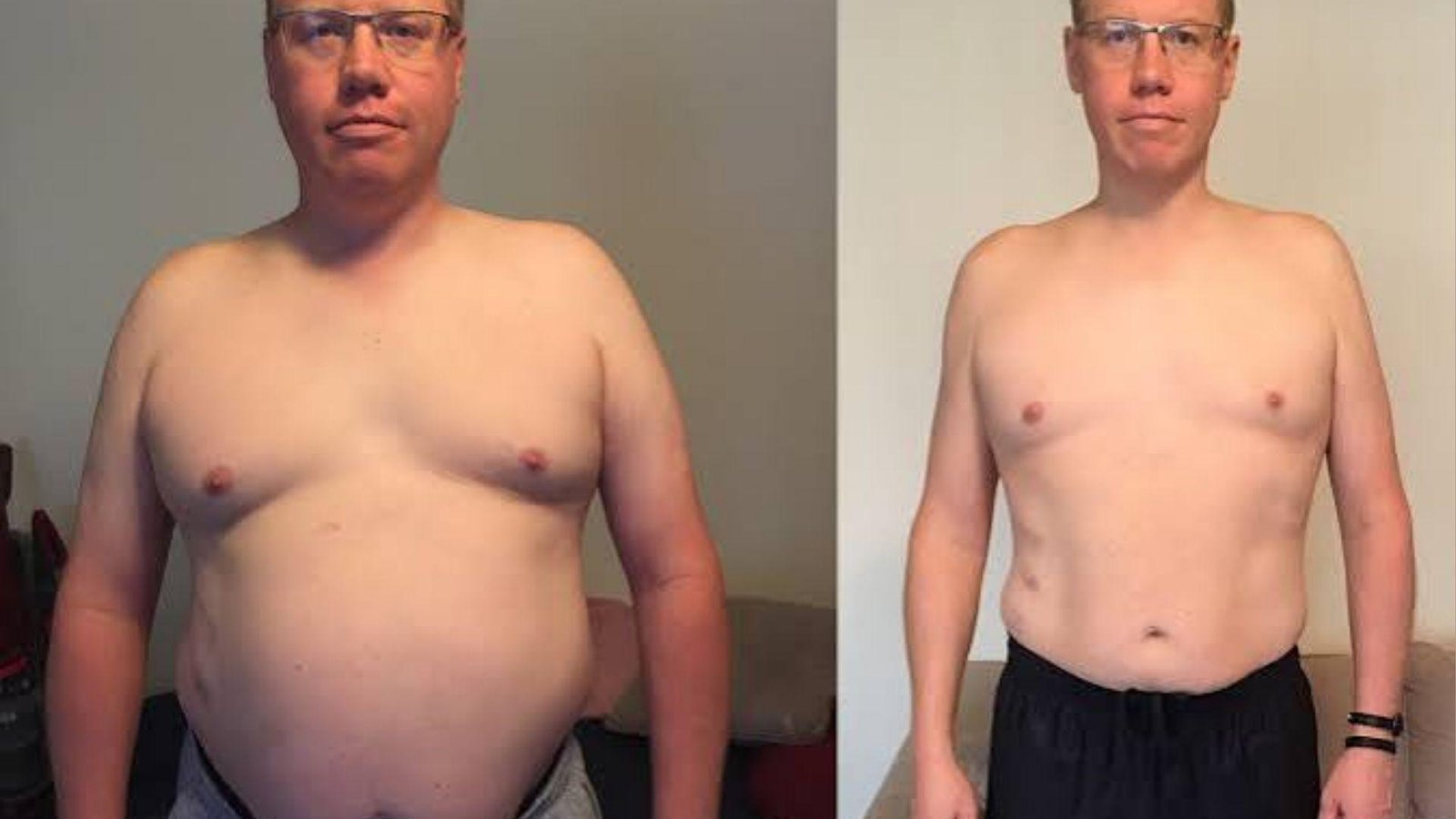
Most people notice improved core strength and posture within 3 to 4 weeks of consistent training, with visible muscle tone appearing around the 6 to 8 week mark.
Can you lose weight with a pilates board?
Yes, pilates board workouts burn calories, build lean muscle, and boost your resting metabolism, all of which support steady fat loss over time.
Is a pilates board good for beginners with no fitness experience?
Yes, because every exercise is low-impact and fully adjustable in intensity, making it one of the safest starting points for total beginners.
How often should you do pilates board workouts?
Three to four sessions per week is the sweet spot for most people, giving your muscles enough work to grow while leaving room to recover.
Do you need grip socks for a pilates board?
Grip socks are not required but are highly recommended since they prevent slipping on the board surface and give you more stability during standing and balance exercises.