
Trying to get fit at home can feel confusing. Where do you even start? I've spent years testing routines, both for myself and through research into what actually works, and I put all of it into this guide.
In this post, I'll walk you through the benefits of a home exercise program, a simple routine for beginners, and how to build your own plan from scratch.
I'll also cover physical therapy programs, useful PDFs and apps, and routines for specific needs like older adults or joint recovery.
If you've ever felt lost trying to figure out what exercises to do or how to stay consistent, this guide will fix that. No fluff. Just simple steps that work.
What is a Home Exercise Program?
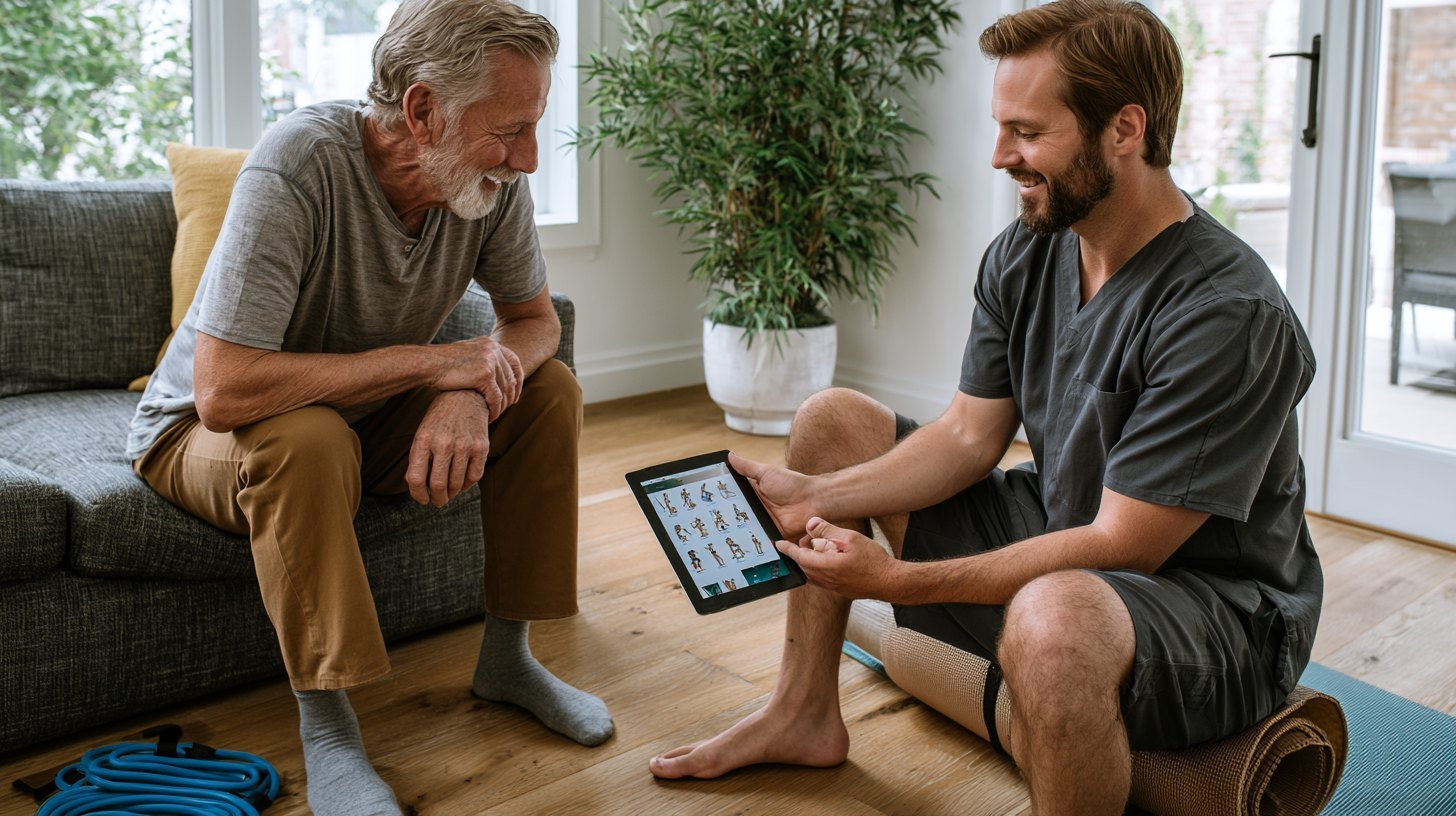
A home exercise program, or HEP, is a list of exercises made just for you. Your physical therapist or doctor puts it together based on your body and your goals.
This is different from a generic workout plan you'd find online. A HEP is built around your specific diagnosis and stage of recovery, not just general fitness.
You do these exercises on your own time, outside of the clinic. This could mean stretching, strengthening moves, or balance work. It all depends on what you need to recover from an injury or manage a health condition.
The point is simple. You keep working on your body even when you are not in front of your therapist. This helps you heal faster and builds habits that stick.
Most programs come with clear instructions. You might get pictures, written steps, or even video links to show you exactly how to do each move. This way, you don't have to guess.
A good home exercise program also grows with you. As you get stronger, your therapist may add new exercises or make the current ones harder. This keeps your body challenged in the right way.
Benefits of Following a Home Exercise Program
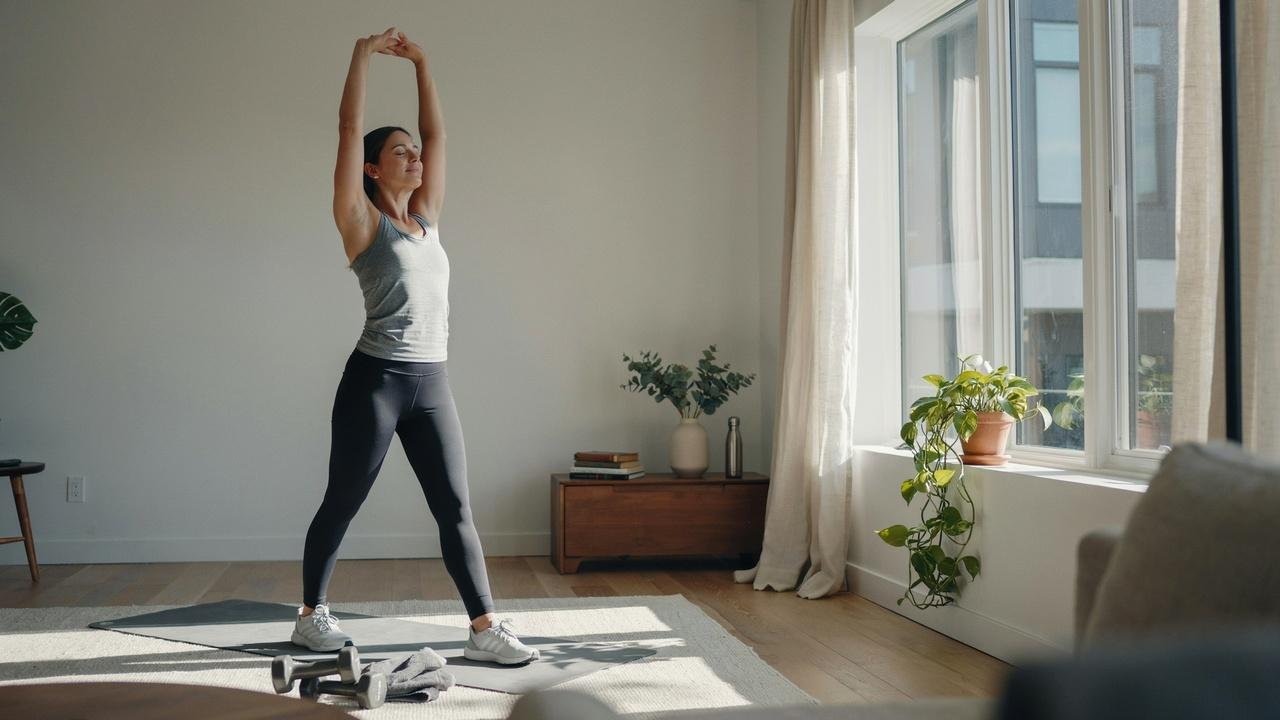
A home workout routine helps you build strength, recover faster, manage health conditions, and stay active without leaving your house.
Improves Strength, Flexibility, and Balance
Regular home workouts build muscle and keep your joints moving well. You don't need heavy weights to see results. Simple moves like squats and lunges work your whole body.
Over time, you'll notice better balance too. This matters more as you get older, since falls become a bigger risk.
Supports Recovery After Injury or Surgery
Doctors often send patients home with a set of exercises after surgery. These moves help rebuild strength and range of motion in the right order. Some patients also start exercises before surgery.
This is called prehab, and it can help your body handle recovery better once surgery is done. Doing them at home means you can fit sessions into your day easily. It also means you don't have to travel to a clinic every time.
Helps Manage Chronic Health Conditions
People with diabetes, arthritis, or heart issues often benefit from steady movement. Home exercise lets you go at your own pace.
You can adjust based on how you feel that day. This kind of routine can lower blood pressure and improve energy levels over months.
Makes It Easier to Stay Active Every Day
Life gets busy. Having a set of exercises ready at home removes the excuse of not having time to drive somewhere.
You can do a quick session in your living room before work or after dinner. Small daily habits add up fast.
Simple Home Exercise Program for Beginners
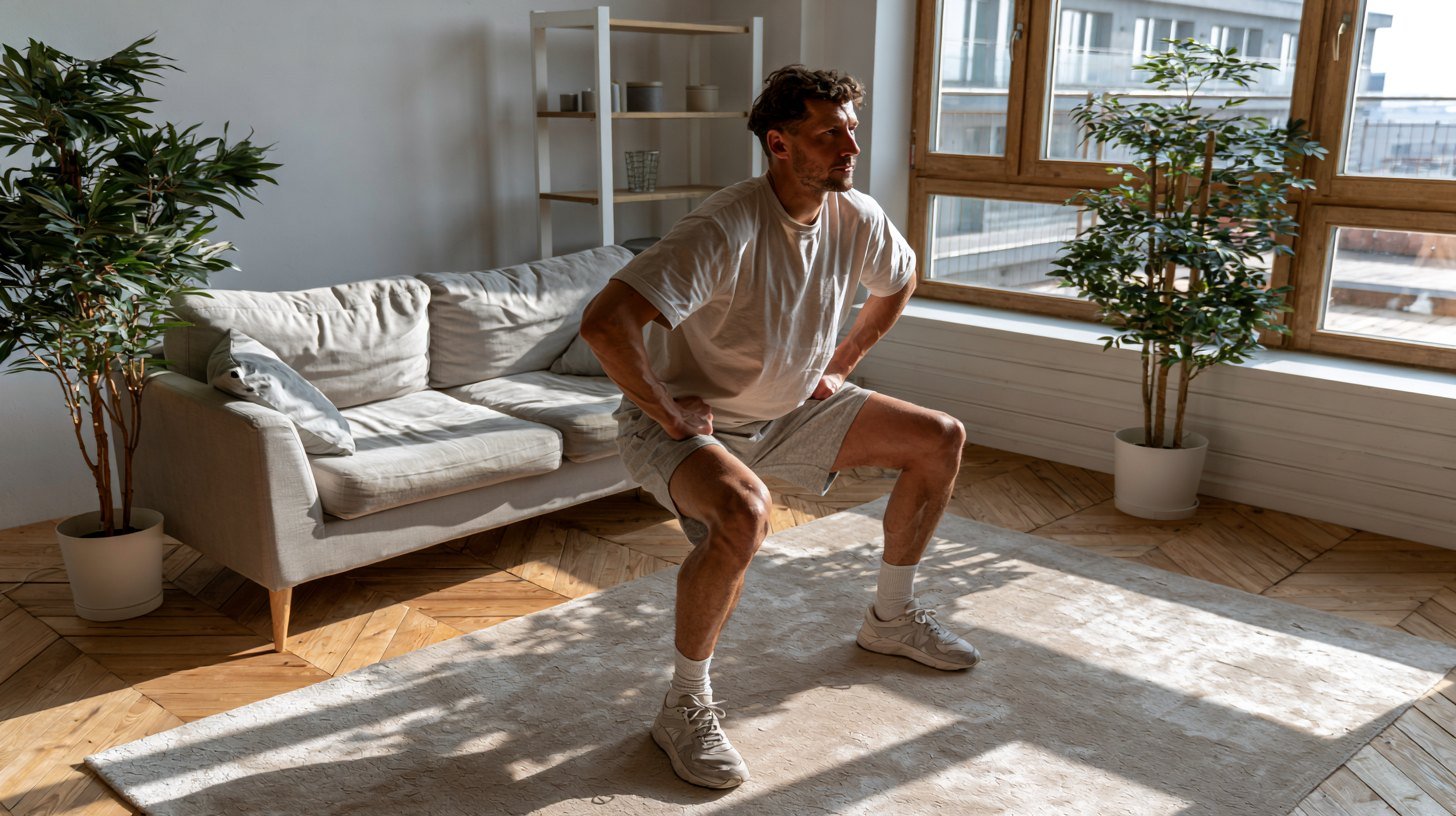
A beginner-friendly routine covers warm-ups, bodyweight strength moves, balance drills, and stretching for a safe start.
Warm-Up Exercises
Start with five minutes of light movement. March in place, do arm circles, or walk up and down your stairs.
This gets blood flowing to your muscles and lowers your chance of getting hurt.
Strength Exercises Using Body Weight
You don't need equipment to build strength. Try squats, wall push-ups, and standing leg lifts. Aim for two or three sets of ten reps. Rest between sets so your muscles can recover.
Balance and Mobility Exercises
Balance work matters at any age. Stand on one foot for ten seconds, then switch sides. Heel-to-toe walking also helps train your body to stay steady.
These moves take just a few minutes but pay off over time.
Stretching and Cool-Down Routine
Finish your session with gentle stretches. Hold each one for twenty to thirty seconds. Focus on your legs, back, and shoulders.
This helps your muscles relax and reduces soreness the next day.
How to Create a Home Exercise Program
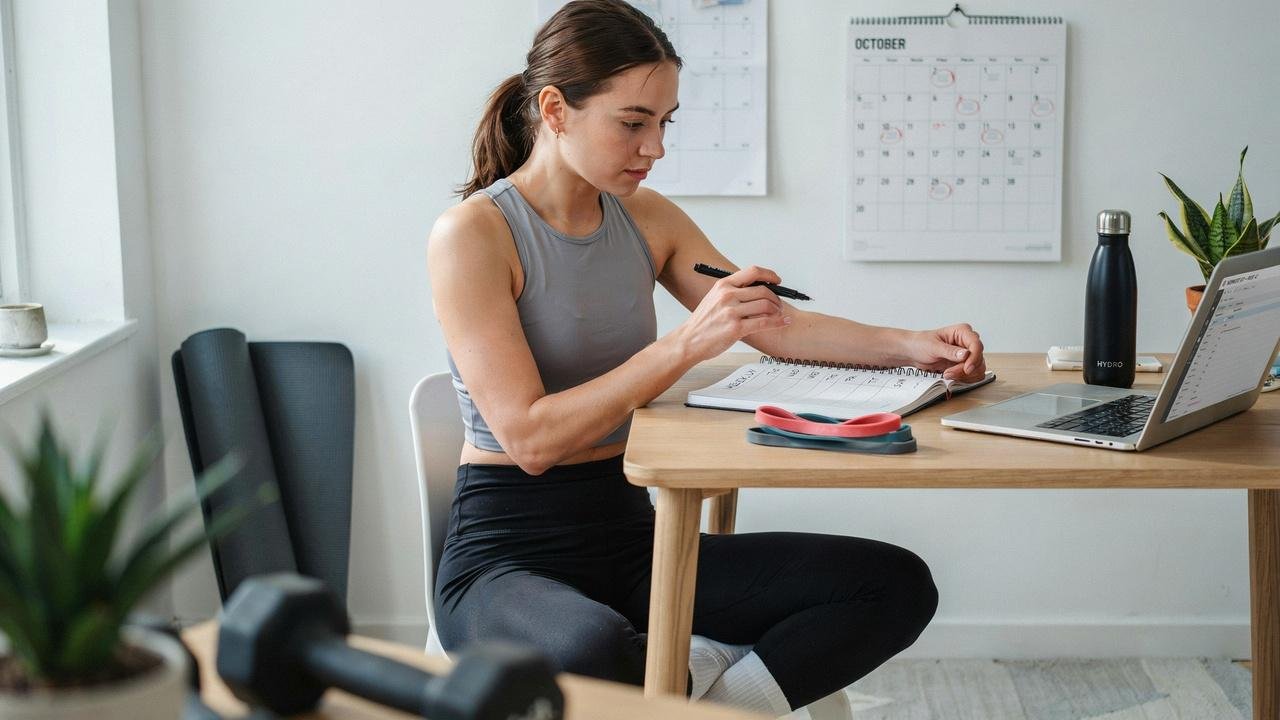
Building your own routine means setting clear goals, picking the right exercises, and planning a weekly schedule that fits your life.
Set Realistic Fitness or Recovery Goals
Start small. Maybe your goal is to walk for fifteen minutes without stopping, or to do ten squats without pain. Write your goal down.
This gives you something clear to work toward instead of guessing.
Choose Exercises That Match Your Ability
Pick moves that fit where you are right now, not where you want to be in six months. If a squat hurts your knees, try a chair-assisted version instead. You can always add harder moves later.
Plan Your Weekly Exercise Schedule
Decide which days you'll exercise and stick to that plan. Three or four days a week works well for most people starting out. Write it on a calendar or set reminders on your phone.
Know When to Progress or Modify Exercises
Once an exercise feels easy, it's time to make it harder. Add reps, slow down your movement, or try a new variation.
On the other hand, if something causes pain, scale it back or swap it out. This back and forth between progressing and regressing an exercise is normal, not a setback.
Physical Therapy Home Exercise Program

A physical therapy program gives patients specific exercises to do at home to support healing between clinic visits.
When You Need a Physical Therapy Home Exercise Program
If you've had surgery, a sports injury, or chronic pain, your physical therapist will likely give you exercises to do outside of your appointments. These moves keep your recovery going between sessions and often speed up healing.
Sticking with the plan, what therapists call adherence, tends to matter more than getting every single rep perfect.
Physical Therapy Home Exercise Program Handouts PDF
Most clinics hand out printed sheets with pictures and instructions for each exercise. These handouts make it easy to remember the correct form.
Keep yours somewhere visible, like on the fridge, so you don't forget to do your exercises.
Free Home Exercise Program Physical Therapy Resources
Many clinics and hospitals offer free exercise sheets online. These can be a good starting point if you're not currently working with a therapist.
Just be careful to pick exercises that match your specific condition.
Home Exercise Program PDFs, Apps, and Software
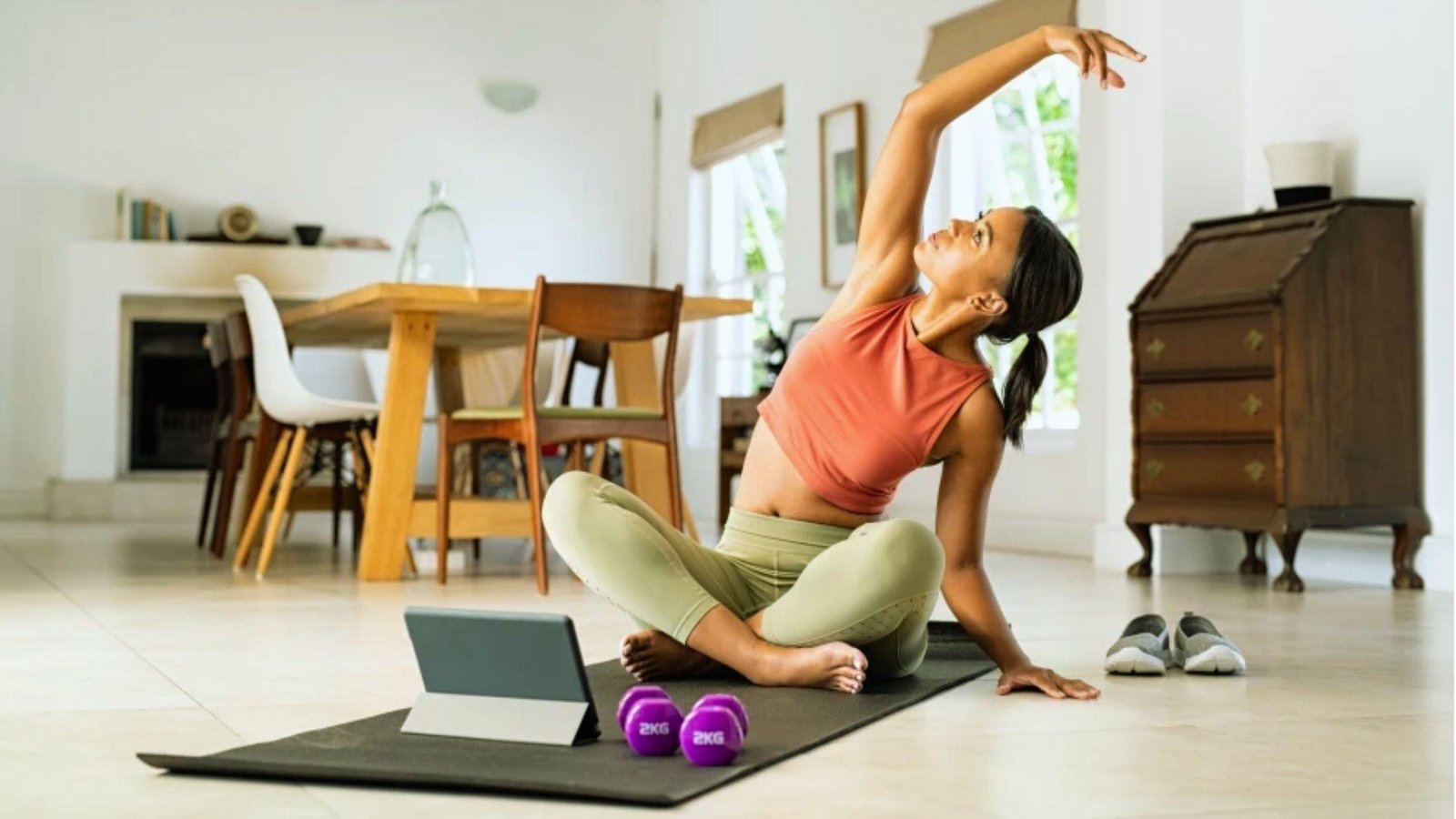
PDFs, apps, and software tools help you follow a structured workout plan and track your progress over time.
Benefits of a Home Exercise Program PDF
A printed plan gives you something to check off each day. It's simple, doesn't need a phone or internet, and works well for people who like paper over screens.
MedBridge Home Exercise Program
MedBridge is a platform many physical therapists use to build custom exercise plans for patients. It includes videos and reminders, which makes it easier to follow instructions correctly at home.
HEP2GO Home Exercise Program
HEP2GO is another option therapists use to create home programs. It offers a large library of exercises with clear images, so patients know exactly what to do.
Choosing the Right Home Exercise Program Software
When picking software, look for clear instructions, video demonstrations, and a way to track your progress, including changes in your range of motion.
Cost and ease of use matter too, especially if you're not very tech-savvy.
Home Exercise Programs for Different Needs
Different groups need different routines, including older adults, joint replacement patients, and people managing heart or lung conditions.
Home Exercise Program for Older Adults
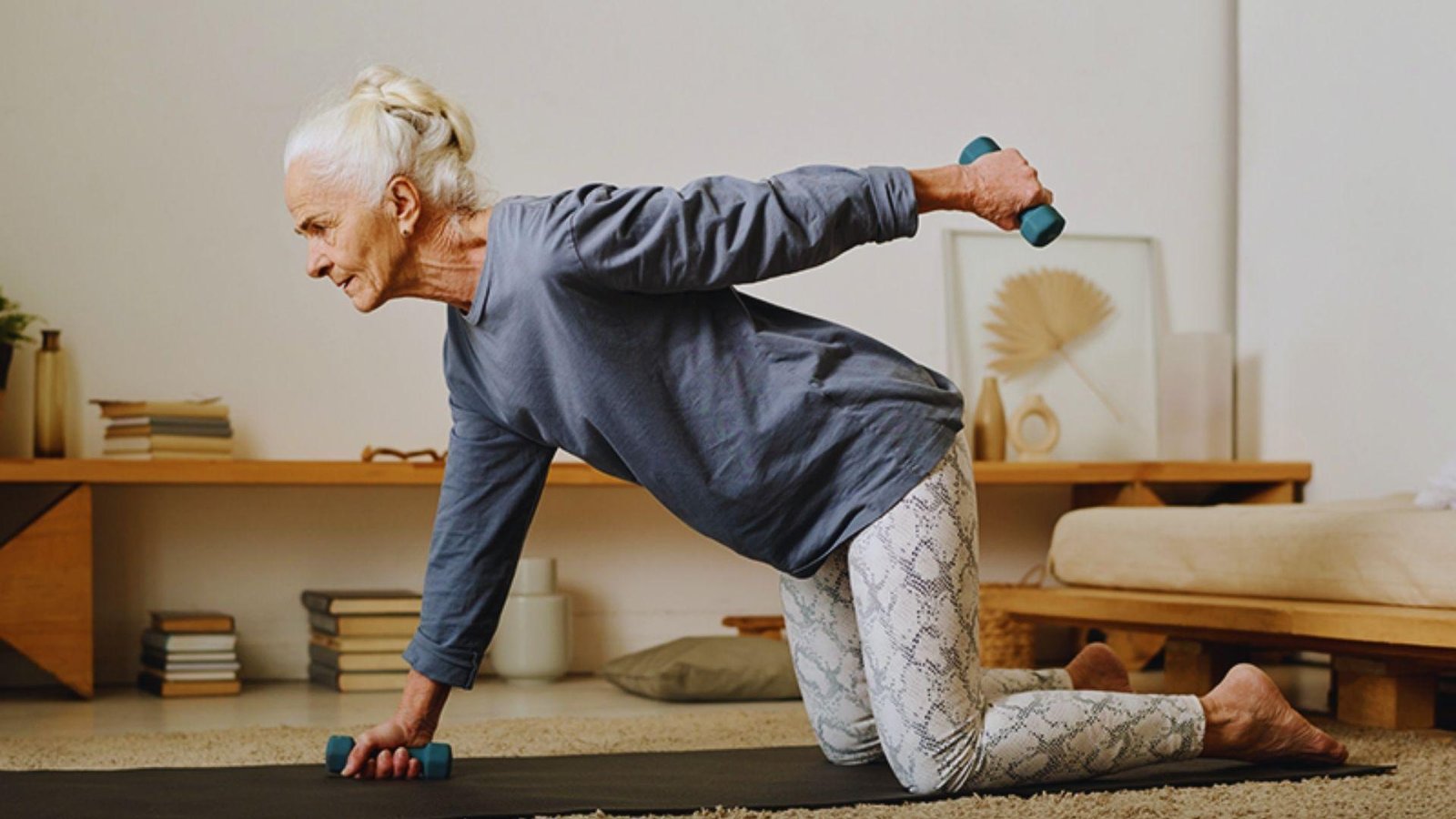
Older adults benefit most from routines that focus on balance and gentle strength work. Chair exercises and short walks are good starting points.
Always check with a doctor before starting something new.
Home Exercise Program After Joint Replacement

After a hip or knee replacement, gentle range-of-motion exercises help you heal properly. Your surgeon or therapist will give you a timeline for when to add more challenging moves.
Home Exercise Program for Heart and Lung Health
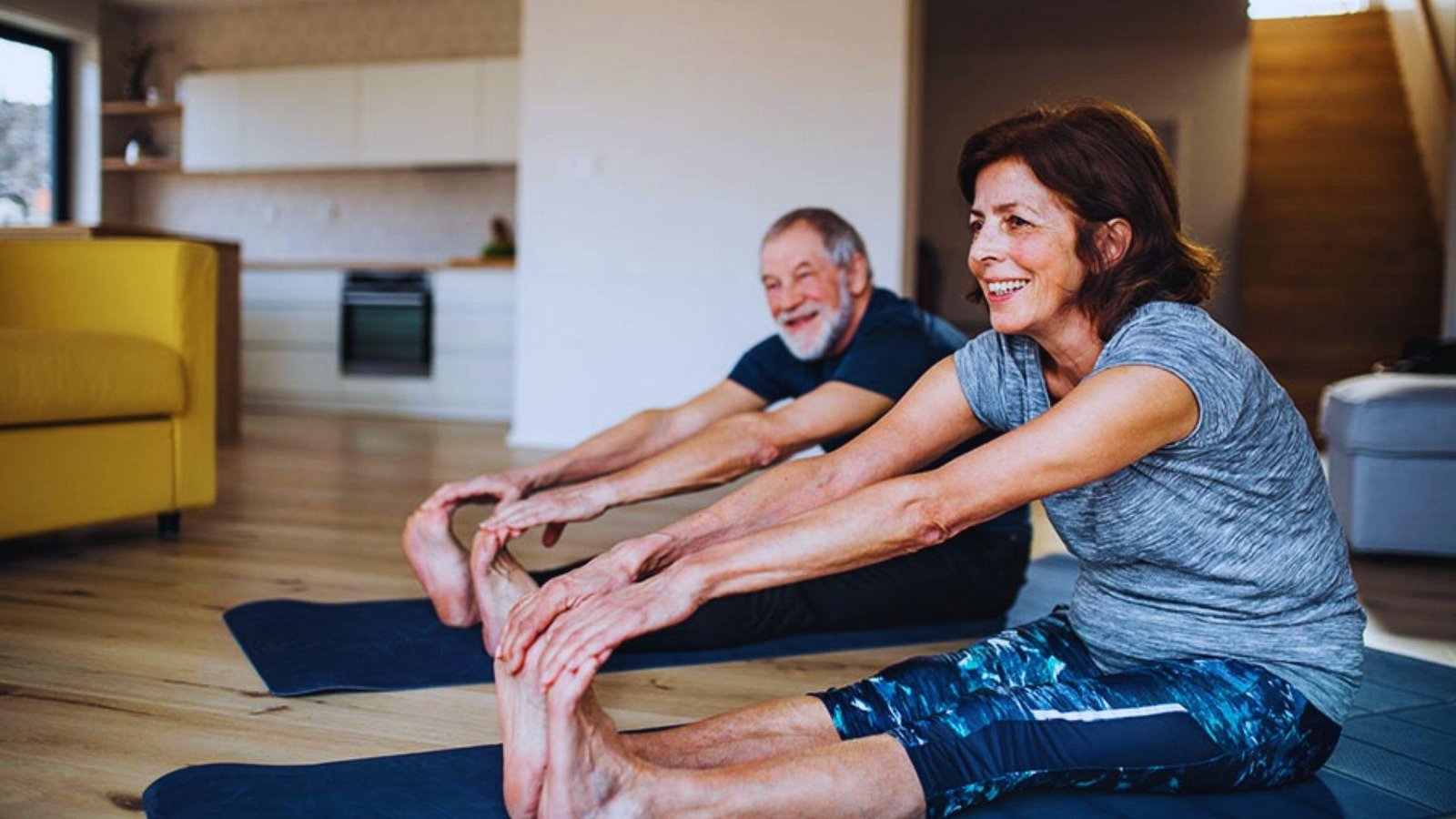
People recovering from heart or lung issues need a slower pace. Walking, light stretching, and breathing exercises are common starting points.
Always follow guidance from your care team on how hard to push yourself.
Tips to Stick With Your Home Exercise Program
Staying consistent takes clear goals, tracked progress, a safe workout space, and awareness of common mistakes to avoid.
- Write down why you're doing this. Maybe it's to play with your grandkids without getting tired, or to walk without pain. Keep that reason somewhere you'll see it often. Knowing your why is often the difference between a program that sticks and one you quit after a week.
- Use a notebook or an app to log your workouts. Seeing how far you've come keeps you motivated on days when you don't feel like exercising.
- Clear enough floor space to move freely. Keep a mat, water bottle, and towel nearby so you're not stopping mid-session to grab something.
- A safe setup lowers your risk of falling or getting hurt, especially if you're doing balance work or exercises on the floor.
- Don't skip your warm-up, don't rush through reps just to finish faster, and don't ignore pain that feels sharp or sudden. Slow, steady progress beats pushing too hard too fast.
Conclusion
Starting a home exercise program felt overwhelming to me at first too. I remember skipping days and making excuses. But once I stuck with simple moves for just two weeks, I felt stronger and slept better. That small win kept me going.
Your home exercise program doesn't need to be perfect. It just needs to happen, even on the days you don't feel like it.
So grab your mat and get moving today. Drop a comment below telling me which exercise you're starting with, and share this post with someone who needs a little push too.
Frequently Asked Questions
How long should a home exercise program session last?
Most sessions work well between 20 and 30 minutes. Even 10 minutes daily helps if you're short on time, as long as you stay consistent.
Can I do a home exercise program without any equipment?
Yes. Bodyweight moves like squats, lunges, and push-ups build real strength. A resistance band or light dumbbells can add variety later, but they aren't required.
Is it normal to feel sore after starting a home exercise program?
Mild soreness for a day or two is normal, especially when starting out. Sharp pain or soreness lasting over a week means you should scale back.
How soon will I see results from a home exercise program?
Most people notice more energy and a better mood within two weeks. Visible strength and endurance changes usually show up after four to six weeks of consistency.