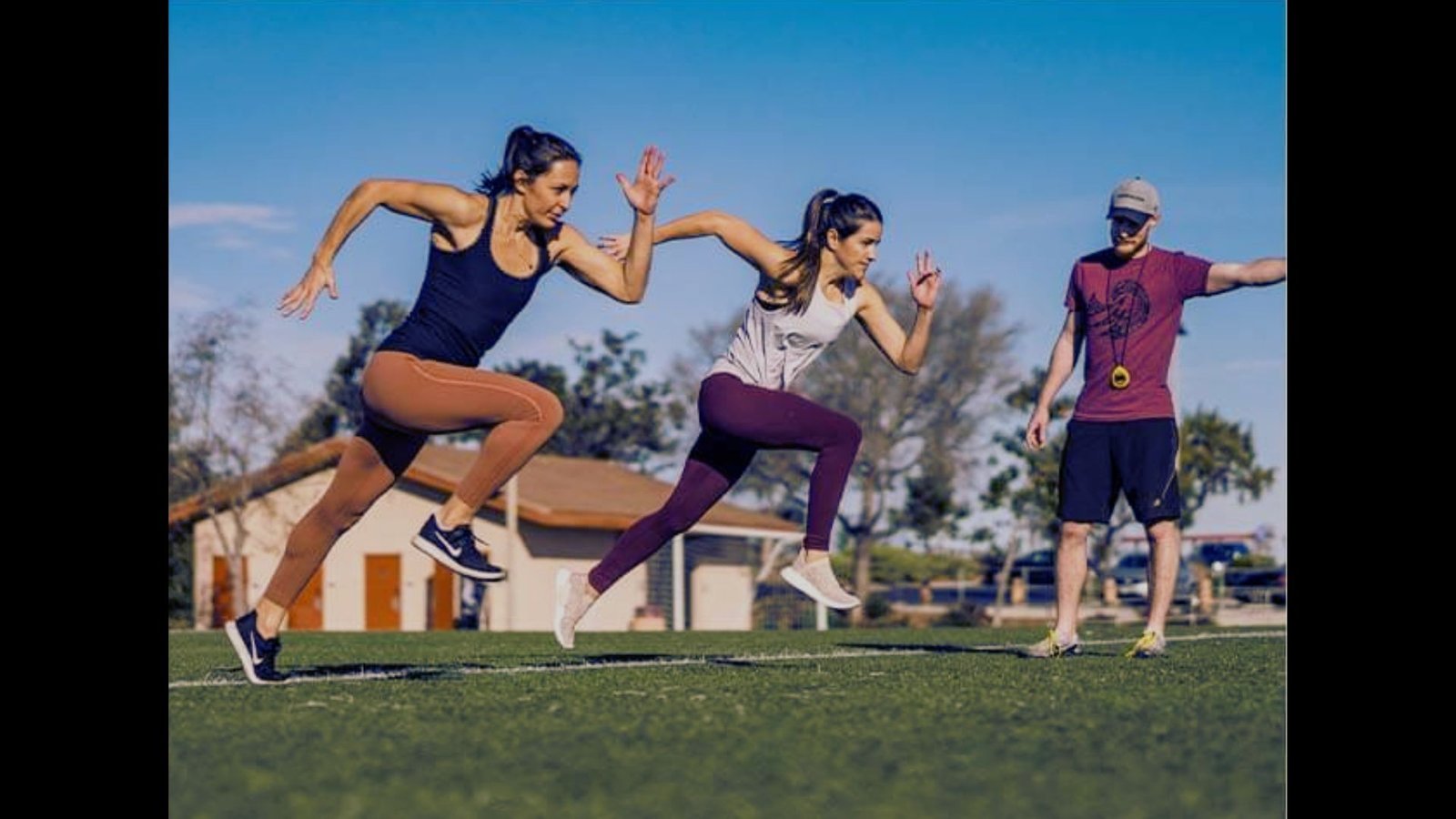
Can you hold a plank longer than you can hold a stunt? A lot of cheerleaders can.
Cheer asks your body to jump, tumble, stunt, and stay controlled all in the same routine, yet most training plans only cover part of that puzzle.
If your legwork feels strong but your landings still wobble, or your stunts hold up in practice but fall apart by the third eight count, your conditioning might be the missing piece.
In this guide, I walk through cheer workouts built around the specific strength, power, and control cheerleading demands, along with a weekly plan and coaching tips to help you perform your best.
Why Cheerleaders Need Sport-Specific Workouts
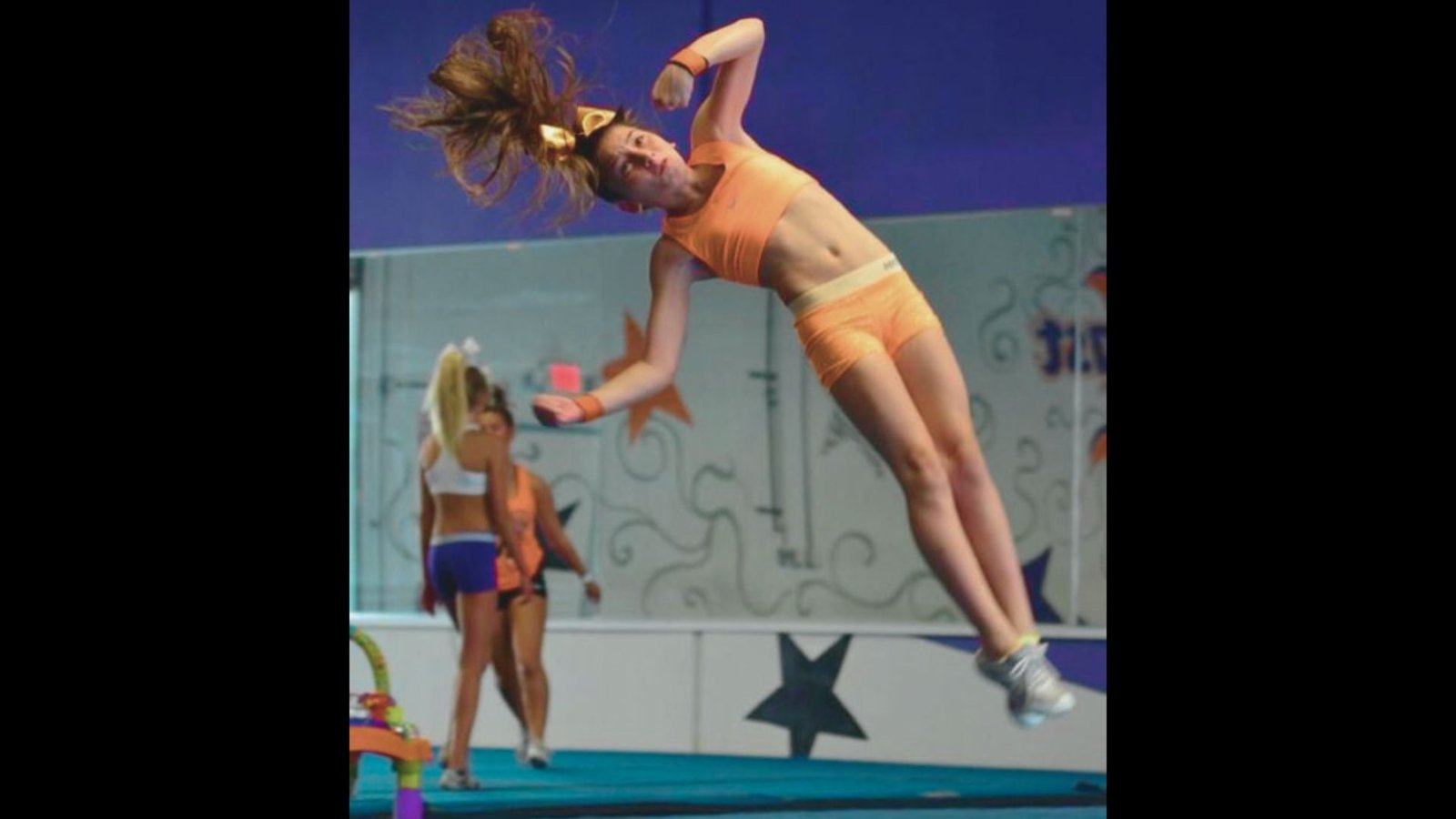
I think of cheer as one of the more demanding sports to train for, since it blends the explosive power of a sprinter, the core control of a gymnast, and the upper body strength of a base or spotter.
A general fitness plan will not prepare you for all of that.
Cheer specific training needs to cover a few key fitness components together: explosive lower body power for jumps and tumbling, jump conditioning for higher and cleaner kicks, upper body and core strength for stunts, balance and body control, and flexibility for kicks and splits.
Almost every skill in cheer starts with core bracing, so a weak core tends to show up everywhere, from a shaky stunt to a sloppy landing.
Skipping any one of these areas leaves a gap that shows up during competition.
Year-round conditioning matters just as much as the specific skills you practice on the mat. I have seen athletes lose strength and stability during long breaks, which raises their risk of injury once full practices start back up.
Staying consistent with strength and conditioning work, even in a lighter form during the off-season, keeps your body ready for the demands of stunting, tumbling, and jumping all season long.
A proper dynamic warm-up before training and a short cooldown stretch afterward matter just as much as the workouts themselves, since they prepare your joints for hard effort and help your muscles recover.
I also coach flyers, bases, and tumblers a little differently, since each role leans on its own mix of strength, balance, and flexibility.
Below, I walk through 11 cheer workouts that build these qualities, along with a training plan, common mistakes, and tips to help you get stronger and more confident on the mat.
List of 11 Best Cheer Workouts
Here are 11 cheer workouts I use to build the strength, power, and control that cheerleading demands.
1. Squats
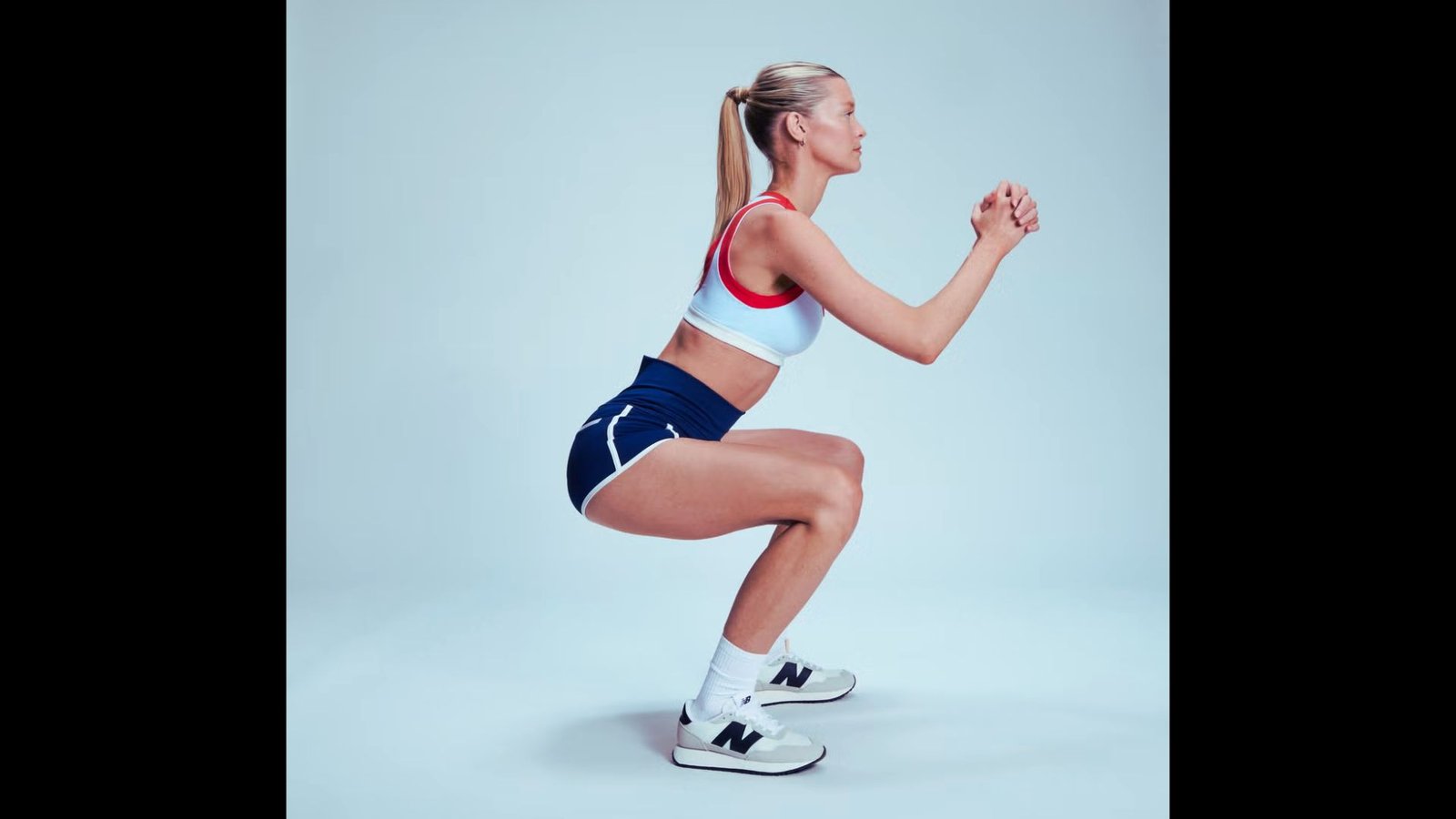
I use squats to build the raw leg power behind every jump and tumbling pass.
Do 3 sets of 10 to 12 reps with bodyweight or light added weight, focusing on a controlled descent and a strong drive back up.
Strong legs give you more height on jumps and more control when you land.
2. Bulgarian Split Squats
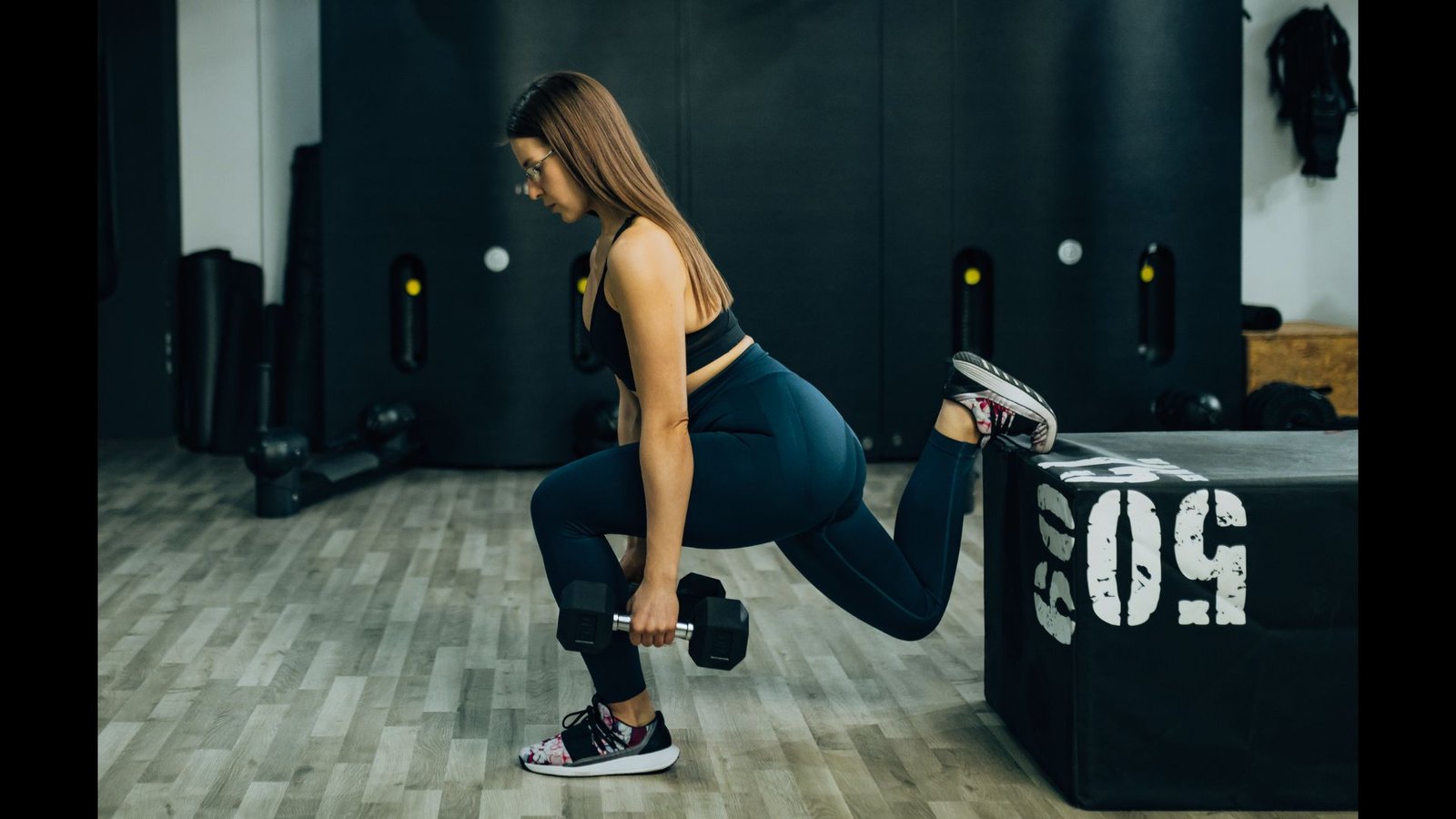
I add this move to train each leg on its own, since cheer rarely asks you to move both legs at exactly the same time.
Do 3 sets of 8 to 10 reps per leg, with your back foot resting on a bench behind you.
This builds the single leg strength you need for stable landings and steady stunt positions.
3. Walking Lunges
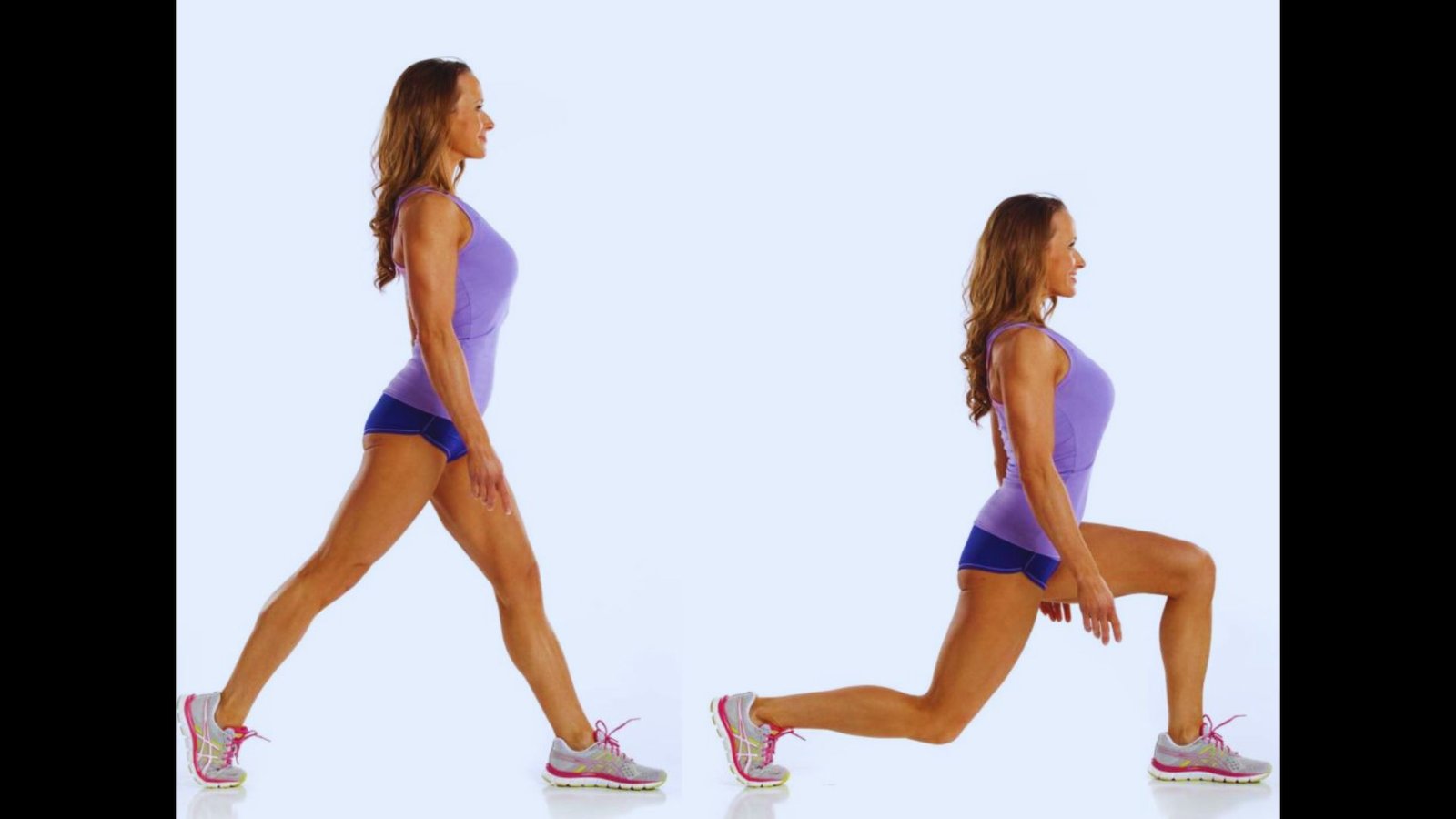
I use walking lunges to build leg strength while also training balance and coordination at the same time.
Do 3 sets of 10 to 12 steps per leg, keeping your front knee tracking over your ankle. This carries over directly to the control you need during running tumbling and jump sequences.
4. Box Jumps
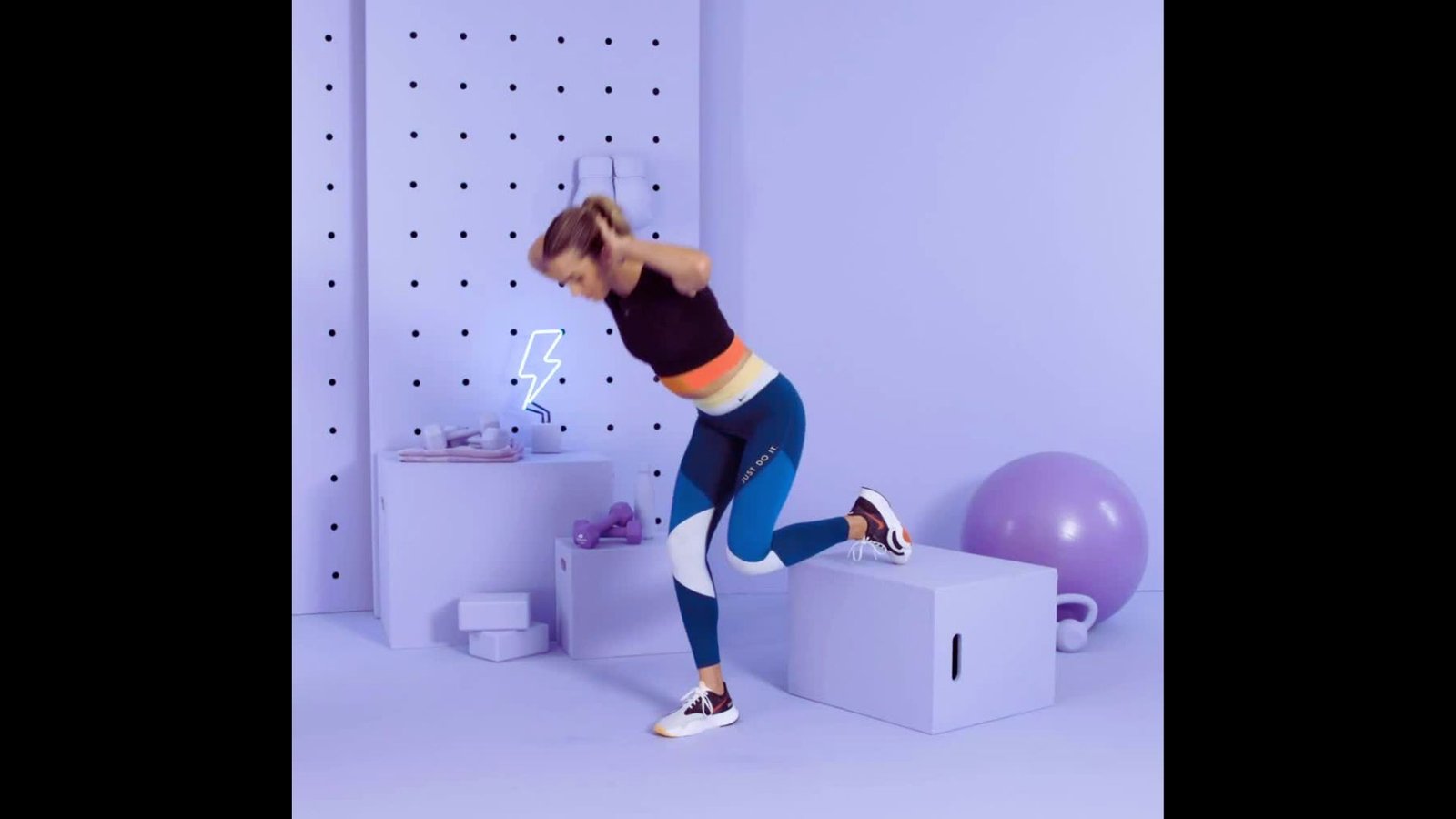
I use box jumps, a classic plyometric move, to train explosive power, which is the quality behind a high, clean jump.
Do 3 sets of 6 to 8 reps onto a sturdy box, landing softly with bent knees each time.
This workout also teaches your body to absorb force safely through good landing mechanics, which lowers your injury risk over time.
5. Broad Jumps
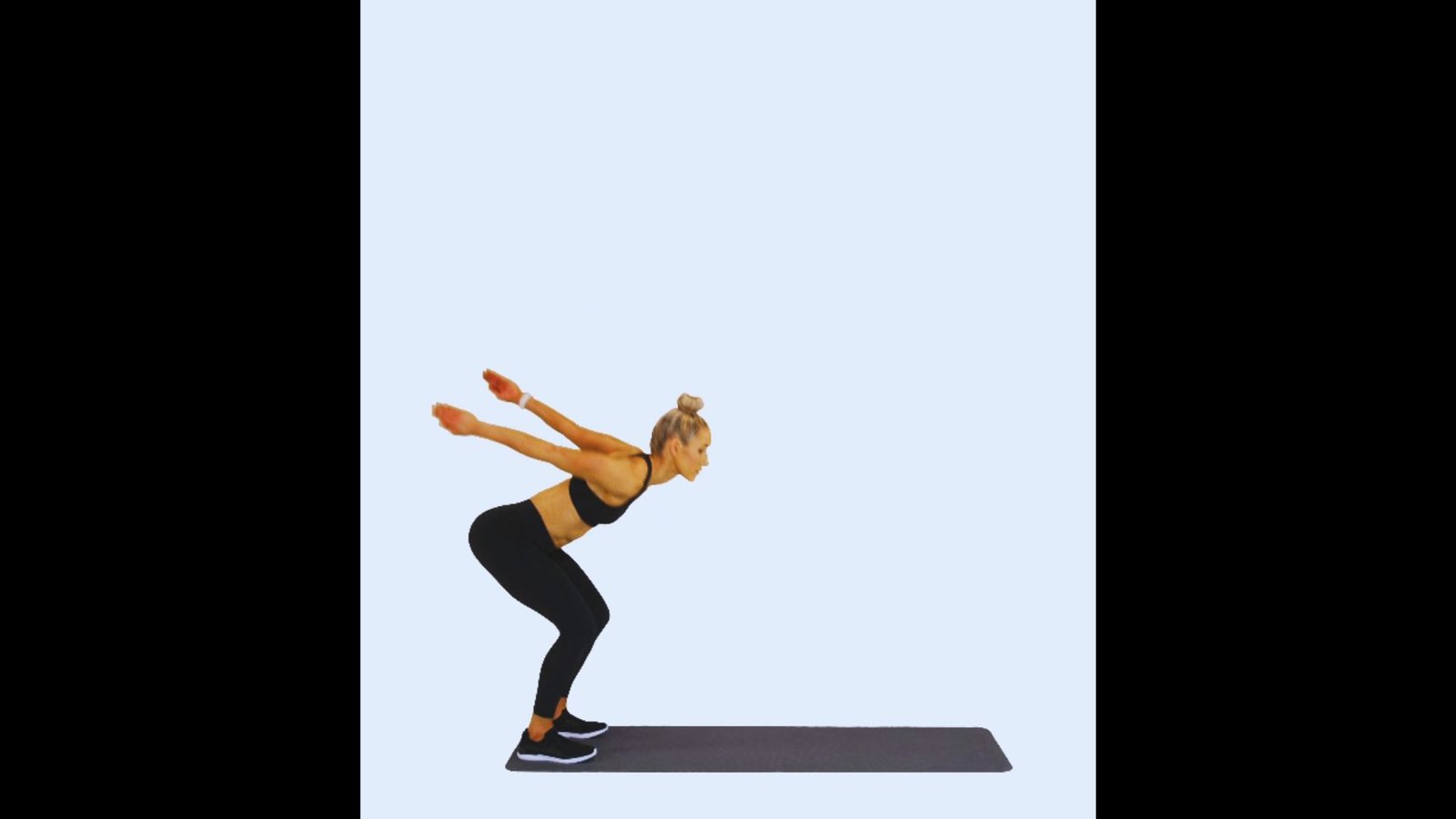
I add broad jumps to train horizontal power, which supports running tumbling passes and standing jumps that travel forward.
Do 3 sets of 5 reps, focusing on a full arm swing and a soft, controlled landing. This workout builds the same explosive drive you need coming out of a round-off.
6. Push-Ups
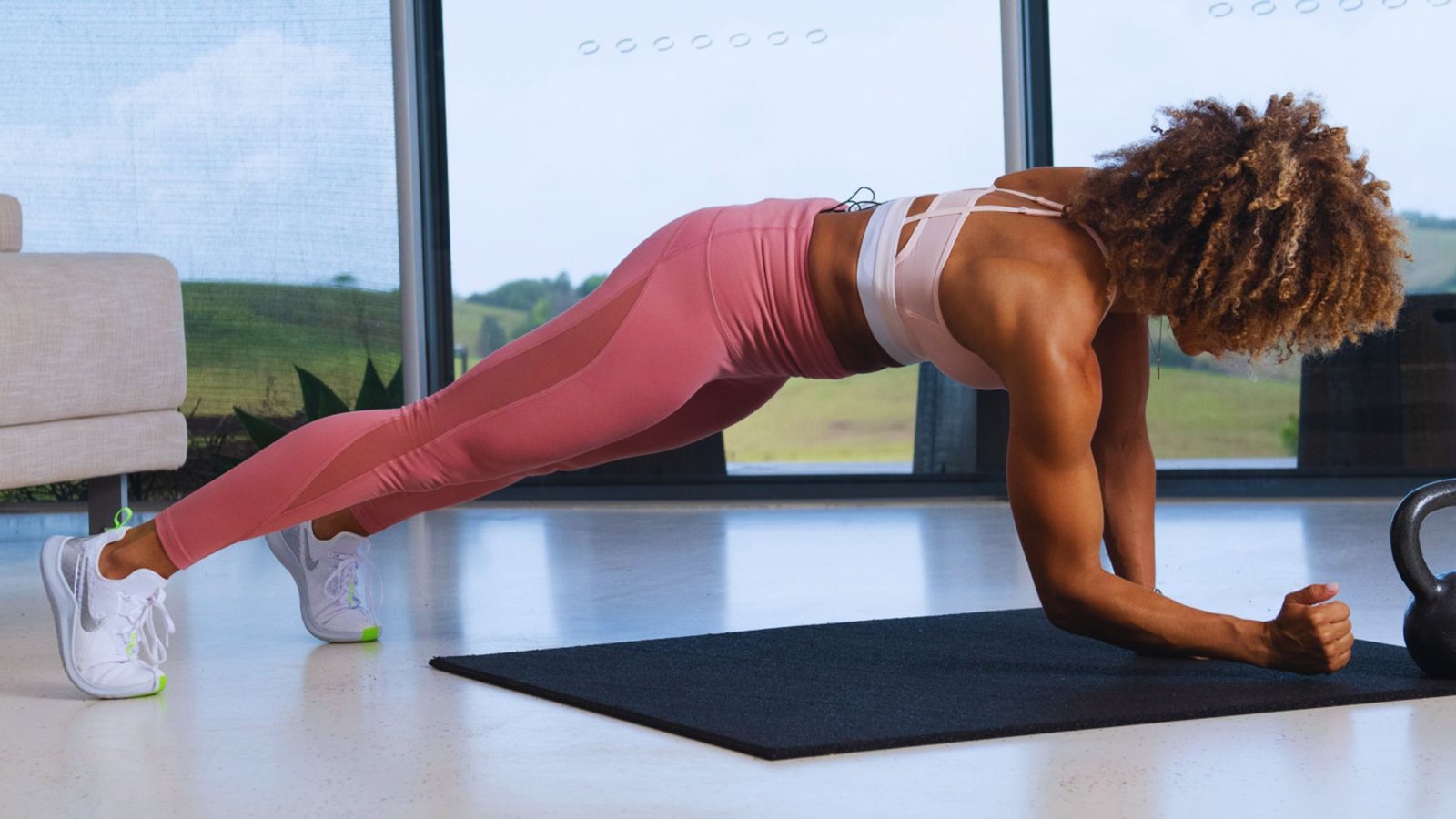
I rely on push-ups to build the upper body strength that supports every stunt position, from base to flyer to spotter.
Do 3 sets of 10 to 15 reps with a straight body line from head to heel. Strong push muscles help you support weight safely overhead.
7. Pull-Ups or Assisted Pull-Ups
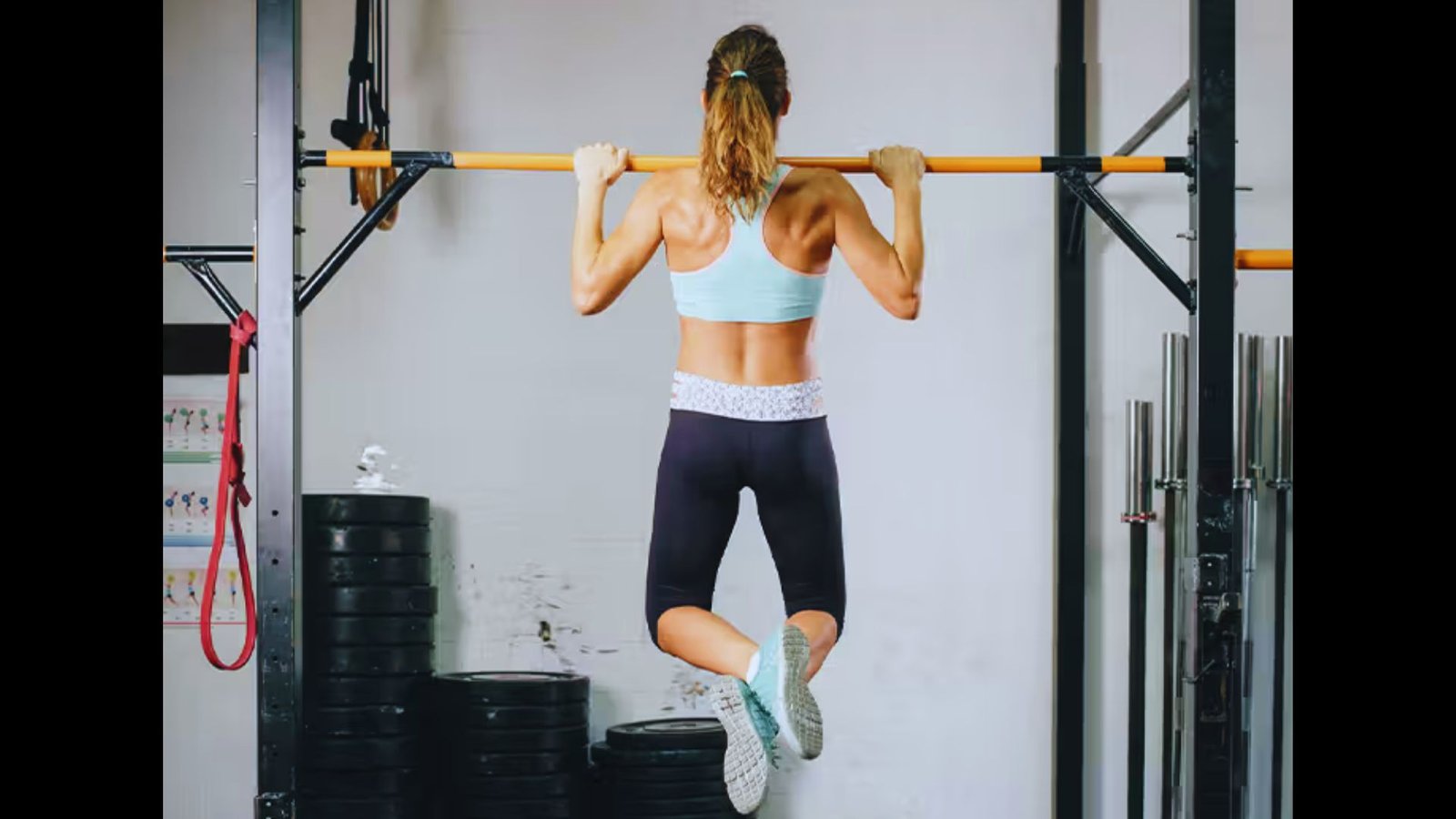
I use pull-ups, or an assisted version with a band, to build back and grip strength for stunting. Do 3 sets of 5 to 8 reps, focusing on full range of motion.
Strong pulling muscles help bases control a stunt on the way up and on the way down.
8. Plank Variations
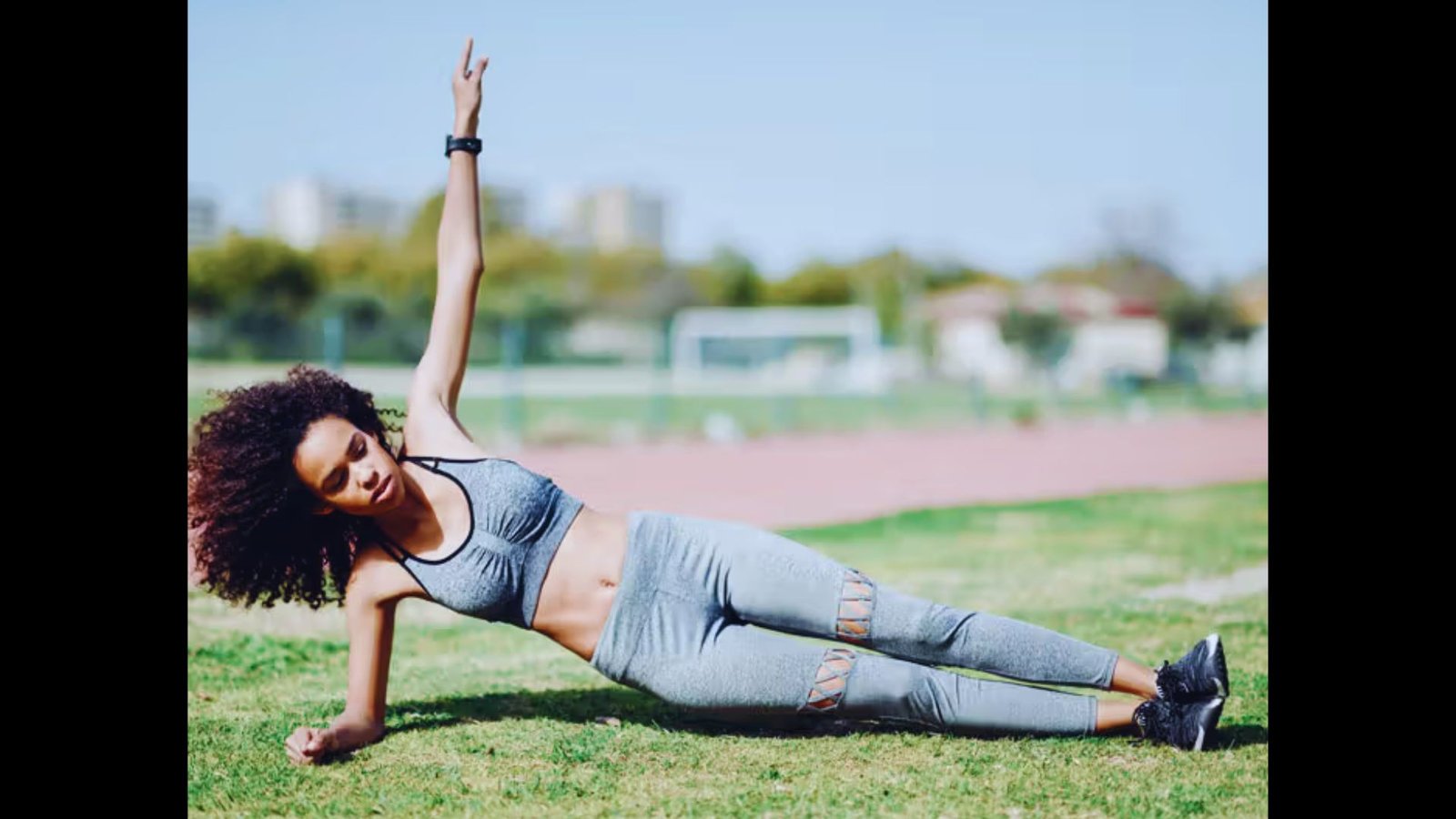
I rotate through front planks, side planks, and plank shoulder taps to build the core stability that holds your body together during stunts and tumbling.
Hold each variation for 30 to 45 seconds for 3 rounds, focusing on quality over quantity, since slow, controlled holds build more real core bracing than rushing through reps.
A stable core protects your lower back and helps you hold clean lines.
9. Hollow Body Hold
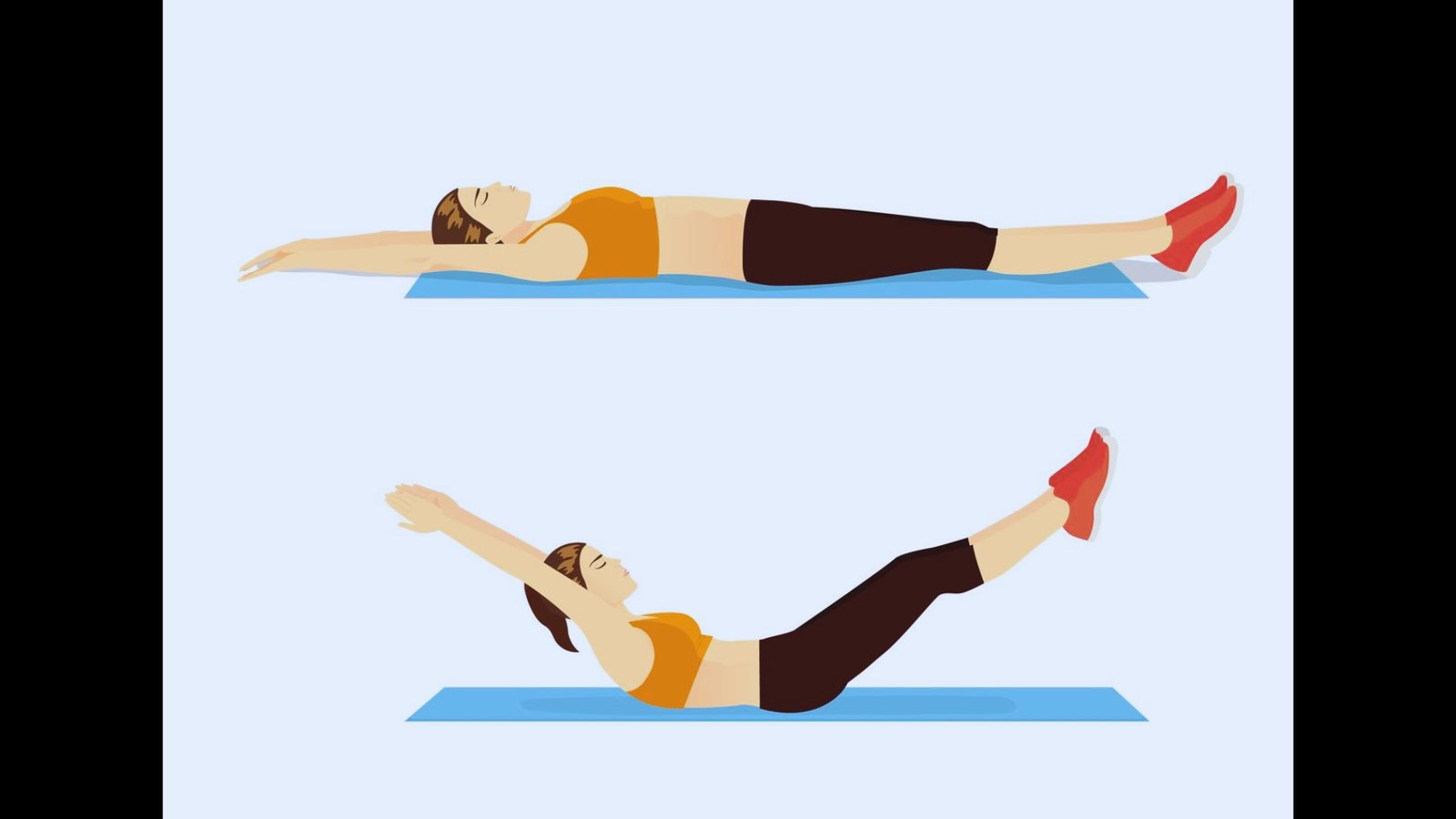
I use this gymnastics staple to train the tight, controlled core position you need for clean tumbling and jumps.
Hold a hollow body position for 20 to 30 seconds for 3 to 4 rounds. This drill teaches your body to stay tight instead of arching under fatigue.
10. Russian Twists
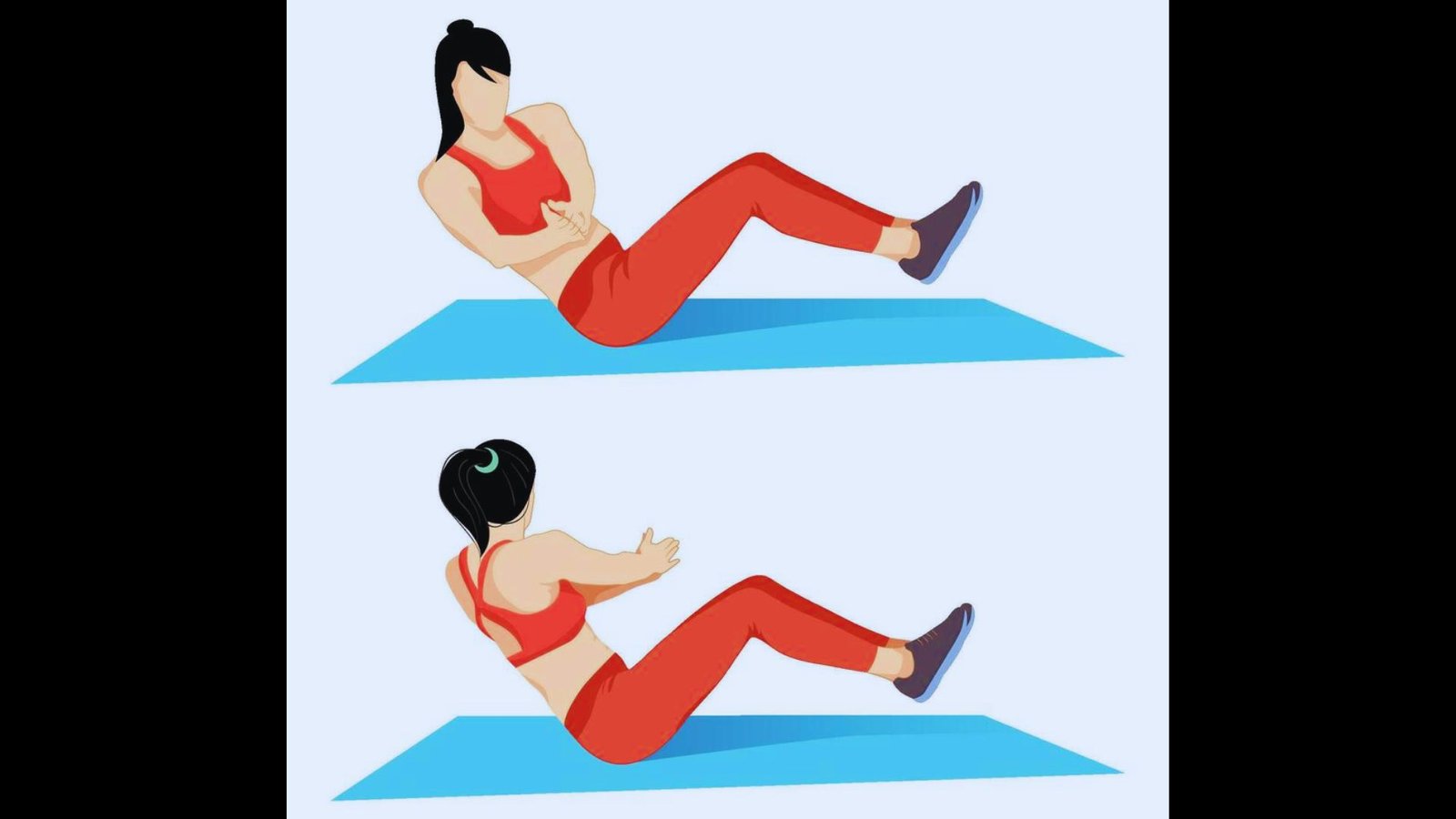
I add Russian twists to train rotational core strength, which supports twisting skills and helps stabilize your body during stunts.
Do 3 sets of 15 to 20 reps per side, with or without added weight. A strong rotational core also helps protect your spine during tumbling.
11. Burpees
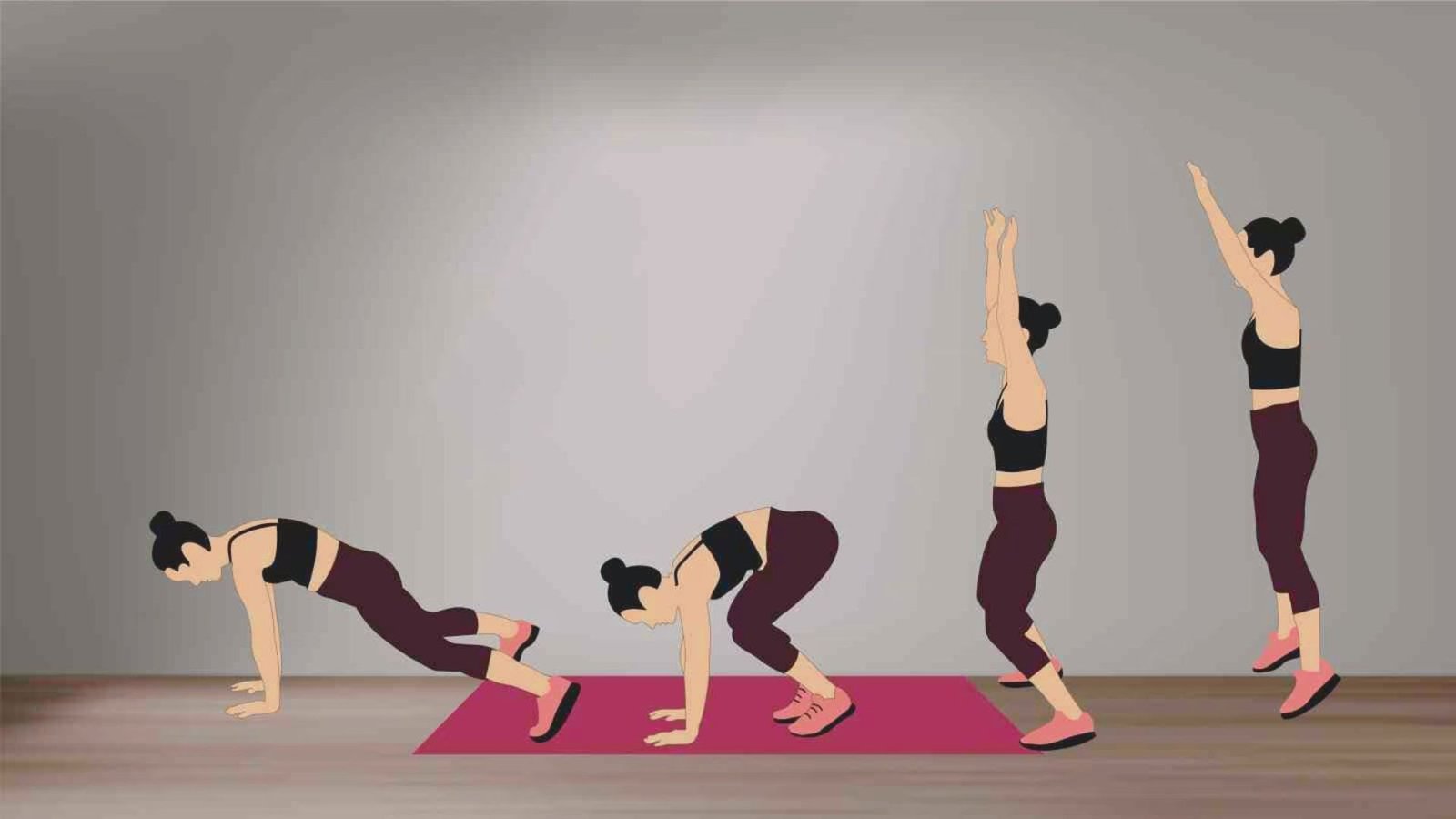
I use burpees as a full body conditioning move that also builds explosive power. Do 3 sets of 10 to 15 reps at a controlled but challenging pace.
This workout trains your body to recover quickly between hard efforts, which matters during a full length routine.
Common Cheer Training Mistakes
I see athletes slow their own progress by making a few avoidable errors. Watch out for these common mistakes.
- Skipping recovery: I know it feels productive to train every day, but skipping rest days leaves your body too tired to perform well and raises your risk of injury during stunts and tumbling.
- Ignoring mobility: I have seen athletes focus only on strength and skip mobility work, which leads to stiff hips and shoulders that limit both performance and safety. Skipping a proper dynamic warm-up before hard training makes this worse.
- Training only flexibility: On the flip side, I see athletes who stretch constantly but skip strength work, which leaves their joints unstable and more prone to injury under load.
- Poor landing mechanics: I always remind athletes that a strong jump means nothing if the landing is not controlled. Weak landing habits are one of the most common causes of ankle and knee injuries in cheer.
Sample Weekly Cheer Workout Plan
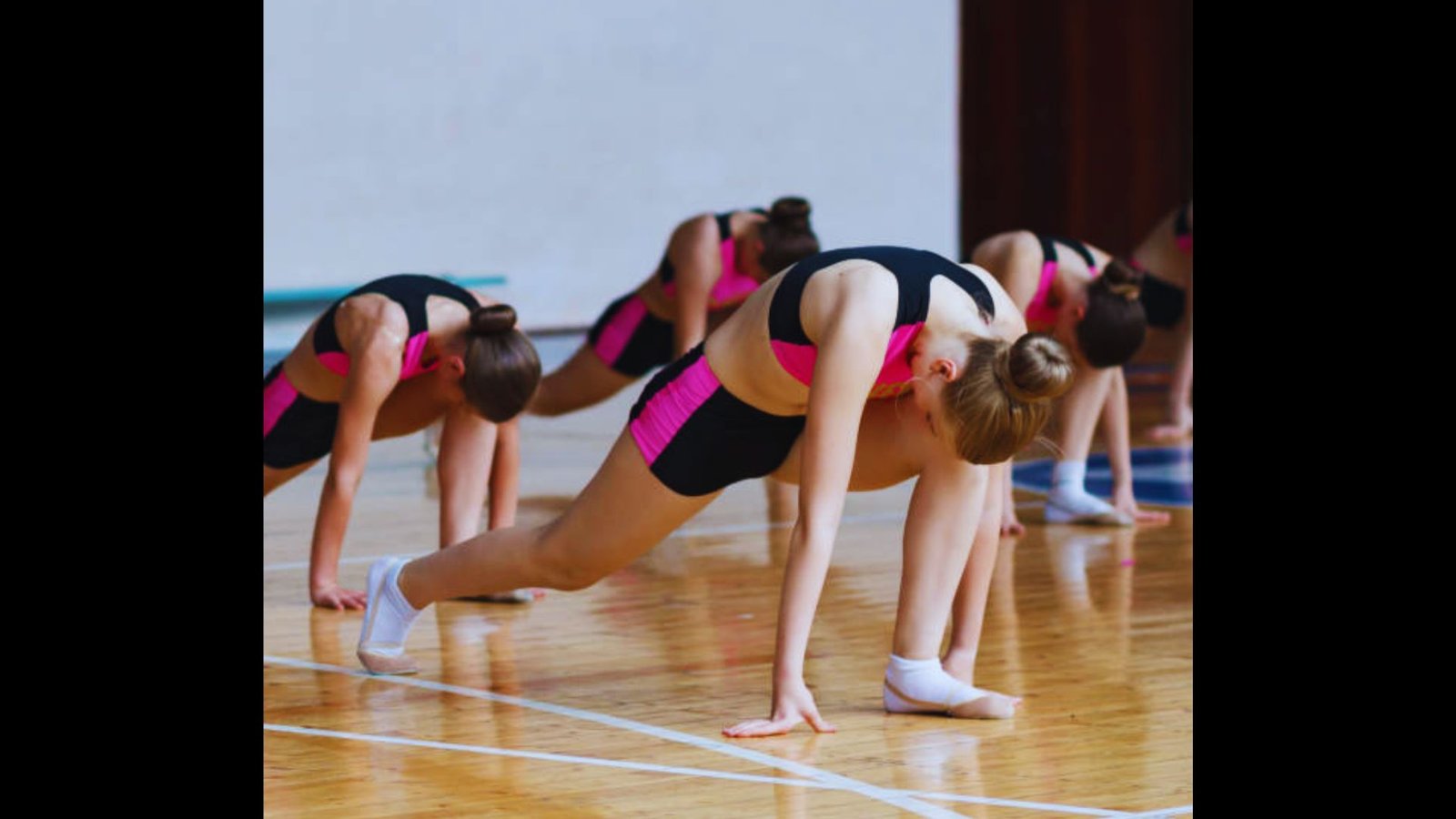
I structure many of these sessions like short circuits, since interval based training keeps intensity high without dragging sessions out too long, and I adjust total volume depending on the time of year.
Off-season routine: I recommend three to four strength sessions a week, focused on building a strong base.
Monday, squats, push-ups, and plank variations. Wednesday, box jumps, pull-ups, and Russian twists.
Friday, Bulgarian split squats, resistance band shoulder work, and a flexibility and mobility flow. Add sprint intervals or jump rope work on a fourth day if your schedule allows.
In-season routine: I scale back total volume to two to three shorter sessions a week, since practice and competition already add plenty of load.
Monday, a quick strength circuit with squats, push-ups, and single-leg balance drills. Wednesday, tuck jump drills, hollow body holds, and a mobility flow.
Friday, a light partner base strength circuit or full rest, depending on how close you are to competition.
Tips to Improve Cheer Performance
I keep these coaching principles close to every training plan I build for cheerleaders.
- Progressive overload: I gradually increase reps, resistance, or difficulty over time instead of staying at the same level for months, since steady overload is what drives real strength gains.
- Recovery and nutrition: I treat sleep, hydration, balanced meals, and a short cooldown stretch as part of training, not an afterthought, since your body adapts and gets stronger during recovery, not just during practice.
- Consistency over intensity: I remind athletes that showing up for moderate, well planned sessions week after week builds more long term strength than occasional, all out efforts followed by burnout.
Conclusion
Cheer workouts only pay off when strength, power, and control train together instead of one at a time.
Pick a few moves from this list, build them into your week, and stay patient with your progress.
Real improvement in cheer comes from steady, consistent training over weeks, not one hard session before tryouts.
Pay attention to your landing mechanics and keep recovery part of your routine.
If these cheer workouts helped you plan your next session, drop a comment with the move you are trying first, and share this guide with a teammate working on the same skills.
Frequently Asked Questions
Do cheerleaders need to lift heavy weights?
No. Most cheerleaders benefit more from bodyweight and moderate resistance training focused on power and control than from heavy lifting alone.
What should a flyer focus on differently from a base?
Flyers benefit most from core control, balance, and flexibility work, while bases and spotters should prioritize upper body and grip strength for lifting and catching safely.
Can cheer workouts help with tumbling skills?
Yes. Strength and power work like box jumps, hollow holds, and handstands directly support the control and drive needed for cleaner tumbling passes.
How do I train for cheer without gym equipment?
Bodyweight moves like squats, push-ups, planks, and jump rope intervals build real strength and conditioning at home without any equipment.