
I used to think more reps meant better results on the field. Turns out I was just getting tired faster.
My swing lost pop by the fifth inning. My legs felt like concrete by the seventh. Sound familiar?
The problem was never my effort. It was my approach. I was training hard but not training smart. Once I switched to baseball-specific conditioning, everything clicked.
My speed improved. My throws held up late in games. My bat speed stayed consistent from the first pitch to the last out.
In this article, I break down the best baseball workouts that build real, game-ready strength. You will get conditioning drills, sprint work, strength moves, and shoulder care tips all in one place.
Let's get into it.
Why Baseball Conditioning Drills Matter
Baseball looks like a slow sport from the outside. But the truth? Every pitch, swing, and sprint demands serious power from your body.
Without proper conditioning, your performance drops fast. You lose bat speed. Your throws get weak. Your legs give out during a long game.
The right drills build the explosive strength and endurance your body needs to stay sharp from the first inning to the last.
They also reduce injury risk, which matters more than most players admit. Good conditioning is what keeps you on the field, not on the bench.
How to Build a Baseball Conditioning Routine
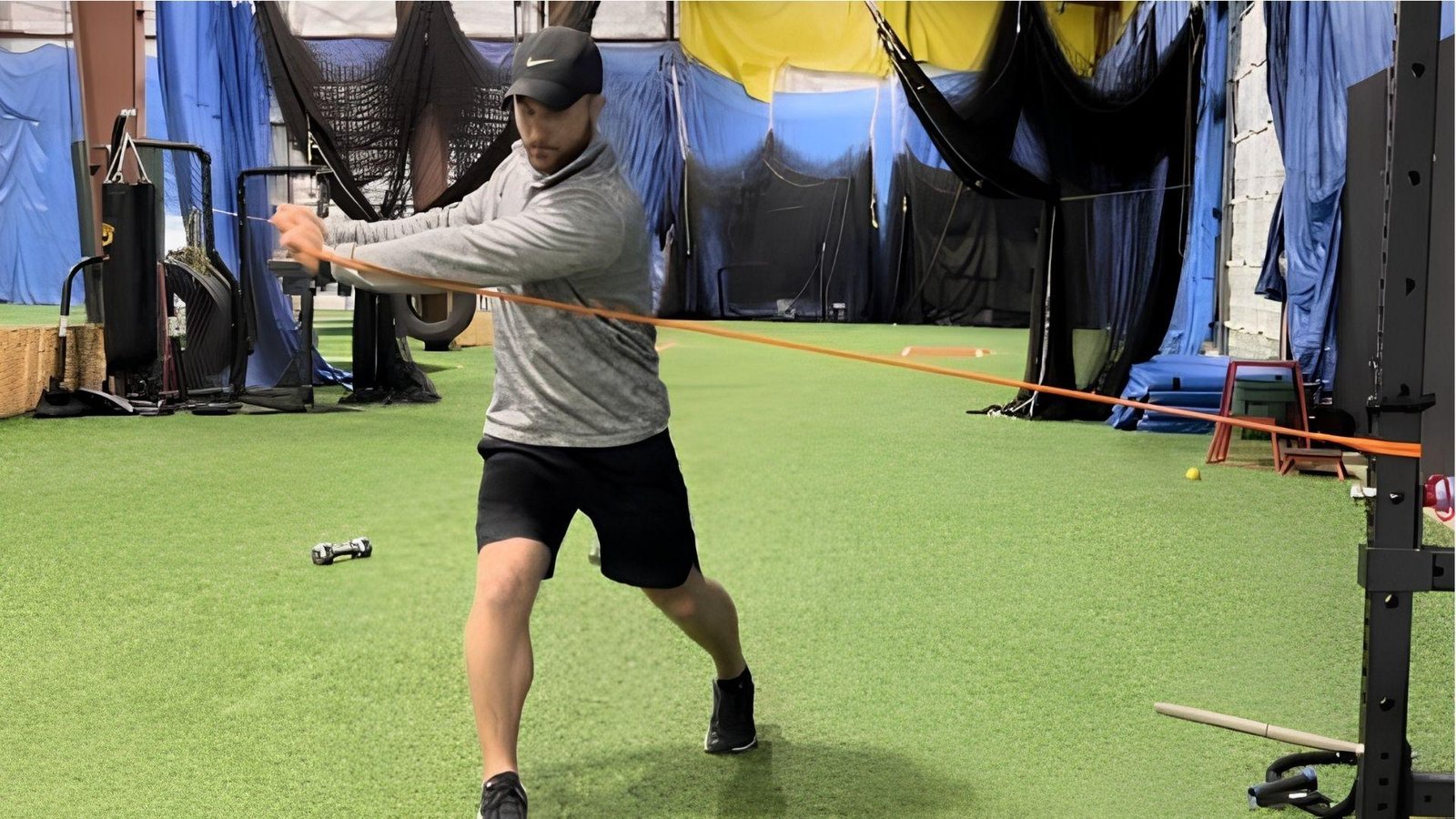
Start with your goal. Do you need more speed? More power? Better endurance? Once you know that, build around it. A solid routine includes lower-body strength work, rotational drills, sprint training, and shoulder stability exercises.
Smart coaches also screen for muscular imbalances before the season starts. Knowing your weak spots means you can fix them before they become injuries.
Train three to four days a week. Give your body time to recover between sessions. Rotate between strength days and speed days. Don't try to do everything in one workout.
Consistency matters more than intensity. Small, steady progress adds up fast. Stick to your plan for at least eight weeks before making big changes.
11 Best Baseball Conditioning Drills
Here are the top drills and exercises that baseball players at every level use to build real, on-field strength and speed.
1. Barbell Front Squat
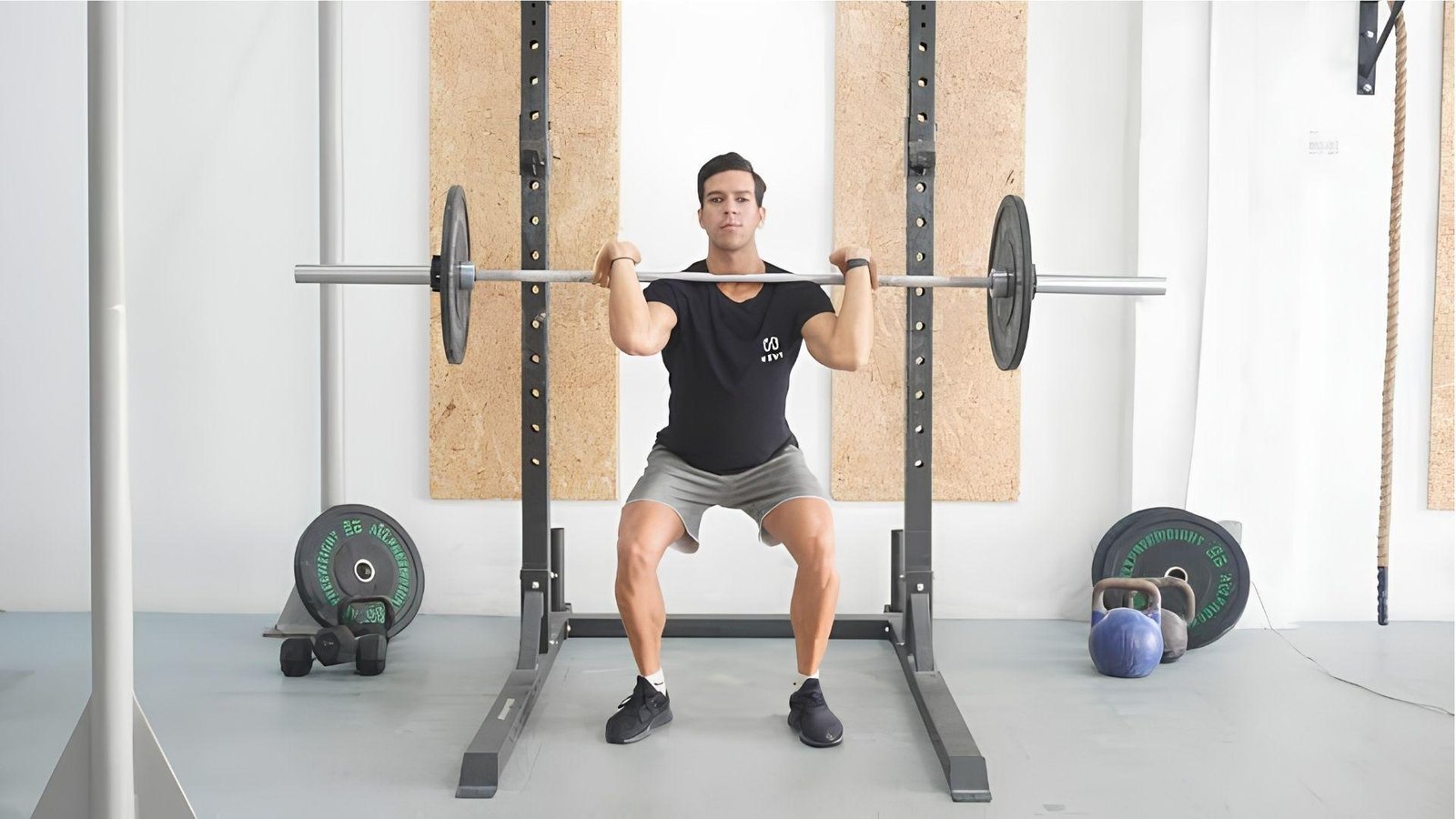
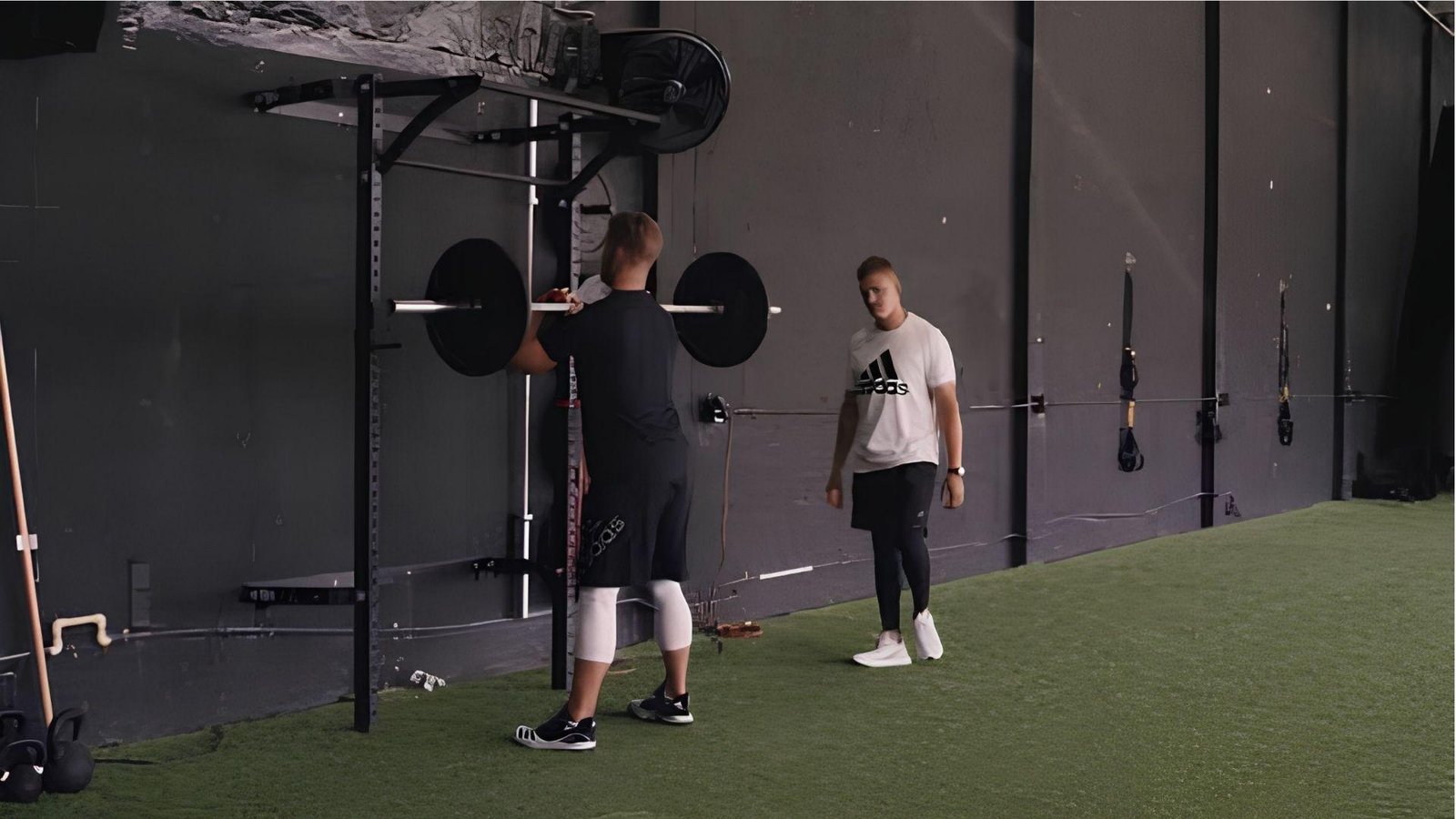
The barbell front squat builds serious quad and glute strength. It also forces you to keep your torso upright, which mirrors the athletic stance you use on the field.
Set the bar across the front of your shoulders. Squat deep. Drive back up through your heels.
Start with a weight you can control. Three sets of six to eight reps works well for most players.
2. Romanian Deadlift

This move targets your hamstrings and glutes, two muscles that power every sprint and explosive push-off.
The hip-hinge pattern is the core movement here, and it's one of the most important mechanics in all of baseball. Hold the bar in front of your thighs. Hinge at the hips.
Lower the bar slowly down your legs. Keep your back flat the whole time. Feel the pull in your hamstrings at the bottom, then drive your hips forward to stand back up. Control is everything here.
3. Medicine Ball Overhead Slam
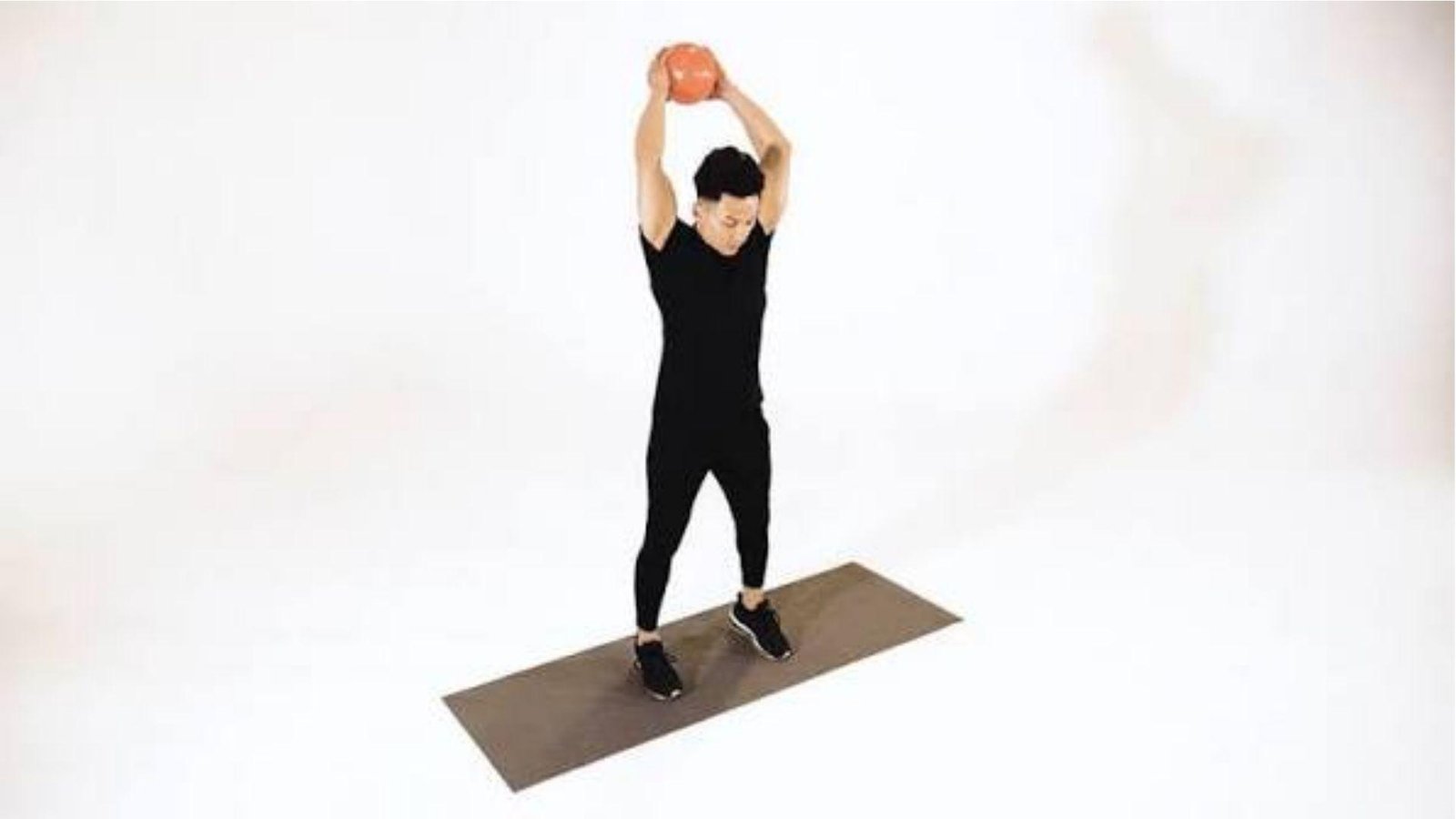
This drill trains explosive power from your core through your arms. It mimics the full-body force you need when throwing hard.
Hold a medicine ball overhead. Slam it into the ground as hard as you can. Catch or pick it up, reset, and go again.
Use a heavy enough ball that you feel it. Ten slams per set is a good starting point for most players.
4. Medicine Ball Rotational Scoop Toss
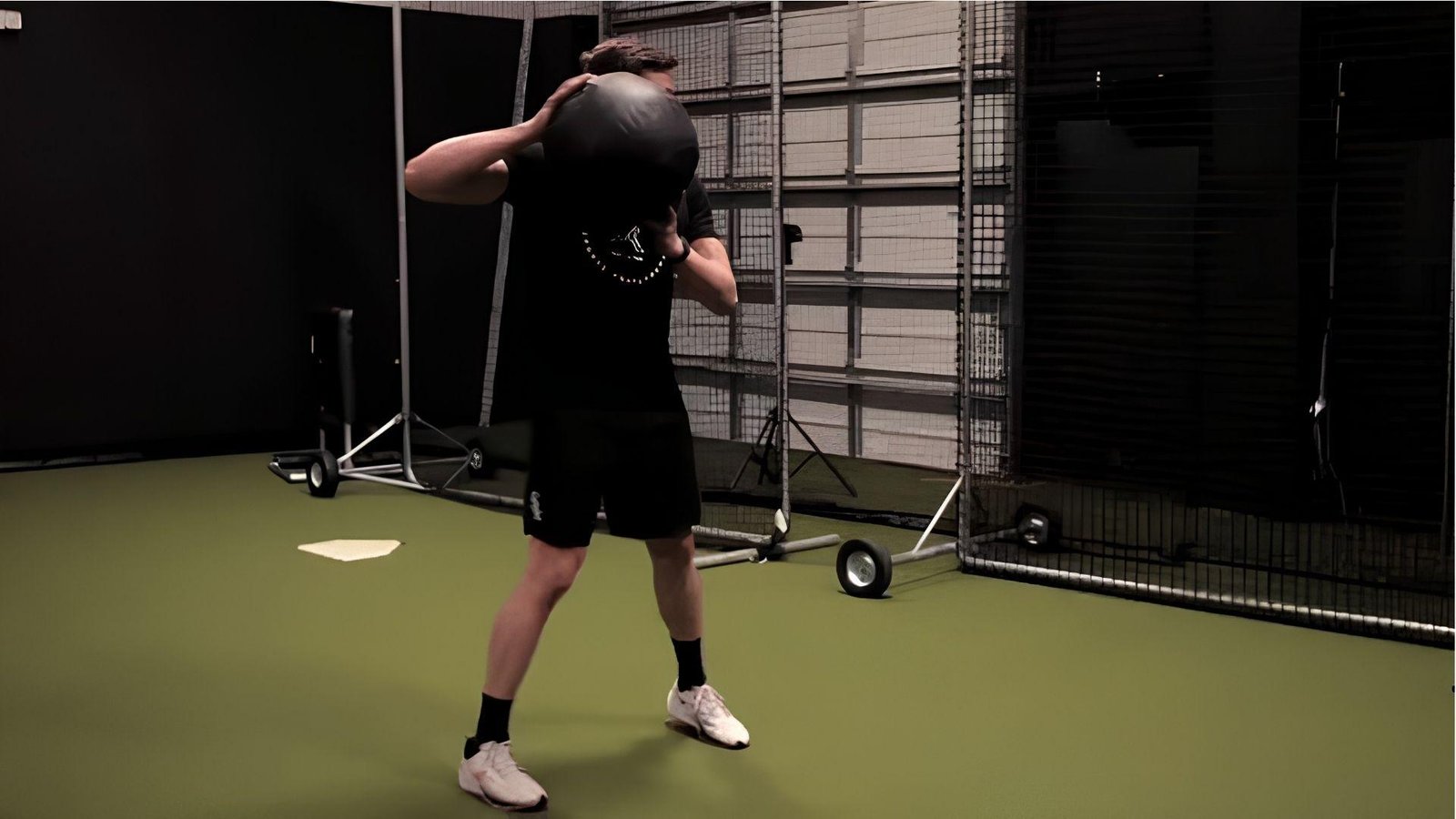
Rotational power is what makes a good hitter great. This drill trains exactly that. Stand sideways next to a wall or partner.
Hold the ball at hip level. Rotate hard and scoop the ball upward with full hip and core drive. The power comes from your hips, not your arms.
Do this on both sides. This movement directly transfers to your batting swing mechanics and helps raise your exit velocity over time.
5. Three-Point Sprint Start

Explosive starts win games. This drill trains your first two to three steps, which are the most important steps in any sprint on the diamond.
Get into a three-point stance. Drive hard out of it. Focus on a low body angle and powerful arm drive.
Do short sprints of ten to twenty yards. Reset fully between each one. Quality matters more than how many you do.
6. Rocker Start Sprint Drill

This drill mimics base-stealing mechanics. You shift your weight back and then explode forward the moment the go signal comes.
It trains reaction time and first-step quickness at the same time. Rock back onto your back foot. Then drive forward instantly.
Sprint ten to fifteen yards. Rest and repeat. This is one of the best drills for improving stolen base speed and infield reaction.
7. Resistance Band T-Y-W

Shoulder health is everything in baseball. This drill uses a light resistance band to strengthen the small muscles around your rotator cuff and scapula.
As you move through each position, focus on pulling your shoulder blades back and down. That scapular engagement is what protects your arm during a long season of throwing.
Pull the band into a T shape, then a Y, then a W. Hold each position for a second. Keep your core tight. Never rush through this.
8. Trap Bar Deadlift

The trap bar deadlift is easier on your lower back than a straight bar version. It lets you lift heavy while staying in a more natural, upright position. Step inside the trap bar.
Hinge at the hips. Drive through your whole foot to stand up. This builds total-body strength fast.
It's a great choice for players who want the power gains of deadlifting without the technical demands of a conventional deadlift.
9. Lateral Bounds (Skater Jumps)
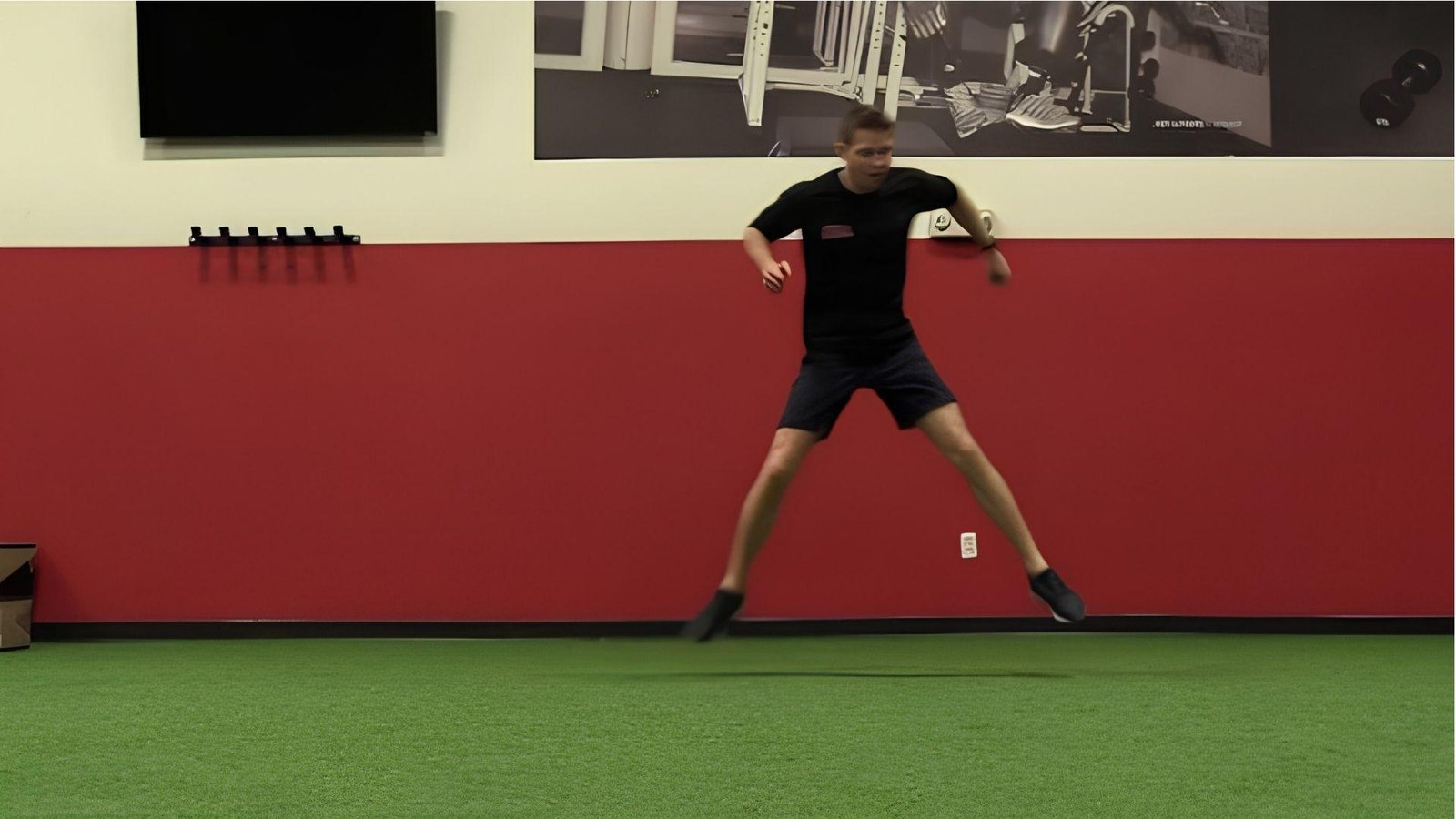
Lateral power matters more in baseball than most players think. You push off sideways to field ground balls, take leads, and shift during plays.
Lateral bounds train exactly that. Push off one foot to the side. Land softly on the other foot. Pause and balance.
Then bound back the other way. Focus on a soft landing and full hip control. Ten bounds per side is a great place to start.
10. Box Jumps
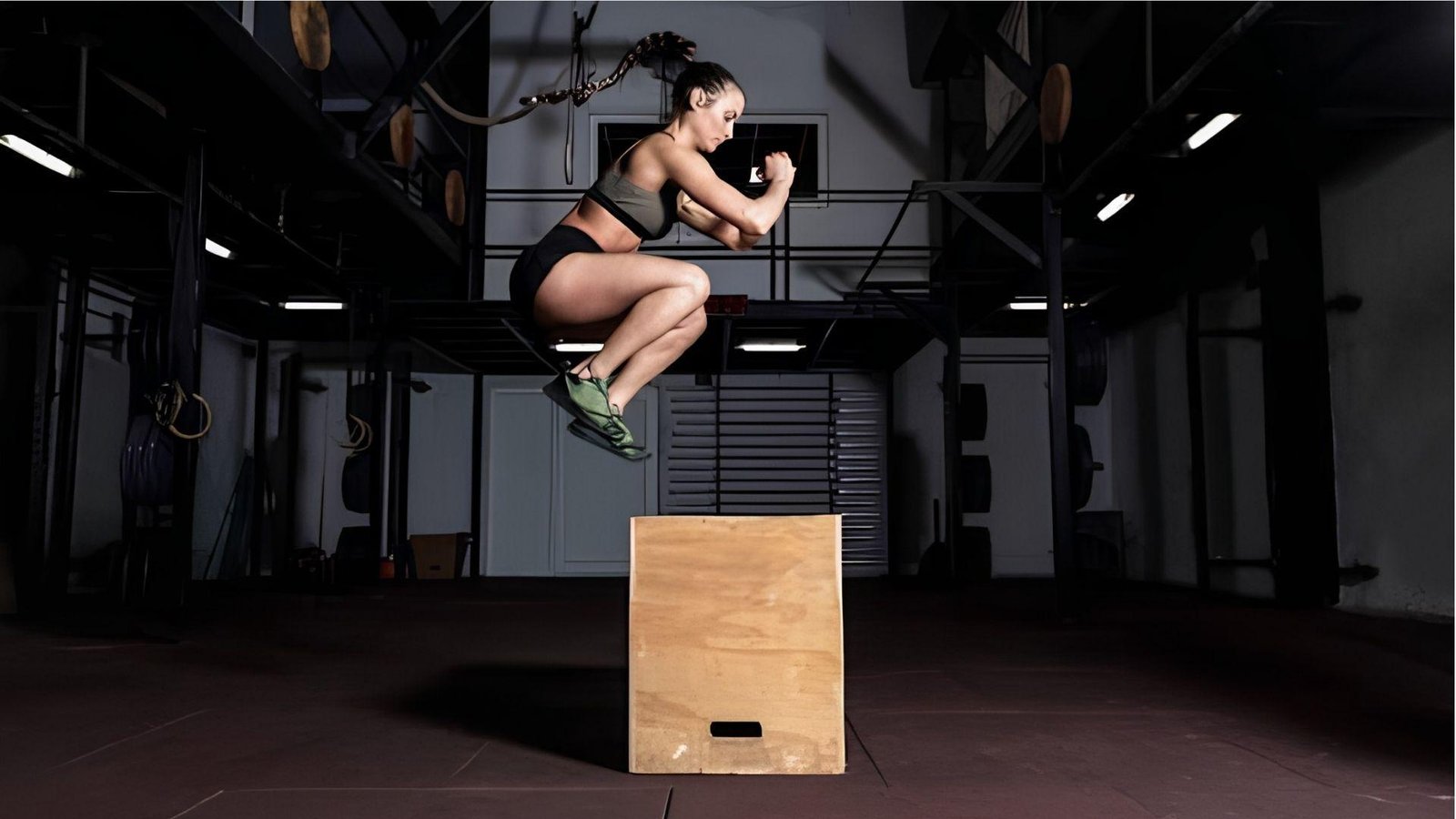
Box jumps build lower-body explosiveness and train your nervous system to fire fast. The hip extension you develop here carries directly into your swing power and vertical jump ability.
Stand in front of a box. Dip slightly. Then jump up onto it with both feet. Land softly with bent knees. Step back down slowly. Don't rush the landing.
The goal is max height and full hip extension at the top of each jump. Three sets of five reps works well for most conditioning programs.
11. Farmer's Carry
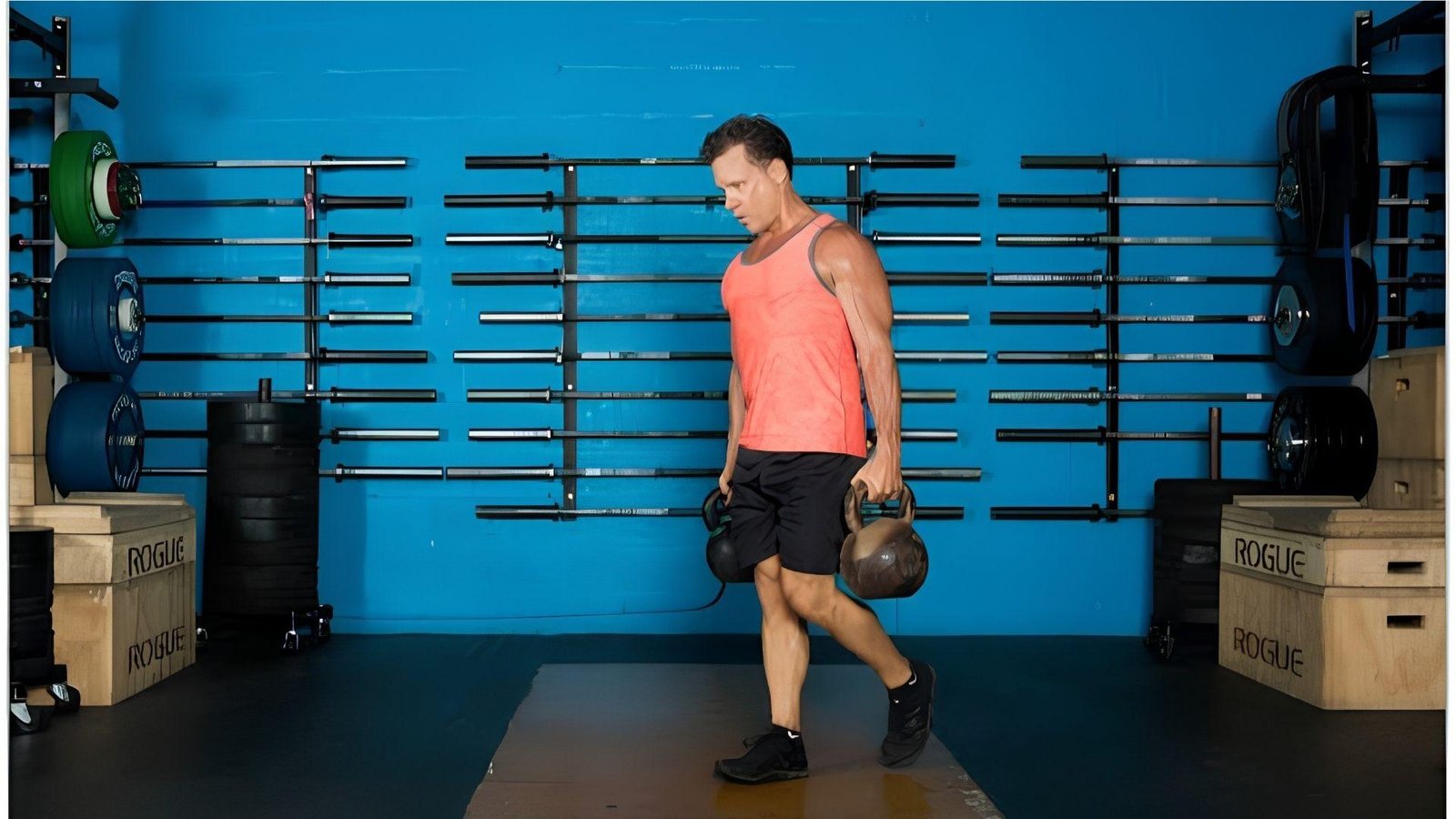
Grip strength and core stability are underrated in baseball. The farmer's carry builds both at the same time. Pick up two heavy dumbbells or kettlebells.
Walk with them for thirty to forty yards. Keep your shoulders back and your core tight. Don't lean to one side.
This simple drill also builds real mental toughness because it's hard to push through when your grip is burning. Add it to the end of your training session.
Practical Workout Recommendations from Experienced Baseball Players

Here's what seasoned players say actually makes a difference when you follow these drills week after week.
1. Build Lower-Body Strength First
Before you focus on speed or power, build a strong base. Your legs are the engine behind every swing, throw, and sprint. Squats, deadlifts, and lunges should be the foundation of your routine.
Stronger legs mean more bat speed, harder throws, and better stamina late in games. Don't skip leg day.
Most players who plateau in performance have weak lower bodies they never addressed.
2. Focus on Rotational Power
Baseball is a rotational sport. Almost every athletic movement on the field starts from your hips.
Medicine ball throws, rotational cable pulls, and hip hinge drills should be a regular part of your training. Work both sides equally.
Many players have a dominant rotation side that gets overtrained. Balancing both sides protects your spine and improves your overall movement pattern across the whole game.
3. Train Sprint Mechanics Weekly
You don't have to sprint every single day. But you should work on sprint mechanics at least once a week.
Focus on your start position, arm drive, and stride length. Slow it down when needed. Record yourself to catch bad habits.
Players who drill their sprint mechanics consistently are faster at the end of the season than at the start, even with age working against them.
4. Strengthen Your Core Every Session
Your core connects everything. It transfers power from your legs to your arms on every swing and throw.
A weak core leaks that power. Include planks, dead bugs, or rotational band work in every single session. You don't need an hour.
Five to ten minutes of focused core work at the end of your workout adds up to serious results over a full season. Make it non-negotiable.
5. Never Skip Shoulder Health Exercises
Throwing puts enormous stress on your shoulder joint and rotator cuff. The small muscles around your shoulder need regular attention. Bands, light dumbbells, and targeted mobility work keep those muscles strong and flexible.
Do this a few times a week even on off days. Players who skip shoulder maintenance end up with chronic pain or injuries that take weeks to heal.
Protect your arm before a problem shows up.
Common Baseball Conditioning Mistakes
Avoid these five conditioning mistakes that hold most players back:
- Skipping lower-body training because it feels less sport-specific
- Overtraining throwing arm without balancing it with shoulder stability work
- Focusing only on cardio and ignoring strength and power drills
- Neglecting recovery days, which leads to burnout and nagging injuries
- Using the same routine for months without adjusting load or intensity
Conclusion
I know how frustrating it is to put in the work and still feel like something is missing on the field. I have been there.
Once I stopped guessing and started training with real structure, everything changed. My speed improved. My throws felt stronger. I stopped fading late in games.
Now it is your turn. Pick two or three drills and start this week.Drop a comment below and tell me which drill you are trying first.
Frequently Asked Questions
How long should a baseball conditioning workout be?
A baseball conditioning workout should run 45 to 75 minutes, with strength days on the longer end and speed or agility days closer to 30 to 45 minutes.
Should baseball players lift weights during the season?
Yes, but the focus shifts from building strength to maintaining it, so keep sessions short, reduce volume, and avoid heavy lifting within 48 hours of a game.
What muscles do baseball players need to train the most?
Baseball players should prioritize their glutes, hamstrings, core, and rotator cuff muscles, since these drive every throw, swing, and sprint on the field.
How many days a week should a baseball player work out?
Three to four days a week is the sweet spot for most players, allowing enough training stimulus to build strength and speed while leaving room for full recovery.