If you're searching for back workouts with dumbbells that actually help you build strength and muscle, you're in the right place.
You don't need complicated machines to train your back well. With the right exercises and good form, dumbbells can give you an effective workout at home or in the gym.
In this guide, you'll learn the best dumbbell back exercises, complete workout routines for different fitness levels, training tips, and common mistakes to avoid.
I've spent time researching strength training methods and exercise techniques to make this guide clear, practical, and easy to follow. My goal is to help you train smarter and feel stronger with every workout.
Why Train Your Back With Dumbbells?
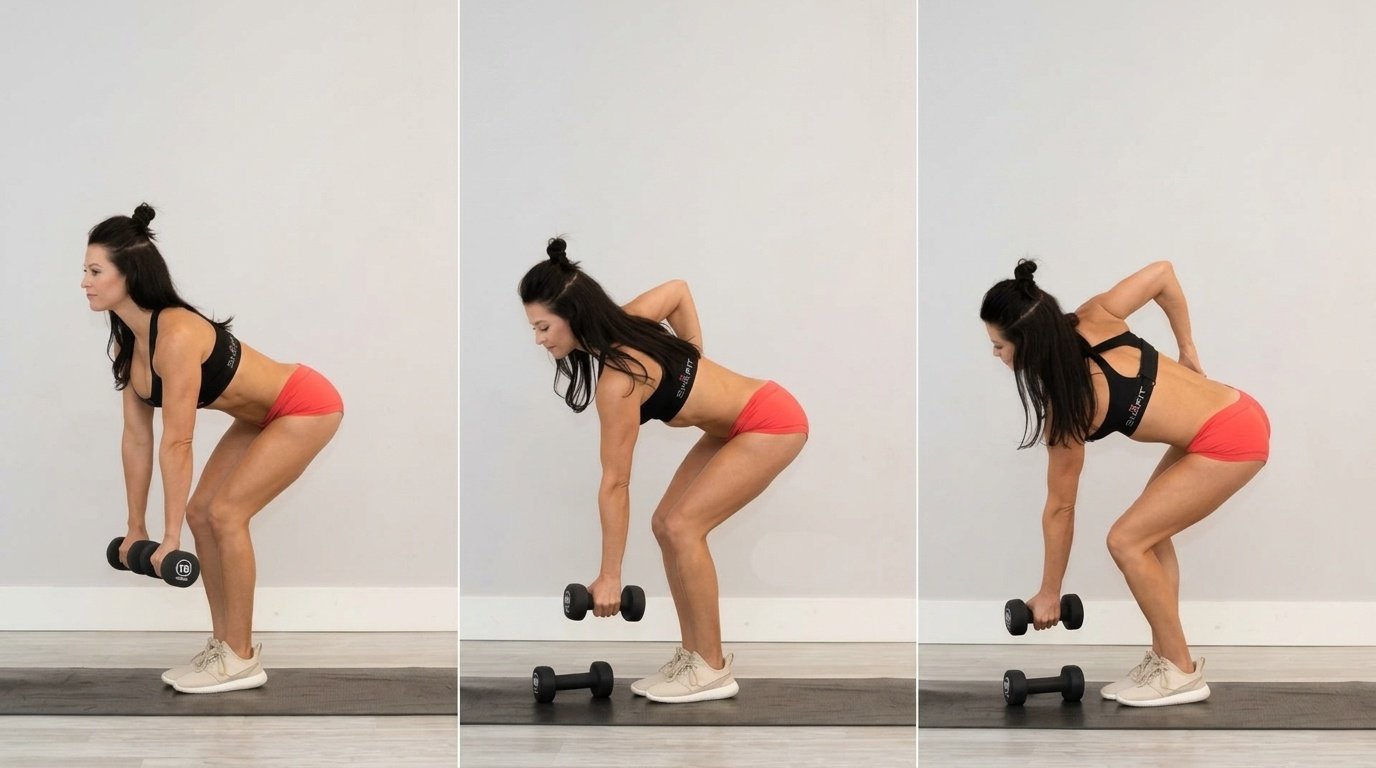
Training your back with dumbbells is an effective way to build strength, improve muscle balance, and increase stability. Unlike machines, dumbbells allow each arm to work independently, helping correct strength differences between your left and right sides.
This also improves muscle symmetry over time, since neither side can compensate for the other the way it can with a barbell.
They also provide a greater range of motion, allowing your back muscles to stretch and contract more naturally for better muscle activation. If your goal is building muscle, improving posture, or increasing pulling strength, dumbbells can help you make steady progress.
Another advantage is convenience. You can perform a complete back workout with just a pair of dumbbells, making them ideal for both home gyms and commercial gyms.
With proper form and consistent training, dumbbell exercises can strengthen your entire back while supporting better everyday movement and athletic performance.
Back Muscles Worked During Dumbbell Exercises
Dumbbell back exercises target several major muscles that work together to improve strength, posture, and pulling power.
- Latissimus Dorsi (Lats): The largest back muscles, responsible for pulling movements and creating a wider, stronger-looking back.
- Rhomboids: Located between the shoulder blades, these muscles help retract the shoulders and support good posture.
- Trapezius: The upper, middle, and lower traps stabilize the shoulders and assist with lifting, pulling, and neck movement.
- Rear Deltoids: The back portion of the shoulders helps with rowing movements and improves shoulder stability.
- Erector Spinae: These lower back muscles support the spine, maintain proper posture, and help you stay stable during lifting exercises.
Best Back Workouts With Dumbbells
These dumbbell exercises train your entire back, helping you build strength, muscle, and better pulling power with minimal equipment.
1. Dumbbell Bent-Over Row
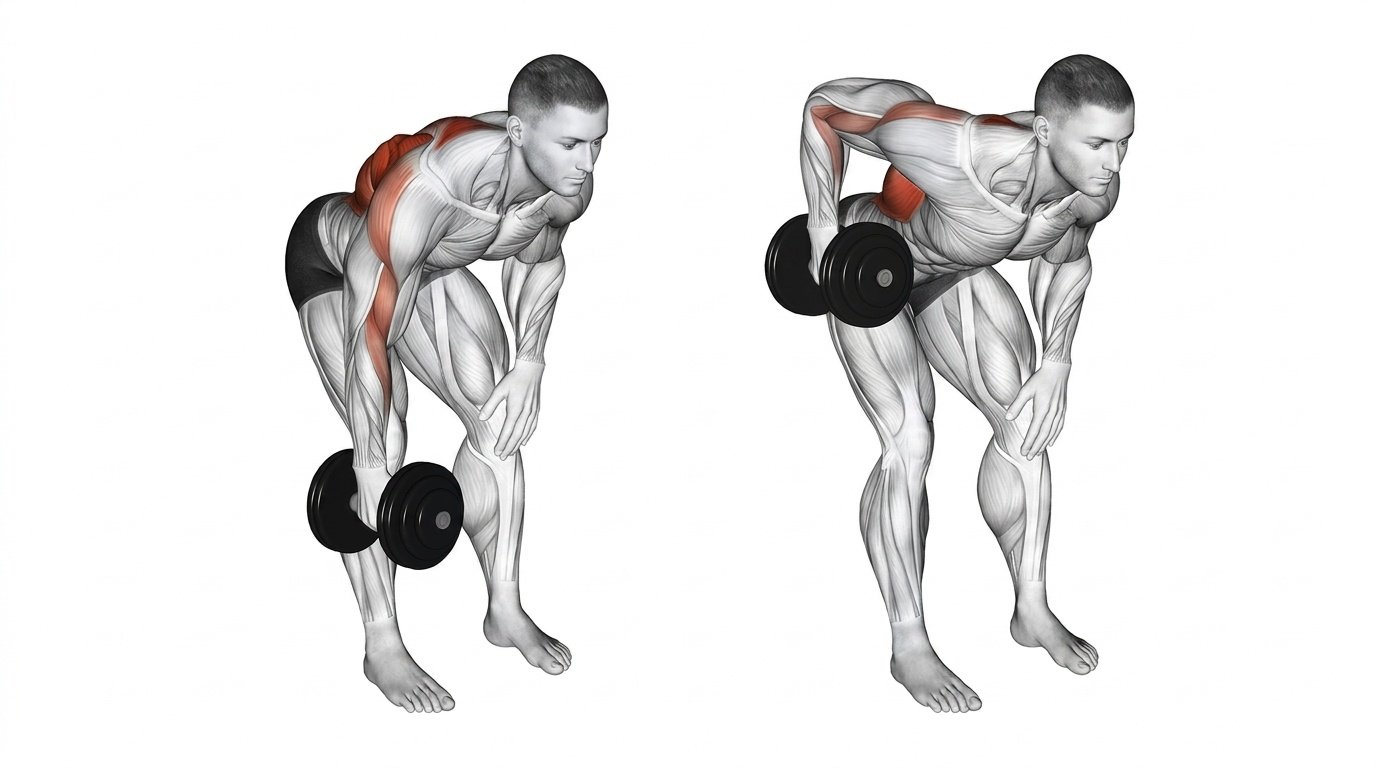
Stand with your feet shoulder-width apart and hinge at your hips while keeping your back flat. Hold a dumbbell in each hand and pull the weights toward your lower ribs before lowering them with control. This exercise mainly works the lats, rhomboids, traps, and rear deltoids.
Avoid rounding your back, using momentum, or shrugging your shoulders during the lift. A useful cue here is to pull from your elbows rather than your hands. This shifts focus away from the biceps and puts more work on the back muscles where it belongs.
Focus on squeezing your shoulder blades together at the top of each repetition and maintaining a controlled movement throughout every set.
2. Single-Arm Dumbbell Row

Place one knee and one hand on a bench while holding a dumbbell in the opposite hand. Pull the weight toward your hip instead of your shoulder, then lower it slowly.
This movement improves unilateral strength, helps fix muscle imbalances, and increases back stability.
Keep your torso still, avoid twisting your body, and squeeze your lat at the top of each repetition. Perform the same number of reps on both sides for balanced strength development.
3. Chest-Supported Dumbbell Row
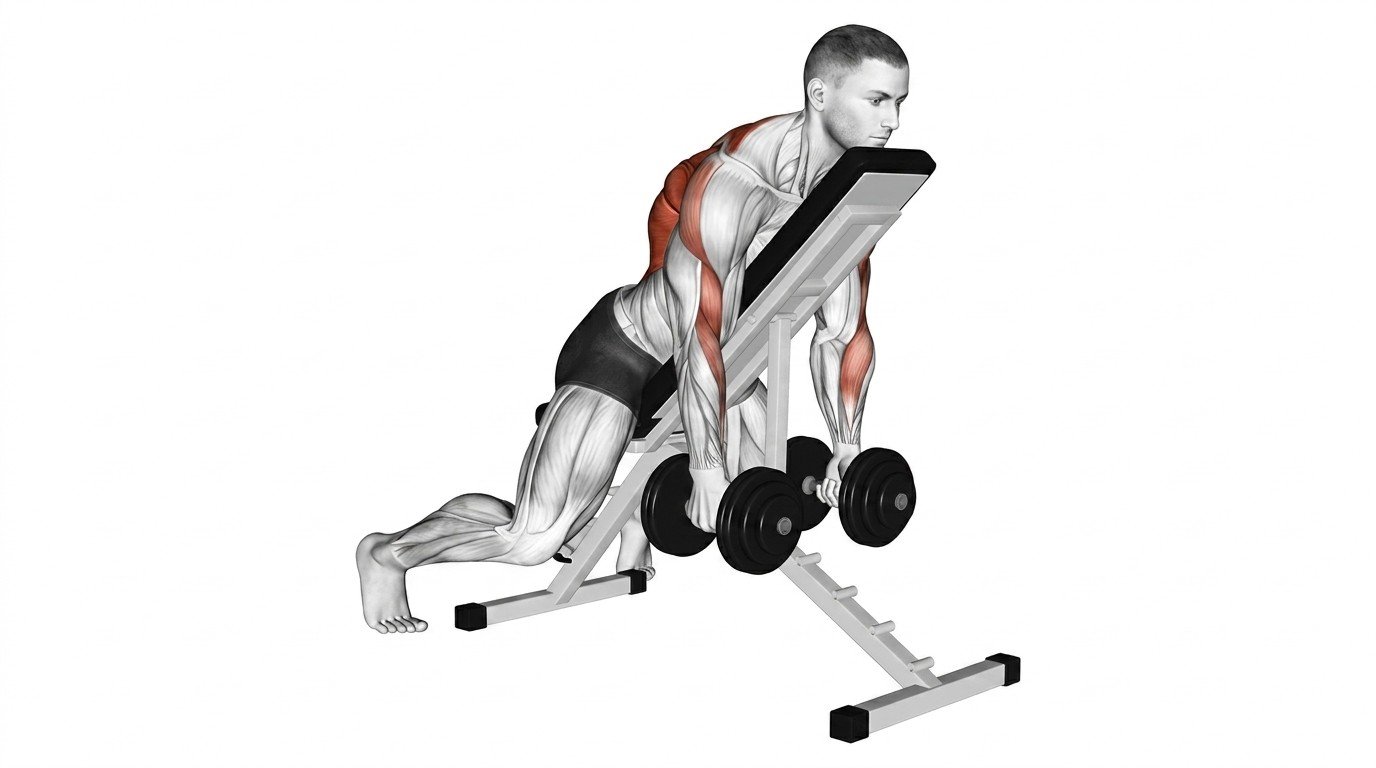
Lie face down on an incline bench with a dumbbell in each hand hanging below your shoulders. Pull the weights toward your ribs while keeping your chest firmly against the bench.
This position reduces stress on the lower back because your body is supported throughout the exercise.
It allows you to focus on the lats, rhomboids, and middle traps without worrying about maintaining your standing posture. Lower the dumbbells slowly for better muscle engagement.
4. Dumbbell Reverse Fly
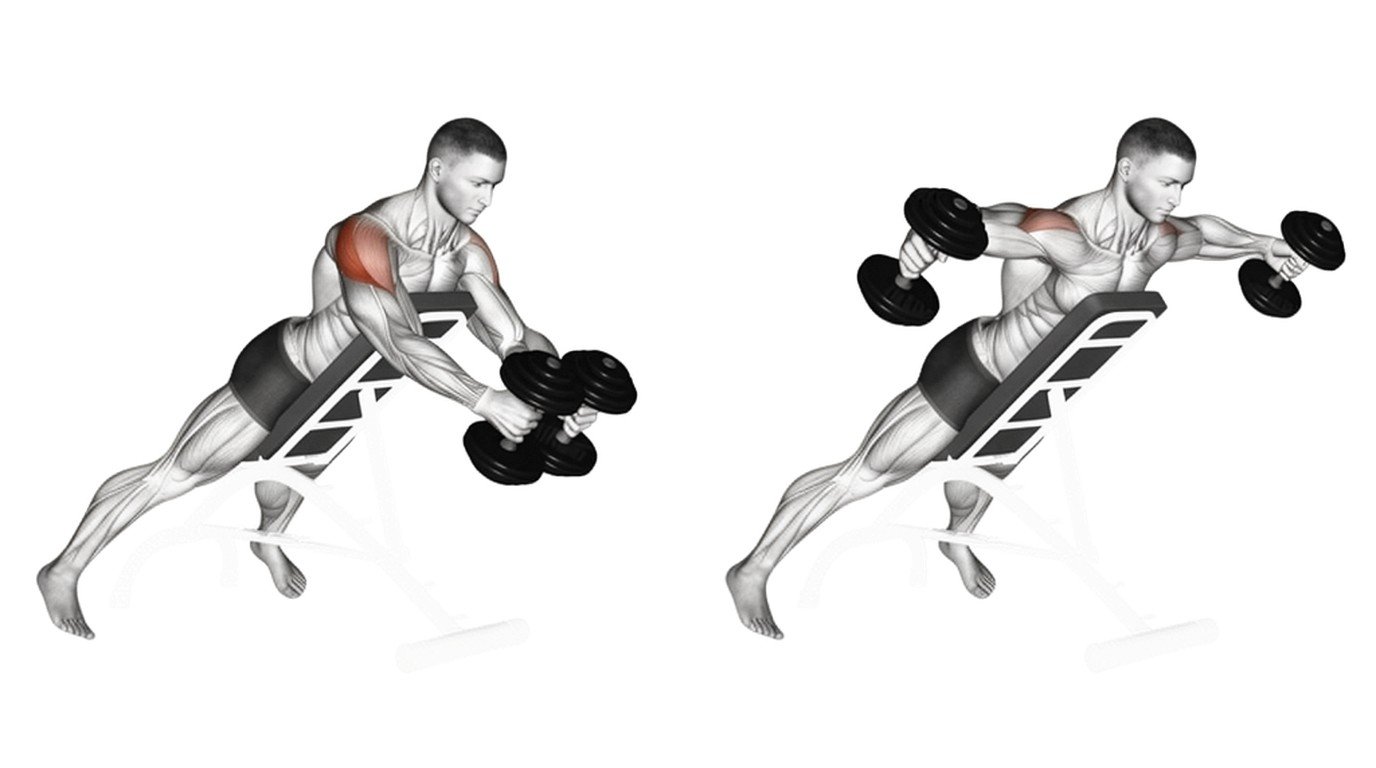
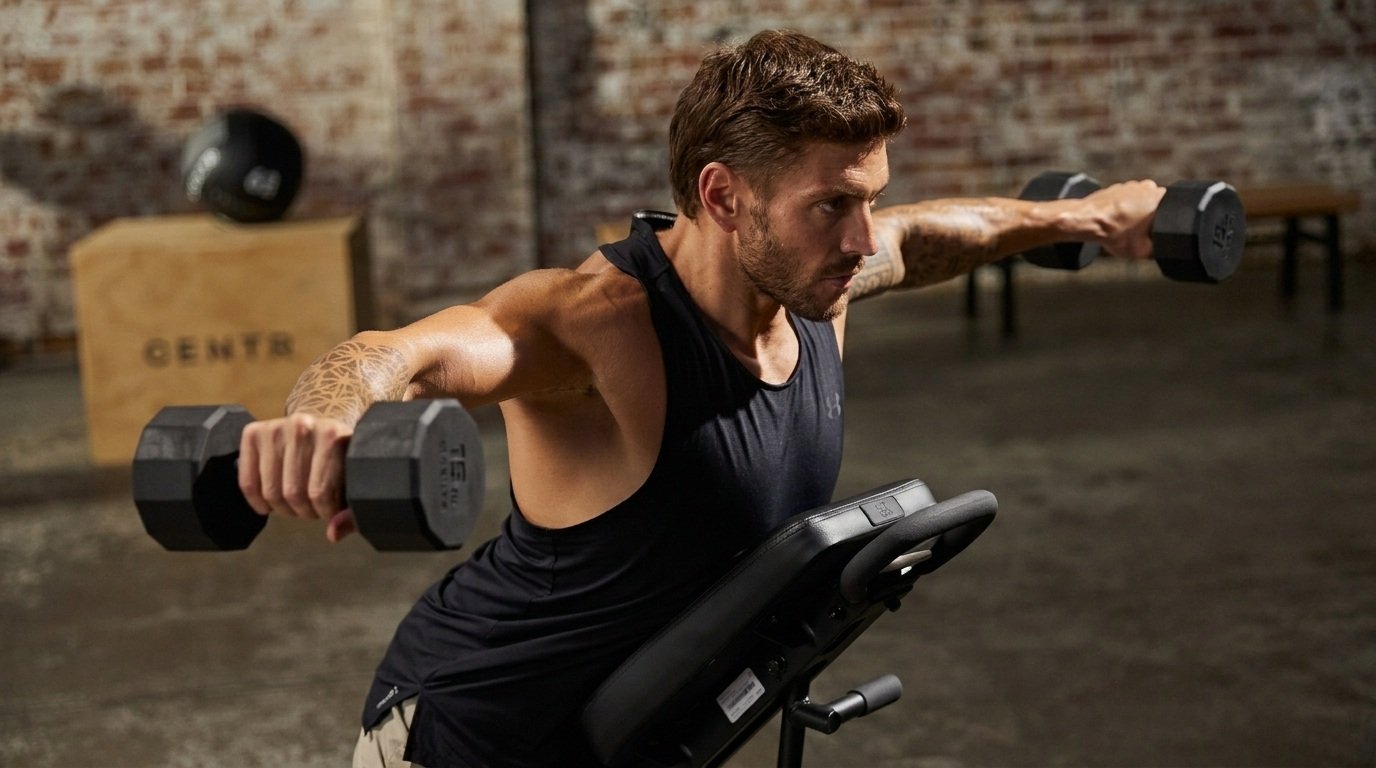
Hold two light dumbbells and bend forward at the hips with a flat back. Raise your arms out to the sides until they reach shoulder height, then return slowly to the starting position.
This exercise mainly targets the upper back and rear deltoids, helping improve posture and shoulder stability.
Avoid swinging the weights or lifting too high. Controlled repetitions and lighter weights often produce better results than using heavy dumbbells with poor technique.
5. Dumbbell Pullover
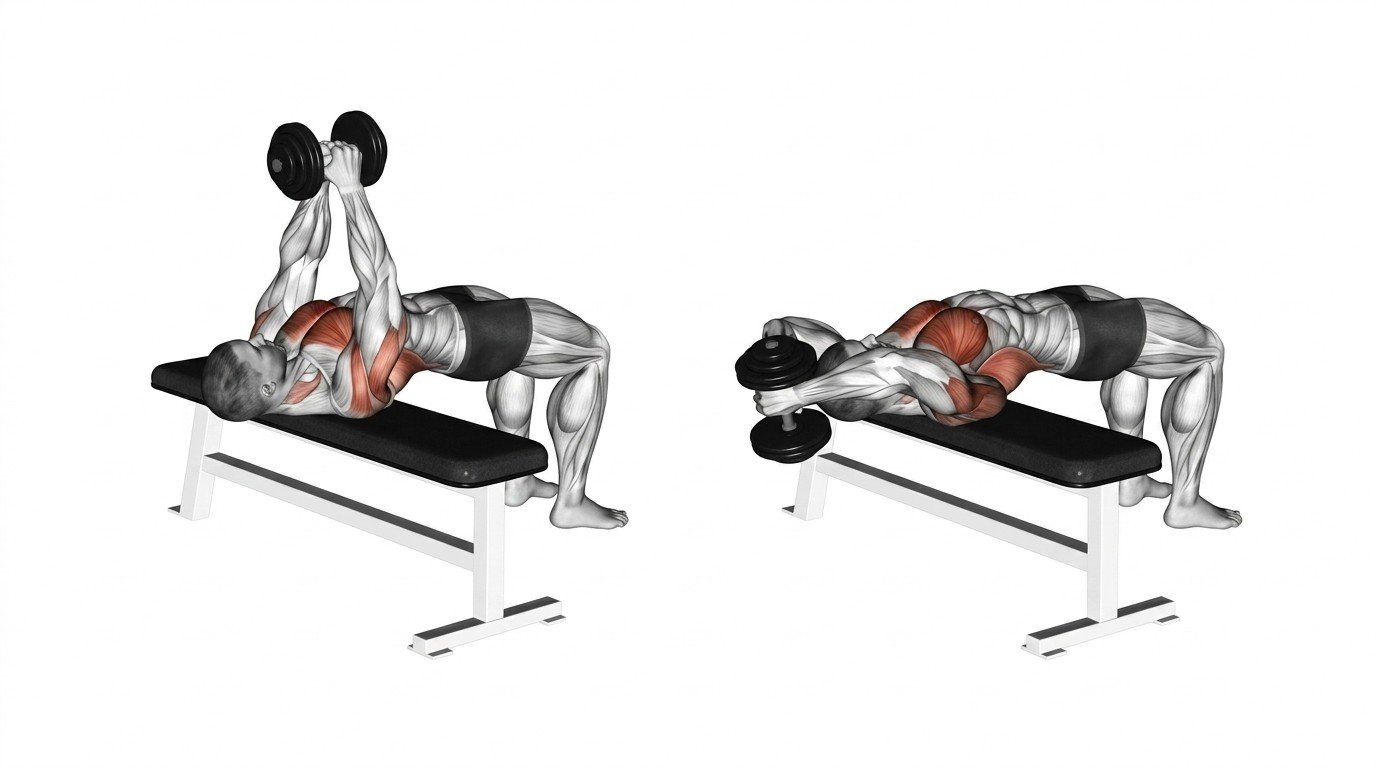
Lie on a flat bench while holding one dumbbell with both hands above your chest. Slowly lower the weight behind your head until you feel a comfortable stretch, then pull it back over your chest. This movement works the lats while also engaging the chest, serratus anterior, and core.
Keep your elbows slightly bent throughout the exercise and avoid lowering the dumbbell too far. Use slow, controlled movements to maximize muscle activation and maintain shoulder comfort.
6. Renegade Row

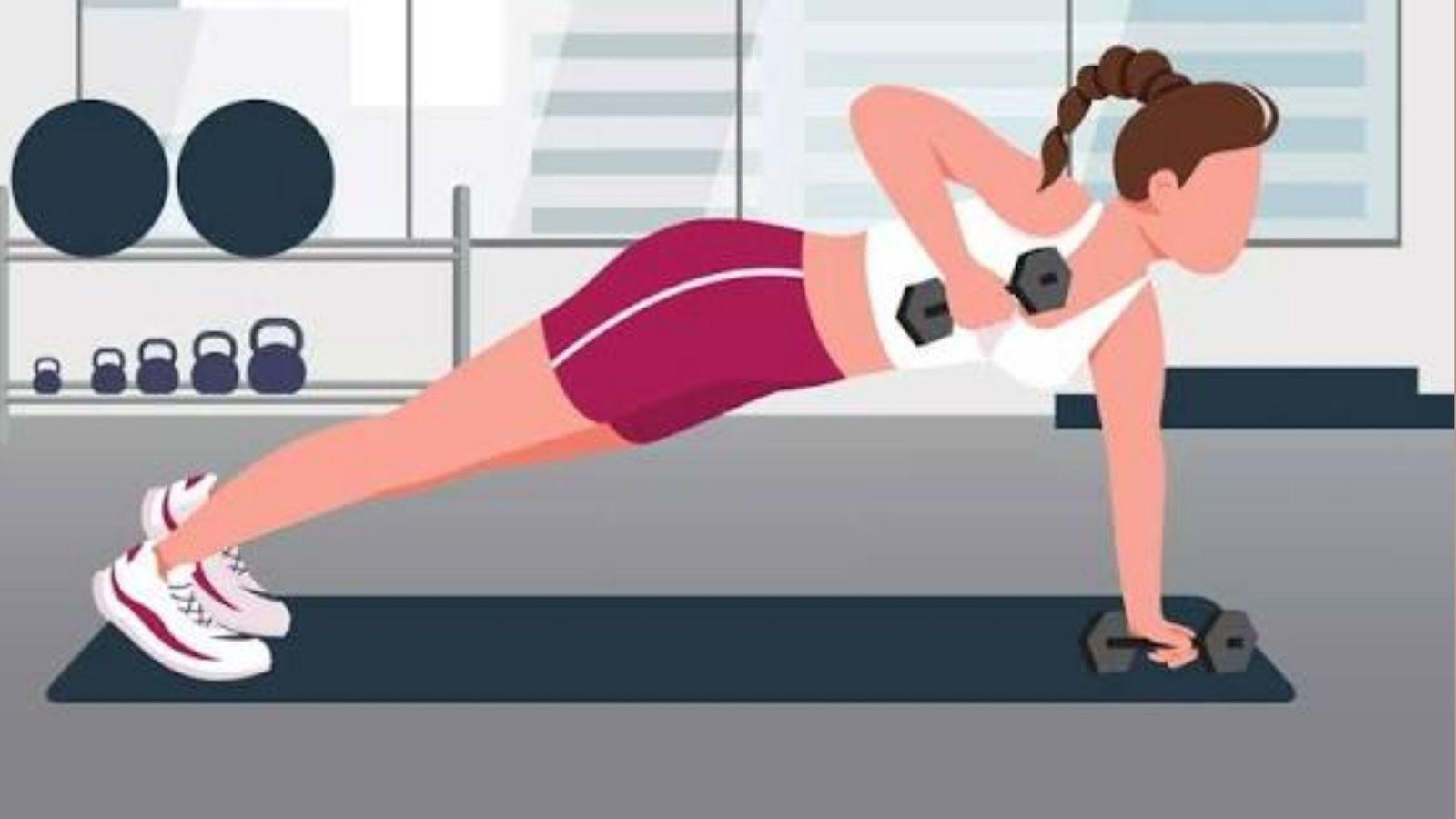
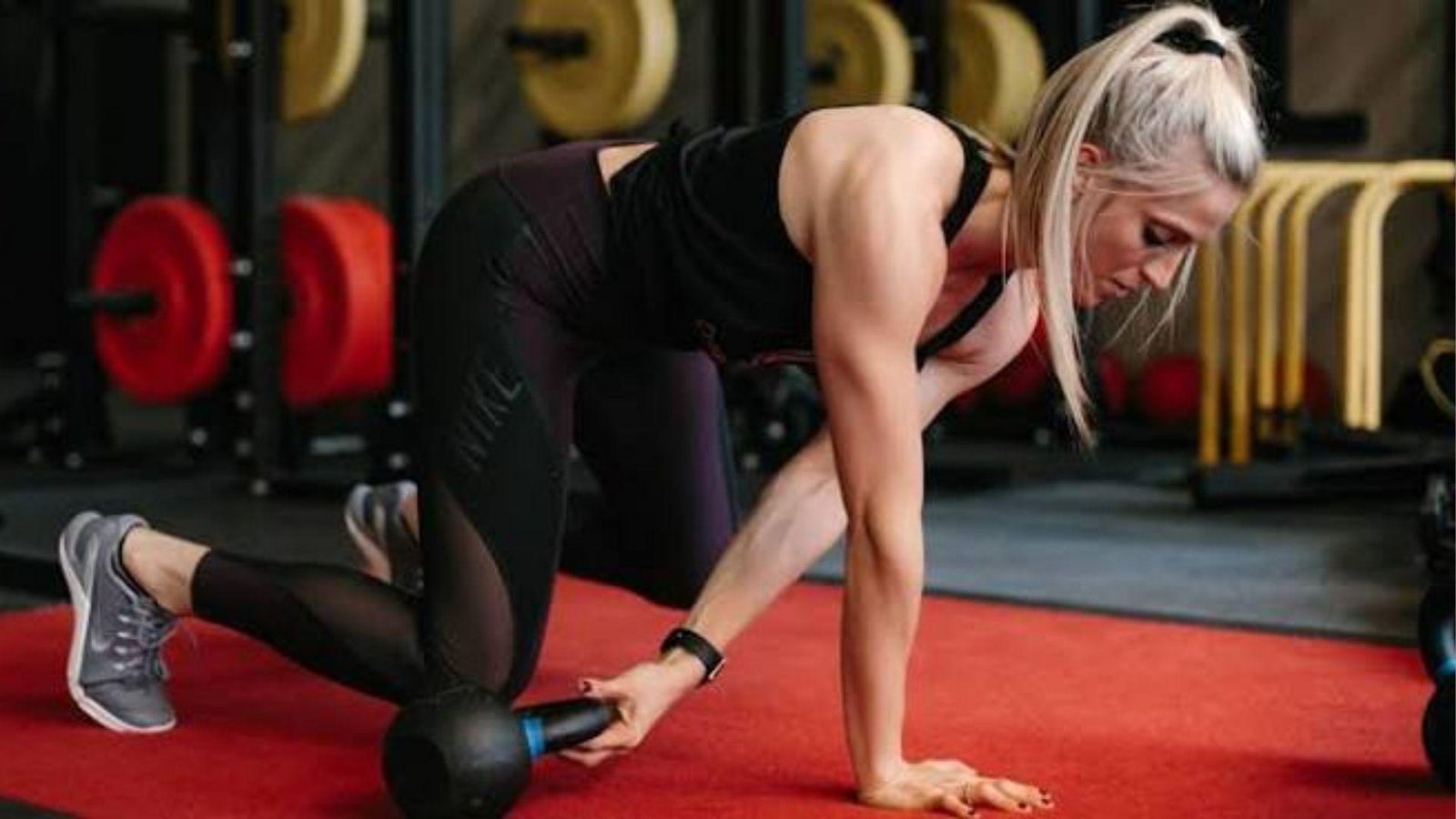
Begin in a high plank position with your hands gripping two dumbbells. Row one dumbbell toward your waist while balancing on the other arm, then alternate sides. This exercise strengthens your back, core, shoulders, and arms at the same time.
Keep your hips level and avoid rotating your torso as you lift the weight. A wider foot position helps you stay more stable throughout the movement.
Moving slowly improves stability and forces your core to work harder throughout the exercise, making it highly effective.
7. Dumbbell Deadlift

Stand with dumbbells in front of your thighs and hinge at your hips while keeping your back straight. Lower the weights toward your shins before driving through your heels to return to standing.
This exercise develops the posterior chain, including the lower back, glutes, hamstrings, and upper back.
Keep the dumbbells close to your legs and avoid rounding your spine. Proper technique is more important than lifting heavy weight during this movement.
8. Dumbbell Shrugs

Stand upright while holding a dumbbell in each hand by your sides. Lift your shoulders straight up toward your ears, pause briefly, and lower them under control.
Dumbbell shrugs primarily strengthen the upper trapezius, which supports shoulder stability and neck posture.
Avoid rolling your shoulders in circles because this doesn't improve the exercise and may increase joint stress. Focus on a straight upward movement and a controlled lowering phase for better results.
9. Incline Dumbbell Row
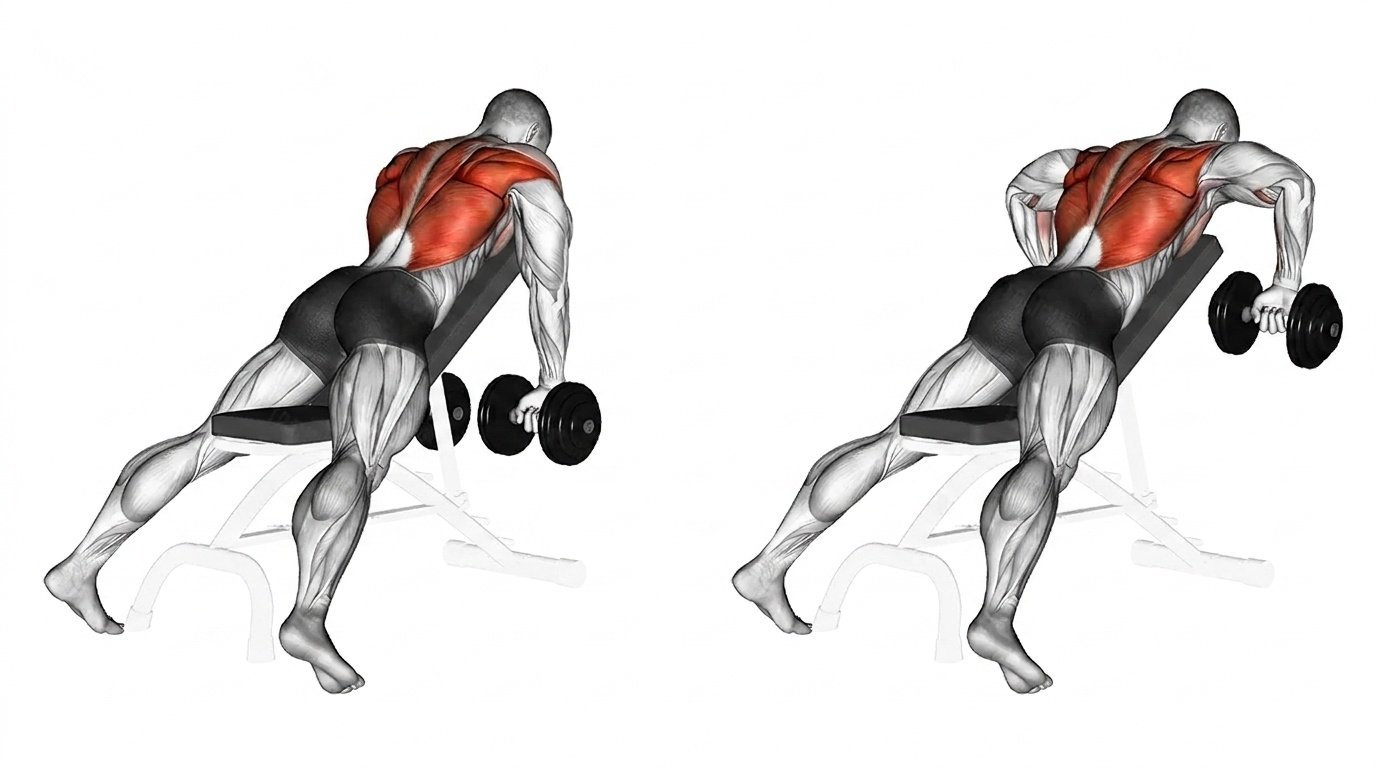
Lie chest-down on an incline bench while holding a pair of dumbbells. Pull the weights toward your lower ribs while squeezing your shoulder blades together through full scapular retraction, then lower them slowly.
This variation places extra emphasis on the upper back, including the rhomboids and middle traps. Because your chest is supported, it's easier to maintain proper form and reduce unnecessary movement.
Use a full range of motion to maximize muscle engagement with each repetition.
10. Dumbbell Good Morning

Hold two light dumbbells at your shoulders or by your sides and stand with your feet hip-width apart. Hinge forward at your hips while keeping your back neutral, then return to standing.
This exercise strengthens the lower back, glutes, and hamstrings, improving hip-hinge mechanics and spinal stability.
Move slowly, keep a slight bend in your knees, and avoid rounding your back. Start with light weights until your technique feels comfortable.
11. Dumbbell Seal Row
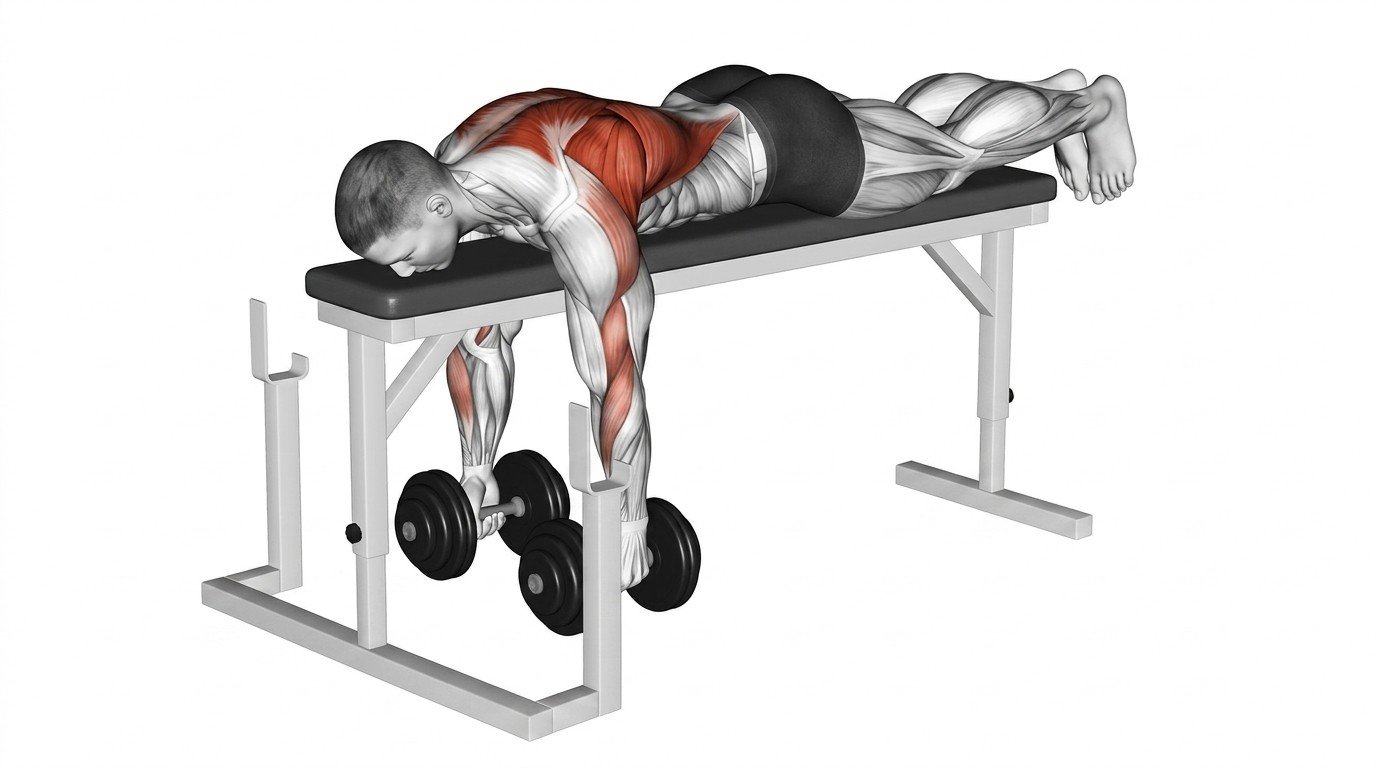
Lie face down on a high bench so your arms hang freely while holding a dumbbell in each hand. Pull the weights toward your lower chest, pause, and lower them slowly.
Because your body is fully supported, you can focus on your lats, rhomboids, and middle traps without placing extra stress on your lower back. Avoid shrugging your shoulders or using momentum.
This exercise is excellent for improving pulling strength and maintaining strict rowing form throughout every repetition.
12. Dumbbell High Row
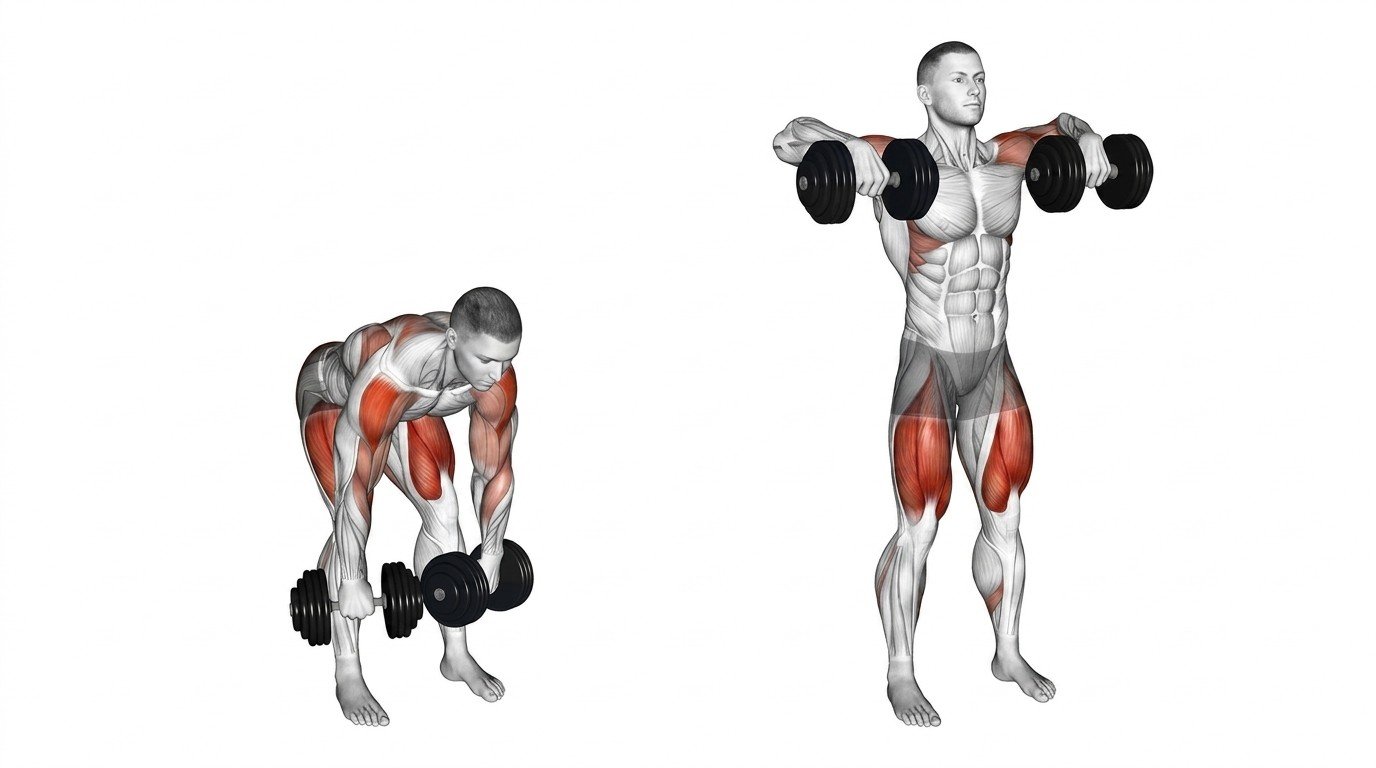
Stand with a slight bend in your knees and hinge at your hips while holding two dumbbells. Pull your elbows outward until they reach shoulder height, then lower the weights with control.
The dumbbell high row mainly targets the upper traps, rhomboids, and rear deltoids, making it useful for improving posture and upper-back strength.
Keep your chest up, avoid swinging the weights, and focus on squeezing your shoulder blades together during each repetition.
13. Dumbbell Y Raise

Lie face down on an incline bench with light dumbbells in your hands. Raise your arms overhead in a Y shape, then slowly return to the starting position. This exercise strengthens the lower traps, rear shoulders, and upper back, helping improve shoulder stability and posture.
Use light weights and move slowly throughout the exercise. Avoid lifting your head or arching your lower back, and keep your movements controlled for the best muscle activation.
14. Dumbbell Upright Row
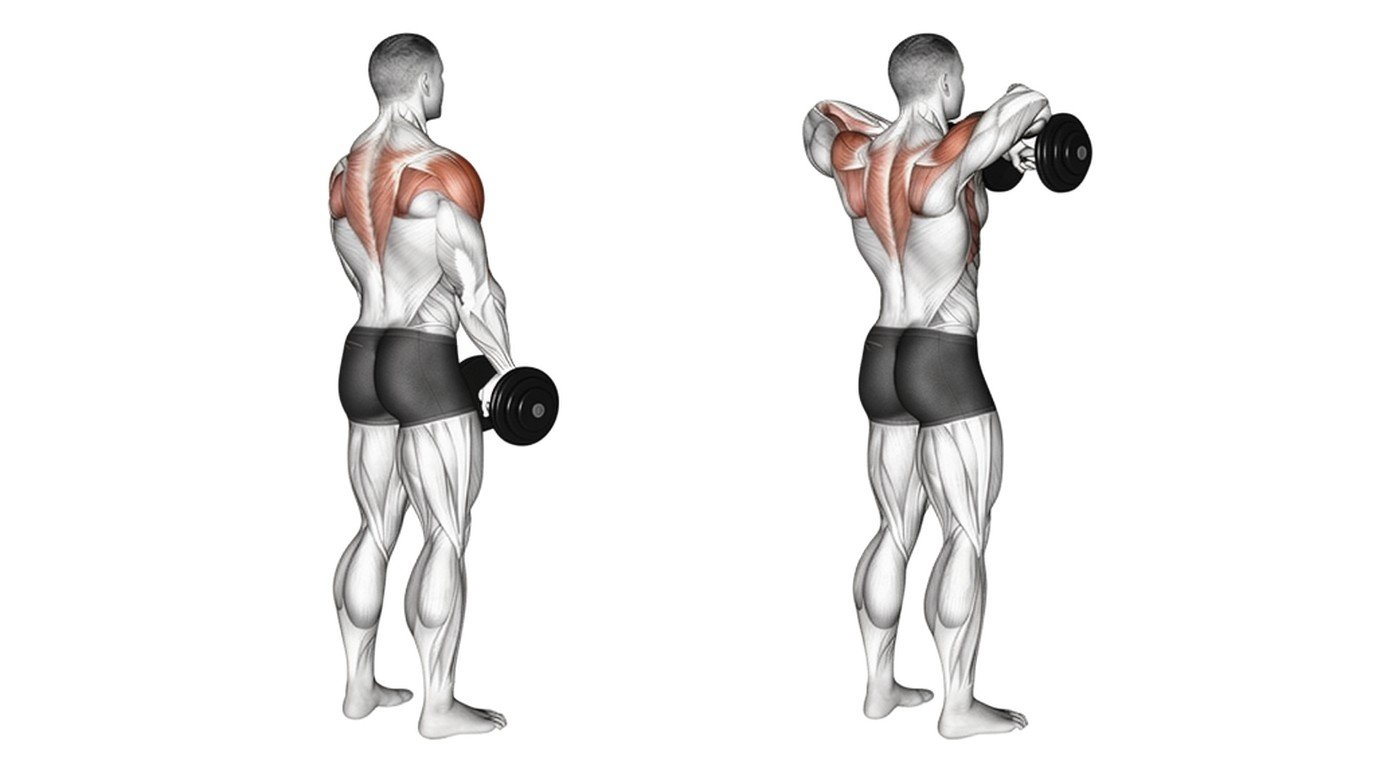
Stand tall while holding dumbbells in front of your thighs with your palms facing your body. Lift the weights until your elbows reach shoulder height, then lower them under control.
This movement primarily targets the upper traps and shoulders while also engaging the upper back.
Keep the dumbbells close to your body and avoid lifting higher than shoulder level to reduce unnecessary shoulder strain. Use moderate weight and maintain smooth, controlled repetitions.
15. Dumbbell Rear Delt Row
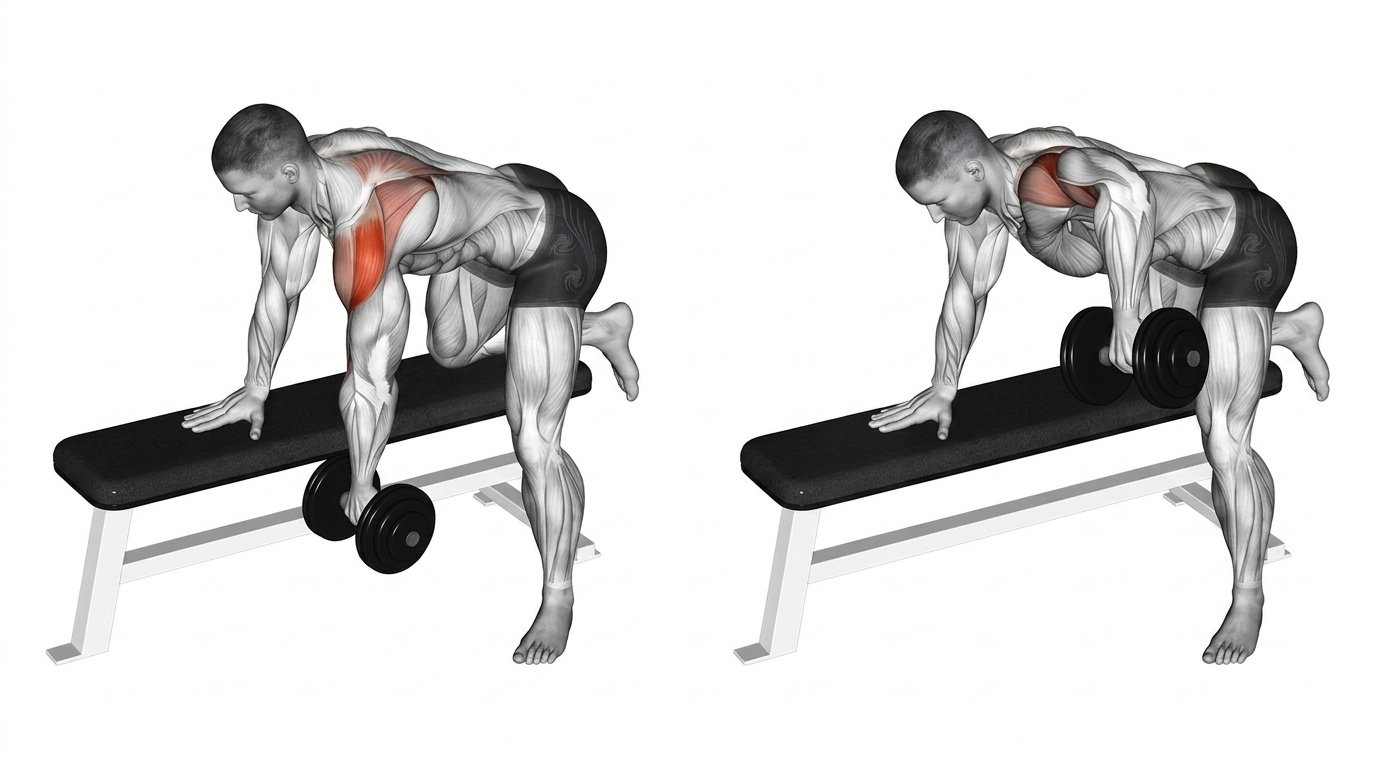
Bend forward at your hips while holding two dumbbells with your palms facing each other. Pull your elbows out to the sides instead of close to your body, then lower the weights slowly.
This variation places greater emphasis on the rear deltoids, rhomboids, and upper traps than a standard row.
Keep your back flat throughout the movement and avoid swinging the weights. Squeeze your shoulder blades together at the top of each repetition.
16. Dumbbell Suitcase Carry
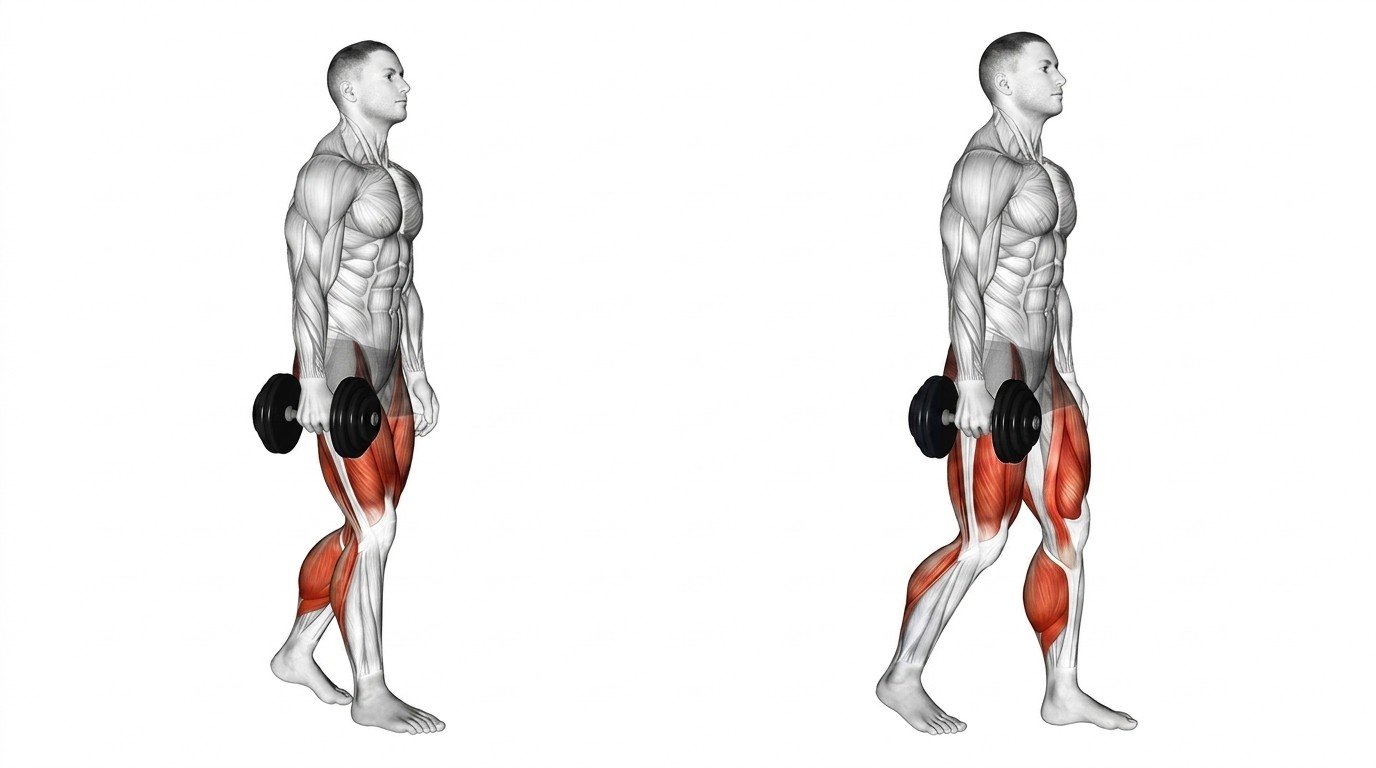
Hold a heavy dumbbell in one hand and walk forward with your shoulders level and your core braced. Switch hands after completing the desired distance.
This exercise strengthens the lower back, traps, core, and grip while improving overall stability and posture.
Resist the urge to lean toward the weight and maintain an upright position throughout the carry. Slow, controlled walking produces the best results and challenges your stabilizing muscles effectively.
17. Dumbbell Gorilla Row
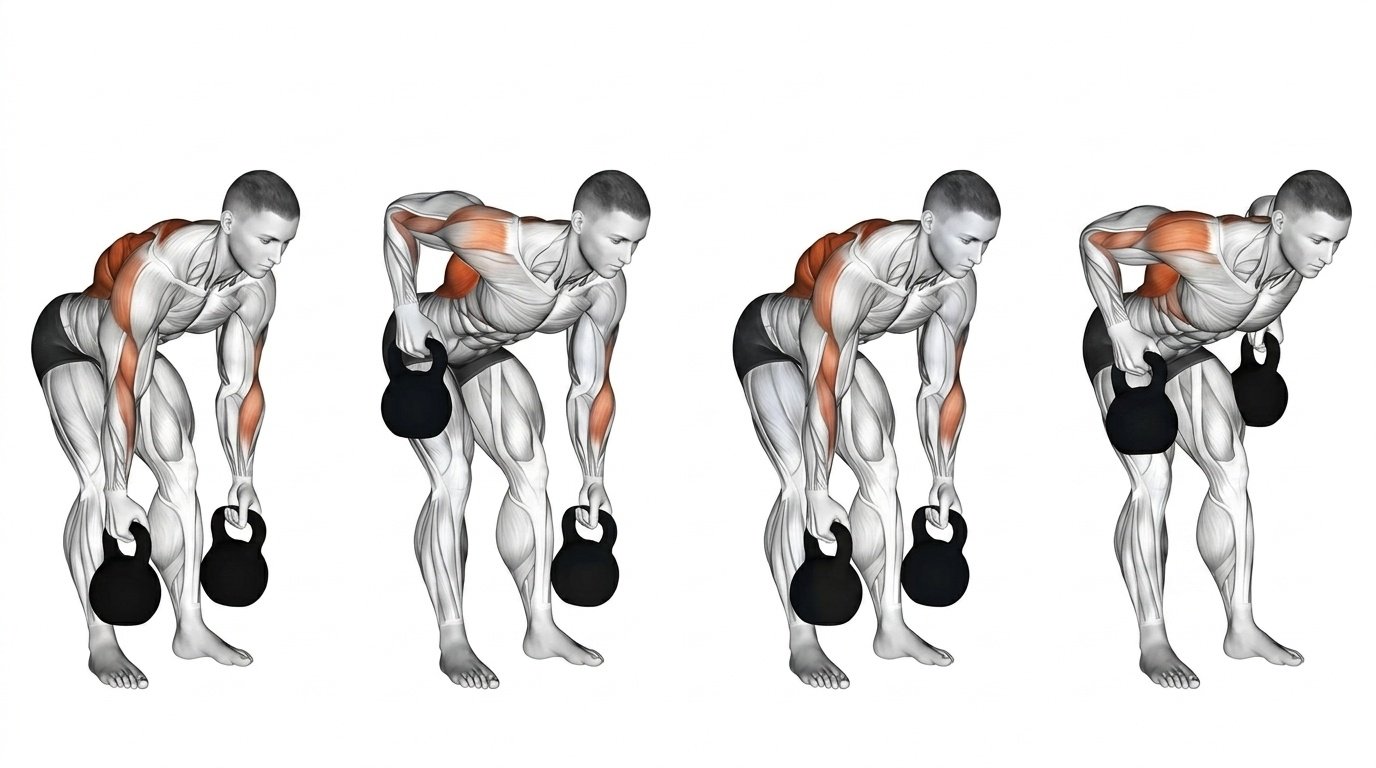
Stand with two dumbbells on the floor in front of you, knees slightly bent and hips hinged. Row one dumbbell up while the other rests on the floor, then alternate sides without rotating your torso. This movement trains your lats, traps, and core at the same time.
It also adds a stability challenge since only one weight is moving at a time. Keep your lower back flat and your core tight throughout every repetition.
Warm Up Before You Train
Skipping your warm-up is one of the fastest ways to hurt your back. Before any back session, spend 5 to 10 minutes doing dynamic stretches and light activation work.
Cat-cow stretches and thoracic twists loosen the spine. Light dumbbell rows at about half your working weight prime the muscles and groove your movement pattern.
Foam rolling the lats and upper back before you lift can also release tightness and improve your range of motion during the workout.
Back Workouts With Dumbbells at Home
Choose a workout that matches your fitness level and gradually increase the weight using progressive overload as you get stronger.
| Level | Exercises | Sets x Reps |
| Beginner | Bent-Over Row, Single-Arm Row, Reverse Fly, Shrugs, Deadlift | 2-3 x 10-12 |
| Intermediate | Chest-Supported Row, Bent-Over Row, Pullover, Renegade Row, Incline Row, Deadlift | 3-4 x 8-12 |
| Advanced | Heavy Single-Arm Row, Heavy Deadlift, Bent-Over Row, Renegade Row, Gorilla Row, Good Morning, Rear Delt Row | 4 x 6-10 |
Tips for Better Back Training
Small improvements in your technique and recovery can make your dumbbell back workouts more effective and help lower your risk of injury.
- Control each repetition: Lift and lower the dumbbells slowly instead of relying on momentum to keep your back muscles working.
- Squeeze the shoulder blades: Pause briefly at the top of each rowing movement to improve scapular retraction and muscle activation.
- Use the mind-muscle connection: Focus on feeling your back muscles working during each rep rather than just moving the weight. Think about pulling from your elbows, not your hands. This small shift improves muscle engagement and reduces arm dominance.
- Keep your core engaged: Tighten your core throughout each exercise to support your spine and maintain proper form.
- Balance pulling exercises: Include both horizontal and vertical pulling movements when possible to develop your back evenly.
- Prioritize recovery: Get enough sleep, eat enough protein, and allow your muscles time to recover before training your back again. Foam rolling and light stretching on rest days can also help reduce delayed-onset muscle soreness and keep your muscles ready to train.
Conclusion
I hope this guide on back workouts with dumbbells has made it easier to plan your training.
From what I've seen, staying consistent with a few well-performed exercises often works better than changing your routine every week.
Focus on good form, apply progressive overload little by little, and be patient with your progress.
Your back will get stronger over time. If you found this guide helpful, leave a comment with your favorite exercise, share it with a workout partner, or check out our other strength training articles.
Frequently Asked Questions
How often should I do back workouts with dumbbells?
Training your back 2 to 3 times per week is enough for most people. Leave at least one day between sessions for recovery.
What is the best dumbbell exercise for the back?
The dumbbell bent-over row is one of the most effective exercises because it targets several major back muscles in one movement.
Can beginners do back workouts with dumbbells?
Yes. Beginners should start with lighter weights, learn proper technique, and focus on controlled movements before increasing resistance.
Do I need a bench for back workouts with dumbbells?
No. Many effective back exercises, such as bent-over rows, shrugs, deadlifts, and renegade rows, can be done without a bench.
How do I stop using my arms too much during rows?
Focus on pulling from your elbows rather than your hands. This shifts the load to the back muscles and builds the mind-muscle connection you need for better results.