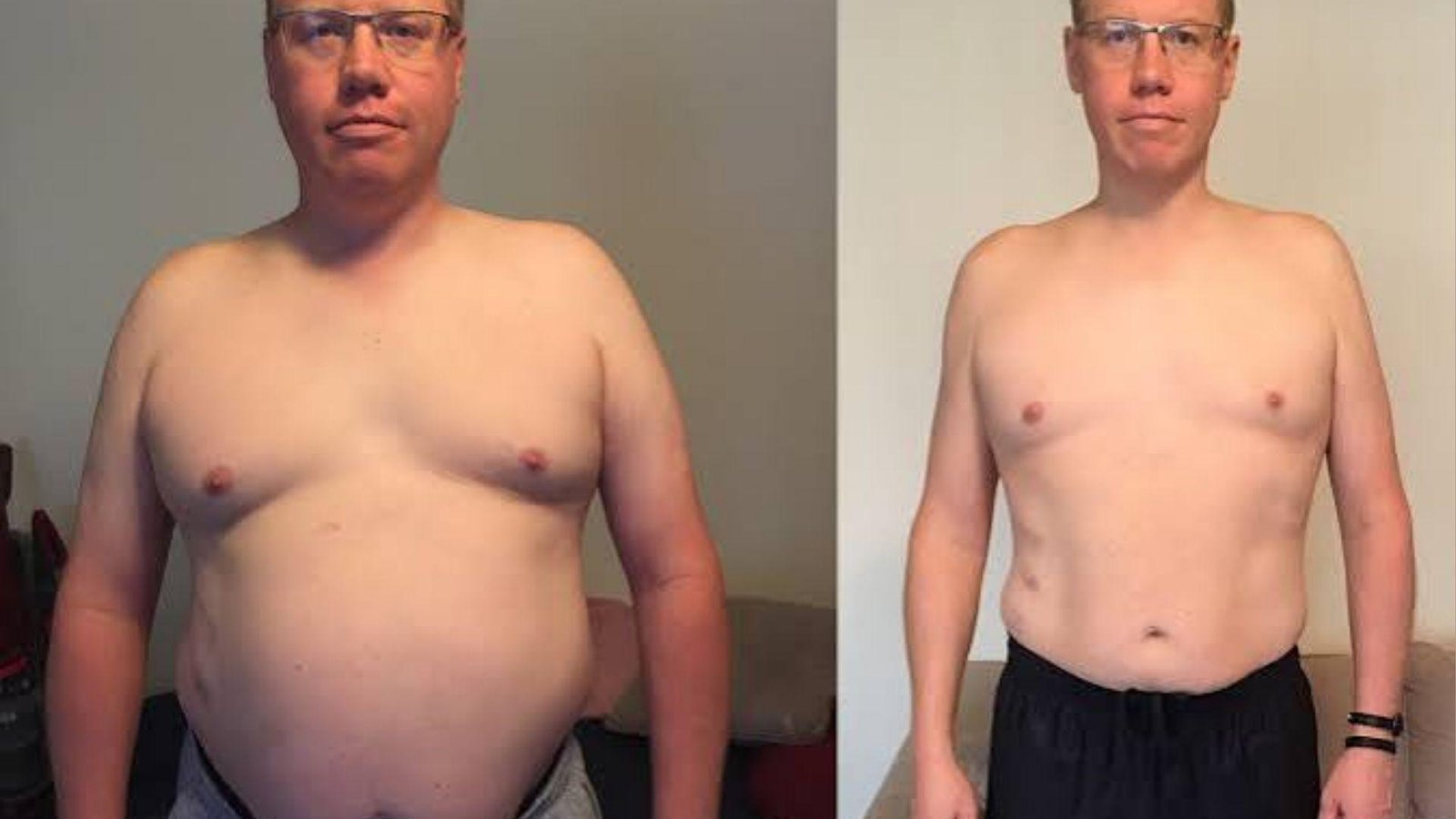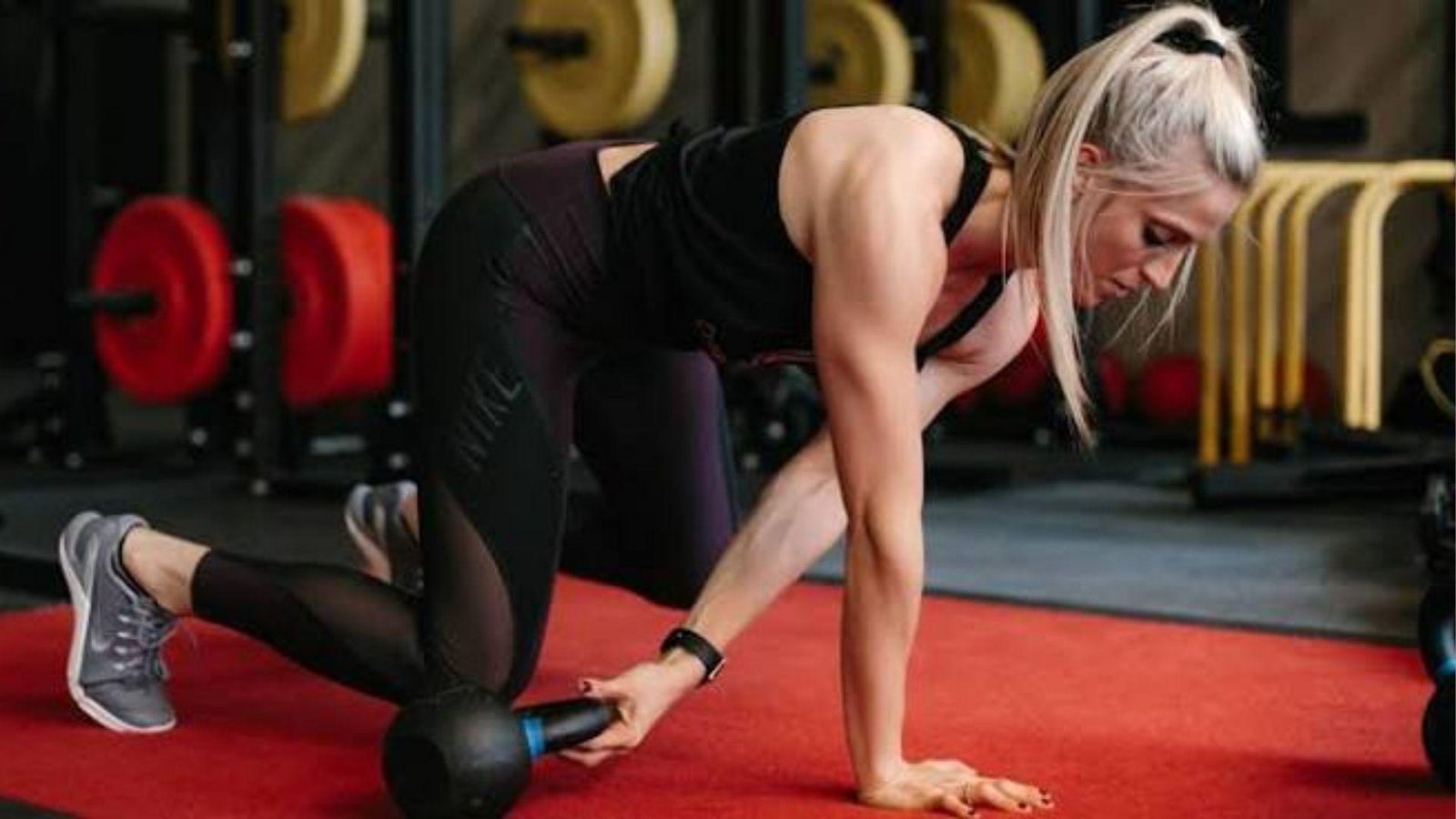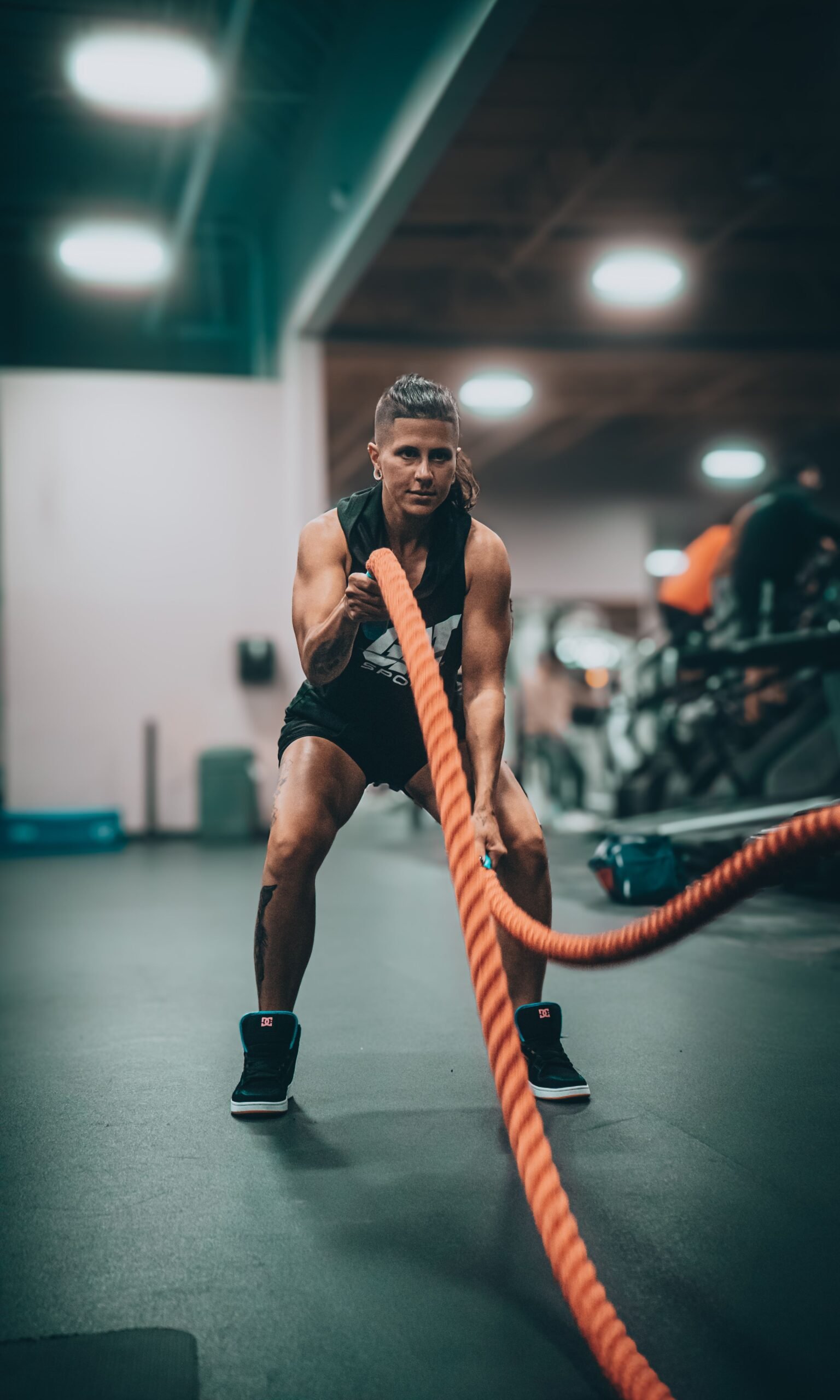
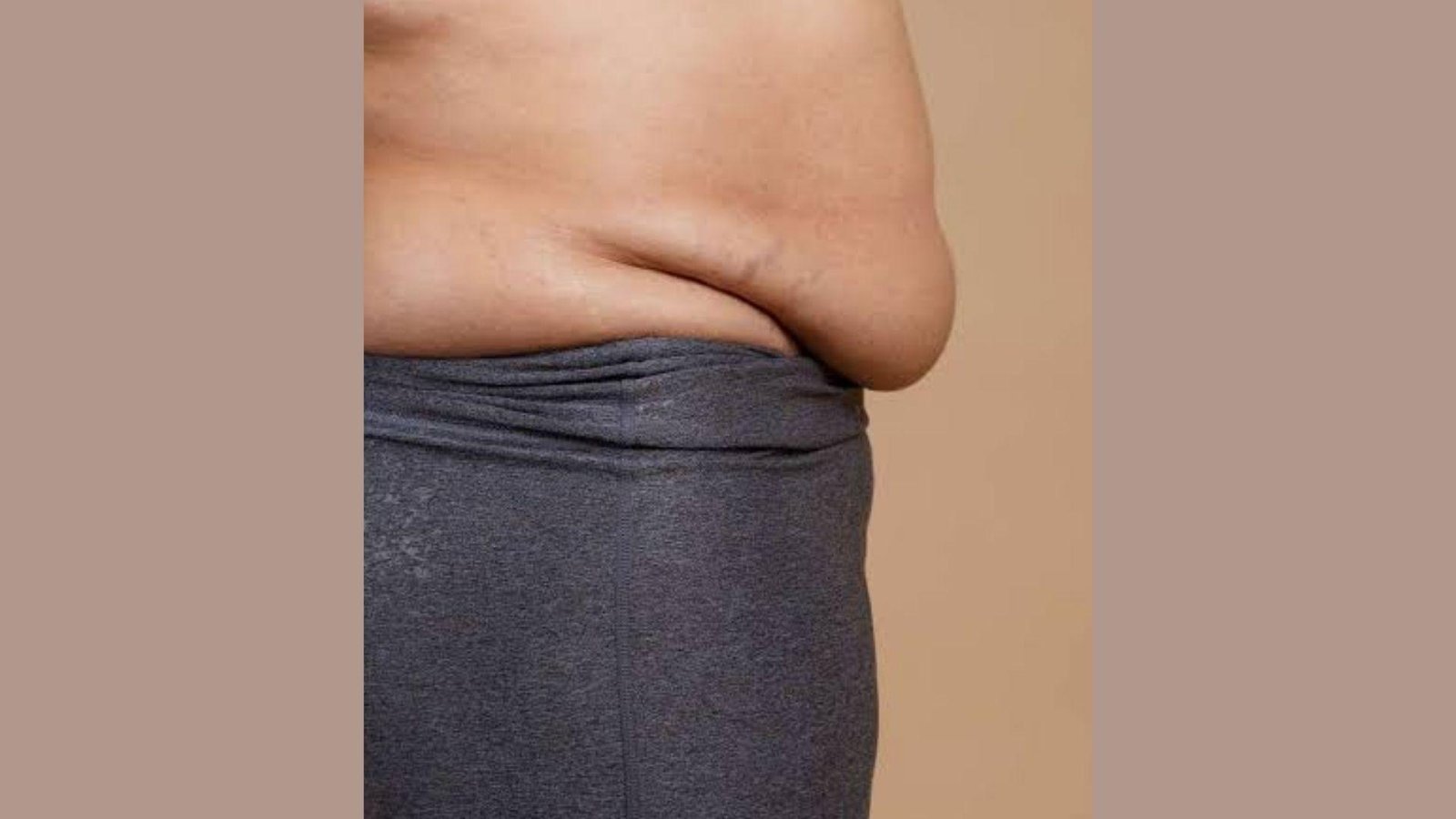
Apron belly is a term many women hear but few fully understand. It refers to loose, hanging skin and fat around the lower stomach.
This can happen after pregnancy, weight loss, or simply with age. Diastasis recti, or ab muscle separation, can also play a role, along with natural hormonal changes that shift how the body stores fat after 60.
This article explains what causes an apron belly and how you can manage it with home workouts. You will find exercises, weekly plans, and tips that actually work.
We know how frustrating this problem can feel. That's why this guide keeps things simple and practical. Every exercise here is chosen for real results, not quick fixes.
By the end, you will know exactly how to start, what to avoid, and how often to train. I have tested these routines myself and seen steady progress over time.
Benefits of Apron Belly Workouts at Home

Working out at home to target an apron belly gives you more than just a flatter stomach. Regular movement improves posture, reduces back strain, and builds core strength.
It also boosts energy and helps you feel more comfortable in daily activities like bending or lifting. Home workouts save time and money since you skip the gym commute.
They also let you move at your own pace, which matters if you are managing joint pain or recovering from surgery. Consistency, not intensity, is what brings real change to your body composition over weeks and months.
Small daily efforts at home can bring big changes to your core and confidence.
Best Apron Belly Workouts to Try at Home After 60
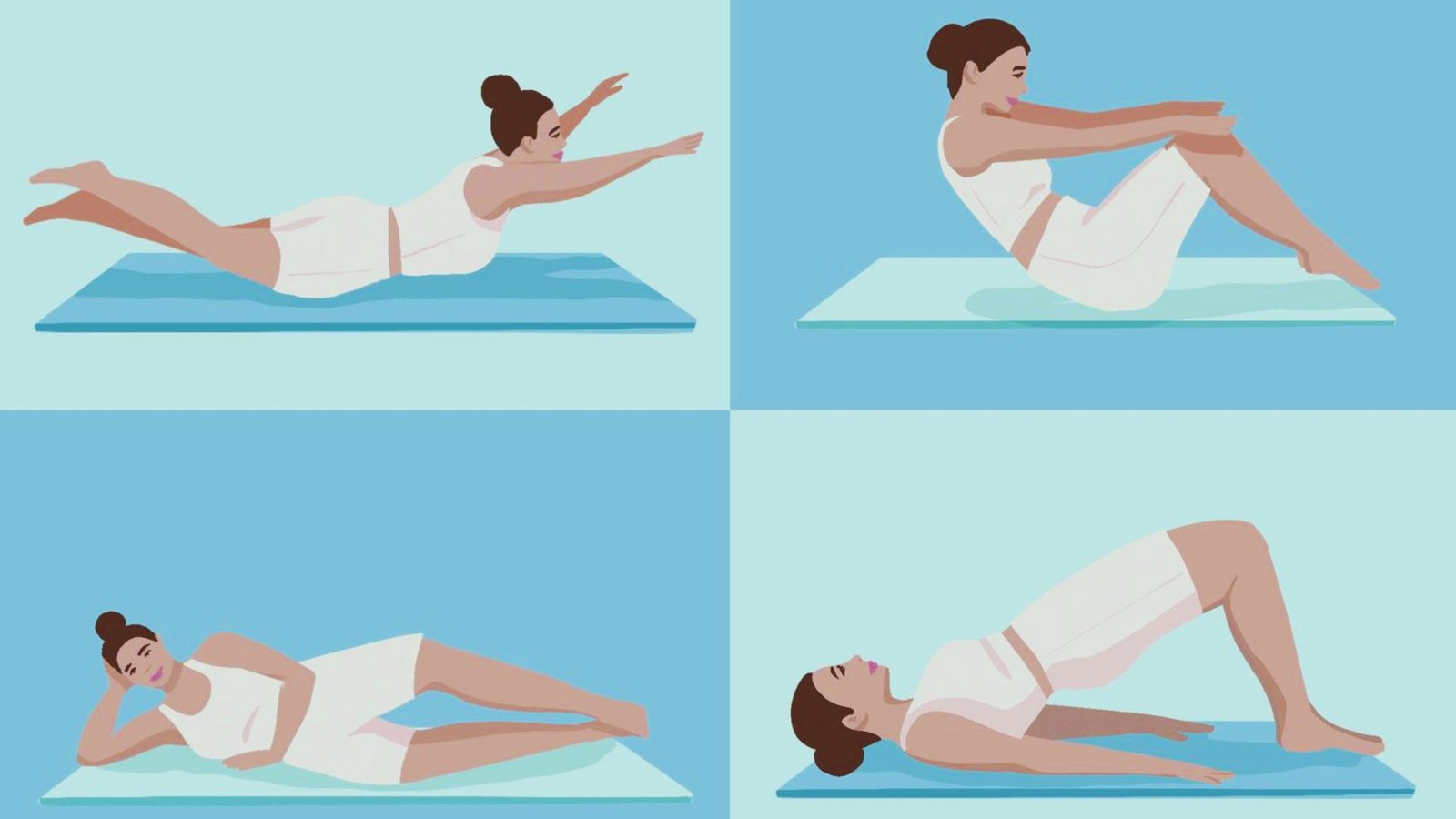
These five exercises are gentle on joints yet effective for strengthening the core. They focus on control rather than speed, making them safe for older adults managing muscle mass decline after 60.
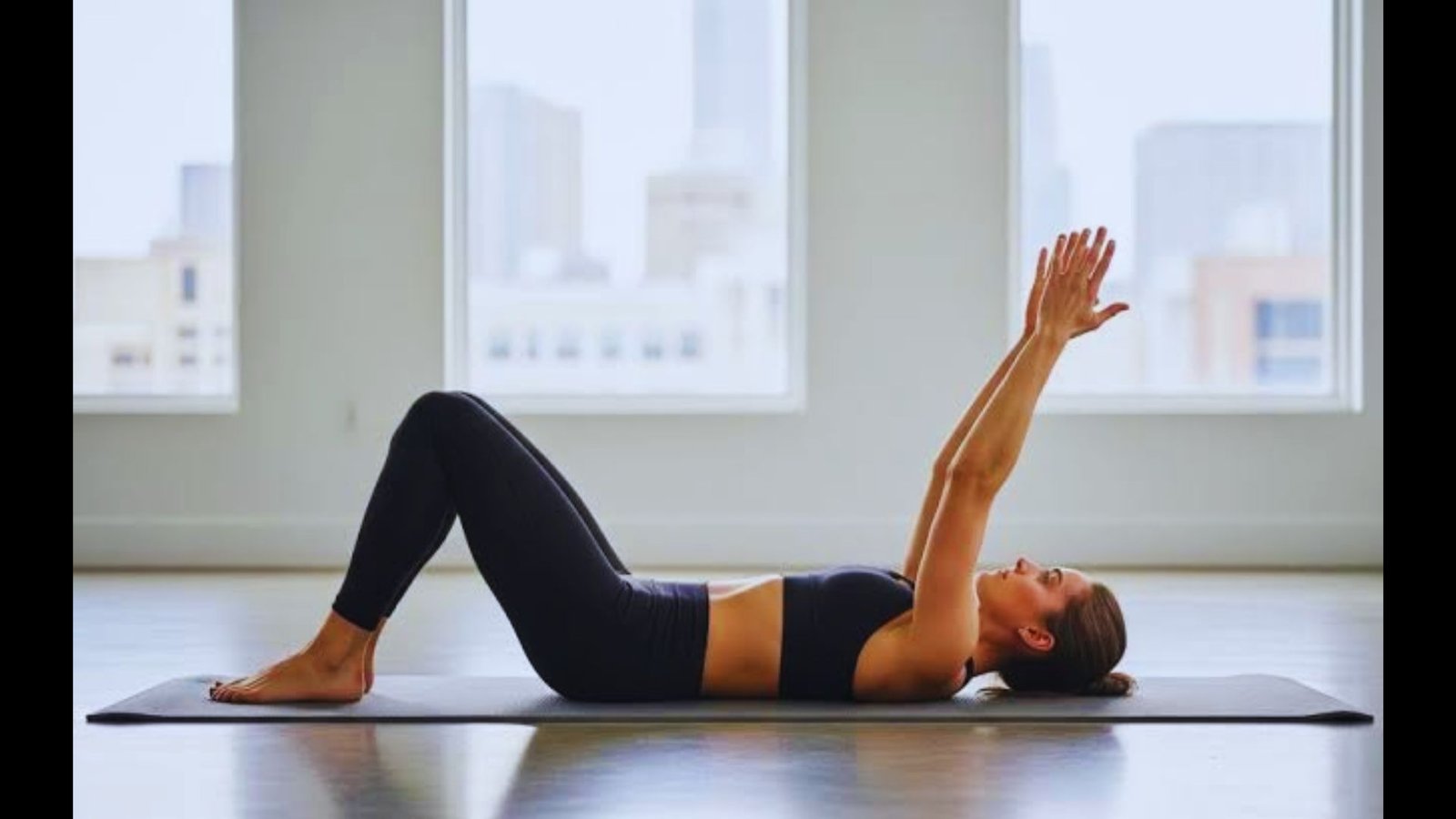
1. Dead Bugs
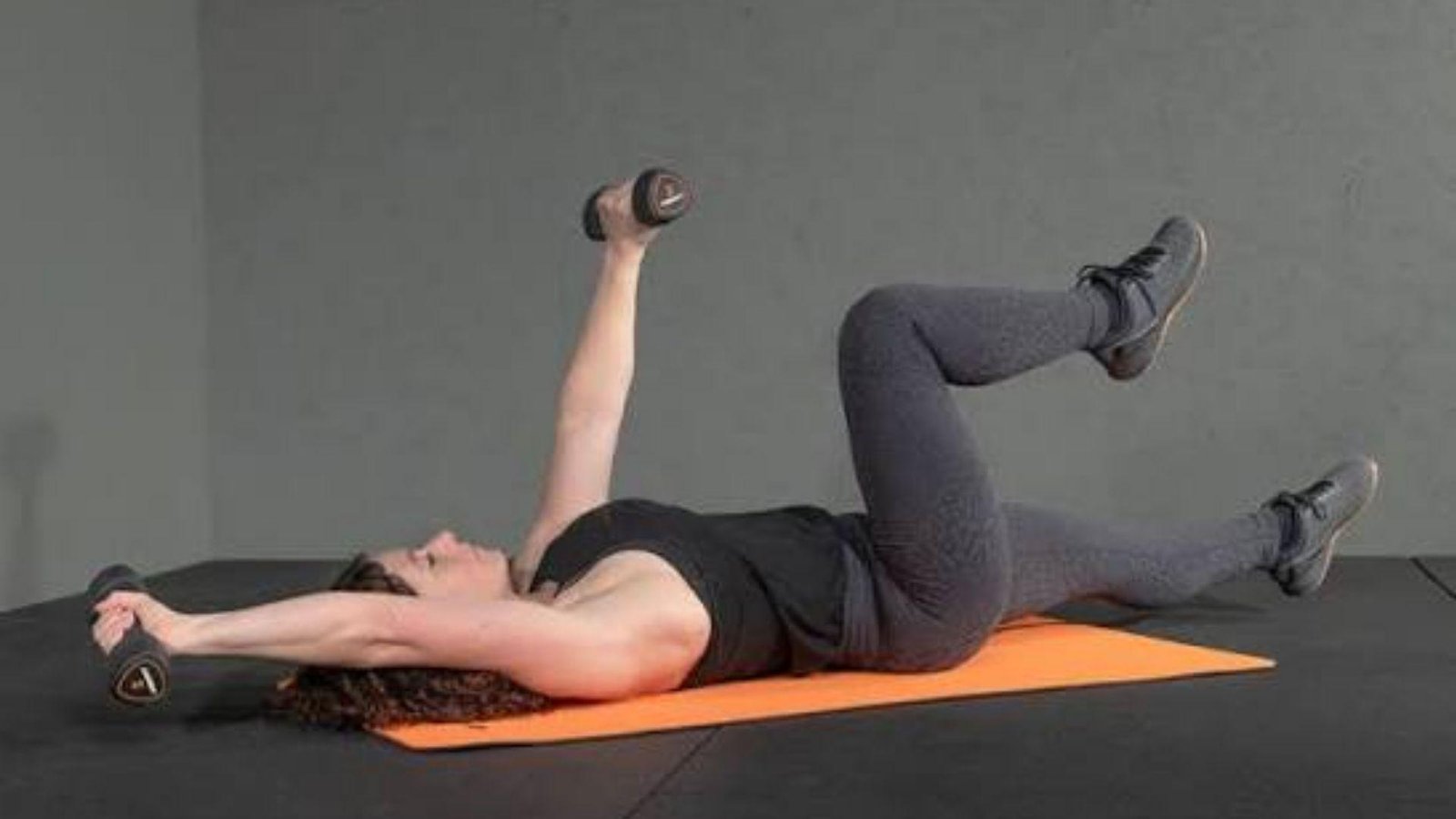
This exercise works your deep core muscles and hip flexors while keeping your spine supported flat on the floor throughout the movement.
2. Heel Taps
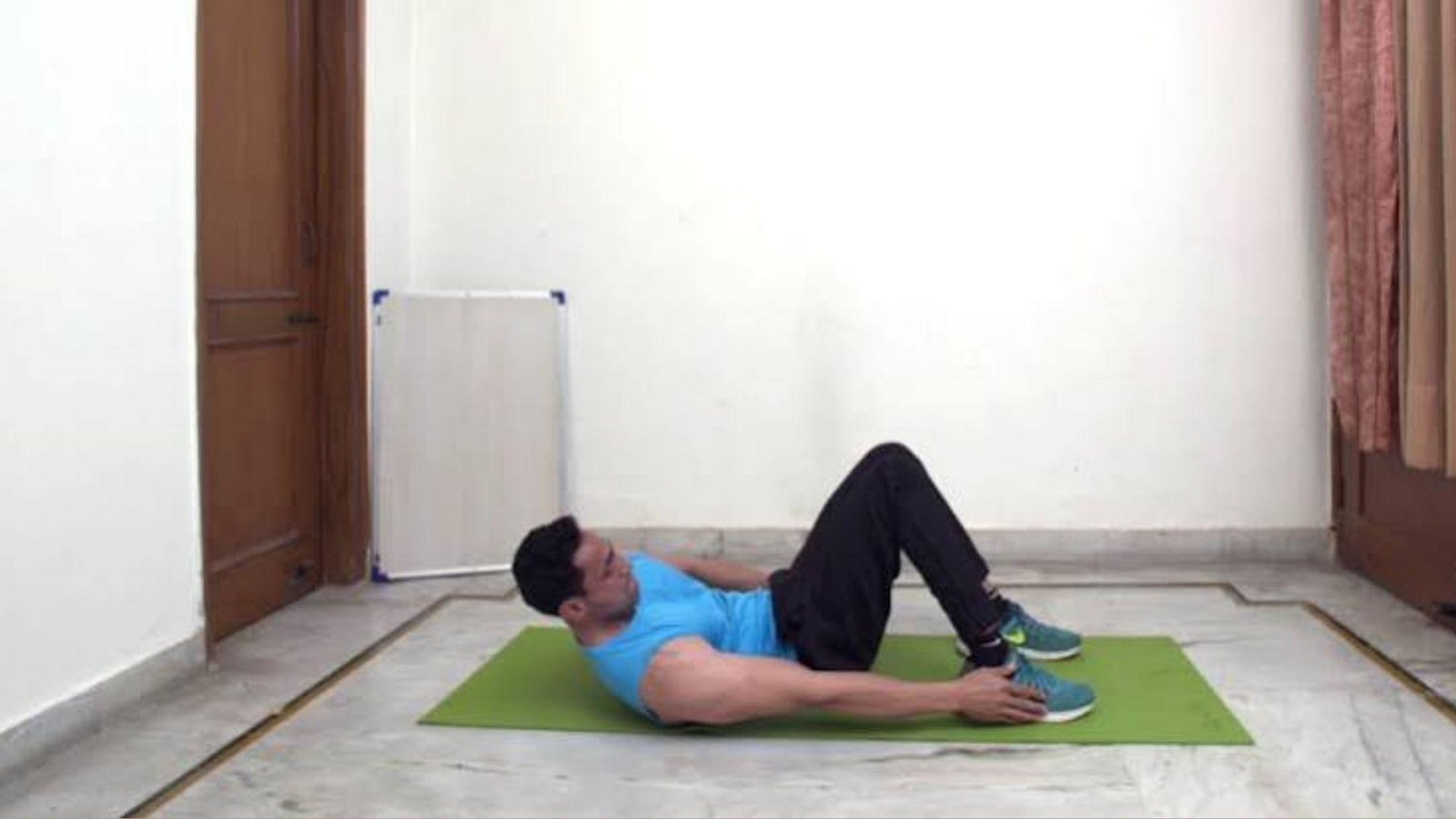
A simple move that targets your lower abs and improves coordination without putting pressure on your back.
3. Reverse Crunches
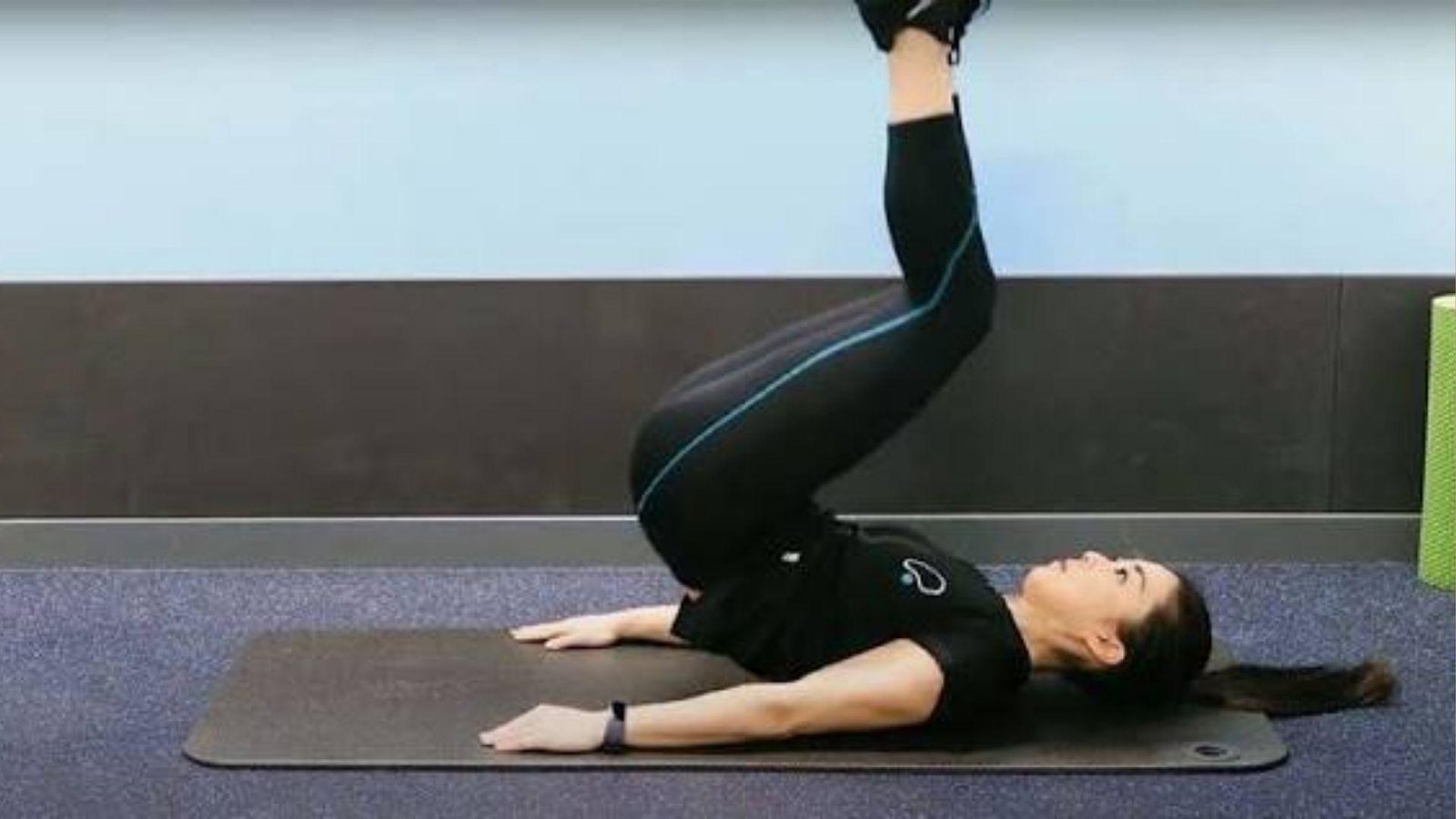
This targets the lower belly area by lifting the hips slightly off the ground using controlled abdominal movement and steady pelvic control.
4. Glute Bridges

This strengthens your glutes and lower back, which support better posture and reduce strain on your midsection.
5. Forearm Plank

A classic hold that builds full core stability and strengthens the muscles around your stomach and spine.
Five simple moves that build strength safely without stressing your joints or back.
How to Perform Each Exercise Correctly

Doing each move with proper form matters more than doing many repetitions. Focus on control and steady breathing throughout every set.
Proper Form and Breathing
Keep your spine neutral and breathe out during effort. Bracing your core before each rep helps protect your lower back and keeps pressure off your belly.
Recommended Sets and Repetitions
Start with two sets of eight to ten reps for each exercise. Increase slowly as your strength and comfort improve.
Common Mistakes to Avoid
Many people rush their reps or arch their lower back. Slow down and keep your core engaged during each movement.
Good form matters more than speed when building lasting core strength.
Simple Weekly Apron Belly Workout Plan

A clear weekly plan helps you stay consistent without feeling overwhelmed. Start small and build gradually.
Beginner Routine
Start with three days a week, one set of each exercise. Rest a full minute between sets so fatigue doesn't wreck your form. It might feel too easy at first, and that's the point. Build the habit before you build the intensity.
Intermediate Progression
After about two weeks, bump up to two sets per exercise. If your body feels good and you're recovering well between sessions, add a fourth workout day. Small jumps beat big leaps here, since your joints and tendons adapt slower than your muscles do.
How Often to Exercise
Three to four sessions a week hits the sweet spot for most people. Rest days aren't wasted days: that's when your muscles actually repair and come back stronger.
Training hard every single day just leaves you tired and sore without much to show for it.
A steady weekly rhythm builds results faster than random, occasional workouts.
Tips to Get Better Results
Small daily habits often matter more than the workout itself.
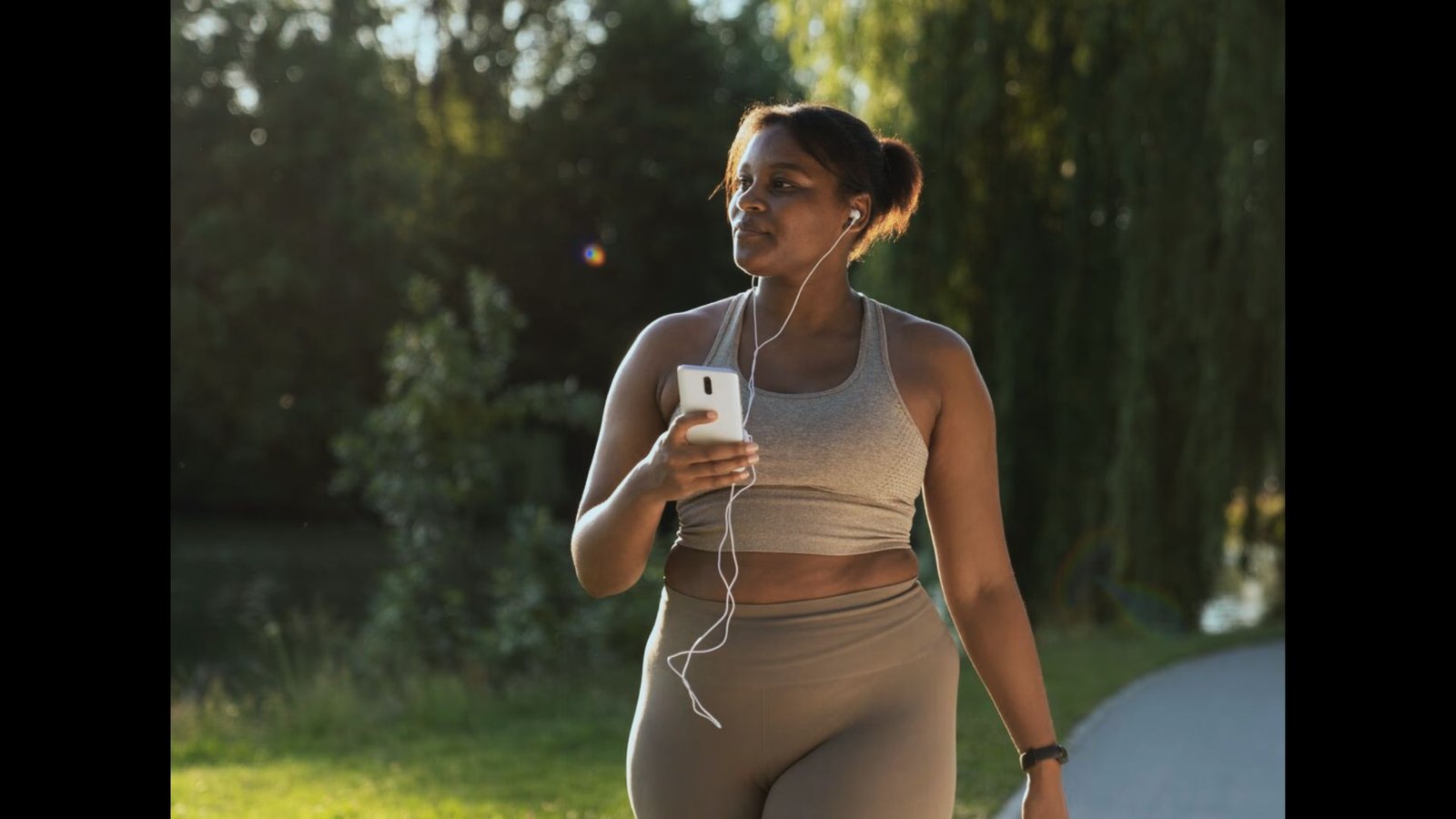
- Pair workouts with daily walking to burn extra calories and support heart health
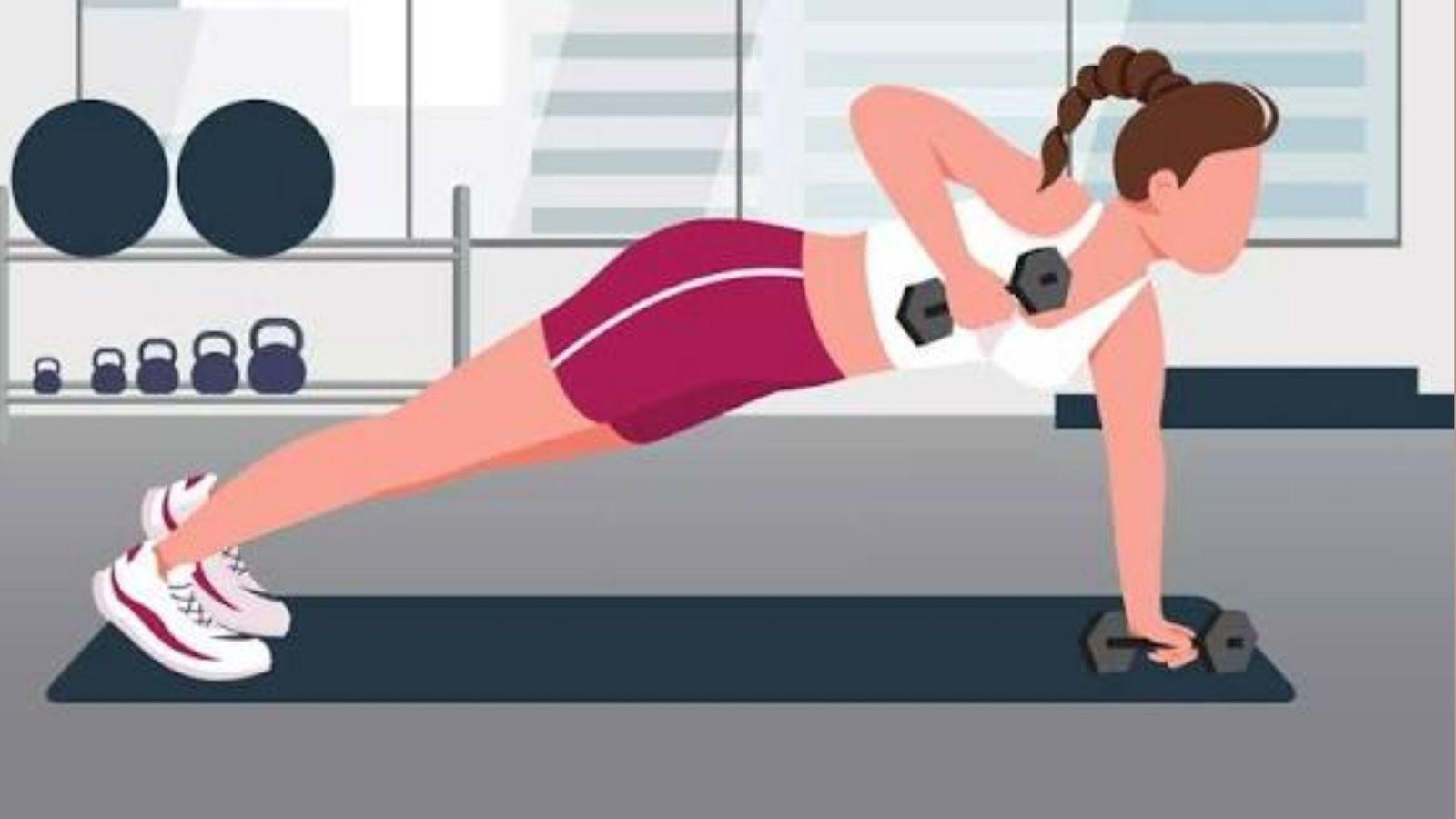
- Include full body strength training to build muscle and speed up progress
- Focus on core control instead of fast reps for safer, more effective movement
- Support your workouts with healthy eating full of protein, fiber, and whole foods, since protein intake helps muscles repair and grow
Exercises to Avoid If You Have Joint or Back Pain

Not every exercise suits everybody. Some movements can cause more harm than good if you have existing pain.
Go Easy on Jumping Moves
Jumping jacks and burpees send repeated impact through your knees and hips. If your joints feel cranky or you're easing back in, sit these out. Swap in low-impact options like step-outs or marching in place. You'll still get your heart rate up without the pounding.
Watch Your Lower Back
Full sit-ups and straight-leg raises pull hard on your lower spine, especially when your core tires and your back starts arching. Dead bugs are a friendlier swap: same core work, but your spine stays supported and neutral the whole way through. Keep your ribs down.
When Something Feels Off
Sharp pain isn't something to push through, so stop right there. Dull fatigue is fine; sharp or pinching is your signal to back off. Shrink your range of motion, slow the tempo, or try a supported version against a wall or chair until it feels good.
Common Mistakes That Slow Progress
- Expecting spot reduction from targeted exercises alone without full body effort, since fat loss depends on calories in versus calories out, not one exercise
- Rushing through repetitions instead of focusing on slow, controlled movement
- Skipping recovery days which leads to fatigue and slower muscle growth
Avoiding these habits helps you see steady, lasting progress.
Conclusion
I know starting something new can feel hard, especially when your body has changed over the years. But small steps really do add up.
Picture yourself feeling stronger each week, moving easier, and standing taller. I have seen these simple apron belly workouts help real people, including myself, feel more comfortable in their own skin.
Try one routine this week. Then tell me how it goes in the comments below, or share this post with someone who needs a gentle push to start.
Frequently Asked Questions
1. Can loose skin from an apron belly tighten without surgery?
Some tightening is possible through strength training and hydration, but severe cases may need medical options like a tummy tuck.
2. Does drinking more water help reduce belly fat?
Yes, water supports digestion and reduces bloating, which can make your stomach appear flatter and more comfortable throughout the day.
3. Is it normal to have an apron belly after multiple pregnancies?
Yes, it is common. Skin stretches repeatedly and may not fully snap back, especially without consistent core exercise.
4. Can stress affect belly fat storage?
Yes, high stress raises cortisol levels, which can increase fat storage around the stomach area over time.