
Getting older doesn't mean you have to slow down. But knowing where to start with exercise can feel confusing, especially with so much advice out there.
This guide covers everything you need to know about aerobic exercise for seniors. You'll learn the real benefits, how much cardio you actually need, and the best low-impact options for your body.
I'll also walk you through a simple home routine, a full 7-day plan, and safety tips to keep you moving without injury.
I've spent time researching what actually works for older adults, not just what sounds good on paper.
Whether you're just starting out or getting back into a routine after a break, this article will answer your questions and help you move with more confidence.
Let's get into it.
What is Aerobic Exercise for Seniors?
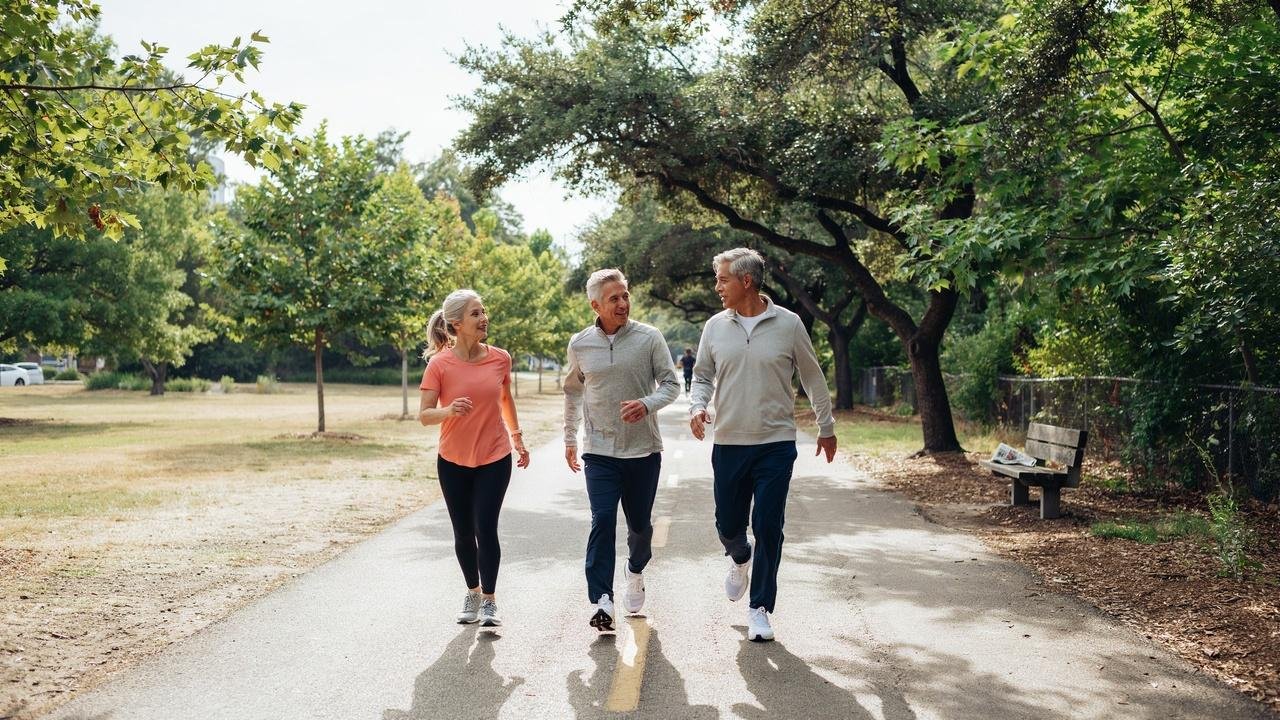
Aerobic exercise is any activity that gets your heart beating faster and your lungs working harder. For seniors, this does not mean running marathons or doing hard workouts.
It can be as simple as a brisk walk around the block. Or a slow swim in the pool. Even dancing in your living room counts.
The goal is to get your blood moving and your breathing a little heavier. You should be able to talk, but not sing, while doing it. Fitness pros call this the Talk Test, and it's one of the easiest ways to check your intensity without any gear.
This type of exercise strengthens your heart and lungs over time. It also helps control blood pressure, resting heart rate, blood sugar, and cholesterol levels.
For older adults, aerobic movement plays a big role in staying independent. It keeps your energy up so you can handle daily tasks without getting tired too fast.
You don't need fancy equipment or a gym membership. A pair of comfortable shoes and a safe path to walk on is often enough to get started.
Benefits of Aerobic Exercise for Seniors

A quick look at how regular cardio can support your heart, muscles, balance, and mental health as you age.
Improves heart health and endurance
Your heart is a muscle. Like any muscle, it needs work to stay strong. Regular aerobic exercise helps your heart pump blood more easily. It can lower your resting heart rate, blood pressure, and cholesterol levels too. Over time, you may notice you can do daily tasks without getting out of breath.
Builds muscle and supports bone health
Aerobic exercise isn't just for your heart. Weight-bearing activities like walking and dancing put gentle stress on your bones. This can help slow bone loss and lower your risk of osteoporosis. It also keeps muscles active, which matters a lot after age 60.
Enhances balance, mobility, and flexibility
Falls are a real concern for older adults. Cardio activities that involve movement in different directions can improve balance. Adding dedicated balance training on top of your cardio means fewer falls and more confidence moving around your home or outside.
Boosts brain health, mood, and energy
Exercise gets blood flowing to your brain. Studies link regular aerobic activity to better memory, sharper cognitive function, and a lower risk of decline. It also releases feel-good chemicals that can lift your mood and fight fatigue.
How Much Aerobic Exercise for Seniors is Recommended?
A simple breakdown of weekly exercise targets, how often to train, and how to pick the right intensity for your body.
Weekly cardio guidelines for older adults
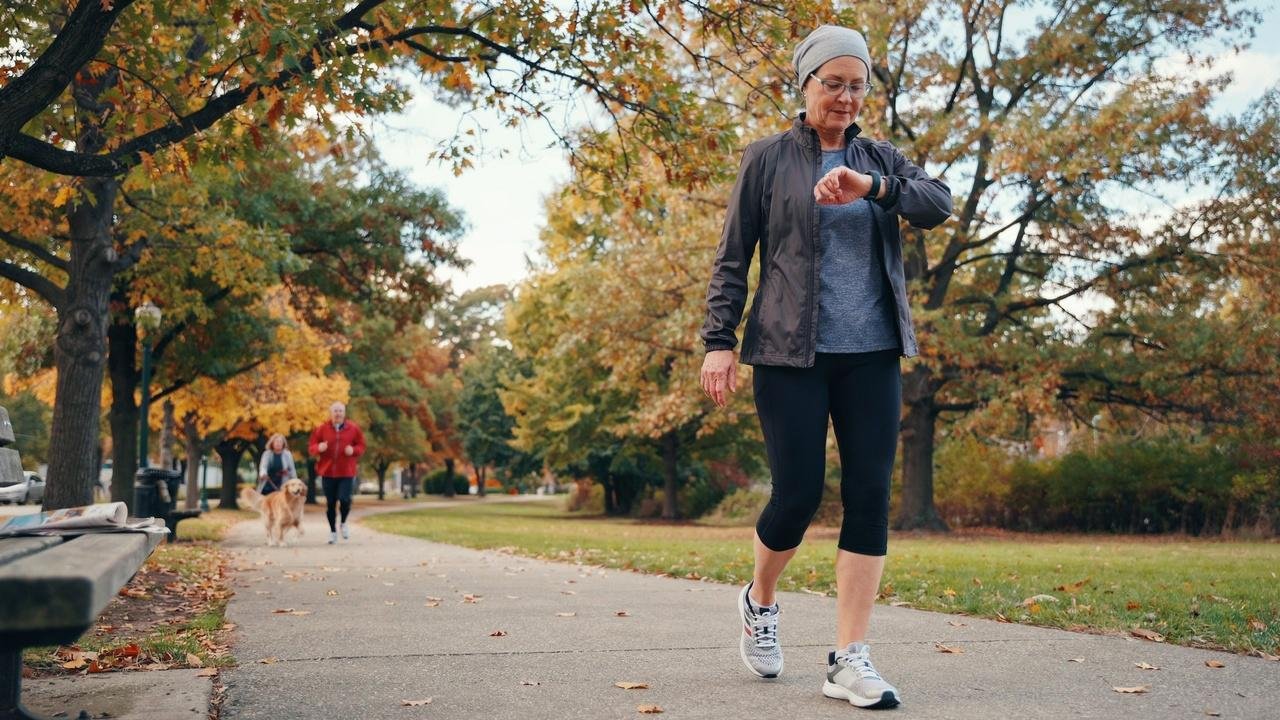
Most health experts, including the CDC and the American Heart Association, suggest at least 150 minutes of moderate aerobic activity each week. That breaks down to about 30 minutes a day, five days a week. If that feels like a lot, you can split it into shorter 10-minute sessions.
How often to do strength, balance, and stretching exercises
Cardio isn't the whole picture. Aim for strength training twice a week. Add balance work two to three times a week. Stretching can be done daily, especially after a workout when your muscles are warm.
Choosing the right exercise intensity
A good rule of thumb is the Talk Test. If you can talk but not sing during exercise, you're at a moderate pace. If you can only say a few words at a time, that's a harder intensity. Start slow and build up.
Best Aerobic Exercise for Seniors
A rundown of the most effective and enjoyable cardio activities that fit different fitness levels and interests.
Walking and brisk walking
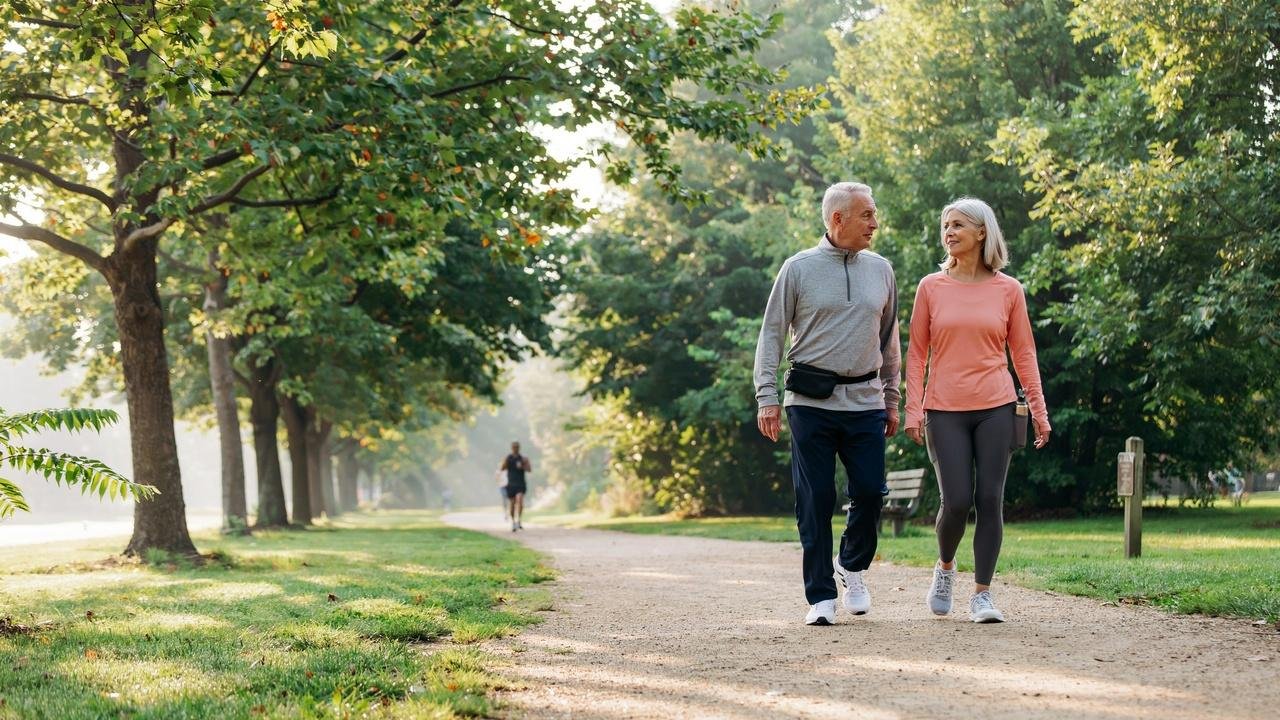
Walking is one of the easiest ways to stay active. It's also a great weight-bearing exercise for bone health. It needs no equipment and can be done almost anywhere. Try picking up your pace for short bursts to add a challenge.
Swimming and water aerobics
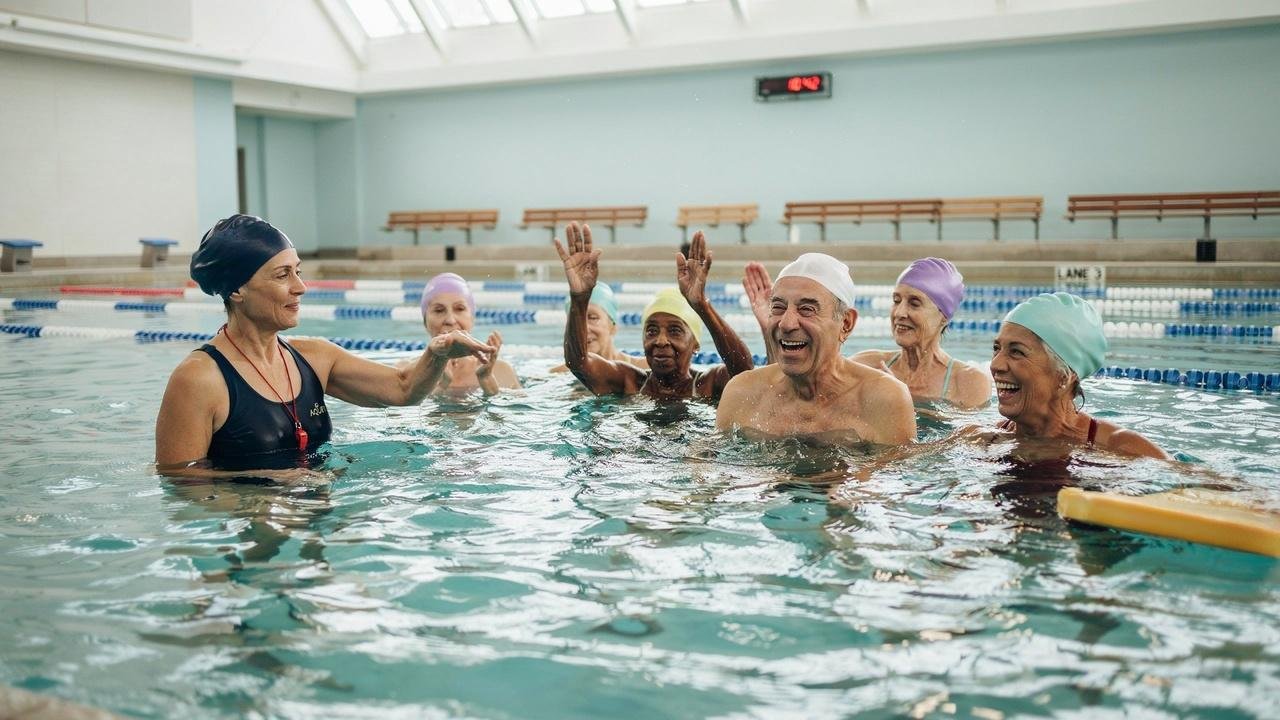
Water takes pressure off your joints. This makes swimming and aqua aerobics a good pick for people with arthritis or joint pain. The resistance from water also helps build strength as you move.
Cycling and stationary bikes

Cycling works your legs and heart without putting much strain on your knees. A stationary bike, or a recumbent bike if you want extra back support, is a safe option if outdoor riding feels risky or the weather isn't cooperating.
Dancing and low-impact aerobics
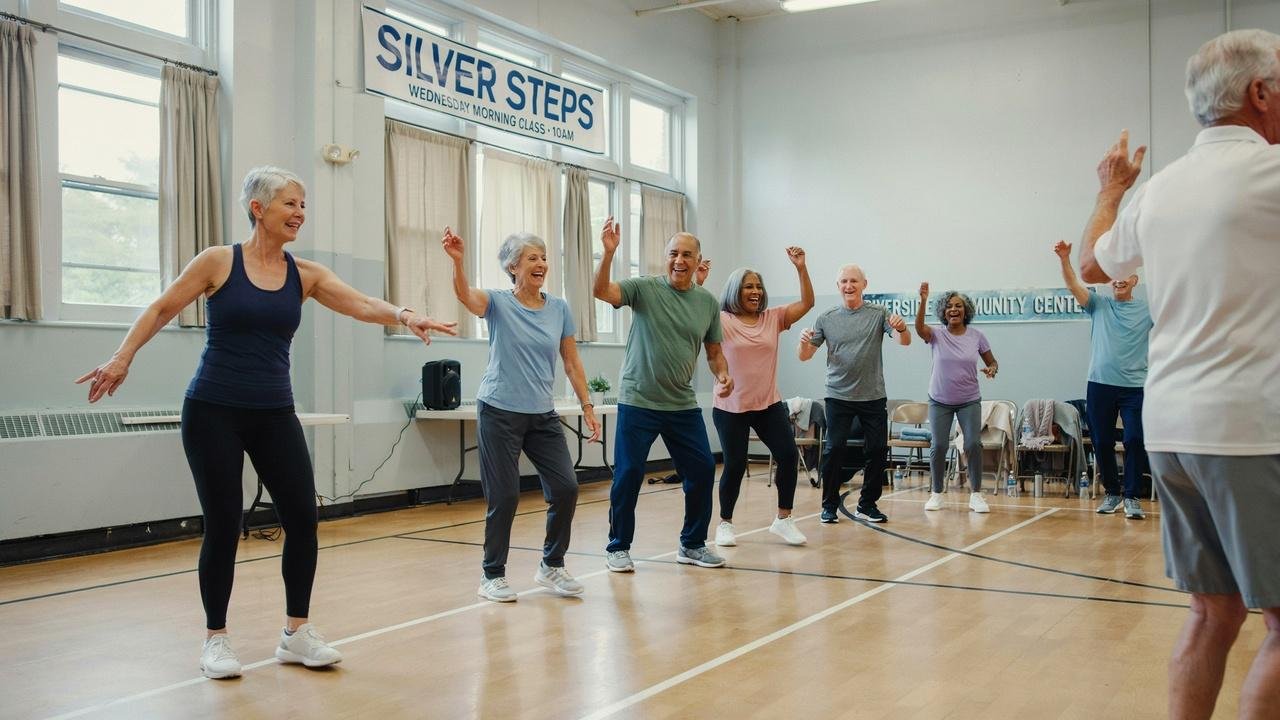
Dancing is a fun way to get your heart rate up. Low-impact aerobics classes are often designed with older adults in mind. Both options mix cardio with coordination practice.
Gardening and other everyday activities

You don't need a gym to stay active. Gardening, raking leaves, and even vacuuming count as light aerobic activity. Small movements throughout your day add up over time.
Low Impact Aerobic Exercise for Seniors
Gentle cardio options for those managing joint pain, limited mobility, or just starting an exercise routine.
Chair cardio exercises
Chair exercises let you get your heart pumping while seated. Arm circles, seated marches, and knee lifts are simple moves that still count as cardio.
Water-based workouts
Water aerobics classes are often paced for older adults. They combine cardio with gentle resistance, all while being easy on your joints, which makes them a solid choice if arthritis limits your other options.
Gentle indoor walking and marching
Marching in place is an easy way to start moving. You can do it while watching television or listening to music. It's a good warm-up before other activities too.
Low-impact routines for beginners and joint pain
If you're new to exercise or dealing with joint pain, start with short sessions. Five to ten minutes is a fine starting point. Build up slowly as your body adjusts.
Aerobic Exercise for Seniors at Home
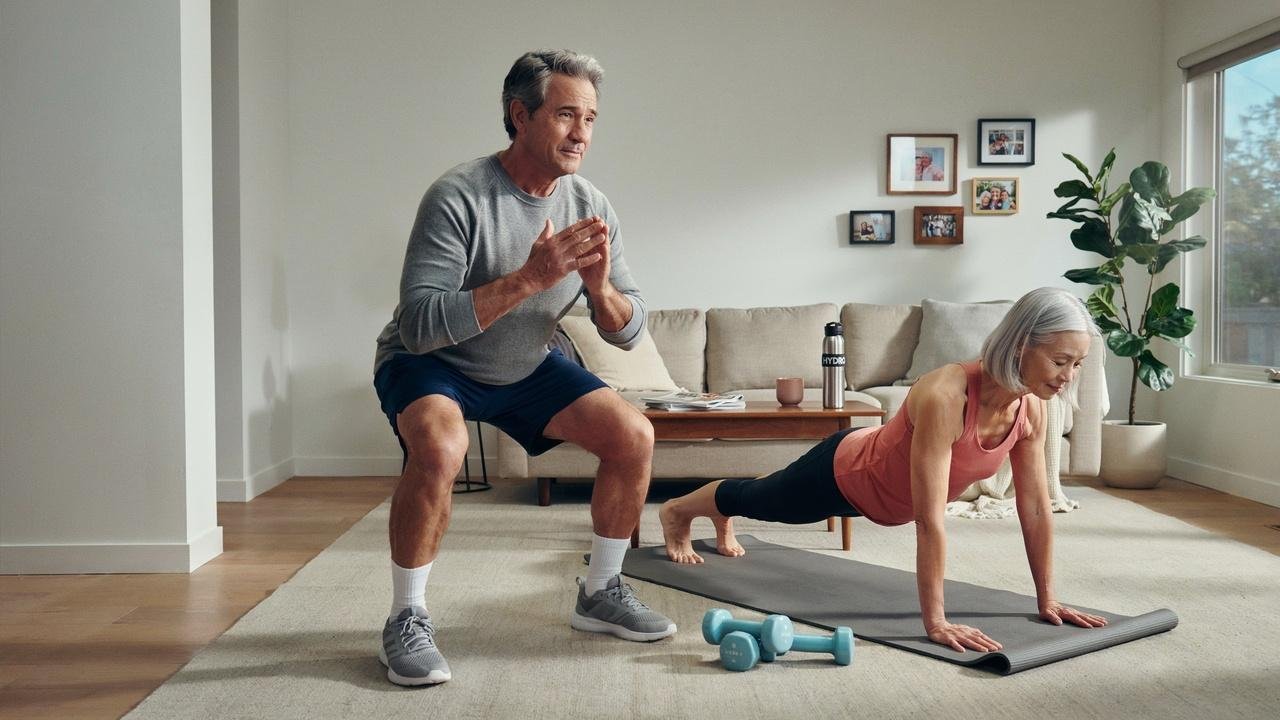
Practical ways to stay active indoors, including simple routines and safety tips for exercising without a gym.
Indoor aerobic exercise for seniors
You don't need a gym membership to get moving. Stairs, hallways, and living rooms all offer enough space for a solid cardio session.
A simple 20-minute no-equipment routine
Try this: five minutes of marching in place, five minutes of arm circles and side steps, five minutes of seated leg lifts, and five minutes of slow stretching to finish. No equipment needed.
Tips for exercising safely at home
Clear any clutter from your exercise space. Wear supportive shoes, even indoors. Keep water nearby and take breaks whenever you need them.
Strength, Balance, and Stretching Exercises to Add to Your Routine
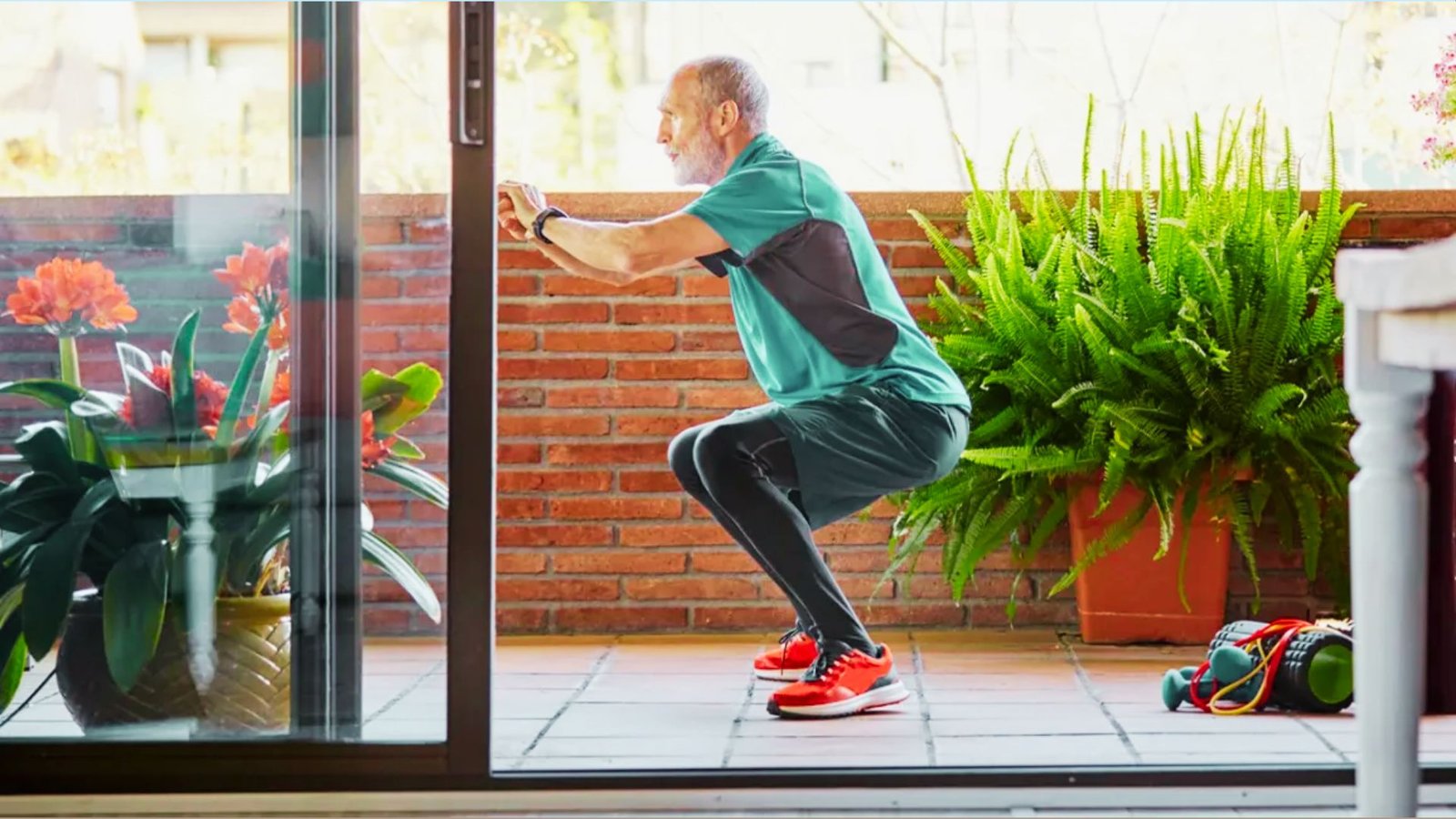
How adding strength, balance, and stretching work can round out your cardio routine and lower fall risk.
Bodyweight and resistance band strength exercises
Simple moves like wall push-ups, chair squats, and resistance band pulls can build strength without heavy weights. Start with light resistance and increase slowly.
Balance exercises to reduce fall risk
Standing on one foot, heel-to-toe walking, and side leg raises are all forms of balance training. Practice near a wall or sturdy chair for support.
Daily stretching for better flexibility and mobility
Stretching your calves, hamstrings, and shoulders can keep you moving with less stiffness. Hold each stretch for about 20 to 30 seconds without bouncing.
7-Day Senior Fitness Routine
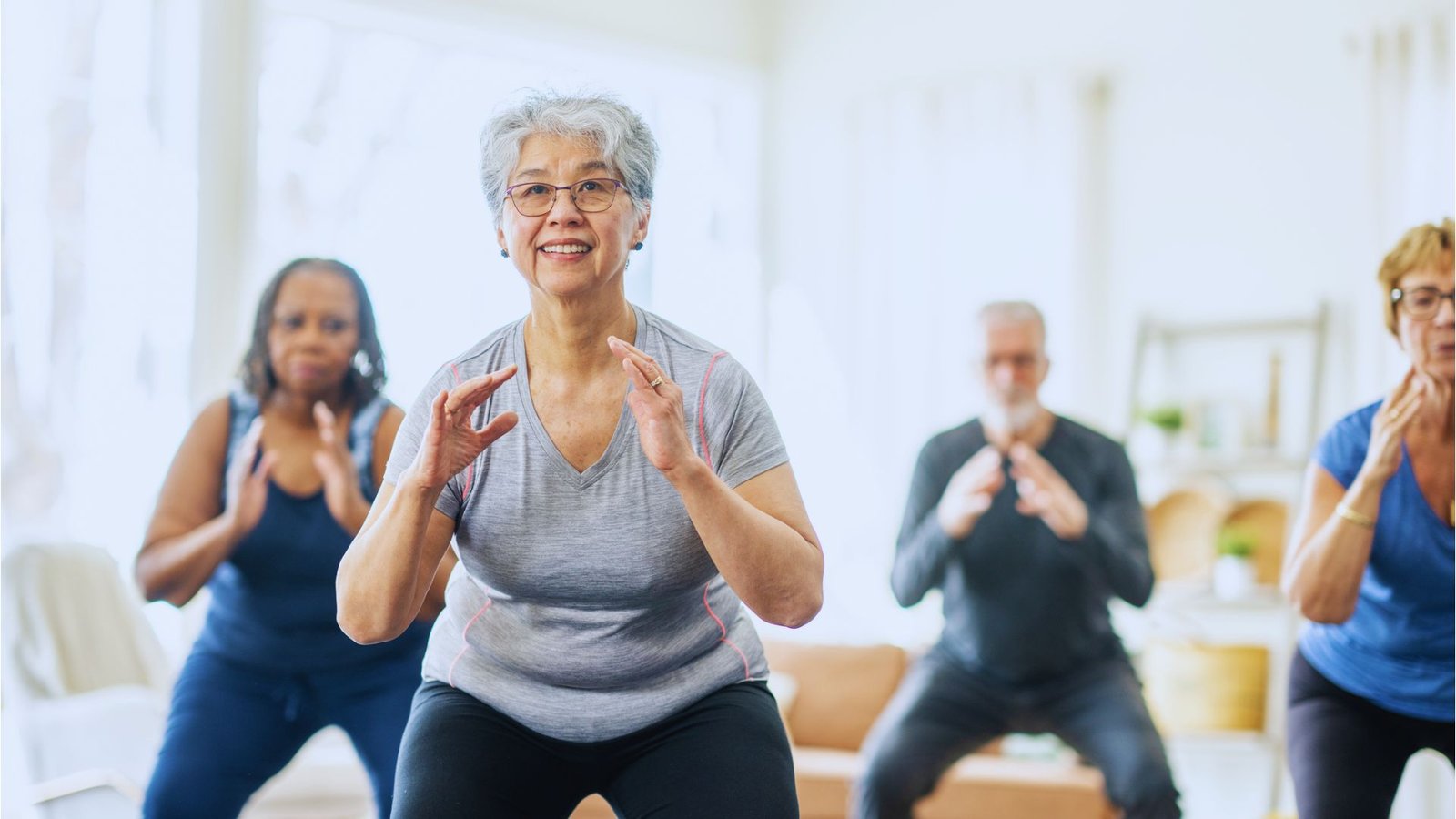
A sample weekly plan that balances cardio, strength, balance, and stretching for steady, safe progress.
Weekly plan combining cardio, strength, balance, and stretching
Here's a sample week:
- Monday: 20-minute walk plus stretching
- Tuesday: Strength training with bands
- Wednesday: Water aerobics or swimming
- Thursday: Balance exercises plus a short walk
- Friday: Chair cardio or dancing
- Saturday: Strength training plus stretching
- Sunday: Rest or light gardening
How to progress safely over time
Once a routine feels easy, add a few more minutes or a bit more resistance. Small changes every couple of weeks keep you improving without overdoing it.
Safety Tips for Aerobic Exercise for Seniors
Key precautions to keep in mind, from warming up properly to knowing when it's time to stop and rest.
- Spend five minutes warming up with light movement before any workout, and cool down the same way afterward.
- Drink water before, during, and after exercise, even if you don't feel thirsty.
- Stick to a pace where you can still hold a conversation while moving.
- Stop right away if you feel chest pain, dizziness, or shortness of breath that doesn't ease up.
- Talk to your doctor before starting any new routine, especially if you have a heart condition, osteoporosis, or joint problems.
Conclusion
Staying active isn't about doing everything perfectly. I remember starting with just ten minutes of walking around my block, feeling out of breath after two minutes. A few weeks later, that same walk felt easy. That's the real win.
Aerobic exercise for seniors works best when you start small and stay consistent. Pick one thing from this list and try it today. Your body will notice, even if it takes a little time.
Got a favorite way to stay active? Drop it in the comments below. And if this helped, share it with someone who needs a little push too.
Frequently Asked Questions
Is it safe to do aerobic exercise every day as a senior?
Yes, for most people, as long as intensity stays moderate. Alternate harder and easier days, and rest if you feel unusually tired or sore.
What's the best time of day for seniors to exercise?
Morning works well for many, since energy and joint stiffness are often lower after a short warm-up. Choose whatever time fits your routine best.
Should seniors eat before doing aerobic exercise?
A light snack 30 to 60 minutes beforehand, like a banana or toast, can help prevent low energy or dizziness during your workout.
How long does it take to see results from aerobic exercise?
Many seniors notice better energy and endurance within two to four weeks of consistent activity, with bigger changes appearing after two to three months.