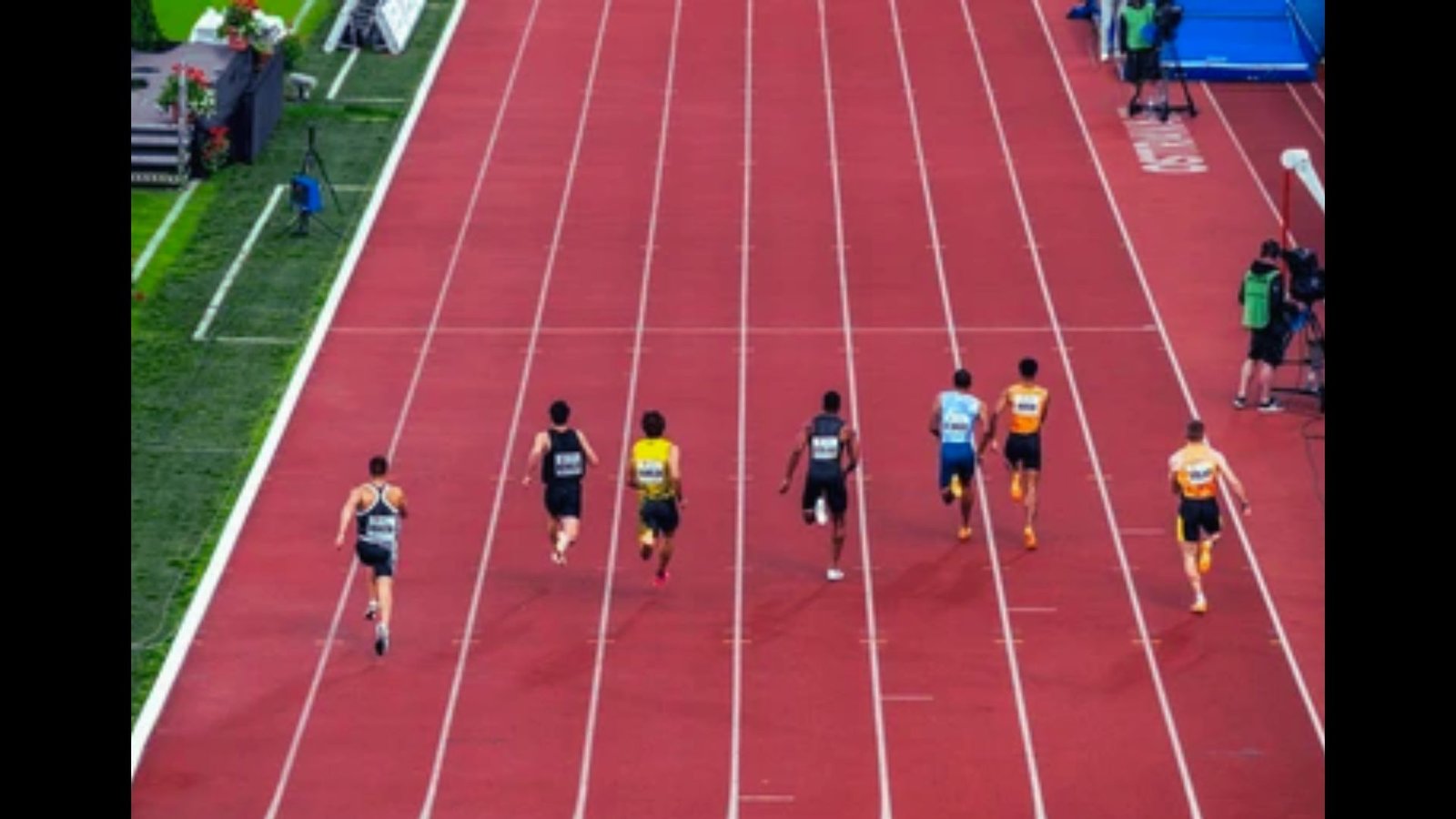
Ever finish an 800m race feeling like your legs gave out before your lungs did? You are not alone.
The 800m punishes runners who train only for speed or only for endurance, since it demands both at once. A lot of athletes get stuck running the same handful of workouts and wonder why their times stop improving.
The truth is, real progress comes from a training week that mixes speed, race pace work, and recovery in the right amounts.
In this guide, I will walk you through 15 proven 800m workouts, a sample weekly plan, common training mistakes, and practical tips to help you race a smarter, faster 800 meters.
What Makes a Great 800m Workout?

The 800m is one of the toughest events on the track. It sits right between a sprint and a distance race, so it punishes runners who train like a sprinter or a distance athlete only.
You need raw anaerobic speed to close the race hard, but you also need a strong aerobic engine to survive the first lap without falling apart.
A good 800m workout trains both systems at once, raising your VO2 max and pushing back your lactate threshold instead of picking just one.
That means your training week should mix short fast reps, longer race pace efforts, tempo runs, and easy mileage.
Most well run 800m races are what coaches call a positive split, meaning the first lap comes in a touch faster than the second. Your training should teach you to hold form once that early speed starts to fade, not just how to go out fast.
Strength work, including core and hip strength plus plyometric drills, and recovery matter just as much as the reps themselves, since the 800m relies on your body handling repeated hard efforts without breaking down.
Every runner leans a little more toward speed or endurance by nature, so pay attention to which part of a race feels hardest for you and shape your training around that.
Always start a hard session with a proper warm-up and a few dynamic drills to prepare your legs safely.
Below, you will find 15 800m workouts that cover every piece of that puzzle, along with a sample weekly plan, common mistakes to avoid, and practical tips to help you run a faster time.
15 Best 800m Workouts
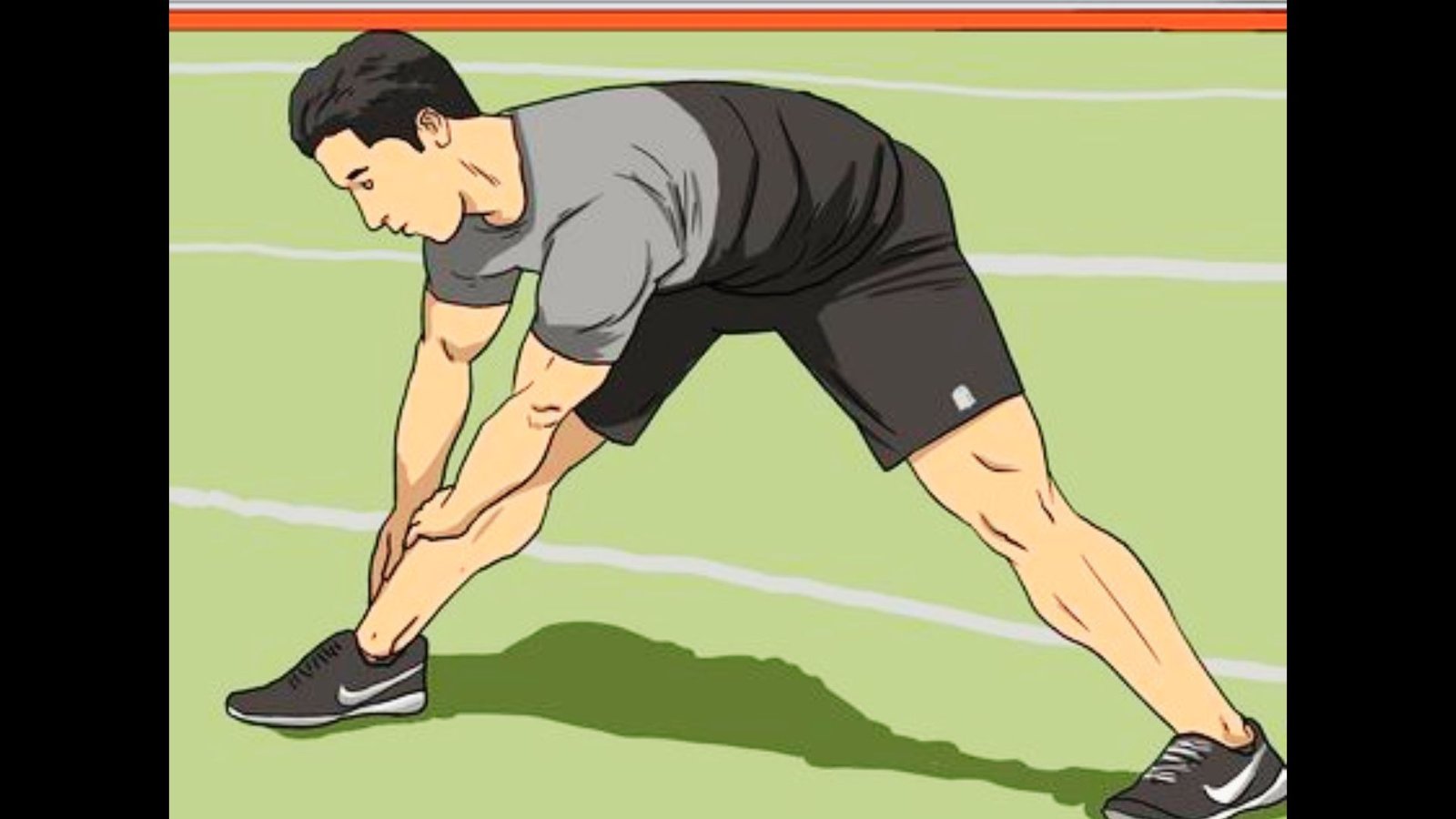
Here are 15 800m workouts you can add to your training plan, from short speed reps to full race simulations.
1. Race Pace Intervals
Run repeats at the exact pace you want to hit on race day.
Try 3 to 4 reps of 300m at goal 800m pace with 3 minutes of rest, running each rep with a slight negative split so the second half comes in a touch faster than the first.
This workout teaches your body and mind what race effort actually feels like, so you do not panic or slow down once the pace gets hard in an actual race.
2. 200m Repeats
Short, fast reps build raw speed and quick turnover. Run 6 to 8 reps of 200m slightly faster than race pace, with 2 to 3 minutes of rest between each one.
This workout sharpens your leg speed and helps you close out the final 100m of your race with more power instead of fading.
3. 300m Repeats
The 300m repeat sits right in the sweet spot for 800m training. Run 4 to 5 reps at a pace slightly faster than race pace, with 3 to 4 minutes of rest.
It builds the speed endurance you need to hold form through the middle portion of the race, where most runners start to tighten up.
4. 400m Repeats
This is the classic 800m specific workout. Run 4 to 6 reps of 400m at or near race pace, with 3 minutes of rest between reps.
It trains your body to handle lactate buildup, which is the burning feeling you get in your legs during the second lap of an 800m race.
5. 600m Repeats
Running 600m repeats gets you close to full race distance without the total fatigue of running two full laps every time.
Try 2 to 3 reps at a pace just under race pace, with 5 to 6 minutes of rest. This workout builds the race specific endurance you need to hold your form late in the race.
6. Broken 800s
A broken 800 lets you run at race pace or faster while breaking the distance into pieces with short rest. Try 400m, then 30 seconds rest, then 200m, then 30 seconds rest, then 200m, all at race pace or slightly faster.
It teaches your body to hold speed under fatigue without the full strain of one continuous 800m.
7. Ladder Workout
A ladder workout builds distance up, then back down, changing the demand on your body with each rep. Try 200m, 300m, 400m, 300m, 200m, with rest equal to your rep time between each one.
This keeps your pacing sharp and trains you to adjust effort as the distance changes mid workout.
8. Pyramid Intervals
Similar to a ladder, pyramid intervals build up in distance and then mirror back down, but often with a longer peak rep in the middle.
Try 200m, 400m, 600m, 400m, 200m at controlled race effort. This workout builds strength and pacing control while still hitting your speed and endurance systems in one session.
9. Tempo Run
A tempo run is a sustained effort run at a pace that feels comfortably hard, not an all out sprint. Run 15 to 20 minutes at a steady, hard pace you could hold for that entire time without stopping.
This builds your lactate threshold, which raises the pace you can hold before your legs start to burn.
10. Hill Repeats
Hills build leg strength and power without the joint stress of flat sprinting. Find a hill that takes 20 to 30 seconds to climb at a hard effort, then jog back down for recovery.
Repeat 6 to 10 times. This workout builds the raw power you need to accelerate and hold form on tired legs.
11.Sprint-Float-Sprint
This workout trains your body to change gears mid race, which matters when you need to respond to a competitor's move.
Run 100m sprint, 100m float at a relaxed but quick pace, then another 100m sprint, all without stopping. Repeat this pattern 3 to 4 times with a short rest between sets.
12. Fartlek Run
Fartlek means speed play, and it mixes fast and easy running within one continuous run based on feel instead of a strict plan.
Try alternating one minute hard with two minutes easy for 20 to 30 minutes total. It builds both aerobic fitness and speed while keeping the workout mentally light and less repetitive.
13. Long Easy Run
Not every 800m workout needs to be fast.A long easy run at a conversational pace for 30 to 45 minutes builds your aerobic base, which supports every other harder session you do during the week.
Skipping easy runs is one of the most common reasons runners plateau or get hurt.
14. Speed Finish Workout
The last 100 to 150m of an 800m race often decides the outcome, so you need to train that specific skill.
Run 300m at a steady pace, then accelerate hard for the final 100m as if you were closing out a race. Repeat 4 to 5 times with full recovery between reps.
15. Time Trial Session
A time trial is the closest thing to race day without the pressure of an actual competition. Run a full 800m at maximum effort once every few weeks to test your fitness and pacing.
Use the result to adjust your training paces and track real progress toward your goal time.
Common 800m Training Mistakes
Even dedicated runners slow their own progress by making a few avoidable errors. Watch out for these common mistakes.
- Running every workout too hard: Treating every session like a race leaves you too tired for the workouts that actually need your best effort, and it raises your risk of injury.
- Ignoring recovery: Skipping rest days or sleep catches up with you fast. Your body adapts and gets faster during recovery, not during the workout itself.
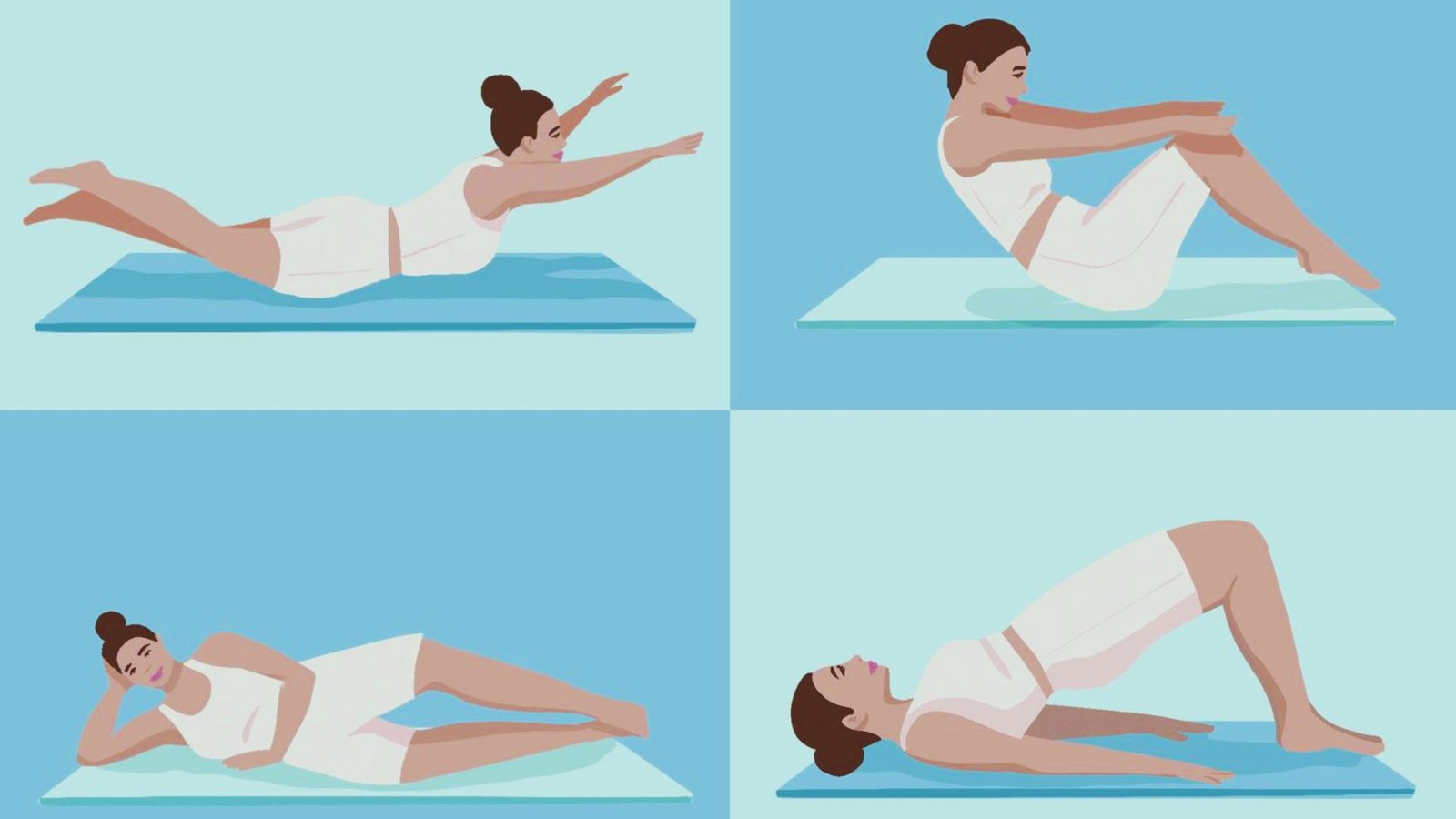
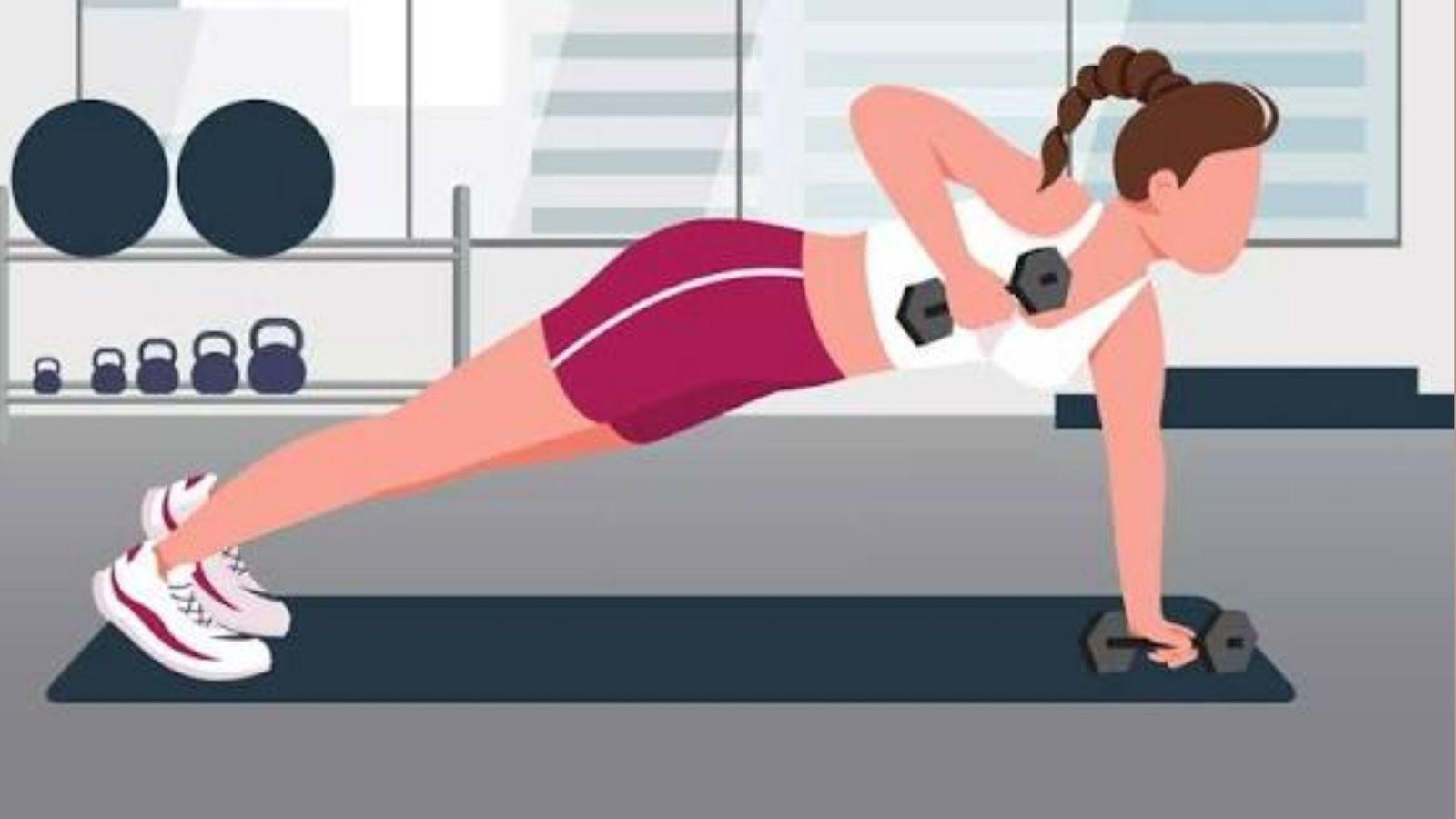
- Skipping strength training: Runners who avoid the weight room, plyometric drills, and core or hip work often struggle with power and injury resistance. Two short strength sessions a week can make a real difference in your race times.
- Poor pacing: Going out too fast in the first 200m is one of the most common reasons runners fade badly in the final lap. Learning to run even, controlled splits pays off far more than an aggressive start.
Sample Weekly 800m Training Plan

As a season moves forward, your training should shift in phases, starting with general aerobic base work and gradually moving toward race specific speed.
This idea is called periodization, and it helps you peak at the right time instead of burning out early.
Beginner: Aim for three quality sessions a week with rest or easy jogging in between. Monday, try 200m repeats. Wednesday, run a tempo run or a long easy run.
Friday, try a ladder workout or race pace intervals. Keep total volume low and focus on learning proper pacing before adding more intensity.
Intermediate: Run four to five sessions a week, mixing speed, race pace, and endurance work. Monday, 400m repeats. Tuesday, easy run or mobility work.
Wednesday, hill repeats or a tempo run. Friday, 300m repeats or broken 800s. Sunday, a long easy run to build your aerobic base for the week ahead.
Advanced: Train five to six days a week with a clear structure. Monday, race pace intervals or a time trial. Tuesday, easy run with strides. Wednesday, 600m repeats or pyramid intervals. Thursday, hill repeats plus strength training.
Friday, speed finish workout or sprint-float-sprint. Sunday, a long easy run with one full rest day worked in around your hardest sessions.
Tips to Improve Your 800m Time
Small changes in how you train and race can add up to real improvements over a season.
- Pace consistently: Practice running even splits in training so your body learns what controlled effort feels like, instead of guessing on race day.
- Train both speed and endurance: The 800m rewards runners who build both systems together. Do not neglect long easy runs just because sprint workouts feel more exciting.
- Prioritize recovery and nutrition: Sleep, hydration, and balanced meals directly affect how well your body adapts to hard training. Treat recovery as part of your training plan, not an afterthought.
- Review your splits after every race: Looking back at your lap times helps you spot pacing patterns you can fix in your next race, whether you go out too fast or fade too early.
Conclusion
800m workouts only pay off when speed, endurance, and recovery work together instead of fighting each other.
Pick a few sessions from this list, plug them into your week, and stay consistent with your pacing. Progress in the 800m comes from steady, repeated effort over weeks, not one perfect workout.
Track your splits and adjust as you go. If these 800m workouts helped you plan your next training block, drop a comment with the session you are trying first, and share this guide with a teammate who wants to run faster too.
Frequently Asked Questions
What should I eat before an 800m workout?
A light meal with carbs and a bit of protein, eaten one to two hours before, gives you steady energy without leaving you feeling heavy on the track.
Do I need spikes for 800m training?
Spikes help on race day and during fast interval sessions, but regular running shoes work fine for easy runs, tempo runs, and general training days.
How should I warm up before 800m workouts?
Jog easy for ten minutes, then add dynamic stretches and a few short strides at increasing speed to prepare your muscles for hard efforts safely.
How do I avoid injury while training for the 800m?
Build mileage gradually, include strength training, warm up properly, and never skip rest days. Most injuries come from doing too much, too fast, too soon.