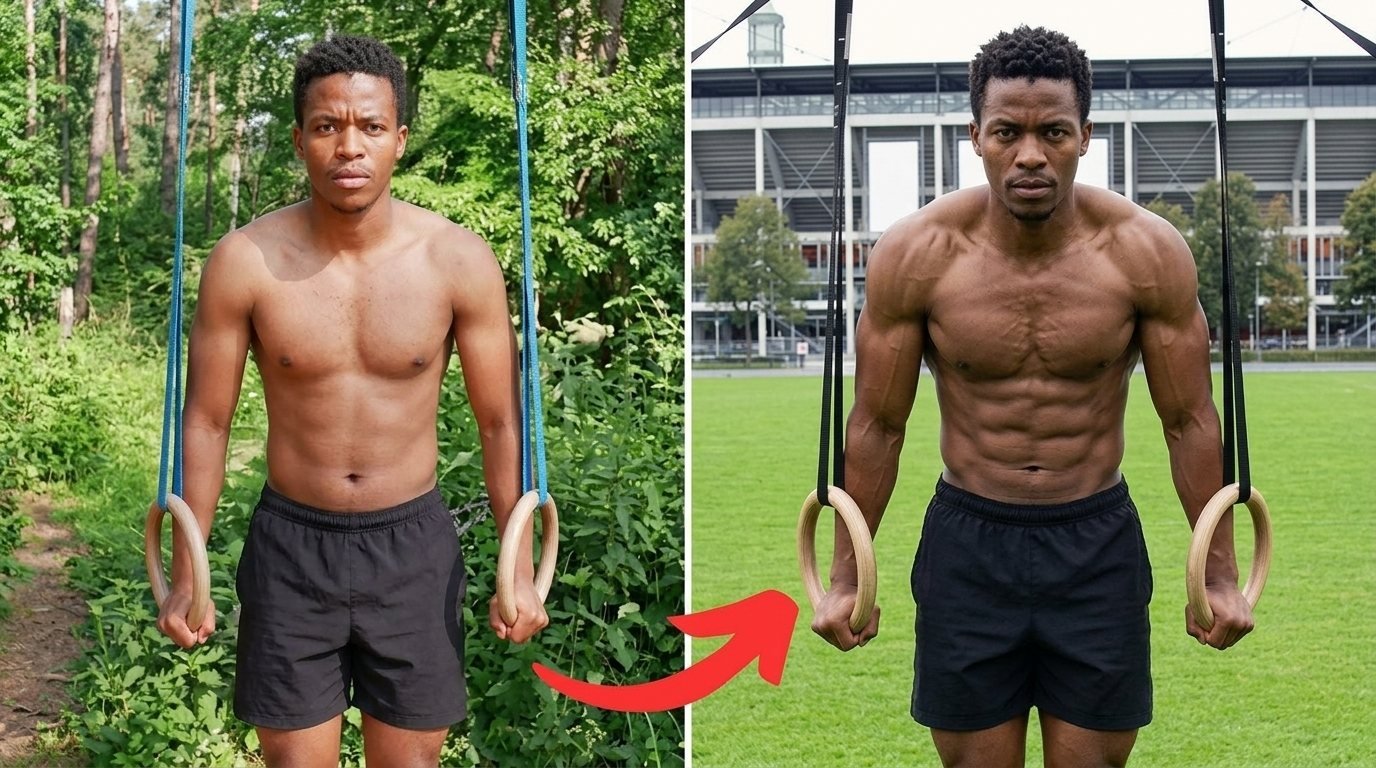
Wondering how a calisthenics transformation can build a lean body, without weights or a gym membership? You are not alone. Thousands of people ask the same question every day, and the answers are simpler than you think.
This guide walks you through what real change looks like, from your first month to two years down the road. You will learn how fast results show up, how women see progress differently, and what workout plan actually works.
It also covers the food choices that speed up fat loss and muscle gain, plus the common mistakes quietly holding you back.
By the end, you will know exactly what to do, how long it takes, and how to stay on track. Grab a coffee, get comfortable, and let's get into it.
What Science Says About Bodyweight Training Results?
Studies show that beginners can gain up to 10 to 15 pounds of muscle in their first year of steady bodyweight training.
Sports scientists say calisthenics builds strength through the same rule as weightlifting: progressive overload. You add reps, sets, or harder moves over time.
Unlike weight training, calisthenics relies on your own bodyweight instead of external load, yet it still triggers real muscle and strength gains.
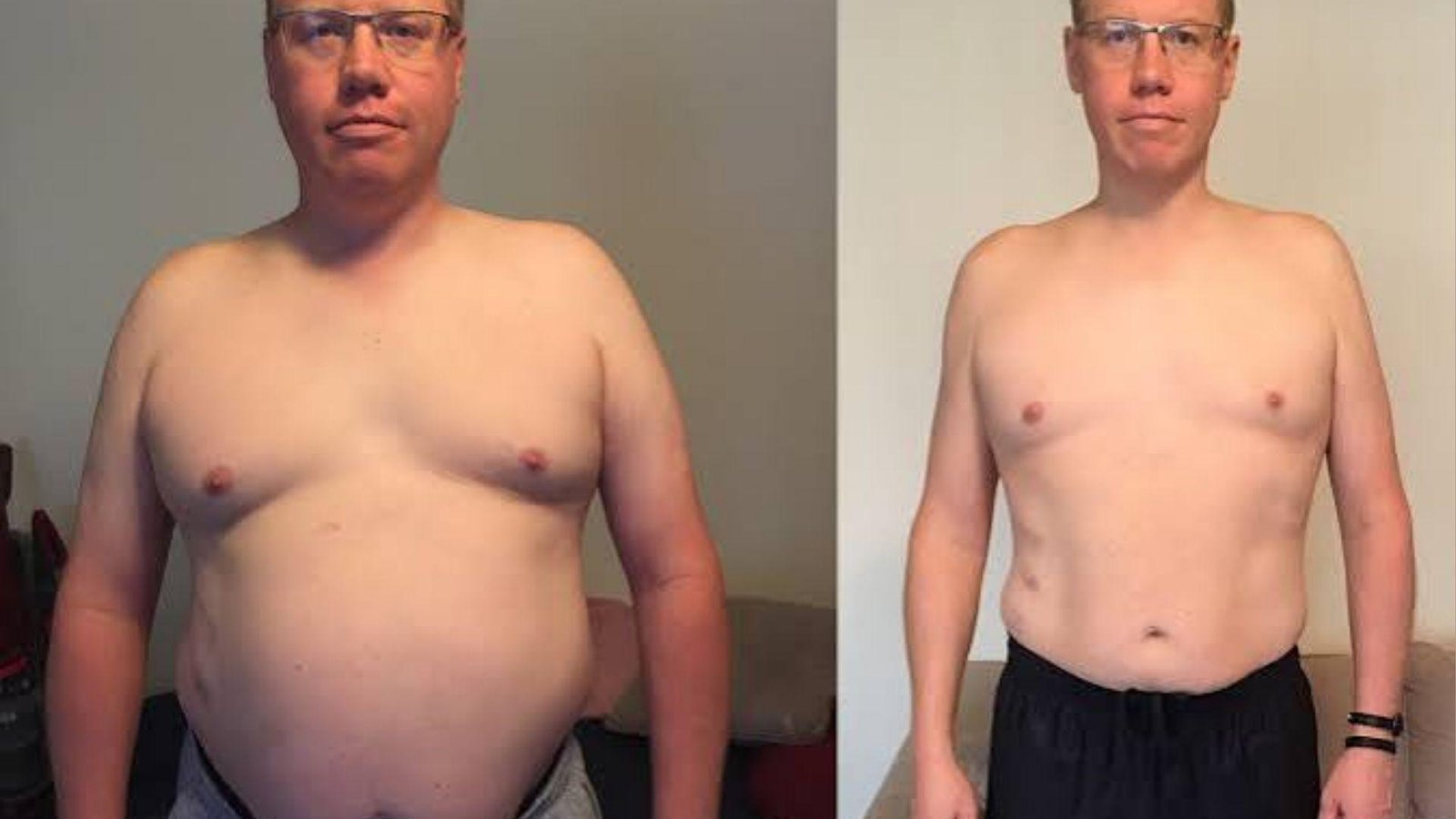
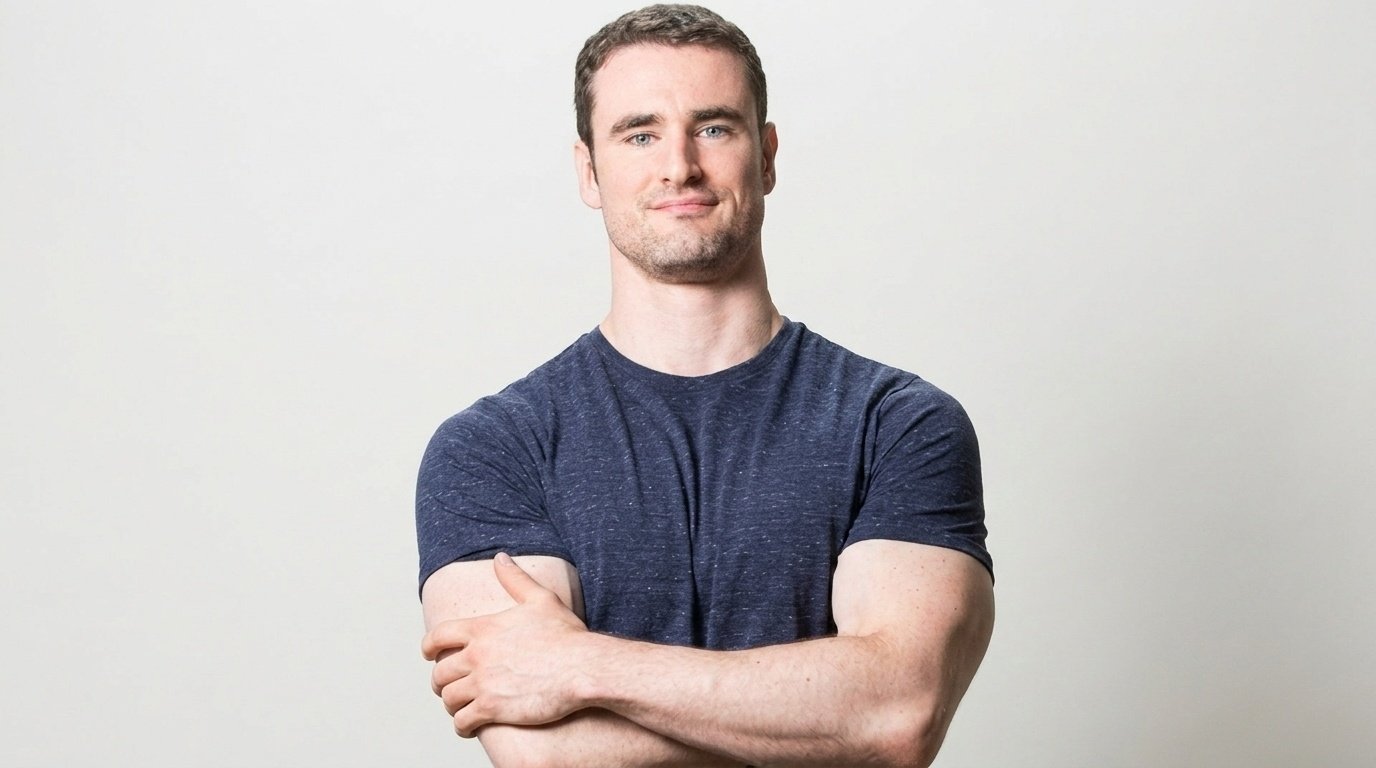
Coaches like Sean Hyson, CSCS, have documented real fat loss results, including one case of 37 pounds lost in six months. This proves calisthenics can build muscle and cut fat, backed by both research and real coaching results.
How Fast Can Men Really See Results?
Everyone wants to know how soon results show up. The truth is timing depends on your starting point and effort. Here is what you can expect at each stage.
Your First 30 Days: What Actually Changes?

In your first month, you won't see big changes in the mirror. But your body already starts adapting. This is neural adaptation at work, your brain and muscles learning to work together before size catches up.
You will notice better form, more control, and less soreness after workouts. Simple moves like push ups and squats start to feel smoother. This early stage builds the base for real muscle growth later. Stick with it, even if results feel slow.
2 to 3 Months In: The Stage Where People Notice

By month two or three, changes become visible. Muscle definition starts to show, especially around arms, shoulders, and core. Strength jumps fast during this phase since your nervous system adapts quickly to bodyweight moves.
Friends and gym buddies often start asking what you're doing differently. This is the stage where motivation peaks, because the mirror matches the effort you're putting in.
The 6 Month Mark: Strength You Can Feel
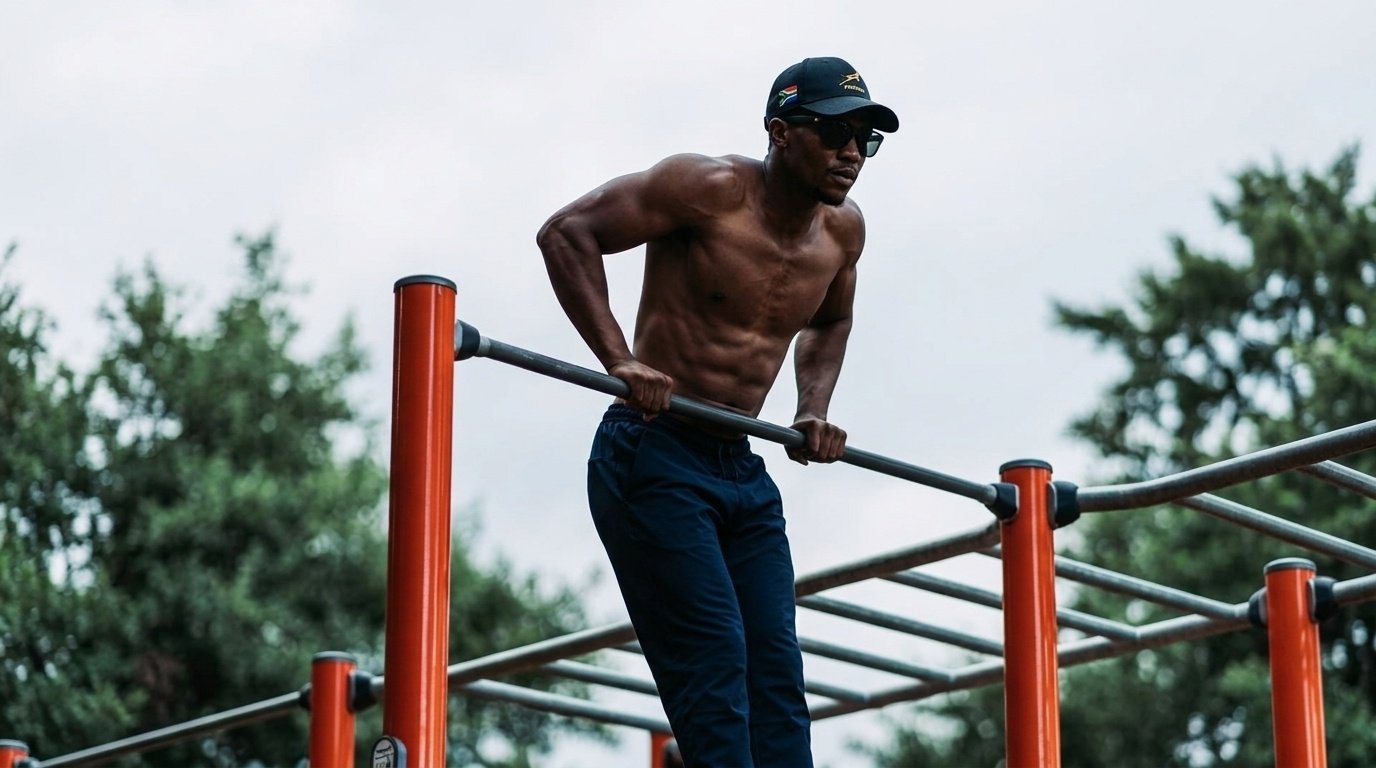
Six months in, your strength tells a clear story. Pull ups, dips, and push ups get easier and more controlled. Your body starts looking leaner, with visible muscle across your back and legs.
This is often when people move from basic moves to harder skills like pistol squats or ring rows. Consistency here separates people who quit from people who keep going.
One Year Later: The Full Body Shift
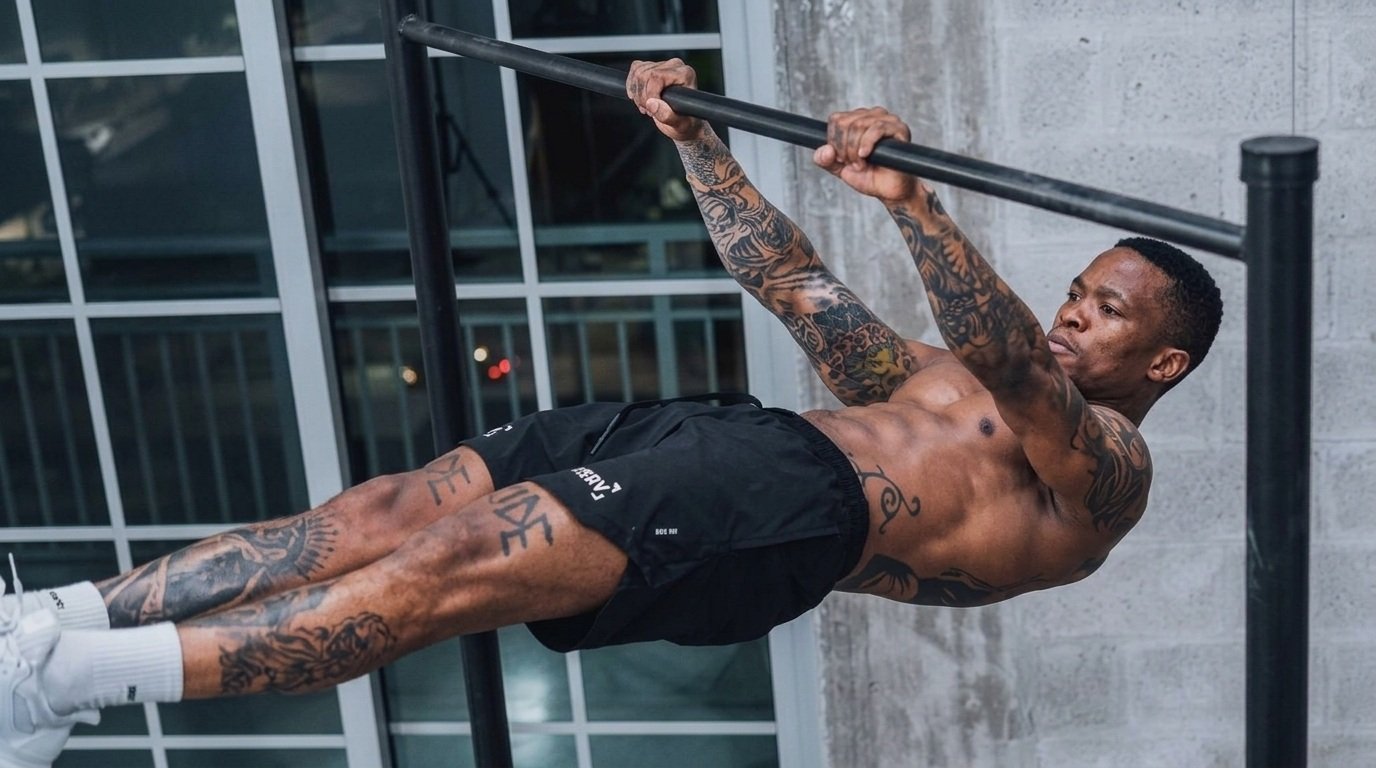
After one full year, most people see a complete change in their physique. Muscle mass increases across the whole body, not just certain areas. Core strength, shoulder stability, and grip strength improve a lot.
Skills like front levers or muscle ups become realistic goals instead of dreams. This stage proves that bodyweight training builds real, lasting strength, not just a temporary look.
Two Years and Beyond: Why It Never Stops Paying Off?
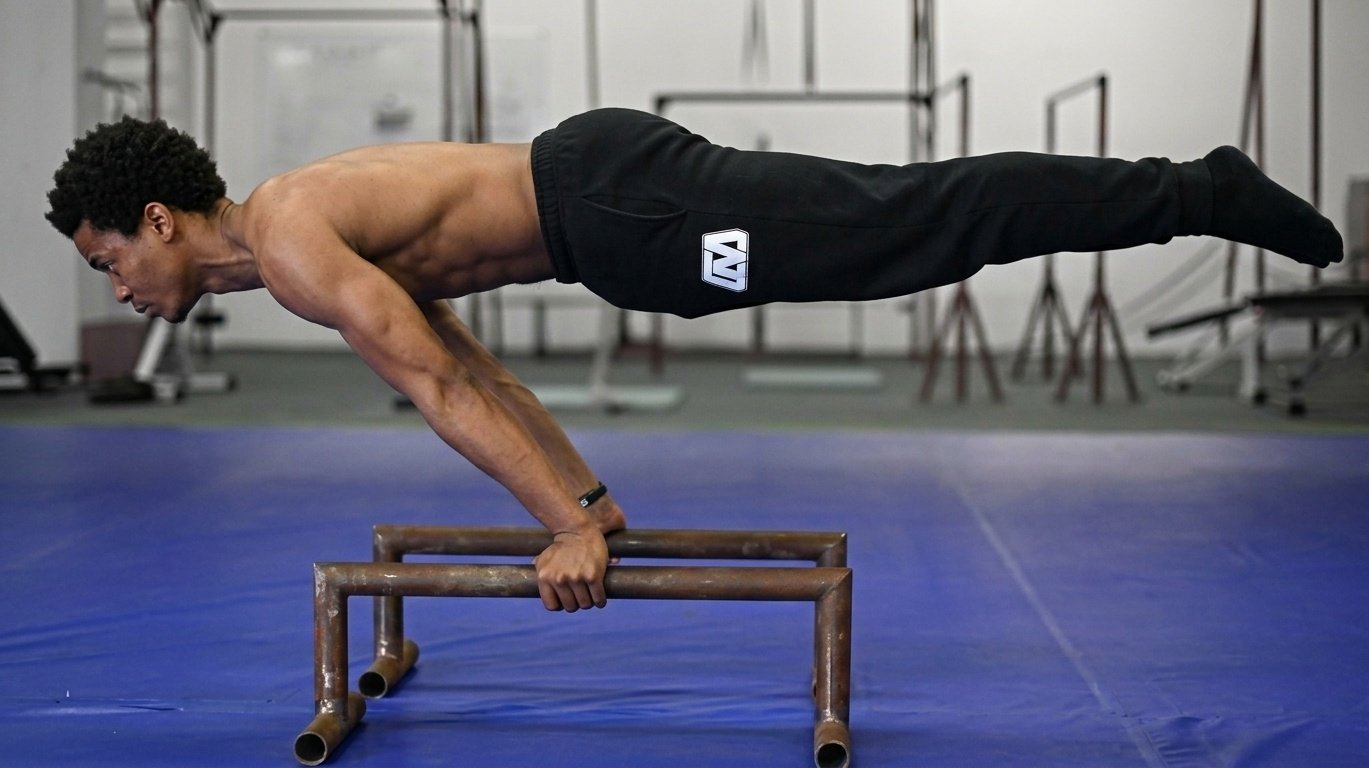
Past the two year mark, calisthenics becomes a lifestyle, not just a workout plan. Athletes at this stage often master advanced skills like planche holds or one arm pull ups. Muscle gains slow down, but strength and control keep climbing.
Injuries become rare because your joints and tendons adapt fully to bodyweight stress. This long term payoff is why so many stick with calisthenics for life.
Do Women See Different Results With Calisthenics?
Many women ask if bodyweight training works the same way for them. The short answer is yes, though the pace and focus can look different. Here is what female trainees can expect.
What Changes First for Female Trainees?
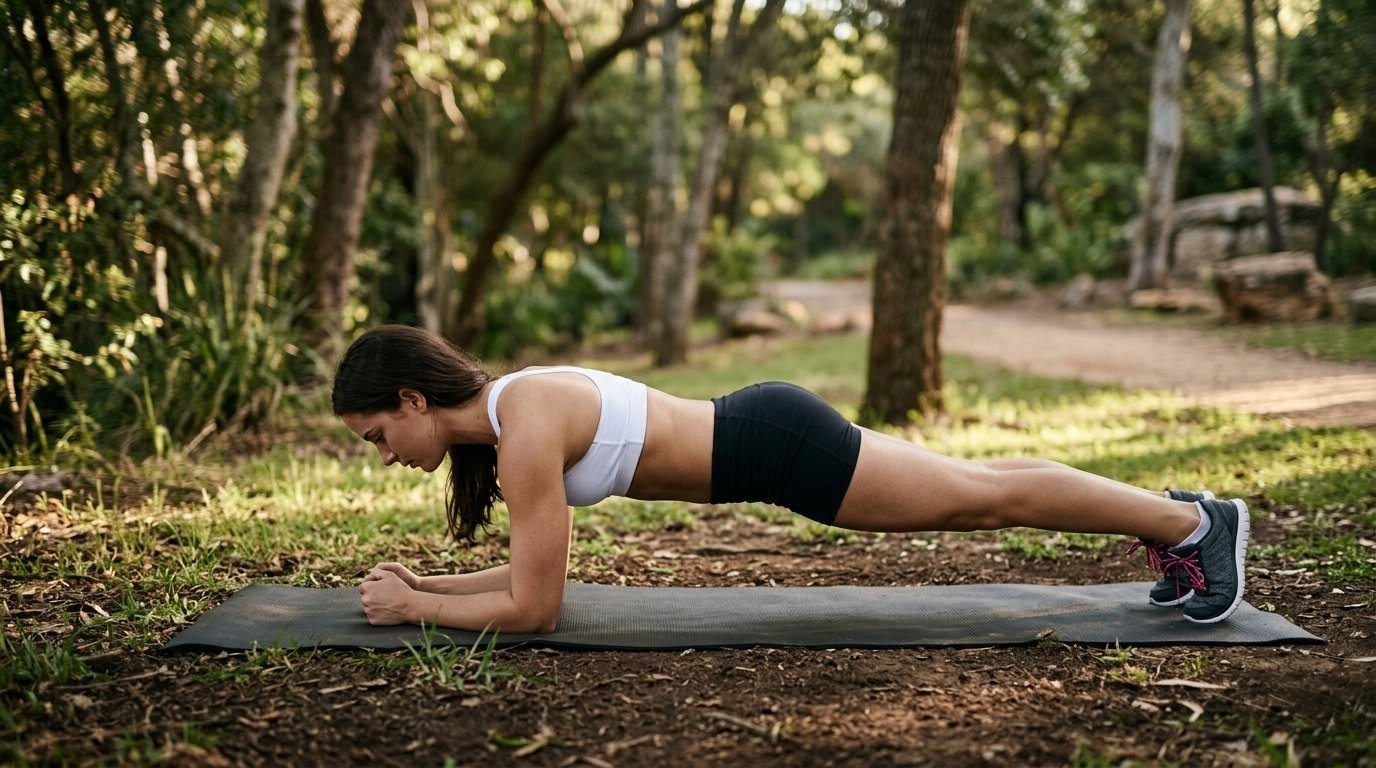
Women often notice core and upper body strength improve first. Basic moves like planks, rows, and assisted pull ups get easier within weeks.
Because women naturally carry less upper body muscle at the start, early strength gains can feel dramatic.
Fat loss often shows first around the waist and arms. This early progress builds confidence for harder training ahead.
A Real 6 Month Female Transformation Breakdown

At six months, many women report visible muscle tone in arms, back, and legs.
Strength numbers climb fast, with pull ups and dips going from impossible to doable. Body fat drops steadily with proper nutrition and consistent training. Posture also improves, since calisthenics builds strong shoulders and a solid core.
This stage often marks the biggest confidence boost in the entire process.
Common Myths About Women and Bodyweight Training

One common myth is that calisthenics makes women too bulky. This isn't true, since bodyweight training builds lean, functional muscle, not bulk.
Another myth is that women can't build enough strength without weights. Real results prove otherwise, with many women mastering pull ups and even muscle ups.
Bodyweight training builds strength that fits any goal, without needing heavy gym gear.
The Workout Plan That Actually Moves the Needle
A good plan turns effort into real progress. Without structure, workouts become guesswork with slow results. Here is a plan built around proven stages of bodyweight training.
Phase One: Build Your Base

The first phase focuses on basic strength and control. Push ups, rows, squats, and leg raises build the foundation for harder moves later. Aim for three sets of five to fifteen reps per exercise, three times a week.
This phase usually lasts about six months for beginners. Master these basics before moving to harder skills, since a strong base prevents injury and speeds up future progress.
Phase Two: Add Muscle and New Skills
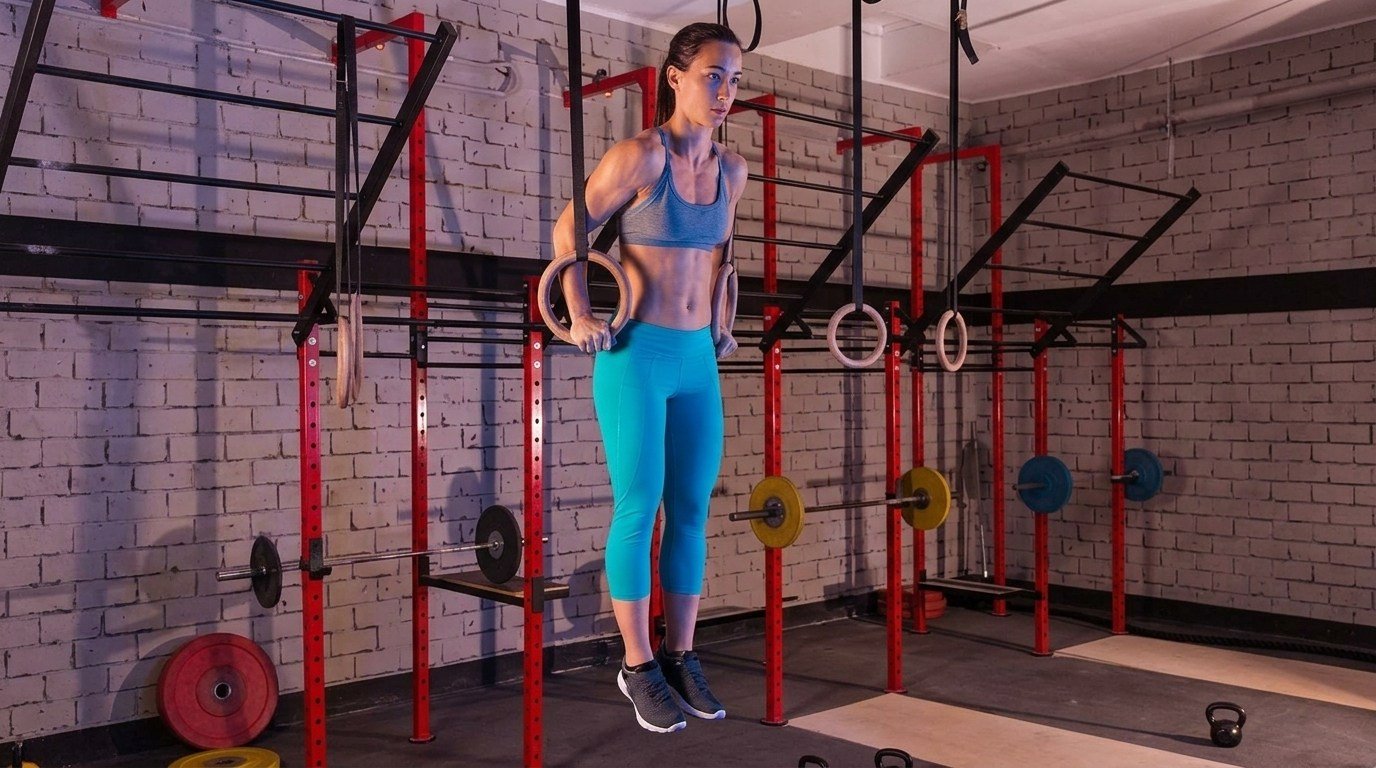
Once the basics feel easy, add dips, pull ups, and pistol squats. This phase focuses on building visible muscle and learning new skills like skin the cats. Aim for two to four sets of six to fifteen reps.
Most people spend six to twelve months in this phase. Strength and muscle both grow fast here, making it one of the most rewarding stages of training.
Phase Three: Go Heavier With Weighted Moves
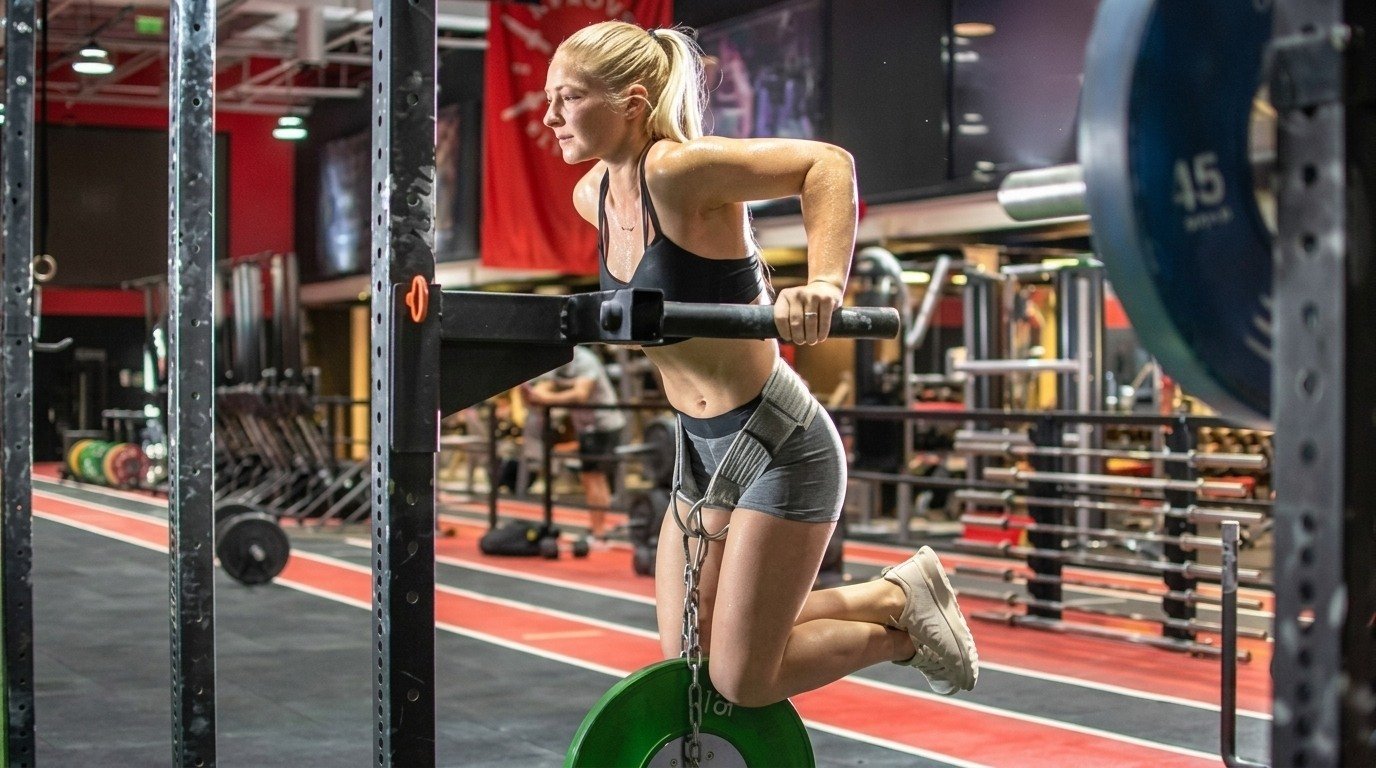
After a year of steady training, add weight using a vest or dip belt. This method, called weighted calisthenics, takes your training past what bodyweight alone can do. Weighted dips, weighted pull ups, and one arm rows challenge your muscles in new ways.
This phase builds serious strength and size, similar to gains seen with heavy weightlifting. Keep form strict, since added weight raises injury risk. This stage separates casual trainees from serious bodyweight athletes.
A Sample Weekly Split You Can Follow Today

Train upper body on Tuesday and Saturday, lower body on Thursday and Sunday, with rest days between. This split gives each muscle group enough time to recover and grow.
Four training days a week fits most schedules without burning you out. Add light cardio or mobility work on rest days if you want to stay active. Consistency with this split builds steady, visible progress over time.
Can Calisthenics Burn Fat and Build Muscle at Once?

Many people think you can't lose fat and build muscle together. Bodyweight training proves this old idea wrong. Here is how body recomposition actually works.
The Science of Body Recomposition
Body recomposition means losing fat while gaining muscle at the same time. This works best for beginners and people returning to training after a break. Calisthenics supports this process well, since circuit style workouts burn calories while building strength.
Eating enough protein while staying in a small calorie deficit helps the process. This method takes patience, but it delivers lasting, real results.
What a Fat Loss Focused Routine Looks Like?
A fat loss routine mixes strength moves with cardio bursts in one workout. This style is called circuit training, and it keeps your body working with little rest.
Circuits with push ups, squats, burpees, and mountain climbers keep your heart rate high. Rest periods stay short, around 30 to 60 seconds between exercises. Training three to four times a week burns fat while keeping muscle intact.
This style of training also improves stamina and conditioning fast.
Signs Your Body Is Actually Changing
The scale isn't always the best proof of progress. Look for tighter clothes, more visible veins, and better muscle definition instead. Strength gains, like doing more push ups or holding a plank longer, also show real change.
Progress photos taken every few weeks reveal shifts the mirror misses day to day. Trust these signs more than the number on a scale.
Eating Right for Faster, Cleaner Results
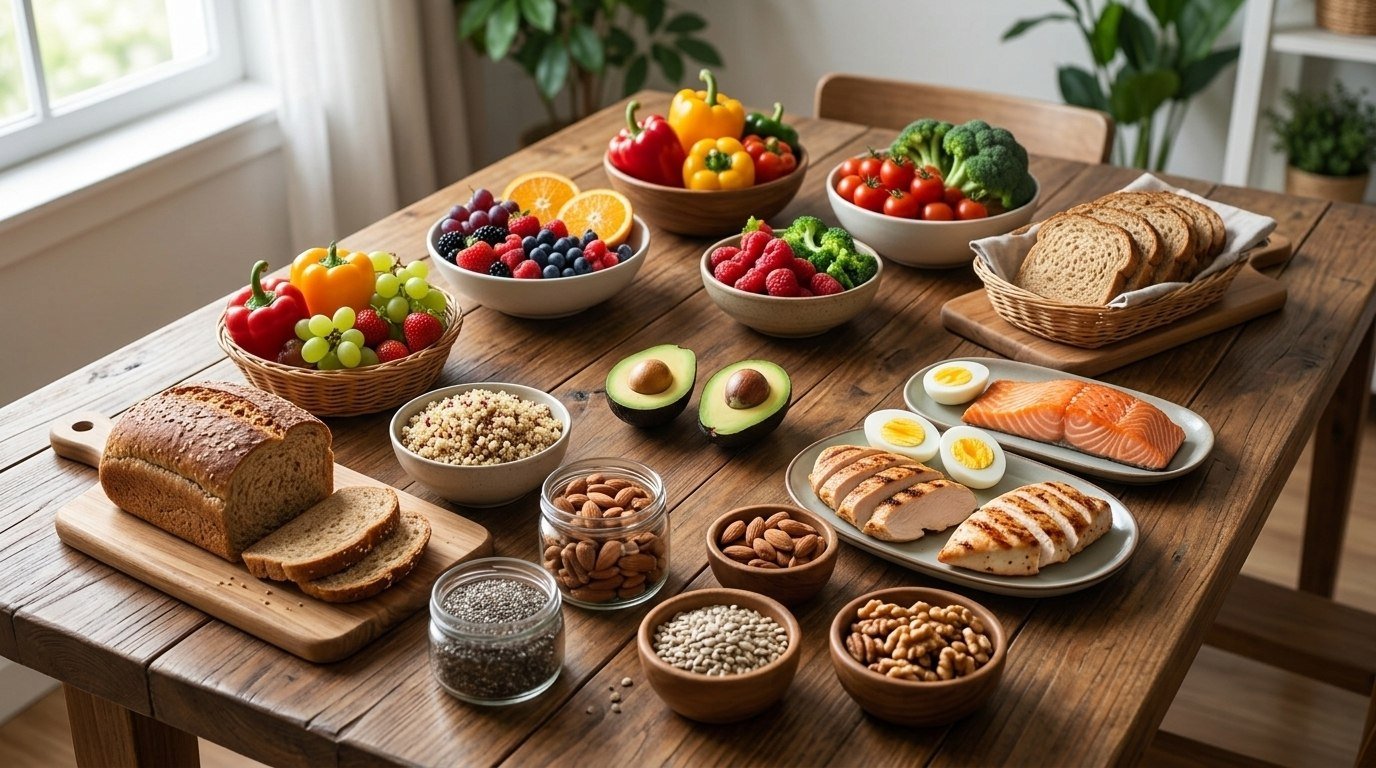
Training alone won't get you the results you want. Nutrition plays a huge role in muscle growth and fat loss. Here is what your plate should look like.
How Much Protein Do You Actually Need?
Protein is the building block for new muscle tissue. This process, called muscle protein synthesis, needs a steady protein supply to keep building new tissue. Aim for 1.6 to 2.2 grams of protein per kilogram of body weight each day.
Good sources include chicken, eggs, fish, beans, and Greek yogurt. Spread your protein across three to four meals for better absorption. Getting enough protein daily speeds up recovery and supports steady muscle growth.
Calorie Surplus vs Deficit, Explained Simply
A calorie surplus means eating more than your body burns, which helps build muscle. A calorie deficit means eating less, which helps burn fat.
For muscle gain, aim for 300 to 500 extra calories a day. For fat loss, cut 300 to 500 calories from your daily intake. Track your progress weekly and adjust based on how your body responds.
Foods That Support Real Progress
Focus on whole foods that fuel your workouts and recovery. Lean proteins, whole grains, fruits, and vegetables should make up most of your meals. Healthy fats from nuts, seeds, and avocados support hormone health and joint function.
Stay hydrated with two to three liters of water daily. Simple, whole food choices beat complex diet plans every time.
What Real People Say About Their Own Progress?

Real experiences often teach more than any study.
On forums like Reddit, people share honest journeys, from slow starts to major strength gains within a year. Many report losing significant fat while building visible muscle through consistent bodyweight training alone.
Others highlight how mastering skills like pull ups or dips boosted their confidence beyond the gym.
These firsthand stories confirm what research shows: steady effort with calisthenics delivers real, lasting change.
Mistakes That Are Slowing Down Your Progress
Even hard work can go to waste with the wrong habits. Here are the biggest mistakes that block real gains and how to fix each one.
- Skipping legs weakens your whole body. Squats, lunges, and pistol squats build power that supports every other move you do, so train legs at least twice a week.
- Training without a plan wastes your effort. A structured routine tracks your reps and sets, and stopping each set one rep short of failure keeps your form clean while you progress.
- Ignoring rest slows down muscle growth. Sleep seven to nine hours a night and take one to two rest days each week, since your muscles actually grow while you recover, not while you train.
Conclusion
Real change takes time, not shortcuts. Your body rewards consistency, not perfection. Stick to your plan, eat well, and rest when you need to.
Progress will show up, even on days it feels slow. That one truth matters more than any workout: showing up counts.
Loved this guide? Share it with a gym buddy who needs it. Drop a comment below and tell us where you are in your own progress.
Frequently Asked Questions
Can calisthenics work if I have no gym or equipment at home?
Yes, calisthenics needs no gym or fancy gear. A pull up bar and open floor space are enough to start.
Is calisthenics good for skinny guys trying to bulk up?
Yes, skinny guys can build real muscle with calisthenics. Progressive overload plus enough calories and protein makes it work.
Does calisthenics stunt growth or hurt your joints?
No, this is a myth with no proof behind it. Calisthenics builds strong bones and joints when done with good form.
What age is best to start calisthenics training?
There is no fixed age to start, teens and adults both see results. Younger trainees may progress faster, but consistency matters more than age.
Can you build calisthenics strength using only pull ups and push ups?
Yes, pull ups and push ups alone build real strength over time. Adding variety later helps you progress faster and avoid a plateau.