
If you want to train like a legend, the Arnold Blueprint is a great place to start.
This guide walks you through the full workout split, the best exercises for each muscle group, and the nutrition plan that goes with it.
You'll also get simple tips to stay consistent and avoid common mistakes.
I've tested plenty of training splits over the years, and this one still holds up. You don't need fancy equipment or a huge budget to follow it.
Just a solid plan and the will to show up. By the end of this post, you'll know exactly how to start.
What Is the Arnold Blueprint?

A classic bodybuilding split built around training each muscle group twice a week.
The Arnold Blueprint is based on the training style Arnold Schwarzenegger used during his bodybuilding years, a style shaped in part by his coach Vince Gironda.
It focuses on high volume, frequent training, and hitting each muscle group twice within a week.
This approach helped carry Arnold to seven Mr. Olympia titles, and it builds size and strength at the same time.
The plan splits your week into push and pull style days, repeated with some variation. It keeps your body working hard without burning you out too fast.
Many lifters still follow this split, first documented in The New Encyclopedia of Modern Bodybuilding, because it delivers real results when done right.
How the Arnold Blueprint Training Split Works

A 6-day split that hits every muscle group twice for faster growth.
Weekly 6-Day Training Schedule
This split runs six days a week with one rest day. You train chest, back, and abs on day one, then shoulders and arms on day two, then legs on day three.
The same three days repeat again before your rest day. Some versions of this plan break the full 8 weeks into two phases.
Phase one covers the first four weeks, then phase two swaps in new exercise variations to keep your muscles from adapting too fast.
Why Each Muscle Group Is Trained Twice Per Week
Training a muscle twice a week gives it more chances to grow. Your muscles get stimulated more often, which can speed up strength gains. This also keeps workouts shorter since you're not cramming everything into one day.
Arnold Blueprint Workout Plan
A day-by-day breakdown of what to train and when.
Day 1: Chest, Back & Abs

This day pairs two big pushing and pulling muscle groups together. You'll do presses for chest and rows or pull-ups for back. Finish with a short core routine to build stability.
Day 2: Shoulders, Biceps, Triceps, Forearms & Abs

Day two covers your shoulders and both arm muscles in one session. This keeps your upper body balanced and avoids overworking any single area. Abs are trained again to build a strong core base.
Day 3: Legs, Calves & Abs

Leg day is where the real work happens. You'll train quads, hamstrings, and calves with heavier compound lifts. Abs close out the session just like the other two days.
Day 4: Repeat Chest, Back & Abs

This day mirrors day one but with different exercise variations. The goal is to hit the same muscles from new angles. It keeps your training fresh and avoids plateaus.
Day 5: Repeat Shoulders, Arms & Abs

Day five repeats the shoulder and arm focus from day two. Again, you switch up exercises to challenge your muscles differently. This helps with balanced growth across your upper body.
Day 6: Repeat Legs, Calves & Abs
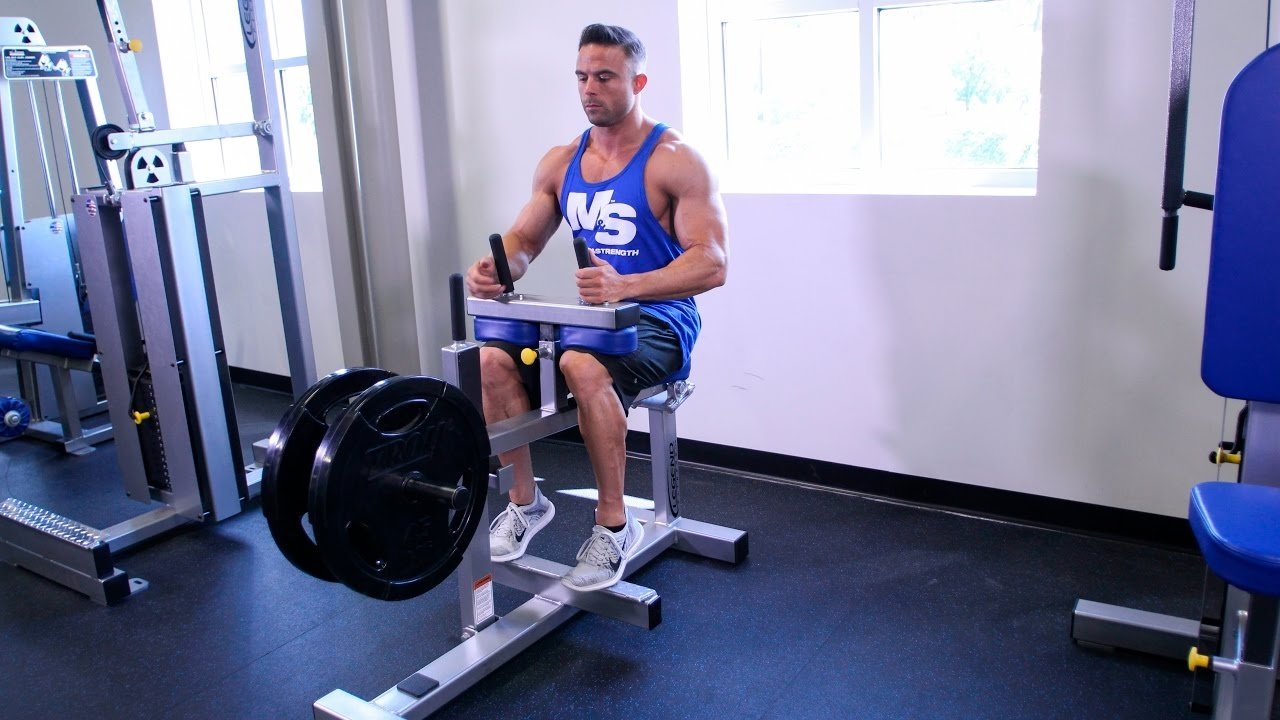
Your second leg day of the week closes out the training cycle. You can adjust intensity here based on how your legs feel. Recovery matters just as much as effort on this day.
Day 7: Rest and Recovery

Rest day gives your body time to repair and grow stronger. Light stretching or a short walk is fine if you want to stay active. Skipping this day can slow down your progress over time.
Best Exercises in the Arnold Blueprint
The core lifts that make up each training day.
Chest Exercises
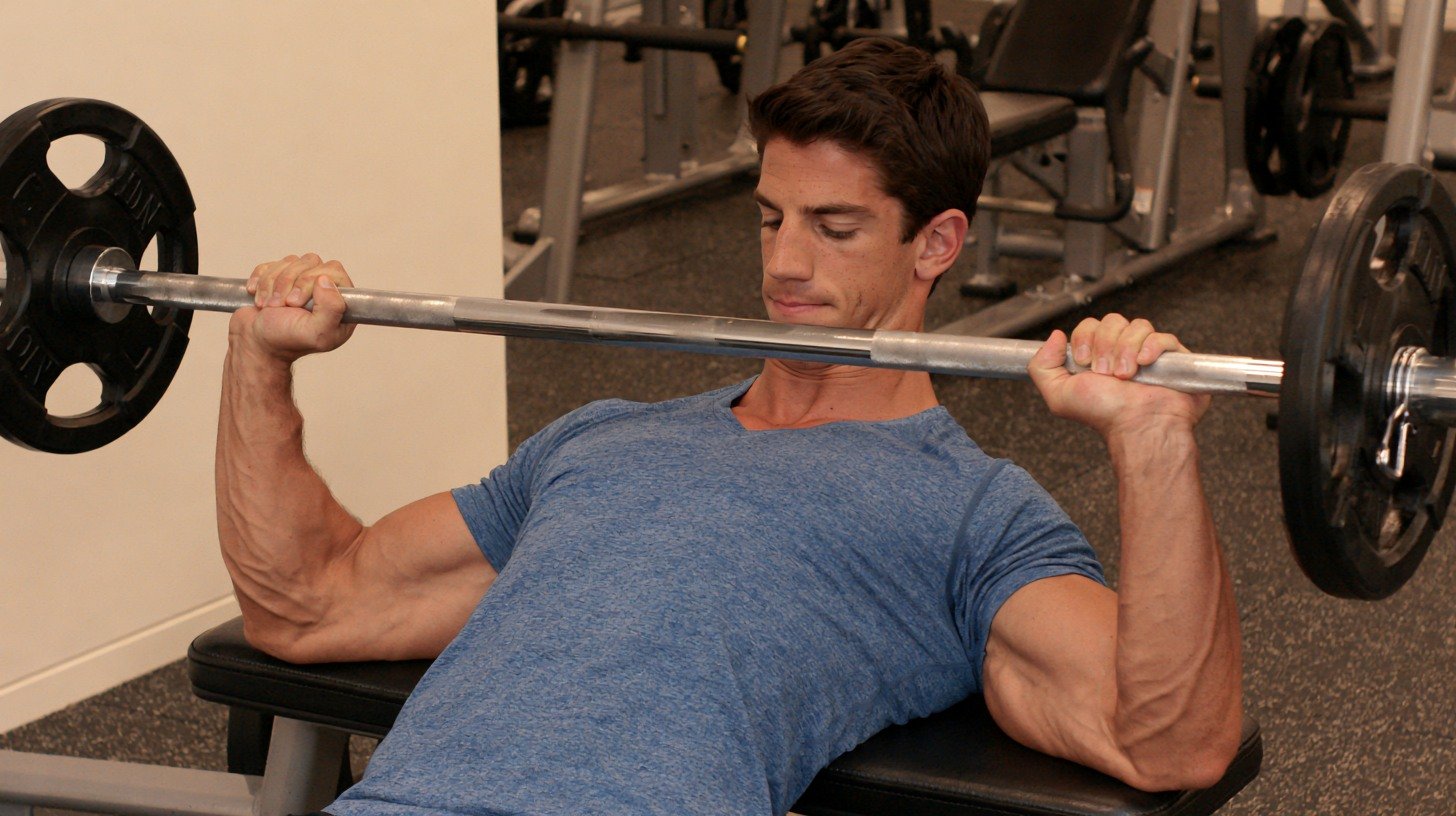
Bench press, incline dumbbell press, and chest flys form the base of chest training. These moves build both size and strength. Mixing barbell and dumbbell work keeps your chest growing evenly.
Back Exercises

Pull-ups, bent-over rows, and lat pulldowns are staples for back training. They build width and thickness at the same time. A strong back also supports better posture overall.
Shoulder Exercises
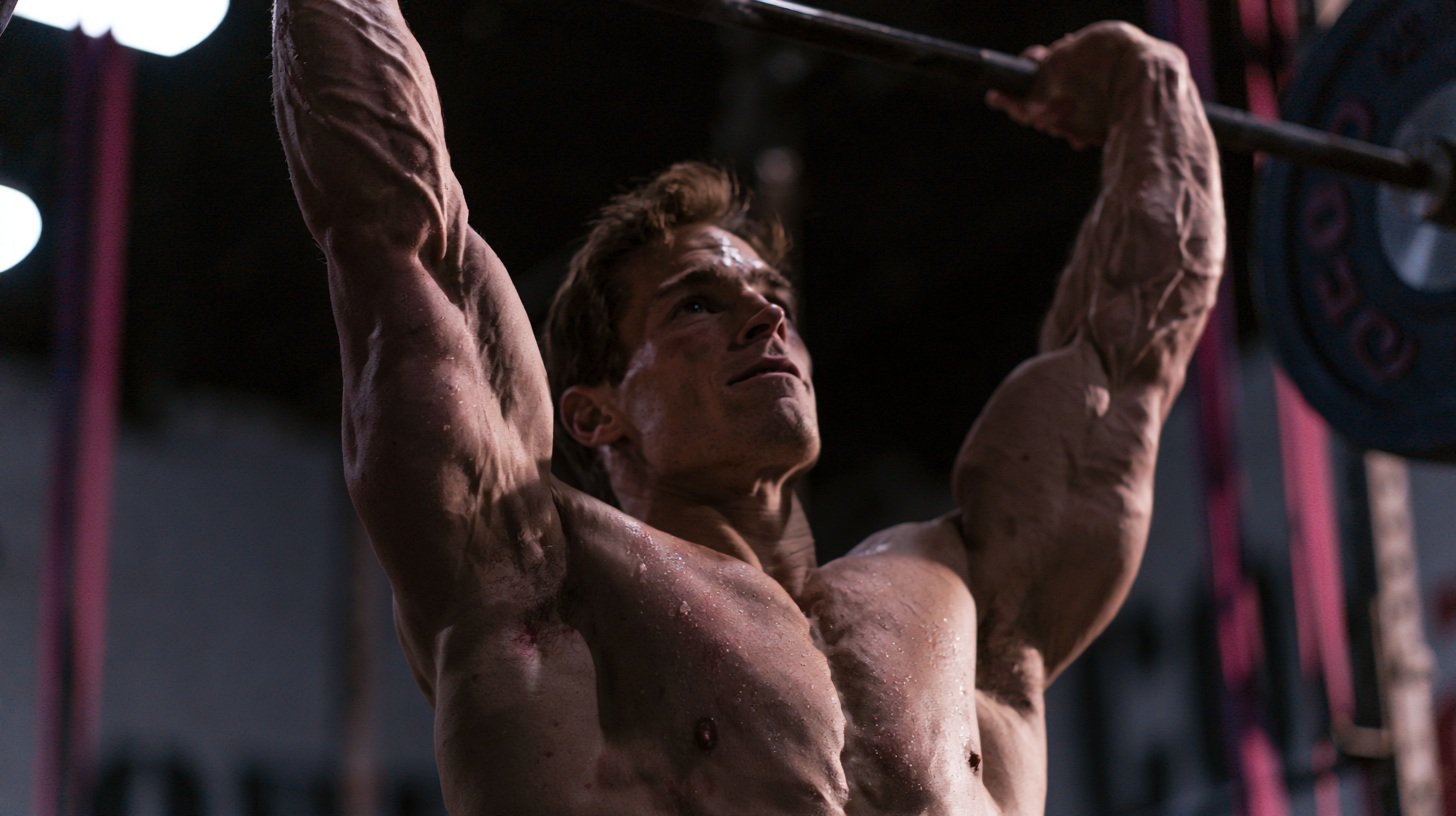
Overhead press, lateral raises, and rear delt flys round out shoulder training. The Arnold press, a rotating dumbbell press named after Arnold himself, and the barbell clean and press are two other staples worth adding.
These moves target all three parts of the shoulder muscle. Well-built shoulders also help every other upper body lift.
Arm Exercises

Bicep curls, tricep pushdowns, and hammer curls make up most arm workouts. Training both muscles in one session saves time.
It also keeps your arms balanced in size and strength. Focus on the mind-muscle connection here too. Feeling the muscle work through each rep matters as much as the weight on the bar.
Leg Exercises
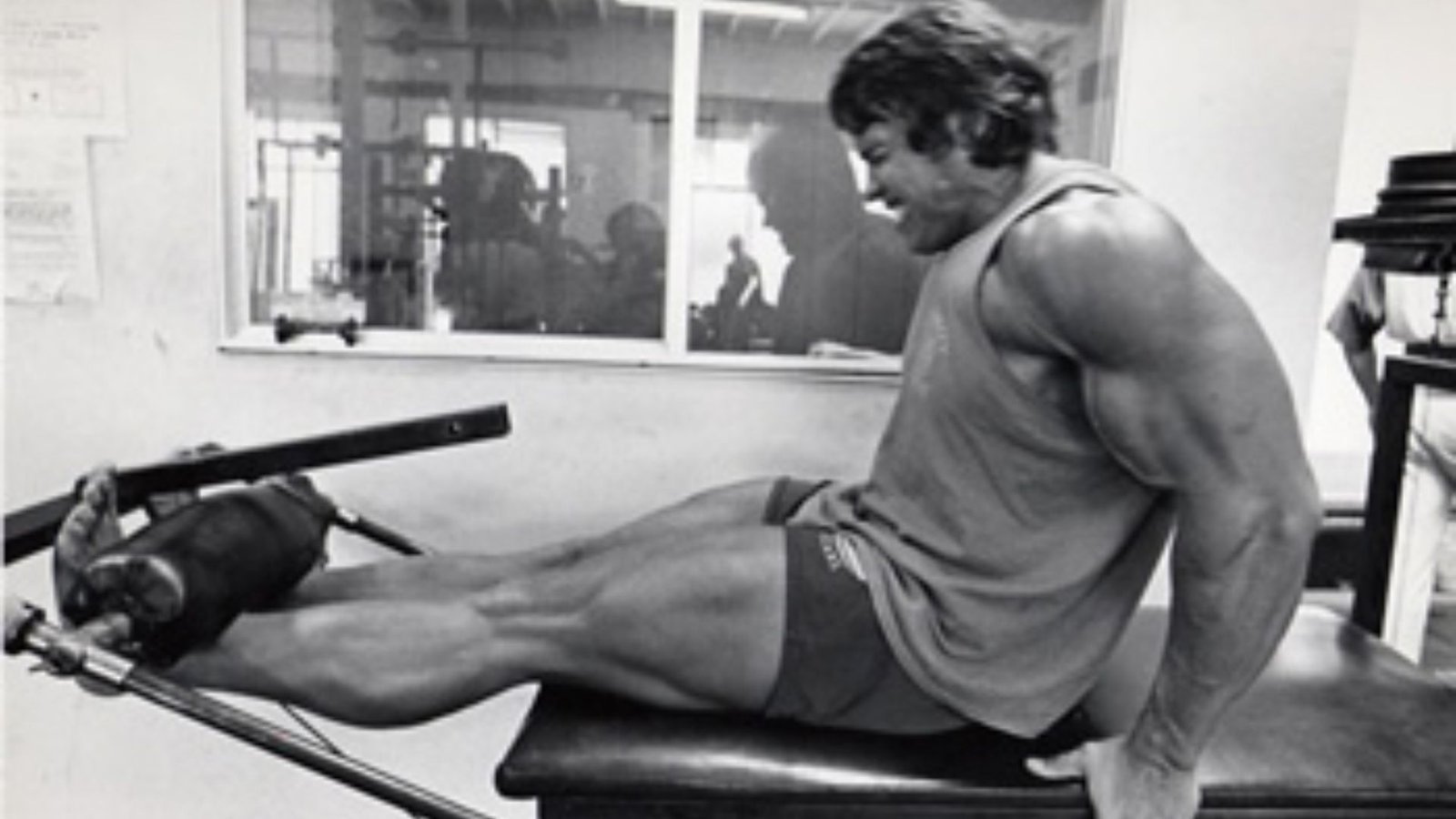
Squats, lunges, and leg presses are the backbone of leg day. These moves build strength through your whole lower body. Calf raises are added to round out lower leg development.
Core Exercises

Planks, hanging leg raises, and cable crunches make up daily ab work. Training your core often helps with lifting stability. A strong core also protects your lower back during heavy lifts.
Arnold Blueprint Training Methods
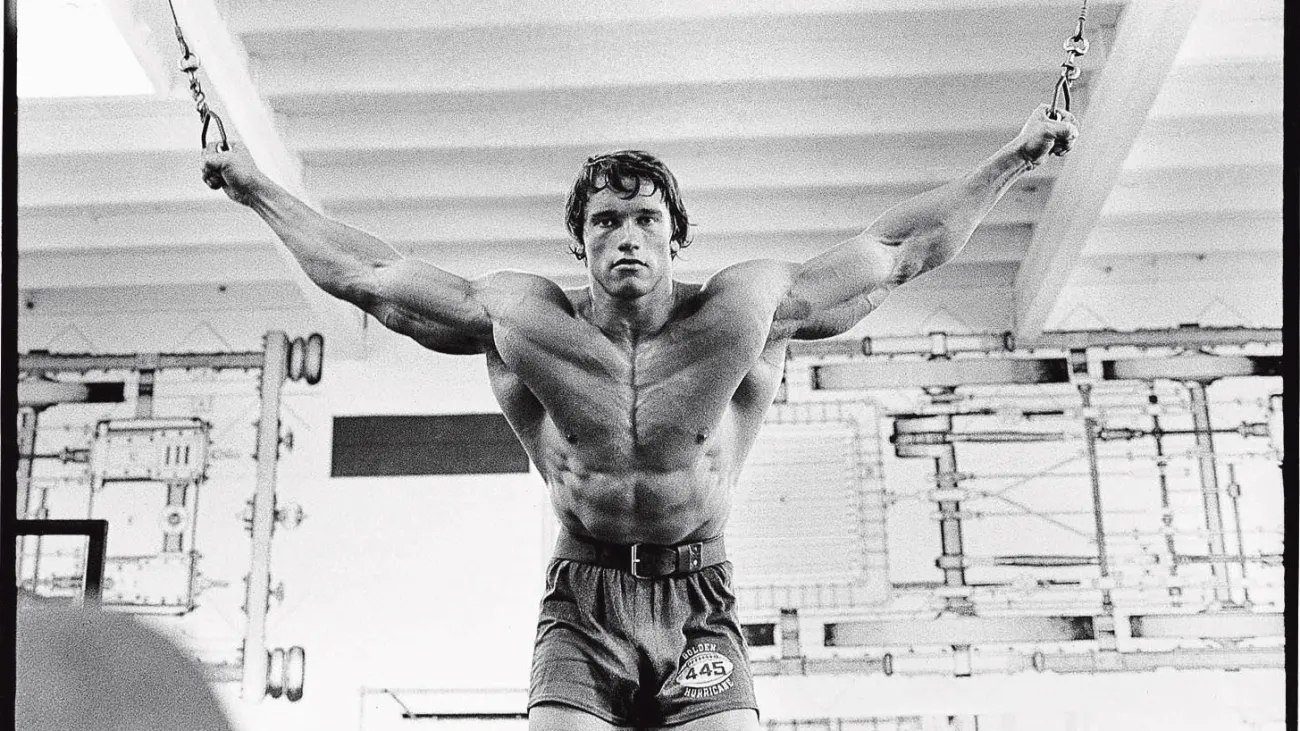
Special training techniques used to push muscles harder.
The 1–10 Method
This method has you do 10 reps on the first set, then drop one rep each set while adding weight. It's tough but builds both strength and size. You finish with a single heavy rep at the end.
Max Effort Method
This method focuses on lifting the heaviest weight you safely can for low reps. It builds raw strength fast. You'll want to save this method for exercises where your form is solid.
Stripping Down (Drop Set) Method
Drop sets have you lower the weight right after hitting failure and keep going. This pushes your muscles past normal fatigue. It's a great way to add extra volume without adding more sets.
Supersets for Muscle Growth
Supersets pair two exercises back to back with no rest between them. This keeps your heart rate up and saves time. It also adds extra intensity to your workout.
Nutrition for the Arnold Blueprint

The eating plan that fuels this high-volume training style.
Daily Protein Intake
Protein helps repair and build the muscle you break down while training. A common target is around 1 gram of protein per pound of bodyweight, spread across your meals.
Chicken, eggs, fish, and protein shakes all work well here.
Calories and Carbohydrates
You need enough calories to support six days of training. Carbs give you the energy to push through tough sessions. Cutting carbs too low can leave you feeling drained.
Hydration and Recovery
Water plays a bigger role in recovery than most people think. Staying hydrated helps your muscles repair faster and reduces cramping.
Aim to drink water steadily throughout the day, not just during workouts.
Supplements to Support Muscle Growth
Creatine, whey protein, and a basic multivitamin can support your training. These aren't required, but they can fill in gaps in your diet.
Always check with a doctor before adding new supplements.
Benefits of Following the Arnold Blueprint

Why this split still works for building muscle today.
Builds Lean Muscle Mass
The high training frequency gives your muscles more chances to grow. Combined with good nutrition, this leads to steady lean muscle gains over time.
Improves Strength and Workout Capacity
Training each muscle twice a week builds strength faster than once-a-week splits. Your overall workout capacity also improves as your body adapts.
Creates a Balanced Physique
Every major muscle group gets equal attention in this split. This helps you avoid the uneven look that comes from skipping certain areas.
Encourages Progressive Overload
The structure naturally pushes you to add weight or reps over time. This steady progression is what drives long-term muscle growth.
Tips to Get the Best Results
Small habits that make a big difference in your progress.
- Master proper form first: Focus on correct technique before increasing the weight.
- Progress gradually: Add weight or reps slowly to avoid injury and support steady muscle growth.
- Prioritize recovery: Get enough sleep and allow your muscles time to repair between workouts.
- Track your workouts: Record your weights, reps, and progress each week to stay consistent.
- Warm up every session: Do dynamic warm-ups and mobility exercises before heavy lifting to improve performance and reduce injury risk.
Staying Consistent With the Arnold Blueprint

Why sticking to the plan matters more than pushing too hard.
Consistency is what actually makes this split work. It's easy to get excited in the first week and go all out, but that often leads to burnout or injury.
Expect some real soreness too, often called DOMS, especially in your first few weeks. I've seen it happen to friends who tried to rush their progress instead of trusting the process.
The best results come from showing up week after week, adjusting your effort based on how your body feels, and giving yourself credit for small wins along the way.
Common Mistakes to Avoid
Errors that slow down progress or lead to injury.
- Using too much weight too soon: Lift weights you can control with proper form before increasing the load.
- Ignoring recovery and nutrition: Poor sleep and inadequate nutrition can slow muscle growth and increase injury risk.
- Skipping leg day: Neglecting lower-body training can lead to muscle imbalances and reduced overall strength.
- Not using progressive overload: Failing to gradually increase weight, reps, or intensity can stall your progress.
- Pushing through excessive fatigue: Reduce training volume or take extra recovery time if soreness and fatigue start affecting your performance.
Can Beginners Follow the Arnold Blueprint?
Beginners should start with fewer sets and lighter weights while learning proper form, since sloppy technique under load is how injuries happen.
You can also drop the training days from six to four until your body adapts. There's no rush to do everything at once, so nail the movement patterns first, then add intensity later.
Watch for warning signs too: constant soreness, poor sleep, dropping performance, and achy joints all mean you're overdoing it.
Listen to your body and scale back early, before those small warnings turn into real injuries that sideline you for weeks.
Conclusion
You've made it through the full Arnold Blueprint, and now you have everything you need to start. I still remember my first week trying this split.
My arms were sore for days, but I stuck with it and the results followed. Give it a real shot, adjust it to fit your life, and trust the process.
Drop a comment and let me know how your first week goes. Share this post if it helped you out.
Frequently Asked Questions
How many days a week is the Arnold Blueprint?
The Arnold Blueprint runs on a 6-day split with one rest day. Each muscle group gets trained twice within that week.
Is the Arnold Blueprint good for building muscle mass?
Yes, the high training frequency and volume make it very effective for muscle growth. Combined with proper nutrition, it delivers steady results.
Can beginners do the Arnold Blueprint?
Beginners can follow it with some changes, like fewer sets or fewer training days. It's best to build a base of proper form first.
How long should I follow this training split?
Most lifters run this split for 8 to 12 weeks before reassessing progress. You can adjust based on your recovery and goals.
Do I need supplements for the Arnold Blueprint?
Supplements aren't required but can support your training and recovery. Whole foods should still make up most of your diet.