
Pilates isn't a one size fits all workout. There are many styles, and picking the wrong one can leave you frustrated or bored.
In this article, I'll walk you through the different types of Pilates, from classical to reformer to clinical, and help you figure out which one matches your body and goals.
I've spent time trying several styles myself, so I know how confusing the options can feel at first. By the end, you'll know exactly which class to book and why.
If you're searching for a clear answer instead of more confusion, you're in the right place. Let's get into it.
What Is Pilates?
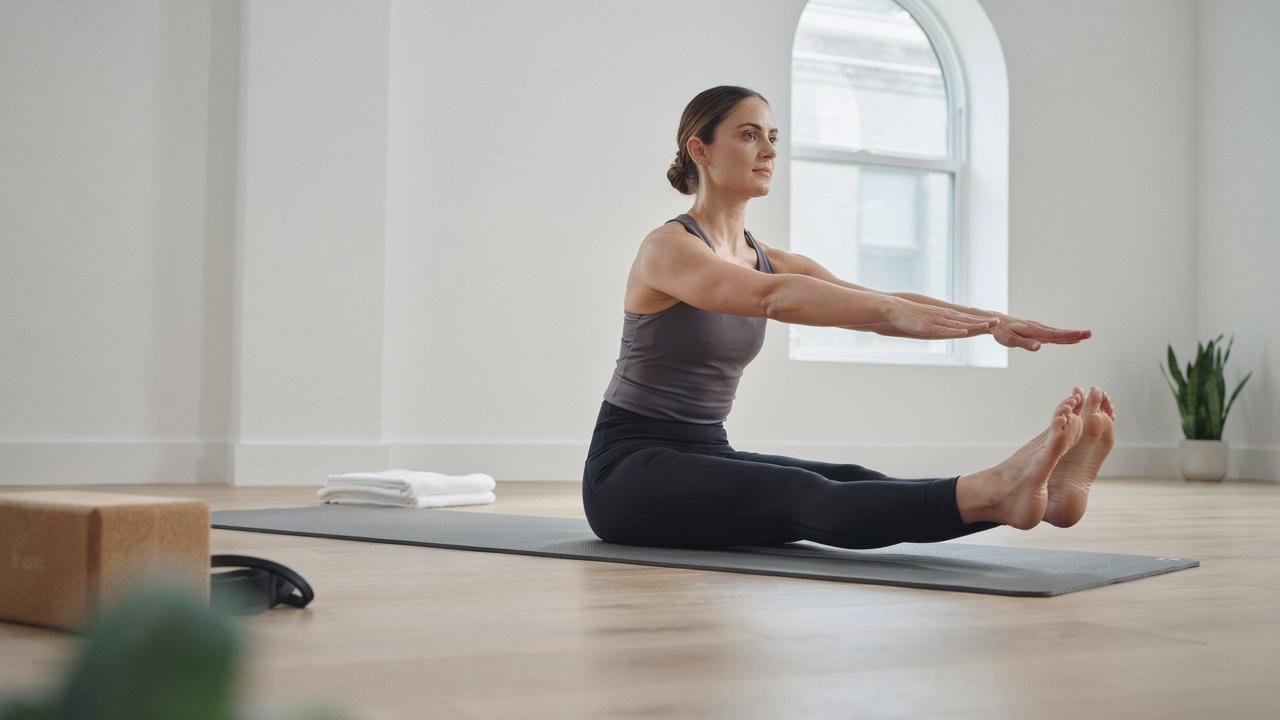
Pilates is a controlled, low impact workout that builds core strength and improves posture.
Pilates is a low impact exercise method built around controlled movement, breathing, and core strength. Joseph Pilates created it in the early 1900s to help injured soldiers recover during World War I, and he first called it Contrology.
It focuses on small, precise movements instead of fast reps. The goal was always a strong mind-body connection, not just a strong body.
Many people use it to build strength, fix posture, and recover from injury. It works the whole body, but the core does most of the heavy lifting.
Why Are There Different Types of Pilates?
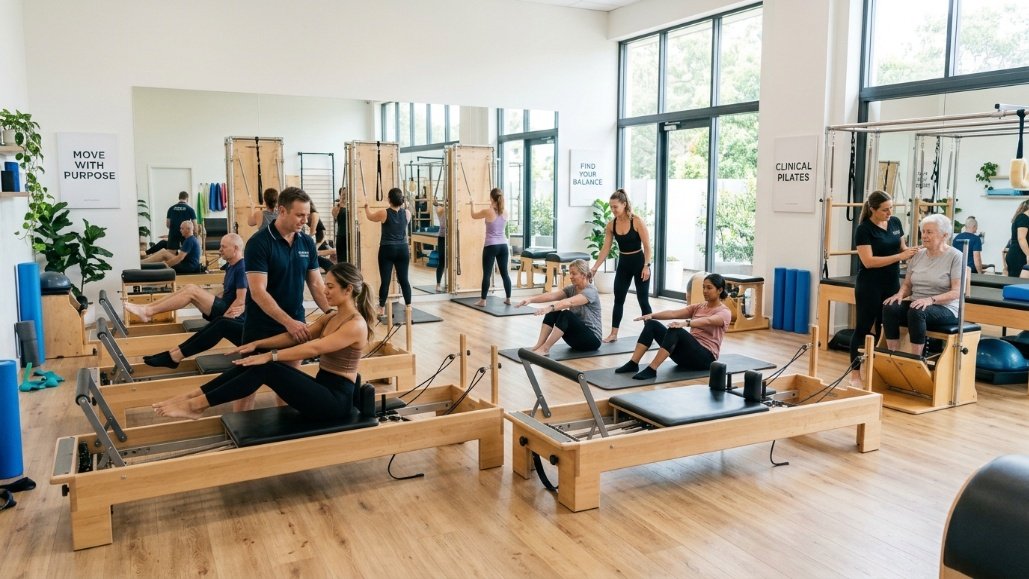
Pilates has grown and changed over the years to fit different bodies, goals, and settings, which is why so many versions exist today.
Every style still shares the same six core principles: breath, concentration, centering, control, precision, and flow.
Different Types of Pilates
Here's a quick look at the main styles you'll come across in studios and gyms.
Classical Pilates

This is the original method taught almost exactly as Joseph Pilates designed it. It follows a set order of exercises and sticks close to traditional equipment like the Cadillac and Wunda Chair.
It suits people who want a structured, traditional approach.
Mat Pilates
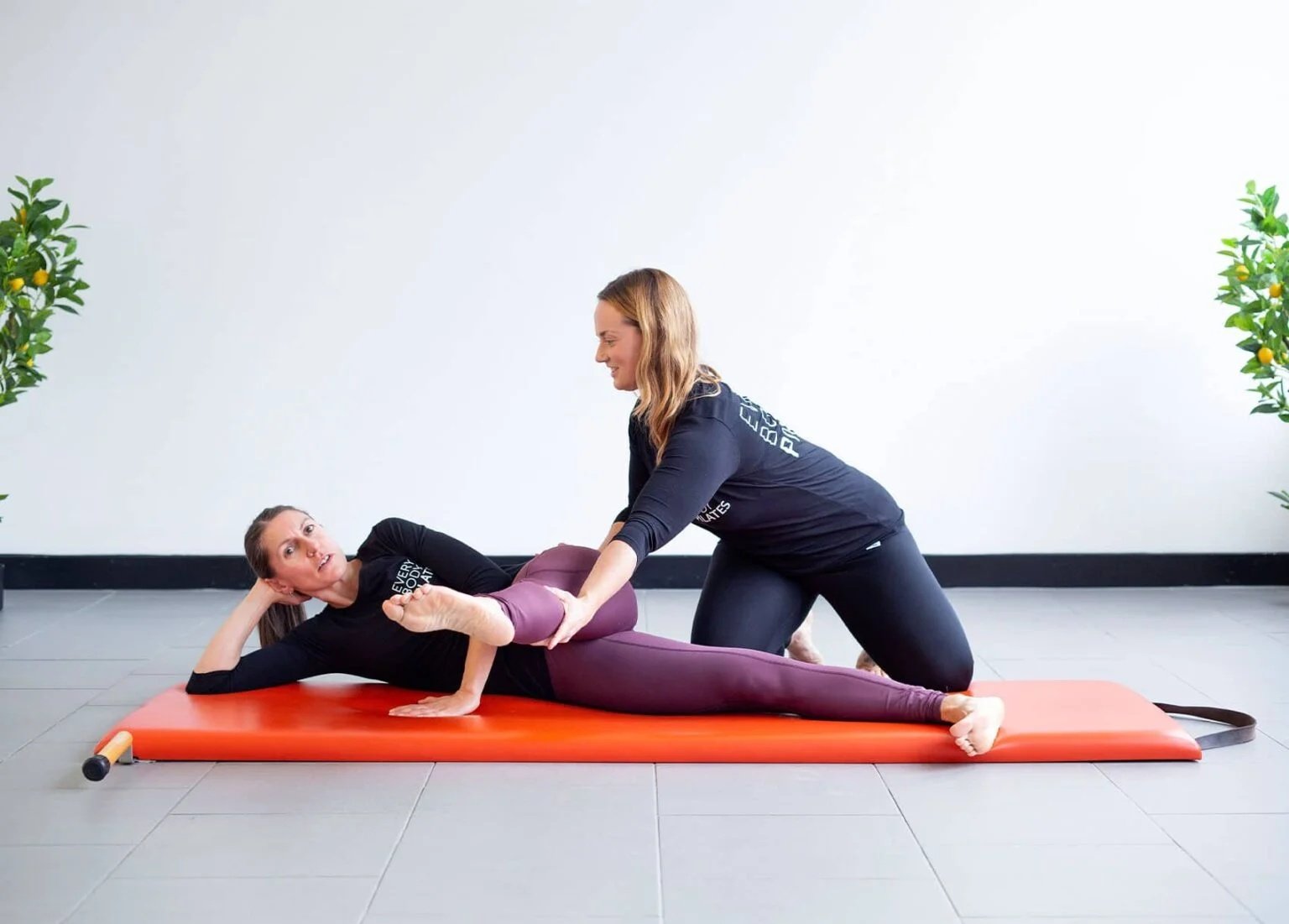
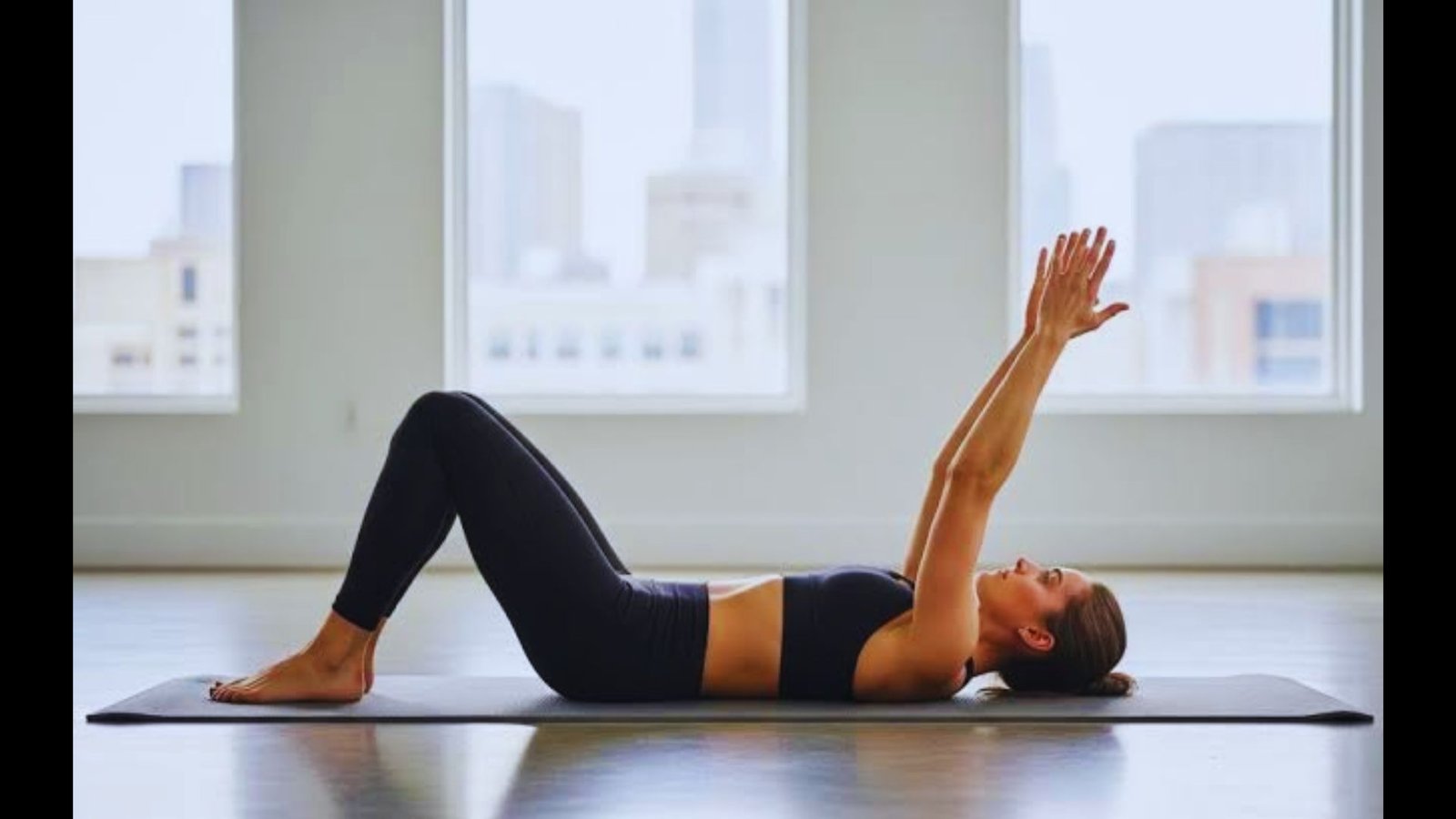
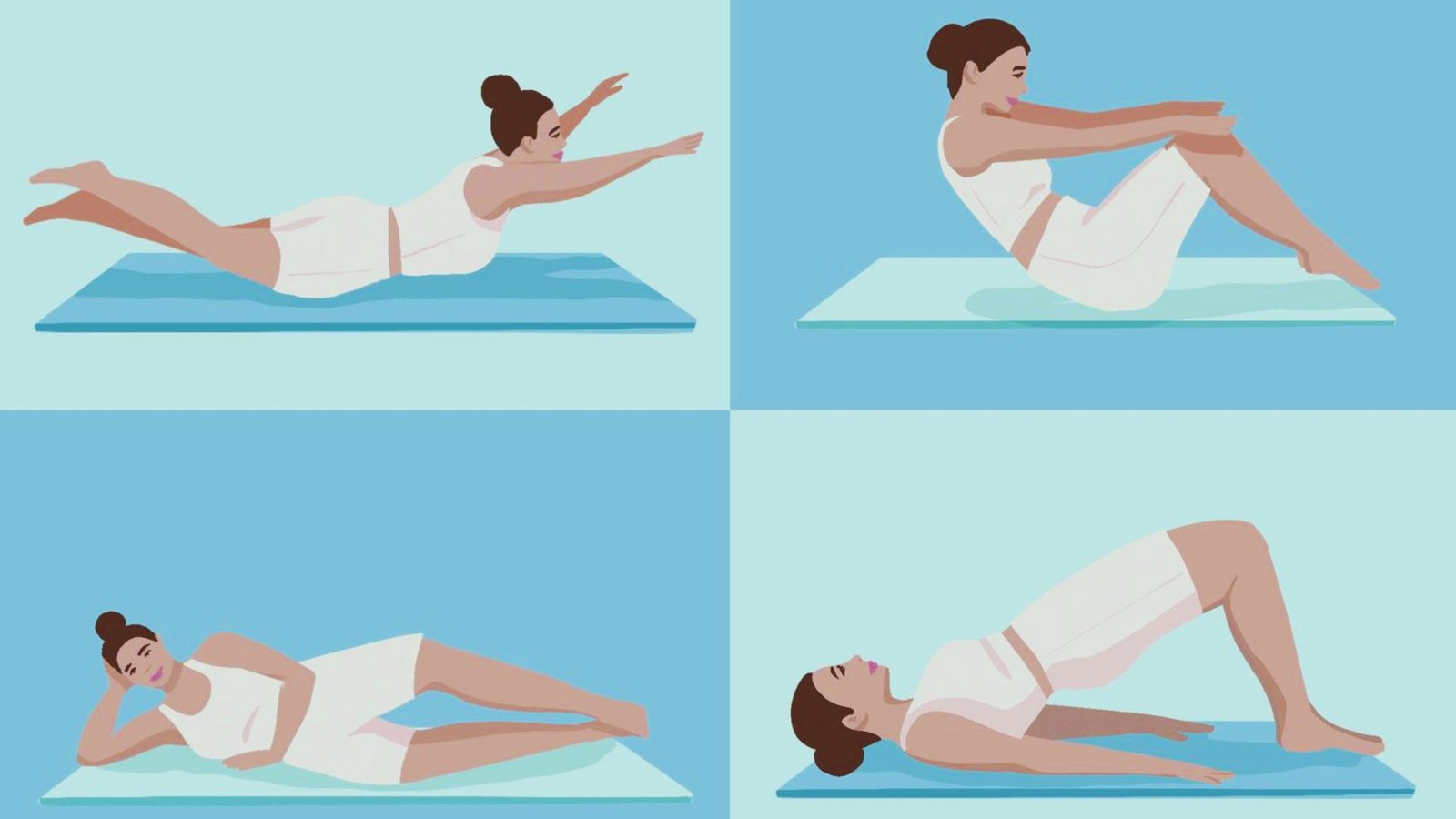
Mat Pilates uses just your body weight and a mat on the floor. It's simple, affordable, and easy to do at home.
It's a solid starting point if you're new to Pilates.
Reformer Pilates
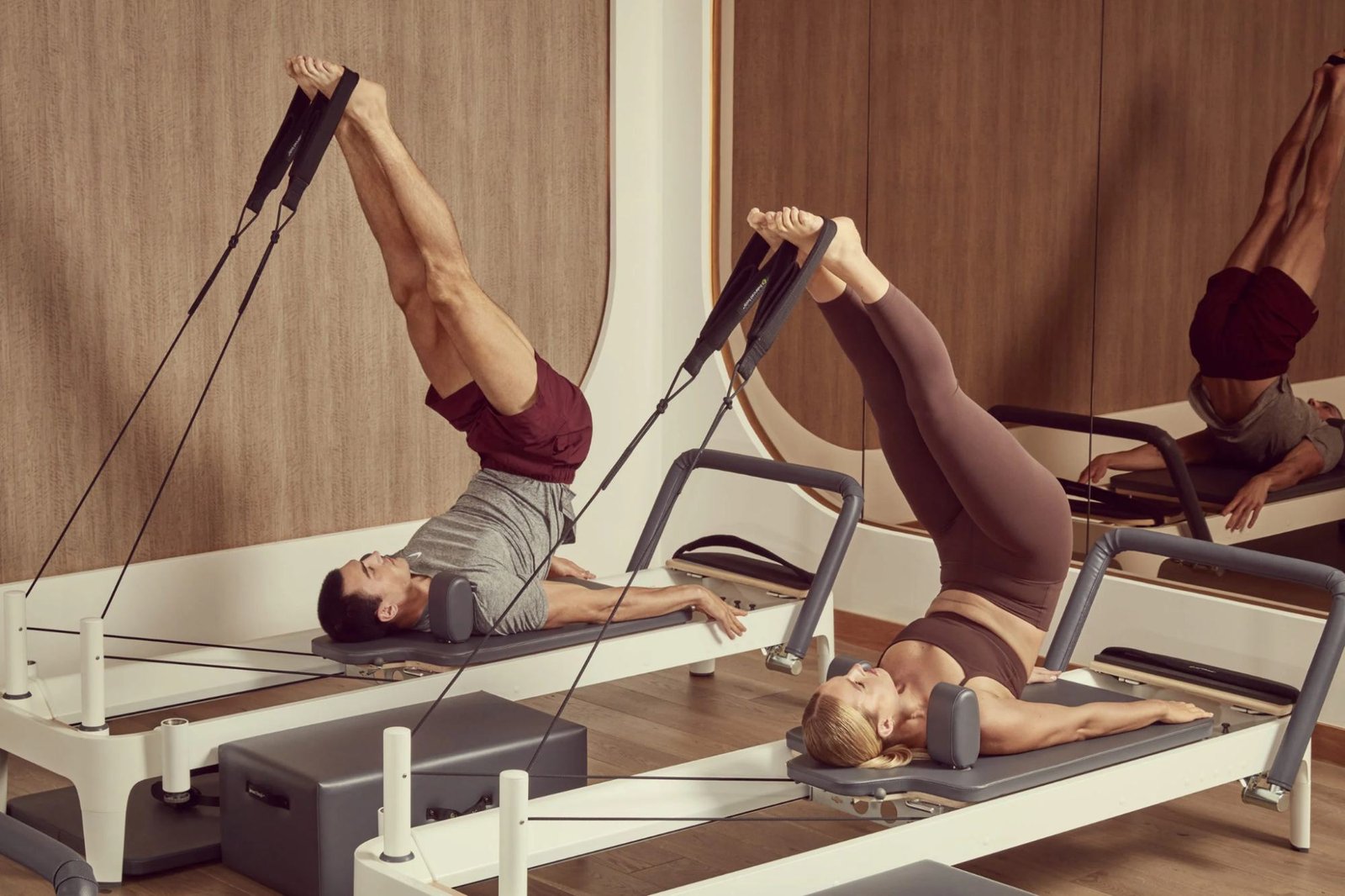
This style uses a machine called a reformer, with springs, pulleys, and a sliding platform. It adds resistance to build strength while still being gentle on the joints.
It's popular for full body toning.
Contemporary Pilates
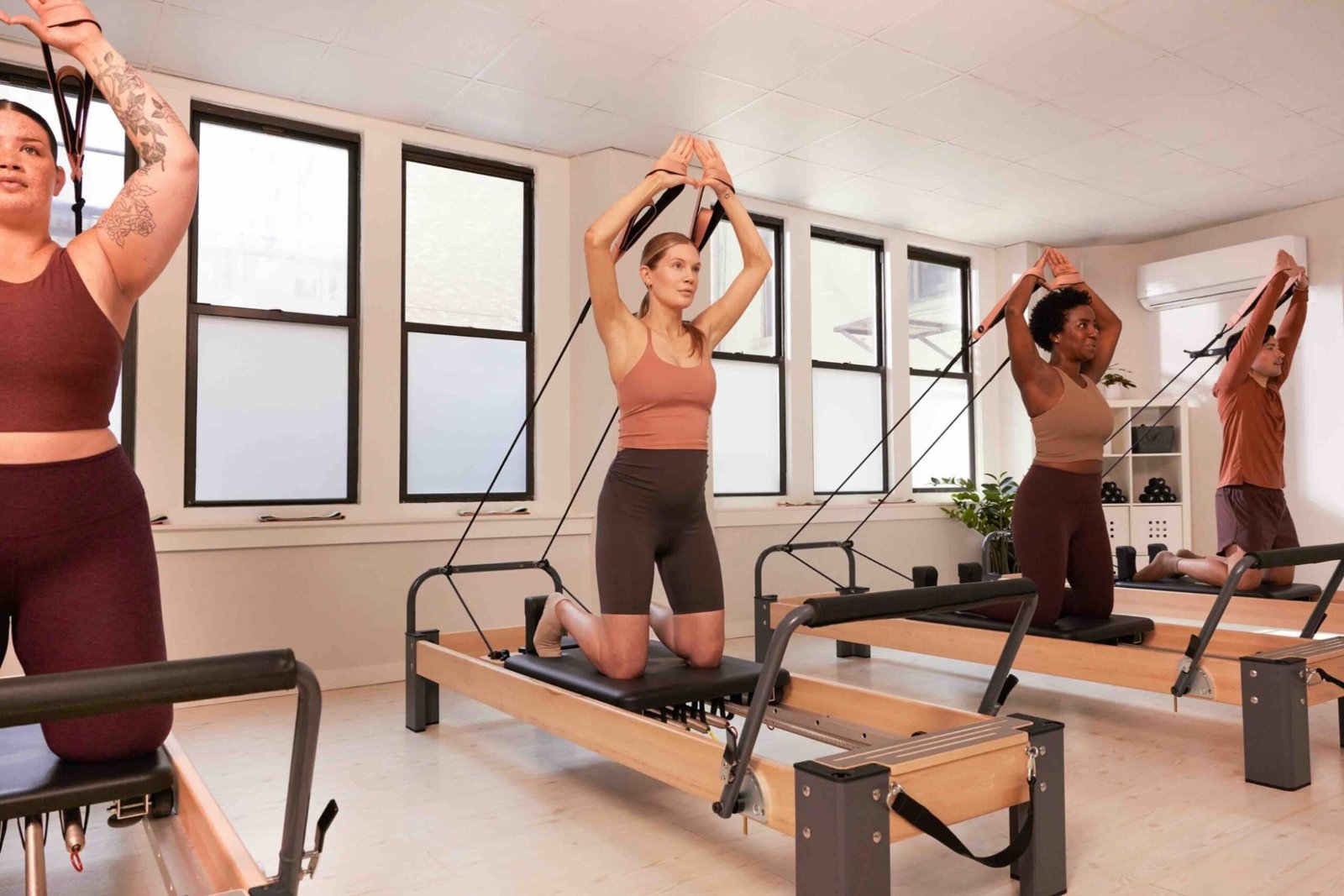
Contemporary Pilates blends the original method with modern exercise science. Instructors often adjust moves based on your body and any injuries, paying close attention to neutral pelvis and spine alignment along the way.
It feels more flexible than the classical version.
Clinical Pilates
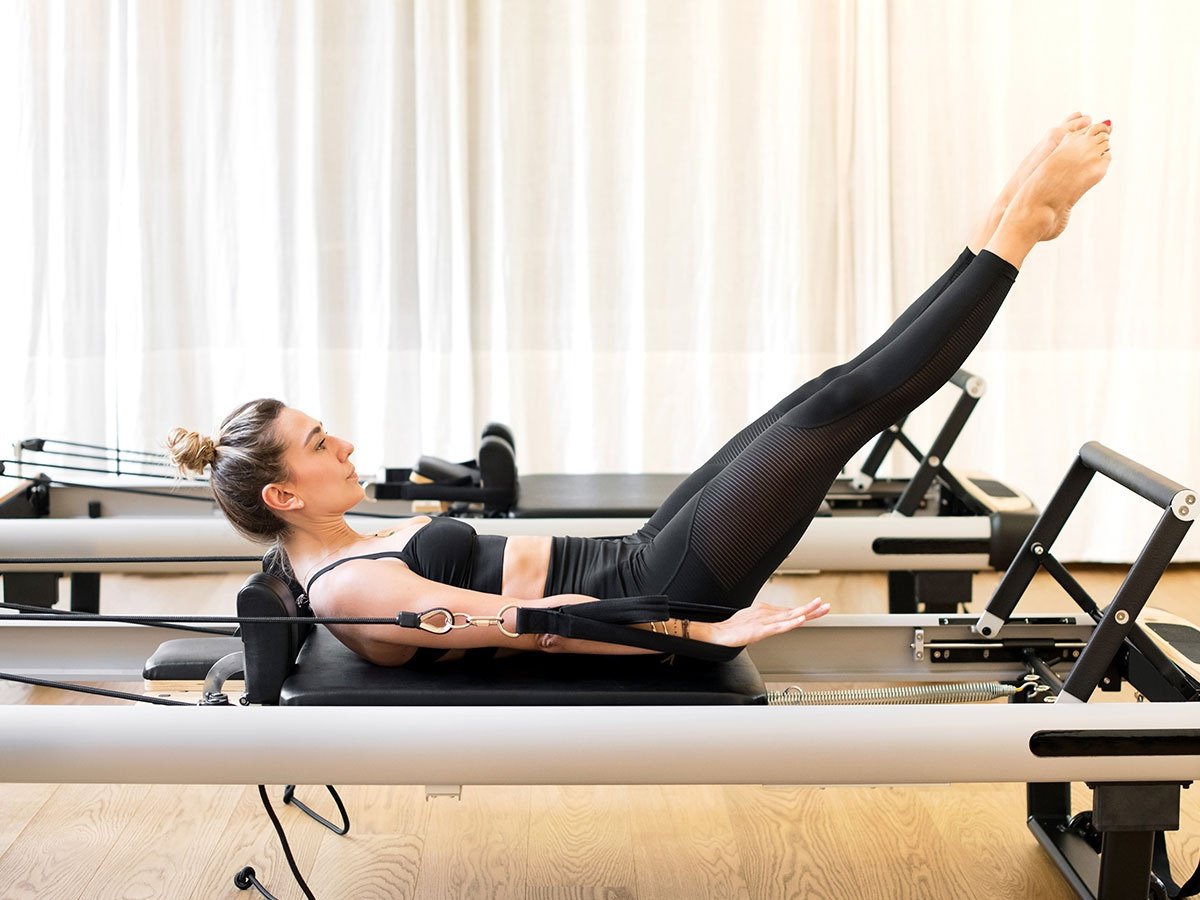
Clinical Pilates is guided by a physiotherapist or trained health professional. It's often used for rehab after injury or surgery.
Every move is chosen with your specific condition in mind.
Tower Pilates

Tower Pilates uses a wall mounted or standalone tower unit with springs and bars. It offers a wide range of resistance exercises.
It works well alongside mat or reformer sessions.
Stott Pilates
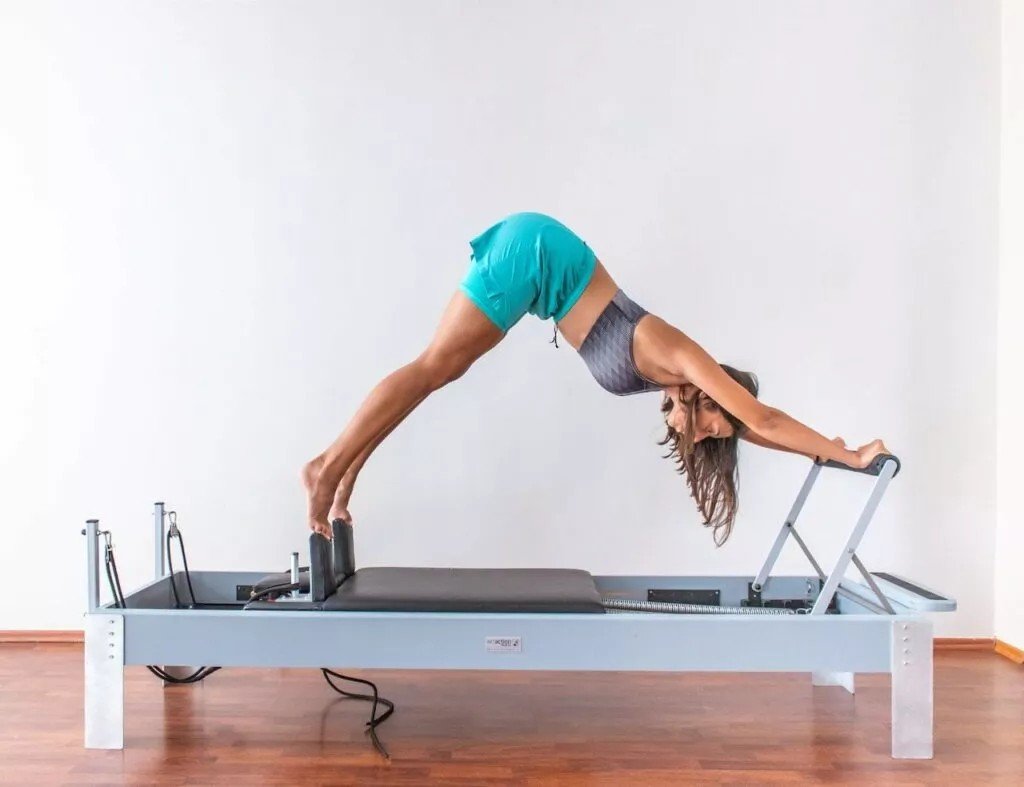
Stott Pilates follows modern spine and shoulder alignment principles. It was developed by Lindsay and Moira Merrithew, a former dancer and physiotherapist team.
It's known for being gentle yet effective.
Pilates HIIT
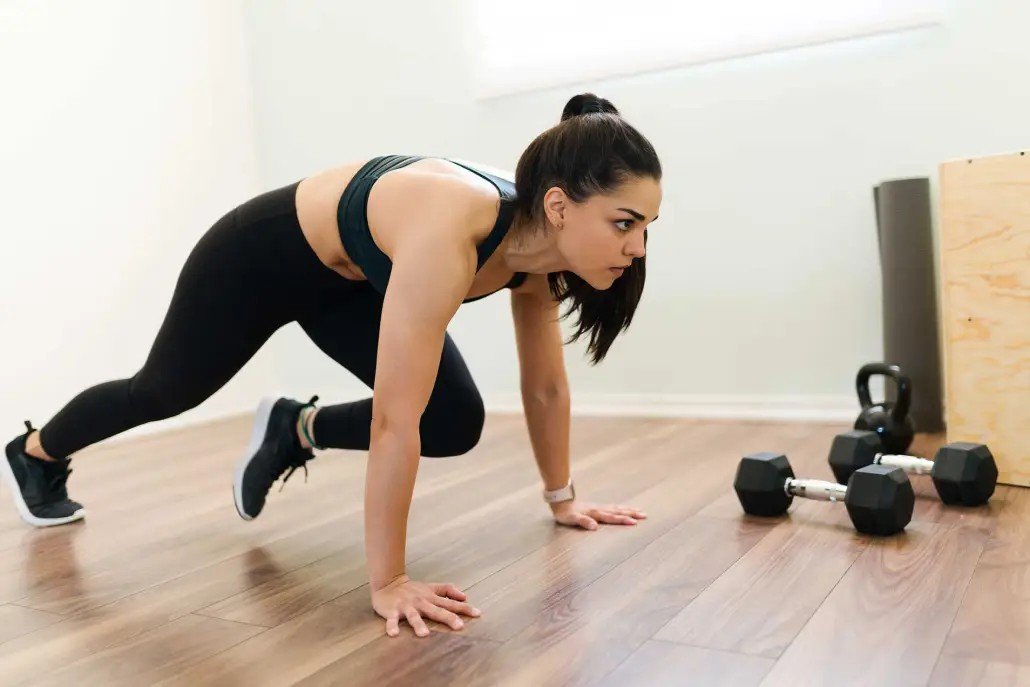
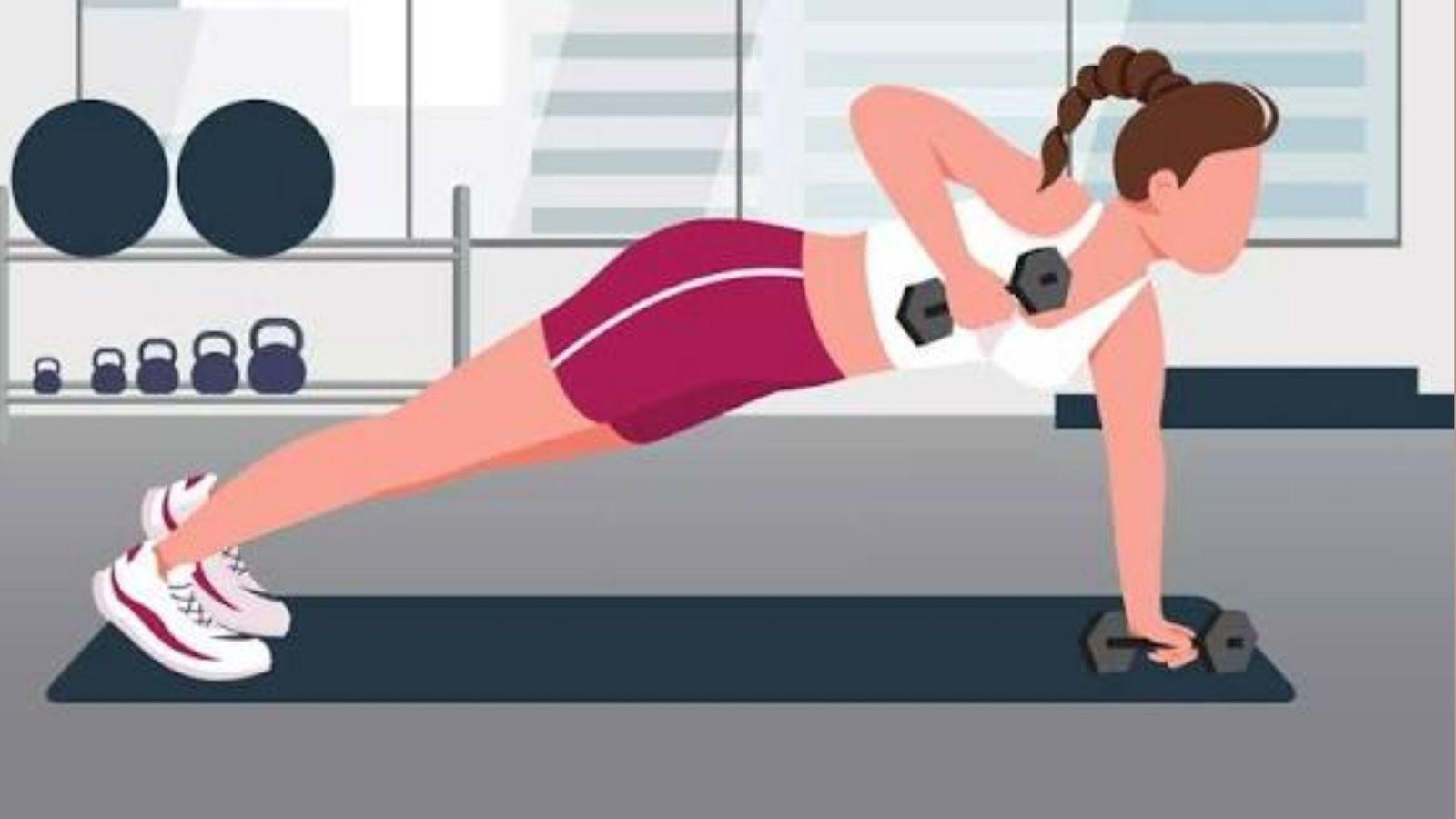
This style mixes classic Pilates moves with short bursts of high intensity training. It raises your heart rate while still working core control. It suits people who want a faster paced workout.
Classical Pilates vs Contemporary Pilates

| Point | Classical Pilates | Contemporary Pilates |
| Structure | Follows a fixed, original sequence | Moves are adjusted and flexible |
| Equipment | Traditional Pilates equipment | Modern equipment plus added tools |
| Approach | Strict form, little variation | Adapted for body type and injuries |
| Best for | People who like structure and tradition | People who want a flexible, modern approach |
Mat Pilates vs Reformer Pilates
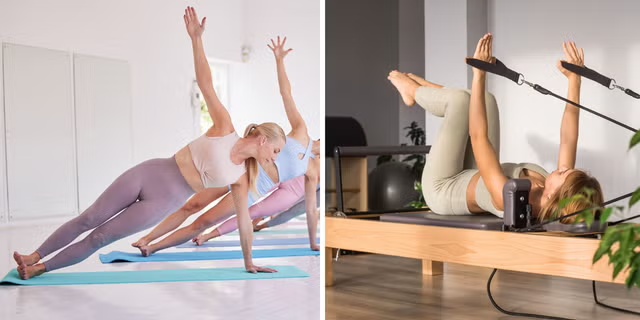
| Point | Mat Pilates | Reformer Pilates |
| Equipment needed | Just a mat | Reformer machine with springs |
| Cost | Low cost, easy at home | Higher cost, studio based |
| Resistance | Uses body weight only | Adds spring based resistance |
| Best for | Beginners and home workouts | Faster strength gains and toning |
How to Choose the Right Type of Pilates
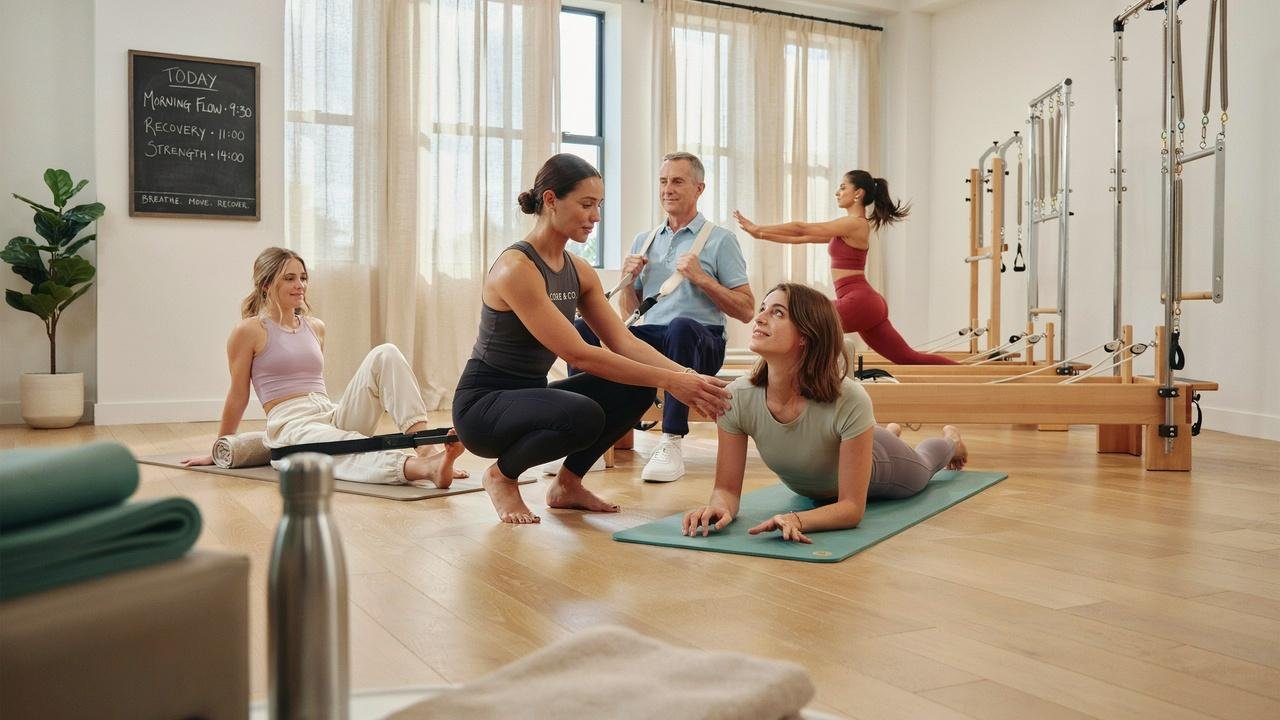
Your choice should depend on where you're starting from and what you want out of it.
Based on Your Fitness Level
Beginners usually do better with mat or classical Pilates. These build a strong foundation before adding equipment.
If you already work out often, reformer or Pilates HIIT might feel more rewarding.
Based on Your Health Goals
If you want general strength and flexibility, mat or contemporary Pilates works well. If you're chasing a tougher workout with a raised heart rate, Pilates HIIT fits better.
If you're pregnant or recovering after birth, contemporary or clinical classes are often built with pre-natal and postnatal needs in mind. Know your goal before you book a class.
Based on Your Budget and Equipment Access
Mat Pilates costs the least since you only need a mat. Reformer and tower classes usually cost more due to equipment and studio fees. Pick a style that fits what you can spend regularly.
Based on Injury Recovery or Rehabilitation
If you're recovering from an injury or surgery, clinical Pilates is the safest choice. A trained professional builds your session around your specific needs. Don't skip this step if you're dealing with pain.
Benefits of Pilates Regardless of the Style
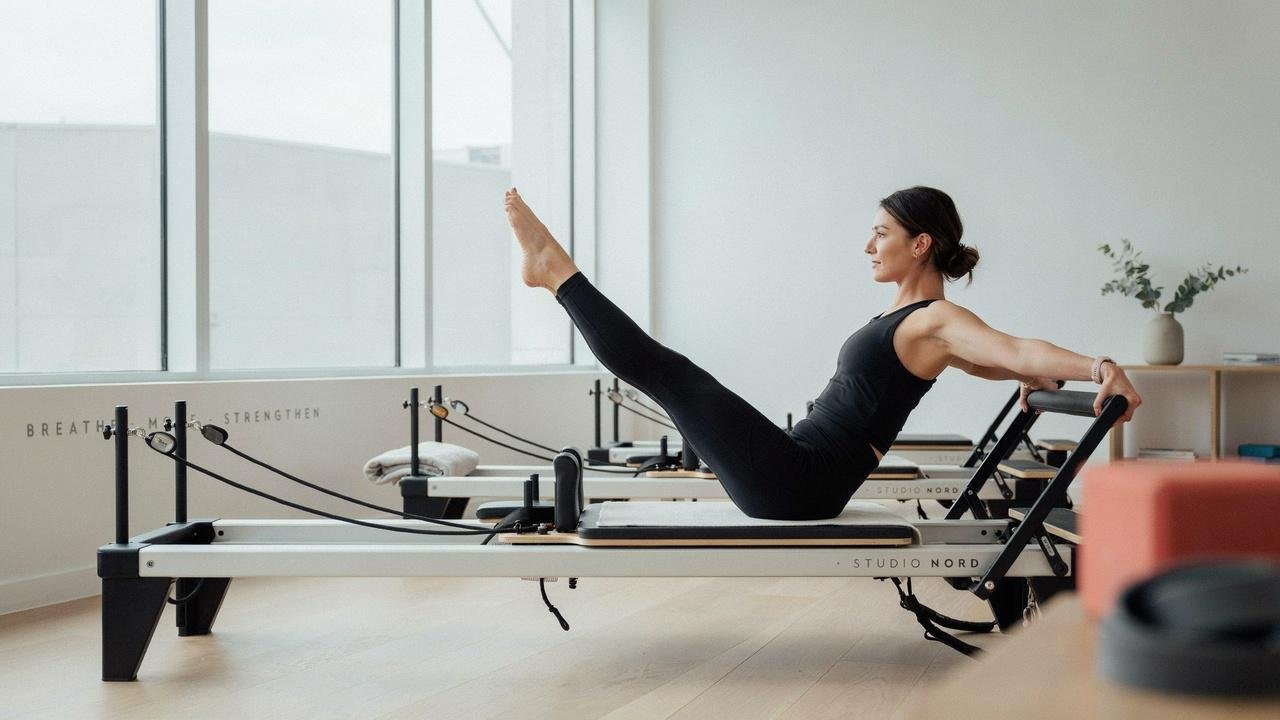
No matter which type you pick, Pilates offers real, lasting benefits.
- Builds core strength and stability
- Improves posture and spine alignment
- Increases flexibility over time
- Lowers stress through controlled breathing
- Supports injury prevention and recovery
How the Six Principles Show Up in Every Style

No matter which type of Pilates you try, you'll notice the same six principles at work behind the scenes. Breath keeps your movements steady.
Centering and control keep your core doing the job. Precision and flow are what make the exercises look smooth instead of rushed.
This is why switching styles never feels like starting from zero.
If you've done mat classes and want to try reformer, or you're moving from classical into contemporary, the foundation carries over.
You're just changing the tools and the pace, not the core skills you're building.
Common Mistakes When Choosing a Pilates Class
- Picking a class based only on price, not your fitness level
- Skipping medical advice before starting clinical or rehab focused Pilates
- Choosing reformer or tower classes before learning basic mat form
- Ignoring instructor certification and experience
- Expecting quick results instead of staying consistent
Conclusion
I still remember trying my first reformer class and feeling completely lost within five minutes.
That's exactly why I wrote this guide on the different types of Pilates, so you don't have to guess like I did.
Pick the style that fits your body and goals, and give it a real shot before switching. I'd love to hear which type you're trying first, so drop a comment below.
If this helped, share it with a friend who's just as confused as I was.
Frequently Asked Questions
Which type of Pilates is best for beginners?
Mat Pilates or classical Pilates work best for beginners. They build a solid foundation before you move to equipment based classes.
Can Pilates help with back pain?
Yes, clinical Pilates is often recommended for back pain. A trained professional adjusts the moves to protect your spine.
How often should I do Pilates each week?
Two to three sessions a week gives the best results. This keeps your muscles engaged without overdoing it.
Is reformer Pilates harder than mat Pilates?
Reformer Pilates often feels more intense due to added resistance. Mat Pilates is gentler since it only uses body weight.
Do I need special equipment to start Pilates?
No, you only need a mat to begin with mat Pilates. Other styles like reformer or tower need studio equipment.