
Losing weight in eight weeks feels hard when you don't know where to start. This guide breaks it down into simple steps you can actually follow.
You'll get a clear diet plan, a workout routine, and a week-by-week roadmap that fits real life.
I know how confusing all the conflicting advice online can be. That's why this plan sticks to what actually works, backed by basic nutrition and fitness science.
You don't need fancy equipment or a strict schedule to see results. You just need consistency and a plan that makes sense.
By the end, you'll know exactly what to eat, how to train, and how to track your wins along the way.
What Is an 8 Week Weight Loss Plan?

A short, structured plan that helps you lose fat through simple diet and workout changes over two months.
An 8 week weight loss plan is a set schedule that combines eating habits and exercise to help you drop fat steadily.
It gives you a clear start and end point, so you're not guessing what to do each day.
It works because you eat slightly less than you burn, which is called a calorie deficit, while your workouts help you keep muscle as you drop fat.
This kind of plan works because it's short enough to stay motivated but long enough to build real habits. You get structure without feeling stuck in it forever.
Why an 8 Week Weight Loss Plan Works
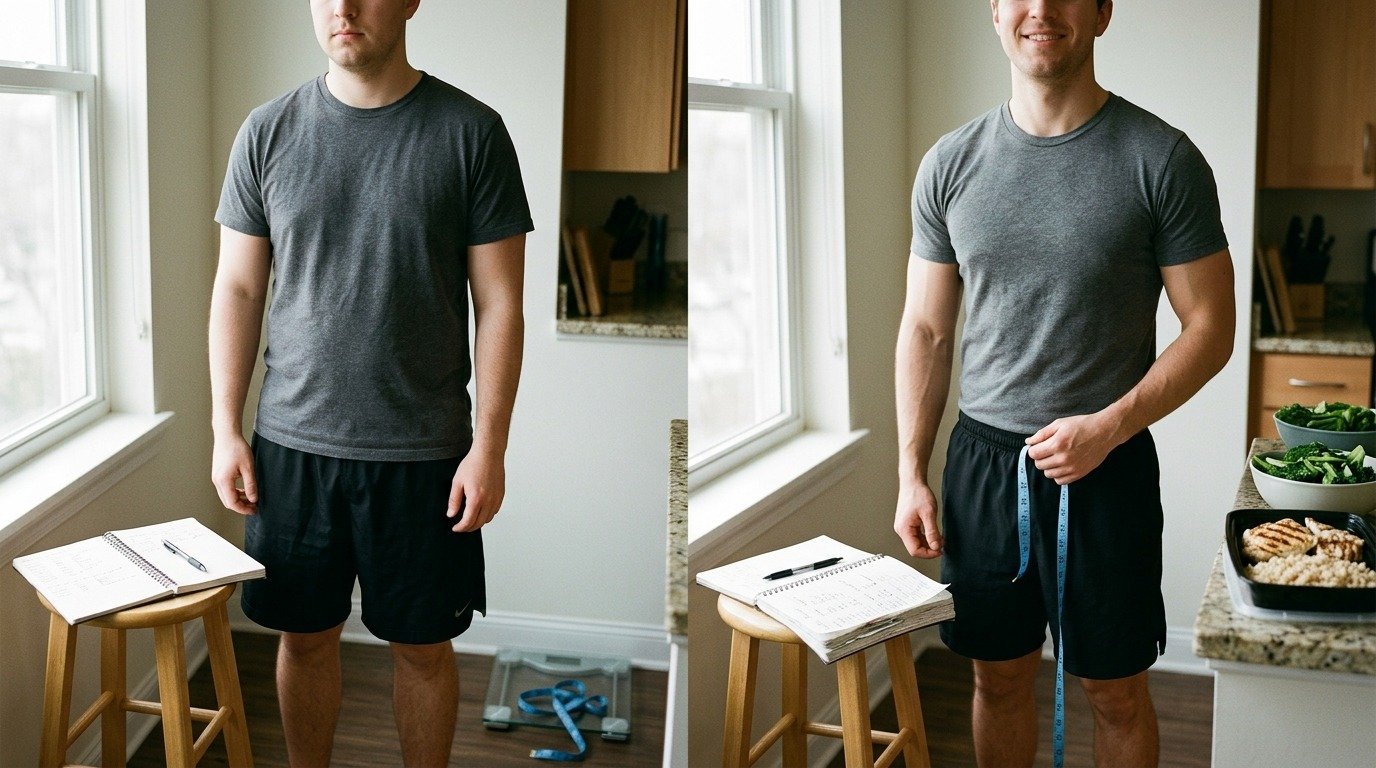
Two months gives your body enough time to build habits without feeling like forever.
How Much Weight Can You Lose in 8 Weeks?
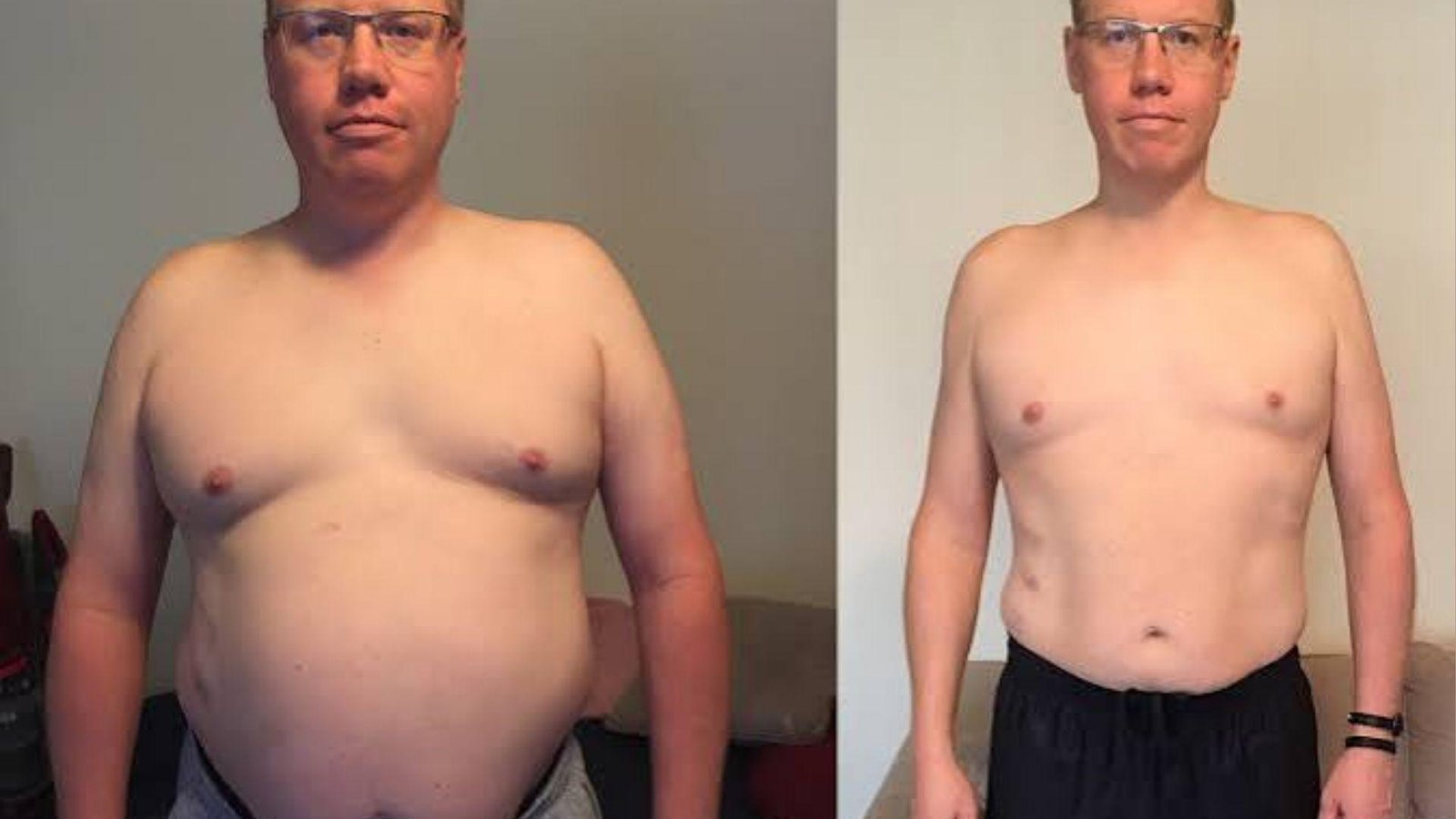
Most people can safely lose between 8 to 16 pounds in eight weeks, depending on their starting point and how closely they follow the plan.
Losing 1 to 2 pounds a week is considered safe and sustainable. Going faster than that usually means losing muscle instead of fat.
The scale doesn't tell the whole story either. If you strength train while cutting calories, you can lose fat and hold onto muscle at the same time, a process called body recomposition.
Benefits of Following a Structured Plan
A structured plan takes the guesswork out of your day. You know what to eat and when to work out, so you're not making decisions on the fly.
This also helps you build habits that stick well past the eight weeks, since you're not relying on willpower alone.
Having some accountability, like a workout buddy or a simple tracking app, makes it easier to stay consistent.
Who Should Follow This Plan?
This plan works for anyone who wants a simple, realistic way to lose fat. It's great for beginners who need structure and for people who've tried random diets before without success.
If you're comfortable with basic exercises and can commit to a routine, this plan fits you.
Before You Start Your 8 Week Weight Loss Plan
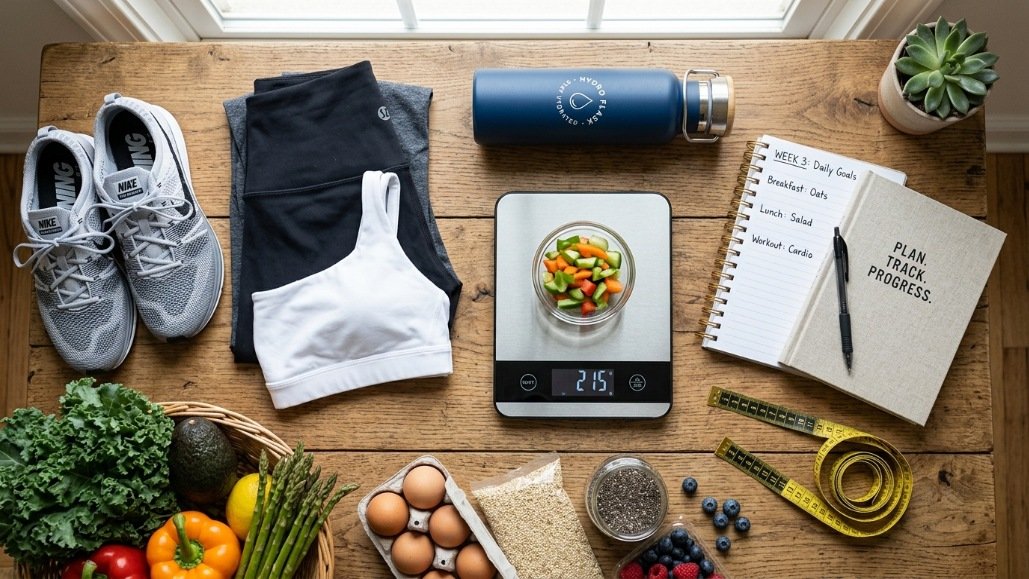
A little prep now saves you a lot of confusion later.
Set Realistic Weight Loss Goals
Start by picking a goal that makes sense for your body and timeline. Aiming to lose 10 pounds in eight weeks is realistic for most people.
Setting goals that are too extreme usually leads to burnout or quitting early.
Calculate Your Daily Calorie Needs
Figure out your maintenance calories first, then subtract 300 to 500 calories a day for steady fat loss. This maintenance number is also called your TDEE, or total daily energy expenditure, and it's the base for your calorie deficit. You can use a free online calculator to get a rough number. This gives you a target to work with instead of guessing your portions.
Record Your Starting Weight and Measurements
Write down your current weight, waist size, and a few other measurements before you begin. This gives you a clear baseline to compare against later.
Progress photos help too, since the scale doesn't always tell the full story.
Gather the Essentials for Success
Get a food scale, a water bottle, and comfortable workout clothes ready before day one. Having these basics on hand removes small excuses that can slow you down.
You don't need much, just the right tools to stay consistent.
Step-by-Step 8 Week Weight Loss Plan
Here's exactly how to structure your diet, workouts, and daily habits.
Step 1: Build a Healthy Diet Plan

Focus on whole foods like lean protein, vegetables, and whole grains. Keep your meals simple and easy to repeat, so you're not spending hours cooking.
A basic plate method works well: half veggies, a quarter protein, and a quarter carbs. Prepping a few of these meals ahead of time keeps you consistent on busy days.
Step 2: Follow a Weekly Workout Routine
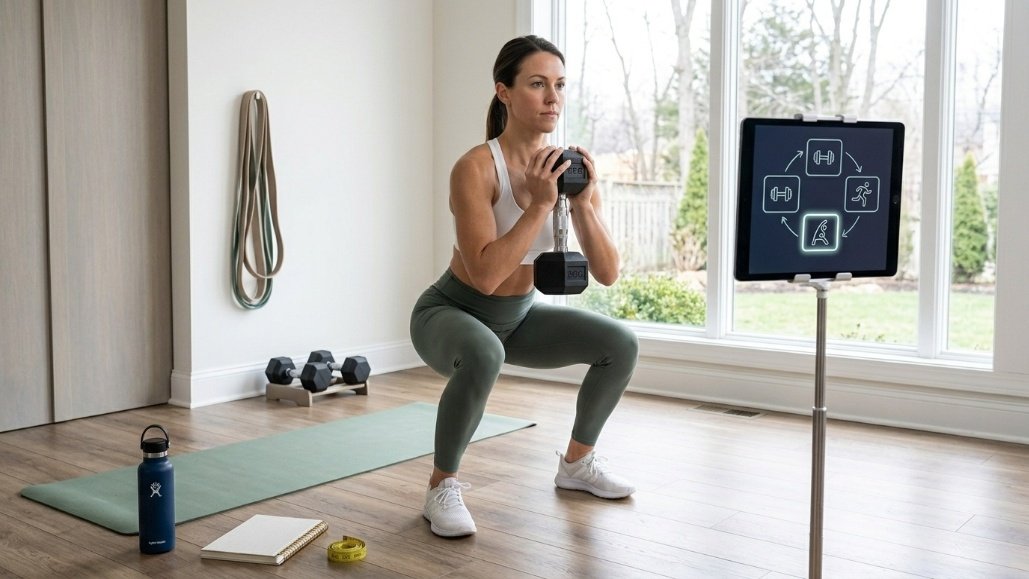
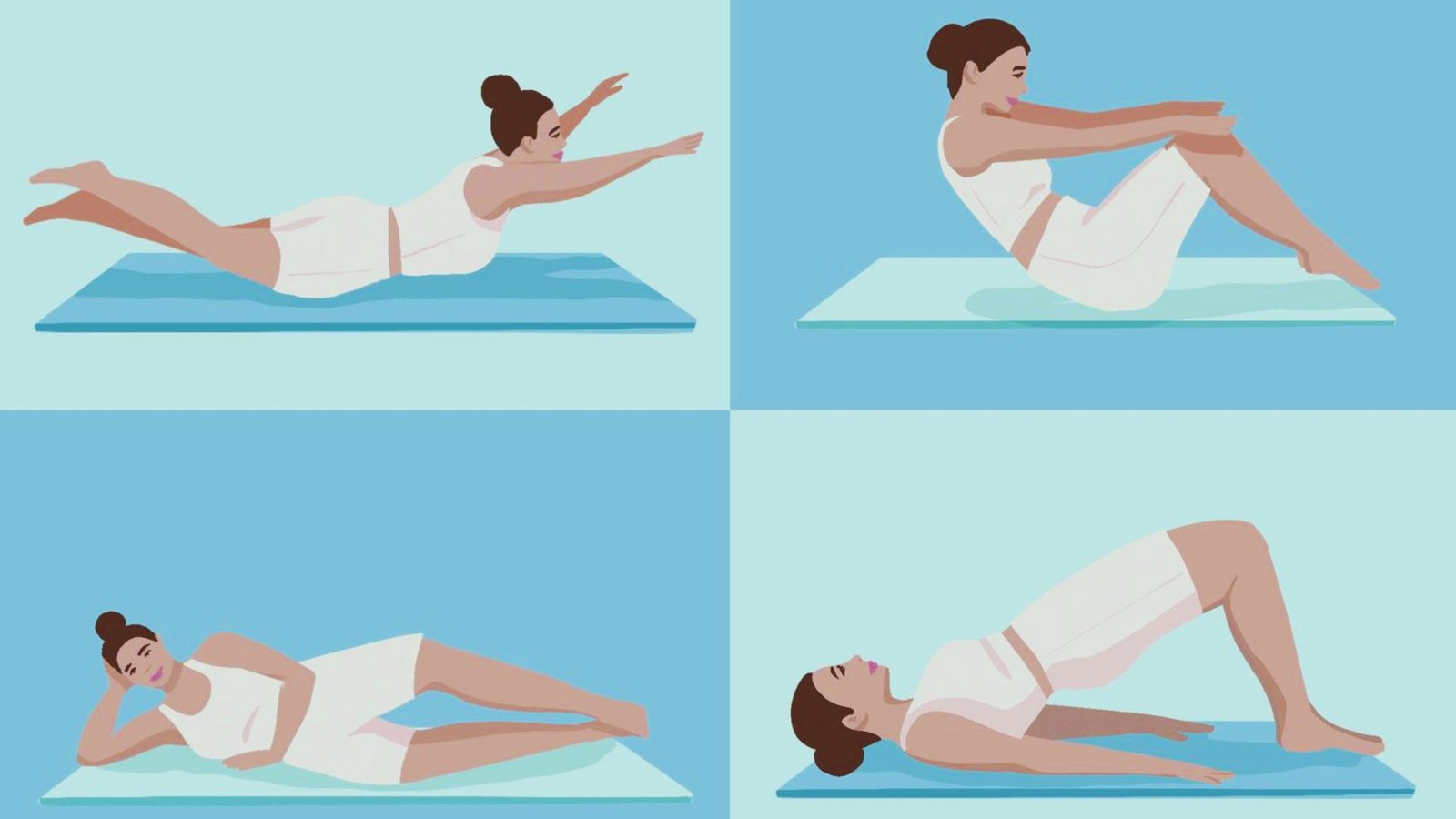
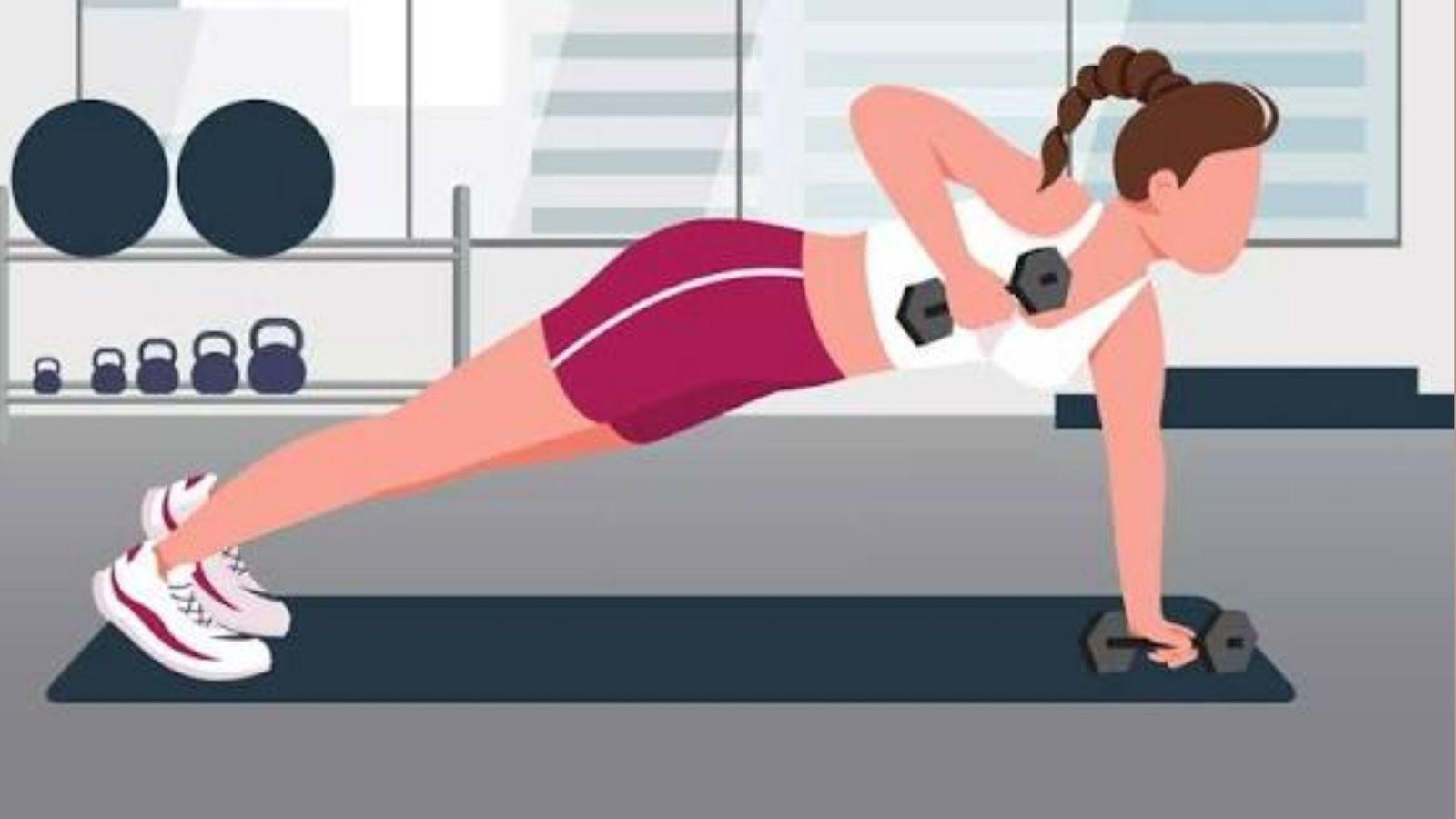
Mix strength training with cardio three to five times a week. Strength training keeps your muscle while you lose fat, and cardio helps burn extra calories.
Stick to steady LISS cardio, like walking or an easy bike ride, if you're new to training. Once you're consistent, add a HIIT session or two for extra calorie burn.
On the strength side, add a little more weight or a rep most weeks. This progressive overload keeps building muscle even in a deficit. Rest days matter too, so don't skip them.
Step 3: Follow the Week-by-Week Roadmap
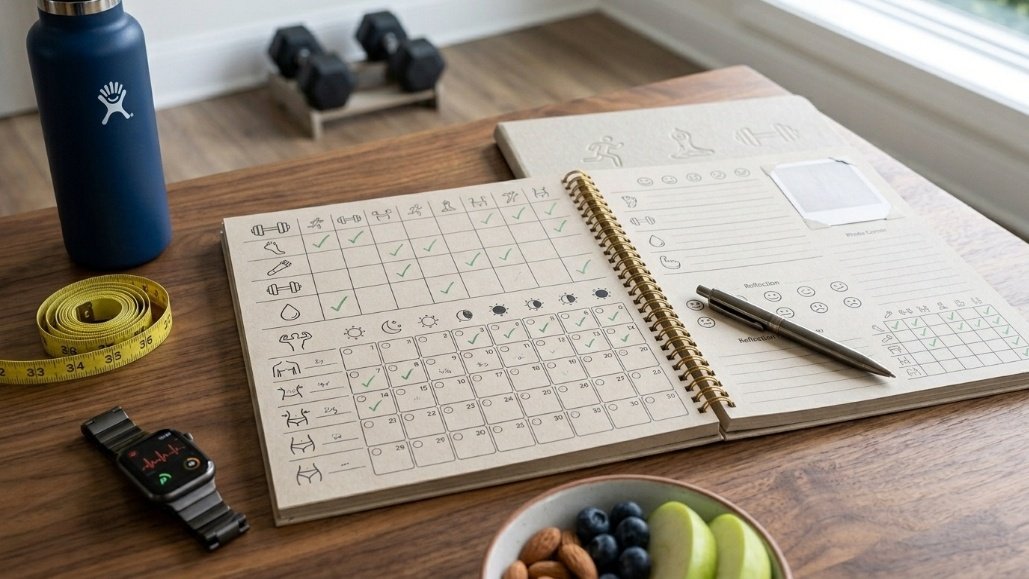
Break your eight weeks into smaller chunks with mini goals for each one.
Weeks one and two focus on building habits, weeks three through six focus on consistency, and the final two weeks focus on fine-tuning your results.
Step 4: Build Healthy Lifestyle Habits

Small daily habits matter as much as your workouts. Getting enough sleep, managing stress, and drinking water all support your progress.
Stress raises a hormone called cortisol, which can boost hunger and slow fat loss. A short walk or a few minutes of deep breathing helps keep it in check.
These habits work quietly in the background while you focus on your diet and training.
Step 5: Track Your Progress

Check your weight, measurements, and how your clothes fit every one to two weeks. Tracking keeps you honest and shows you what's working.
It also helps you catch a plateau early so you can adjust before frustration sets in.
Tips for Better Results With Your 8 Week Plan
A few small habits can make a big difference in how fast you see results.
- Stay consistent instead of perfect. Missing one workout or meal won't ruin your progress. Focus on getting back on track rather than giving up.
- Meal prep and eat enough protein. Prepare meals in advance and include a good source of protein with every meal to stay full and support muscle while losing fat.
- Schedule your workouts. Treat exercise like an important appointment so it's easier to stay committed throughout the 8 weeks.
- Drink enough water every day. Proper hydration supports energy, digestion, workout performance, and helps control hunger.
- Celebrate small wins. Recognize progress beyond the scale, whether it's fitting into old clothes, feeling stronger, or building healthier habits.
Staying Motivated When Progress Feels Slow

Motivation dips are normal, especially around week three or four when the new habit feeling wears off.
When that happens, look back at your starting numbers instead of only checking today's weight. A little proof of progress goes a long way on the days you want to quit.
Lean on your support system too. A quick check-in with a friend, a coach, or even a fitness group online can remind you why you started and help you push through the slow stretch.
Common Mistakes to Avoid
These slip-ups can quietly stall your progress if you're not careful.
- Don't eat too few calories. Cutting calories too aggressively can leave you tired, slow your metabolism, and increase the risk of losing muscle instead of fat.
- Don't skip strength training. Strength workouts help preserve muscle while you're in a calorie deficit, supporting a healthier metabolism and better body composition.
- Avoid doing too much cardio. More isn't always better. Limit HIIT to one or two sessions per week alongside strength training to reduce the risk of burnout, joint strain, and muscle loss.
- Prioritize sleep and recovery. Aim for 7–8 hours of sleep each night to support muscle recovery, regulate hunger hormones, and maintain energy levels.
- Don't expect overnight results. Healthy weight loss takes time. Stay patient, trust the process, and focus on consistent daily habits rather than quick fixes.
Conclusion
Eight weeks is enough time to see real change if you stick with it. I've used a version of this plan myself, and the biggest shift came from just showing up daily, not chasing perfection.
You already have everything you need to start today.
Give this 8 week weight loss plan a real shot and notice how your energy and confidence shift along the way.
Drop a comment below and tell me where you're starting from, share this post with a friend who needs it, or check out our other fitness guides for more support.
Frequently Asked Questions
Can I really lose weight in 8 weeks?
Yes, most people can lose 8 to 16 pounds safely in eight weeks. Results depend on your starting point and how consistent you stay with the plan.
Do I need a gym membership for this plan?
No, you can do most workouts at home with minimal equipment. Bodyweight exercises and resistance bands work just as well for beginners.
What should I eat for breakfast on this plan?
Stick to protein and fiber, like eggs with vegetables or oatmeal with fruit. This keeps you full and helps control cravings later in the day.
Is it normal to hit a weight loss plateau?
Yes, plateaus are common around week three or four. Adjusting your calories or workout intensity slightly usually gets progress moving again.
Can I follow this plan if I'm a complete beginner?
Absolutely. The plan is built with simple, beginner-friendly steps. Start slow, focus on consistency, and build up as you get stronger.