I had zero traps for two years. Trained hard, ate right, still looked flat from behind. Turns out I was doing it all wrong.
This traps workout chart covers everything I wish I had from day one.
You'll get the 9 best trap exercises with sets and reps, a ready-to-use workout chart, beginner to advanced weekly routines, and simple tips to speed up trap growth.
I've tested every single exercise here personally. Nothing is random. Everything has a purpose.
If your traps are lagging or you just want a clear plan that actually works, you're in the right place.
Follow this guide, stay consistent, and the results will show up faster than you think.
Why Your Trap Training Matters
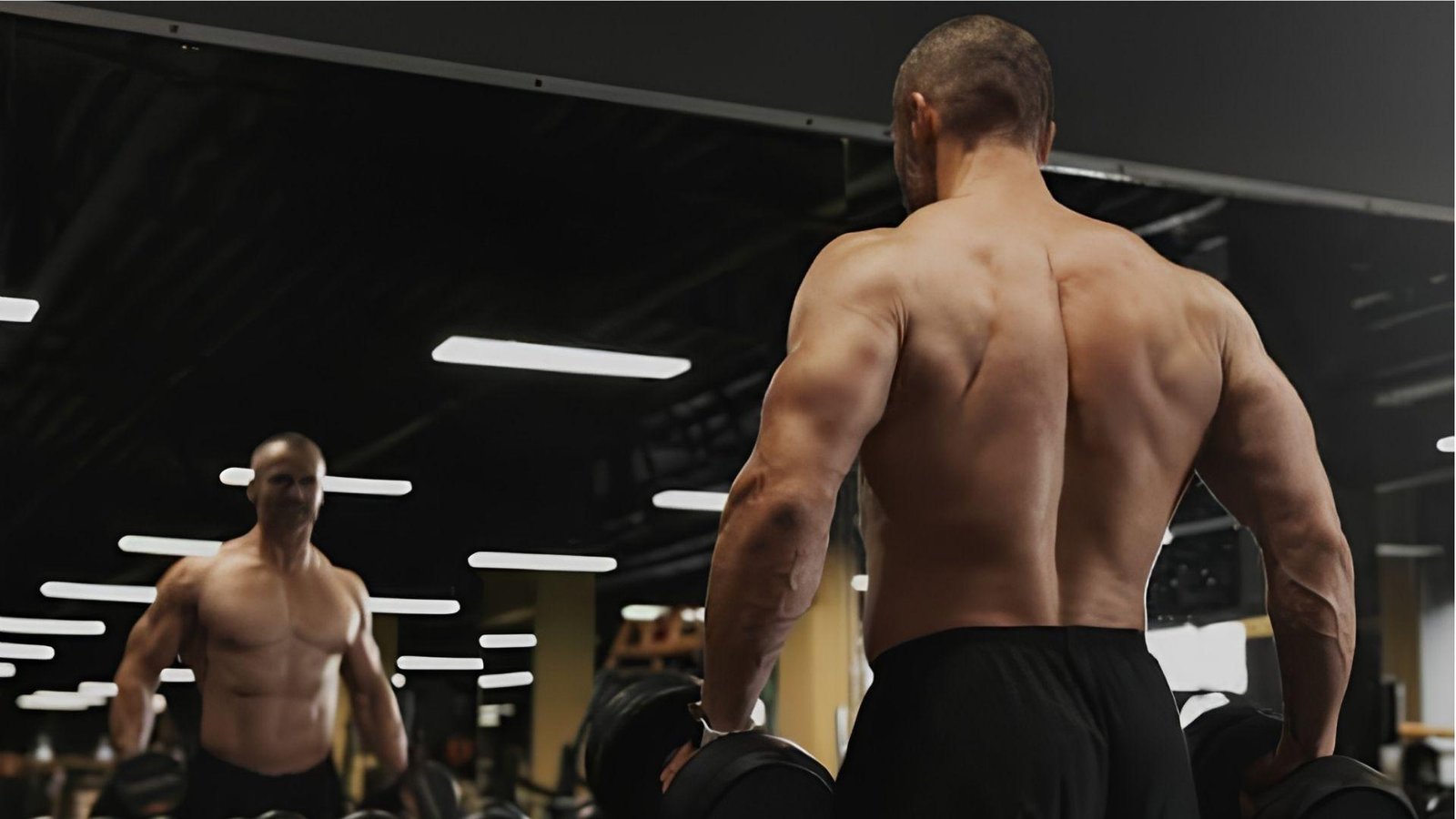
Your trapezius muscle runs from your neck down to your mid-back. It covers a lot of ground. The upper traps lift your shoulders through scapular elevation and support your neck.
The middle traps retract your shoulder blades, pulling them back and together. The lower traps handle scapular depression and upward rotation, which keeps your shoulders stable and your posture upright.
When all three work together, your pulling strength goes up and your shoulders stop feeling beat up.
Training your traps in a balanced way builds a thicker upper back, better posture under load, and more control during rows, deadlifts, and overhead work.
Traps Workout Chart for Muscle Growth
Use this chart as your go-to reference for building thicker, stronger traps.
| Exercise | Sets | Reps | Rest |
| Rack Pull | 4 | 5–6 | 2 min |
| Barbell Shrug | 4 | 8–10 | 90 sec |
| Face Pull | 3 | 12–15 | 60 sec |
| Farmer's Carry | 3 | 30–40 sec | 90 sec |
| Cable Shrug | 3 | 12–15 | 60 sec |
| Y Raise | 3 | 15 | 60 sec |
This chart covers all three parts of the trap: upper, middle, and lower,so nothing gets left behind.
9 Best Exercises to Include in Your Traps Workout Chart
Here are the nine exercises that actually move the needle for trap size and strength.
1. Rack Pull
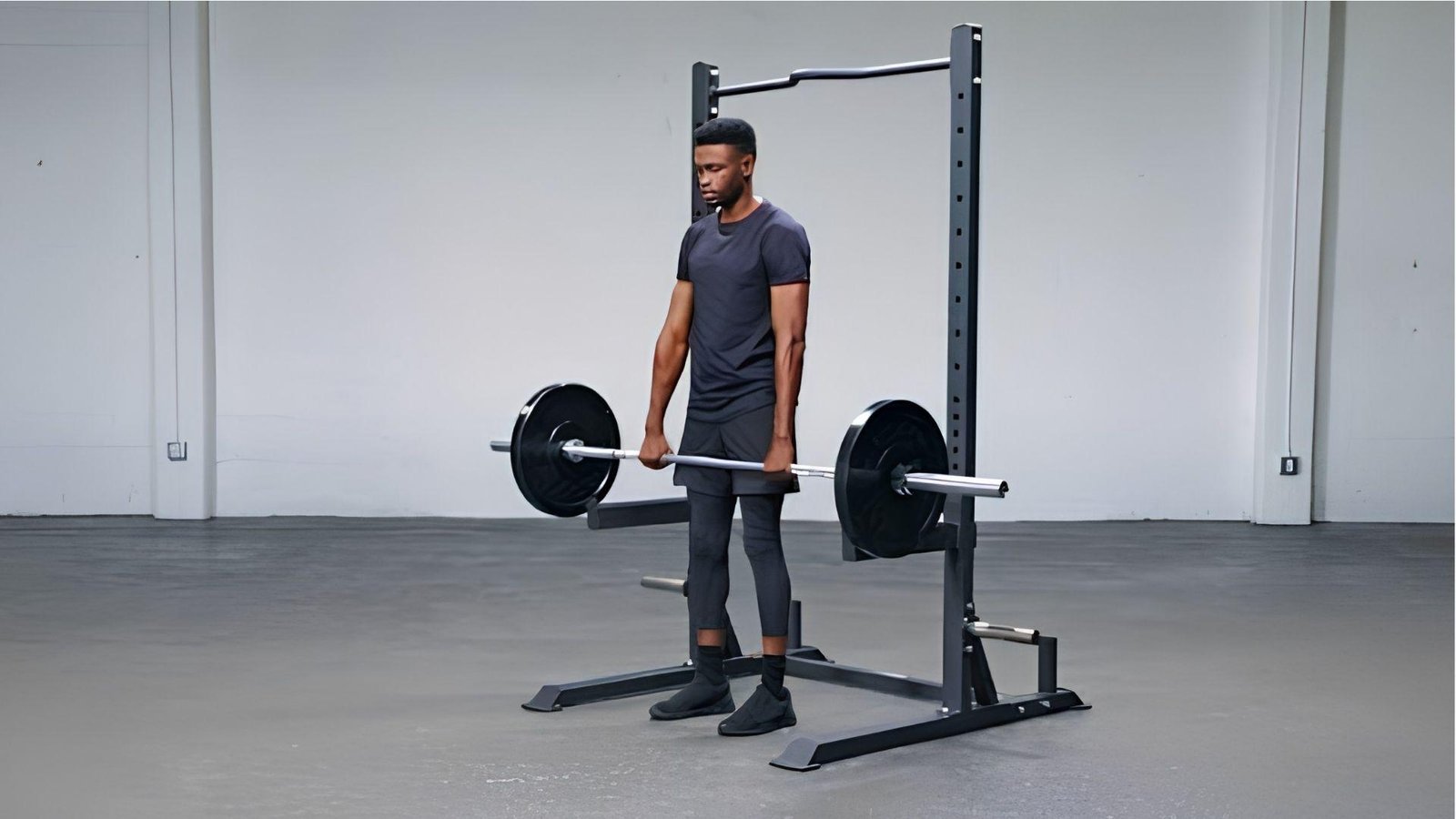
The rack pull is one of the best mass builders for the upper traps. You pull heavy from knee height, which puts maximum mechanical tension on the traps at the top.
Aim for 4 sets of 5–6 reps with a weight that challenges you. Keep your chest up and squeeze hard at the top.
To train your traps effectively here, drive your shoulders back and up at lockout and hold for a full second before lowering and that peak contraction is where the trap growth happens.
This one builds serious thickness across the upper back fast.
2. Barbell Shrug

Simple and effective. Load up a barbell, stand tall, and shrug your shoulders straight up. No rolling. No momentum. Just a clean shrug and a one-second hold at the top.
That pause matters. It increases time under tension and recruits more muscle fibers on every rep.
To train your traps with this move, think about pulling your shoulders straight toward your ears rather than forward and this keeps the tension directly on the upper traps instead of spilling into your neck.
Four sets of 8–10 reps with a weight that feels heavy by rep 8. This is the staple upper trap builder most lifters already know and for good reason.
3. Dumbbell Shrug
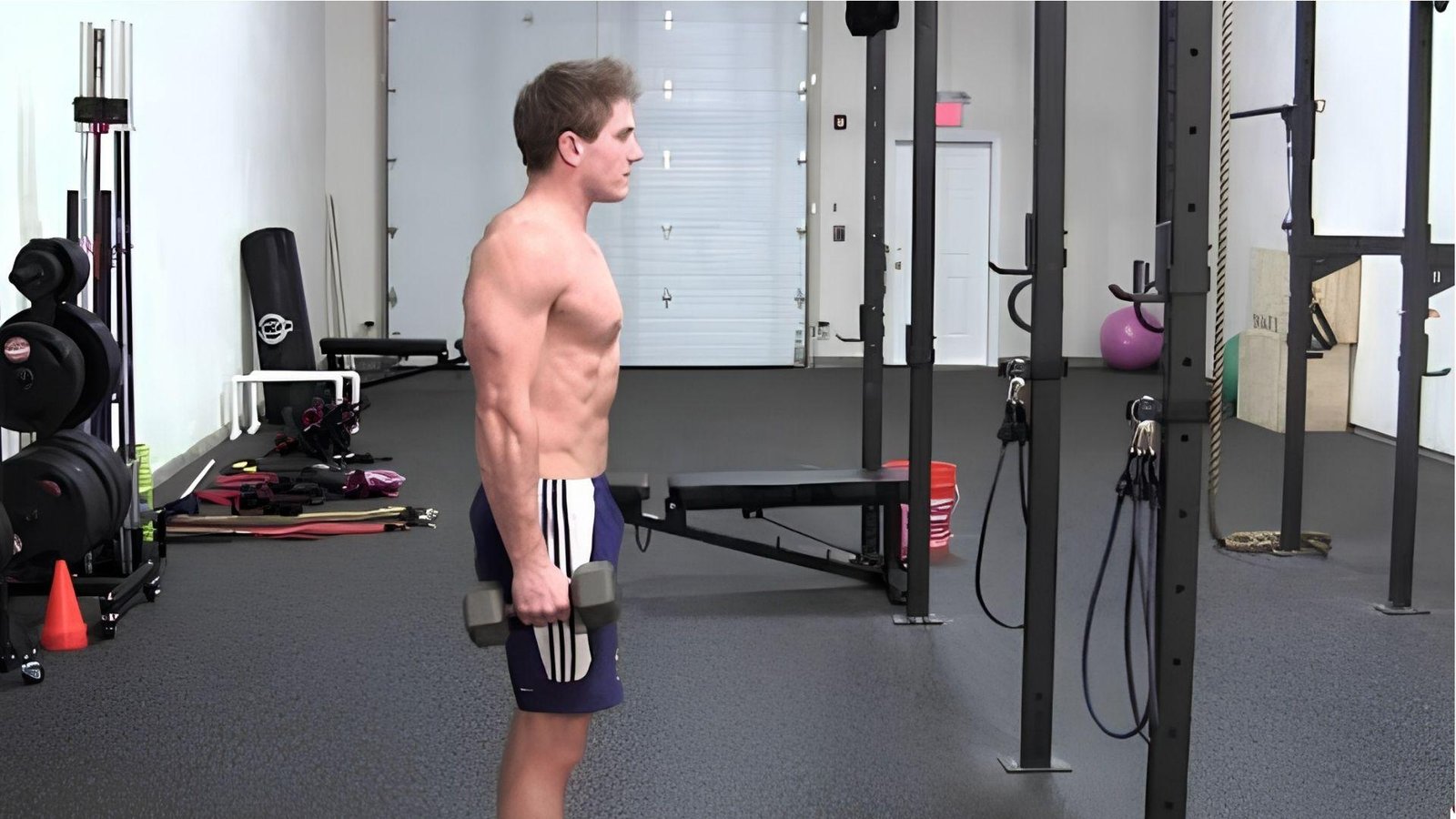
Same idea as the barbell shrug but easier on the wrists and shoulders. Dumbbells let your hands hang naturally at your sides, giving a slightly better range of motion.
To train your traps optimally with dumbbells, let them hang low at the bottom to get a full stretch before shrugging and that extra range recruits more trap fibers compared to starting from a neutral position.
Great if barbell shrugs feel awkward. Try 3–4 sets of 10–12 reps. Focus on the squeeze at the top rather than how heavy you go. Control beats load here.
4. Farmer's Carry

Pick up two heavy dumbbells or kettlebells and walk. That's it. But don't let the simplicity fool you.
Your traps are working overtime to keep your shoulders pulled back and your posture upright the whole time.
To train your traps during the carry, actively retract and depress your shoulder blades throughout every step and letting them creep up toward your ears shifts the work away from the traps entirely.
Do 3 sets for 30–40 seconds. This also builds grip strength, core stability, and conditioning. A lot of work packed into one move.
5. Face Pull

Face pulls are underrated. Most people skip them, but they target the middle traps and rear delts while also working the rhomboids.
Attach a rope to a cable at face height. Pull it toward your forehead with elbows flared out.
To train your traps here, focus on squeezing your shoulder blades together at the end of each rep and holding for two counts and most lifters rush through this and lose the middle trap activation entirely.
Go light and go slow. 3 sets of 12–15 reps. This one keeps your shoulders healthy over the long run and fills in that upper back detail.
6. Cable Shrug
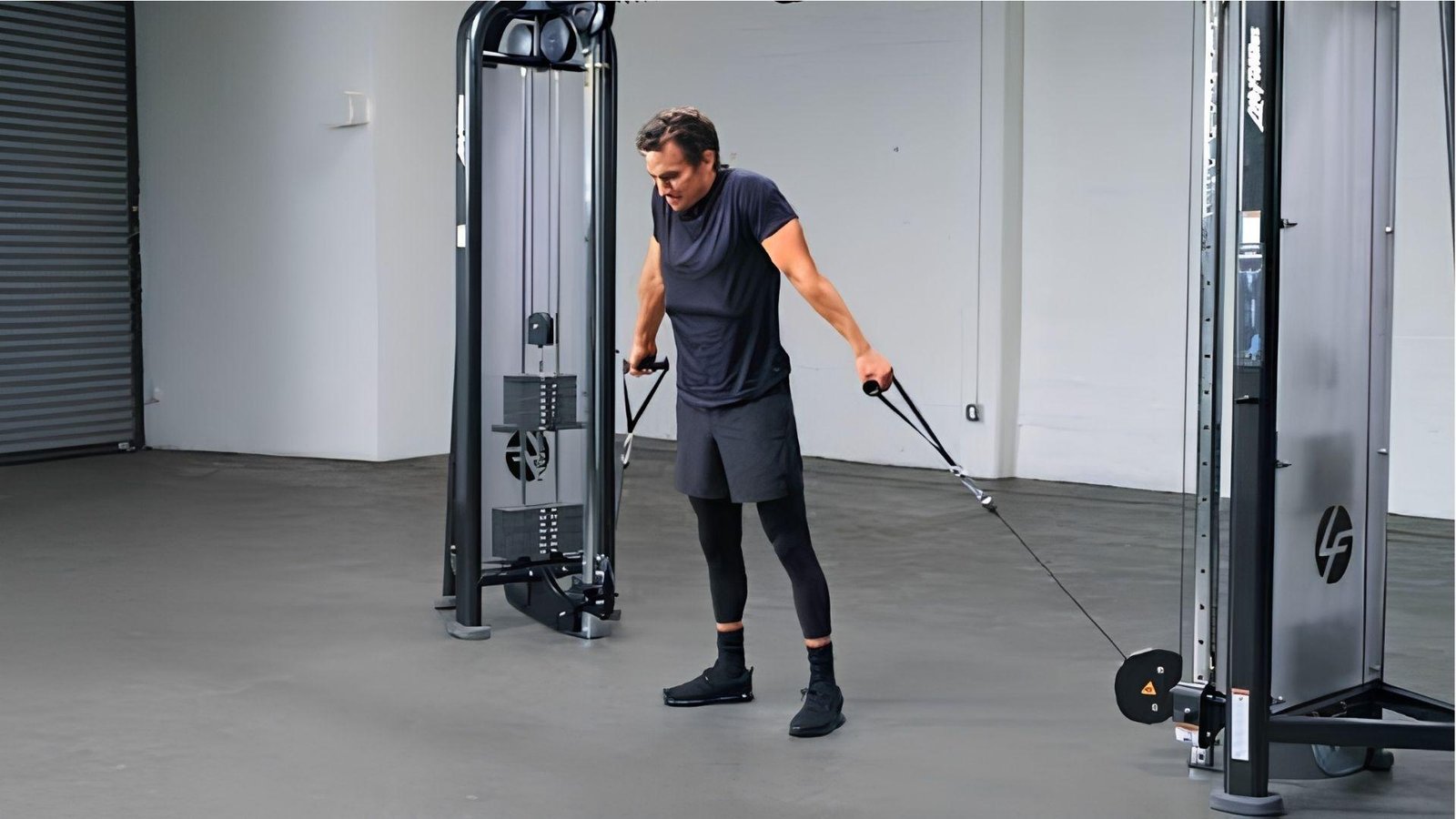
Cable shrugs keep constant tension on the traps through the whole movement. That's the advantage over free weights. Set the cable low and shrug straight up.
You can do these with a straight bar or rope attachment. To train your traps with cables, pause at the top for two seconds on every rep and lower slowly on a three-count and the constant tension combined with that controlled tempo makes each rep far more effective than a fast free-weight shrug.
Try 3 sets of 12–15 reps. Because the weight doesn't feel lighter at the top like a dumbbell does, your traps stay under load the entire time.
7. Upright Row
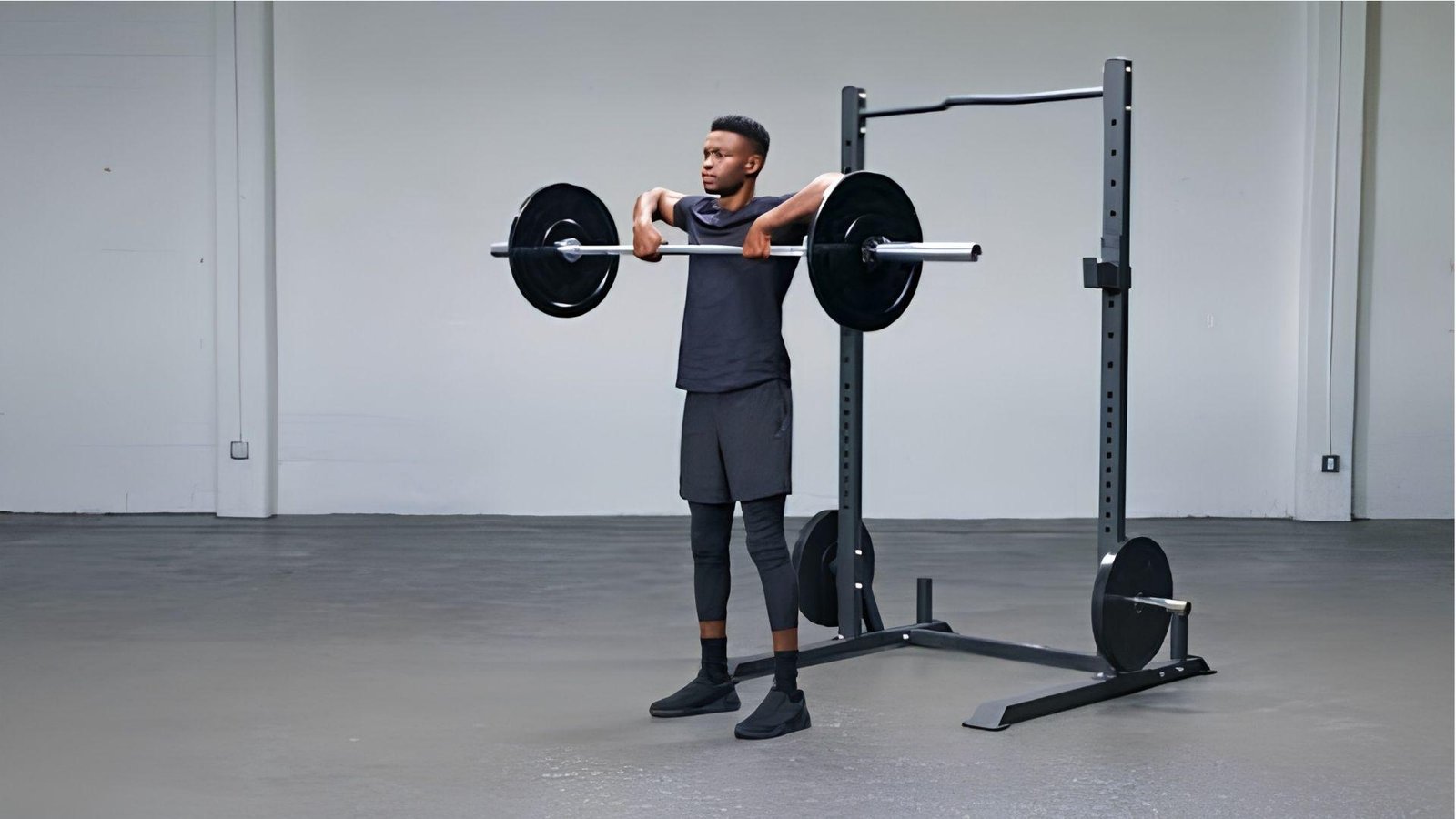
The upright row builds both the upper traps and the side delts at the same time. Pull the bar or dumbbells up close to your body until your elbows reach shoulder height.
Use a grip at shoulder width or slightly wider and a narrow grip increases the risk of shoulder impingement.
To train your traps with this exercise, lead with your elbows rather than your hands and keep the bar close to your body on the way up and this keeps the upper traps engaged instead of letting the front delts take over.
If it still bothers your shoulder, swap it out for cable shrugs or face pulls. 3 sets of 10–12 reps works well here.
8. Y Raise

This one targets the lower traps specifically. Lie face down on an incline bench or stand slightly bent forward. Raise both arms up and out into a Y shape. Use very light weight.
Most people go too heavy and lose the form completely. To train your lower traps with Y raises.
imagine pulling your shoulder blades down toward your back pockets as you lift and this prevents the upper traps from taking over and forces the lower fibers to do the actual work.
Focus on building a strong mind-muscle connection with those lower fibers. 3 sets of 15 reps with a slow, controlled tempo. Your lower traps will be burning by the last few reps.
9. Prone Trap Raise

Similar to the Y raise but done flat on a bench. This isolates the lower and middle traps even more directly.
Hold light plates or dumbbells, lie face down, and lift your arms up with your thumbs pointing to the ceiling. No momentum, no swinging.
To train your traps with this finishing move, keep your neck neutral and consciously think about initiating the lift from your mid-back rather than your shoulders and this is the cue that separates people who actually feel it in their traps from those who just feel it in their arms.
3 sets of 12–15 reps. Use it at the end of your session to finish off the lower traps completely.
Weekly Traps Workout Routine

Here are three structured routines based on your training level.
Beginner Routine
Just starting out? These three moves are all you need to build a solid trap foundation.
| Exercise | Sets | Reps | Rest |
| Dumbbell Shrug | 3 | 10–12 | 60 sec |
| Face Pull | 3 | 12–15 | 60 sec |
| Y Raise | 3 | 15 | 60 sec |
Train traps once a week. Keep it simple and focus on form over load.
Intermediate Routine
Ready to step it up? This routine adds more volume and variety to keep your traps growing.
| Exercise | Sets | Reps | Rest |
| Barbell Shrug | 4 | 8–10 | 90 sec |
| Cable Shrug | 3 | 12–15 | 60 sec |
| Face Pull | 3 | 12–15 | 60 sec |
| Farmer's Carry | 3 | 30–40 sec | 90 sec |
Train traps one to two times per week. Pair with back or shoulder day.
Advanced Routine
You've built the base. Now it's time to train all trap regions hard and push for serious size.
| Exercise | Sets | Reps | Rest |
| Rack Pull | 4 | 5–6 | 2 min |
| Barbell Shrug | 4 | 8–10 | 90 sec |
| Cable Shrug | 3 | 12–15 | 60 sec |
| Face Pull | 3 | 12–15 | 60 sec |
| Y Raise | 3 | 15 | 60 sec |
| Prone Trap Raise | 3 | 12–15 | 60 sec |
Train traps twice a week with at least 48 hours between sessions.
How Many Times Should You Train Traps?

For most people, training traps one to two times per week is enough. That gives you room to push hard without burning out the muscle.
Aim for 10–16 weekly sets total, spread across your sessions. Your traps also get indirect work during deadlifts, rows, and other pulling movements, so they're often doing more work than you realize.
Pairing trap training with back day or shoulder day makes scheduling easier and keeps your workouts efficient.
Give them at least 48 hours to recover before hitting them again. Recovery is where the growth actually happens.
How to Progress Your Traps Workout
Progress is simple but it takes patience. Start by adding more reps before you add more weight. Once you hit the top of your rep range with solid form, bump the weight up slightly.
You can also slow down your reps to increase time under tension this makes the same weight harder without changing anything else.
Push close to failure on your working sets, but never let form break down to get there. Most importantly, track your workouts.
Write down what you did. If you're not tracking, you're guessing. Consistent small improvements over weeks add up to real size and strength gains.
Tips to Build Bigger Traps Faster
Small changes in how you train can make a big difference in how fast your traps grow.
- Hold at the top: On shrugs, pause for one second at the peak contraction. That extra squeeze recruits more muscle fibers.
- Don't skip lower traps: Most people only train upper traps. Add Y raises and prone trap raises to train scapular depression and build a complete, balanced upper back.
- Go heavy on rack pulls: Your traps can handle a lot of load. Don't be afraid to push the weight on your compound movements.
- Train consistently: Missing sessions is the biggest reason traps stay small. Show up every week, even when motivation is low.
- Fix your posture between sessions: Slouching compresses the traps in a shortened position. Sitting tall throughout the day lets them move and recover better.
Conclusion
Honestly, this traps workout chart is the exact framework I wish I had when I first started. I wasted months doing random shrugs with no plan and got nowhere.
Once I structured my sessions and stayed consistent, the difference showed up fast.
Now it's your turn. Pick a routine that fits your level and stick with it for at least four weeks.
Did this help? Drop a comment below and tell me which exercise you're adding first. Share it with someone who needs it.
Frequently Asked Questions
Do traps grow fast?
Yes, most people notice visible growth within 6 to 8 weeks of consistent, direct trap training.
Should I train traps on back day or shoulder day?
Either works. Shrugs and rack pulls fit back day, face pulls and Y raises fit shoulder day.
Why won't my traps grow no matter what I do?
You're probably only hitting upper traps and skipping middle and lower trap work entirely.
Are traps hard to build?
No, they respond well to direct training, but most programs don't give them enough dedicated volume.