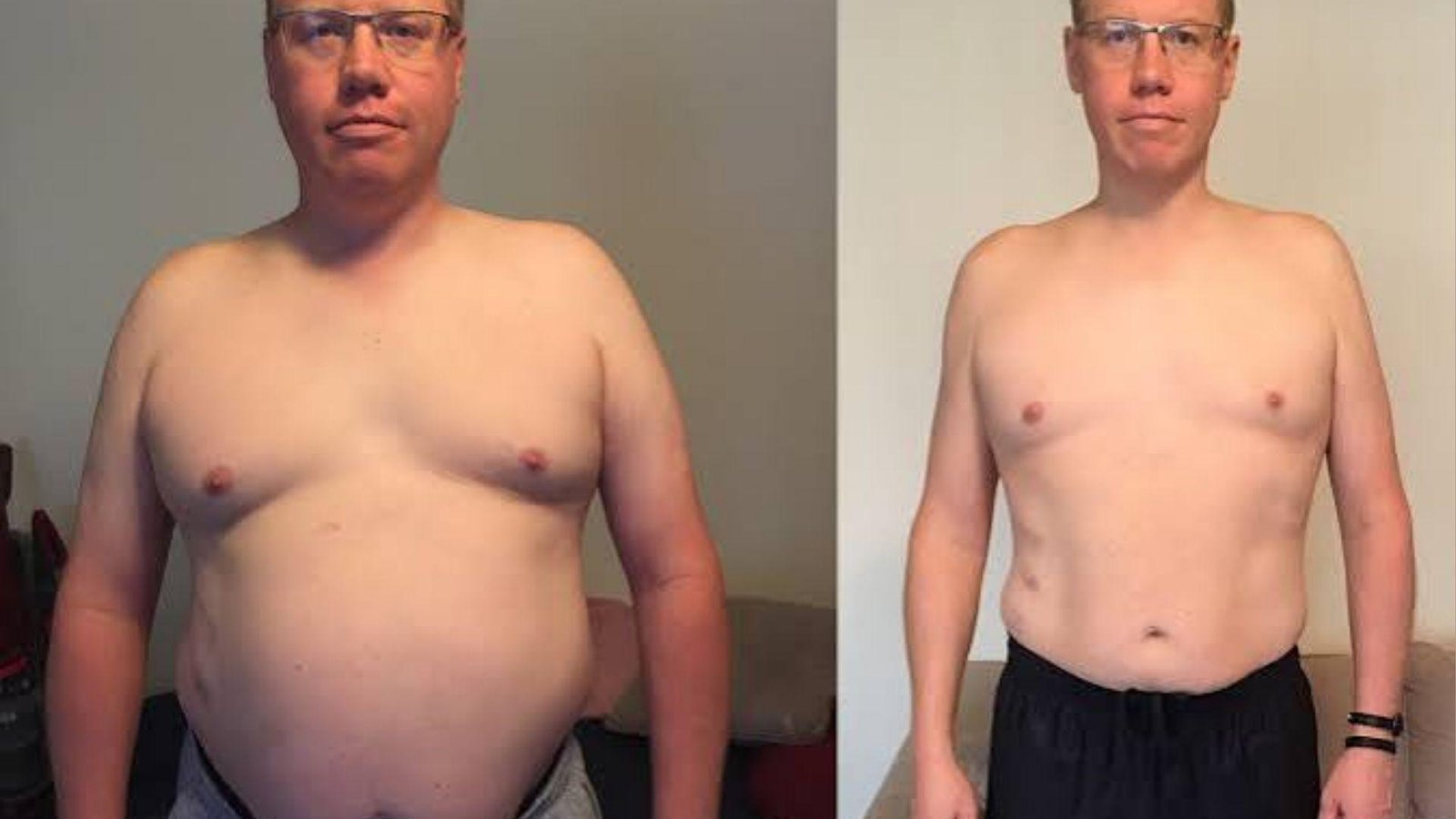

Have you been hitting the gym hard but still not seeing any change? That frustration is real, and it usually means something is off with your routine.
This is one of the clearest signs your workout is not working. In this guide, we will walk through 13 signs your workout is not working, from constant soreness to poor sleep and stalled progress.
You will learn what causes each sign and how to fix it before it turns into burnout or injury.
Over the years, I have seen many people push harder without results, only to find the real problem was recovery, not effort.
By the end, you will know exactly what to change.
What Are the Signs Your Workout Is Not Working?

Your body often gives warning signals before things get worse.
These signs show up in different ways. Some are physical, like constant soreness, poor sleep, or getting hurt more easily. Others are mental, like losing motivation or feeling irritable for no clear reason.
Sometimes the signs are harder to notice, like a heart rate that stays high or workouts that feel tougher each week even though nothing has changed.
When your body is under too much stress and not getting enough recovery, it stops adapting and starts breaking down instead of building up.
Catching these warning signs early makes a real difference. It can save you weeks or even months of wasted effort, frustration, and setbacks that are easy to avoid with a few small changes.
13 Signs your Workout is not Working
These warning signs tell you when it's time to change your routine.
1. You're Constantly Sore and Never Fully Recover

Soreness that never goes away is a red flag.
A little muscle soreness after a workout is normal. But if you're sore for days, and new soreness stacks on top of old soreness, your muscles are not getting the time they need to repair.
This usually means your training volume is too high or your rest days are too short. Try adding one extra rest day this week and see if the constant ache starts to fade.
2. You're Always Tired, Even After a Full Night's Sleep

Feeling drained all day is more than just being busy.
When your workouts are too intense for too long, your body stays in a stressed state. This drains your energy even when you sleep eight hours.
If you wake up tired and stay tired through the day, your nervous system may be overworked. Cutting workout intensity for a week often brings energy levels back up.
3. Your Performance Is Getting Worse Instead of Better

Training should make you stronger over time, not weaker.
If you're lifting less weight, running slower, or struggling with reps you used to hit easily, that's a clear sign your workout is not working the way it should.
This drop in performance usually points to overtraining or poor recovery. Track your numbers weekly. If they keep dropping for more than two weeks, it's time to scale back.
4. You're Getting Injured More Often

Small aches turning into real injuries is a warning sign.
Repeated strains, joint pain, or muscle pulls often happen when the body is fatigued and form starts to slip.
Tired muscles can't protect joints the way they should. If you notice more tweaks and niggles than usual, pause and check your training load before a small issue becomes a bigger one.
5. Your Workouts Feel Harder Than They Used To
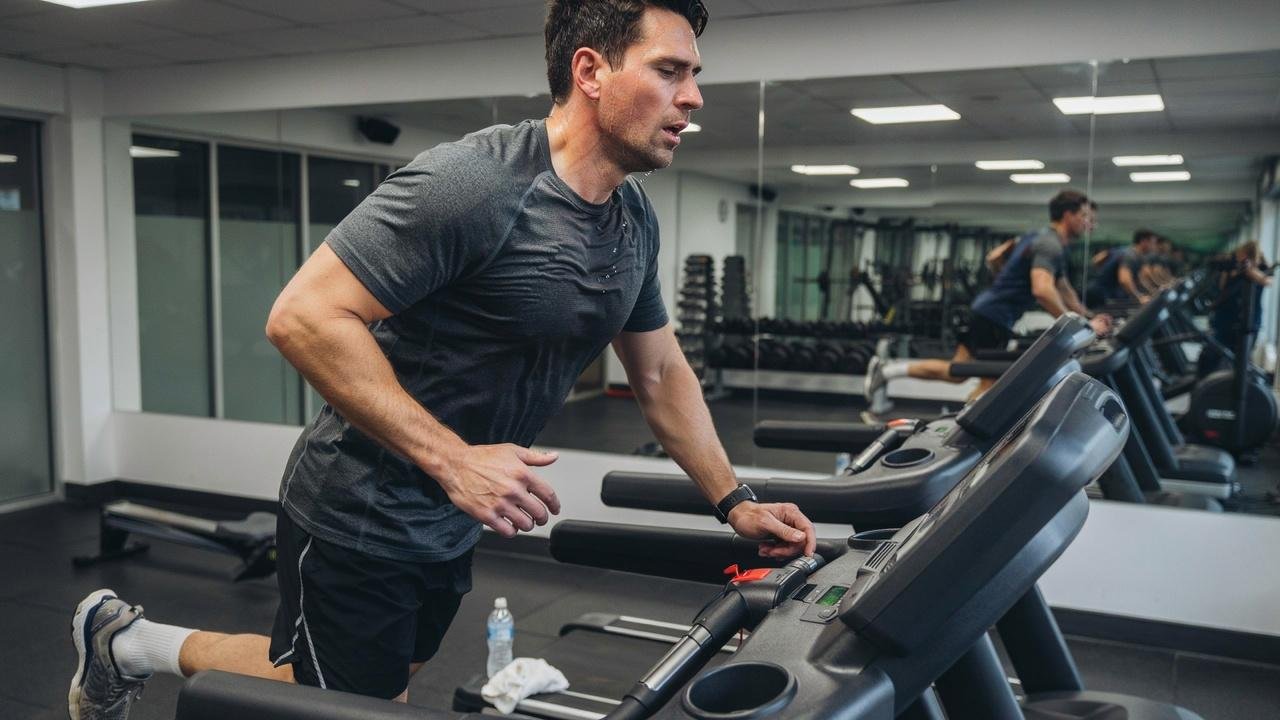
The same workout should not feel harder each week if you're recovering well.
If a workout that used to feel manageable now feels brutal, your body may be running on empty.
This often happens when training intensity increases faster than your recovery can keep up. Give yourself a lighter week and notice if things start to feel easier again.
6. Your Resting or Workout Heart Rate Is Higher Than Normal

Your heart rate can tell you a lot about your recovery.
A resting heart rate that's higher than usual, or a heart rate that spikes faster during workouts, often means your body is under stress.
Fitness trackers make this easy to monitor. If your numbers stay uplifted for several days in a row, that's a sign to dial back training.
7. You're Sleeping Poorly Despite Feeling Exhausted

Being tired does not always mean you'll sleep well.
Overtraining can raise stress hormones like cortisol, which makes it harder to fall asleep or stay asleep, even when you're exhausted.
Poor sleep then makes recovery worse, creating a cycle that's hard to break. Reducing evening workout intensity and adding a wind down routine can help reset this pattern.
8. You're Losing Motivation to Exercise
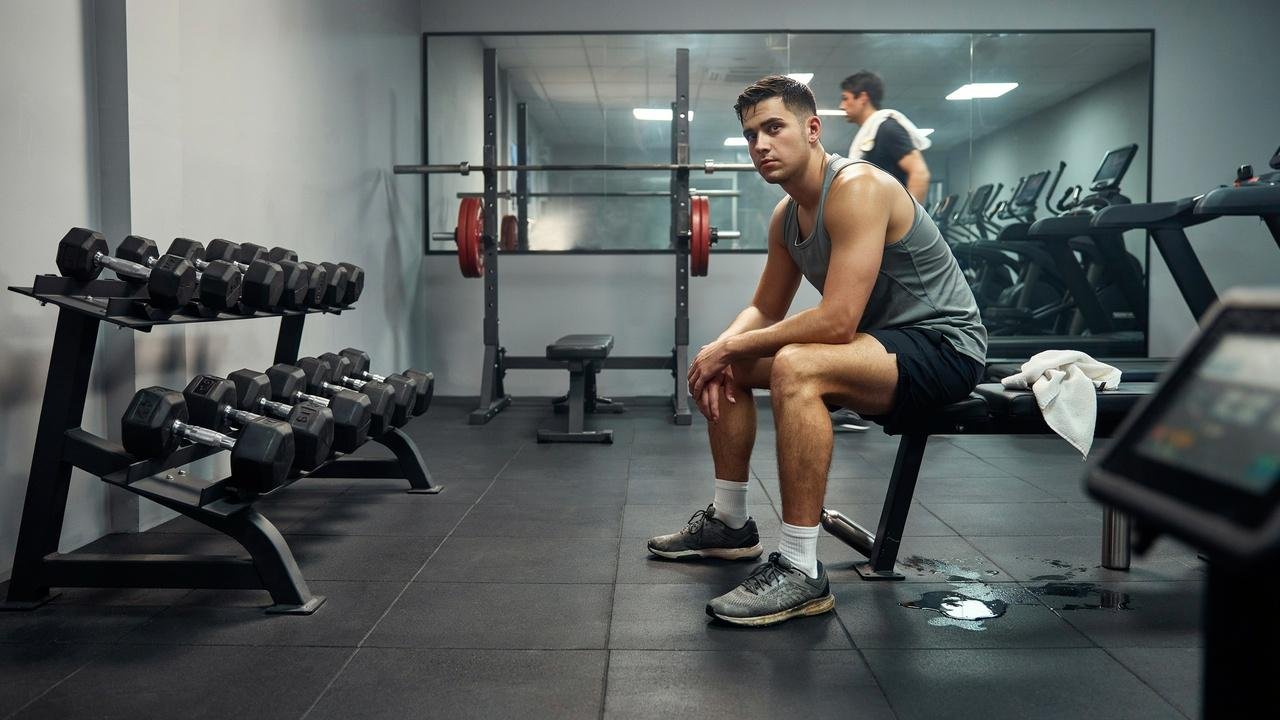
Dreading workouts you used to enjoy is a real signal.
When your body is worn down, your mind often follows. Tasks that once felt exciting start to feel like a chore. This is not laziness.
It's usually a sign that your body needs rest more than it needs another hard session. Listen to that shift instead of pushing through it.
9. You're More Irritable, Stressed, or Struggling to Focus

Mood changes are often tied to physical fatigue.
Overtraining affects more than muscles. It can throw off your mood, patience, and focus at work or home. If you notice you're snapping at people more or can't concentrate like before, your training load could be part of the problem.
Rest often improves mood as much as it improves muscle recovery.
10. You're Getting Sick More Frequently

A weaker immune system often follows overtraining.
Intense exercise without enough recovery can lower your body's defenses, making colds and infections more common.
If you're catching every bug going around, your immune system may be paying the price for a training schedule that's too demanding.
11. You're Not Seeing Results Despite Training Hard

Working out often without progress is frustrating and confusing.
More effort does not always mean more results. If your strength, endurance, or body composition has stalled despite consistent training, your body may be too stressed to adapt and grow.
Progress needs a balance of effort and recovery, not just effort alone.
12. You're Struggling to Complete Workouts You Once Finished Easily

Falling short on workouts you used to finish is worth paying attention to.
If you're cutting sets short, skipping the last few reps, or stopping early more often, your body may be telling you it needs a break.
This is different from one bad day. A pattern over multiple sessions points to fatigue building up over time.
13. Your Body Feels Burned Out Instead of Stronger

Training should build you up, not wear you down.
If you feel physically and mentally drained instead of strong and capable, that's one of the clearest signs your workout is not working as intended.
Burnout builds slowly, so catching it early with a planned rest period can prevent weeks of setback later.
Signs Your Workout Is Not Working vs. Signs of Overtraining

Here's a simple side by side comparison to help you tell them apart.
| Signs Your Workout Is Not Working | Signs of Overtraining |
| Slow or no progress despite effort | Performance drops even with rest |
| Occasional low motivation | Constant dread toward exercise |
| Mild, short lived soreness | Soreness lasting several days |
| Slightly harder workouts | Workouts feel impossible to finish |
| Minor sleep changes | Ongoing insomnia or restless sleep |
| Small dips in energy | Persistent exhaustion all day |
How to Recover if You're Training Too Hard
Recovery is not a break from progress. It's part of it.
If you recognize several signs above, here's how to get back on track.
- Take three to five full rest days before returning to hard training
- Cut training volume by 30 to 50 percent for one to two weeks
- Prioritize seven to nine hours of sleep each night
- Add protein and enough calories to support muscle repair
- Include light movement like walking or stretching instead of intense workouts
- Stay hydrated and reduce alcohol and caffeine during recovery
- Track how you feel daily using a simple energy or mood scale
When to See a Doctor or Physical Therapist
Some signs need more than rest alone.
If you experience ongoing joint pain, a heart rate that stays high even at rest, sharp or shooting pain during movement, or fatigue that does not improve after two weeks of proper rest, it's time to check in with a doctor or physical therapist.
These professionals can rule out injury, hormone imbalance, or other underlying issues that simple rest cannot fix. Ignoring these signals for too long often leads to longer recovery times down the road.
Common Mistakes That Lead to Overtraining
Most cases of overtraining come from a few repeated habits.
- Increasing workout intensity or volume too quickly
- Skipping rest days for weeks at a time
- Not eating enough to match training demands
- Ignoring early warning signs like soreness or fatigue
- Doing the same high intensity workouts without variation
- Getting less than six hours of sleep regularly
- Training through pain instead of addressing it early
Conclusion
Your body works hard for you, so it deserves attention when something feels off. Recognizing the signs your workout is not working early can help you avoid burnout, injury, and wasted effort.
Rest, proper nutrition, and smart training adjustments can turn things around faster than you might expect.
If any of these 13 signs sounded familiar, take it as a nudge to slow down and recover properly.
Try adjusting your routine this week and notice the difference.
Share this article with a friend who might be pushing too hard, and drop a comment below to tell us which sign hit closest to home.
Frequently Asked Questions
How long does it take to recover from overtraining?
Recovery usually takes one to four weeks, depending on severity. Mild cases improve faster, while long term overtraining may need extended rest and gradual return to activity.
Can overtraining cause weight gain?
Yes. Elevated stress hormones from overtraining can increase water retention and appetite, sometimes leading to weight gain despite consistent exercise and effort.
Is it normal to feel weaker after a rest week?
Slight strength dips after rest are normal and temporary. Strength typically returns within one or two sessions once training resumes at a reasonable pace.
How many rest days should I take per week?
Most people benefit from two rest days weekly. Those training intensely may need three, depending on workout intensity, sleep quality, and overall stress levels.
Can overtraining affect mental health long term?
Yes. Prolonged overtraining can contribute to chronic stress, low mood, and anxiety if left unaddressed, making balanced training and proper recovery important for mental wellbeing.