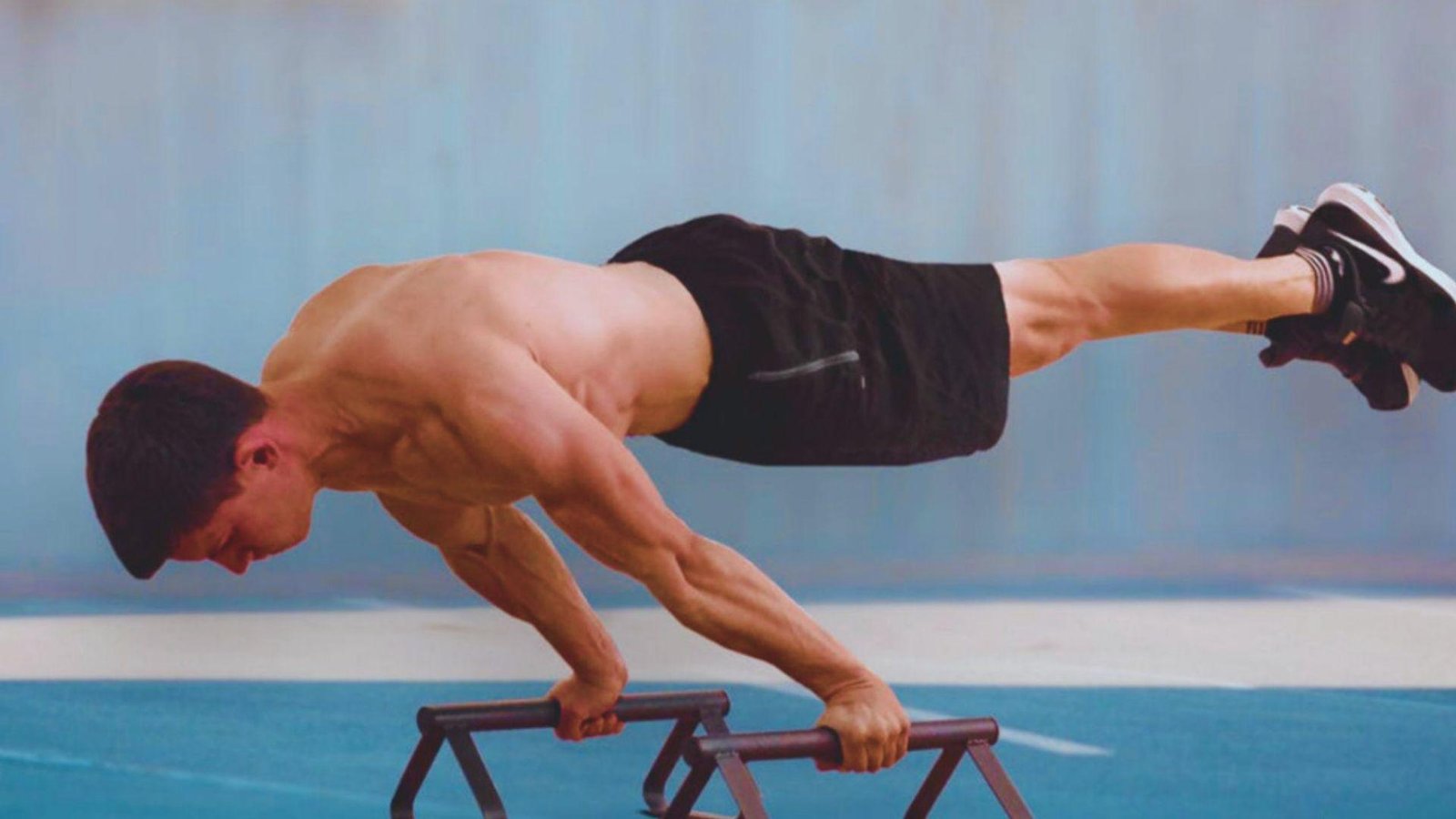
If you've moved past beginner bodyweight training but still feel stuck, an intermediate calisthenics workout can help you build real strength without a gym.
Many people hit a wall once push-ups and basic squats get too easy, and they don't know what comes next. This guide walks you through workout structure, weekly schedules, exercise progressions, and common mistakes that slow down results.
I've coached clients through this exact stage, and the biggest gain often comes from fixing form and rest periods, not adding more reps.
By the end, you'll have a full plan to follow and know exactly how to keep progressing safely.
What Is an Intermediate Calisthenics Workout?
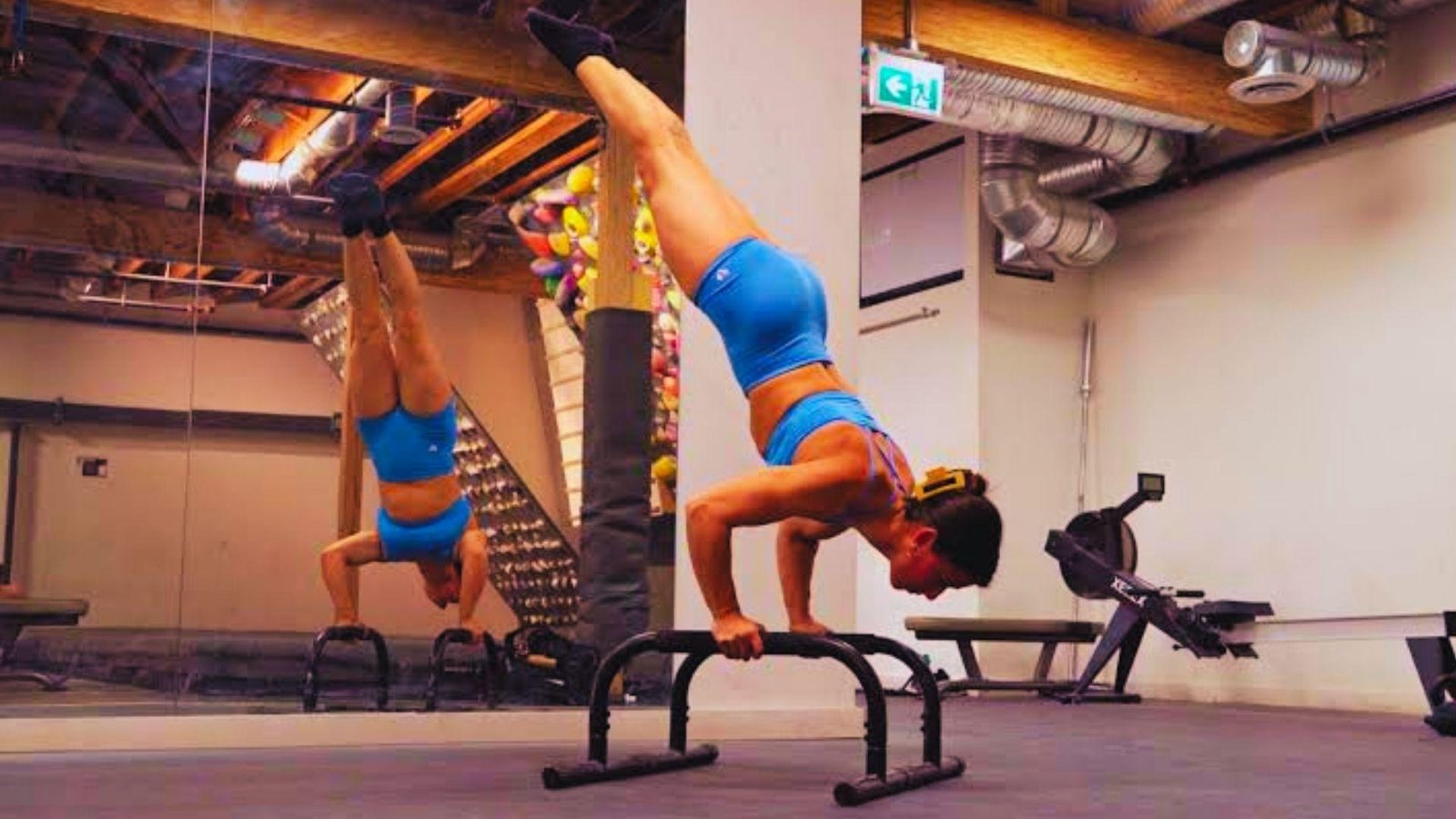
It's the training level that sits between basic bodyweight moves and advanced skills like the front lever.
An intermediate calisthenics workout uses harder variations of push-ups, squats, and pull-ups to build muscle and control.
At this stage, your body already handles basic movements with ease. The focus shifts to strength, balance, and building toward skill work like handstands, muscle-ups, and holds such as the front lever or back lever.
Unlike traditional weight training, calisthenics builds this strength using only your bodyweight, which is part of why progress can feel slower but more well-rounded.
You'll train with more structure, track your reps, and start using progressive overload instead of just doing random exercises.
Prerequisites Before You Start

Before jumping into harder moves, check that your body is actually ready.
Strength Benchmarks to Meet
You should be able to do these comfortably before moving up:
- 15 to 20 push-ups in a row with good form
- 5 to 8 strict pull-ups
- 30 second plank hold
- 15 bodyweight squats without breaking form
Mobility and Stability Requirements
Strength alone isn't enough. Your shoulders, hips, and wrists need to move well too.
Tight shoulders can limit pull-up range and shoulder stability during handstands, and stiff hips make squats harder to control.
Spend a few minutes daily on shoulder rolls, hip openers, and wrist stretches before your sessions.
Equipment You'll Need (or No-Equipment Options)
A pull-up bar is the main tool worth having.
Parallel bars or dip bars help too, but aren't required. Resistance bands are also useful for assisting harder moves like pull-ups and dips while you build strength.
If you train at home, doorframe bars, sturdy chairs, or park equipment work fine as substitutes.
Common Mistakes That Limit Progress
Small errors can quietly stall your results for weeks.
- Skipping warm-ups and going straight into hard sets
- Training the same muscles every day without rest
- Rushing reps instead of controlling the movement
- Ignoring core, shoulder stability, and mobility work
- Comparing your pace to someone else's progress
How to Structure an Intermediate Calisthenics Workout

Good structure matters more than random hard exercises thrown together.
Weekly Training Schedule (3–4 days)
Train three to four days a week with rest days between sessions. This gives your muscles time to repair, build muscle mass, and grow stronger.
A sample split looks like push, core, legs, and full body conditioning.
Sets, Reps, and Rest Periods
Aim for 3 to 4 sets per exercise, with 6 to 12 reps depending on the move. Rest 60 to 90 seconds between sets for most exercises.
For skill work like handstands, rest a bit longer since it demands more focus and energy.
Warm-up and Cooldown Routine
Spend 5 to 10 minutes warming up with light cardio and joint circles. After training, cool down with slow stretches held for 20 to 30 seconds.
This lowers injury risk and helps muscles recover faster.
Progressive Overload with Bodyweight Exercises
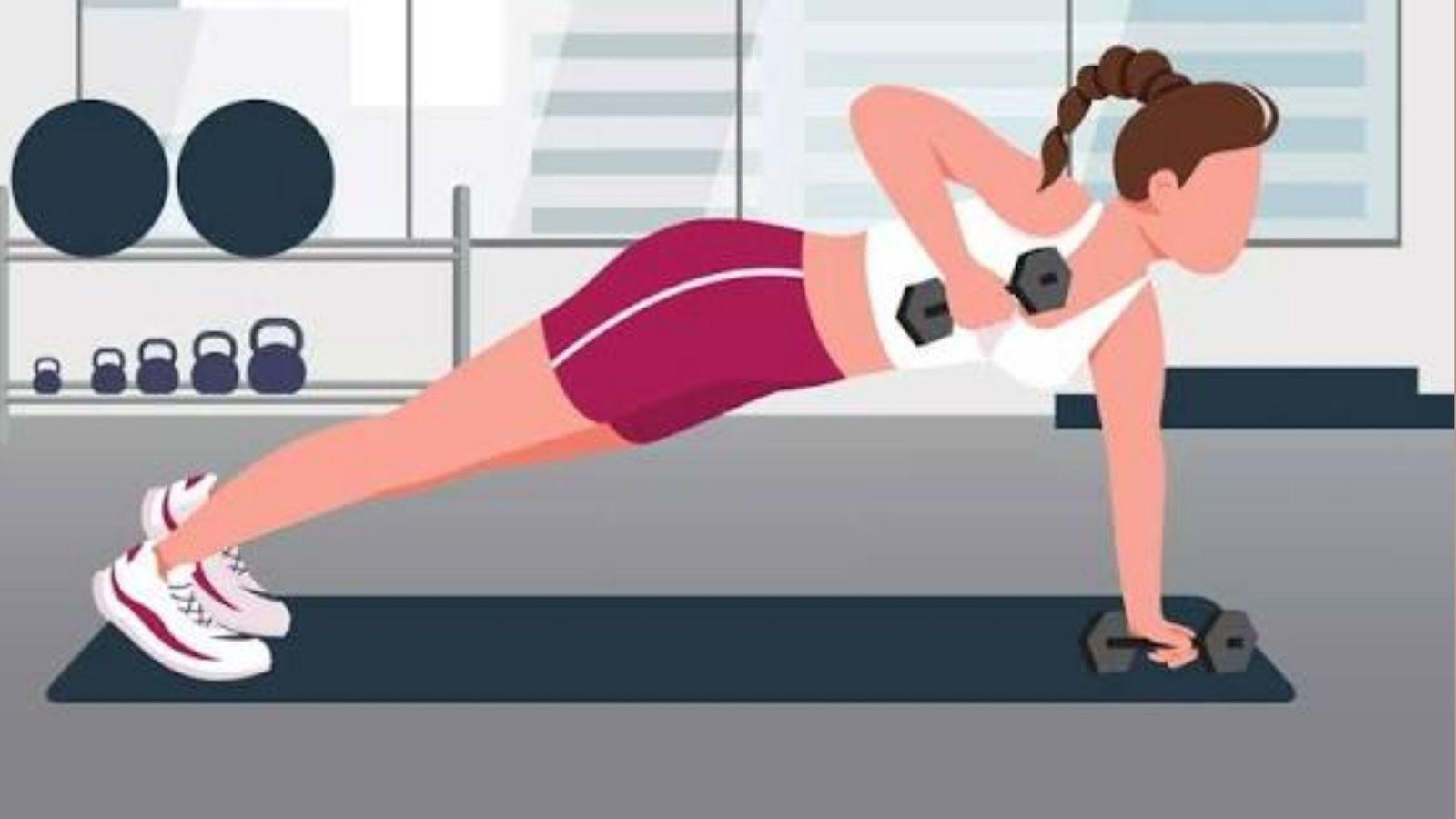
Without weights, you progress by changing leverage, tempo, or reps. Slowing down a push-up, elevating your feet, or moving to a single arm version all add difficulty.
Track your workouts so you know when it's time to make a move harder.
4-Day Intermediate Calisthenics Workout Plan
Here's a full plan you can follow week after week.
- Day 1: Push Workout: Focus on chest, shoulders, and triceps with pike push-ups, dips, and diamond push-ups. Do 3 to 4 sets of each, resting 60 to 90 seconds between sets.
- Day 2: Core Workout: Train your midsection with hanging leg raises, plank variations, and L-sit holds. Core strength supports almost every other calisthenics move, so don't skip this day.
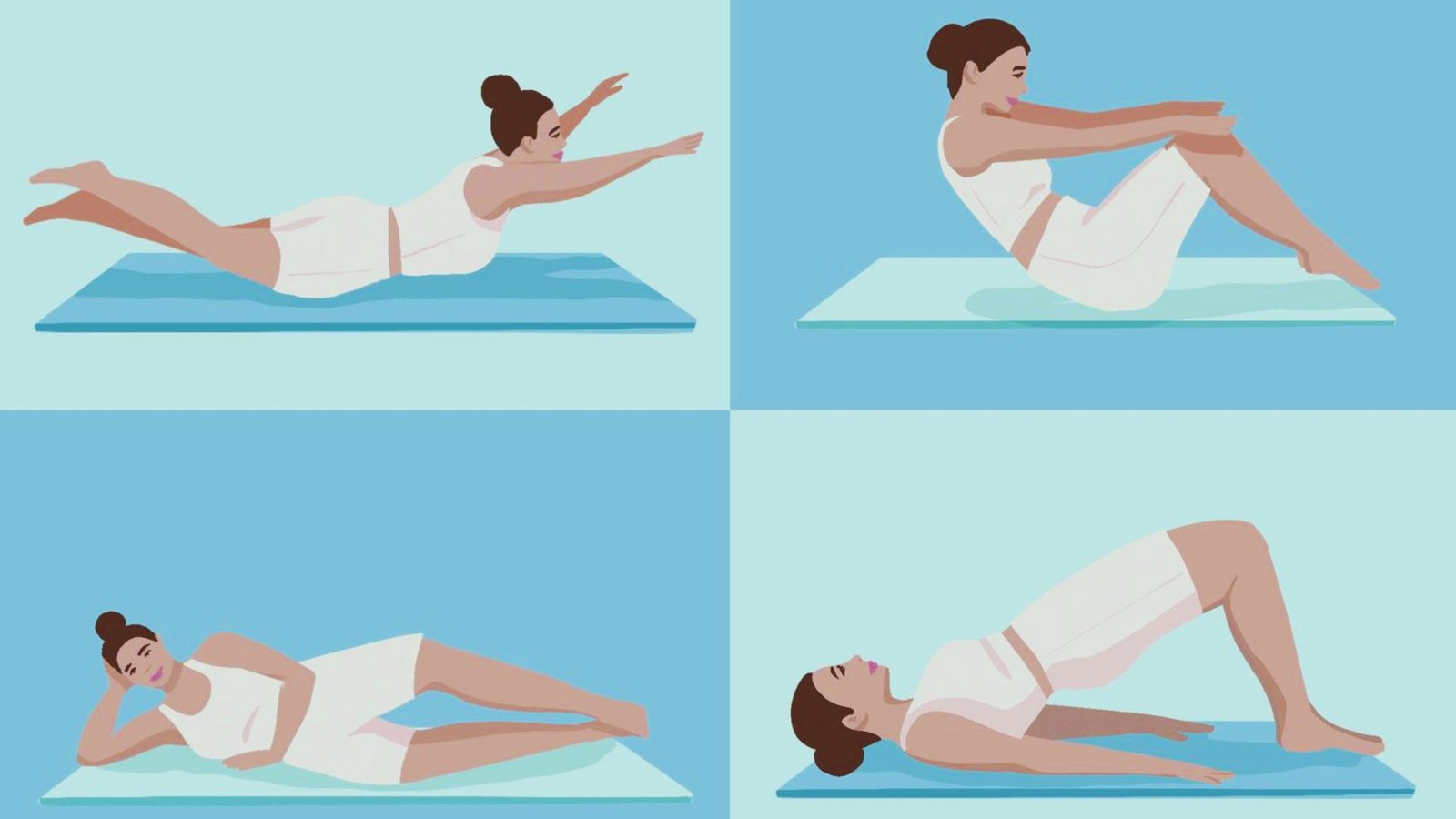
- Day 3: Legs Workout: Bulgarian split squats, jump squats, and single leg glute bridges build lower body strength without weights. Aim for higher reps here since legs recover faster than upper body muscles.
- Day 4: Optional Full-Body Conditioning Workout: This day mixes movements like burpees, mountain climbers, and squat jumps in a HIIT style format for a conditioning boost. It's optional, but useful if your goal includes better stamina alongside strength.
Best Intermediate Calisthenics Exercises for Faster Progress
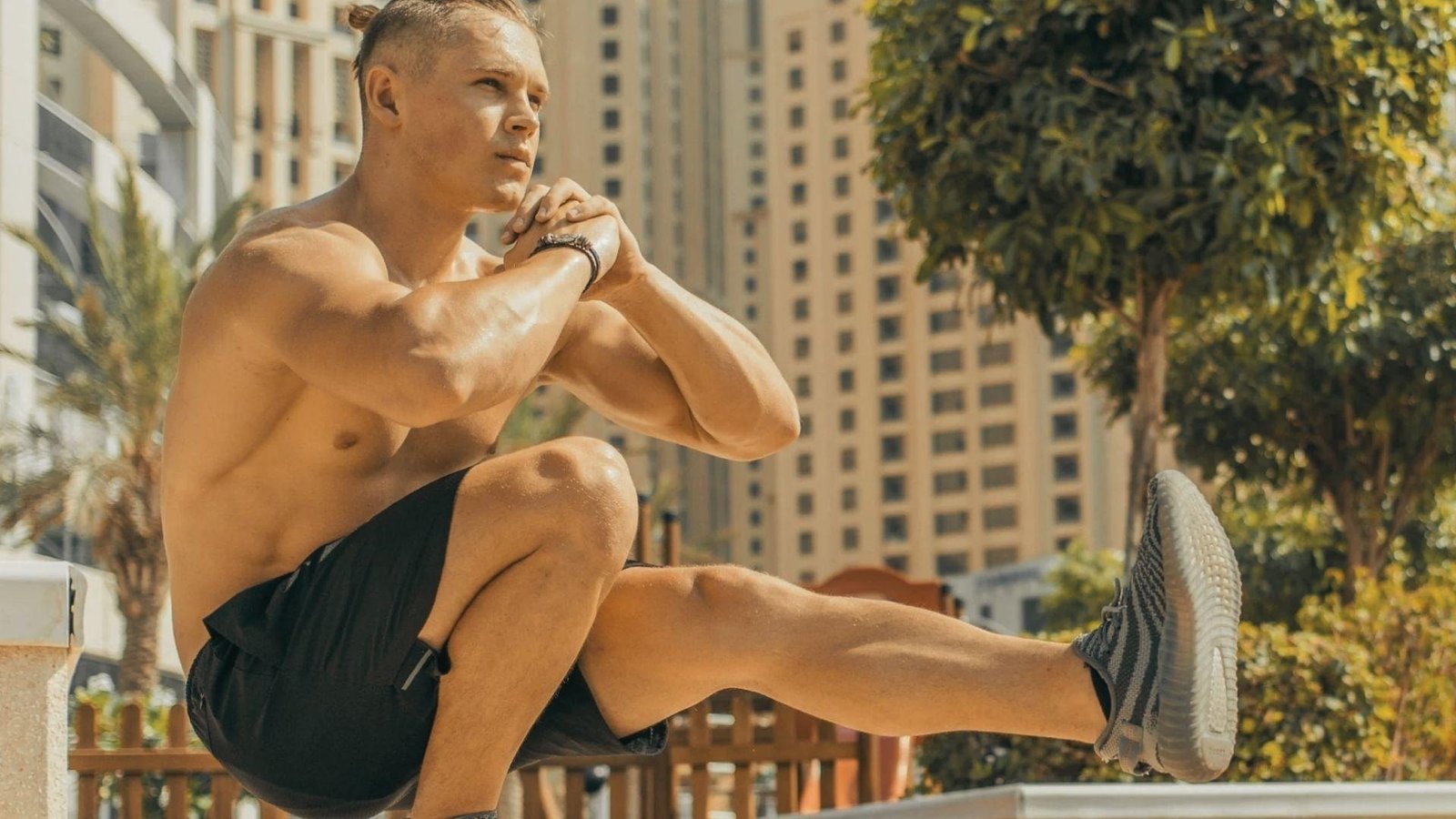
These moves target strength and control at the same time.
- Pull-ups: Pull-ups build back and arm strength while improving grip. Chin-ups or neutral grip pull-ups are good variations if your wrists or elbows feel sore from the standard grip. Focus on full range of motion instead of rushing through reps.
- Dips: Dips work your chest and triceps hard. Parallel bars give you the most control, though a sturdy bench works as a starting point. Keep your elbows close to your body to protect your shoulders.
- Pike push-ups: This move prepares your shoulders for handstand training later. Keep your hips high and hands shoulder width apart.
- Hanging leg raises: A strong core exercise that also builds grip strength. Avoid swinging your body to keep tension on your abs.
- L-sits: L-sits build core and hip flexor strength while testing balance. Start with bent knees if straight legs feel too hard.
- Bulgarian split squats: This single leg move builds strength and balance at once. Keep your torso upright and control the movement slowly.
- Handstand progression: Wall walks and pike holds build the shoulder stability needed for a freestanding handstand. Practice in short sets to avoid burning out your wrists.
Recovery Tips for Better Results
Recovery is where your muscles actually get stronger.
- Sleep 7 to 9 hours each night
- Eat enough protein to support muscle repair and muscle mass
- Take at least one full rest day each week
- Stretch or do light mobility work on rest days
- Stay hydrated, especially after intense sessions
Conclusion
An intermediate calisthenics workout works best when you follow a clear plan and stay consistent with rest and recovery.
Focus on form first, then slowly add difficulty as your body adapts. Small, steady progress will always beat rushing through advanced moves before you're ready.
Try the four day plan from this guide and track how your strength changes over the next few weeks.
If this helped you, leave a comment with your progress or share it with a friend who's stuck at the beginner stage too.
Frequently Asked Questions
How long should an intermediate calisthenics workout session last?
Most sessions run 45 to 60 minutes, including warm-up and cooldown. This gives enough time for quality sets without overtraining your muscles.
Can I do calisthenics and weightlifting together?
Yes, many people combine both. Just balance recovery time so you don't overwork the same muscle groups across sessions.
How soon will I see strength gains?
Most people notice strength improvements within 4 to 6 weeks with consistent training, proper rest, and steady progression in exercise difficulty.
Is it normal to feel sore after every session?
Some soreness is normal, especially with new exercises. Constant, severe soreness usually means you need more rest or lighter volume.
Do I need a coach to progress safely?
A coach helps but isn't required. Careful form, gradual progression, and listening to your body work well for most people.