Knee pain can make leg day feel impossible. But skipping leg training altogether often makes things worse over time.
The right leg workout for bad knees can actually help reduce pain, improve stability, and build real strength without grinding your joints down.
This article covers 11 effective exercises, safety tips, common mistakes to avoid, and how to build a routine that works for your body.
These movements are gentle on the knees but still deliver results. Many people with chronic knee pain have used these exact strategies to get stronger and move better day to day.
If you have been putting off leg training because of knee pain, this guide gives you a clear and safe place to start.
Understanding a Leg Workout for Bad Knees
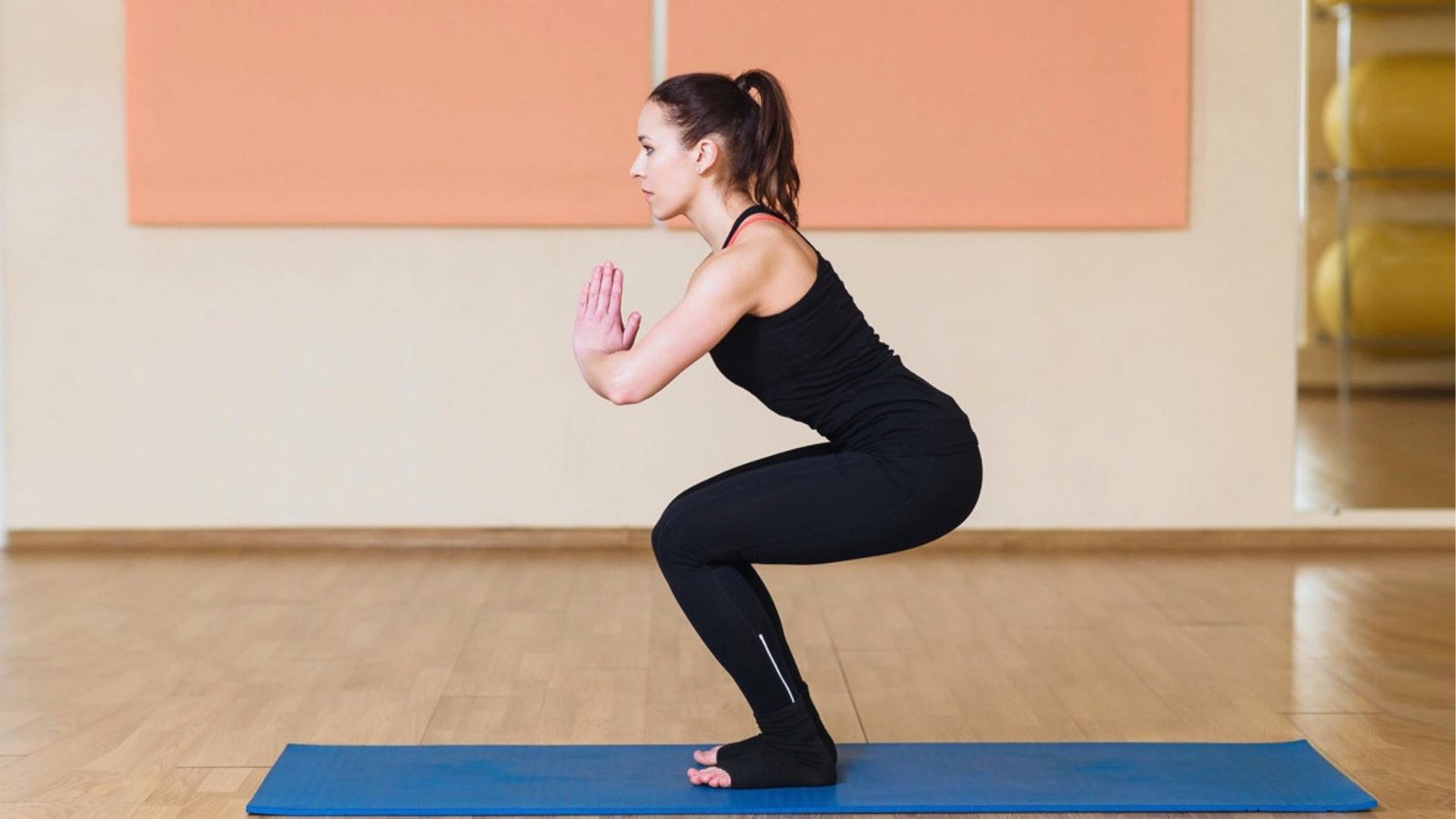
Knee pain doesn't mean you stop training legs. It means you train smarter by building the muscles around the knee for better support and less joint stress.
Weak quads, hamstrings, glutes, and calves force the joint to absorb more impact, but strengthening them reduces that pressure over time.
Strengthening the posterior chain, meaning the glutes and hamstrings along the back of the body, is especially important because these muscles offload stress from the kneecap during everyday movement.
This approach works well for people dealing with knee arthritis, runner's knee, patellar tendinitis, patellofemoral pain syndrome, or general discomfort from aging or past injuries.
If you have had recent knee surgery, get clearance from your doctor first. Before every session, warm up for five to ten minutes with slow walking or leg swings.
Never push through sharp joint pain. Check your form using a mirror and always wear supportive footwear to protect your knees during exercise.
11 Leg Workouts for Bad Knees That Build Strength
These exercises build lower body strength while keeping knee stress low. Start with two to three sets of eight to twelve reps and adjust based on how your knees feel.
1. Seated Knee Extension
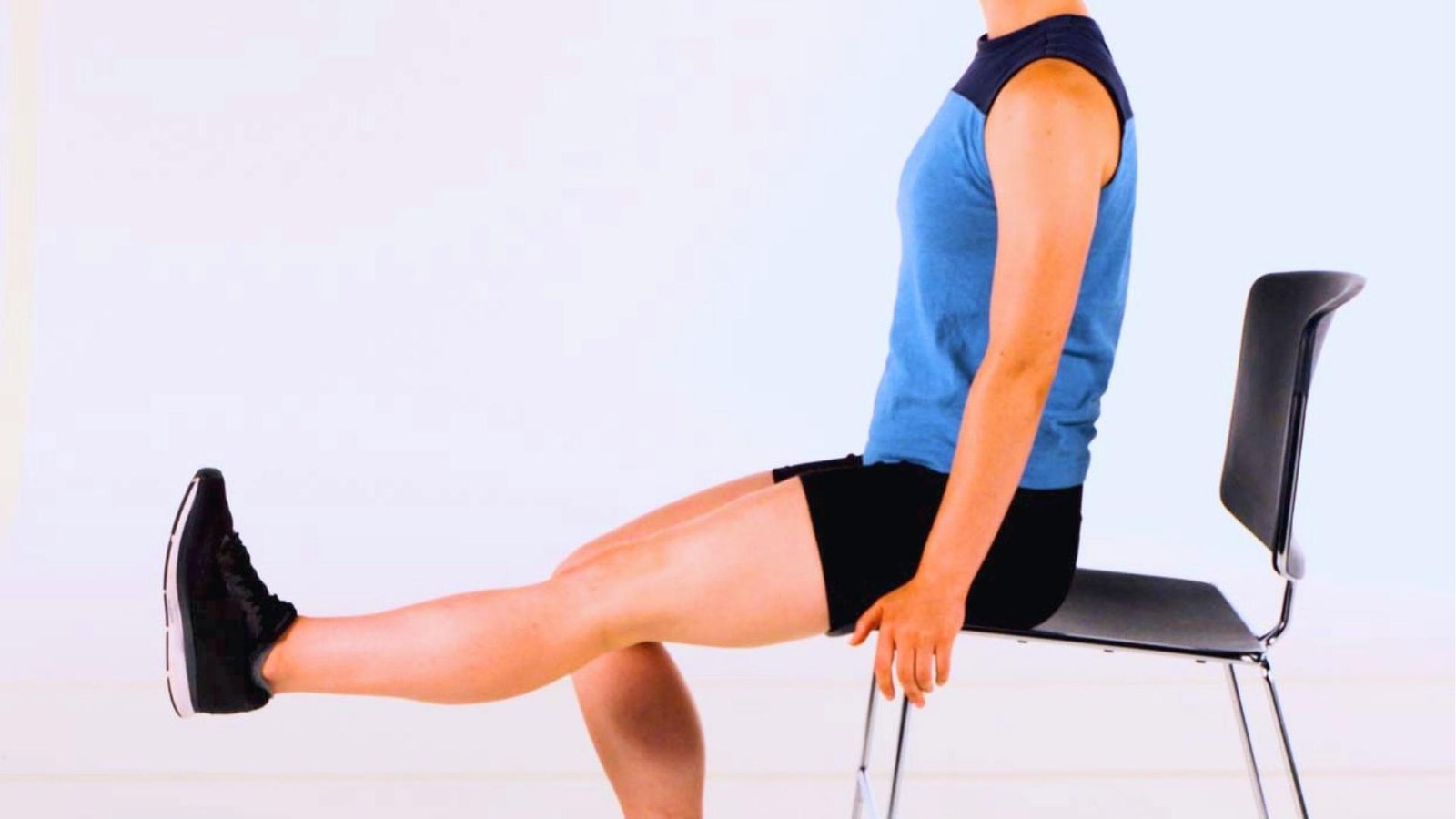
Sit in a sturdy chair with your feet flat on the floor. Slowly lift one leg until it is straight, hold for two seconds, then lower it back down.
This isolates the quadriceps without loading the knee with body weight. It is one of the safest starting points for anyone with significant knee pain or weakness.
You can add a light ankle weight as you get stronger.
2. Sit to Stand
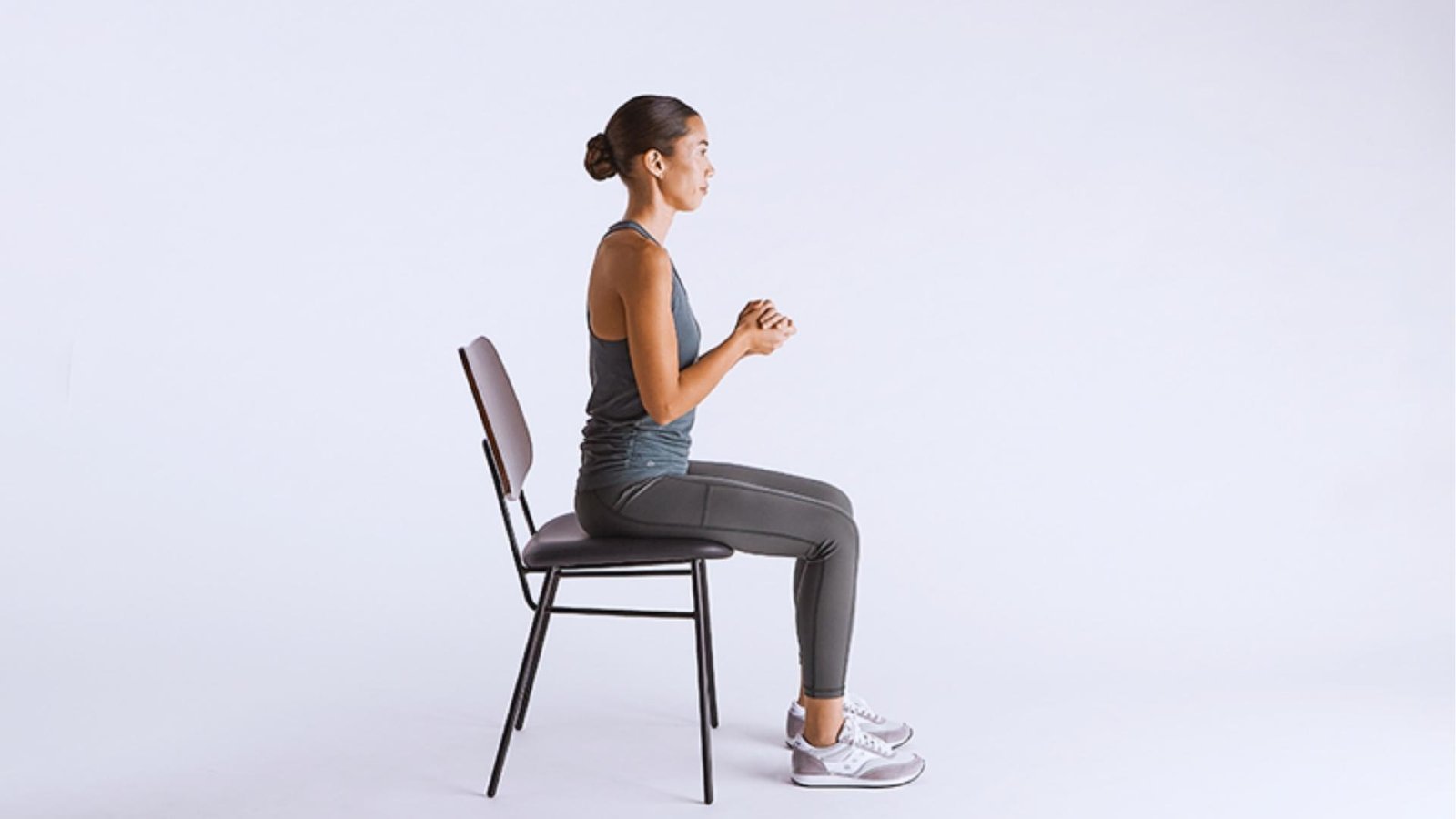
Start seated in a chair. Lean slightly forward, press through your heels, and stand up fully. Then lower yourself back down slowly and with control.
This movement mimics everyday activity and builds quad and glute strength at the same time. The slower you lower yourself back down, the more you work the muscles.
That slow lowering phase is called the eccentric phase, and it builds real stability around the knee. Avoid letting your knees cave inward as you rise.
3. Wall Sit
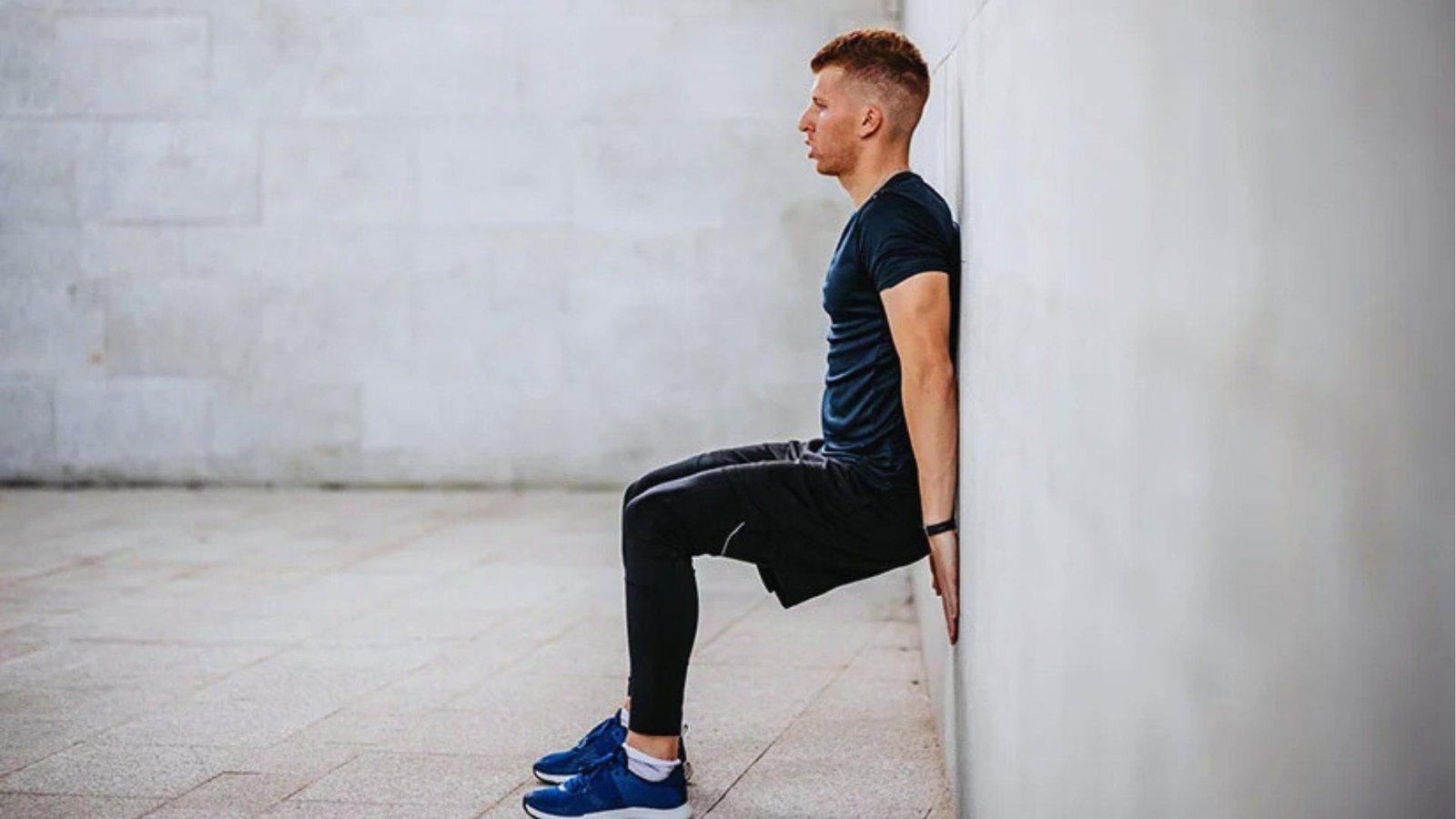
Stand with your back flat against a wall. Slide down until your thighs are parallel to the floor, or as low as comfortable. Hold that position for 20 to 40 seconds.
Wall sits use an isometric contraction, where your muscles fire hard but the joint stays still. This builds quad endurance without any grinding movement at the knee.
If going to parallel hurts, stay at a shallower angle and still get a solid benefit.
4. Glute Bridge
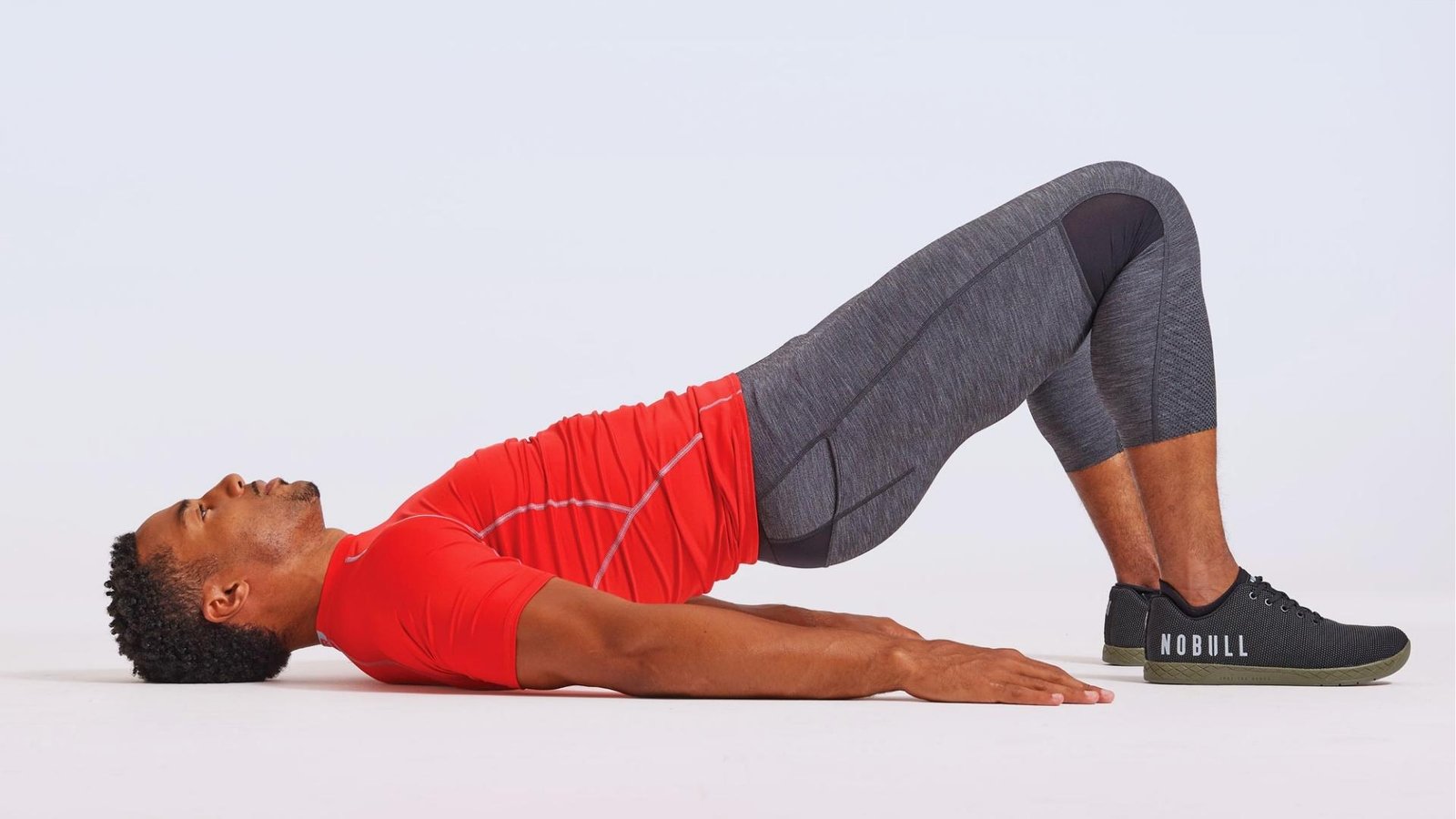
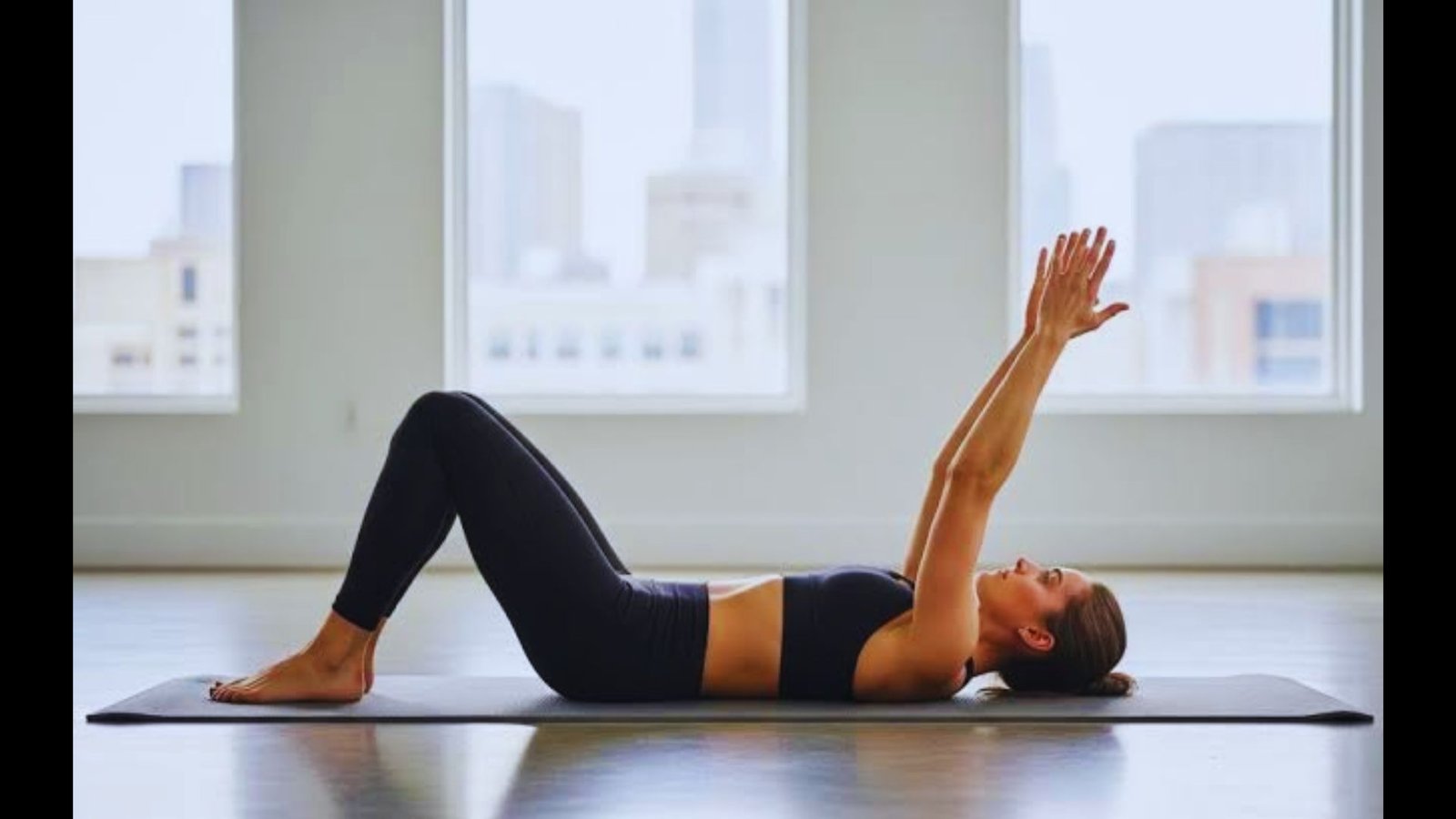
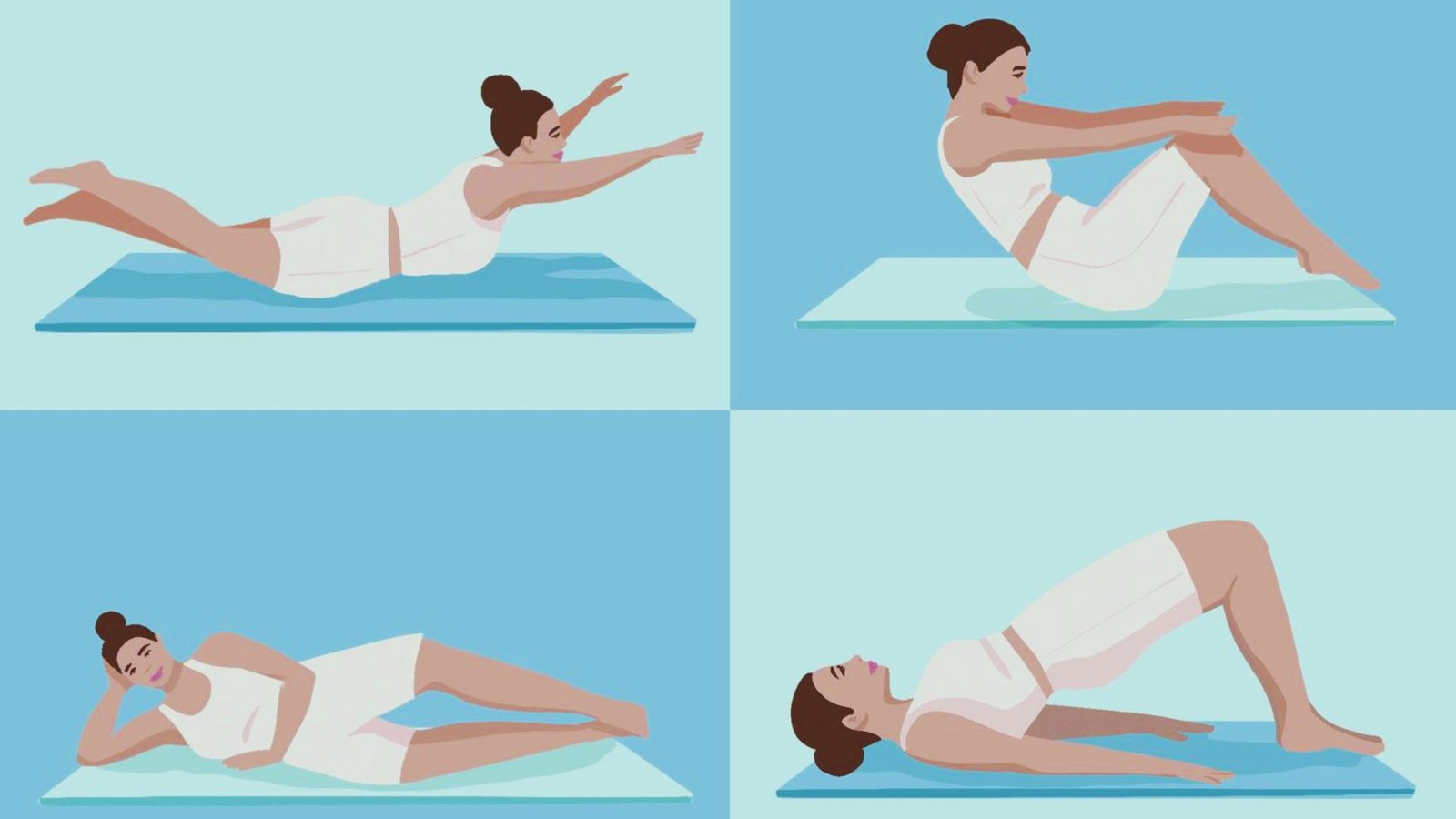
Lie on your back with knees bent and feet flat on the floor. Push through your heels and lift your hips toward the ceiling until your body forms a straight line from knees to shoulders.
Squeeze your glutes at the top, then lower slowly. Strong glutes reduce the load on your knees significantly by supporting proper knee alignment and controlling valgus collapse, which is the inward caving that often causes pain.
This is one of the most effective moves in any knee-friendly leg routine.
5. Standing Hip Hinge

Stand with feet hip-width apart. Push your hips back while keeping a slight bend in your knees and your back flat.
Lower your torso until you feel a stretch in your hamstrings, then drive your hips forward to stand back up. This trains the posterior chain without deep knee flexion.
Think of it as closing a car door with your hips.
6. Step-Ups
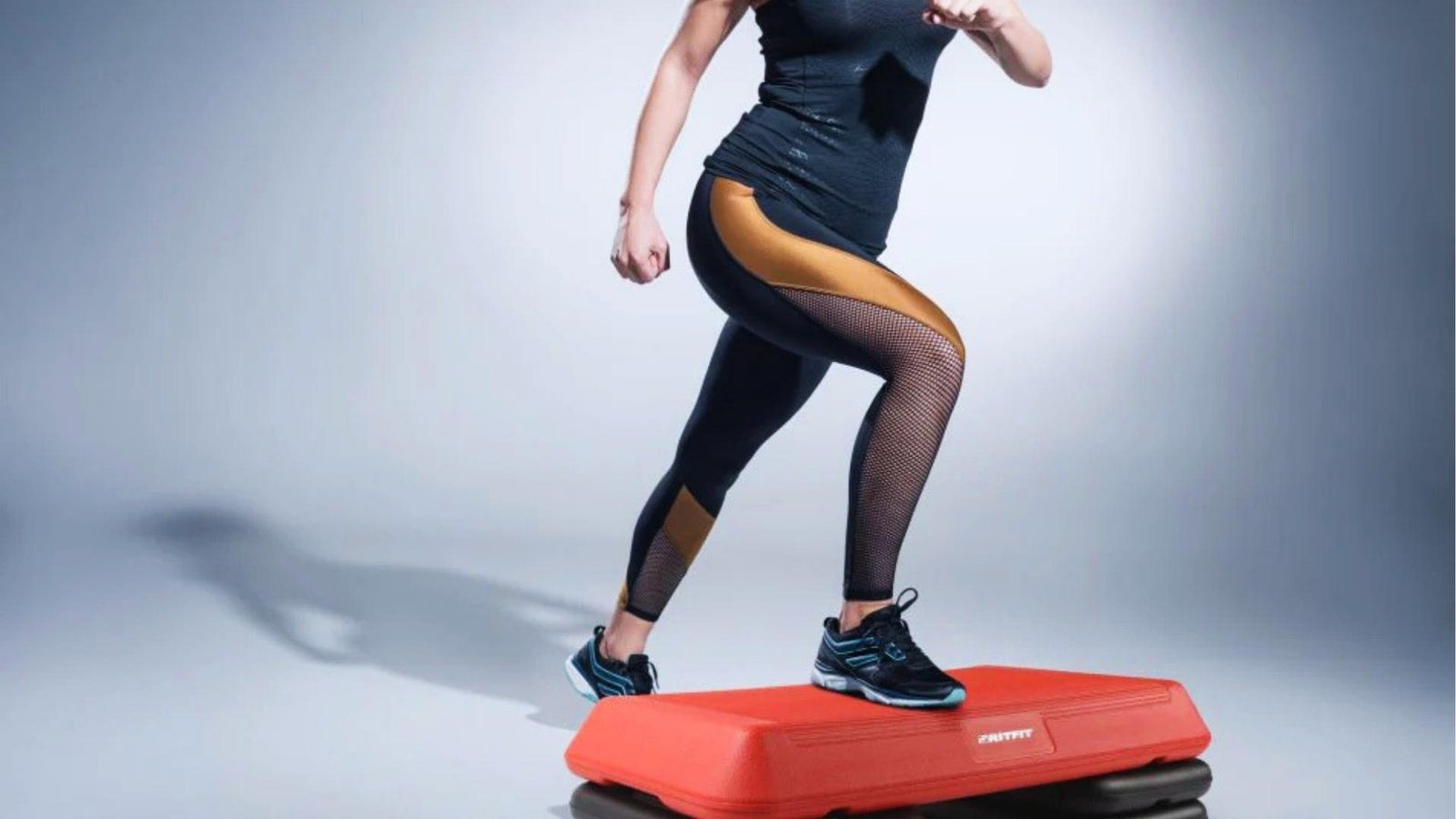
Use a low step or sturdy platform. Place one foot on the step, press through that heel, and bring your other foot up to meet it. Step back down with control.
Step-ups build single-leg strength and improve balance without the deep knee bend of a squat.
Unilateral training like this also corrects side-to-side imbalances that often put extra stress on one knee. Keep the step height low at first and increase it gradually as your strength improves.
7. Standing Hamstring Curls

Stand behind a chair and hold it for balance. Slowly bend one knee, bringing your heel up toward your glutes, then lower it back down.
This isolates the hamstrings without any knee joint compression. Go slow and controlled on both the way up and the way down.
If this feels easy, a light ankle weight can add more challenge over time.
8. Lying Hip Abduction
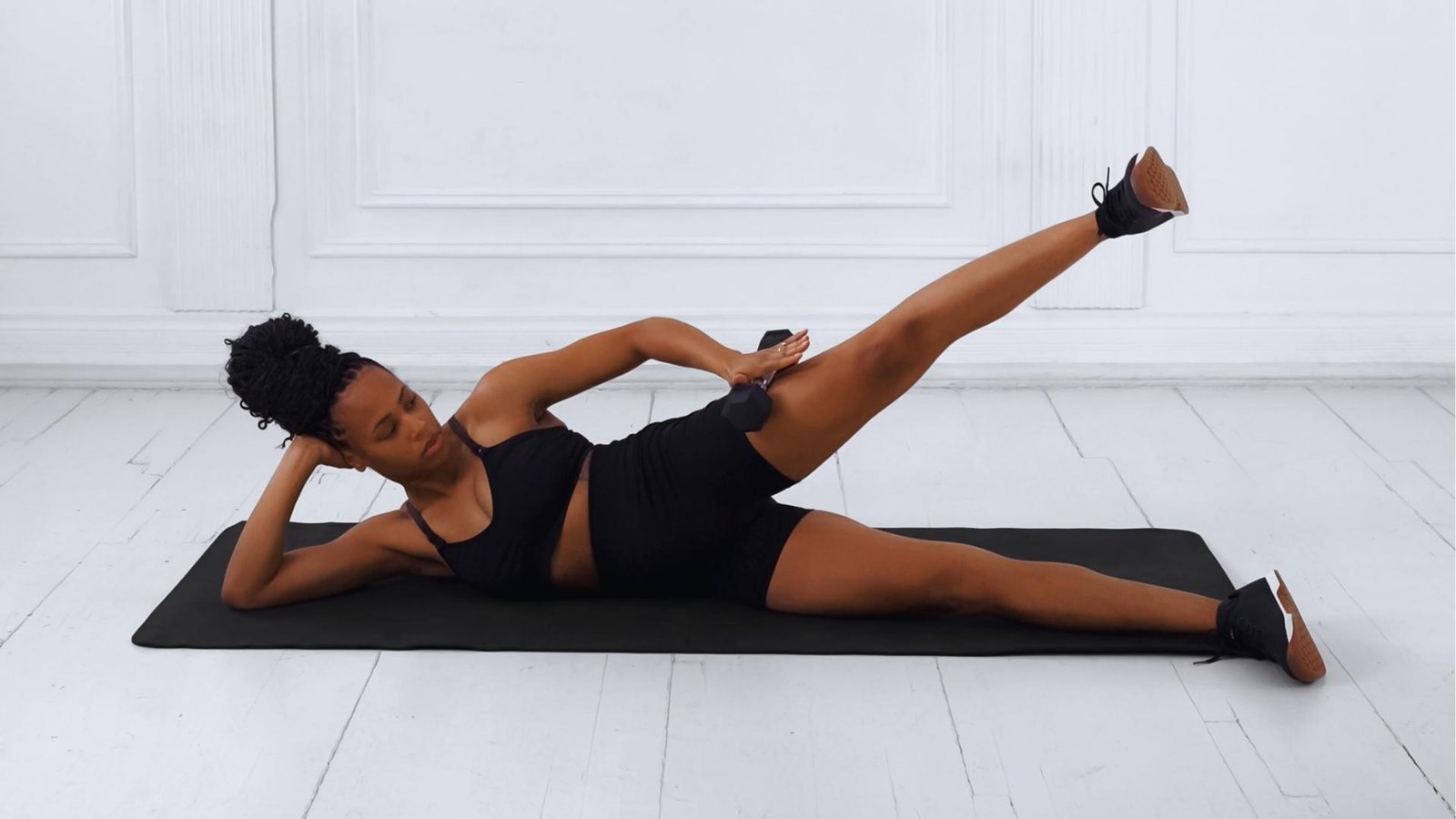
Lie on your side with your legs stacked. Keeping your top leg straight, slowly lift it toward the ceiling, then lower it back down.
This targets the hip abductors, which play a big role in knee alignment. Weak hip abductors often contribute to knee pain because the knee falls inward during movement.
Even this simple exercise can make a noticeable difference.
9. Clamshells
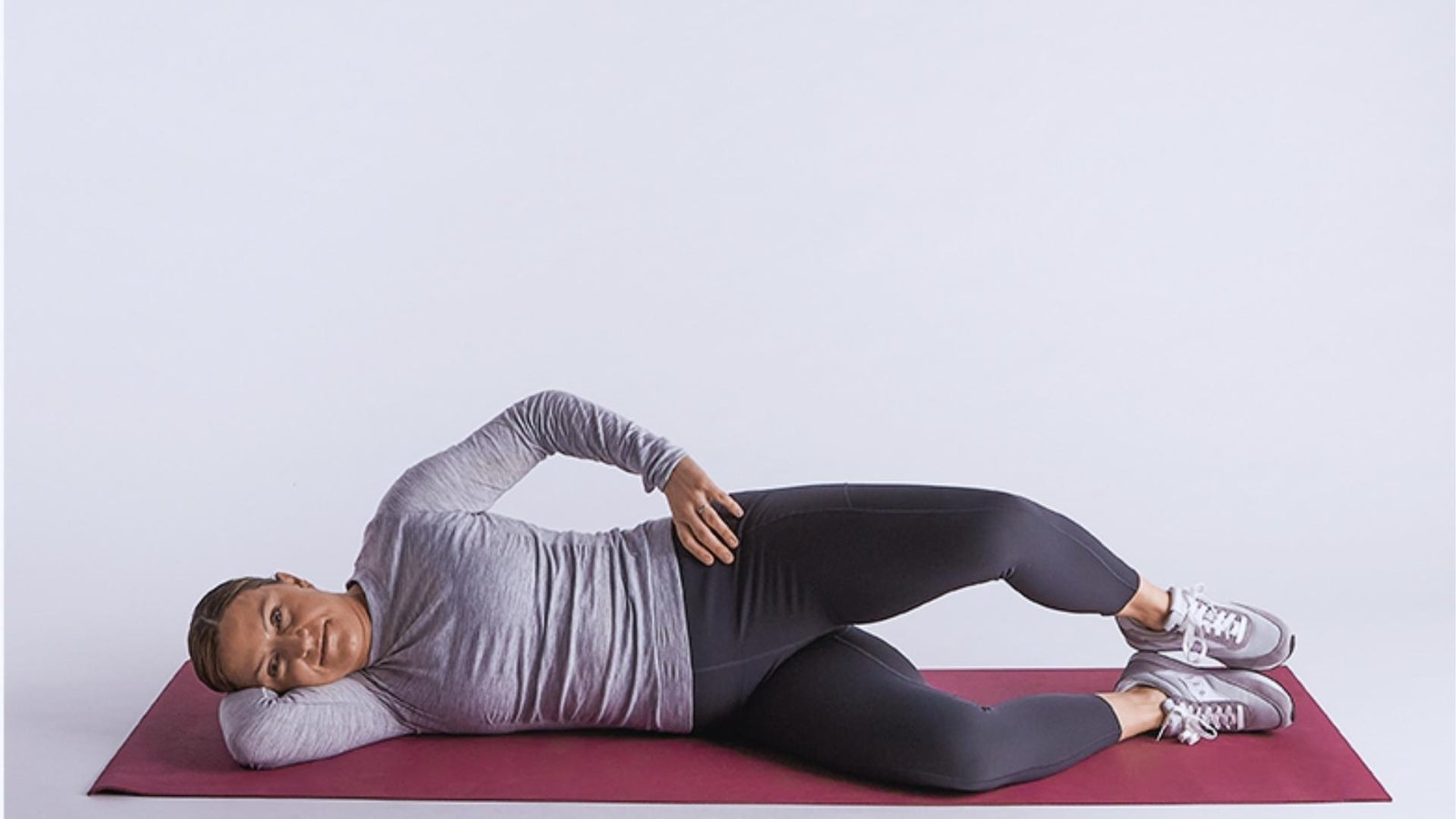
Lie on your side with your hips and knees bent at about 45 degrees. Keeping your feet together, rotate your top knee upward like a clamshell opening. Hold for a second at the top, then bring it back down.
Clamshells activate the gluteus medius, a muscle on the side of your hip that helps stabilize the pelvis and keep the knee tracking straight during walking, running, and climbing stairs.
A resistance band around the thighs makes this harder.
10. Calf Raises

Stand behind a chair for support. Rise up onto your toes, hold for a second, then lower slowly.
Calf raises strengthen the lower leg, which supports the ankle and knee during all types of movement.
They are easy on the knee joint and can be done almost anywhere. Doing them on one leg at a time adds more intensity when you are ready.
11. Assisted Split Squat

Stand in a staggered stance with one foot forward and one foot back.
Hold onto a wall or chair for support. Bend both knees and lower your back knee toward the floor, then press back up.
This builds single-leg strength and hip stability without the balance demands of a full lunge. Keep your front knee tracking over your toes and avoid letting it collapse inward.
How to Choose the Right Leg Workout for Bad Knees
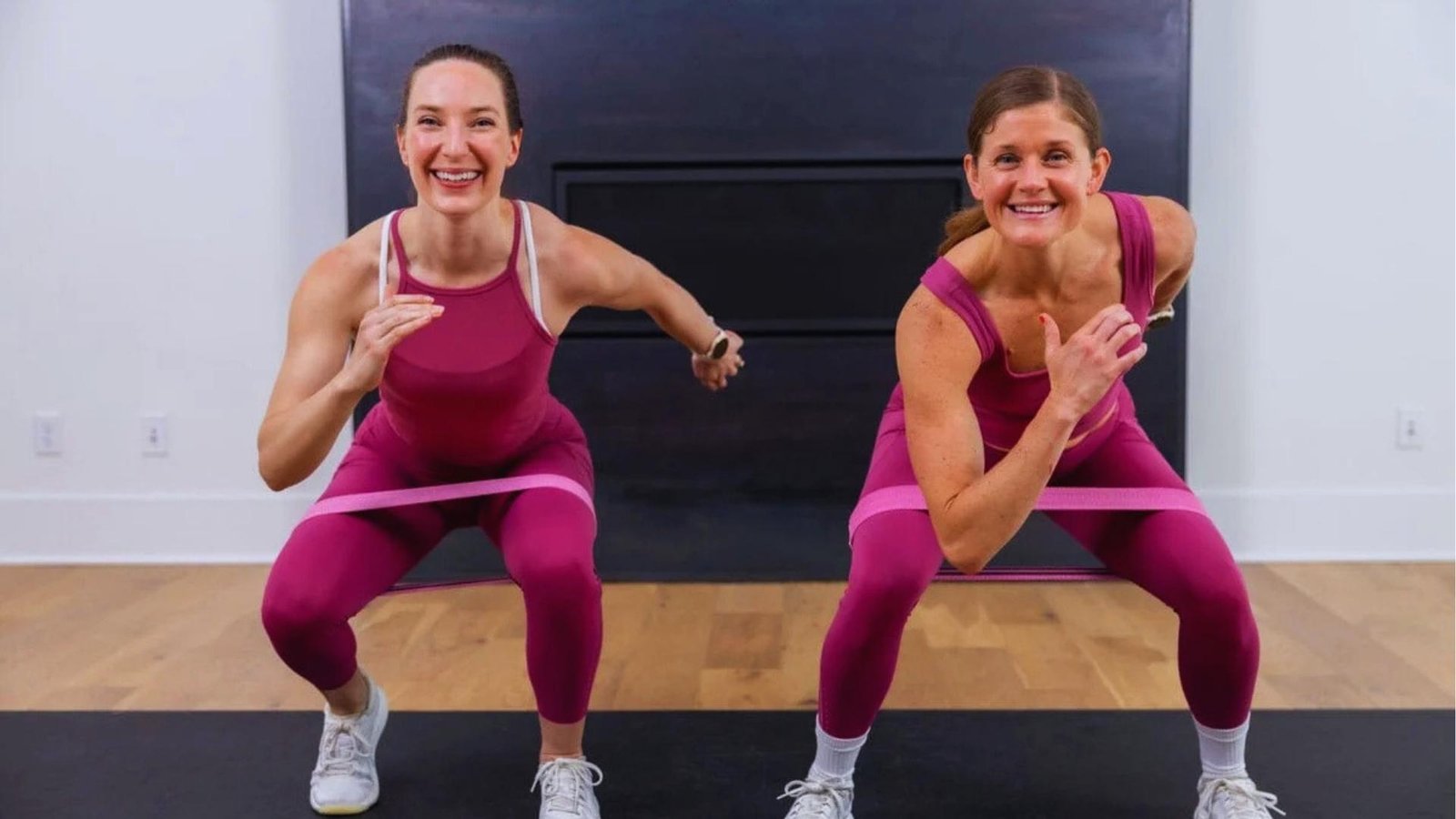
Not every exercise in this list will suit every person. Choosing the right movements depends on your current fitness level, the specific cause of your knee pain, and where you plan to work out.
Exercises for Beginners
If you are just starting out or dealing with significant pain, begin with seated knee extensions, glute bridges, and clamshells.
These require no equipment, put minimal stress on the knee, and are easy to learn.
Once you can do two to three sets of twelve reps with good form and no pain, you can start adding other movements from the list.
Best Options for Knee Arthritis
For knee arthritis specifically, low-impact exercises that avoid deep knee bends work best. Wall sits, glute bridges, seated knee extensions, and calf raises are all strong choices.
They keep the joint moving without grinding the cartilage. Staying consistent matters more than working hard.
Even three short sessions per week can lead to meaningful improvement over a few months.
When to Progress to More Challenging Exercises
You are ready to progress when your current routine feels manageable, your pain has decreased, and your form is solid.
Follow the principle of progressive overload and add one new exercise at a time.
Increase reps or sets before adding resistance.
A good rule of thumb is the two-day rule: if you still feel significant soreness or pain two days after a workout, you move forward too fast.
Home Workouts vs. Gym Exercises
Most exercises in this list can be done at home with no equipment. A chair, a wall, and a mat are all you need to get started.
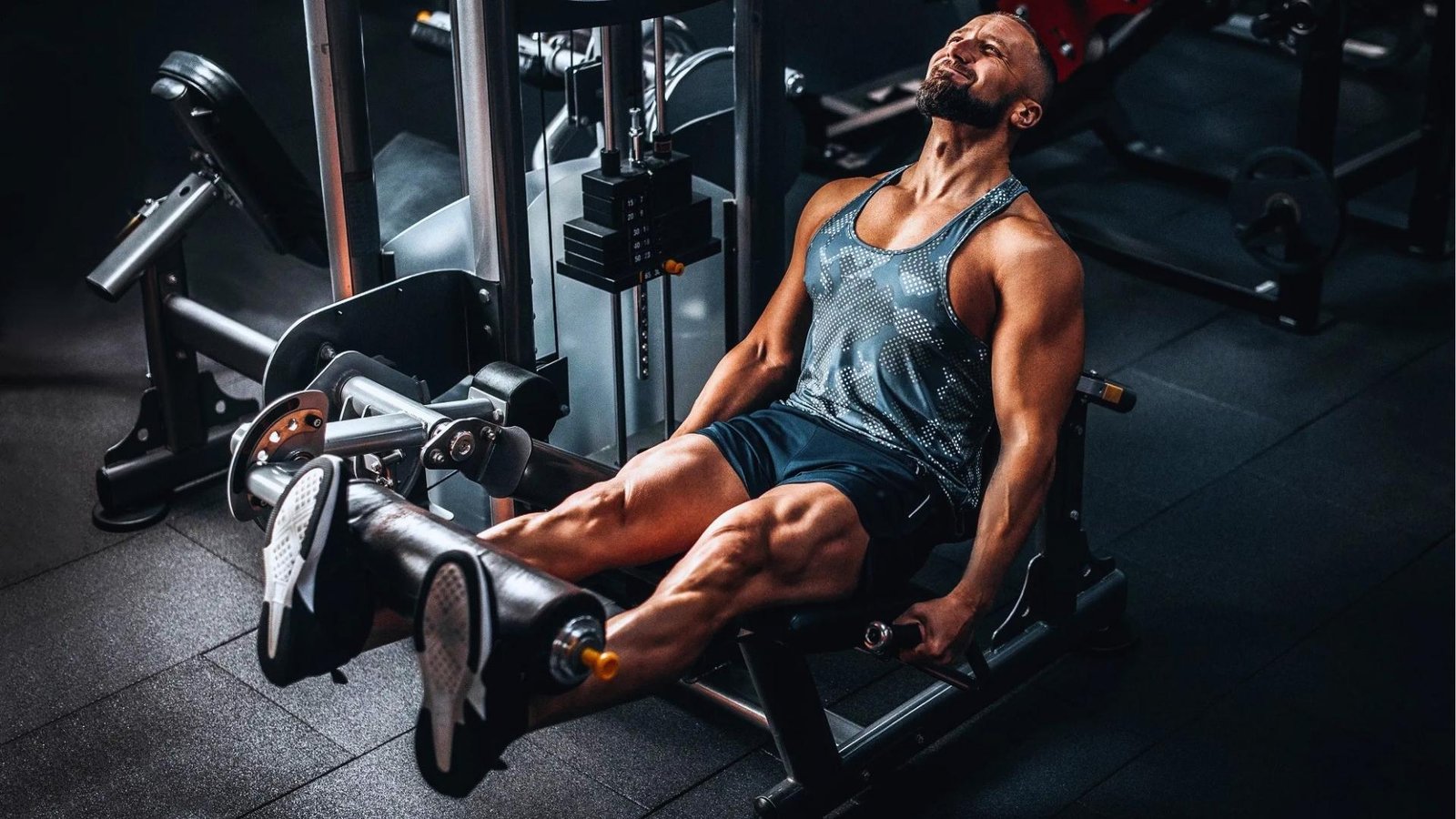
The gym offers access to machines like the leg press, which provides a stable, guided range of motion that is great for building strength safely when knees are sensitive.
Neither option is better than the other. What matters most is consistency, and that means choosing the setting where you are most likely to actually show up.
Common Mistakes That Can Make Knee Pain Worse
Even the best exercises can cause problems when done the wrong way. These are the mistakes that most often set people back.
Using Poor Exercise Form
Letting the knees cave inward, leaning too far forward, or using momentum instead of muscle control are all form errors that increase knee stress.
Valgus collapse during exercises like sit-to-stands or step-ups is one of the most common culprits. Slow down and focus on quality over quantity.
Watching yourself in a mirror or recording a short video can help you spot problems you might not feel in the moment.
Increasing Intensity Too Quickly
Adding too much weight or too many reps too soon is a very common mistake. The knee joint and surrounding tendons need time to adapt, even when the muscles feel ready.
A good pace is increasing volume or resistance by no more than ten percent per week. Patience here leads to faster long-term progress.
Skipping Warm-Ups and Recovery
Cold muscles and stiff joints are more prone to irritation. Always spend five to ten minutes warming up before your workout.
On rest days, gentle movement like walking or stretching keeps circulation going and helps reduce stiffness. Ice applied for fifteen minutes after a workout can help if your knees feel inflamed.
Ignoring Pain During Workouts
Muscle fatigue is normal. Joint pain is not. If you feel sharp, stabbing, or worsening pain in the knee during an exercise, stop immediately.
Pushing through joint pain can turn a minor issue into a serious one. Modify the movement, reduce the range of motion, or swap it for a gentler option until the pain settles.
Tips for Better Results With a Leg Workout for Bad Knees
Getting stronger with knee pain takes consistency and a few smart habits. These tips help you get more out of every session.
- Move slowly and with control during every rep. Taking two to three seconds on the eccentric phase, meaning the lowering part, and two seconds on the way back up keeps tension on the muscle and reduces joint impact.
- Strengthen your hips and core alongside your legs. Weak hips, especially the gluteus medius, and a weak core shift extra stress onto the knees during movement.
- Add volume before adding resistance. Increase reps or sets first, then gradually add weight to avoid overloading the knee joint.
- Log your workouts each session. Tracking what you did helps you spot patterns in how your knees respond and keeps progress steady.
- Rest, sleep, and eat enough protein between sessions. Recovery is when the muscles and joints actually repair and get stronger.
Conclusion
Knee pain does not have to keep you from building strong legs. The right leg workout for bad knees focuses on the muscles around the joint, reduces unnecessary stress, and builds up gradually over time.
Start with the gentler exercises, focus on form, and be patient with your progress. Small steps taken consistently add up to real results.
If this guide helped you, feel free to share it with someone who could use it or drop a comment below with your experience.
For more workouts built around pain-free movement, check out the related articles on this site.
Frequently Asked Questions
Can I do leg workouts with bad knees every day?
No. Rest days are important. Training legs two to three times per week gives your knees and muscles enough time to recover and adapt properly.
Should I wear a knee brace during these exercises?
A brace can help with stability for some people, but it is not always needed. Check with your doctor or physical therapist for advice specific to your condition.
How long before I notice improvement in knee pain from exercise?
Most people notice some improvement within four to six weeks of consistent training. Full results often take three to six months depending on the cause.
Are resistance bands safe to use for knee pain exercises?
Yes. Resistance bands are low-impact and work well for hip and glute exercises that support the knee. Start with a light band and increase tension gradually.
Is cycling a good option alongside these exercises?
Yes. Stationary cycling is low-impact, keeps the knee moving through a controlled range, and pairs well with strengthening exercises for overall knee health.