
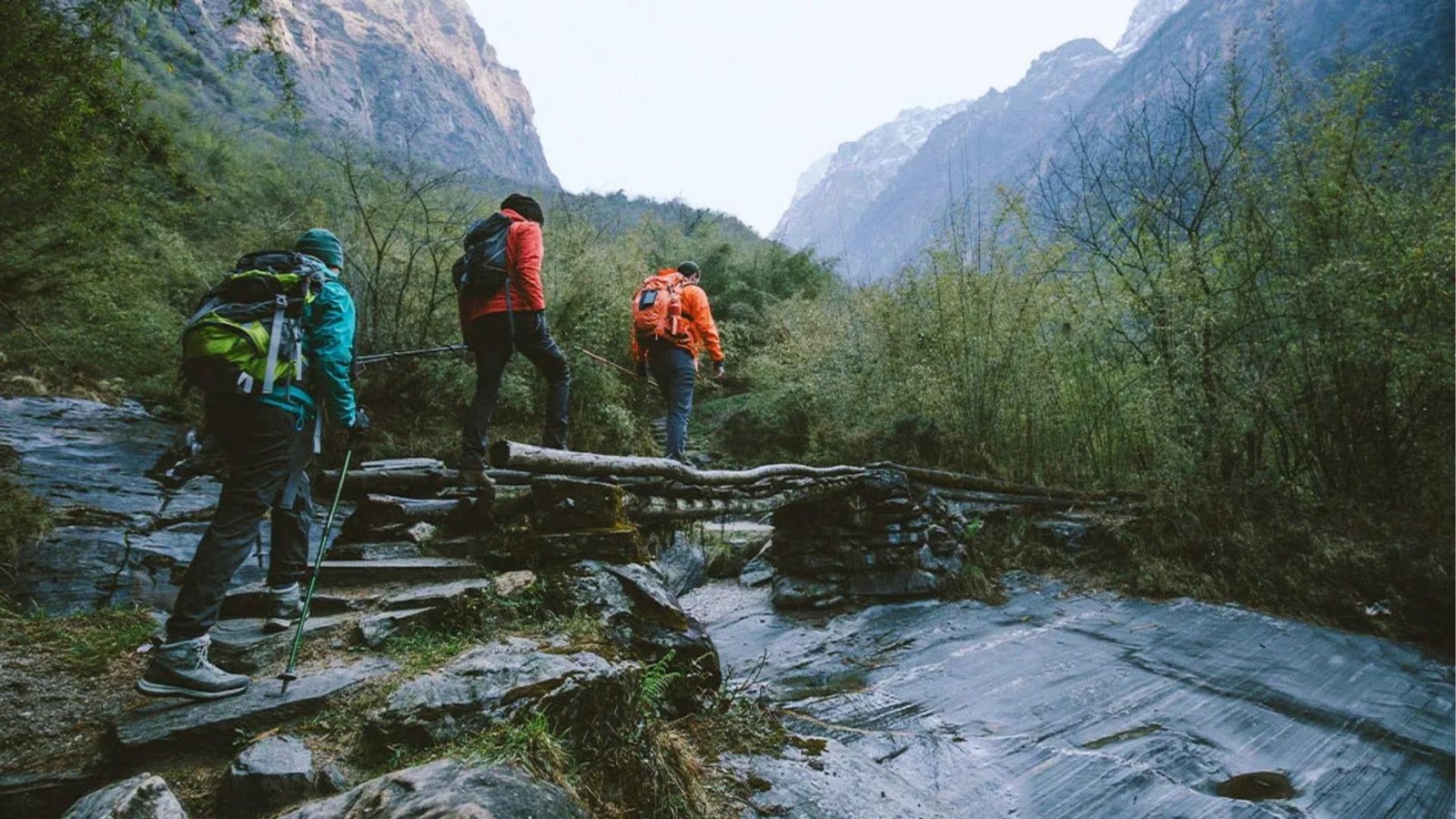
Getting ready for a hike takes more than just lacing up your boots and heading out the door.
Many hikers show up underprepared and end up struggling on the trail, dealing with sore legs, heavy fatigue, and a higher risk of injury.
A solid hiking training plan helps you build the strength and stamina your body needs to actually enjoy your time on the trail rather than just survive it.
Whether you are preparing for a short day hike or a demanding multi-day backpacking trip, the right preparation makes a real difference in how you feel from start to finish.
This article covers everything from beginner workouts to advanced loaded hikes, so you can train smart, stay consistent, and step onto any trail feeling strong and fully ready.
Understanding the Basics of a Hiking Training Plan

Before you start training, it helps to understand what your body actually needs for hiking.
Hiking is a full-body activity that challenges your legs, lungs, core, and mental focus, so a good hiking training plan prepares all of these systems together.
Without preparation, your muscles, joints, and cardiovascular system struggle to handle climbing, descending, and carrying weight over long distances.
When you train consistently, your body uses oxygen more efficiently, your legs grow stronger, and your joints become more stable.
Your connective tissue, meaning tendons and ligaments, adapts more slowly than muscle, so giving your body enough time is important.
A well-rounded plan covers three key areas:cardiovascular endurance, muscular strength, and mobility.
Not every hiker has the same goal, so think about your total distance, elevation gain, terrain, and pack weight when choosing your plan.
Short day hikes may need four to six weeks, while multi-day backpacking trips often require ten to twelve weeks of structured preparation.
8 to 12 Week Hiking Training Plan
A structured eight to twelve week plan gives your body enough time to build fitness gradually without overdoing it early on. The plan is broken into phases, each building on the last.
Weeks 1 to 4: Build Strength and Aerobic Fitness

The first four weeks are about laying a foundation. Your body needs time to adapt, so keep the intensity moderate and focus on consistency.
During this phase, aim for three to four training days per week. Include two strength sessions focused on lower body and core, and two cardio sessions like brisk walking, cycling, or stair climbing.
Start with bodyweight exercises and shorter cardio sessions of 30 to 45 minutes. Focus on good form rather than heavy weights or high intensity. This phase builds the base your later training depends on.
Weeks 5 to 8: Increase Endurance and Training Volume

Once your body has adjusted, it is time to push a little harder. In weeks five through eight, increase your cardio duration and start adding light pack weight on some workouts.
Add one longer session per week, like a 60 to 90 minute hike or walk with a light backpack. Increase strength training intensity by adding resistance, such as dumbbells or a loaded pack.
This phase is where your endurance really starts to grow. You should begin to notice that longer efforts feel more manageable.
Weeks 9 to 12: Peak with Loaded Hikes and Taper
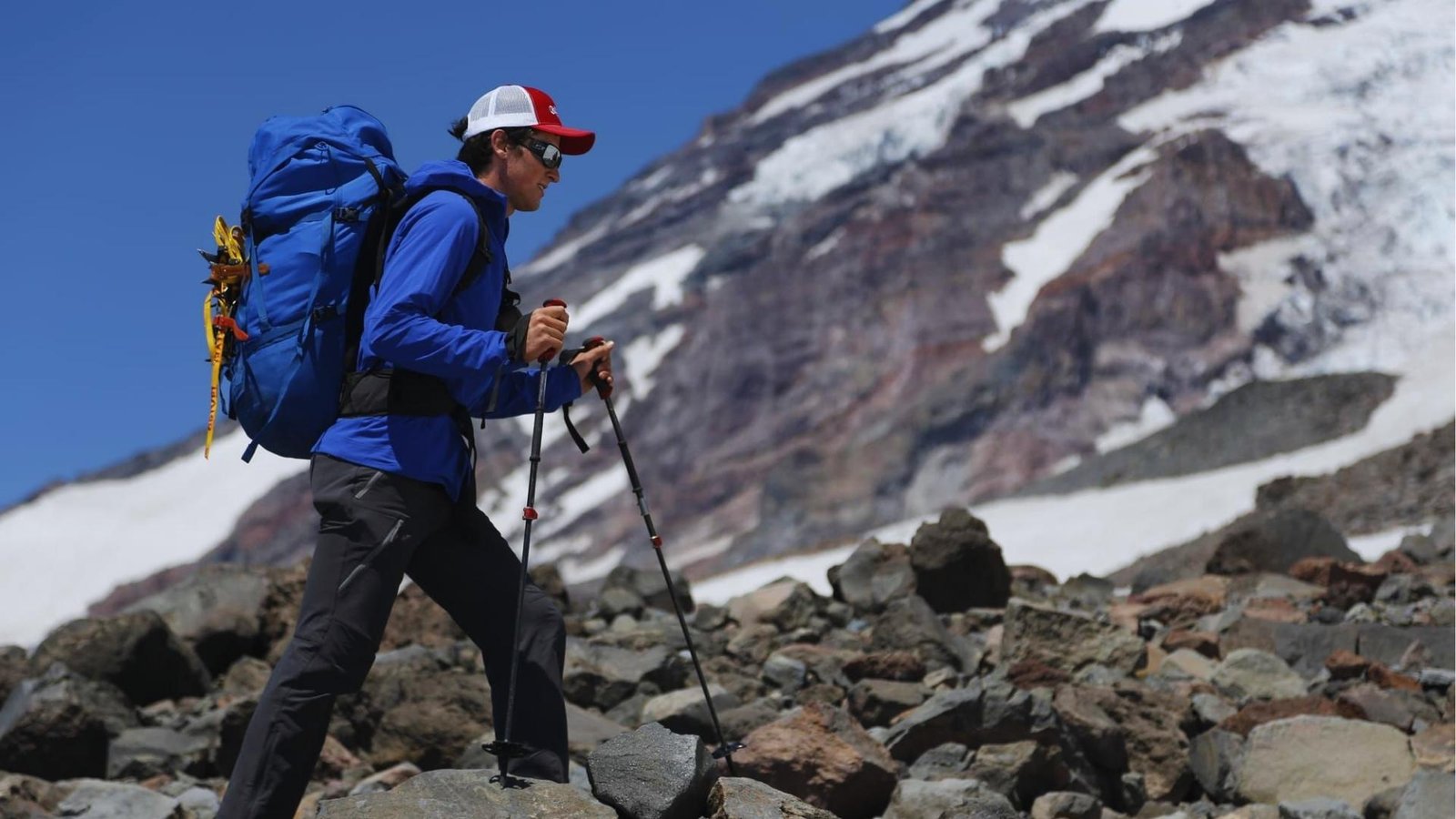
The final phase simulates real hiking conditions as closely as possible. Increase the weight in your pack gradually and focus on longer hikes on varied terrain.
Include at least one shakedown hike during this phase so you can test your gear and check your fitness together before the real thing.
During weeks nine and ten, aim for at least one long loaded hike per week, ideally on hills or trails. Keep strength training in your routine but reduce the number of sessions slightly to allow recovery.
In weeks eleven and twelve, begin to taper. This means reducing your training volume while keeping some intensity.
Tapering lets your body recover and arrive at your hike feeling fresh rather than worn down.
Sample Weekly Hiking Training Schedule
Here is a simple weekly structure you can follow during the middle phase of your plan.
- Monday: Lower body strength training (45 minutes)
- Tuesday: Cardio session, brisk walk or stair climb (45 to 60 minutes)
- Wednesday: Rest or light stretching
- Thursday: Core and balance training (30 minutes)
- Friday: Loaded walk or short hike (60 minutes)
- Saturday: Long hike or extended cardio (90 minutes or more)
- Sunday: Full rest or gentle mobility work
Adjust the days based on your schedule, but try to keep rest days between your harder sessions.
Workouts for Hiking Strength and Endurance
Specific exercises make a huge difference in how your body handles the demands of hiking. Focus on movements that mimic what you actually do on the trail.
Lower Body Exercises for Uphill and Downhill Hiking

Your legs do most of the work on the trail, so building strong quads, hamstrings, glutes, and calves is a priority. Step-ups, squats, lunges, and reverse lunges are the best moves for hikers.
Step-ups are especially useful because they closely match the repetitive stepping motion you face on uneven terrain.
Reverse lunges specifically train the quad deceleration pattern you need on steep descents.
For an added power boost, jump squats build explosive strength in your lower legs that helps you clear obstacles and handle rough footing.
Add calf raises for ankle stability on rocky ground. Aim for two to three sets of ten to fifteen reps, two to three times per week.
Core Training for Stability and Pack Support

A strong core keeps your posture upright and reduces lower back pain when carrying a pack.
Planks, dead bugs, and bird dogs are all great options that train stability without heavy equipment. Farmer carries with a loaded bag closely mimic real hiking demands.
Keep core sessions short, around 15 to 20 minutes, and focus on controlled movement over speed.
Cardio Workouts to Improve Hiking Endurance

The best cardio for hikers mimics the steady, moderate effort of a long day on the trail. Brisk walking with hills, stair climbing, and cycling all build aerobic fitness effectively.
If you have no trails nearby, incline treadmill walking is one of the best substitutes and directly trains your body for elevation gain.
Most of your cardio should stay in zone 2, a pace where you can still hold a conversation. Gradually build from 30 to 45 minutes in week one up to 90 minutes or more by week ten.
Balance and Mobility Exercises for Trail Confidence

Balance and mobility work pays off on uneven, technical terrain where one misstep can cause a rolled ankle.
Single-leg stands, lateral band walks, hip flexor stretches, and ankle circles are simple but effective. Hip strength also protects your knees.
Many hikers deal with knee soreness on long descents, and weak hips are often the root cause. Strengthening your glutes keeps your knees tracking properly and reduces that wear over time.
These exercises stabilize your knees, loosen tight hips, and keep your lower legs flexible. Spend 10 to 15 minutes on this work after strength sessions or on rest days.
How to Customize Your Hiking Training Plan

Every hiker is different. Your plan should reflect your current fitness level, your target hike, and how much time you have to train each week.
Training for Day Hikes vs Multi-Day Backpacking
Day hikes and multi-day backpacking trips have very different demands on your body.
A day hike lasting four to eight hours with a light pack needs four to six weeks of focused aerobic and strength training.
Backpacking trips that stretch across several days with a thirty to fifty pound pack require ten to twelve weeks of preparation.
Include at least a few overnight shakedown hikes before your main backpacking trip to test your fitness and gear together.
Beginner, Intermediate, and Advanced Progressions
Beginners should start with three training days per week using bodyweight exercises and short cardio sessions, progressing slowly based on how they feel.
Intermediate hikers can train four to five days per week and start adding pack weight earlier in the plan.
Advanced hikers benefit most from training that closely matches the specific demands of their target hike, with five to six sessions per week.
No matter your level, take an extra rest day whenever your body asks for one.
How to Train with a Weighted Backpack Safely
Rucking, or hiking with a weighted pack, is one of the most effective ways to prepare for carrying a load on the trail.
Start with five to ten percent of your body weight and focus on good posture throughout. After two weeks, add two to five pounds if the current weight feels comfortable.
Never carry more than one-third of your body weight in training, and always use a fitted pack with a hip belt to protect your shoulders and back.
A well-fitted hip belt transfers most of the load off your shoulders and onto your hips, which is where it belongs.
Adjusting Your Plan for Elevation and Long-Distance Hikes
If your hike includes significant climbing or covers a long distance, your training should reflect those specific demands.
For high-elevation hikes, prioritize uphill cardio like stair climbing and incline treadmill walking, and arrive a day or two early to acclimatize.
For long-distance hikes, add ten to fifteen minutes or about one mile per week to your longest session.
By your final training weeks, your longest session should closely match the expected duration of a full day on your target hike.
Common Hiking Training Mistakes and How to Avoid Them
Even motivated hikers make training mistakes that slow their progress or lead to injury. Knowing what to watch out for helps you stay on track.
Increasing Distance or Pack Weight Too Quickly
Progressing too fast is the most common training mistake hikers make. Your muscles adapt quickly, but your tendons, ligaments, and joints need more time to catch up.
Follow the ten percent rule and increase your total weekly training volume by no more than ten percent from one week to the next.
If you feel persistent soreness or joint pain, back off for a few days before pushing forward again.
Neglecting Recovery and Mobility
Training breaks your body down, and recovery is what builds it back up stronger.
Build at least one to two full rest days into your weekly plan and use easier days for light walking, stretching, or foam rolling.
Sleep is the most powerful recovery tool available, so aim for seven to nine hours per night throughout your training period.
Skipping Strength Training
Many hikers focus only on cardio and skip strength work entirely, which is a mistake.
Cardio builds aerobic capacity, but it does not develop the leg and core strength needed for steep climbs, heavy packs, and long descents.
Two to three strength sessions per week, even just 30 to 40 minutes each, protect your joints and improve trail performance significantly.
Do not trade weights for more miles because both matter equally.
Training Without Testing Your Hiking Gear
Your gear should be tested well before your hike, not for the first time on the trail itself.
Unbroken boots cause blisters, poorly fitted packs cause shoulder pain, and new socks can create hot spots over long distances.
Use your training sessions to wear the exact boots, socks, and pack you plan to bring. This gives you time to identify problems and fix them before they affect your hike.
Tips for Better Hiking Performance
Training is the foundation, but a few extra habits can take your performance to another level on the trail.
- Eat a balanced meal with carbohydrates and protein one to two hours before longer sessions, and take in calories from trail mix or fruit during any workout lasting more than 60 minutes.
- Drink water consistently throughout the day aiming for about half an ounce per pound of body weight, and increase intake on hot days or during hard sessions.
- Log every session by tracking distance, elevation, pack weight, and how your body felt, then compare notes weekly to spot progress and adjust your plan early.
- Stretch your hips, hamstrings, calves, and lower back after every workout, foam roll before bed, and eat a protein and carbohydrate meal within 30 to 60 minutes of finishing a session.
- In your final two weeks, cut training volume by thirty to forty percent, keep some intensity, do a full gear check, and go into your hike feeling rested and ready.
Conclusion
A solid hiking training plan makes every step on the trail feel more manageable.
By building strength, endurance, and mobility over eight to twelve weeks, you give your body what it needs to handle any terrain.
Do not wait until the week before your hike to start preparing. Start now, follow a plan, and track your progress along the way.
The work you put in before the trail will pay off every time you reach a summit or finish a long day on your feet.
Share this article with a fellow hiker or drop a comment below with your training questions.
Frequently Asked Questions
How many days a week should I train for hiking?
Most hikers do well training three to five days per week, depending on fitness level and how close the hike is.
Can I train for hiking indoors if I have no trails nearby?
Yes, incline treadmill walking, stair machines, and gym strength sessions are effective substitutes for outdoor trail training.
Is yoga helpful for hikers?
Yes, yoga builds flexibility, core strength, and balance, all of which support better performance and injury prevention on the trail.
How do I know if my pack weight is too heavy during training?
If your posture breaks down or you feel joint pain during a loaded hike, the weight is likely too much for your current fitness level.
Should I train differently for a hot weather hike vs a cold weather hike?
Yes, for hot hikes practice training in warm conditions and focus on hydration. For cold hikes, layer appropriately and train your body to perform in cooler temperatures.