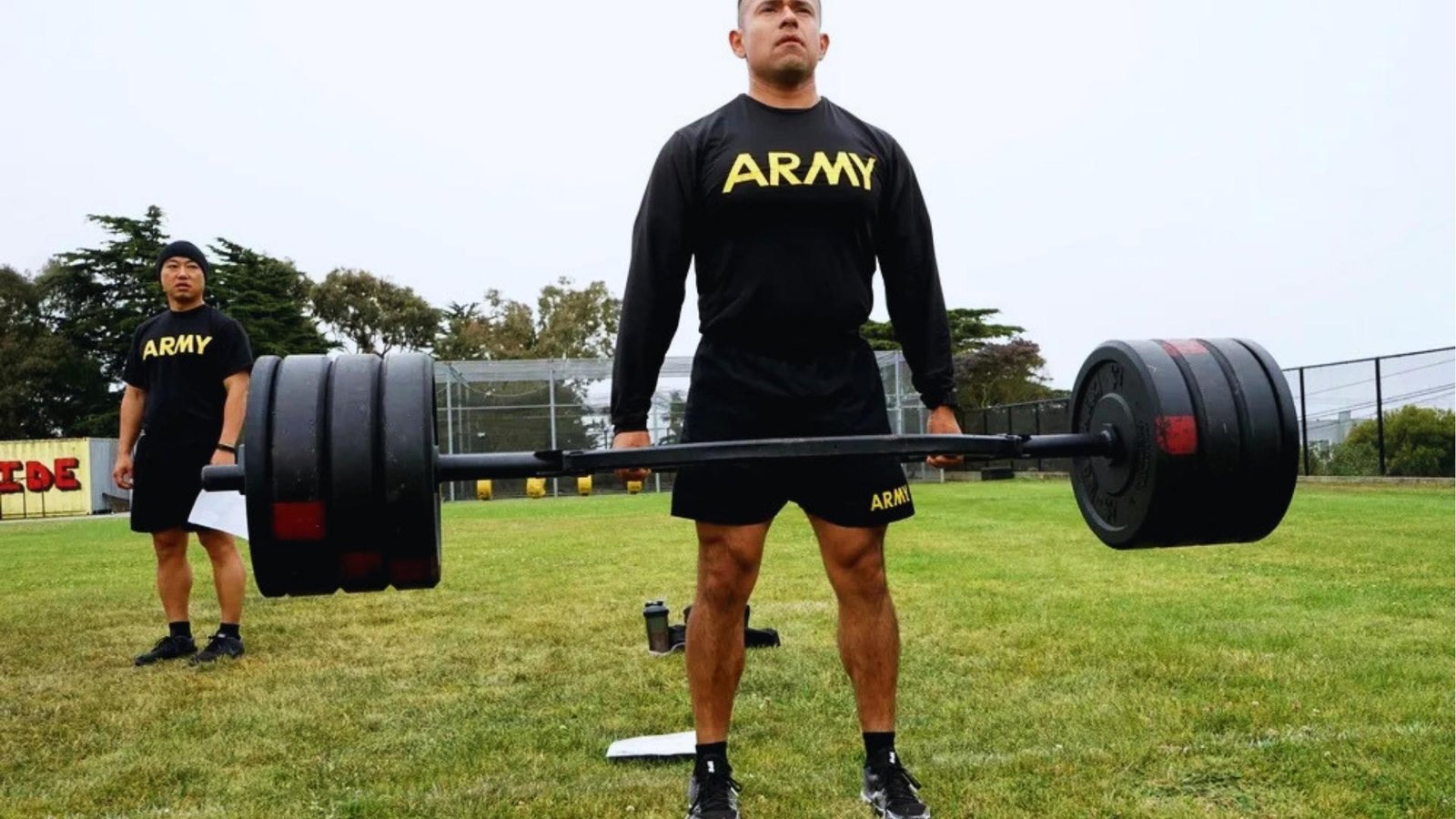
Most people who want to join special operations don't fail because they lack heart. They fail because they didn't prepare the right way.
A poorly structured training plan leaves gaps in strength, endurance, or recovery and selection will find every one of them.
This guide covers a full special forces workout plan, from daily training sessions to long-term progression timelines.
You'll learn what standards to hit, how to build real work capacity, and how to avoid the mistakes that knock people out before they even start.
The training concepts here are based on methods used by serious candidates who make it through. If you follow this plan with consistency, you'll be in a much stronger position come selection day.
Understanding the Special Forces Workout Plan

A special forces workout plan is not just about getting fit. It's about building a body and mind that keeps working when everything hurts.
Regular fitness programs focus on one thing at a time, but special forces training combines strength, cardio, and mobility under real stress.
You'll lift heavy and then run. You'll run and then ruck. The fatigue builds on purpose because selection tests you when you're already broken down.
Candidates need an aerobic base, muscular endurance, loaded carry capacity, raw strength, and mental resilience.
Whether you're targeting SFAS for the Green Berets, BUD/S for Navy SEALs, or RASP for Army Rangers, the core demands are the same.
Think of yourself as a tactical athlete. That framing matters because it shapes every training decision you make.
No single quality covers for a weak one. This guide works best for candidates 4 to 12 months out with a solid fitness baseline already in place.
Special Forces Fitness Standards and Selection Benchmarks

Before you train, know what you're training toward. These numbers give you a target. They aren't official cutoffs, but they represent the level where candidates tend to perform well.
Strength Standards to Aim For
- Deadlift: 1.75x bodyweight
- Back squat: 1.5x bodyweight
- Bench press: 1.25x bodyweight
- Overhead press: 0.85x bodyweight
- Weighted pull-ups: 10 reps with 25 lbs added
These numbers matter because selection events often require explosive, load-bearing strength.
SFAS and similar courses include log PT, team carries, and water can events where the weight is the same for everyone regardless of your size.
Getting close to these benchmarks builds the base that carries you through.
Running and Rucking Performance Goals
- 2-mile run:Under 13:30
- 5-mile run: Under 40 minutes
- 12-mile ruck (45–50 lbs): Under 3 hours
Running and rucking test different systems. Running fast is skill and aerobic capacity. Rucking is about leg durability, pacing, and mental discipline. Both need dedicated work.
Calisthenics and Work Capacity Expectations
- Push-ups: 80+ in 2 minutes
- Sit-ups or flutter kicks: 80+ in 2 minutes
- Pull-ups: 15 to 20 strict reps
- Dips: 25 to 30 reps
Work capacity means doing high reps without breaking form. Train for volume, not just max effort singles.
Grip Strength and Loaded Carry Requirements
- Farmer carry: Bodyweight in each hand for 50 meters
- Dead hang: 60 seconds or more
- Sandbag carry: 100 lbs for 400 meters without stopping
Grip and carry strength often get ignored until it's too late. Ropes, obstacle courses, and team equipment events all demand it.
A candidate who can run fast but can't hold weight in both hands becomes a liability during group tasks at selection.
Complete Special Forces Workout Plan
This plan runs seven days. It builds strength, endurance, and work capacity together. Rest is built in, but it's active rest not full days off in the early phases.
Day 1: Lower Body Strength

- Warm-up:10 minutes light jog, leg swings, hip circles
- Back squat:4 sets x 5 reps (heavy)
- Romanian deadlift: 3 sets x 8 reps
- Bulgarian split squat: 3 sets x 10 reps each leg
- Box step-ups with dumbbells: 3 sets x 12 reps
- Standing calf raise: 4 sets x 15 reps
- Plank: 3 x 60 seconds
- Cool-down: 10 minutes stretching, focus on hips and hamstrings
Day 2: Upper Body Strength

- Warm-up: Band pull-aparts, shoulder circles, light rows
- Bench press: 4 sets x 5 reps
- Weighted pull-ups: 4 sets x 5 reps
- Barbell row: 3 sets x 8 reps
- Overhead press: 3 sets x 8 reps
- Dips: 3 sets x 12 reps
- Hammer curls: 3 sets x 12 reps
- Dead hang: 3 x 45 seconds
Day 3: Running and Conditioning

- 2-mile warm-up run at easy pace
- 6 x 800m intervals at 5K pace (90 seconds rest between)
- 1-mile cool-down jog
- 3 rounds: 20 push-ups, 15 sit-ups, 10 burpees (no rest between rounds)
This day builds speed and conditions the aerobic system simultaneously.
Day 4: Recovery and Mobility

- 30-minute easy walk or light swim
- Foam rolling: 15 minutes on legs, back, and shoulders
- Hip flexor stretches, pigeon pose, thoracic rotations
- 10 minutes of deep breathing or box breathing
Recovery days matter. Skipping them increases injury risk and slows progress. Non-impact cardio like swimming or cycling on this day keeps aerobic fitness ticking without pounding your legs.
Day 5: Full Body Strength and Loaded Carries
- Warm-up: 5-minute jump rope, mobility work
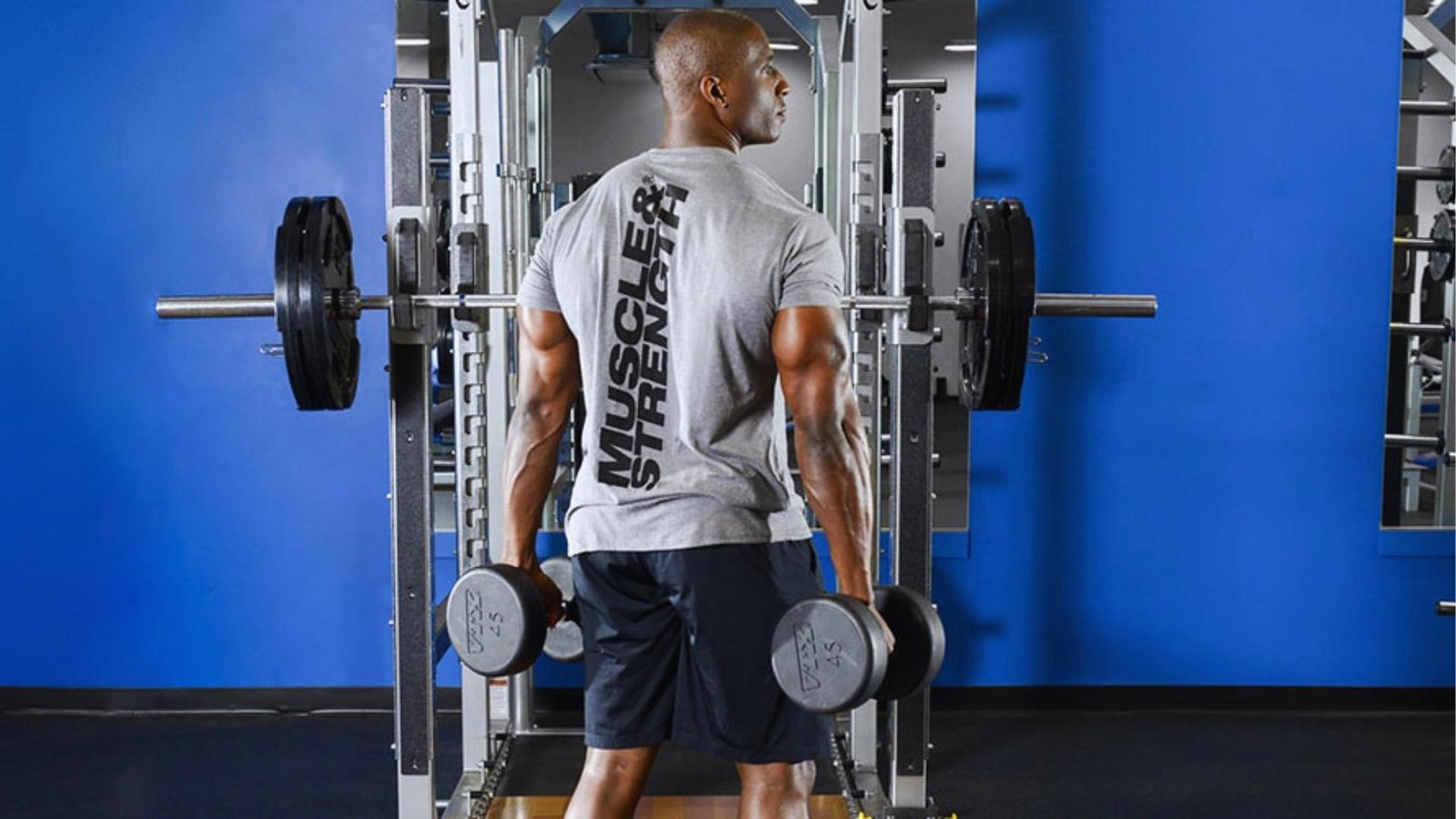
- Deadlift: 4 sets x 5 reps (heavy)
- Weighted pull-ups: 3 sets x 8 reps
- Push press: 3 sets x 6 reps
- Kettlebell swings: 4 sets x 15 reps
- Farmer carry: 4 x 50 meters (heavy dumbbells or trap bar)
- Sandbag bear hug carry: 3 x 40 meters
- Sled push or drag: 4 x 20 meters (heavy)
Day 6: Long Ruck and Endurance Training
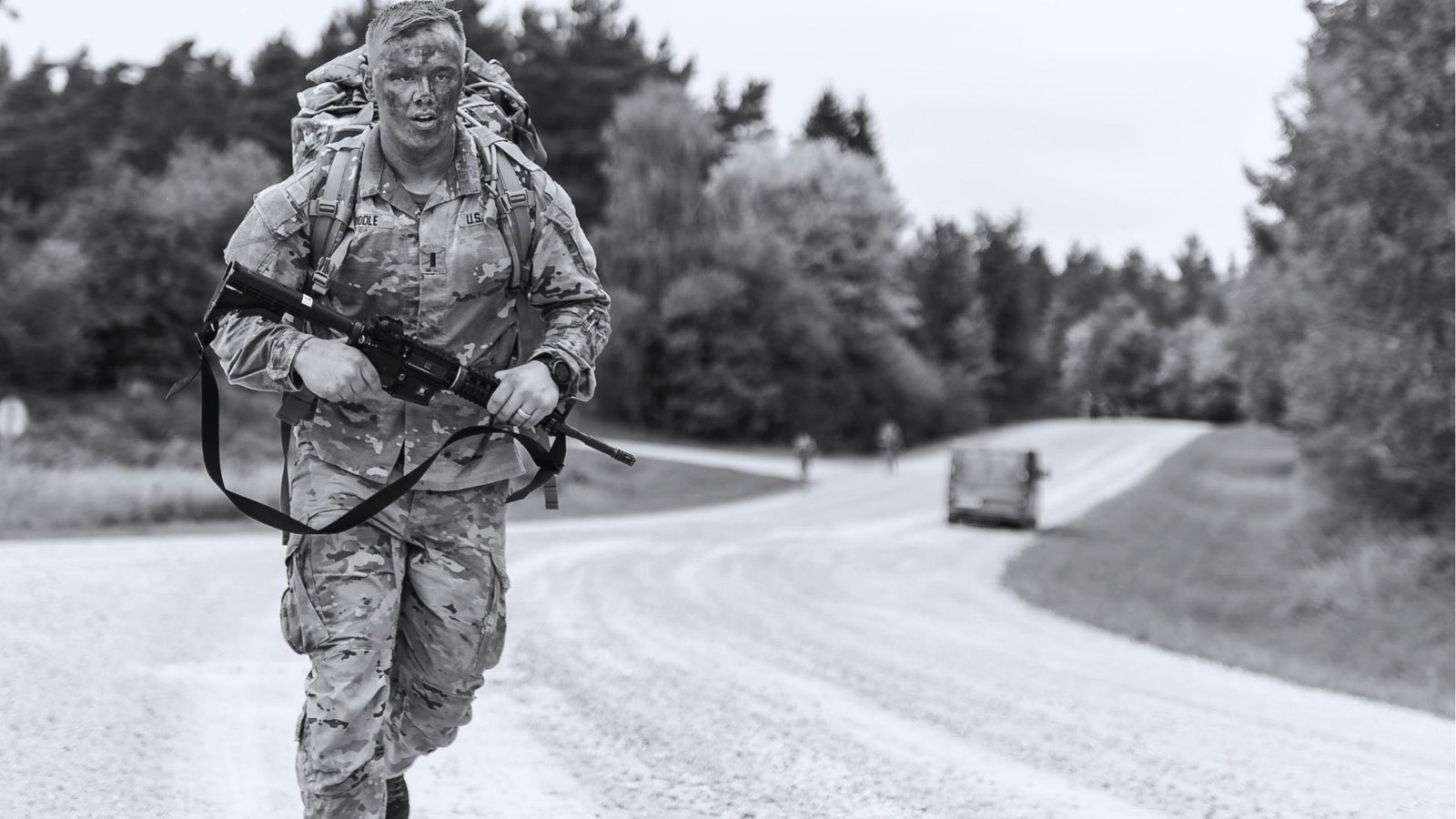
- Ruck march: 8 to 12 miles with 35 to 50 lbs
- Pace: Aim for 15 to 18 minutes per mile
- Terrain: Mix flat and hilly if possible
- After ruck: 15 minutes stretching, hydration, and a full meal
Build up distance and weight gradually. Don't jump to 50 lbs and 12 miles in week one.
Most of this effort should feel like Zone 2 work: steady, controlled, and sustainable for the full distance.
Day 7: Active Recovery or Conditioning

Two options based on where you are in your training cycle:
Option A (Active Recovery): 20 to 30 minute easy jog or swim, full-body stretch, light mobility work
Option B (Conditioning): 4 to 6 rounds of: 400m run, 15 push-ups, 10 pull-ups, 20 air squats no rest between exercises, 2 minutes rest between rounds
Choose Option B when you're in a high-volume block and Option A when your body needs more time to recover.
How to Progress Your Training for Selection
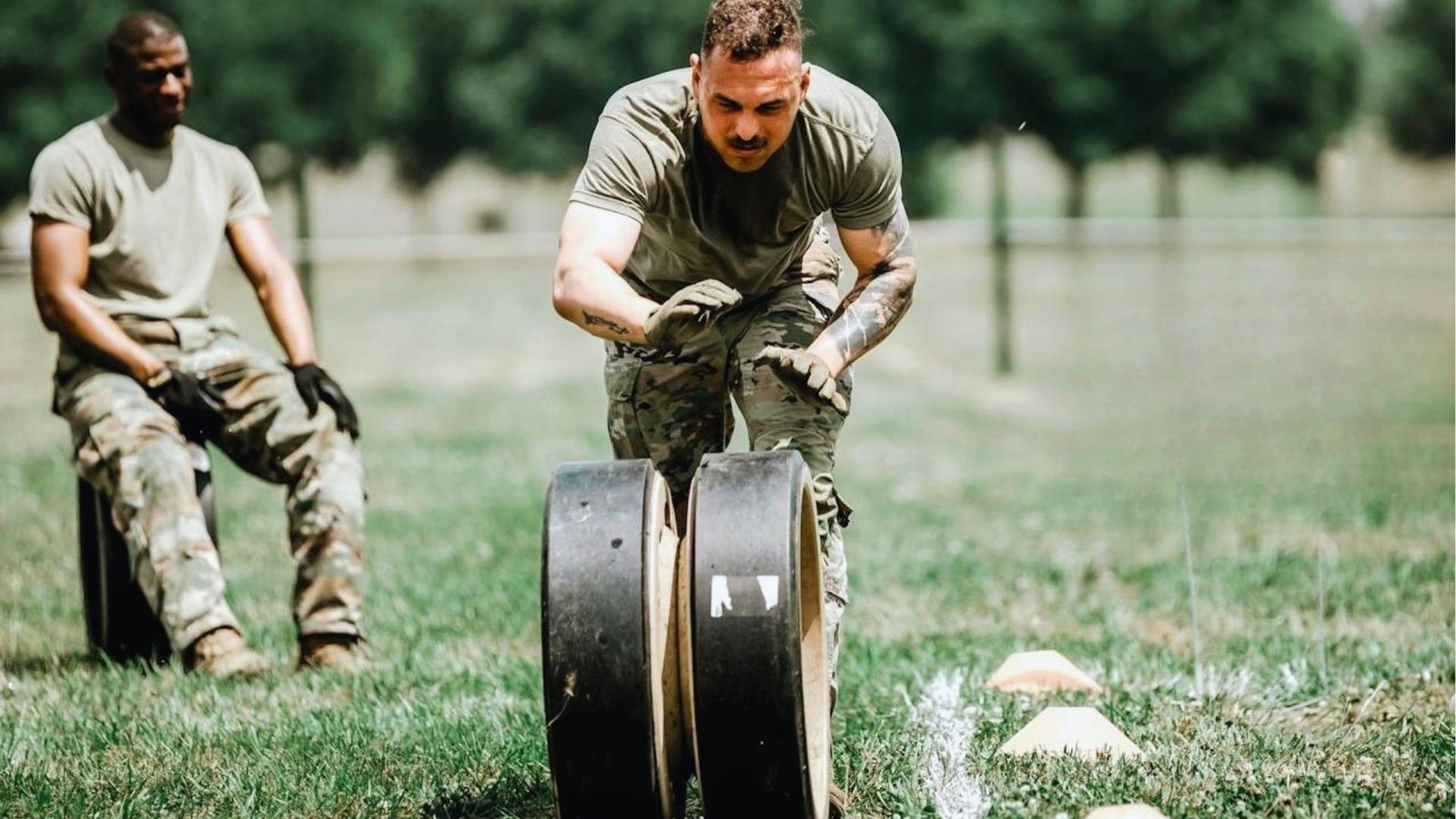
Progress isn't linear. It needs to match where you are in your timeline. Pushing too hard too early leads to injury. Holding back too long means showing up unprepared.
Training 6 Months or More Before Selection
This phase is about building the foundation. Focus on base aerobic fitness, basic strength standards, and healthy movement patterns.
- Run 3 to 4 days per week at easy to moderate effort
- Lift 3 days per week with a focus on form and consistency
- Ruck once per week at 25 to 35 lbs for 6 to 8 miles
- Keep intensity moderate volume matters more right now
This is also the right time to start tracking your training in a journal. Log your sets, reps, weights, and how you felt after each session.
Reviewing it weekly helps you catch small problems before they turn into injuries.
Don't rush this phase. Injuries here can ruin everything later.
Training 3 to 6 Months Before Selection
Add intensity and volume. Start increasing ruck weight and run mileage. Begin interval training once per week.
- Run 4 to 5 days per week, mix easy and hard efforts
- Lift 3 to 4 days per week, add weight progressively
- Ruck twice per week, one short and fast, one long and heavy
- Add loaded carries to at least two lifting sessions per week
This is also the phase where strength endurance becomes a priority. You're not just chasing a new deadlift max. You're training your body to perform under repeated load, which is exactly what selection demands.
Training 2 to 3 Months Before Selection
This is your peak training block. Volume and intensity are both high. Expect to feel beaten down during this phase, that's the point.
- Run 5 days per week, including intervals and tempo runs
- Lift 3 days per week, maintain strength without chasing new PRs
- Ruck 2 to 3 times per week up to 50 lbs and 12 miles
- Monitor sleep, nutrition, and recovery closely
Final 8 Weeks Before Selection
Shift the focus toward simulation. Practice selection-style events. Do back-to-back hard days to mimic what selection will feel like.
- Simulate a ruck followed by a run the next morning
- Do high-rep calisthenics under time pressure
- Practice staying calm and moving efficiently when tired
The goal here is confidence and readiness, not building new fitness.
Tapering During the Last 2 Weeks
Reduce volume by 30 to 40 percent in the final two weeks. Keep intensity up but cut the total amount of work. Sleep more, eat well, and focus on staying sharp.
Don't stop training. Doing nothing will make you feel flat and slow. Light, purposeful work keeps the body ready without adding more fatigue.
Common Training Mistakes
Most candidates don't fail from lack of effort. They fail from small, repeated training errors that add up over time.
Running Too Hard and Skipping Rucking
Most runs should feel easy and controlled. Constant hard running breaks down recovery faster than it builds fitness. Rucking is a completely separate skill that many candidates ignore.
If you can run well but ruck poorly, selection will expose that gap quickly.
Neglecting Sleep and Under-Fueling
Training adaptation happens during sleep, not during the workout itself. Seven to nine hours per night is not optional at this level.
High training volume also demands high calorie intake to match. Under-fueling leads to performance drops, slower recovery, and higher injury risk.
Maxing Out and Ignoring Muscle Building
Chasing new personal records in the final weeks before selection adds fatigue with no useful return. Your goal late in prep is to stay sharp, not set records.
Skipping hypertrophy work is also a mistake many candidates make. Muscle mass protects joints, absorbs impact, and gives your body reserves during the hardest stages of selection.
Expert Tips for Better Special Forces Preparation
Getting fit is one part of the process. Getting selection-ready is another. These tips help close that gap.
- Keep strength, endurance, and recovery balanced every week. A rough split of 30 percent strength, 40 percent running and rucking, and 30 percent recovery works well for most candidates.
- Use Rate of Perceived Exertion (RPE) to guide your effort on lifting days. On a scale of 1 to 10, your heavy sets should feel like an 8 or 9. Your easy days should feel like 5 or 6. Chasing maximum effort every session is a fast way to break down before you ever reach selection.
- Log every workout in a training journal. Note how you felt, what was hard, and where you stalled. Review it weekly and use it to catch small problems before they become injuries.
- Spend extra time on your weak areas but keep at least one session per week on what you're already good at. Strengths need maintenance or they fade fast.
- Know when to push and when to pull back. Persistent soreness, poor sleep, or backward performance are signs to reduce volume before something breaks down.
- Consistency wins over intensity every time. A steady moderate plan beats an aggressive one done halfway. Miss a session, move on, and don't try to make it up.
Conclusion
The special forces workout plan in this guide gives you everything you need to start building real selection readiness.
The key is to train all the qualities together with strength, endurance, and recovery and to stay consistent over time.
Start where you are, follow the progression, and don't skip the basics. Trust the process even when it feels slow.
Share this article with someone preparing for selection, or drop a comment below with your questions.
If you found this helpful, check out related content on ruck training and military fitness standards to keep building your preparation.
Frequently Asked Questions
How many calories should I eat during special forces preparation?
Most candidates need 3,000 to 4,500 calories daily, depending on body weight and training volume. Prioritize protein, complex carbs, and healthy fats.
Can I follow this plan if I work a full-time job?
Yes. Adjust session timing to mornings or evenings. Prioritize sleep and nutrition to manage fatigue from combined work and training demands.
What footwear is best for ruck training?
Use broken-in boots with ankle support for rucking. Running shoes work for cardio days. Never ruck long distances in new or untested footwear.
How important is swimming for special forces selection?
It depends on the unit. Some selections require strong swimming skills. Research your target unit and add swim training if water events are included.
Should I train through minor pain or rest?
Sharp or joint pain needs rest and assessment. Muscle soreness is normal and can be trained through carefully. When in doubt, take one extra recovery day.