
Trying to build muscle but not sure where to start? A solid bulk workout plan can make the difference between slow progress and real size gains.
This article breaks down everything you need from choosing the right training split to setting up your nutrition and recovery.
You will learn how to structure your workouts, which exercises to prioritize, and how to keep making progress over time.
Whether you are a beginner or someone who has been lifting for a while, this guide gives you a clear path forward.
The advice here is based on proven training principles that actually work in the real world.
Understanding the Basics of a Bulk Workout Plan

Before you start adding weight to the bar, it helps to understand what bulking actually means and why it works.
A bulk workout plan is a structured training program that combines resistance training with a calorie surplus to help your body grow stronger and bigger over time.
Muscle grows when you put it under stress and then allow it to recover.
Lifting weights creates small tears in your muscle fibers, and your body repairs them thicker and stronger through a process called muscle protein synthesis.
This process of muscles growing larger is known as muscular hypertrophy, and it is the main goal of every bulk workout plan.
Bulking focuses on building size and strength, while cutting focuses on losing fat.
This type of plan works best for beginners, intermediate lifters who have hit a plateau, and anyone who is lean and ready to add serious size.
Bulk Workout Plan for Maximum Muscle Growth
There is no single perfect training split. The right one depends on how many days you can train each week and how well you recover. Below are four solid options.
3-Day Full-Body Workout Plan

A 3-day full-body plan works every muscle group three times per week. You train on Monday, Wednesday, and Friday, with rest days in between.
Each session includes a squat pattern, a hinge, a push, and a pull. This setup is great for beginners because it builds a strong base without overloading recovery.
Sample session:
- Squat: 3 sets x 6-8 reps
- Romanian Deadlift: 3 sets x 8 reps
- Bench Press: 3 sets x 8 reps
- Barbell Row: 3 sets x 8 reps
- Overhead Press: 3 sets x 10 reps
You can also superset opposing movements, like pairing bench press with rows, to cut workout time by about 30 percent without losing any muscle stimulus.
4-Day Upper/Lower Workout Plan

This split divides training into upper body days and lower body days. You train four days per week, usually Monday, Tuesday, Thursday, and Friday.
Each muscle group gets trained twice a week. It offers more volume than a 3-day plan while keeping recovery manageable.
Upper day:Chest, back, shoulders, arms
Lower day: Quads, hamstrings, glutes, calves
5-Day Bodybuilding Workout Plan

A 5-day plan gives each muscle group more direct attention. You train five days and rest two. A common structure is chest, back, legs, shoulders, and arms, each on its own day.
This plan suits intermediate lifters who can recover well and want more focused work per muscle.
6-Day Push Pull Legs Workout Plan
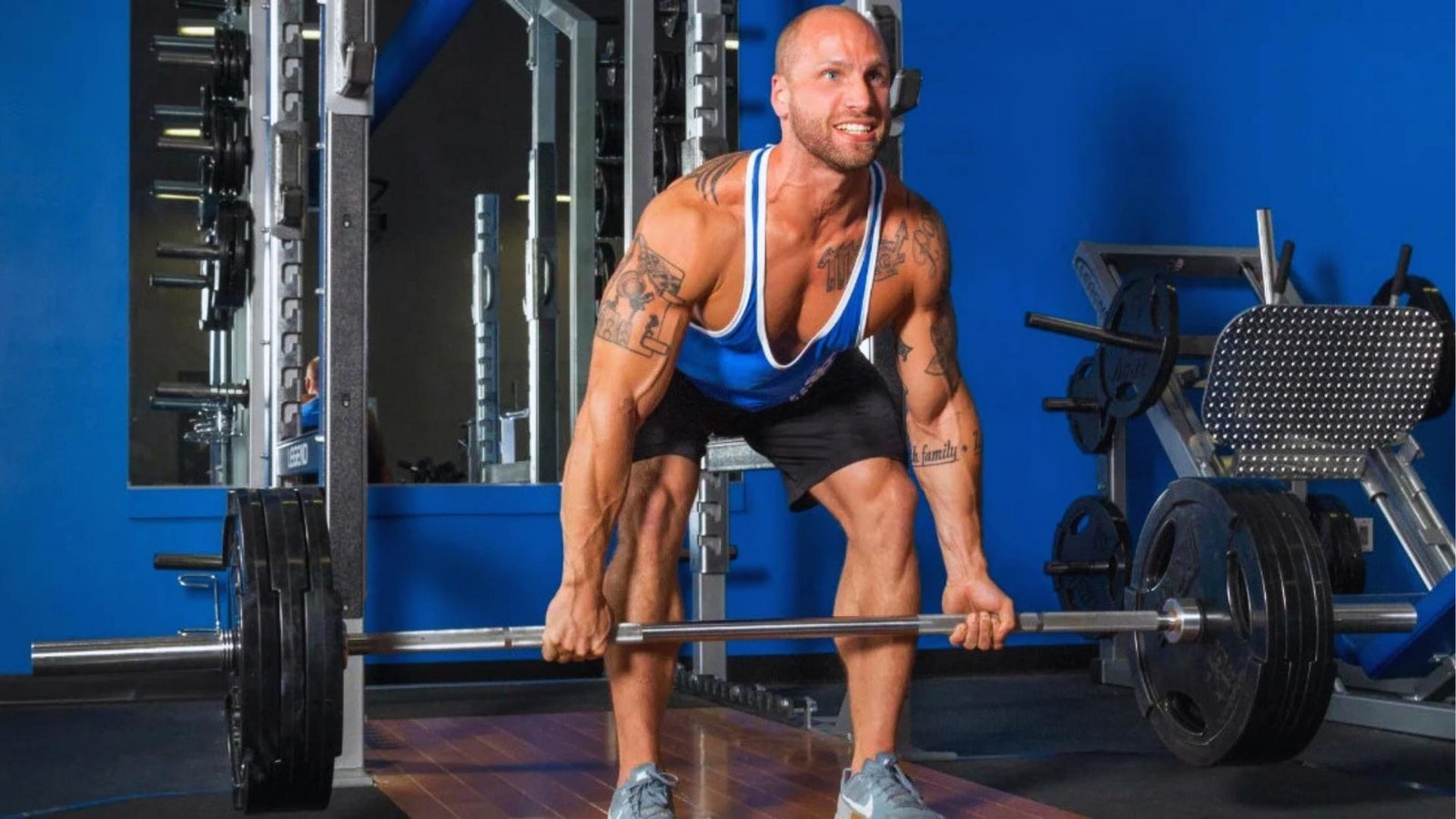
Push pull legs (PPL) is one of the most popular splits for building mass. You train six days a week and rest one. Push days cover chest, shoulders, and triceps.
Pull days cover back and biceps. Leg days cover quads, hamstrings, glutes, and calves. Each muscle group gets trained twice per week.
PPL schedule:
- Monday:Push
- Tuesday: Pull
- Wednesday: Legs
- Thursday: Push
- Friday: Pull
- Saturday: Legs
- Sunday: Rest
Weekly Sets, Reps, Rest Periods, and Intensity Guidelines

For muscle growth, aim for 10-20 sets per muscle group per week. This is the range most supported by current research on hypertrophy. Keep reps between 6 and 12 for most exercises.
Rest 90 seconds to 3 minutes between sets depending on the exercise and how heavy you are going. Train with weights that feel challenging by the last two reps but still allow good form.
A good way to gauge effort is reps in reserve (RIR) , stop a set when you have about 2–3 reps left in the tank, and push closer to your limit on isolation moves like curls and pushdowns.
Best Exercises for a Successful Bulk Workout Plan
The exercises you choose matter a lot, and always starting with a short dynamic warm-up gets your joints ready and reduces injury risk.
Compound Lifts to Build Overall Size

Compound movements work multiple muscle groups at once. They are the foundation of any bulk workout plan because they let you lift heavy and build mass fast.
Key compound lifts:
- Squat (quads, glutes, core)
- Deadlift (back, glutes, hamstrings)
- Bench press (chest, shoulders, triceps)
- Barbell row (back, biceps)
- Overhead press (shoulders, triceps)
- Pull-up or lat pulldown (back, biceps)
Start every session with compound lifts when you have the most energy.
Isolation Exercises for Complete Muscle Development

Isolation moves target one muscle at a time. They fill in the gaps that compound lifts leave behind and help balance your physique.
Good isolation options:
- Bicep curls
- Tricep pushdowns
- Lateral raises
- Leg curls
- Calf raises
- Cable flyes
Use isolation work at the end of your workout as a finisher.
Free Weights vs. Resistance Machines
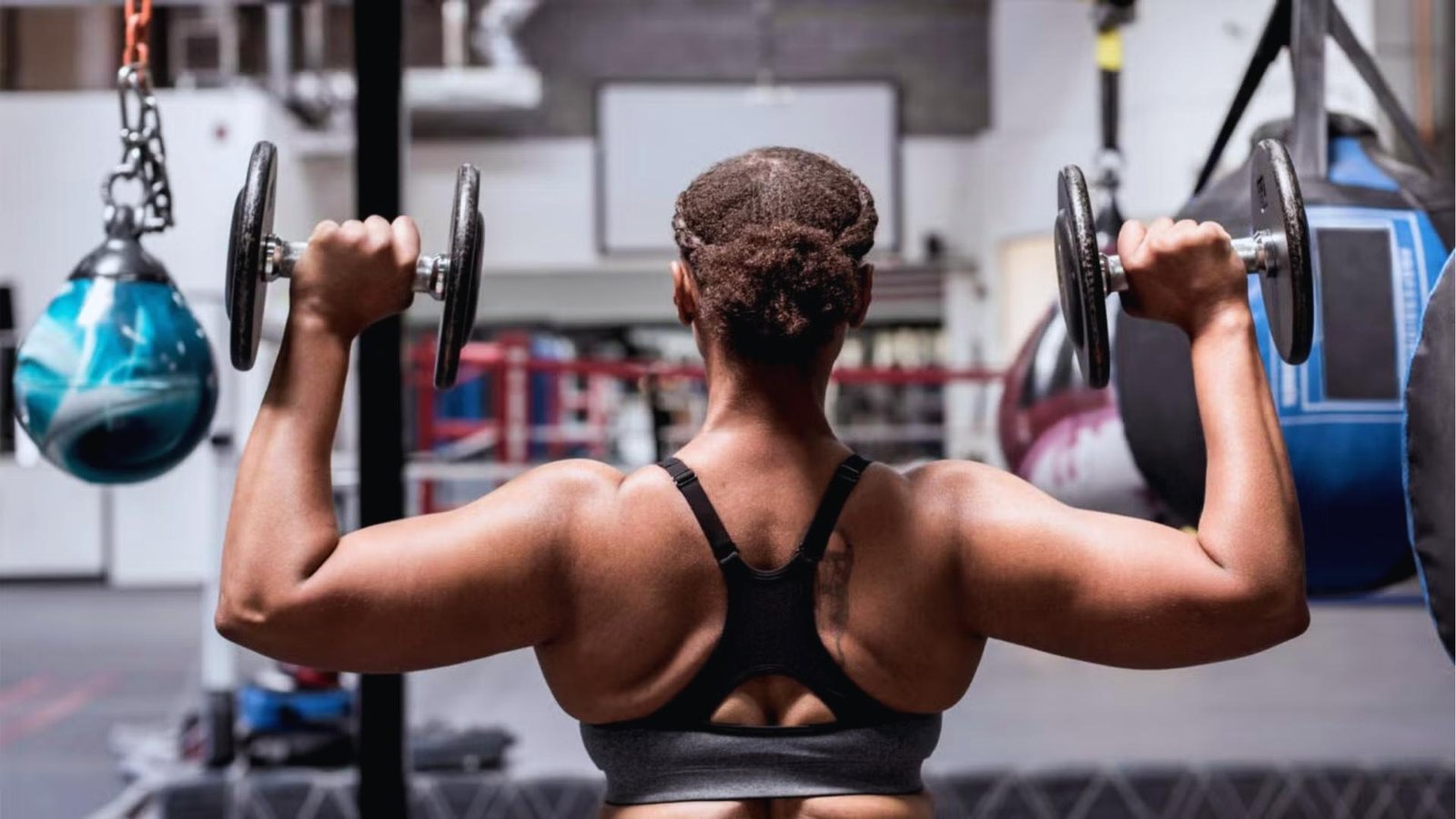
Both tools build muscle effectively. Free weights like barbells and dumbbells demand more core stability and recruit more muscles to control the movement.
Resistance machines follow a fixed path, which makes them easier to learn and great for isolating a specific muscle safely.
If you are new to lifting, machines are a smart place to start. Once your form is solid, shift to free weights for more overall stimulus.
Exercise Order for Better Performance and Recovery

Always do your heaviest compound lifts first. Follow with lighter compound work, then isolation exercises. This order lets you perform your most demanding work when you are fresh.
It also protects your joints by warming them up gradually before you load them with heavy isolation work.
Nutrition and Recovery to Support Muscle Growth

Training is only one part of the equation. What you eat and how well you recover determines how much muscle you actually build.
Calorie Surplus and Daily Protein Intake
To build muscle, you need to eat more calories than you burn. Start by finding your calorie maintenance level, which is the amount you need just to hold your current weight.
A surplus of 250 to 500 calories per day above that is a good starting point for a lean bulk. This range supports muscle growth without adding too much fat.
If you eat far above your maintenance and gain weight very fast, you are likely doing a dirty bulk, which adds more body fat along with muscle.
A steady, controlled surplus is a better long-term approach for most people.
Protein is the most important nutrient for muscle building. Aim for 0.7 to 1 gram of protein per pound of body weight each day.
Good protein sources include chicken, beef, eggs, fish, Greek yogurt, and cottage cheese.
Meal Timing Before and After Workouts
Eat a balanced meal with protein and carbs 1 to 2 hours before training. This gives you energy and helps reduce muscle breakdown during the workout.
After training, eat another protein-rich meal within 1 to 2 hours. This supports recovery and muscle repair.
You do not need to rush a shake the second you finish your last set. Total daily intake matters more than exact timing.
Sleep and Recovery for Consistent Progress
Muscle grows during rest, not during workouts. Aim for 7 to 9 hours of sleep per night. Poor sleep slows recovery, reduces strength, and increases fat gain during a bulk.
Keep stress low when possible, since high cortisol levels work against muscle growth.
Active recovery on rest days, like light walking or stretching, can help reduce soreness without adding training stress.
Supplements That Can Support a Bulk
Supplements are not required, but a few can help. Creatine monohydrate is the most well-researched option. It improves strength and muscle output over time.
A whey protein powder can help you hit your daily protein goal more easily. Caffeine before training can improve focus and performance.
BCAAs (branched-chain amino acids) can also help support muscle protein synthesis, especially if your overall protein intake is on the lower end.
Avoid expensive or overhyped products. Stick to the basics and spend your money on good food first.
How to Progress and Adjust Your Bulk Workout Plan

Doing the same workout forever will not get you anywhere. You need a plan for making progress.
Progressive Overload for Continuous Muscle Growth
Progressive overload means gradually increasing the demand on your muscles over time. This is the single most important principle in any bulk workout plan.
Without it, your muscles have no reason to grow.
You can apply progressive overload by:
- Adding weight to the bar
- Doing more reps with the same weight
- Adding more sets over time
- Reducing rest periods slightly
When to Increase Weights, Reps, or Training Volume
A good rule is to add weight once you can complete all your target reps with good form for two sessions in a row.
For example, if you are doing 3 sets of 8 and you hit 8 clean reps on all three sets twice in a row, increase the weight by 5 pounds next session.
Do not add weight and volume at the same time. Change one thing at a time so you can track what is working.
Signs Your Program Is Working
You are making progress if:
- Your strength is going up in key lifts
- Your body weight is increasing at a slow and steady rate
- You look more muscular in the mirror over weeks
- You feel energized and recover well between sessions
Beginners often see fast results early on due to what is commonly called newbie gains. As you become more experienced, progress will slow, but it is still real.
Slow progress is still progress. Muscle growth takes months, not weeks.
Common Bulking Mistakes to Avoid
- Eating too much too fast and gaining mostly fat
- Skipping compound lifts and relying on machines only
- Not tracking food intake and guessing calories
- Changing programs every few weeks before seeing results
- Ignoring sleep and thinking more training fixes everything
Stick to the basics. Most people who struggle with bulking are either not eating enough or not being consistent with their training.
Tips to Get Better Results From Your Bulk Workout Plan
Small habits add up over time. These tips help you get more from every training session and every meal.
- Write down your sets, reps, and weights after every session, and take body measurements every two to four weeks using the scale, a tape measure, and progress photos.
- Train every muscle group with equal attention each week to avoid imbalances that hurt your posture and limit your strength in big lifts.
- Learn the correct movement pattern with a lighter load before adding weight, since good form at moderate weight builds more muscle than sloppy reps with too much.
- If your goal is body recomposition, meaning you want to gain muscle while also losing fat, keep your surplus very small and make sure protein stays high. Results will come slower, but you will stay lean while building size.
- Hit your protein target daily, sleep enough, and show up to your workouts week after week because consistency matters more than having a perfect plan.
- Track your progress regularly and adjust when needed, but give your program enough time to work before making any changes.
Conclusion
A good bulk workout plan covers more than just what you do in the gym. It brings together the right training split, solid nutrition, enough sleep, and steady progression over time.
The most important thing is to start and stay consistent. Pick a plan that fits your schedule, focus on the big compound lifts, eat enough protein, and track your progress.
Building muscle takes patience, but the results are worth it.
If this guide helped you, share it with someone who is trying to get bigger and stronger. Drop a comment below with any questions or let us know how your bulk is going.
Frequently Asked Questions
Can you build muscle without gaining fat during a bulk?
You can minimize fat gain by keeping your calorie surplus small, around 250 to 300 calories per day, and staying consistent with training.
How long should a bulk phase last?
Most people bulk for three to six months before switching to a cut, depending on how much muscle they want to gain.
Is cardio bad for building muscle during a bulk?
Light cardio two to three times per week is fine. Too much cardio burns calories you need for muscle growth.
What body fat percentage is best to start a bulk?
Starting a bulk between 10 to 15 percent body fat for men and 18 to 23 percent for women gives you a good base.
Can beginners follow a 6-day push pull leg split?
Beginners recover faster with a 3-day full-body plan. A 6-day split works better once you have at least six months of consistent training.