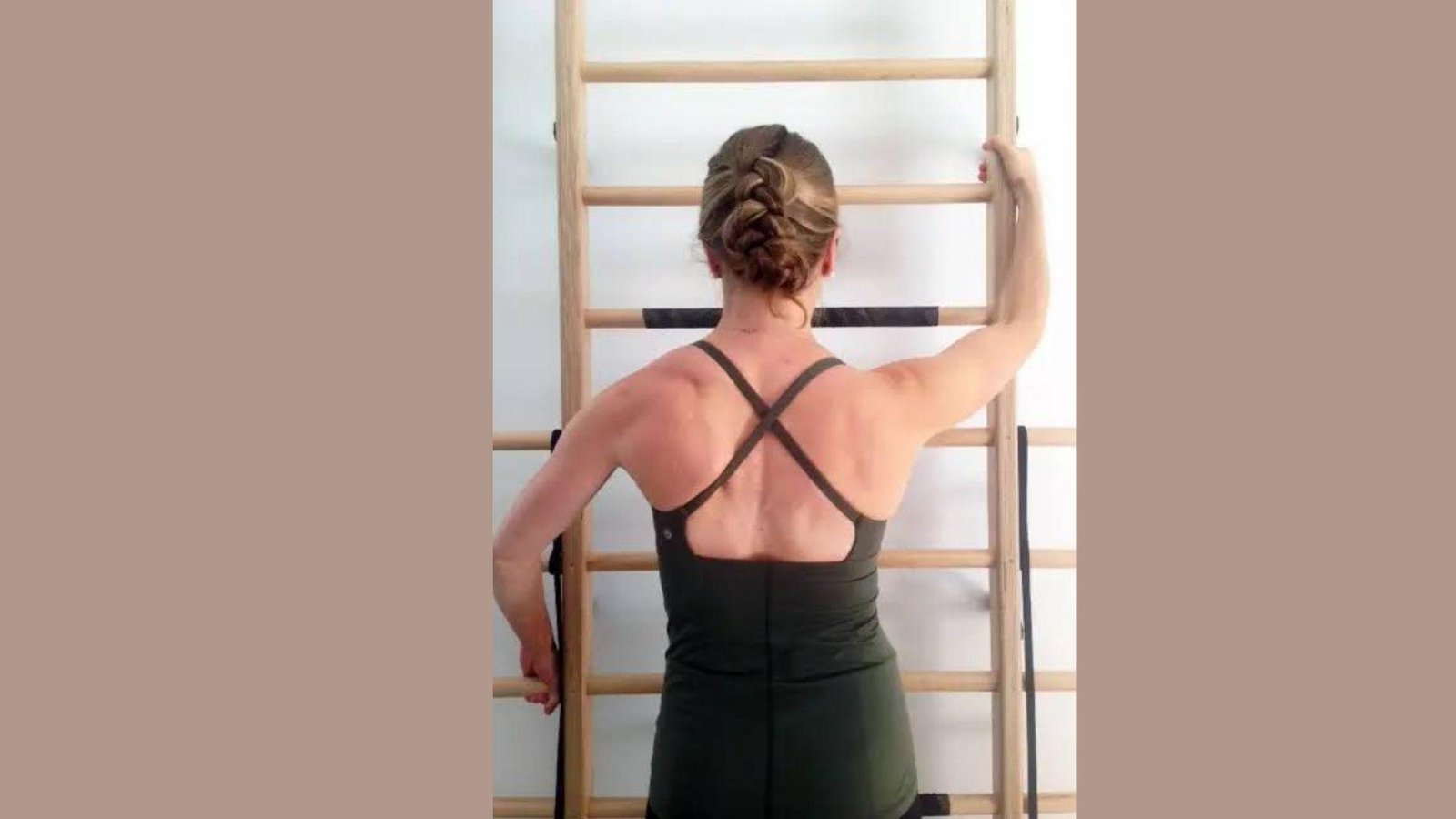
Living with scoliosis can make exercise feel confusing. You want to stay active, but you're scared of making things worse.
This article walks you through 11 safe workouts made for people with scoliosis and its spinal curvature.
You'll learn which exercises help, which ones to avoid, and how to build a routine that fits your body.
We'll also cover simple tips to keep you safe while you move. I've spoken with physical therapists and reviewed common scoliosis exercise guidance to put this list together.
By the end, you'll have a clear plan to start moving safely, without added worry or guesswork.
What Are Workouts for Scoliosis?
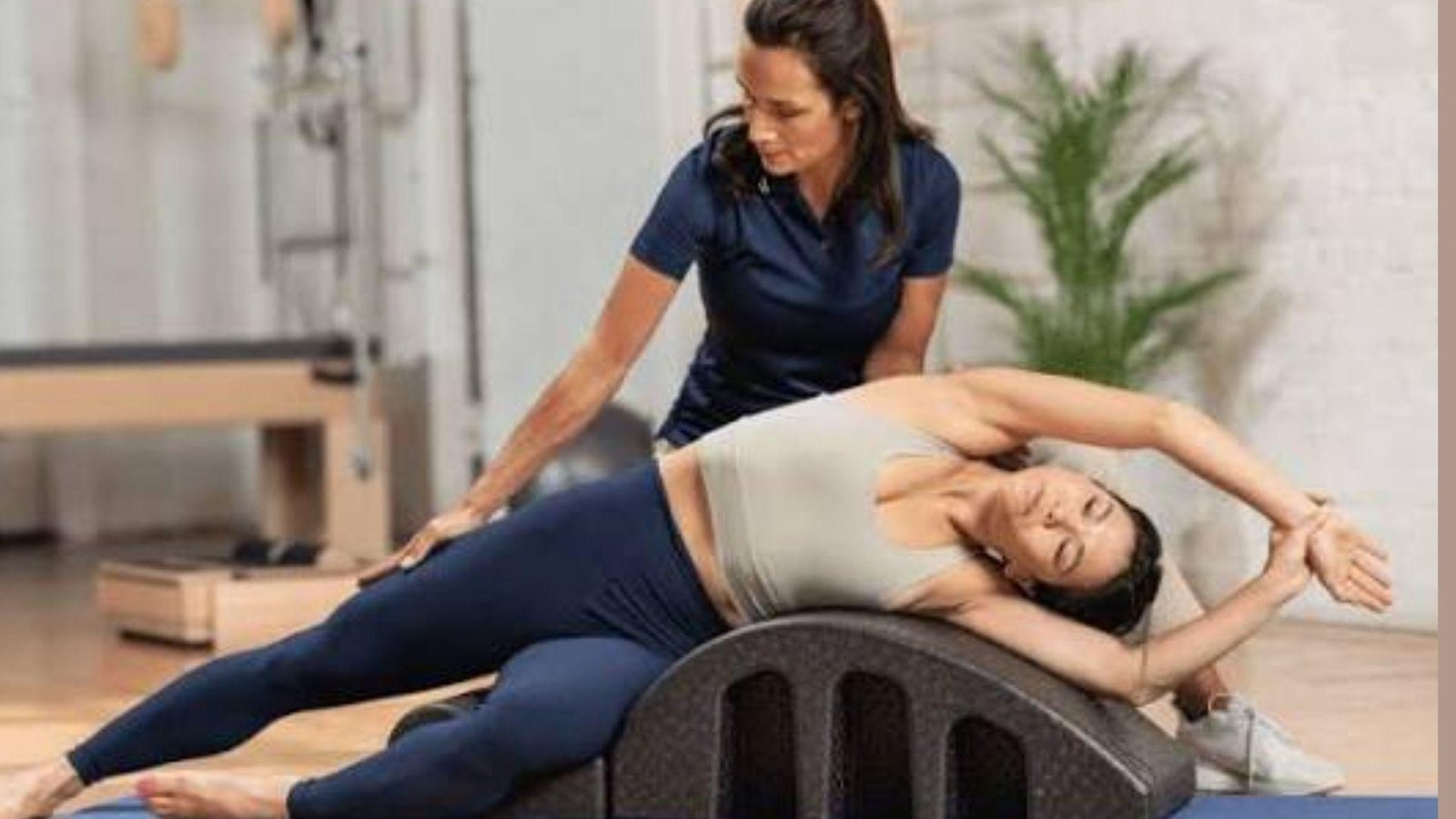
Workouts for scoliosis are exercises designed to support the spine, ease muscle tension, and improve posture. They don't cure scoliosis, but they can help manage pain and stiffness caused by the spinal curve.
These workouts often focus on gentle stretching, core stability, and controlled movement. Some people also follow structured approaches like the Schroth Method, which targets muscle imbalance on both sides of the body.
The goal isn't to force the spine into a new shape. Instead, it's to build strength around it, so the body feels more balanced and supported during daily activities and movement.
How to Exercise Safely With Scoliosis

A few simple steps can help you exercise without added strain on your spine.
Talk to Your Doctor or Physical Therapist
Before starting any routine, check with your doctor or physical therapist. A physiotherapist can also assess your curve severity and tell you which movements are safe based on your specific condition.
Warm Up Before Every Session
Never jump straight into exercise. A short warm up gets your muscles ready and lowers your risk of strain or discomfort during the workout.
Focus on Proper Form
Good form matters more than speed or intensity. Moving slowly and correctly protects your spine and helps you get the most out of each exercise.
Avoid Movements That Cause Pain
If something hurts, stop right away. Pain is a signal that the movement isn't right for your body, even if it works for someone else.
List of 11 Safe Workouts for Scoliosis
These exercises are gentle on the spine and can be done at home with little to no equipment.
1. Cat-Cow Stretch
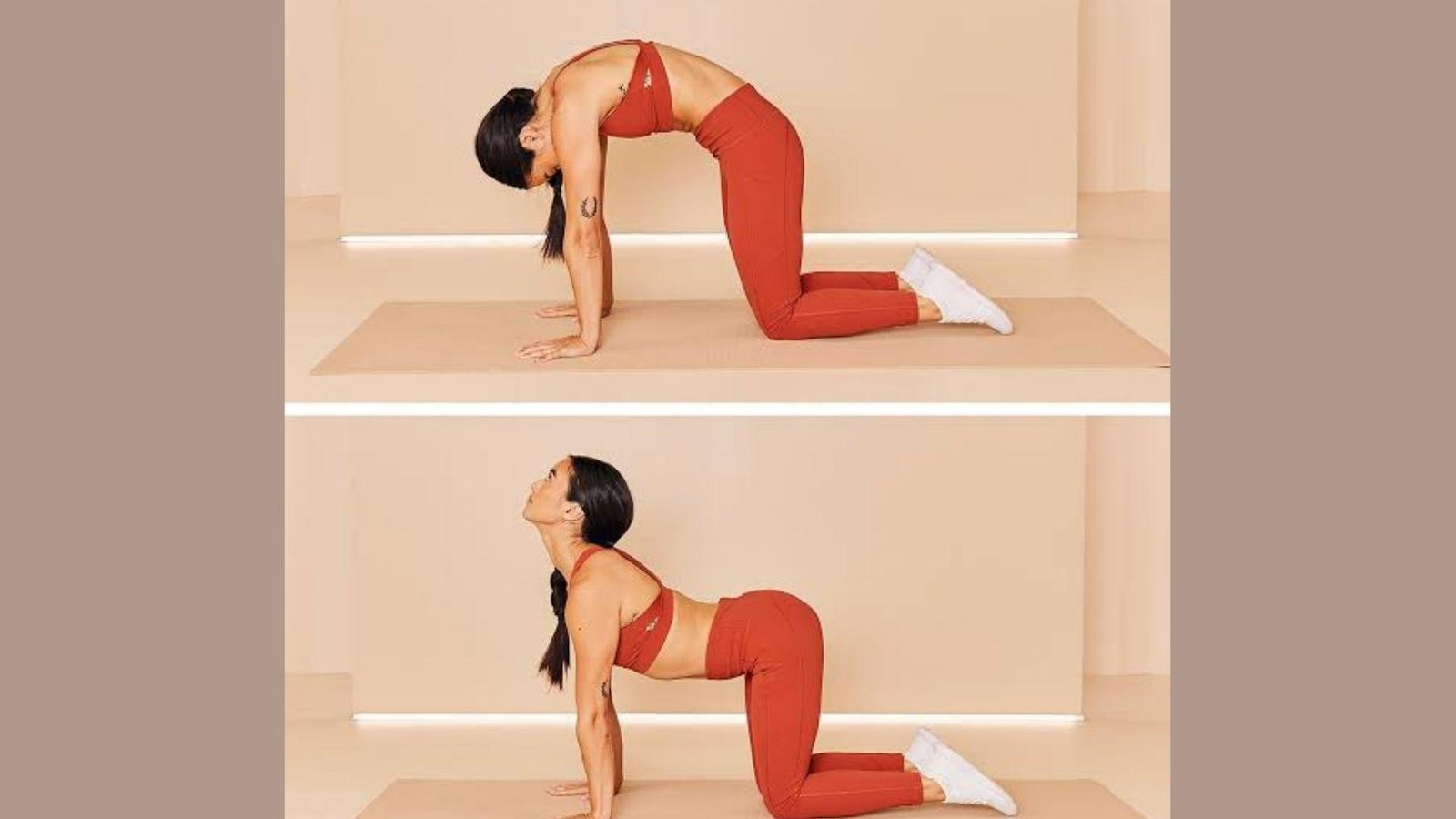
This gentle stretch moves your spine through flexion and extension. It warms up the back and neck while loosening tight muscles.
Slow, controlled movement between the two positions improves overall spinal mobility and eases stiffness built up from sitting or poor posture.
2. Child's Pose
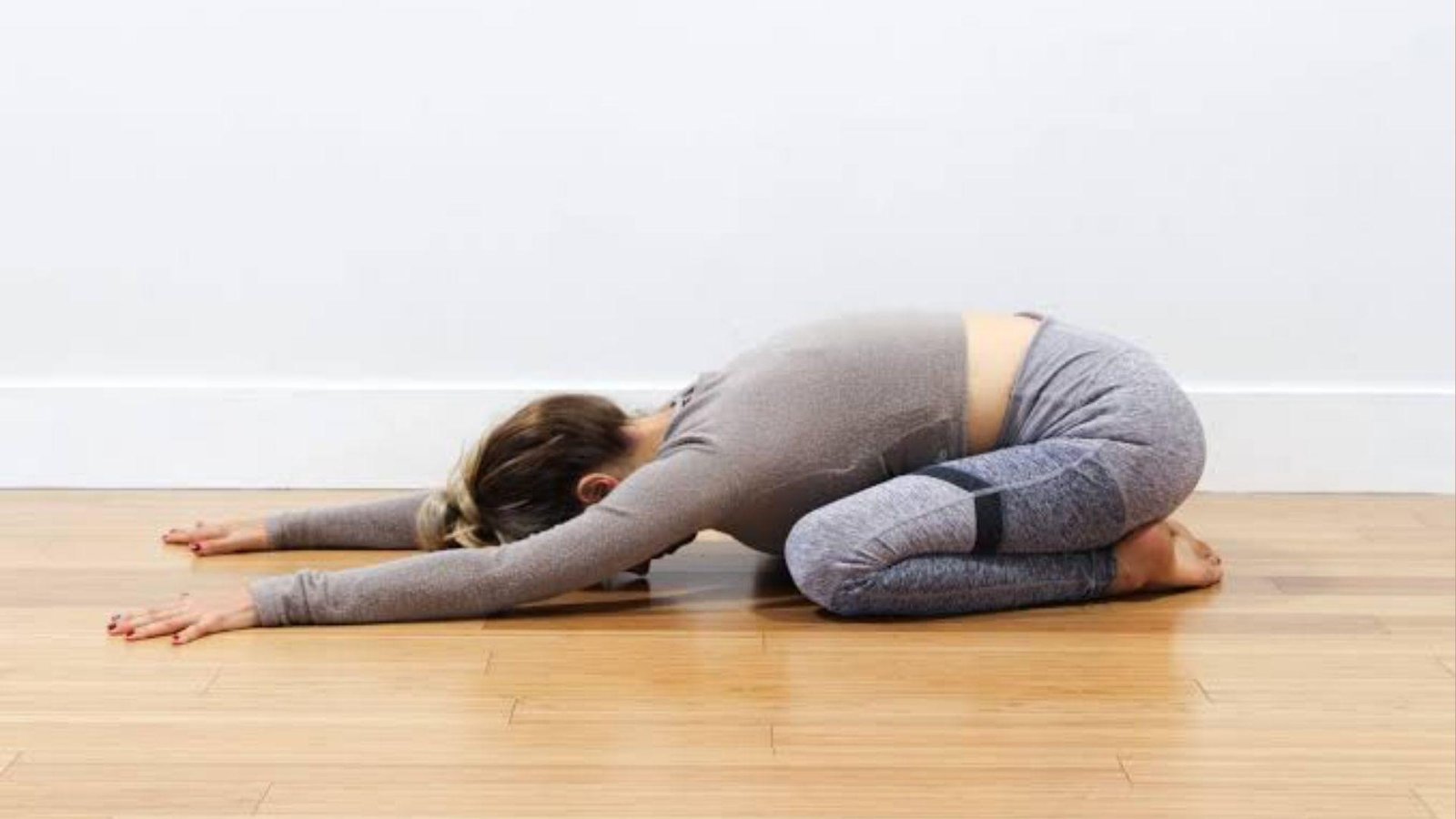
Many people use it to relax between exercises or wind down after a workout.
3. Pelvic Tilts

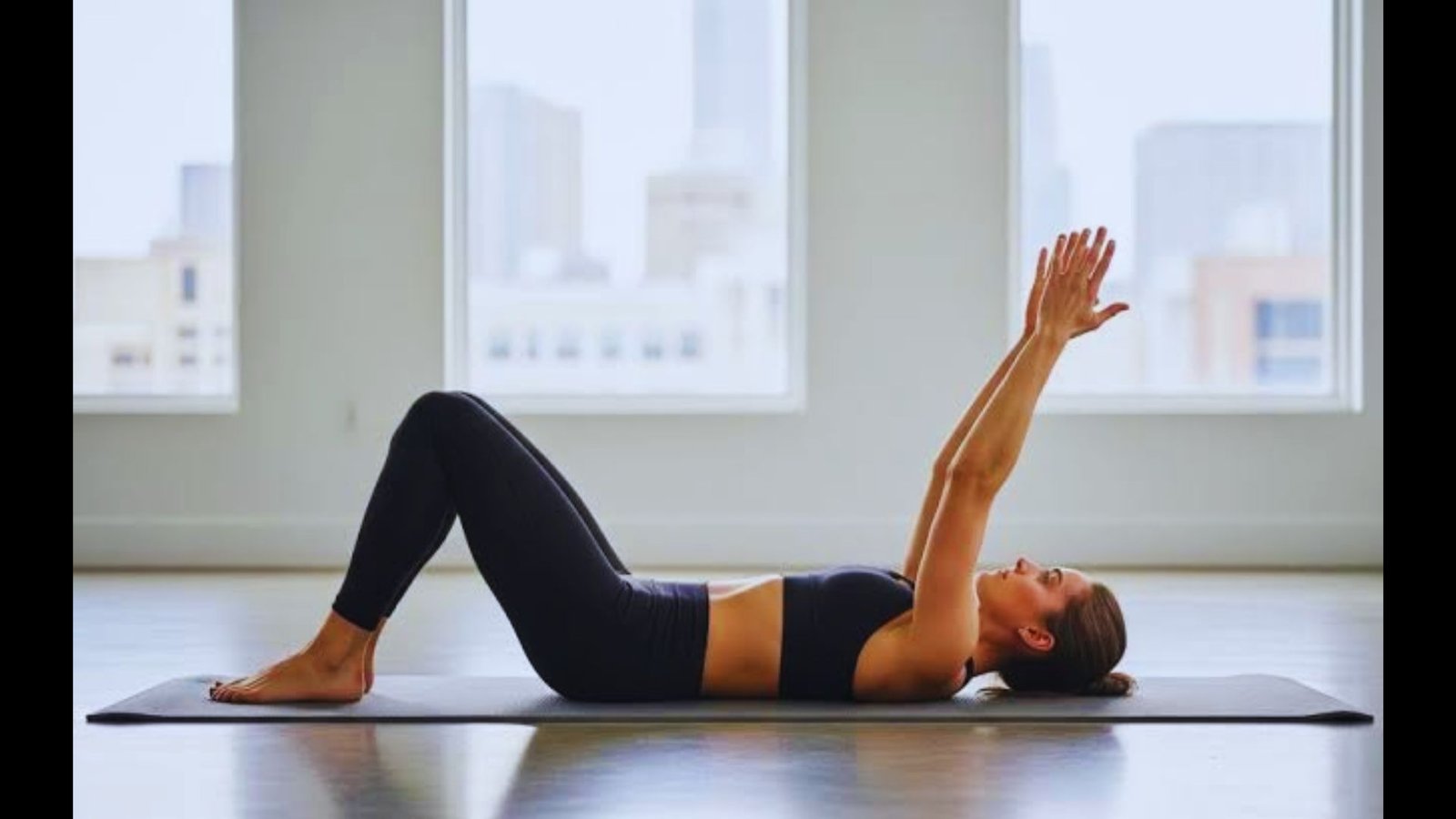
Pelvic tilts strengthen the core and lower back through small, controlled movements. Lying on your back, you gently rock your pelvis forward and backward.
This simple motion helps improve posture, ease lower back tension, and support better spinal alignment over time.
4. Plank
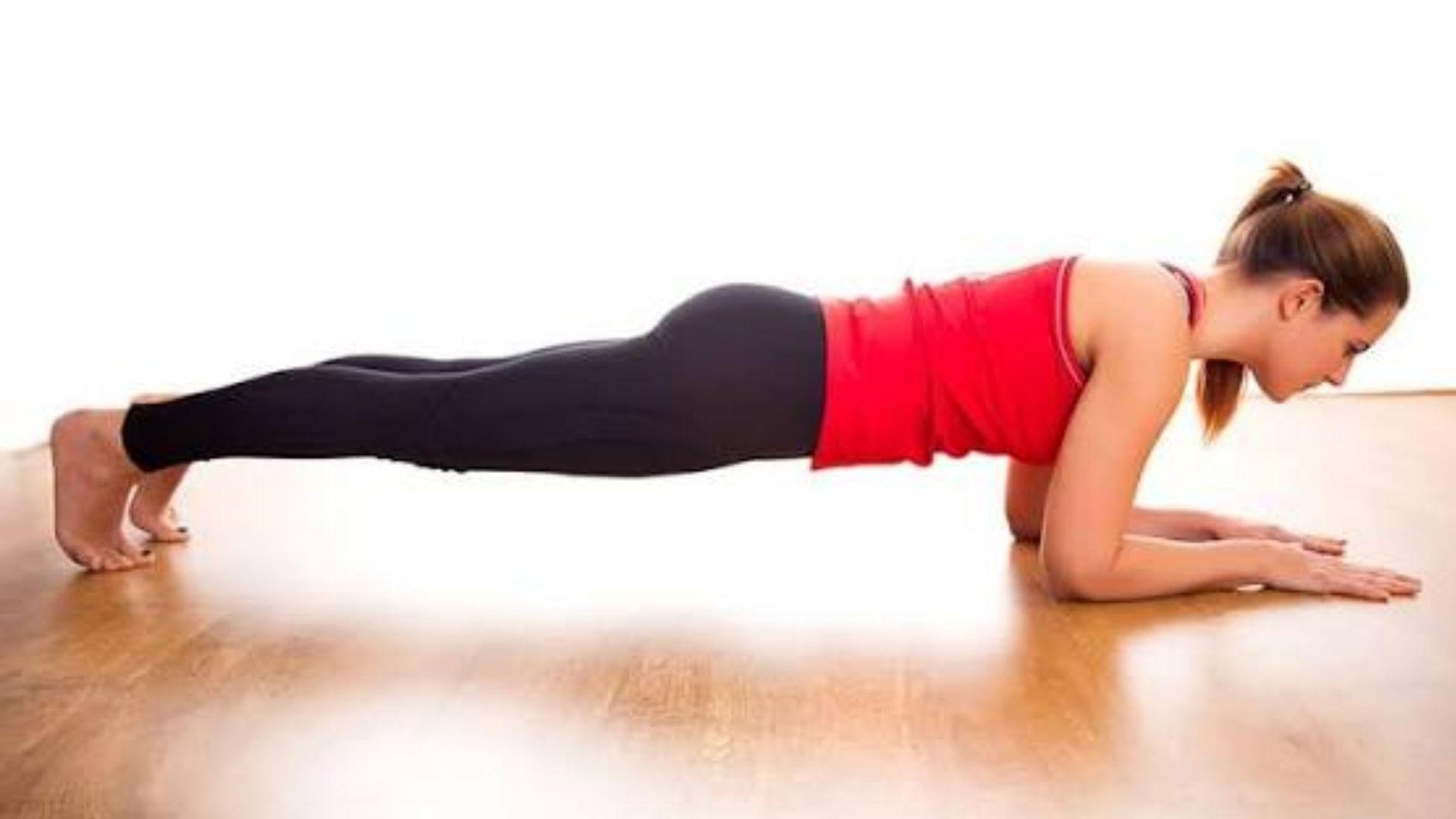
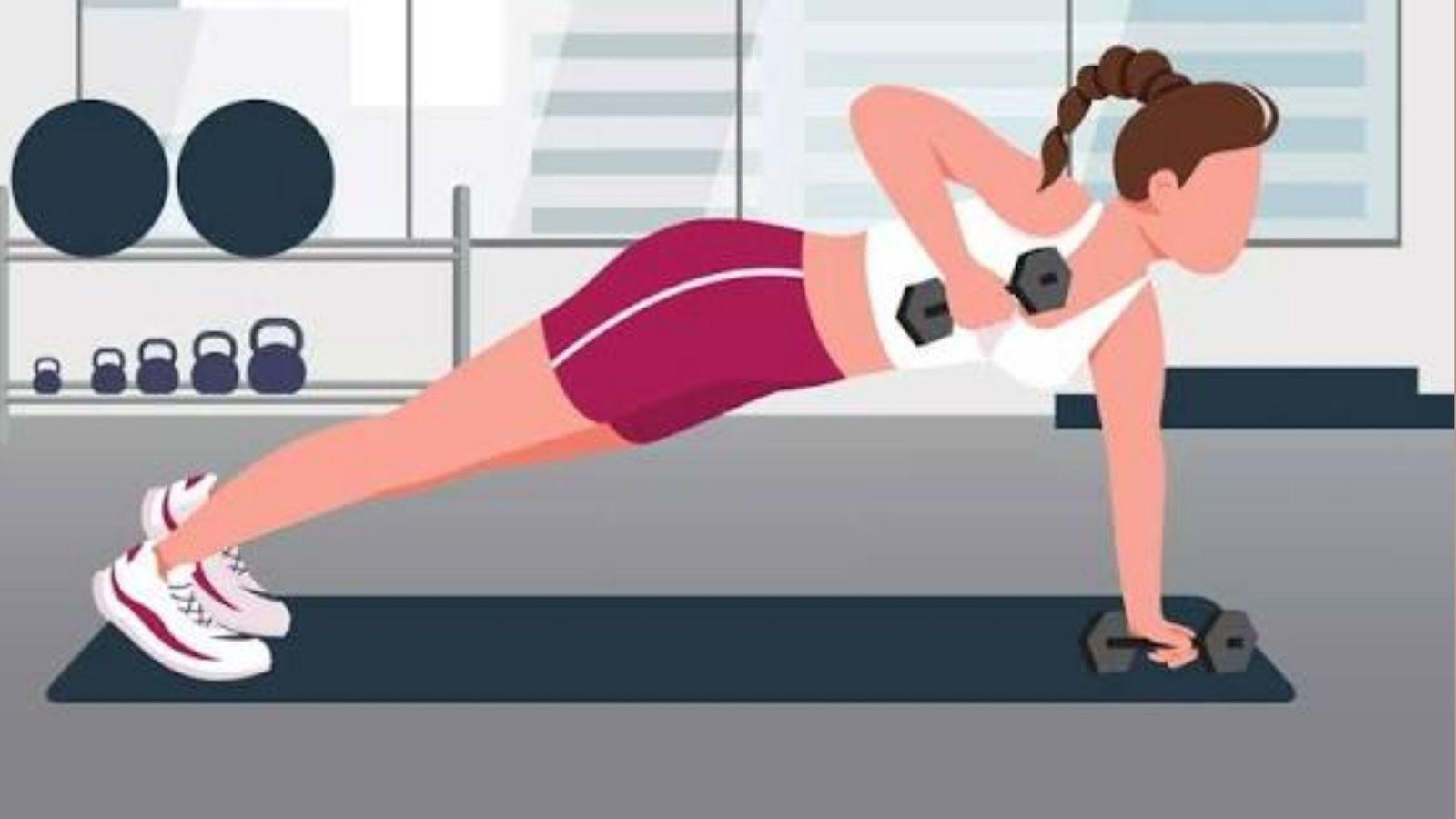
Planks build core stability, which directly supports the spine. Holding a strong, straight line from shoulders to heels engages multiple muscle groups at once.
Even short holds, done consistently, can improve balance, posture, and overall trunk strength over time.
5. Side Bend Stretch
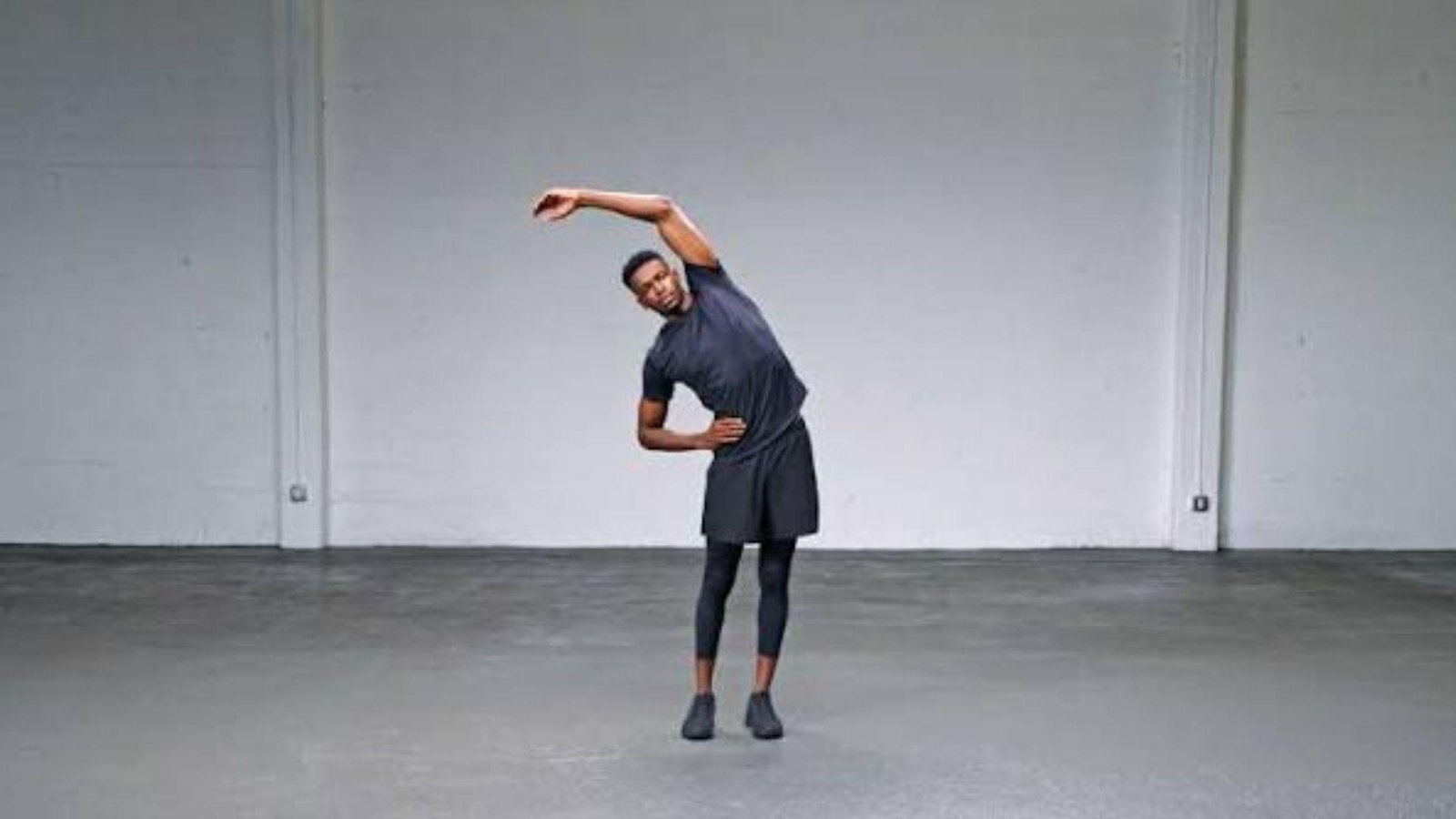
This stretch targets the muscles along your sides, from your ribs down to your hips.
It helps release the muscle imbalance that often builds up on one side due to spinal curvature, improving flexibility and reducing tightness on the shorter side.
6. Seated Spinal Twist
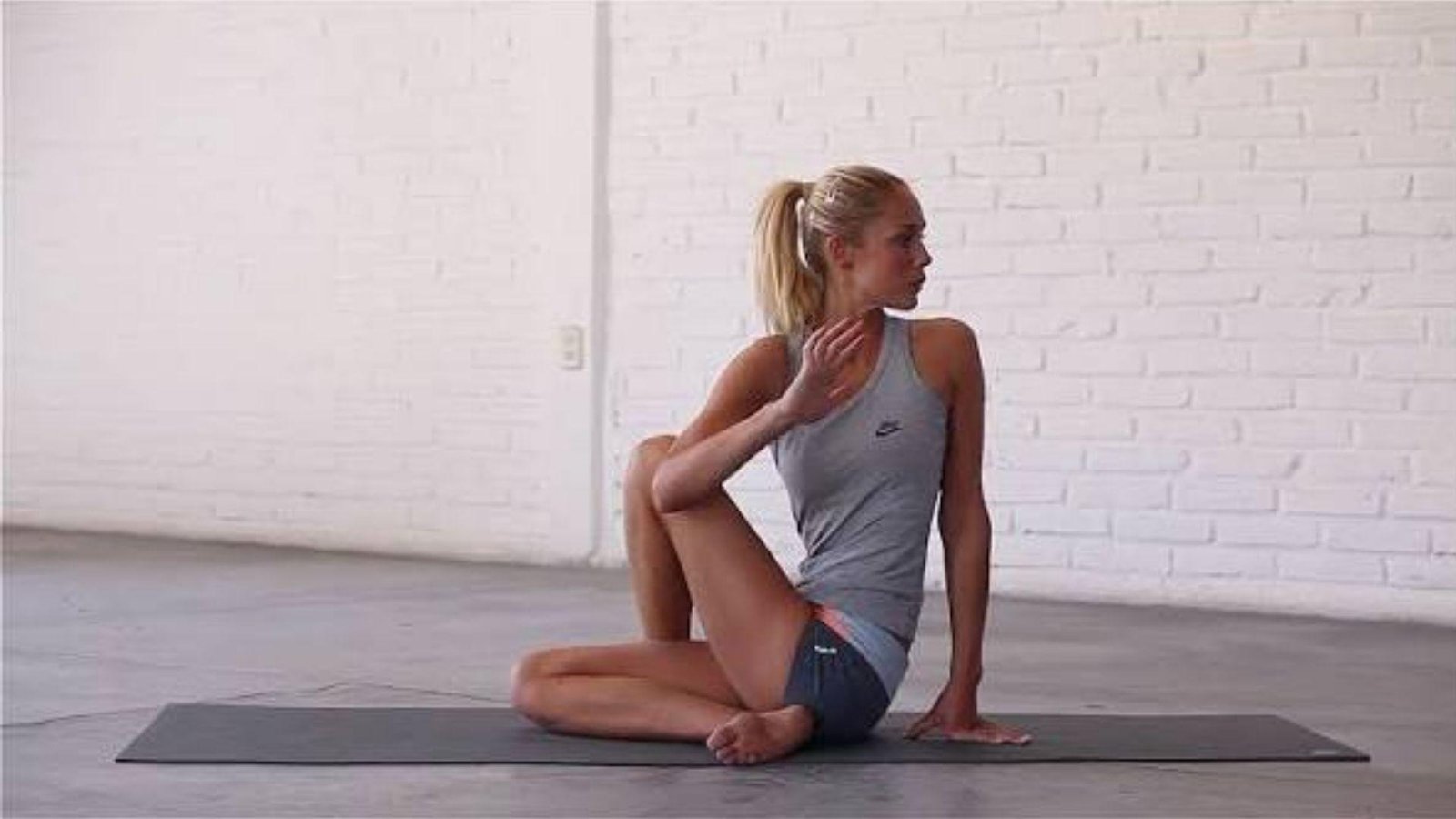
This gentle twist improves spinal mobility while seated. Done slowly and with control, it helps release tension along the spine without forcing it into an uncomfortable position.
It's a simple move that works well as part of a warm up or cool down.
7. Knee-to-Chest Stretch
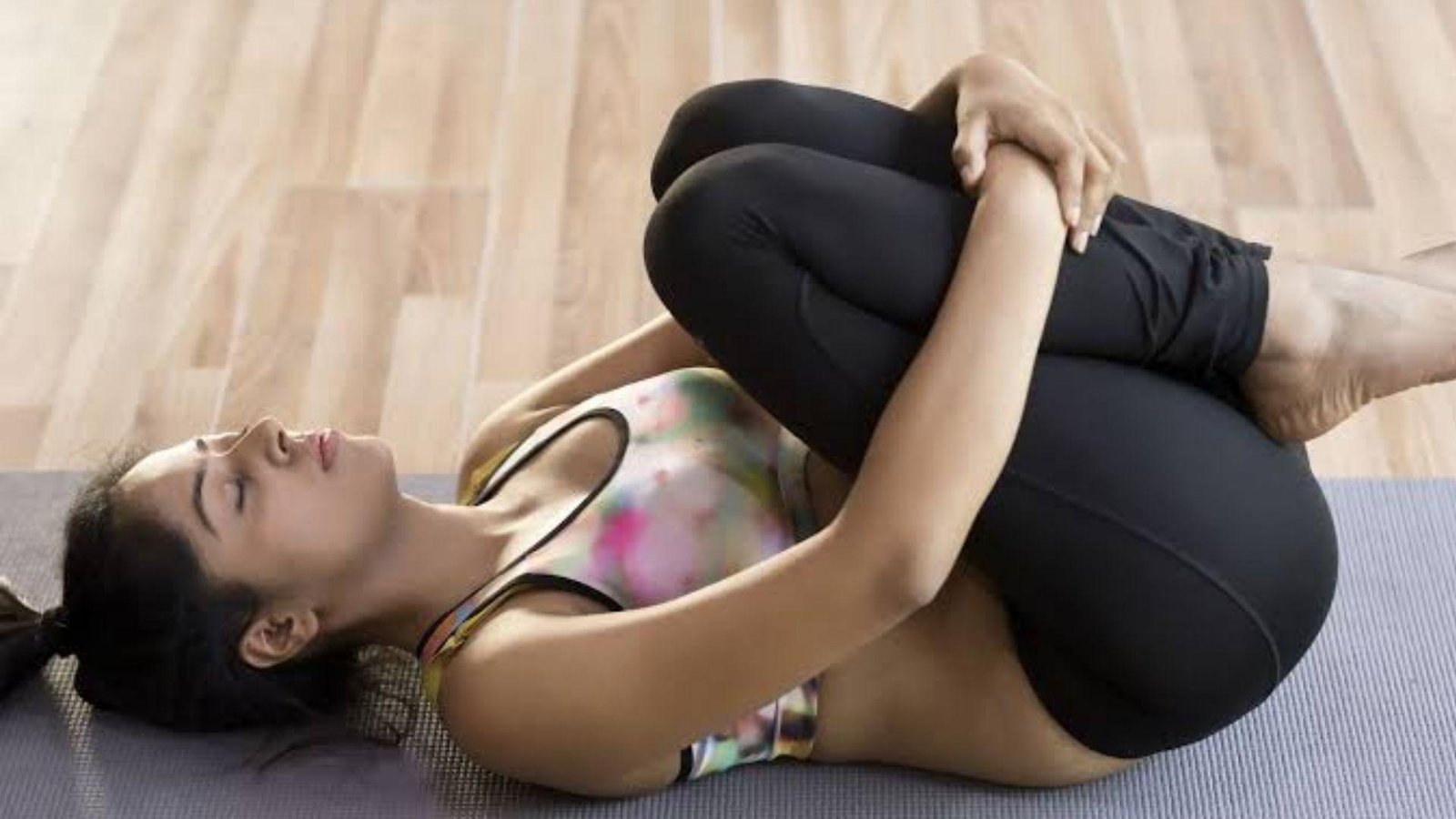
This stretch relaxes the lower back and hips.
Pulling one knee gently toward your chest, while keeping the other leg extended, can ease tightness and improve comfort in the lumbar spine area, especially after sitting for long periods.
8. Thoracic Extension With a Foam Roller

Using a foam roller under your upper back helps open the chest and improve thoracic mobility.
Lying over the roller and gently arching backward can counter the rounded posture many people develop from desk work or long hours sitting.
9. Wall Angels

Standing against a wall, this move strengthens the upper back and shoulders.
Sliding your arms up and down while keeping contact with the wall trains better posture and supports spinal alignment during everyday movement, like sitting or standing tall.
10. Modified Side Plank

A modified version of the side plank, done with knees bent, builds strength along one side of the body.
It's especially useful for balancing uneven muscle tension caused by scoliosis, without putting too much strain on the spine at once.
11. Bird Dog Exercise

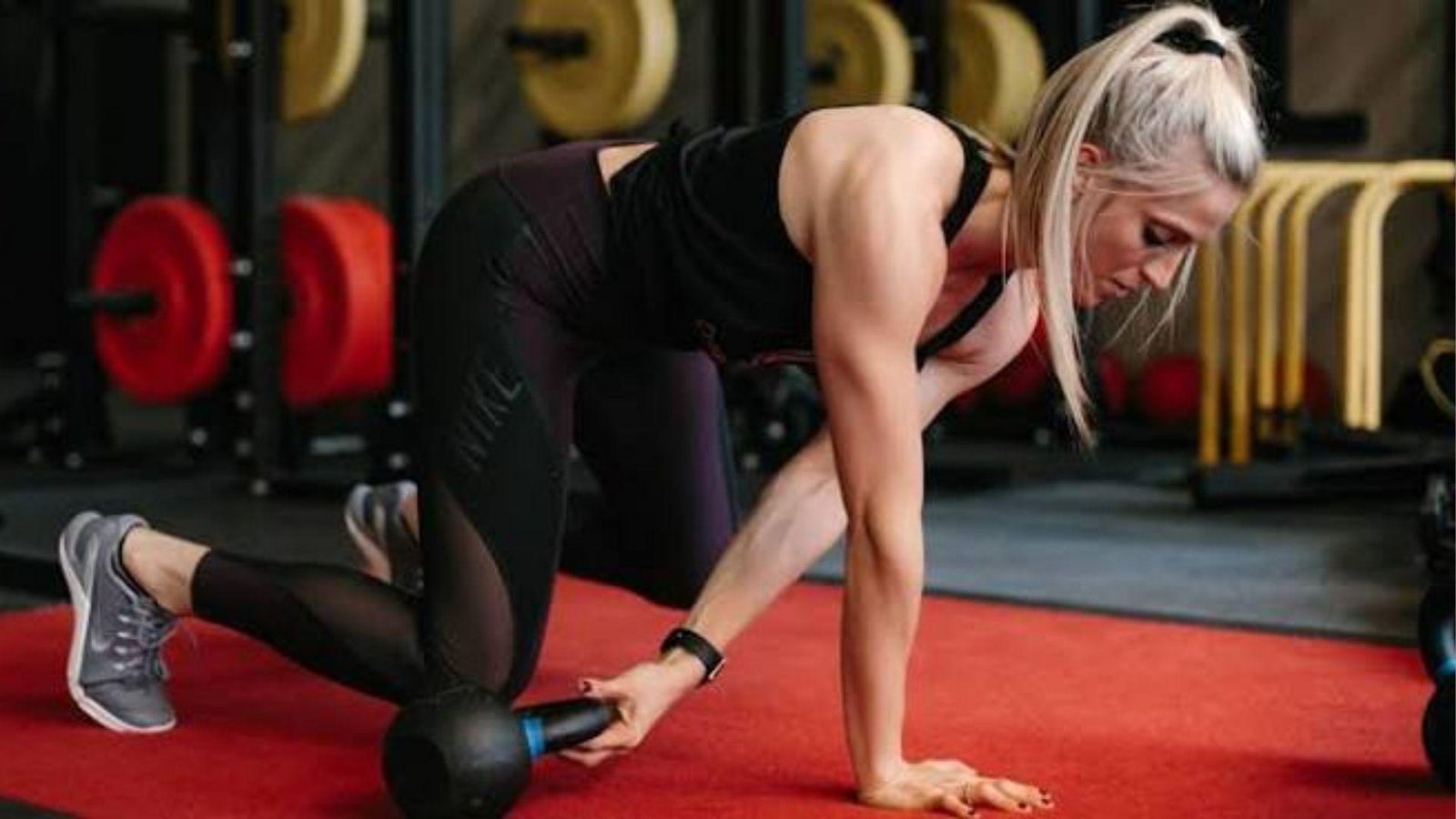
This exercise builds core and back strength while improving balance. Extending the opposite arm and leg while on hands and knees trains the body to stay stable and controlled.
It's a low impact way to strengthen the spine's supporting muscles safely.
Exercises to Avoid With Scoliosis
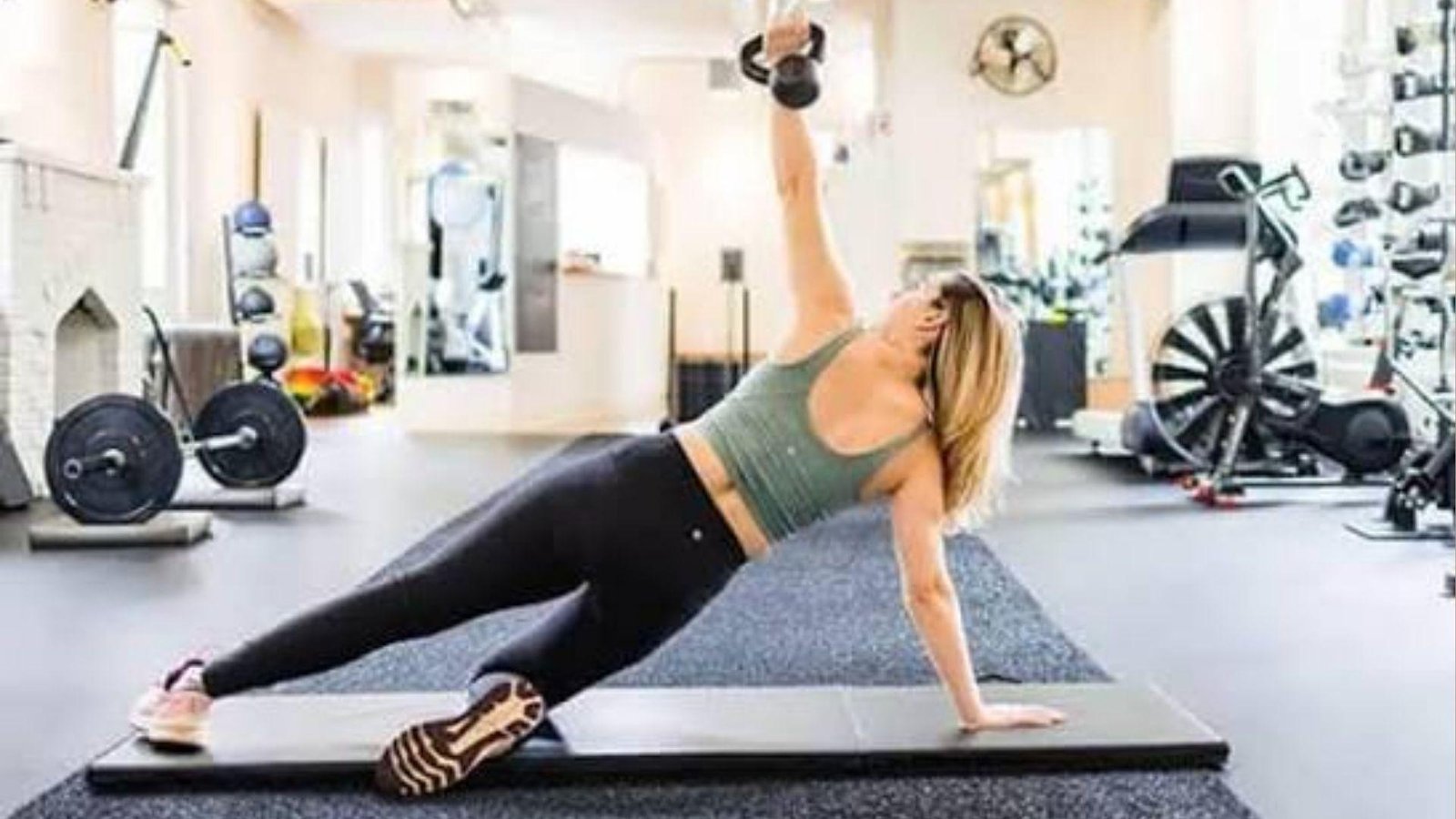
Certain movements can put extra strain on the spine and should be approached with caution, especially with a more severe curve.
High-Impact Activities
Activities like running on hard surfaces or jumping can jolt the spine. These movements may increase discomfort for people with scoliosis.
Heavy Overhead Weightlifting
Lifting heavy weights above your head can strain the back. This puts uneven pressure on the spine, especially if form isn't perfect.
Deep Backbends and Excessive Twisting
Extreme backbends and forceful twisting movements can overstress the spine. These motions may worsen discomfort in people with existing curvature.
Exercises That Cause Pain
Any exercise that causes sharp or lasting pain should be stopped immediately. Pain is your body's way of signaling something isn't working.
Pilates and Yoga for Scoliosis
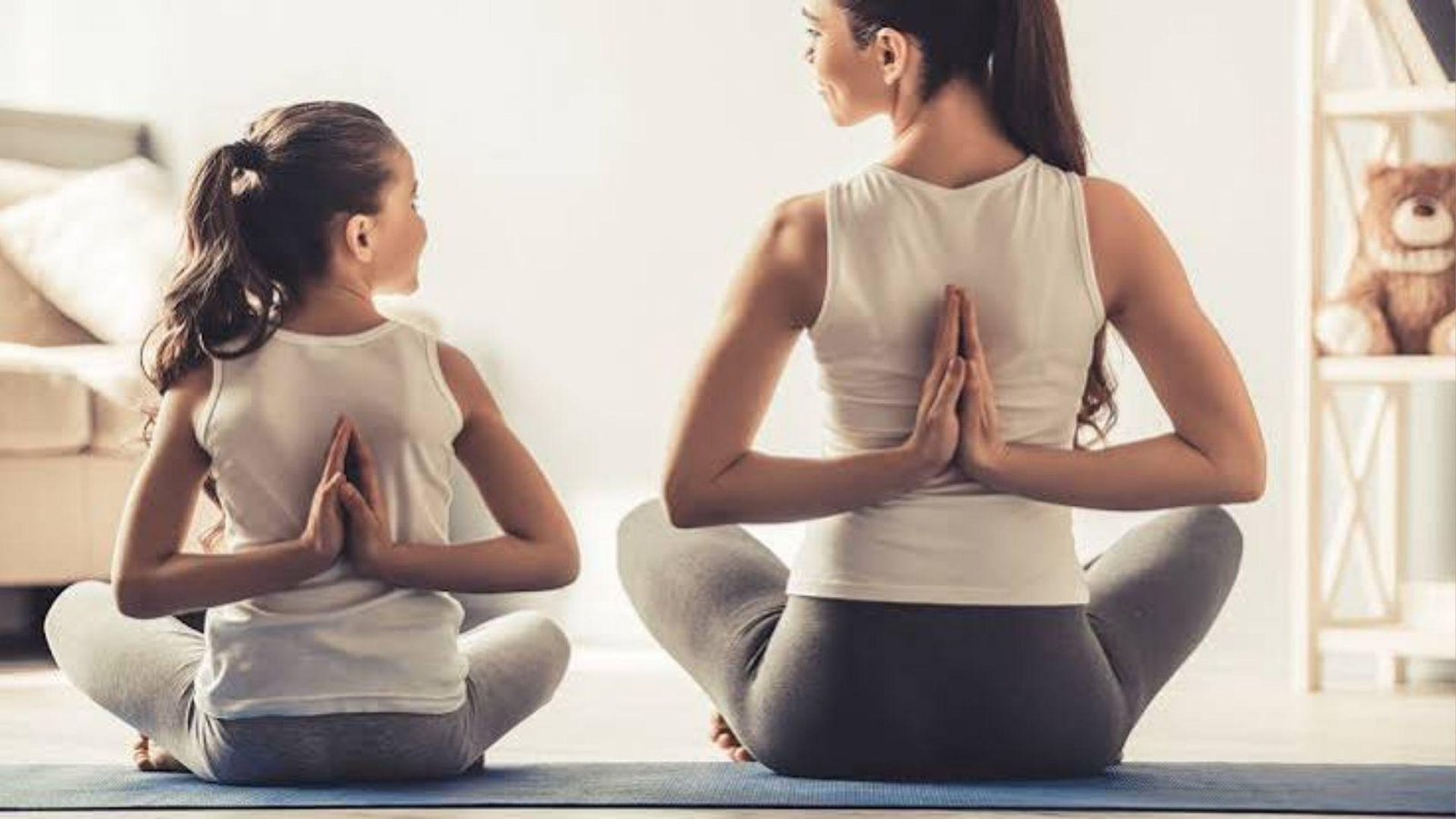
Both Pilates and yoga offer low impact ways to build strength and flexibility for the spine.
Pilates Exercises That May Help
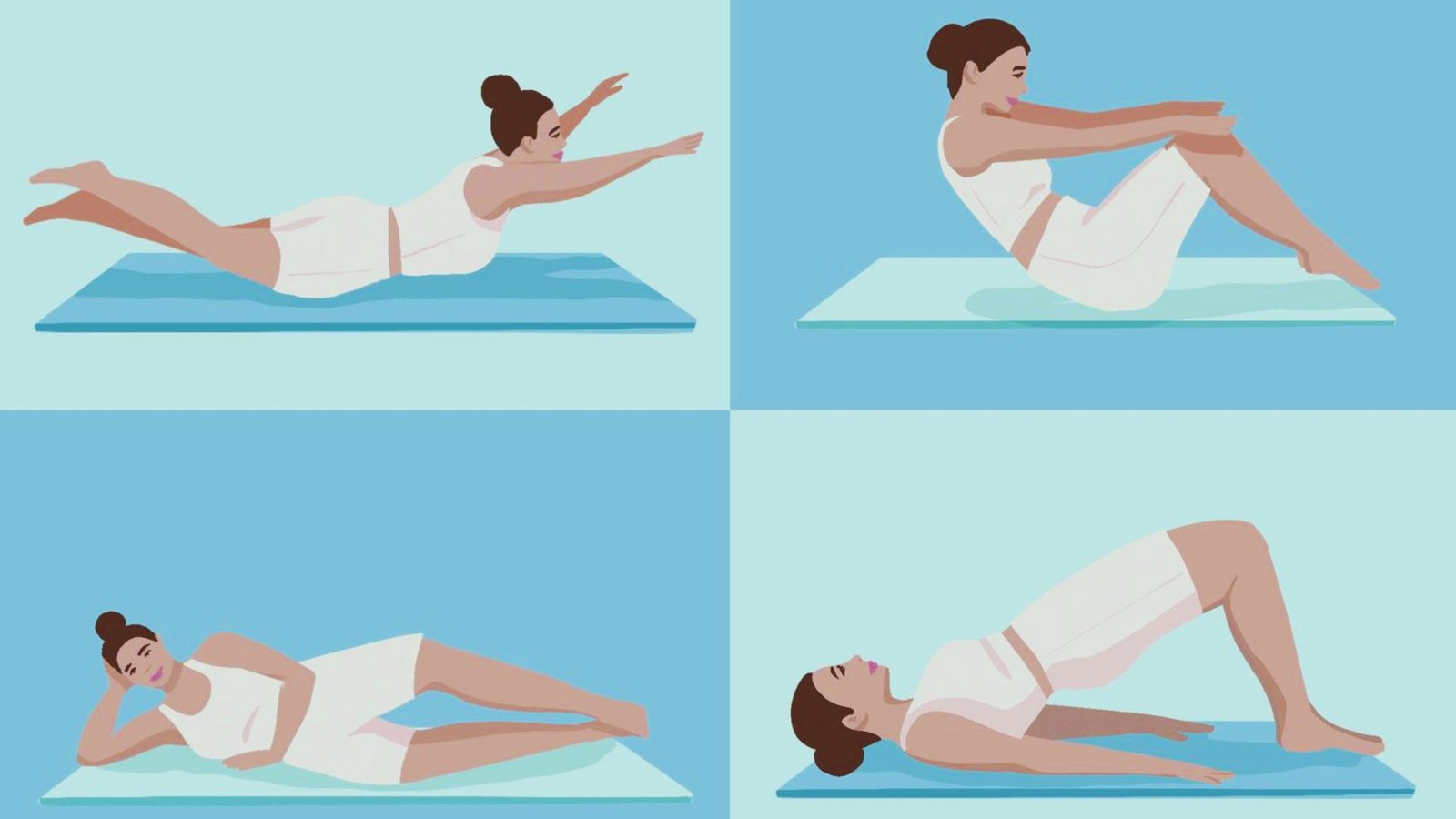
Pilates focuses on core control and alignment. Many scoliosis patients find it helpful for building strength without putting extra pressure on the spine.
Yoga Poses for Better Spinal Mobility
Gentle yoga poses can improve flexibility and reduce tension. Poses that avoid deep twisting or backbends are usually the safest choice.
Should You Join a Guided Class?
A guided class led by an instructor familiar with scoliosis, or a physiotherapist, can help you learn safe form. This lowers the risk of injury compared to exercising alone.
Tips to Get the Best Results From Your Workouts
Small habits can make a big difference in how your body responds over time.
- Regular movement, even in small amounts, works better than occasional intense sessions. Consistency helps your body adapt and build lasting strength.
- Don't hold your breath during exercises. Steady breathing helps your muscles relax and supports better control during each movement.
- Add intensity slowly over time. Rushing progress increases the risk of strain, especially when working with a sensitive spine. Keeping a simple log of pain levels and flexibility can help you track this progress.
- Your body will tell you what it can handle. Pay attention to discomfort and adjust your routine instead of pushing through pain.
- Foam rollers, resistance bands, and yoga blocks can make exercises safer and more effective, especially when you're just starting out.
When to Stop Exercising and Seek Medical Advice

Stop exercising if you feel sharp pain, numbness, or tingling in your arms or legs. These signs may mean the exercise is putting too much pressure on your spine or nerves.
It's also important to seek medical advice if pain lasts more than a few days after stopping activity. A doctor or physical therapist can check your form and adjust your routine so you can keep moving safely.
Conclusion
Living with scoliosis doesn't mean giving up on movement. It means finding the right kind. I've seen how small, steady changes in routine can bring real relief over time.
Try adding one or two of these exercises this week and notice how your body responds. Everyone's spine is different, so go at your own pace.
If this helped you, share it with someone who might need it, or leave a comment below with your own experience managing scoliosis through exercise.
Frequently Asked Questions
Can scoliosis get worse with age?
Yes, curves can progress over time, especially during growth spurts or after menopause. Regular checkups help track any changes early.
Is swimming good for people with scoliosis?
Yes, swimming is often recommended. It's low impact and builds strength without putting heavy pressure on the spine.
Can a scoliosis brace be worn during exercise?
It depends on the brace type and doctor's advice. Some braces are removed for exercise, while others are designed to stay on.
Does scoliosis affect breathing or lung capacity?
In some cases, especially with larger curves, scoliosis can slightly reduce lung capacity. A doctor can check this during regular exams.