
Want to run faster on the track? You are in the right place.
Sprinting takes more than just running hard. It needs the right mix of speed drills, strength work, and rest, all built around how your body actually works.
In this guide, you will find real track workouts for sprinters at every level, from beginners to college athletes. We cover off season plans, home workouts, indoor sessions and strategies that you can take straight to practice.
No fluff, no guesswork. Just simple, proven training methods that coaches actually use.
By the end, you will know exactly which workout fits your goals and how to build a plan that gets you faster, one session at a time. Let's get started.
Why Sprinting Feels So Different From Every Other Kind of Running?

Sprinting runs on a different fuel system than distance running.
Your body pulls energy from stored phosphates for the first few seconds, a process scientists call the ATP-PCr system, then switches to fast-burning anaerobic pathways. This is why sprinters barely use their lungs the way marathoners do.
Speed also depends on fast-twitch muscle fibers and quick nerve signals, not endurance. That's why copying a distance runner's training plan almost never makes a sprinter faster.
Real speed work follows its own rules, and once you understand them, every workout in this guide will make a lot more sense.
The Three Speed Phases Every Sprinter Needs to Train
Every sprint race breaks down into three parts, and each one needs its own type of training. Skip one, and your race times will show it.
Getting Off the Line Fast (Acceleration)

The first 30 to 40 meters decide how your whole race goes. This phase is about driving hard into the ground with short, powerful steps while your body leans forward.
Ground contact time runs longer here than in any other phase, which is why block starts help build that early drive.
Training here means short sprints with full recovery, so every rep stays fast and clean. Add block starts or hill sprints to build the leg drive and forward push that acceleration depends on.
Hitting Top Speed and Holding It (Max Velocity)

Once you stop accelerating, you hit top speed, usually between 50 and 60 meters into a race. Your body straightens up here, and stride length starts to matter more than stride frequency.
Training this phase means short bursts of near max effort, like flying 20s or 30s, with long recovery between reps. Loose arms, tall posture, and quick ground contact keep your top speed longer before you fade.
Keeping your toes pulled up during ground contact, known as dorsiflexion, also helps you push off faster.
Fighting Off the Fade (Speed Endurance)
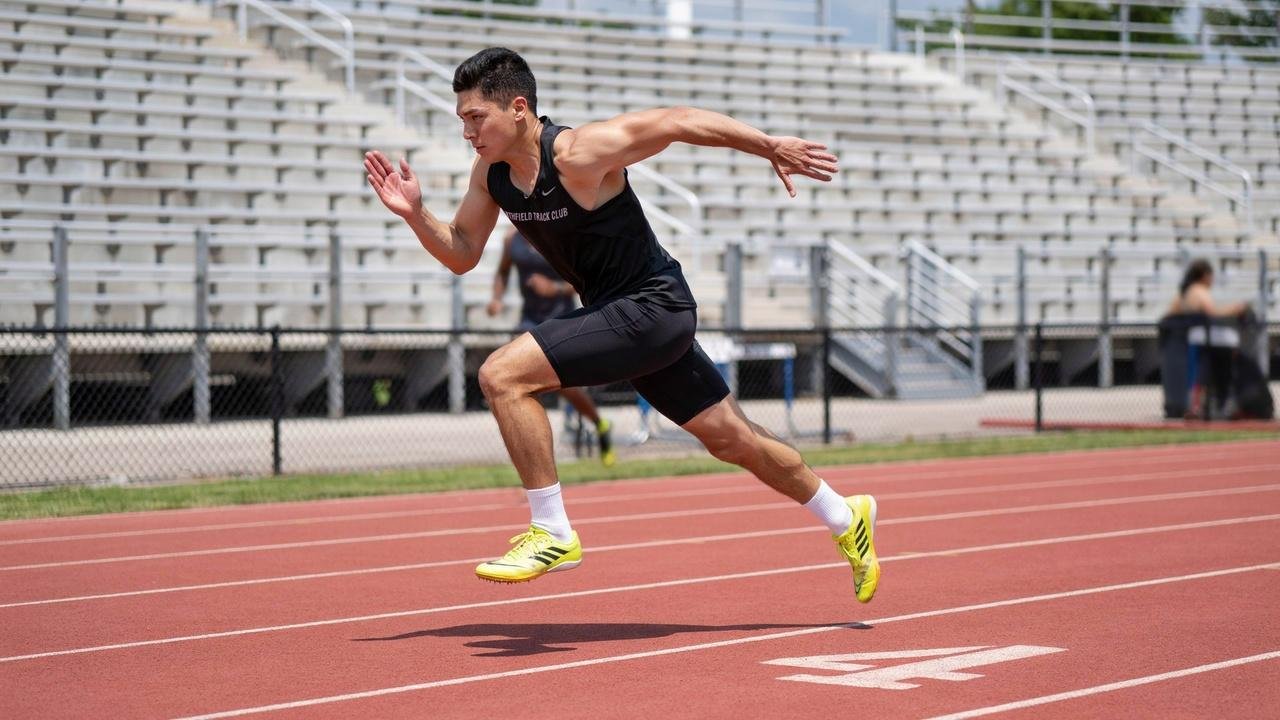
Every sprinter slows down eventually. The goal of speed endurance training is to delay that drop as long as possible.
This phase uses longer reps, like 150m to 300m repeats, run at close to race pace with shorter rest between sets. It builds your body's ability to handle the burn without losing form.
This is the phase that separates good 200m and 400m runners from great ones.
Best Track Workouts for Sprinters to Try This Week
Here are simple, proven workouts you can plug into your training week right away. Pick based on your event and current fitness level.
Acceleration Ladders and Ins and Outs

Acceleration ladders build speed step by step, starting short and getting longer with each rep, like 20m, 30m, then 50m, all from a standing or block start. Ins and outs work the same idea on a full track, sprinting each straightaway and jogging each curve.
Both drills teach your body to accelerate cleanly without wasting energy early in the rep.
Speed Endurance Repeats (300s, 400s, and Pyramid Sets)
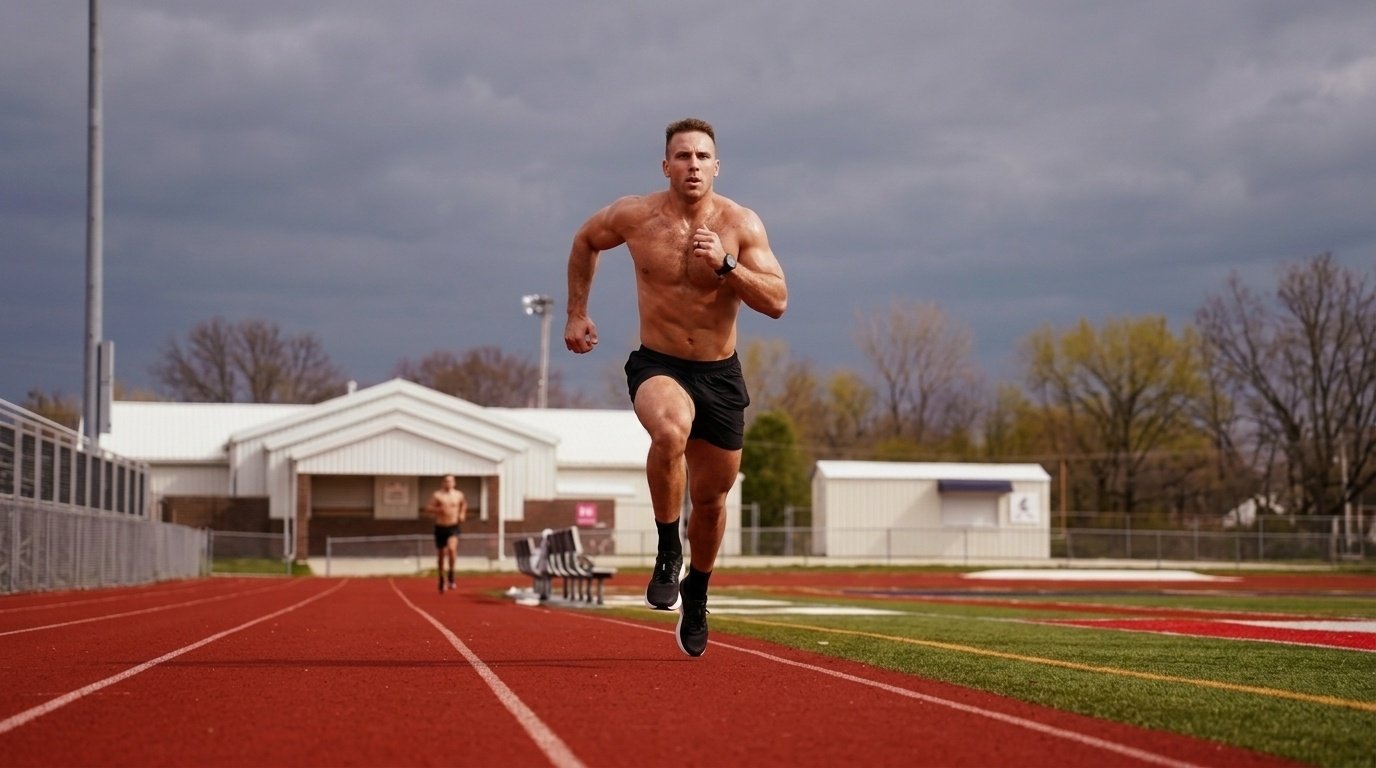
Speed endurance repeats, like 6x300m or a pyramid set moving from 100m up to 400m and back down, train your body to hold pace under fatigue.
Rest periods stay long enough to keep effort high, usually 3 to 5 minutes between reps. These workouts feel brutal but build the exact strength 200m and 400m racers need in the final stretch.
Weighted Vest and Resisted Sprints for Extra Power

Adding light resistance, like a weighted vest under 10 percent of your body weight or a sled pull, forces your legs to produce more force with every step. Keep reps short, around 20 to 40 meters, so your form doesn't break down.
This type of training builds raw power that carries over directly into faster acceleration on race day.
Track Workouts for Sprinters by Grade and Level

Age and experience change how much volume and intensity a sprinter can handle safely. Here's how training should shift by level.
High School Track Workouts for Sprinters
High school sprinters need a balance of speed work, technique drills, and basic strength training.
Volume should stay moderate, with two to three quality speed sessions each week alongside proper warm-ups and recovery days. Coaches should focus heavily on teaching correct form early, since bad habits picked up now are hard to break later in a runner's career.
Middle School Sprint Workouts (Keeping It Simple and Safe)
Middle schoolers are still developing coordination and strength, so workouts should stay short, fun, and low pressure.
Simple drills like high knees, skipping, and short accelerations under 30 meters work well here. Avoid heavy resistance training or long speed endurance sets at this age. The goal is building a love for running and solid basic mechanics, not chasing fast times.
College Level Sprint Training Plans
College sprinters train with much higher volume and structure, often following a full year plan split into base building, competition prep, and championship phases.
Strength training becomes a bigger piece here, paired with detailed speed and speed endurance sessions. Recovery tracking also matters more, since college athletes handle a heavier overall training load across a long season.
Beginning Sprinter? Start Here First
New sprinters should focus on technique before speed. Start with drills like A-skips, high knees, and short accelerations at moderate effort to build good habits. Add basic strength work like squats and lunges twice a week.
Once form feels solid, slowly add short sprint reps at higher effort. Rushing into hard speed work too early is the most common beginner mistake.
Off Season, In Season, and Early Season Sprint Plans

Sprint training should look different depending on where you are in your season. Here's how to adjust your plan through the year.
Off Season Track Workouts for Sprinters (Building the Base)
Off season is your time to build strength and fix weaknesses without race pressure. This means more resistance training, general conditioning, and technique drills, with lower intensity speed work mixed in.
A solid off season plan sets up faster times once the real season begins, so don't skip this phase just because there's no meet on the calendar.
Early Season Workouts to Wake Up Your Speed
Early season training shifts from general fitness toward race specific speed. Sessions start adding more max velocity and acceleration work, while resistance training tapers down slightly.
This is the phase where your body relearns how to move fast under real race conditions, so form and sprint mechanics deserve extra attention during every session.
In Season Sprint Training Without Burning Out
In season, less is often more. Training volume drops, but intensity and precision go up, since your body is likely racing weekly.
Sessions focus on maintaining speed and sharpening race specific skills, with more rest between hard efforts. Overtraining during this phase is a common mistake that leads to injuries right when performance matters most.
Summer Track Workouts to Stay Sharp on Break
Summer break doesn't mean training has to stop completely. Light maintenance work, like one or two short speed sessions a week plus basic strength training, keeps your body from losing fitness.
This keeps you from starting the next season from scratch, and a small amount of consistent work over summer can make a real difference by fall tryouts.
Sprint Workouts You Can Do Without a Track
Not everyone has track access every day. These workouts help you train speed almost anywhere.
Track Workouts for Sprinters at Home
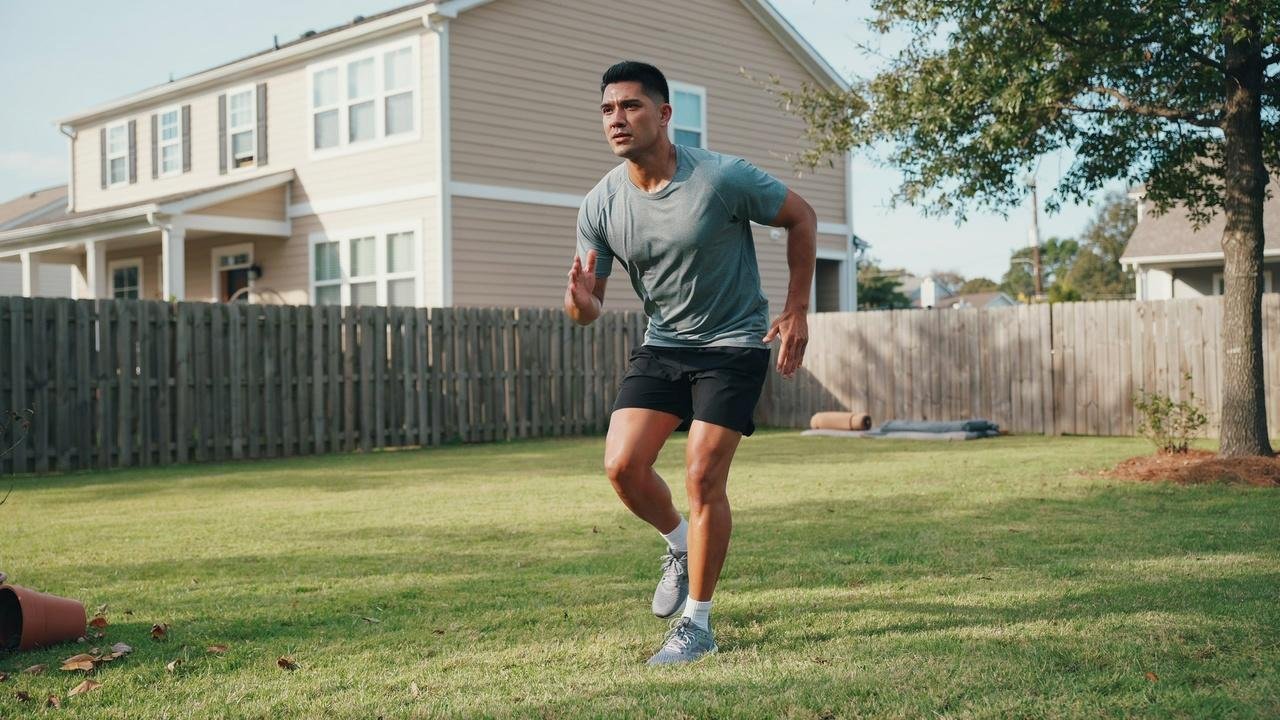
Home sprint training works best with bodyweight moves like high knees, bounding, and short sprints in a yard or open space.
Resistance bands and light dumbbells can add strength work when a gym isn't available. Focus on form drills and short bursts of speed, since space limits usually make longer sprint reps hard to fit in safely.
Sprint Training Options in the Gym

A gym setup lets you focus heavily on strength and power, using squats, deadlifts, and box jumps to build the force sprinting demands. Pair this with plyometric drills like jump squats or bounding in open space.
Gym based training won't replace real sprint work, but it builds the raw strength that makes every sprint session more effective.
Indoor Track Workouts for Sprinters When Weather Won't Cooperate

Bad weather doesn't have to derail training. Indoor tracks, hallways, or gyms work fine for short acceleration reps and technique drills.
Focus on shorter distances since indoor spaces are usually tighter, and pay close attention to surface traction to avoid slipping. Indoor sessions keep your speed sharp until outdoor training conditions return.
Fun Track Workouts That Keep Sprint Training Exciting

Speed training doesn't have to feel like a grind every single day. A little variety keeps athletes motivated and coming back stronger.
Games and Challenges That Sneak in Speed Work
Relay races, partner chase drills, and timed challenges turn hard speed work into something athletes actually look forward to. These games still build acceleration and top speed, just with a competitive twist.
Mixing in one fun session a week can boost energy levels without cutting into the quality of your actual training.
Group Workouts That Build Team Energy
Training with a group pushes athletes to work harder than they would alone. Partner sprints, team relay ladders, and small group speed circuits build both fitness and team spirit.
Group energy also makes long speed endurance sessions feel shorter, since athletes push each other through the tough final reps of a hard workout.
Strength, Recovery, and the Off Track Work That Actually Makes You Faster
Sprinting fast isn't only about running fast. A few key habits off the track decide how much speed you actually gain.
- Heavy strength work like squats and deadlifts builds the force your legs need to push off the ground harder.
- Plyometric drills, like bounding and jump squats, sharpen that power even further and improve your ground contact speed.
- Proper rest between hard sessions lets your muscles and nerves fully recover, so your next workout stays sharp.
- Active recovery, like an easy jog or a bike ride, keeps blood flowing on off days without adding more fatigue on top of what your legs already carry.
- Skipping recovery days or piling on too much volume too fast is the fastest way to a hamstring strain, so respect your rest days as much as your hard sessions.
Conclusion
Speed is not just talent. It is built through smart training, real rest, and patience over time.
Every fast sprinter started with the same basics you just read. Pick one workout from this guide and try it this week. Then come back and tell us how it went.
Share this guide with a teammate who needs it too, and drop your questions in the comments below.
Frequently Asked Questions
What is a good warm up before a sprint workout?
A good warm up includes light jogging, dynamic stretches, and a few short strides at half effort. This wakes up the muscles and lowers injury risk before hard running starts.
How long does it take to get faster as a sprinter?
Most runners notice small gains within 4 to 6 weeks of steady training. Bigger jumps in speed usually show up after 3 to 4 months of consistent work.
What should sprinters eat before a workout?
A light meal with carbs and a bit of protein works best, eaten about 2 hours before training. This gives the body fuel without feeling heavy during hard reps.
How many rest days do sprinters need between hard sessions?
Sprinters usually need 1 to 2 full rest days between high intensity sessions. This gives muscles and the nervous system enough time to recover fully before the next hard effort.
Do sprinters need special shoes or spikes?
Yes, sprint spikes help with grip and push off power on the track. Beginners can start in regular running shoes, but spikes become important as speed and competition level go up.